
Our readers keep the lights on and the weekend projects moving. As an Amazon Associate, I earn from qualifying purchases.
Standing on a concrete hospital floor for 12 hours doesn’t just fatigue your legs—it sends a shockwave of stress through your lower back, knees, and the plantar fascia. The wrong athletic shoe turns every shift into a foot-punishing recovery session. The right one, built on a platform of targeted arch support, high-rebound foam, and a roomy toe box, makes those endless miles between patient rooms feel like a walk on a padded track. This is not about chasing the latest sneaker trend; it’s about selecting a tool specifically engineered to carry you through a nursing shift without crippling pain.
I’m Rikta — the co-founder and writer behind FitlyFast. I have spent over 1,000 hours dissecting the biomechanics of shift-work footwear, analyzing sole density, outsole traction patterns, and midsole rebound rates to separate real clinical support from marketing fluff.
Every recommendation here is filtered through that lens, so you can confidently purchase the best athletic shoes for nurses that will keep you moving through your next double shift.
How To Choose The Best Athletic Shoes For Nurses
Nurses walk between 4 and 10 miles per shift on unforgiving vinyl or concrete subfloors. The search for the right shoe is really a search for a specific combination of midsole energy return, arch profile, and fit geometry that prevents the foot from pronating or supinating into pain. These are the three specs that separate a good 12-hour shoe from a mediocre one.
Midsole Composition and Stack Height
The midsole is your primary shock absorber. Look for a high stack height—at least 25mm in the heel—and a foam compound that retains its resilience over eight hours. Nitrogen-infused EVA and proprietary polyurethane blends resist the “packing out” that causes shin splints and heel pain mid-shift. A soft, pillow-like feel feels great in the store but fails on hour six; you want a balanced cushion that supports without sinking.
Arch Support and Heel Drop
A 10-12mm heel drop is ideal for nursing, as it shifts some load away from the Achilles and calf while reducing strain on the plantar fascia. Flat shoes (0-4mm drop) can overload the calves and feet during long periods of standing. The footbed should have a distinct medial arch contour that matches your arch height—flat, medium, or high—and a removable insole that allows for custom orthotics if needed.
Toe Box Volume and Width Options
Narrow toe boxes squeeze the metatarsals, causing nerve irritation and bunions. A toe box with adequate vertical height and horizontal width (ideally available in wide and extra-wide sizing) lets your toes splay naturally to maintain balance and blood flow. Brands that offer multiple width options are almost always a safer bet for the long shift.
Quick Comparison
On smaller screens, swipe sideways to see the full table.
| Model | Category | Best For | Key Spec | Amazon |
|---|---|---|---|---|
| Brooks Addiction Walker V-Strap 2 | Premium | Maximum Durability & Support | Heel-to-toe drop: 12mm | Amazon |
| Brooks Glycerin Stealthfit 22 | Premium | All-Day Plush Comfort | DNA LOFT v3 cushioning | Amazon |
| New Balance FuelCell Walker Elite V1 | Mid-Range | Rolling Stride Technology | FuelCell foam midsole | Amazon |
| ALTRA Lone Peak 8 | Premium | Wide Toe Box & Traction | Zero-drop platform | Amazon |
| Dansko Ingrid Sling Back Mule | Premium | Slip-On Convenience | Anti-fatigue rocker bottom | Amazon |
| Ryka Devotion X Max RS | Mid-Range | Women’s-Specific Fit | Max-cushion midsole | Amazon |
| Skechers Max Cushioning Elite 2.0 | Budget | Ultra-Light Cushioning | Stack height: ~40mm heel | Amazon |
In‑Depth Reviews
1. Brooks Women’s Addiction Walker V-Strap 2 Walking Shoe

The Brooks Addiction Walker V-Strap 2 is the gold standard for nurses who refuse to compromise on durability. Its Extended Progressive Diagonal Rollbar (PDRB) provides exceptional pronation control, making it the top choice for overpronators who need a stable base when standing still or moving quickly between patient rooms. The 12mm heel drop effectively loads the heel and reduces Achilles strain, a critical factor for nurses who spend the first four hours on their feet without a break.
Customers consistently report these shoes surviving eight-hour shifts on cement for years without breaking down the midsole support. The V-Strap closure system, essentially a wide Velcro strap over the laces, allows for micro-adjustments throughout the day as feet swell. The large toe box also accommodates hammer toes and bunions without the irritation that plagues narrower athletic silhouettes.
Some find the styling slightly “clunky” visually, but the trade-off is a shoe that feels like a tank on your feet—secure, supportive, and built to last. If you have flat feet or a history of plantar fasciitis, this is the safest bet in the category.
Why it’s great
- Exceptional pronation control for flat feet
- V-Strap allows adjustable fit for swelling feet
- Reportedly lasts 8-12 months of daily shift wear
Good to know
- Visual bulk may not appeal to everyone
- Requires a break-in period of 2-3 shifts
2. Brooks Women’s Glycerin Stealthfit 22 Neutral Running Shoe
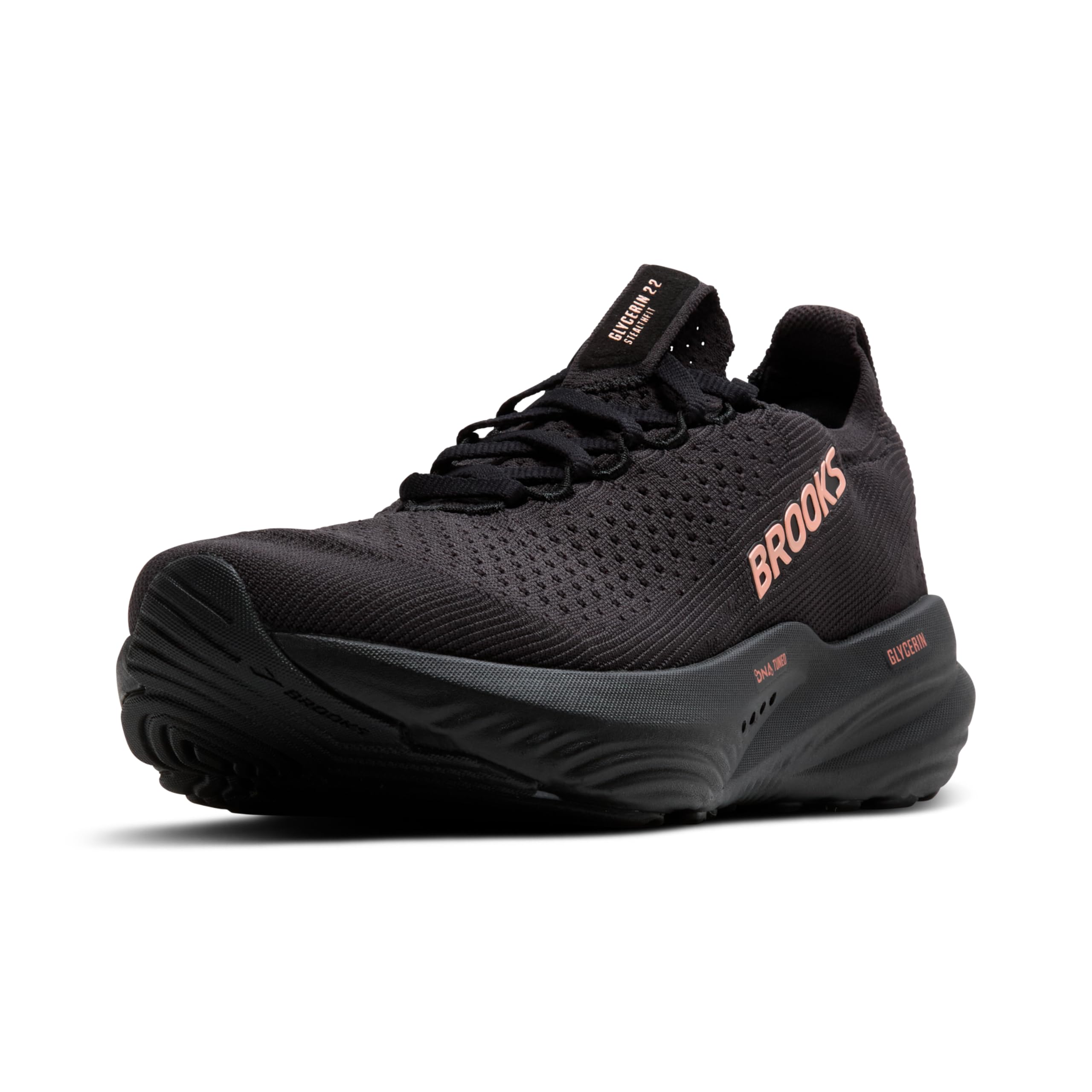
The Glycerin 22 is the plushiest ride in Brooks’ current lineup, leveraging their DNA LOFT v3 cushioning—a nitrogen-infused foam that delivers a balanced, soft landing without the sponge-like instability of cheaper foams. For nurses who prefer a neutral shoe (no stability posts), this model offers a seamless Stealthfit upper that adapts to the foot’s shape, eliminating pressure points near the laces.
Reviewers with high arches and neuromas rate this shoe highly for zero irritation during lateral movements required for lifting and squatting in the gym or on the ward. The generous foam stack height in the heel (over 30mm) provides substantial shock absorption for every step on hard hospital flooring. The outsole rubber is strategically placed for durability in high-wear zones, though it won’t match the mile-for-mile longevity of the Addiction Walker.
The trade-off is that this shoe is built for neutral gaits—overpronators may find the midsole too soft for proper stability. It runs true to size, but those with extremely wide feet should consider the 2E width option. A great choice for nurses who prioritize a luxurious, cloud-like step over absolute structure.
Why it’s great
- DNA LOFT v3 is among the most comfortable foams available
- Stealthfit upper eliminates lace bite and irritation
- Excellent for high arches and neuromas
Good to know
- Not ideal for severe overpronation
- Outsole may wear faster on abrasive surfaces
3. New Balance Women’s FuelCell Walker Elite V1 Walking Shoe
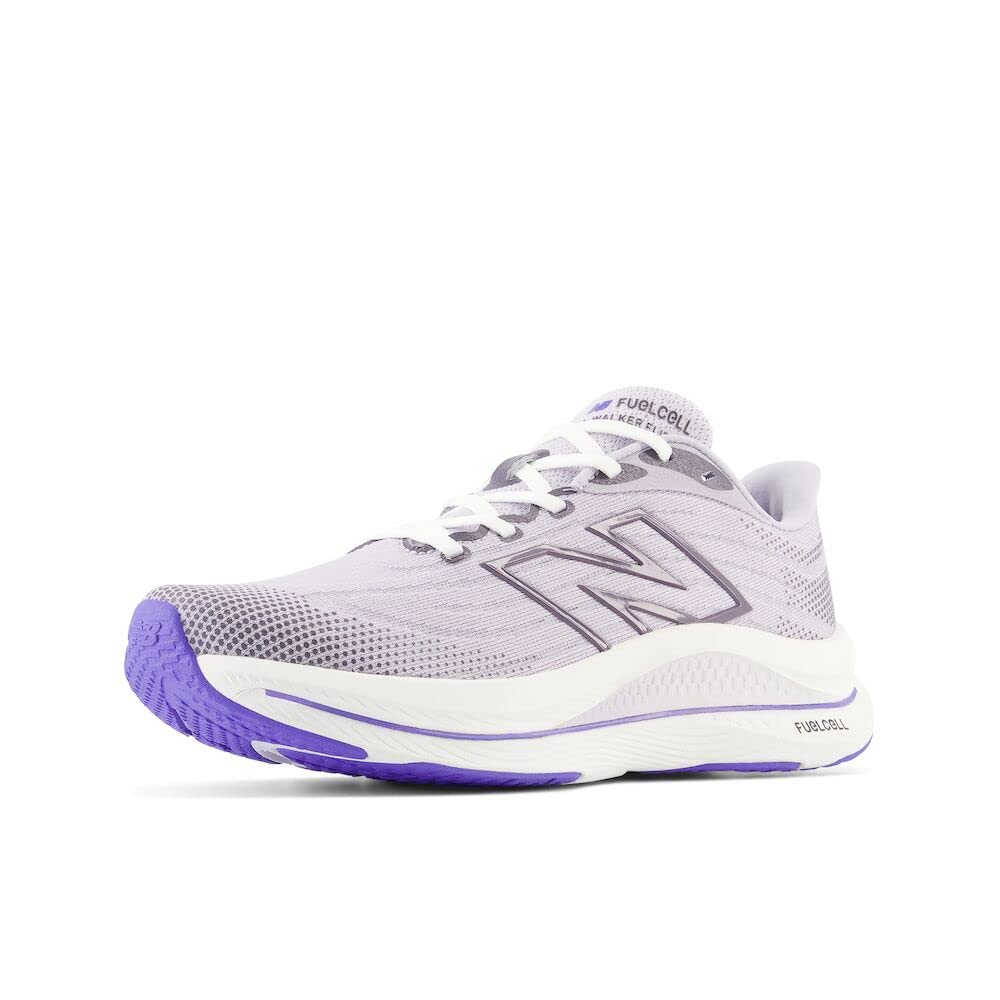
The New Balance FuelCell Walker Elite V1 brings a walking-specific technology platform—the Walking Strike Path outsole—that guides the foot through a natural heel-to-toe transition. This is a real advantage for nurses who are constantly pacing, as the rocker-shaped sole reduces the energy required to push off with each stride. The FuelCell foam is noticeably more responsive than standard EVA, providing a slight propulsive feel that fights the tired-leg sensation of hour six.
Available in a range of widths (including wide and extra-wide), this shoe solves the common complaint of a too-narrow toe box. Reviewers highlight that the arch support is substantial without being aggressive, making it compatible with custom orthotics. The Stability Plane under the arch adds a grounded feeling during pivots and quick stops.
The grip pattern on the outsole is designed for smooth indoor surfaces, so it won’t be your best choice for rainy outdoor commutes. But for pure indoor shift performance—where your feet are sliding across a polished floor—the outsole delivers reliable traction.
Why it’s great
- Rocker sole reduces push-off effort
- Available in wide and extra-wide widths
- Compatible with orthotic inserts
Good to know
- Outsole traction is best on dry indoor floors
- Some find the fit slightly snug in standard width
4. ALTRA Women’s Lone Peak 8 Trail Running Shoe
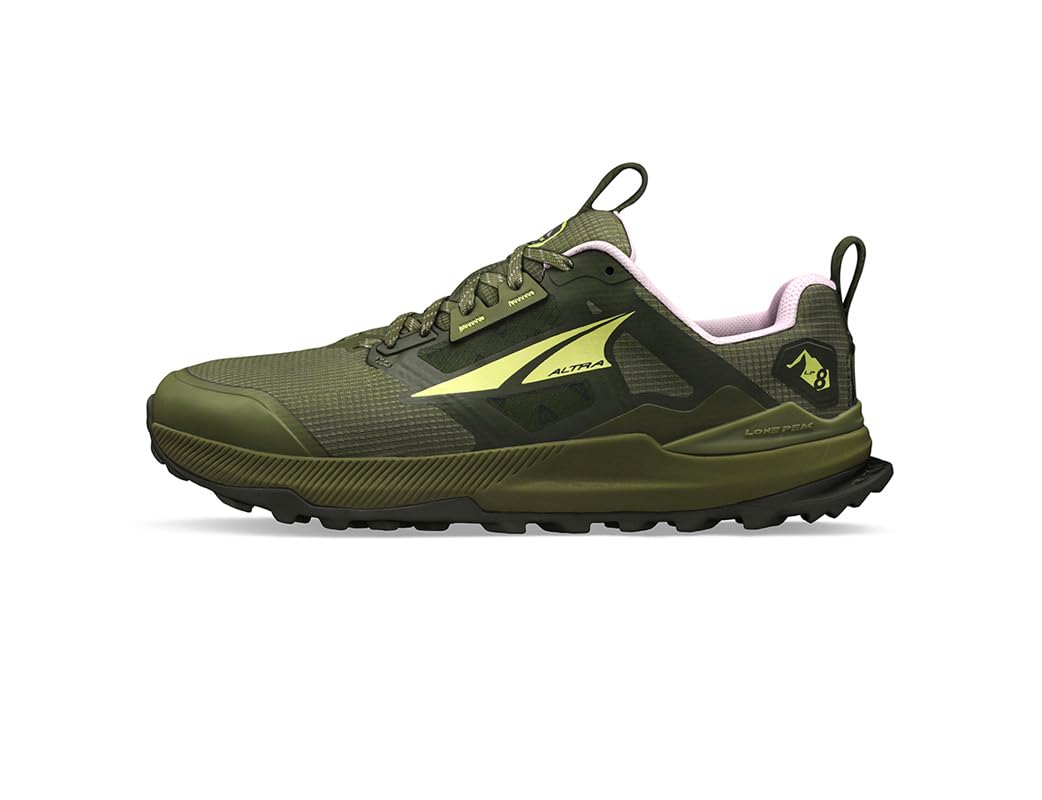
ALTRA’s signature is the FootShape toe box, which allows the toes to splay absolutely naturally—a critical feature for nurses prone to Morton’s neuroma, bunions, or hammer toes. The Lone Peak 8 is their flagship trail runner, but its zero-drop platform (heel and forefoot at the same height) forces a more natural, midfoot-oriented stride that can strengthen the foot over time.
This is not a shoe for everyone on its first shift. The zero-drop requires an adaptation period (usually a week of partial wear) to let the calves and achilles adjust. Once adapted, nurses report dramatically less forefoot pain and fatigue, as the foot is allowed to function without compression in the toe box. The MaxTrac outsole is aggressively lugged, providing exceptional grip on wet or slick surfaces—a hidden advantage for hospital spill zones.
The trade-off is a firmer feel underfoot compared to the Brooks or New Balance options. If you need a pillow-soft landing, this isn’t it. But if you value foot health, natural alignment, and a shoe that doesn’t cramp your toes, the Lone Peak is a standout.
Why it’s great
- Widest toe box in the running shoe category
- MaxTrac outsole handles wet floors with ease
- Promotes natural foot motion and strength
Good to know
- Zero-drop requires adaptation period
- Midsole is firmer than most walking shoes
5. Dansko Ingrid Sling Back Mule Clog for Women
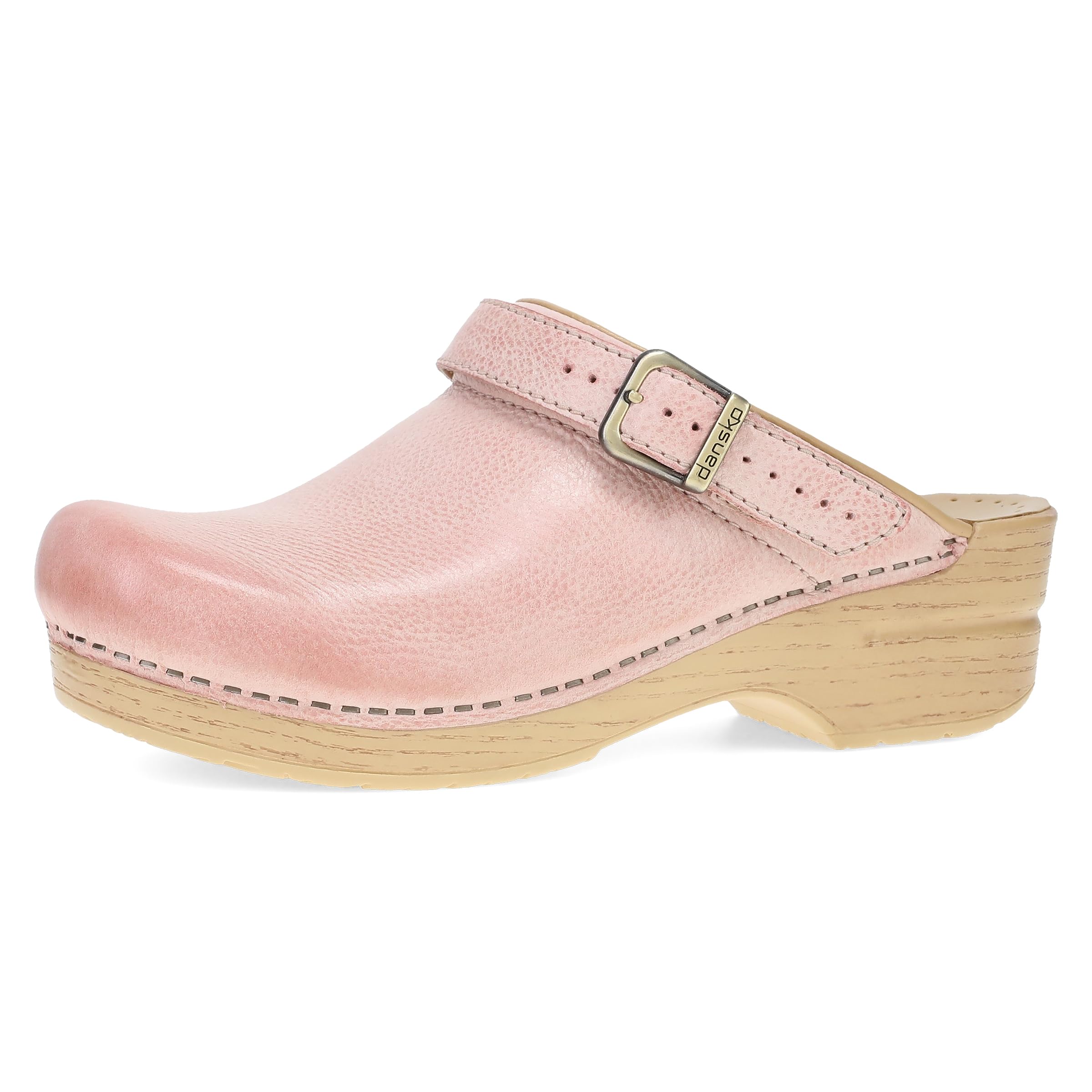
Dansko practically invented the clog-for-nurses category, and the Ingrid Sling Back Mule is an evolution that adds an adjustable heel strap to solve the classic Dansko problem: the heel slipping out without socks. The rocker bottom is specifically designed for walking, not standing still—it promotes forward motion, which can reduce the energy cost of walking over a long shift.
Made with premium leather uppers, the Ingrid offers a more professional aesthetic that some nurses prefer over athletic mesh. The adjustable strap can be tightened as feet swell through the day, and the wide toe box provides plenty of room for toe movement. The anti-fatigue technology is built into the rocker shape, offering a different sensation than foam-based cushioning—some find it more supportive, others find it less forgiving on hard floors.
Downsides include a lack of width sizing (standard only) and the fact that the dark brown color is notably darker than product photos suggest. It also requires ordering a size up from your regular shoe size for proper length alignment.
Why it’s great
- Rocker bottom reduces walking effort
- Adjustable heel strap secures fit
- Leather upper offers a polished, non-athletic look
Good to know
- Order a full size up from your normal size
- Cannot accommodate custom orthotics as easily as lace-ups
6. Ryka Devotion X Max RS Walking Shoe
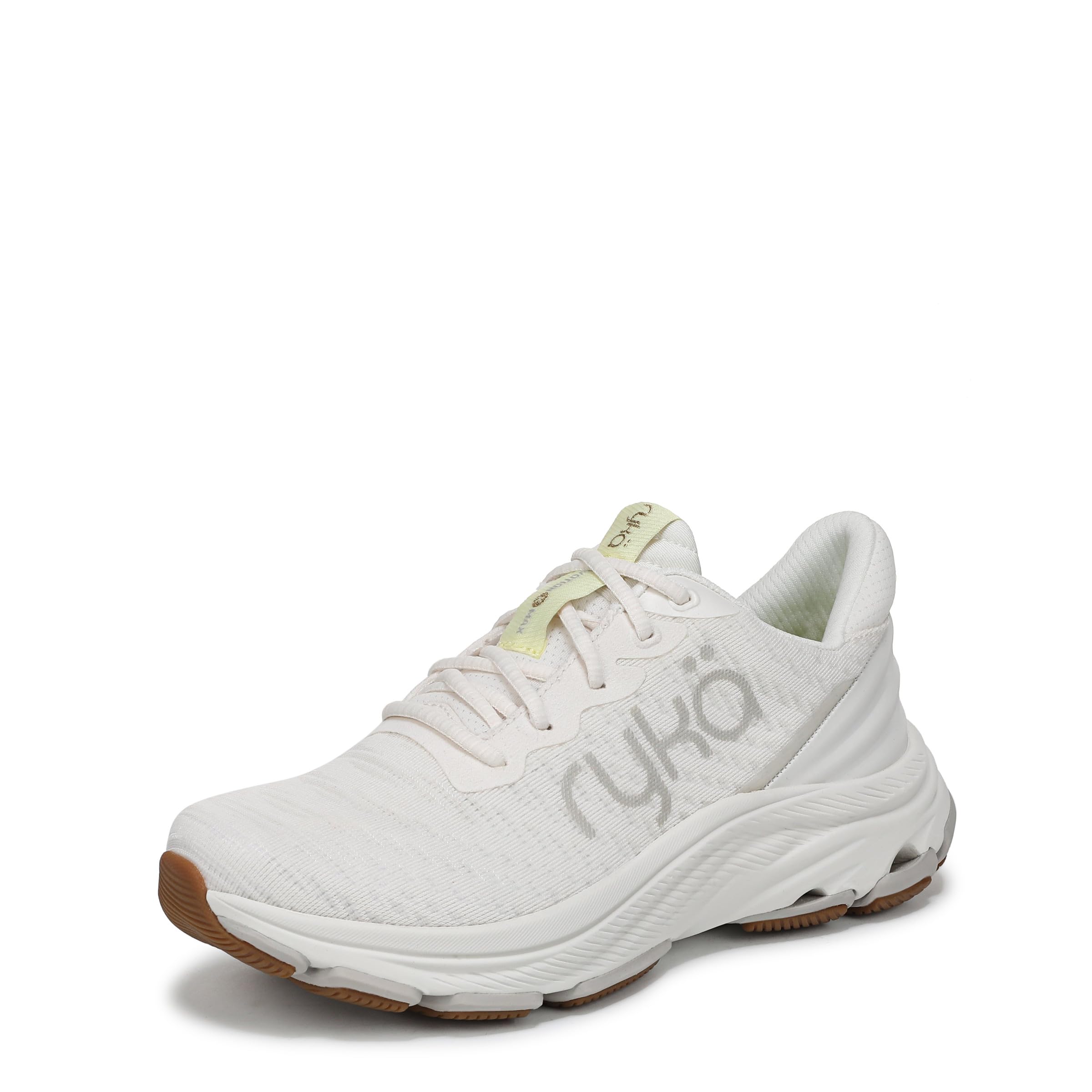
Ryka is one of the few brands that designs its shoes exclusively for the female foot, which has a narrower heel and a different arch profile than a unisex shoe. The Devotion X Max RS highlights that specialization with a midsole that feels more cushioned than even the Hoka Bondi 9, according to real user comparisons. The wide toe box is particularly noted as a relief for women with wide feet who have been sized out by Nike and Saucony.
The removable insole is a key feature for nurses who need to swap in custom orthotics or arch supports. The machine-washable construction is a rare bonus—spills, blood, and other hospital hazmat can be easily cleaned without destroying the shoe. The outsole is stable and non-slip, providing confidence on polished hospital floors.
Some users note that the wide toe box can cause a slight puckering of the upper when laced tightly, but this is a minor aesthetic issue. It runs true to size, but half-size up is recommended if you plan to wear thick compression socks.
Why it’s great
- Designed specifically for women’s foot anatomy
- Machine washable for hospital hygiene
- Outstanding cushioning compared to premium brands
Good to know
- Wide toe box can cause upper puckering
- Less lateral stability for quick pivots
7. Skechers Women’s Max Cushioning Elite 2.0 Speed Play Sneaker

The Skechers Max Cushioning Elite 2.0 is the entry-level option in this list, but it punches above its price bracket by delivering a cloud-like feel that customers consistently rate as “amazing” for plantar fasciitis and general foot pain. The thick, soft-cushioned sole provides immediate step-in comfort without any break-in period, making it a great choice for new nurses or those with budget constraints.
The copper-infused footbed lining adds a bit of antimicrobial protection, and the highly breathable mesh upper prevents overheating during long shifts. It’s also remarkably light for its stack height, reducing the overall energy cost of lifting your feet through the gait cycle. The colorful design options are a plus for those who want a bit of personality on the floor.
The trade-off is that the cushioning is soft and plush, not supportive—it lacks the medial post and structured arch of the Brooks or New Balance options. Overpronators will likely bottom out the foam by the end of a shift. It’s best suited for neutral gaits or as a stylish recovery shoe for the gym or commute.
Why it’s great
- Exceptional step-in comfort for plantar fasciitis
- Extremely lightweight and breathable
- Copper-infused footbed reduces odor
Good to know
- Lacks structural arch support for overpronators
- Soft foam may compress after 4-6 hours of standing
FAQ
Should I buy running shoes or walking shoes for nursing shifts?
How often should a nurse replace their athletic shoes?
Are zero-drop shoes like ALTRA safe for a full nursing shift?
Final Thoughts: The Verdict
For most users, the athletic shoes for nurses winner is the Brooks Addiction Walker V-Strap 2 because it combines unmatched durability and pronation control for the 12-hour shift. If you want plush, weightless comfort, grab the Brooks Glycerin Stealthfit 22. And for a mid-range value that still delivers a rocker-sole stride advantage, nothing beats the New Balance FuelCell Walker Elite V1.