
Our readers keep the lights on and the weekend projects moving. As an Amazon Associate, I earn from qualifying purchases.
Finding an athletic shoe that accommodates a rigid orthotic insert without making your foot feel like it is clamped in a vice is a distinct challenge. The wrong shoe can pinch the arch, flatten the heel cup, or push your toes against the front, negating the very support your custom insole is meant to provide.
I’m Rikta — the co-founder and writer behind FitlyFast. My approach to this guide involved analyzing hundreds of customer fit reports and technical spec sheets to identify exactly which models offer the internal volume and structural compatibility that orthotic wearers require.
Whether you need max cushioning for pavement pounding or a flat stable base for heavy lifts, this guide narrows down the top contenders to show you the absolute best athletic shoes for orthotics on the market right now.
How To Choose The Best Athletic Shoes For Orthotics
Not every sneaker is built to work with aftermarket orthotics. The three most common failure points are a fixed insole that can’t be removed, a shallow heel pocket that forces the insert upward, and a narrow toe box that scrunches the foot. Here is what you need to check before buying.
Removable Insole Depth
The single most important feature is a fully removable sock liner. The factory insole should come out cleanly, leaving a flat, debris-free bed for your orthotic. After removing it, press your thumb into the shoe to feel for any glue ridges or stitching that could create pressure points under your custom insert.
Heel Cup and Midfoot Volume
Orthotics often add 3-6mm of height at the heel. If the shoe’s heel counter is too shallow or the midfoot is too snug, the insert will tilt your foot forward or pinch the arch. Look for models with a deep internal heel pocket and enough vertical space across the bridge to avoid that “toes feeling the ceiling” sensation.
Toe Box Shape and Width
A tapered toe box forces the forefoot to squeeze, which can roll the foot off the orthotic’s medial post. Foot-shaped or anatomical toe boxes allow the toes to splay naturally, keeping the foot stacked correctly over the insert. If you have bunions or a wide forefoot, prioritize brands like Brooks and ALTRA that offer wide sizing options.
Quick Comparison
On smaller screens, swipe sideways to see the full table.
| Model | Category | Best For | Key Spec | Amazon |
|---|---|---|---|---|
| Brooks Ghost Max | Neutral | Plantar fasciitis relief | 8mm drop, rocker sole | Amazon |
| Orthofeet Tilos | Orthopedic | All-day standing | 4 insert options | Amazon |
| ASICS GT-1000 14 | Stability | Overpronation control | Xtra-wide available | Amazon |
| Brooks Glycerin 23 | Neutral | Max cushion daily miles | DNA TUNED foam | Amazon |
| ALTRA Lone Peak 8 | Trail | Wide toe box hiking | FootShape toe box | Amazon |
| Under Armour TriBase 6 | Cross-Training | Stable lifting platform | Wide toe box | Amazon |
| Reebok Nano X5 | Training | Flat sole for lifts | Flat, non-flex sole | Amazon |
| Brooks Beast GTS 26 | Motion Control | Maximum stability | 4E extra wide | Amazon |
| Skechers Arch Fit | Walking | Lightweight slip-on | Arch Fit insole | Amazon |
In‑Depth Reviews
1. Brooks Women’s Ghost Max Suede/Leather Neutral Running & Walking Shoe

The Brooks Ghost Max delivers a unique combination that orthotic users prize: a plush yet stable platform with a pronounced rocker sole that actively pushes the gait forward, reducing heel-strike pressure. Multiple reviewers confirm zero break-in time and immediate relief from plantar fasciitis and Achilles tendonitis — a telling sign that the internal volume accepts orthotics without raising the foot too high inside the shoe.
The suede and leather upper adds structure without rigidity, and the GlideRoll rocker technology works in tandem with orthotic inserts to smooth the transition from heel to toe. Several users noted the shoe runs about half a size small, so sizing up ensures your orthotic doesn’t push your toes against the front. For those on their feet all day or walking moderate distances, this model is the most balanced pick in the lineup.
It sits in a premium price tier, but the construction quality and targeted cushioning make it a long-term investment. The leather upper also provides extra warmth and light weather protection, making it suitable for cooler months. If you need a do-everything neutral shoe that plays well with rigid inserts, this is your best starting point.
Why it’s great
- Rocker sole reduces plantar fascia strain
- No break-in required even with orthotics
- Quality leather build with good structure
Good to know
- Runs half size small; size up for orthotic depth
- Not as breathable as mesh versions
2. Brooks Men’s Glycerin 23 Neutral Running Shoe
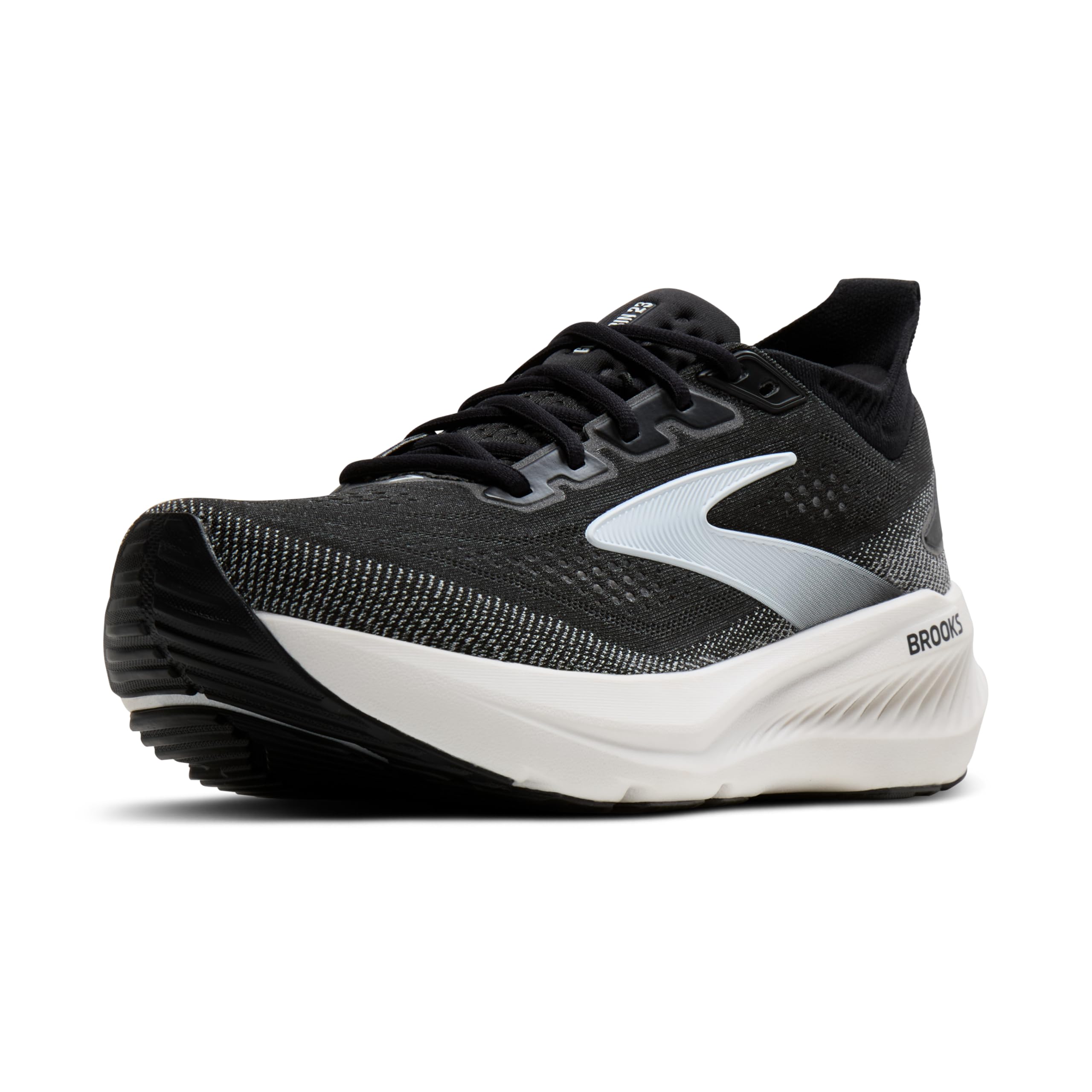
The Brooks Glycerin 23 is a premium max-cushion cruiser that orthotic wearers will appreciate for its wider base and roomier toe box compared to previous versions.
Reviewers noted the reduced 8mm drop and improved heel lockdown, which helps keep the orthotic seated correctly during long miles. A few users with neuropathy and bunions found the Glycerin 23 considerably more forgiving than other Brooks models, specifically because the internal volume doesn’t compress the arch. The shoe runs true to size for most, but orthotic users with wide feet should consider the available 2E and 4E sizes.
At a premium price point, the Glycerin 23 is best for daily road running and walking where cushioning is the top priority. It is not designed for speed work or trail use, but for general-purpose mileage with orthotics, it is one of the most comfortable options you will find.
Why it’s great
- Plush DNA TUNED foam absorbs impact well
- Wider base adds natural stability
- Great heel lockdown for orthotic positioning
Good to know
- Heavier at 10.6 oz; not for speed
- Some found less toe room than Asics Gel-Nimbus
3. Orthofeet Men’s Orthopedic Tilos Hands-Free Walking Sneaker
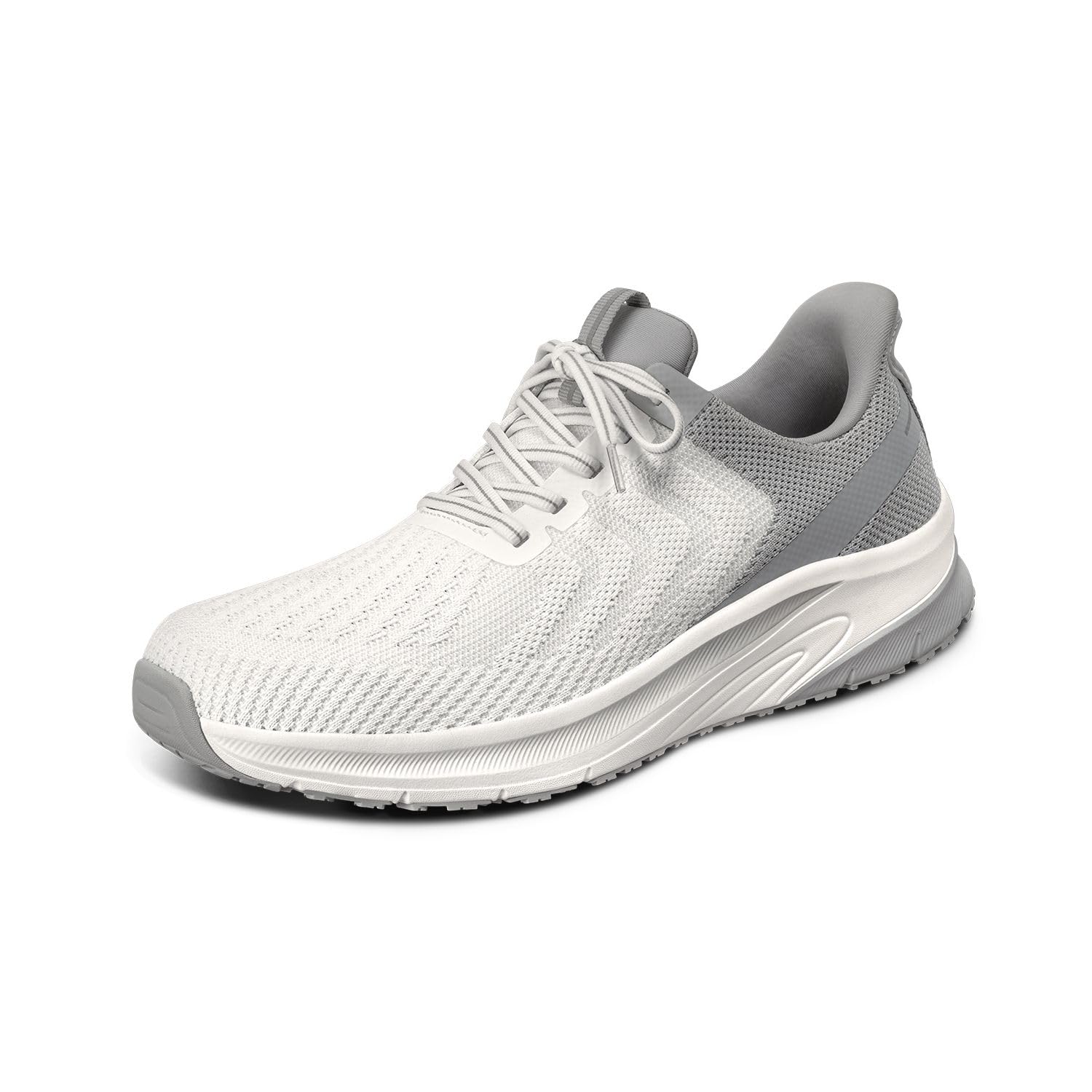
Orthofeet Tilos is engineered from the ground up for orthotics, and it shows in the details. The shoe comes with four separate insert layers (including 1/8” and 1/16” risers) that allow you to fine-tune the internal volume after placing your custom orthotic — a feature virtually no other sneaker offers. This modular system means you can dial in the perfect heel height and arch support without compromising the fit of the upper.
Users ranging from nurses who are on their feet all day to 76-year-olds with chronic foot pain reported immediate relief and a pain-free walking experience. The hands-free slip-on design with a stretchable collar makes it easy for those with limited mobility, and the water-repellent upper adds practicality for light wet conditions. One important note: some users found the shoe is not truly water-repellent in heavy wet grass, so treat it as weather-resistant rather than waterproof.
The Tilos delivers orthopedic-grade adjustability at a price that undercuts most premium alternatives. If you have complicated foot issues, need bunion-friendly room, or want the ability to fine-tune your fit, this is the most specialized pick for orthotic compatibility.
Why it’s great
- 4-layer insert system for perfect orthotic fit
- Immediate pain relief reported by multiple users
- Easy slip-on design for limited mobility
Good to know
- Water resistance less than advertised
- Styling is functional but not flashy
4. ASICS Men’s GT-1000 14 Running Shoes
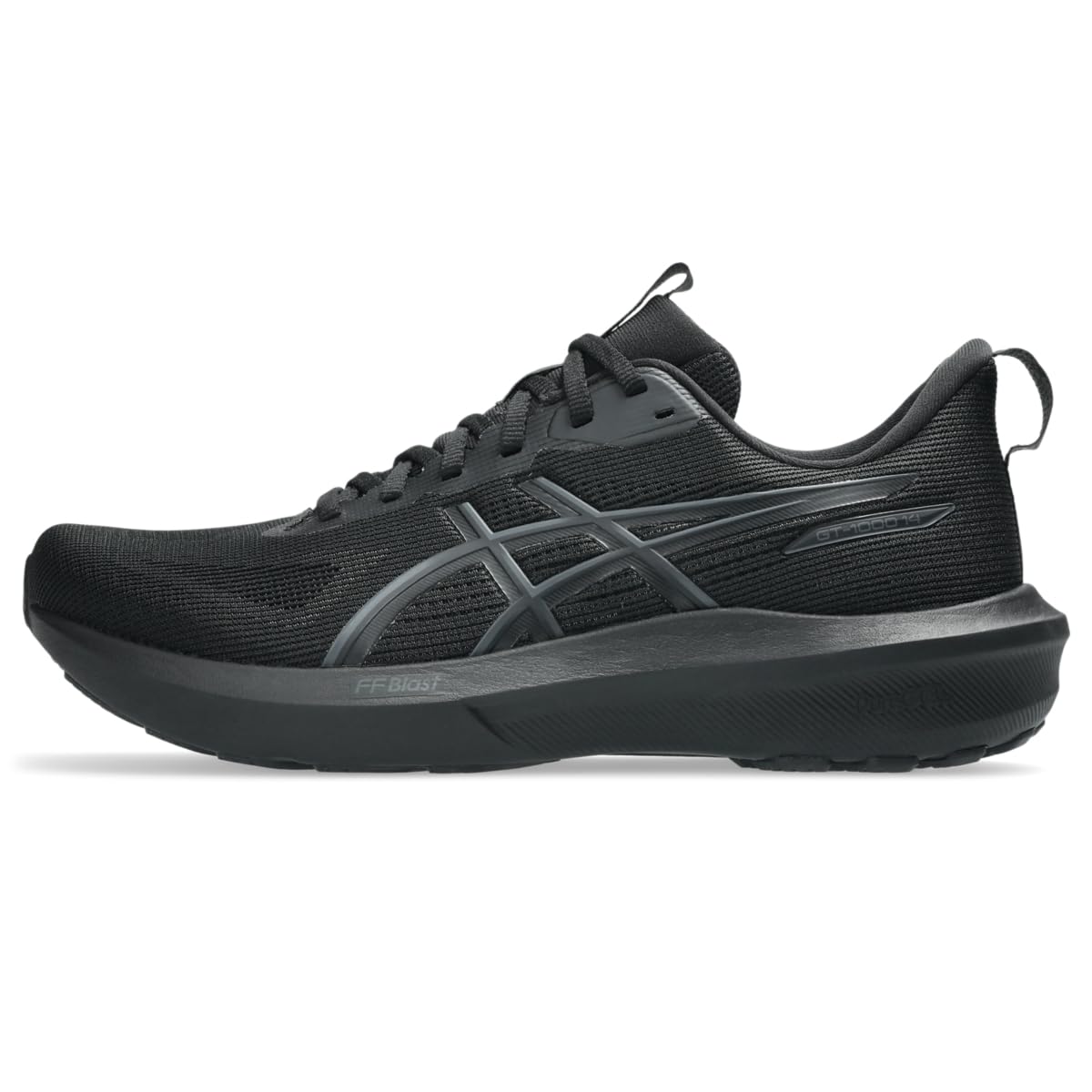
The ASICS GT-1000 14 is the mid-range stability shoe that orthotic users who overpronate should prioritize. It offers the same guidance system found in the more expensive GT-2000 but with a softer, more cushioned ride that reviewers repeatedly noted helped reduce foot pain during daily walking. The removable sock liner sits on a flat bed, so your orthotic won’t rock or tilt, and the Xtra-wide option ensures no lateral pinching.
Users with neuropathy and general foot fatigue reported significant pain reduction after switching to this model. The upper is breathable and lightweight, and the outsole provides reliable grip on both road and light trail surfaces. One reviewer even noted it was a better value than the GT-2000, with more cushioning for daily use. If you need stability without the stiffness of a motion-control shoe, the GT-1000 is a strong mid-range option.
It is important to note that this is a stability shoe with a medial post, so it is best suited for those who specifically need pronation control. Neutral runners may find the post intrusive. But for orthotic users with flat feet or overpronation, the GT-1000 provides a supportive platform that works with the insert, not against it.
Why it’s great
- Stability post for overpronation control
- Xtra-wide option available
- Better cushioning than GT-2000 for less cost
Good to know
- Medial post may feel firm for neutral feet
- Not designed for speed work
5. ALTRA Women’s Lone Peak 8 Trail Running Shoe
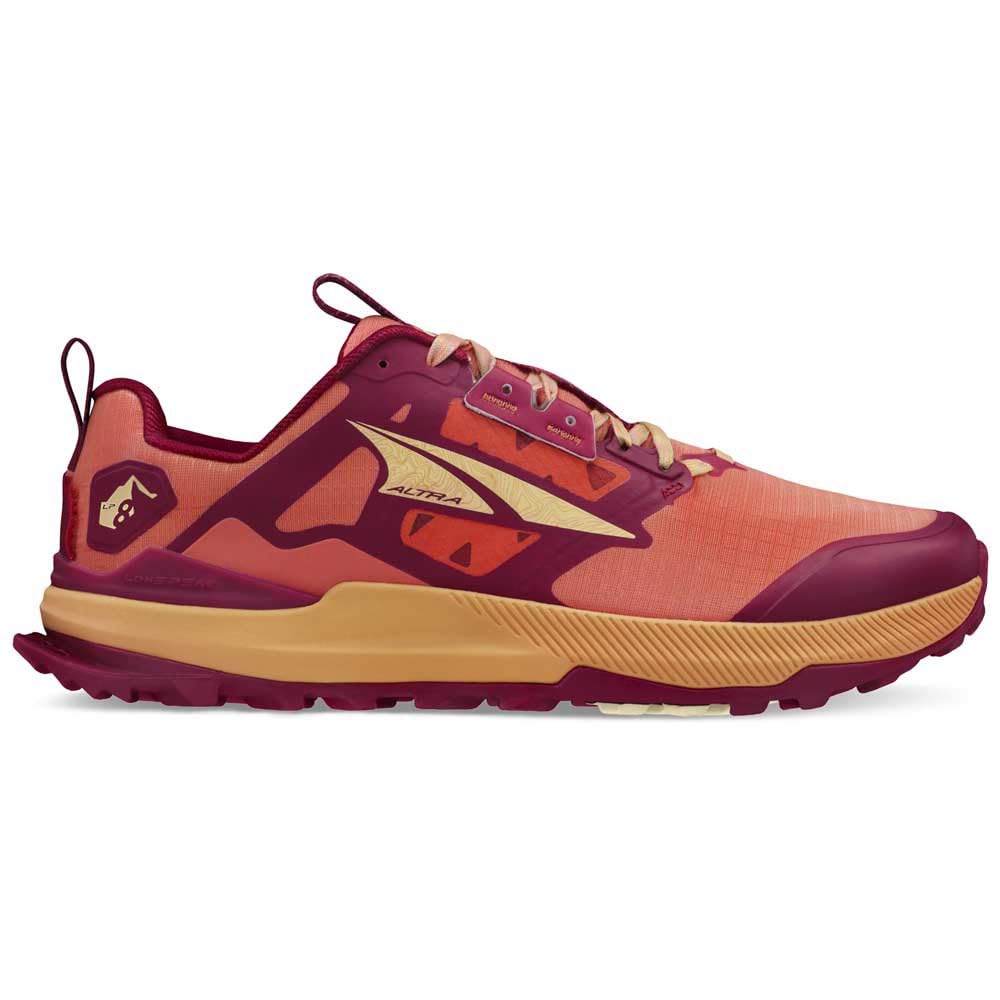
The ALTRA Lone Peak 8 is the go-to trail shoe for orthotic users who prioritize toe splay and foot alignment. Its FootShape toe box allows the toes to spread fully, which is critical when a rigid orthotic is pushing the foot forward — a narrow toe box can create stair-stepping pressure across the metatarsals. The zero-drop platform also keeps the heel and forefoot at the same level, which some orthotic users prefer for a more natural gait.
Multiple users who have purchased this shoe six or more times cite the wide toe box as the reason it eliminates toe pain on rocky hikes. The MaxTrac outsole delivers excellent grip on loose dirt and rock, and the gaiter compatibility makes it useful for debris-heavy trails. The Lone Peak 8 is not a max-cushion shoe — it has a moderate stack height — so it works best for those who want ground feel and stability over deep plushness.
If your orthotic is designed for a zero-drop or low-drop shoe, this ALTRA model is the best match in the trail category. Just be sure to size up half a size, as several reviewers noted the shoe fits best with that adjustment when using an insert.
Why it’s great
- FootShape toe box eliminates toe crowding
- Zero-drop platform for natural alignment
- Excellent traction and gaiter compatibility
Good to know
- Not a max-cushion shoe
- Half size up recommended with orthotics
6. Under Armour Men’s TriBase Reign 6 Trainer Shoes
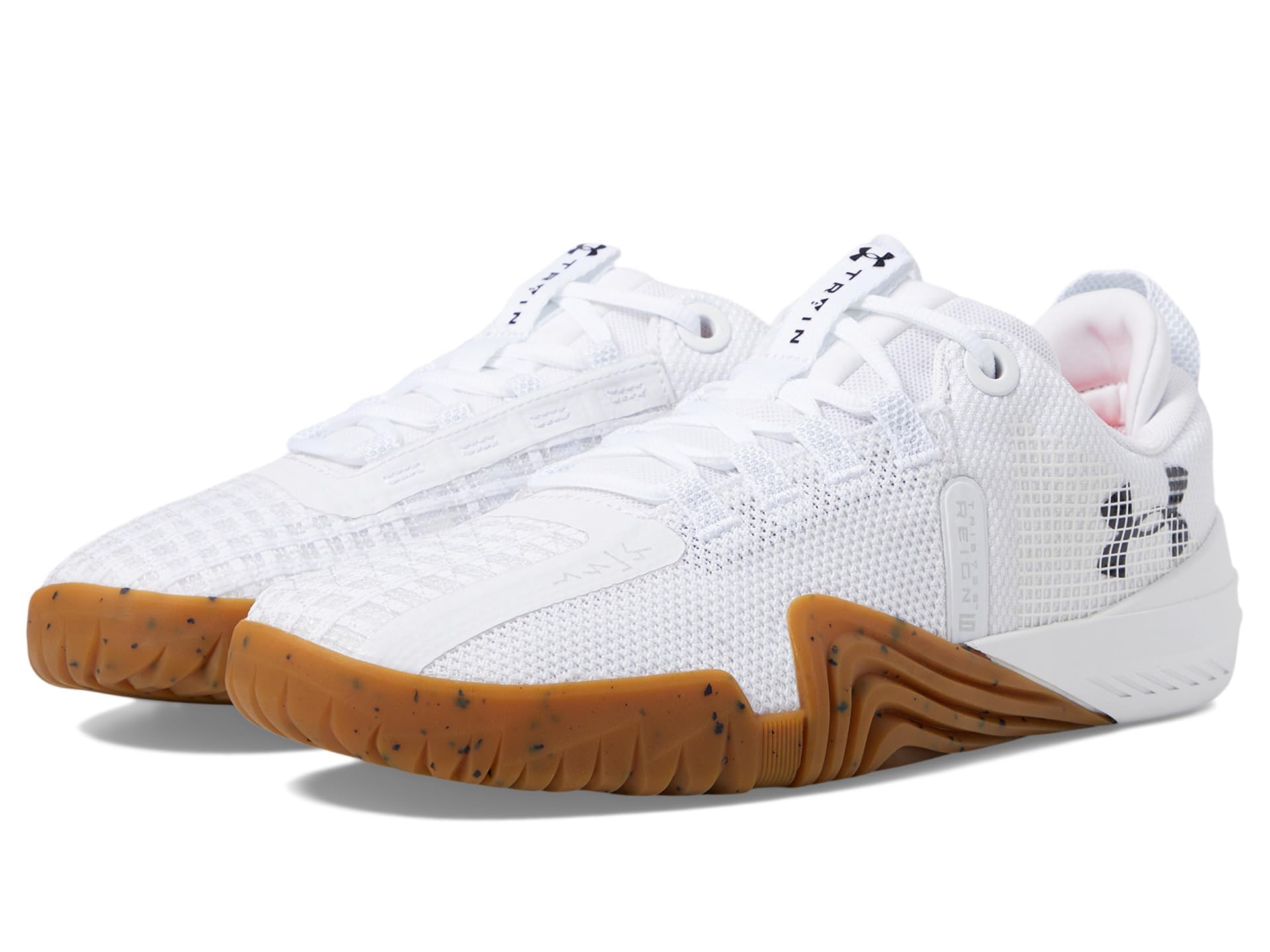
The Under Armour TriBase Reign 6 is a cross-training shoe that offers a rare combination: a wide toe box and a stable, flat sole that works well with orthotics during lifting. Reviewers with flat and wide feet specifically praised the arch support and the absence of heel slippage, which is critical when you are squatting or deadlifting with an insert that needs to stay in place. The shoe is flexible enough for sprints and HIIT but firm enough for heavy compound lifts.
Several users noted that the toe box is wider than the Reebok Nano and less stiff than the Nike Metcon, making it a more accommodating option for orthotic users. The TriBase outsole uses a unique three-point contact pattern that enhances ground feel without sacrificing stability. One common sizing note: these run slightly large, so going half a size down is recommended for a locked-in fit, especially if you are adding an orthotic.
At its price point, the TriBase 6 delivers excellent value for gym-goers who need a training shoe that can handle both lifting and cardio without fighting their orthotic. It is not designed for long-distance running, but for the gym floor, it is a top contender.
Why it’s great
- Wide toe box ideal for orthotics
- Stable sole for lifting, flexible for HIIT
- No heel slippage reported
Good to know
- Runs half size large; size down
- White colorway shows dirt quickly
7. Reebok Nano X5
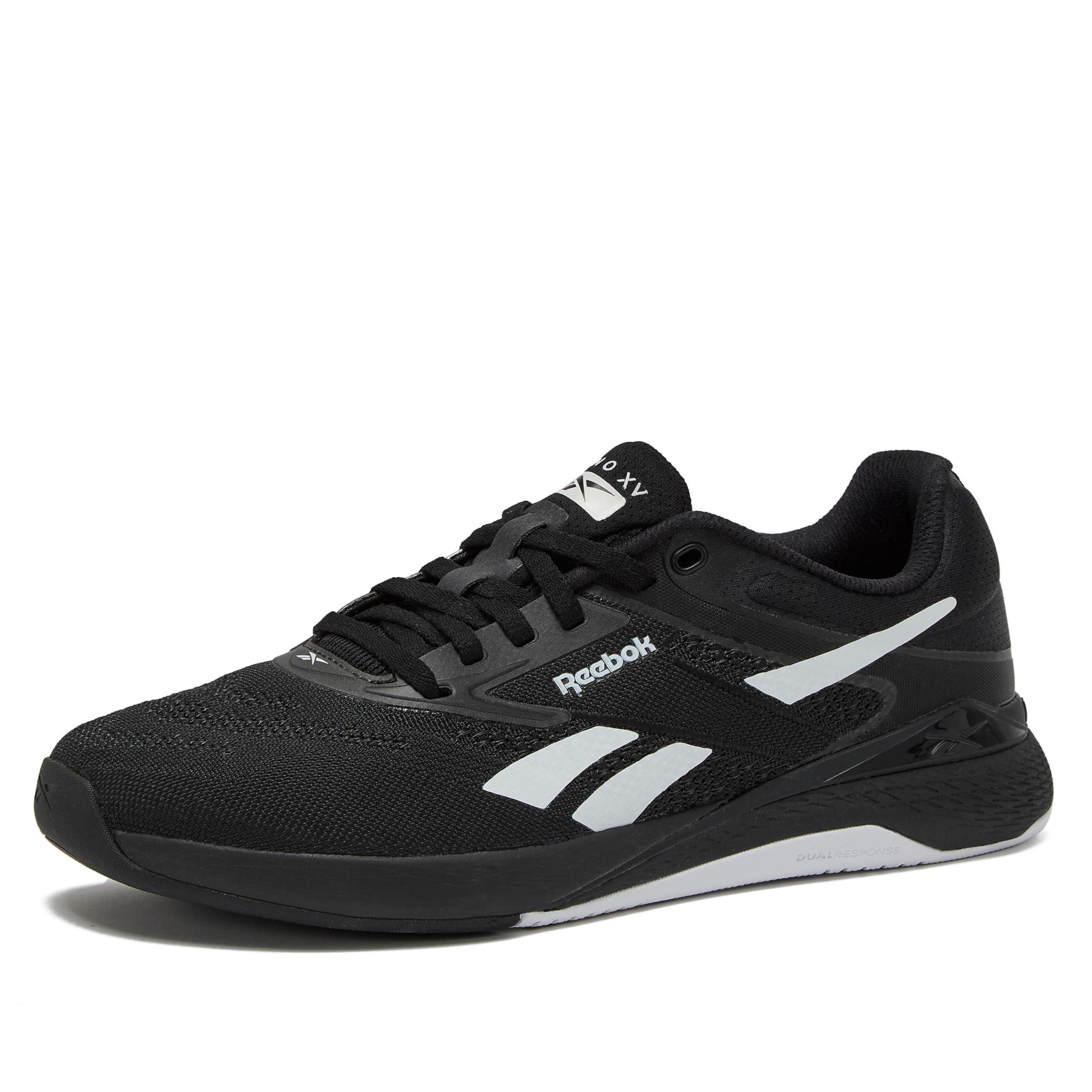
The Reebok Nano X5 is the dedicated lifting shoe for orthotic users who need a completely flat, non-flexible platform for squats, deadlifts, and split squats. The rigid sole minimizes foot rocking inside the shoe, and the wide toe box allows the toes to grip the floor — a key biomechanical advantage when lifting heavy. Reviewers specifically noted that the Nano X5 resolved balance issues during split squats and provided necessary arch support for plantar fasciitis.
This is not a running or walking shoe; it is built for the gym floor. The flat sole and minimal heel-to-toe drop mean the shoe is not comfortable for long walks or runs. Some users with narrow feet found the shoe ran wide, and a few noted a slight squeaking noise when walking. However, for weight training, the stability is unmatched in this price range. Multiple purchasers are on their third pair, which speaks to the durability of the outsole and upper.
For orthotic users who do heavy compound lifts and need their insert to stay flat against a non-compressible surface, the Nano X5 is the best specialized tool for the job. Just size up half a size if you plan to add a thick orthotic.
Why it’s great
- Flat, non-flex sole for maximum lifting stability
- Wide toe box for toe grip
- Durable build for repeated heavy use
Good to know
- Not suitable for running or walking
- Runs wide; size up for orthotics
8. Brooks Men’s Beast GTS 26 Supportive Running & Walking Shoe
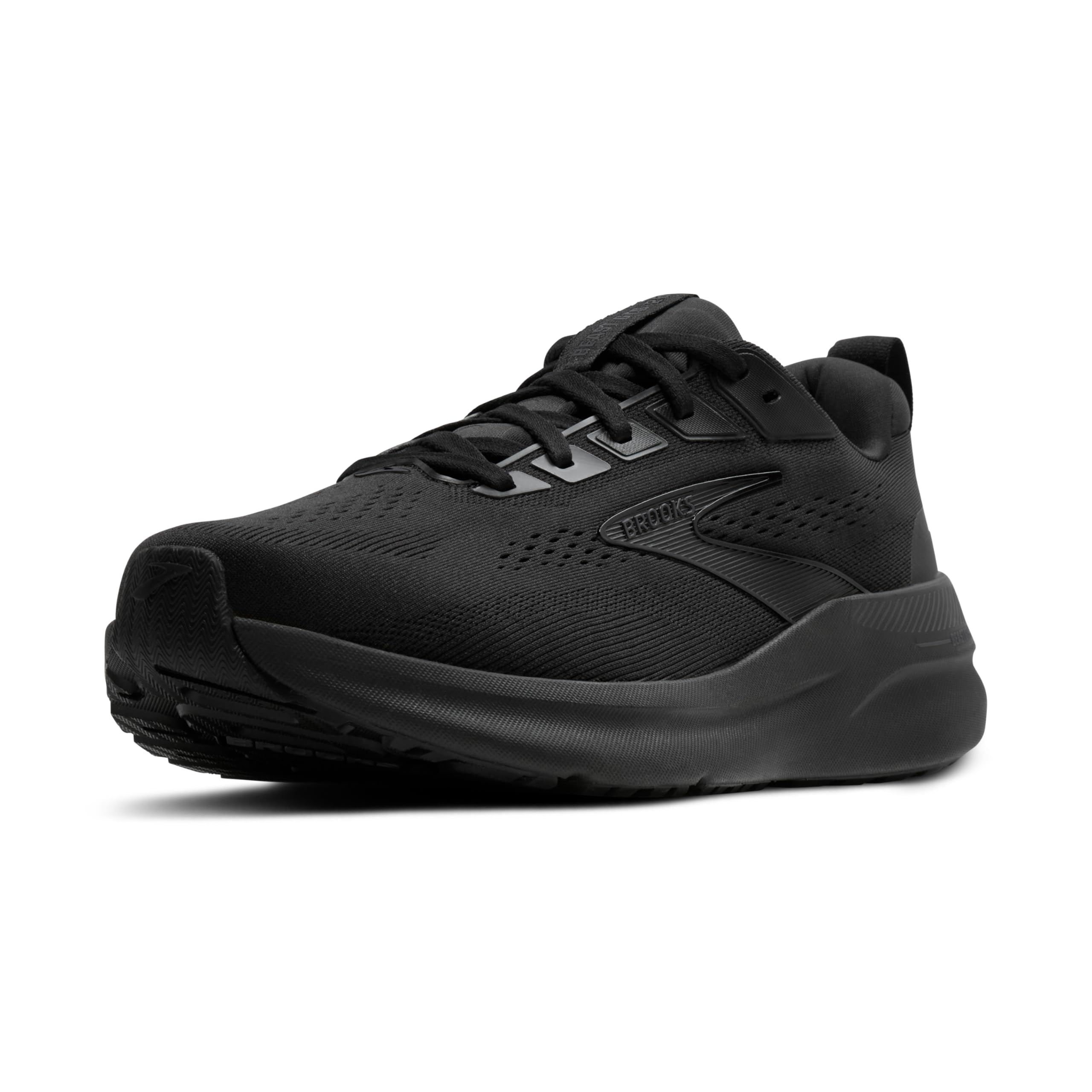
The Brooks Beast GTS 26 is the maximum-stability option for orthotic users who need motion control at the highest level. It is built for those with severe overpronation, bunions, or very wide feet (available in 4E). The GuideRails holistic support system works by controlling excess movement through the knees, not just the feet, which makes it a strong choice for users whose orthotics address lower-leg alignment issues.
An 84-year-old reviewer doing 45-minute power walks called it “walking on cloud nine,” while others with bunions reported complete comfort from the extra-wide toe box and roomy internal volume. The shoe is heavy and stiff, which is expected for a motion-control platform, but users found it stable enough for hiking, city walking, and pickleball. One downside: the included laces are too short for the 4E version, making a heel-lock tie difficult without aftermarket laces.
The Beast GTS 26 sits at a premium price, but for orthotic users who require maximum guidance and a very wide fit, it is the most capable option in this guide. If you don’t need motion control, you can save money with a lighter shoe, but if you do, the Beast is unmatched.
Why it’s great
- GuideRails system for knee and foot support
- 4E extra-wide option for bunions
- Stable platform for all-day walking
Good to know
- Heavy and stiff; not for speed
- Laces too short for 4E heel lock
9. Skechers Women’s Arch Fit Arcade-See Ya There Hands Free Slip-ins Sneaker
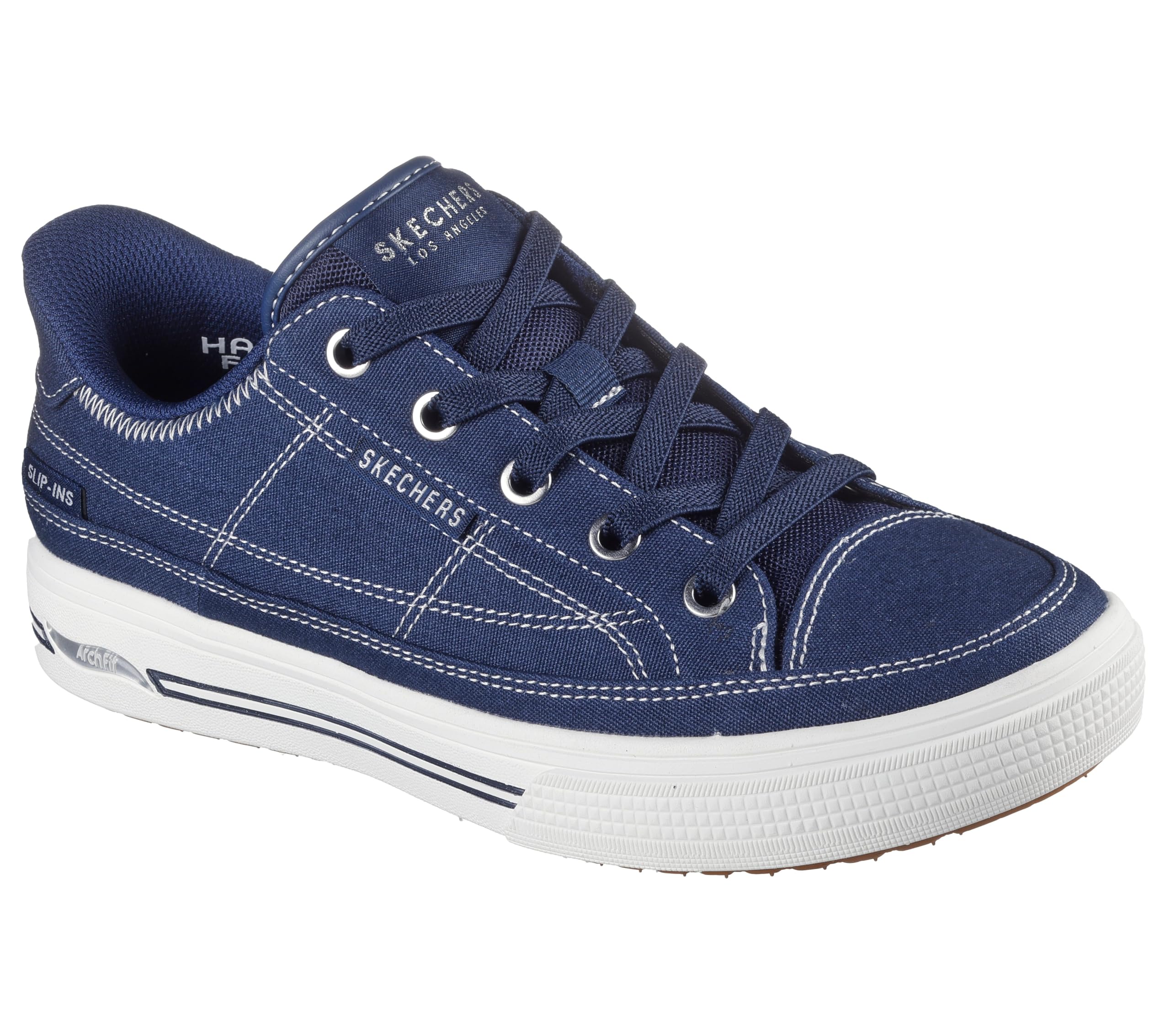
The Skechers Arch Fit is the budget-friendly entry point for orthotic users who want a lightweight, easy-on/easy-off sneaker. The Arch Fit insole is podiatrist-certified and provides decent arch support on its own, but the shoe also has a fully removable liner, which means you can drop your custom orthotic in without resistance. Multiple users praised the excellent arch support and light weight, with one reviewer wearing them for four days at Universal Studios without discomfort.
The slip-on design with a stretchable collar makes it ideal for those who struggle with laces, and the outsole held up well after two months of daily wear with no heel wear reported. The primary caution is fit: this shoe runs notably narrow. Several reviewers with regular-width feet found them tight, so it is best suited for narrow to medium feet. Wide-footed users should look elsewhere.
At the lowest price point in this guide, the Skechers Arch Fit delivers excellent value for casual walking and everyday wear. It is not built for high-impact training or long-distance running, but for light activity and orthotic compatibility at a low cost, it is the most accessible option.
Why it’s great
- Very lightweight and comfortable for walking
- Slip-on design with good arch support
- Removable insole for custom orthotics
Good to know
- Runs narrow; not for wide feet
- Not designed for running or high-impact use
FAQ
Can I use my orthotics in any athletic shoe?
How do I know if my orthotic will fit inside a shoe?
Do I need a stability shoe for orthotics?
What does a wide toe box do for orthotic users?
Why do my orthotics make my toes hit the front of the shoe?
Final Thoughts: The Verdict
For most users, the athletic shoes for orthotics winner is the Brooks Ghost Max because it combines a plush rocker sole, immediate zero-break-in comfort, and a leather upper that accommodates orthotics without raising the foot too high. If you want maximum adjustability for complex foot issues, grab the Orthofeet Tilos with its 4-insert system. And for trail hikers with wide feet, nothing beats the ALTRA Lone Peak 8 and its foot-shaped toe box.