
Our readers keep the lights on and the weekend projects moving. As an Amazon Associate, I earn from qualifying purchases.
If your ankles cave inward the moment your foot strikes the ground, you are dealing with overpronation — a gait pattern that can radiate pain from your arches up to your knees, hips, and lower back. The right stability shoe doesn’t just cushion your step; it actively guides your foot through a neutral motion path, preventing excessive roll and reducing injury risk over thousands of strides.
I’m Rikta — the co-founder and writer behind FitlyFast. I’ve spent countless hours dissecting the biomechanical engineering, foam densities, and medial support structures in the stability shoe market to build this guide specifically for overpronators who need reliable motion control without sacrificing ride comfort.
Whether you are a daily runner logging high mileage or someone who simply needs supportive footwear for all-day walking, this guide details the top options available to help you find the best athletic shoes for overpronation.
How To Choose The Best Athletic Shoes For Overpronation
Choosing the right stability shoe requires understanding your pronation severity and the type of support technology that will correct it. Overpronation is not a one-size-fits-all issue; mild overpronators need gentle guidance, while severe overpronators require rigid medial posts or dense foam frames. The shoe’s drop, stack height, and weight also affect how the support feels during a stride.
Understanding Support Technologies
Three main methods exist for controlling overpronation: medial posting (a firm density foam wedge on the arch side of the midsole), guide rails (raised sidewalls that cradle the heel and arch), and J-Frame construction (a firmer foam wrap that extends from the medial side around the heel). Medial posts are aggressive and ideal for severe overpronators, while guide rails offer a less intrusive feel that still prevents excessive roll. J-Frame designs, like those used by Hoka, provide holistic support without a hard posting sensation.
Matching Specs to Your Gait Severity
For mild overpronation, look for lightweight stability shoes with a moderate stack height (30-36mm heel) and a 6-10mm drop. These shoes guide the foot without adding bulk. For moderate to severe overpronation, prioritize models with a lower drop (4-6mm) and a higher stability rating — often indicated by heavier weight (10-11oz for men’s, 8-10oz for women’s). The shoe’s heel counter should be firm but not abrasive, and the toe box should allow for natural toe splay while the midfoot provides secure lockdown.
Quick Comparison
On smaller screens, swipe sideways to see the full table.
| Model | Category | Best For | Key Spec | Amazon |
|---|---|---|---|---|
| Saucony Guide 18 | Stability Trainer | Mild to moderate overpronation | Center Path Technology, PWRRUN foam | Amazon |
| ASICS GT-1000 14 | Daily Stability | Versatile daily training | FF Blast Foam, 8mm drop | Amazon |
| Saucony Hurricane 24 (Men’s) | Max Cushion Stability | Recovery and long runs | Dual PWRRUN PB/PWRRUN frame | Amazon |
| Saucony Hurricane 24 (Women’s) | Max Cushion Stability | Long distance and plantar fasciitis | Dual PWRRUN PB/PWRRUN frame, 6mm drop | Amazon |
| Mizuno Wave Inspire 21 | Stability Cruiser | Shin splint prevention | MIZUNO ENERZY NXT, Wave Plate | Amazon |
| NB Fresh Foam X Vongo V6 | Premium Stability | Wide feet and orthotic use | Fresh Foam X, medial zone support | Amazon |
| Brooks Glycerin GTS 23 | Plush Stability | Luxury cushioning with support | GuideRails holistic support, 8mm drop | Amazon |
| Nike Structure 26 | Steady Ride | Everyday stability runs | ReactX midsole, midfoot wrap | Amazon |
| Hoka Arahi 7 | J-Frame Stability | Narrow feet and all-day wear | J-Frame technology, flat knit upper | Amazon |
In‑Depth Reviews
1. Saucony Guide 18
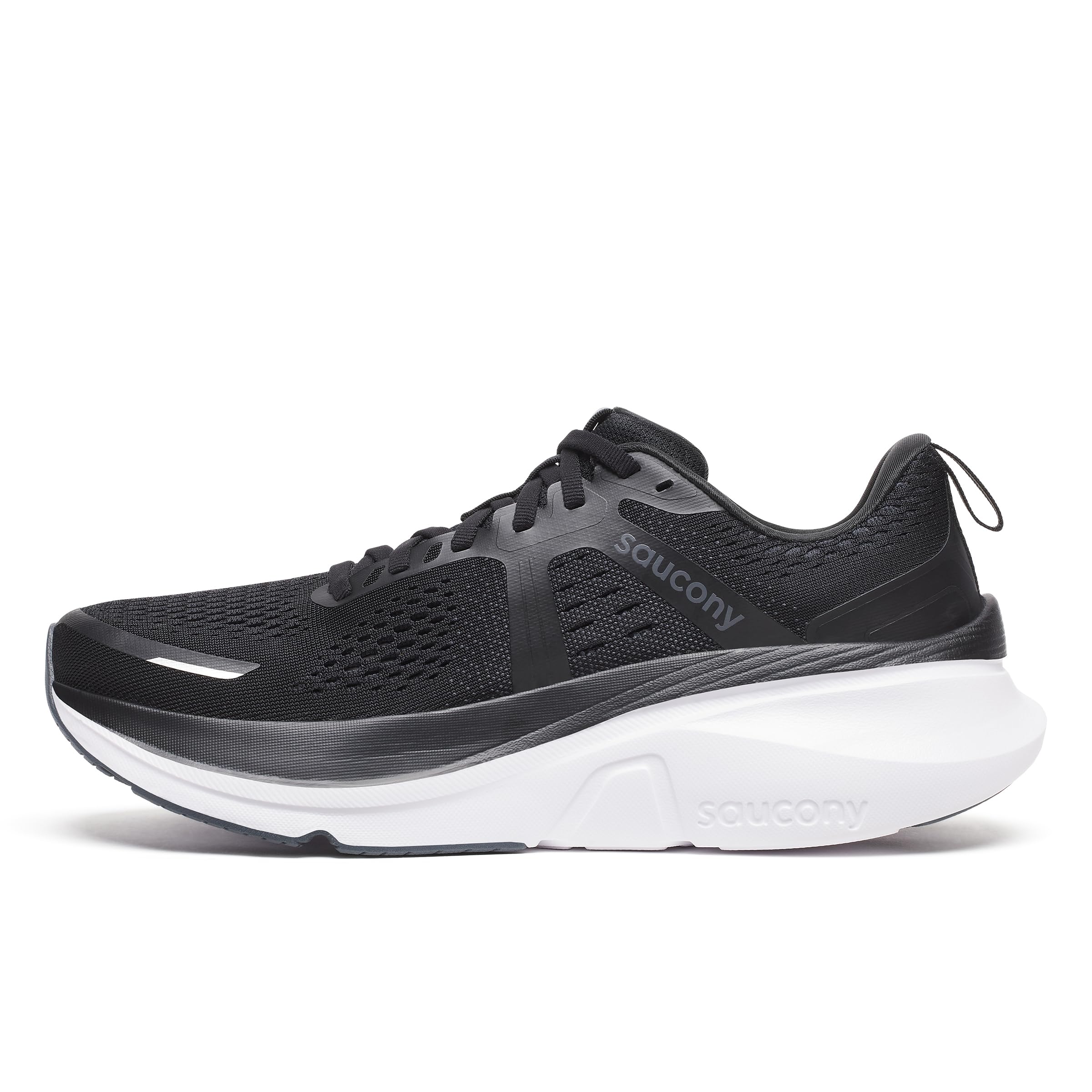
The Saucony Guide 18 represents a true advancement in stability shoe design. Instead of a traditional rigid medial post, it uses Center Path Technology — a rocker-shaped sole with raised sidewalls that naturally guide the foot through a neutral gait without harsh intervention. The PWRRUN foam midsole delivers a soft, cloud-like cushioning that absorbs impact effectively, making it a strong choice for heel strikers and mild to moderate overpronators.
Reviewers consistently praise its lightweight feel (surprising for a stability shoe) and its ability to support flat-footed runners without causing arch irritation. The shoe fits true to size, though some note the toe box runs slightly narrower than previous Guide generations. The outsole shows dirt quickly, but the rubber holds up well over hundreds of miles on pavement and hard surfaces.
The Guide 18 strikes an excellent balance between cushion and control. It offers enough support to keep moderate overpronation in check while remaining flexible and responsive for daily training. For runners who want stability without feeling like they are wearing a tank, this is the most well-rounded option in the lineup.
Why it’s great
- Lightweight yet stable build ideal for daily training
- Rockered shape eases toe-off transition
- Excellent cushioning for heel strikers
Good to know
- Toe box is slightly narrower than previous versions
- Outsole material shows dirt quickly
2. ASICS GT-1000 14
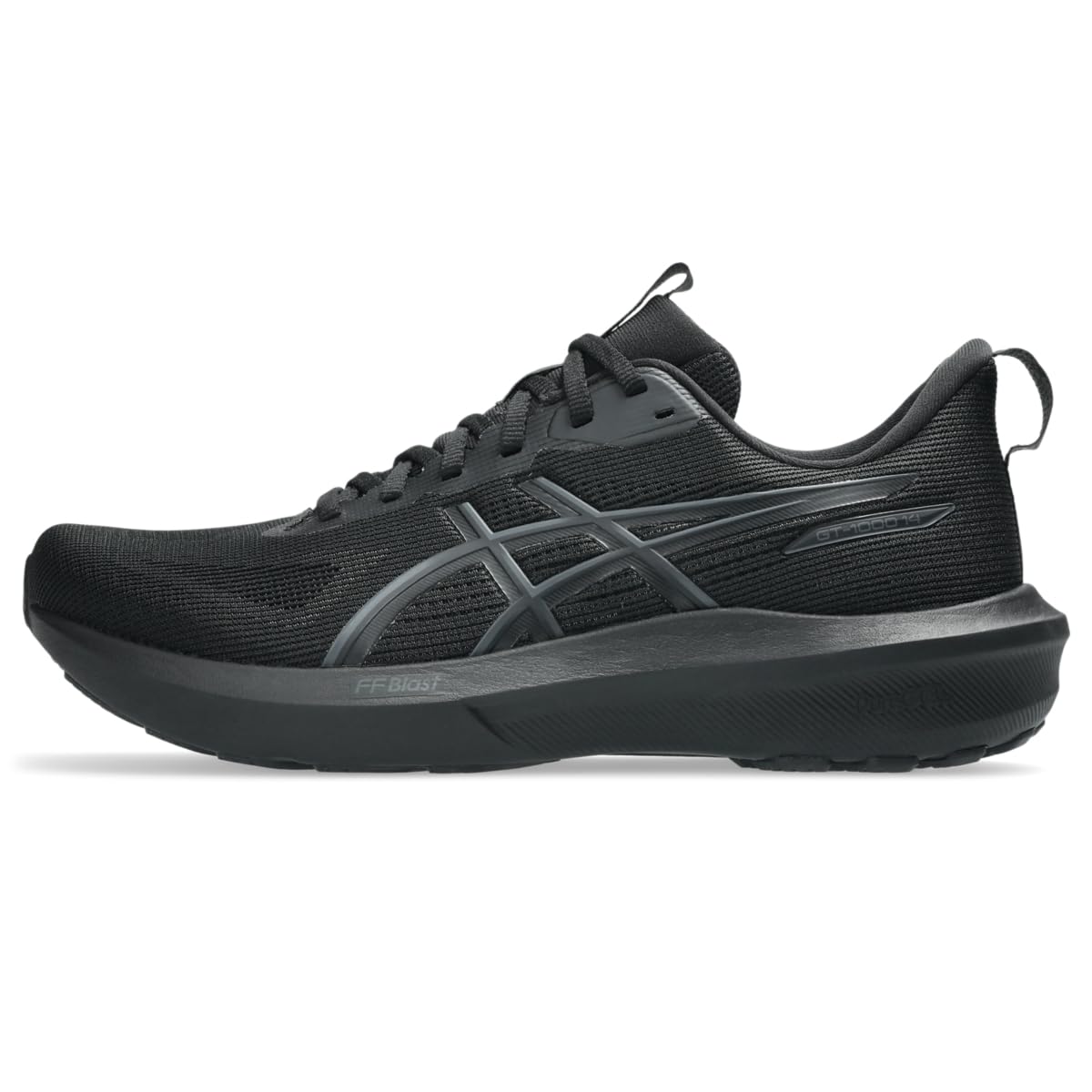
The ASICS GT-1000 14 is a workhorse stability trainer designed to handle everything from road running to gym sessions. Its FF Blast foam midsole provides a lively, responsive feel that is more energetic than the older Amplifoam formulations, while still delivering reliable support for overpronators. The engineered mesh upper is breathable and flexible, making it suitable for warmer conditions.
Customer feedback highlights its consistent performance for high-mileage runners logging 25 or more miles per week. The heel cushioning is notably plush, and the outsole’s durable rubber shows little wear over time. Laces stay tied securely, a small but appreciated detail on long runs. Some users note the tongue slides slightly, but this does not compromise fit for most.
Available in extra-wide widths, the GT-1000 14 accommodates orthotics comfortably. It sits in a support tier between the neutral GT-2000 and the maximal Kayano, making it a smart mid-range option for runners who need structured support without the premium price tag. Its versatility across road and light trails adds to its appeal.
Why it’s great
- Responsive FF Blast foam with good energy return
- Available in extra-wide widths for orthotic users
- Durable outsole and upper for high mileage
Good to know
- Tongue may slide slightly during runs
- Not as plush as premium Kayano line
3. Saucony Hurricane 24 (Men’s)
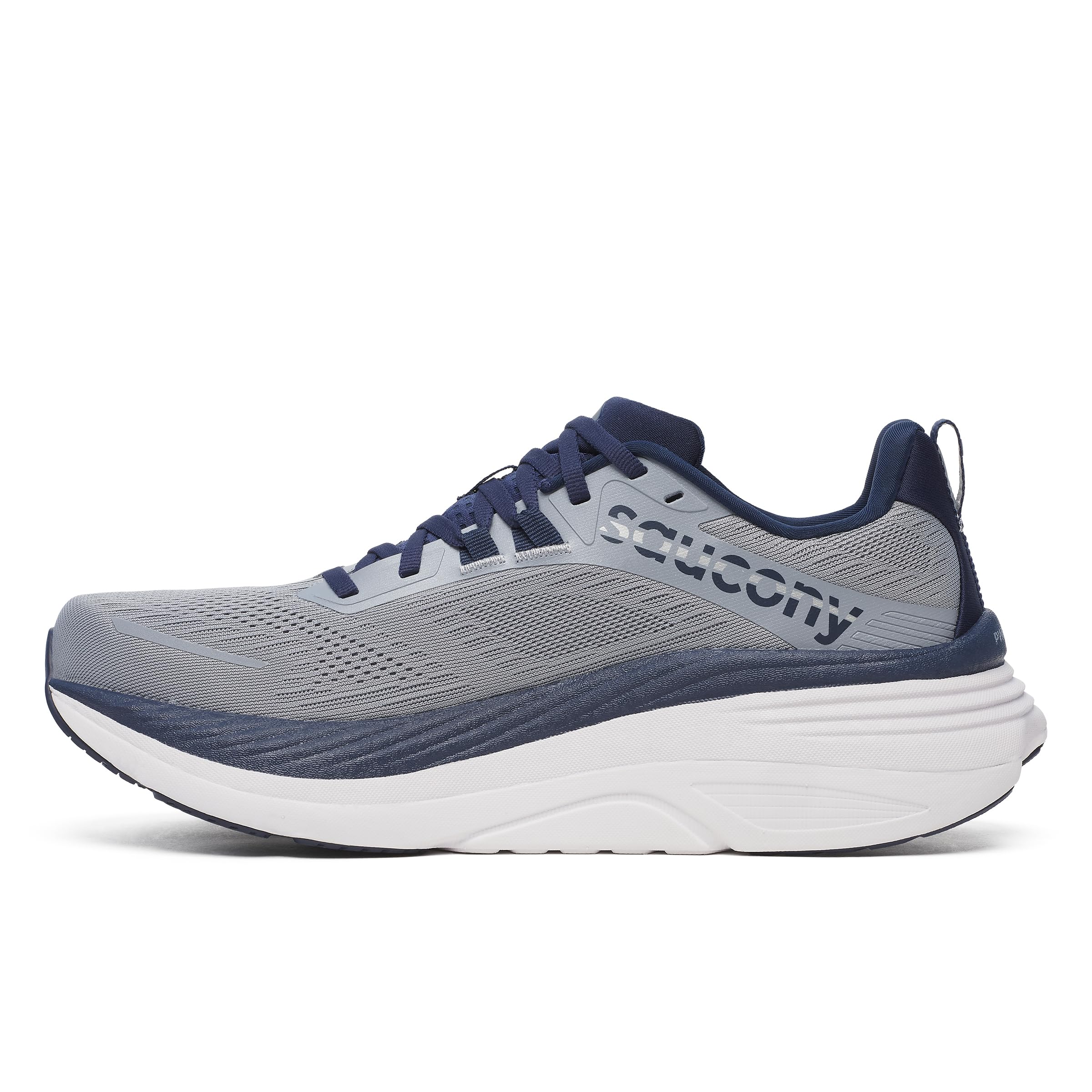
The Saucony Hurricane 24 uses a dual-cushioning system that pairs a plush, energy-returning PWRRUN PB layer with a supportive PWRRUN foam frame. This construction creates a bathtub-like effect that cradles the foot and guides pronation without the hard posting feel of traditional stability shoes. The broad base and higher sidewalls add to the sense of security, making it ideal for slower paced recovery runs and long distances.
Users with flat feet and patellar tendonitis report significant relief during walking and standing. The shoe fits roomy in the forefoot and toe box, which accommodates foot swelling on long efforts. However, the Hurricane is heavier than most stability trainers; it is not built for speed work or 5K PR attempts. Build quality inconsistencies exist between different factory batches, with some pairs feeling narrower than others.
For runners who prioritize comfort over speed, the Hurricane 24 delivers a luxurious ride that rivals higher-priced models from Hoka and ASICS. The 6mm drop promotes a more natural midfoot strike, and the dual-foam setup absorbs shock exceptionally well. Just be aware of the weight when choosing this for tempo sessions.
Why it’s great
- Excellent shock absorption for long distances
- Broad base provides secure, non-intrusive stability
- Roomy forefoot and toe box
Good to know
- Heavier build not suited for speed work
- Quality control varies between production batches
4. Saucony Hurricane 24 (Women’s)
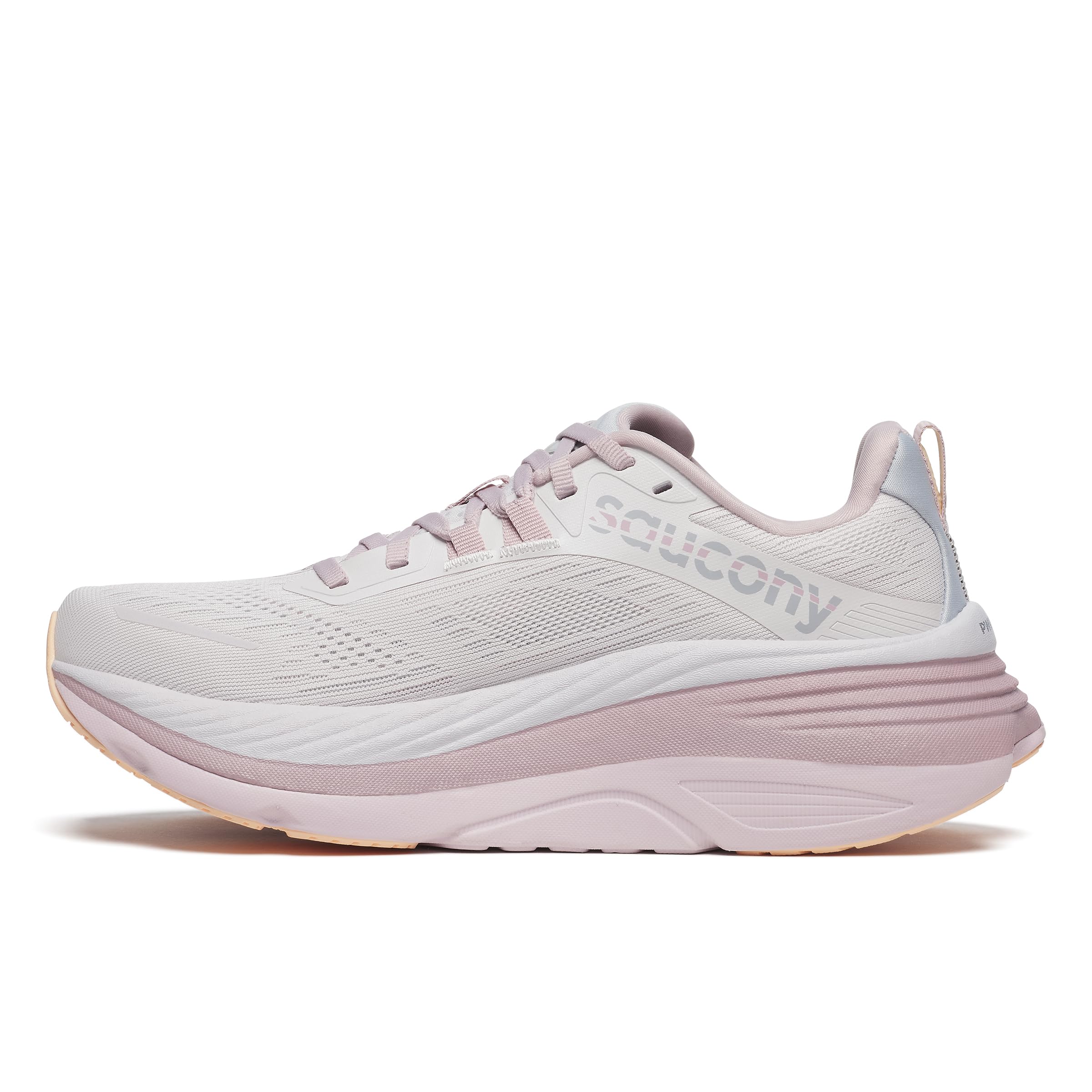
The women’s version of the Hurricane 24 shares the same dual-cushioning platform and geometry as the men’s model, but it is tuned for a female-specific fit with a narrower heel and a lower volume forefoot. The aggressive toe rocker combined with the plush dual-foam system makes it a favorite among runners dealing with plantar fasciitis and hammer toe pain, as it reduces the need for aggressive toe-off push.
Reviewers report that the shoe effectively resolved chronic foot pain during daily wear and long walks. The wide platform and raised sidewalls create a stable base that inspires confidence on uneven terrain. However, the weight (9.8 oz for women’s) is noticeable; some users switched to lighter trainers for faster runs. A few durability concerns surfaced regarding fabric staining from the insole and reflective trim peeling after extended use.
For women who need maximum cushion and stability for injury recovery or high-mileage training, the Hurricane 24 is a strong contender. The support is noticeable without being overbearing, and the ride is genuinely cushioned. Just ensure you are comfortable with the weight before committing.
Why it’s great
- Excellent for plantar fasciitis and foot pain relief
- Aggressive rocker eases toe-off transition
- Stable yet cushioned over long distances
Good to know
- Heavier than many stability trainers
- Some reported fabric and trim durability issues
5. Mizuno Wave Inspire 21
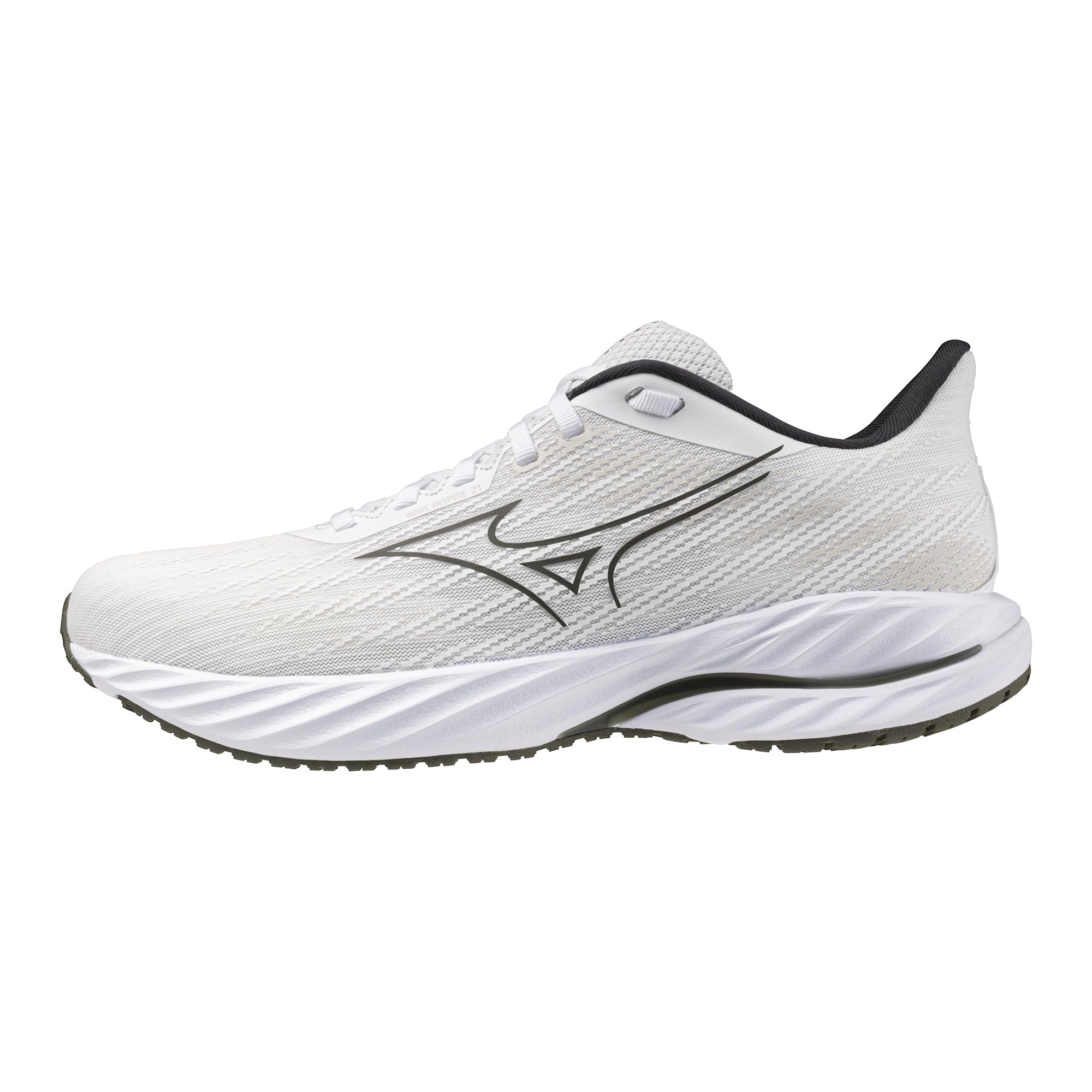
The Mizuno Wave Inspire 21 returns with the brand’s signature Wave Plate technology, which uses a corrugated plastic shank to spread impact forces and reduce the load on the shins. Combined with the softer MIZUNO ENERZY NXT foam in the heel, this shoe delivers a smooth, stable ride that is particularly effective for runners prone to shin splints. The moderate medial support provides a seamless transition without feeling intrusive.
Long-time Mizuno fans consider this the best iteration of the Wave Inspire yet, citing improved heel cushioning and a more refined upper fit. The shoe works well for runners who have struggled with other stability brands, as the Wave Plate offers a unique sensation of guided motion rather than blocked motion. The outsole is durable and the upper materials feel high quality.
This model suits runners who log 15-20 miles per week and want a dependable, consistent trainer. It is not the plushest option on the market, but its stability is well-balanced and its construction holds up over time. If shin splints have sidelined you in the past, the Wave Inspire 21 is worth a serious look.
Why it’s great
- Wave Plate technology reduces shin splint risk
- Balanced stability without heavy medial posting
- Durable construction with consistent fit
Good to know
- Not as plush as max-cushion competitors
- Limited width options compared to other brands
6. New Balance Fresh Foam X Vongo V6
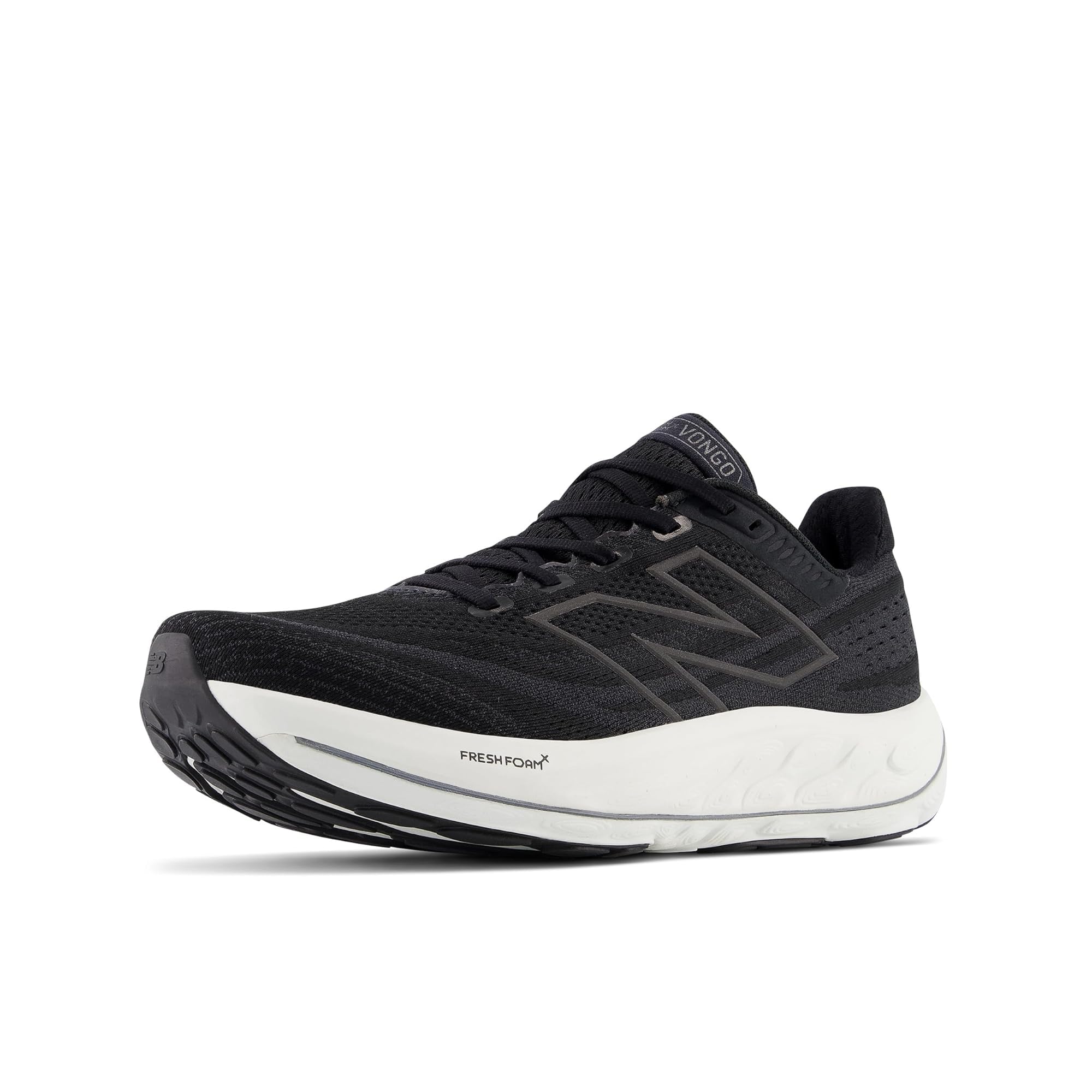
The New Balance Fresh Foam X Vongo V6 is built for runners who need a wider toe box and a softer ride. Its Fresh Foam X midsole is plush and forgiving, while the medial zone features a denser foam structure that provides subtle support for overpronation. The upper is modern and breathable, with a bootie-like construction that locks the foot in place.
Podiatrists frequently recommend the Vongo for patients with wide feet, high arches, and plantar fasciitis. The removable insole allows users to swap in custom orthotics without affecting fit. Some runners experience heel slippage unless the laces are tied tightly, but the overall comfort and padding are praised. The shoe is stylish enough for daily casual wear.
The Vongo V6 excels as a premium daily trainer for runners who prioritize comfort over aggressive stability. It is best suited for mild to moderate overpronators who want a shoe that feels soft underfoot but still guides the gait correctly. If you have been frustrated by narrow stability shoes, this is a top contender.
Why it’s great
- Wide toe box ideal for foot splay and orthotics
- Plush Fresh Foam X with good impact absorption
- Podiatrist-recommended for various foot conditions
Good to know
- Heel may slip for some runners
- Support is milder than traditional medial post shoes
7. Brooks Glycerin GTS 23
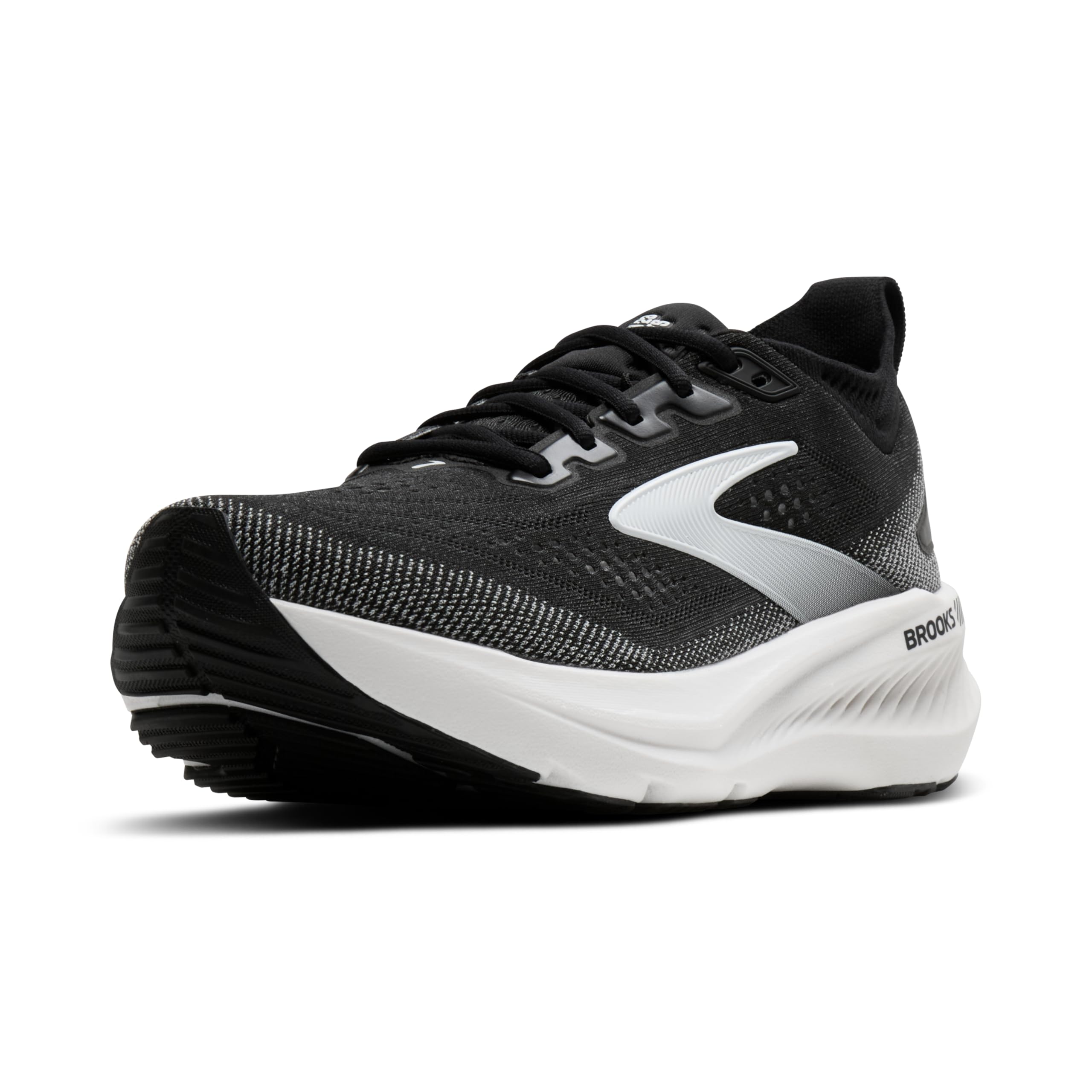
The Brooks Glycerin GTS 23 combines the brand’s plush nitrogen-infused DNA LOFT v3 cushioning with GuideRails holistic support system. Instead of a traditional medial post, GuideRails use raised sidewalls that cradle the heel and guide the foot forward, offering stability without restricting natural motion. The result is a remarkably smooth and comfortable ride that reduces low back pain for many users.
Customers rave about the Glycerin GTS 23’s ability to alleviate back pain within the first few wears. The shoe fits true to size but runs snug in the standard width; wider-footed runners should consider the 2E or 4E options. The 8mm drop is a reduction from previous versions, which helped some users with minor Achilles pain. The build quality is excellent, with durable outsoles and premium upper materials.
This is a premium stability shoe for runners who want a luxurious, soft-landing experience without sacrificing structure. It is ideal for daily and long runs at moderate paces. The high price point reflects the advanced cushioning and support technology, but the comfort payoff is substantial for those who can invest.
Why it’s great
- Plush DNA LOFT v3 cushioning reduces joint impact
- GuideRails provide non-intrusive stability
- Excellent for runners with low back pain
Good to know
- Runs snug in standard width
- Premium price point
8. Nike Structure 26

The Nike Structure 26 takes a full-length ReactX midsole and pairs it with a tried-and-true midfoot support system that wraps around the arch and heel. This design provides a firm, stable platform that encourages a smooth heel-to-toe transition. The ReactX foam is noticeably more energetic than previous React formulations, offering a lively ride that doesn’t bottom out on longer runs.
Customer feedback highlights excellent grip and stability, making the Structure 26 suitable for tennis and court sports in addition to running. The shoe fits true to size and the upper is well-ventilated. However, some buyers received used or defective units from third-party sellers, so purchasing directly from reputable sources is advised.
For runners who prefer a firmer, more grounded feel underfoot, the Structure 26 is a dependable choice. It does not have the plushness of a max-cushion trainer, but its support system is effective for moderate overpronation. The midfoot wrap creates a secure, locked-in sensation that instills confidence on every stride.
Why it’s great
- Firm, stable platform with effective midfoot wrap
- Energetic ReactX foam for a responsive ride
- Good grip suitable for court sports
Good to know
- Firmer ride may not suit cushion lovers
- Beware of third-party seller quality issues
9. Hoka Arahi 7
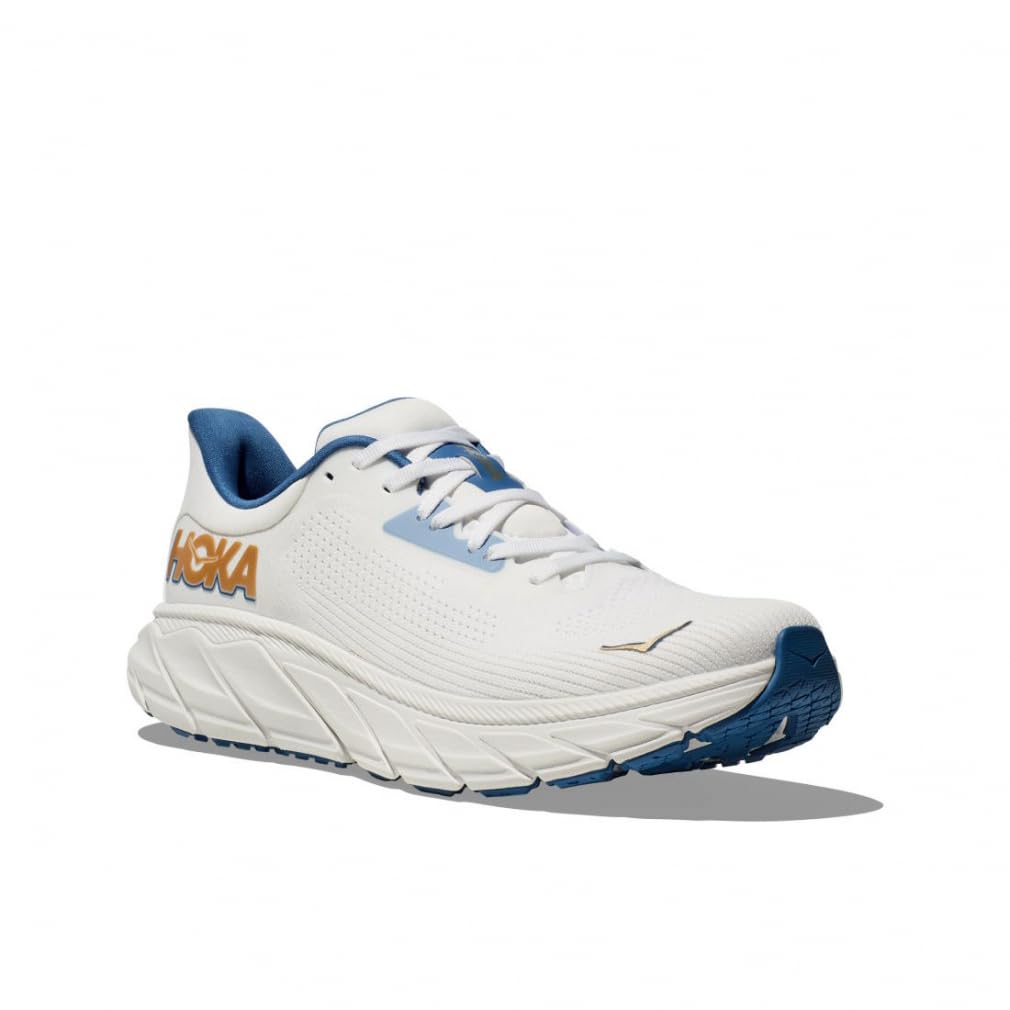
The Hoka Arahi 7 employs the brand’s patented J-Frame technology, a denser foam wrap that extends from the medial side around the heel to guide the foot without a traditional medial post. The flat knit upper is zonally engineered for improved midfoot lockdown, and a plush tongue combined with a stretchy dual gusset prevents tongue migration. The result is a streamlined stability shoe that feels lighter than its support suggests.
Users with narrow feet find the Arahi 7 fits snugly and securely, with no break-in period required. The cushioning is soft yet responsive, making it comfortable for all-day wear and long walks. Stability is noticeable but not intrusive, striking a balance that works well for mild to moderate overpronators. The heel counter has a hard backing that some find uncomfortable when sitting, but this does not affect running.
The Arahi 7 is a premium stability shoe that justifies its higher price with a refined fit and effective J-Frame support. It is not suitable for wide feet, but for narrow-footed runners seeking a supportive yet lightweight ride, it is hard to beat. If you walk 10,000 steps a day or more, this shoe will keep your feet feeling fresh.
Why it’s great
- J-Frame provides effective yet non-intrusive stability
- Excellent fit for narrow feet with secure lockdown
- No break-in period required
Good to know
- Not suitable for wide feet
- Hard heel counter may be uncomfortable when seated
FAQ
What is the difference between stability and motion control shoes for overpronation?
How do I know if I am a mild, moderate, or severe overpronator?
Final Thoughts: The Verdict
For most users, the athletic shoes for overpronation winner is the Saucony Guide 18 because it combines lightweight construction with effective Center Path Technology that works for both mild and moderate overpronators. If you want maximum cushioning for long distances, grab the Saucony Hurricane 24. And for a secure, premium fit designed for narrow feet, nothing beats the Hoka Arahi 7.