
Our readers keep the lights on and the weekend projects moving. As an Amazon Associate, I earn from qualifying purchases.
Carrying extra weight changes everything about how a shoe needs to perform — the foam compresses deeper, the midsole works harder on every heel strike, and the heel counter becomes your primary stability anchor. Standard running shoes often bottom out under heavier loads, leaving joints to absorb shock that the shoe should be managing. The right pair prevents that sinking feeling by pairing dense foam compounds with structured sidewalls that keep your foot centered over the platform, mile after mile.
I’m Rikta — the founder and writer behind FitlyFast. I’ve spent years studying footwear construction, analyzing how support systems, foam densities, and outsole durability interact under higher body weights so I can separate real engineering from marketing hype.
This guide walks through the specific features that matter most for heavier runners and walkers — arch support, midsole rigidity, and wide sizing — so you can confidently invest in the athletic shoes for overweight men that will protect your knees and keep you moving without premature breakdown.
How To Choose The Best Athletic Shoes For Overweight Men
The wrong shoe for a heavier athlete does not just wear out faster — it actively redirects impact forces into the ankles, knees, and lower back. Three structural variables separate a durable, protective shoe from one that collapses after 200 miles.
Midsole Density and Heel Cushioning
Not all EVA foam is the same. Shoes marketed as “maximum cushion” often use soft, low-density foam that compresses completely under a heavier load, leaving the midsole feeling flat and unstable. Look for dual-density midsoles — a firmer carrier foam underneath a softer top layer — or brands that specify compression set resistance. A heel crash pad geometry that wraps upward around the calcaneus also locks the heel in place and prevents the foot from sliding sideways on impact.
Arch Support and Medial Posting
Overweight runners frequently develop flat arches as the arch collapses under load. A stability shoe with medial posting — a firmer density along the inner edge of the midsole — slows the rate of pronation without rigidly blocking it. Avoid aggressive motion-control shoes unless your podiatrist prescribes them; most men need gentle guidance, not full lockdown. Removable insoles are a bonus because they let you swap in custom orthotics that raise the arch by the exact height your foot needs.
Toe Box Volume and Heel Counter Rigidity
A cramped toe box forces the big toe inward during push-off, which can cascade into collapsed arches and knee pain over time. Look for brands that explicitly offer 2E, 4E, or X-Wide sizing with a measurement chart, not just a stretchy upper. At the rear of the shoe, squeeze the heel counter before buying — a flimsy heel counter that bends easily will not hold the heel stable during lateral movement or downhill descents, which is exactly when heavier runners need the most rear-foot control.
Quick Comparison
On smaller screens, swipe sideways to see the full table.
| Model | Category | Best For | Key Spec | Amazon |
|---|---|---|---|---|
| Brooks Glycerin Max | Premium Neutral | Long walks & daily wear | DNA Tuned midsole, 30mm stack | Amazon |
| ASICS Gel-Nimbus 28 | Premium Neutral | High-mileage road running | FF BLAST+ ECO foam, PureGEL | Amazon |
| Saucony Endorphin Speed 5 | Premium Tempo | Speed work & race day | PWRRUN PB foam, nylon plate | Amazon |
| Brooks Adrenaline GTS 23 | Premium Stability | Overpronation control | GuideRails support system | Amazon |
| On Cloudrunner 2 | Mid-Range Neutral | Standing & walking on concrete | Helion superfoam, CloudTec pods | Amazon |
| New Balance Fresh Foam X 880v15 | Mid-Range Neutral | Daily walking & light jogging | Fresh Foam X, 24mm heel stack | Amazon |
| New Balance FuelCell Rebel V5 | Mid-Range Neutral | Medium-distance road running | FuelCell foam, 2.1 lb per pair | Amazon |
| ASICS Gel-Cumulus 27 | Value Neutral | Budget-friendly running & gym | PureGEL, FF BLAST foam | Amazon |
| FitVille Wide Basketball Shoes | Value Wide | Extra-wide feet & daily use | X-Wide 4E, 30mm rebound sole | Amazon |
In‑Depth Reviews
1. Brooks Glycerin Max

The Glycerin Max uses Brooks’ latest DNA Tuned midsole that stiffens under high impact forces while staying plush during lighter steps — exactly the adaptive compression heavier runners need. Reviewers report immediate relief from chronic foot pain when standing on concrete for 10-hour shifts, with the rocker geometry reducing exhaustion during push-off. The 30mm heel stack provides serious shock absorption without feeling marshmallowy because the foam density resists bottoming out.
The roomy toe box accommodates foot swelling during long days, and the upper breathes well enough for multi-hour wear. Several reviewers note that the shoe feels slightly more narrow than the Ghost Max, so men with very wide feet should consider sizing up or trying the 2E width option. The cushioning is deliberately soft for walking and recovery runs — lateral flex makes it less ideal for sharp turns or high-speed running.
Durability reports show minimal outsole wear after three months of daily use, with the heel crash pad maintaining its shape well beyond the 300-mile mark. The neutral platform works best for runners with normal or mild pronation; those with significant overpronation should look at the Adrenaline GTS 23 instead. For the heaviest impact absorption in a daily trainer that doubles as a walking shoe, this is the top pick.
Why it’s great
- DNA Tuned foam adapts stiffness to loading weight
- Rocker design reduces joint strain during push-off
- Excellent durability with minimal midsole compression over months
Good to know
- Not built for lateral movement or speed work
- Runs slightly more narrow than other Brooks neutral models
2. ASICS Gel-Nimbus 28
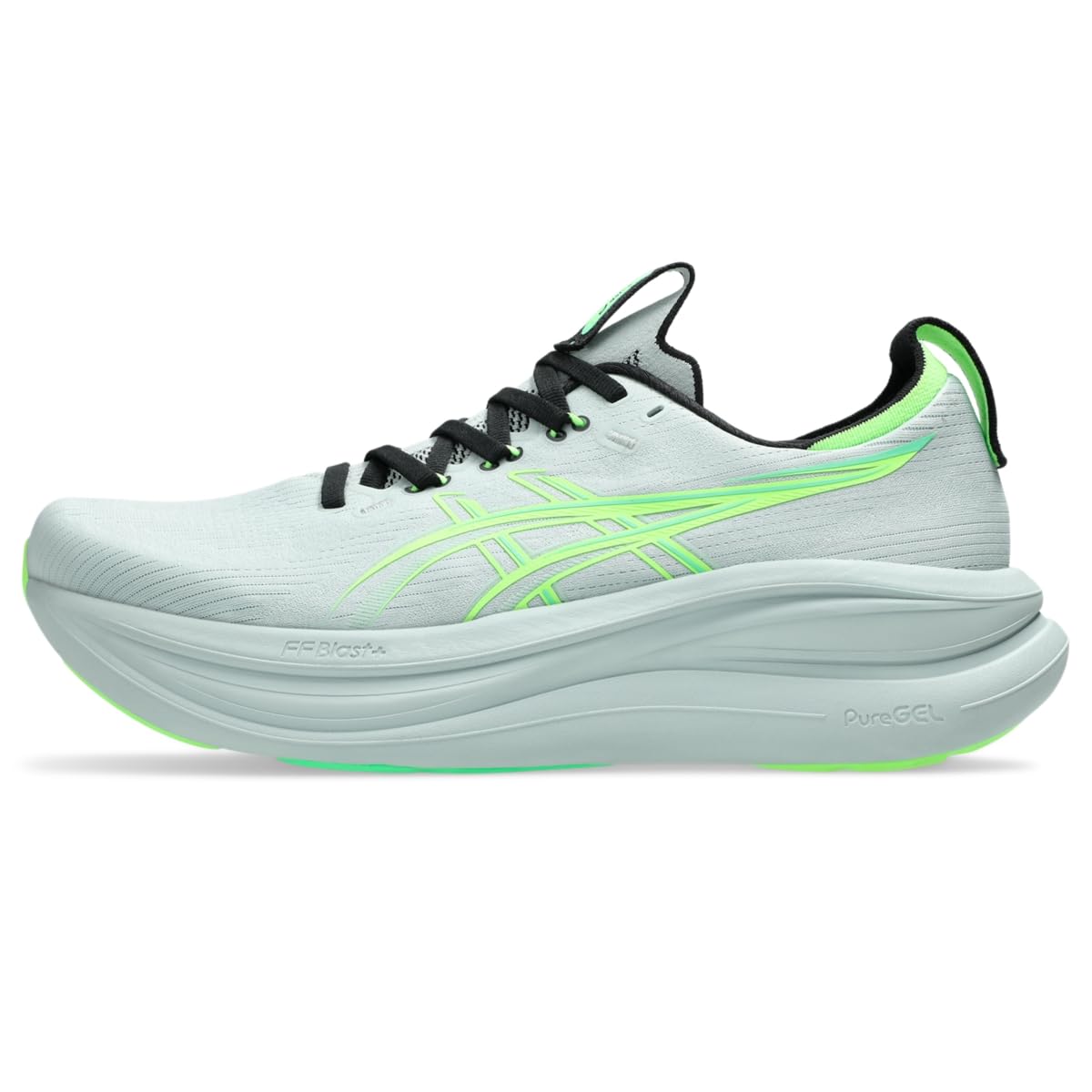
The Nimbus 28 pairs FF BLAST+ ECO foam with a PureGEL capsule embedded directly in the heel crash pad, creating a landing zone that absorbs impact without mushy rebound. Multiple reviewers recovering from knee and back surgeries call this the most comfortable shoe they have worn, with the midsole maintaining its shape even after long runs on pavement. The upper uses lightweight engineered mesh that reduces hot spots during summer miles.
Sizing inconsistency is the main caveat — the 28 runs smaller and more narrow than the Nimbus 26, so men who previously wore a standard width in a size 11 may need an 11.5 extra-wide this time. The arch support feels natural for most feet, but reviewers with flat arches mention needing aftermarket insoles for additional medial lift. The outsole grip performs well on wet roads, giving heavier runners confidence during rainy training sessions.
The improved tongue and rear pull tab make entry easier, a quality-of-life detail when your feet are already tired. For a premium neutral trainer that prioritizes plush protection without sacrificing road feel, the Nimbus 28 is the benchmark. Just verify your width before ordering and consider the extra-wide variant if your foot measures on the broader side of medium.
Why it’s great
- PureGEL heel insert provides targeted impact absorption
- Lightweight construction despite high cushioning
- Excellent traction on wet pavement
Good to know
- Runs smaller and more narrow than previous Nimbus versions
- May need aftermarket insoles for flat arches
3. Saucony Endorphin Speed 5
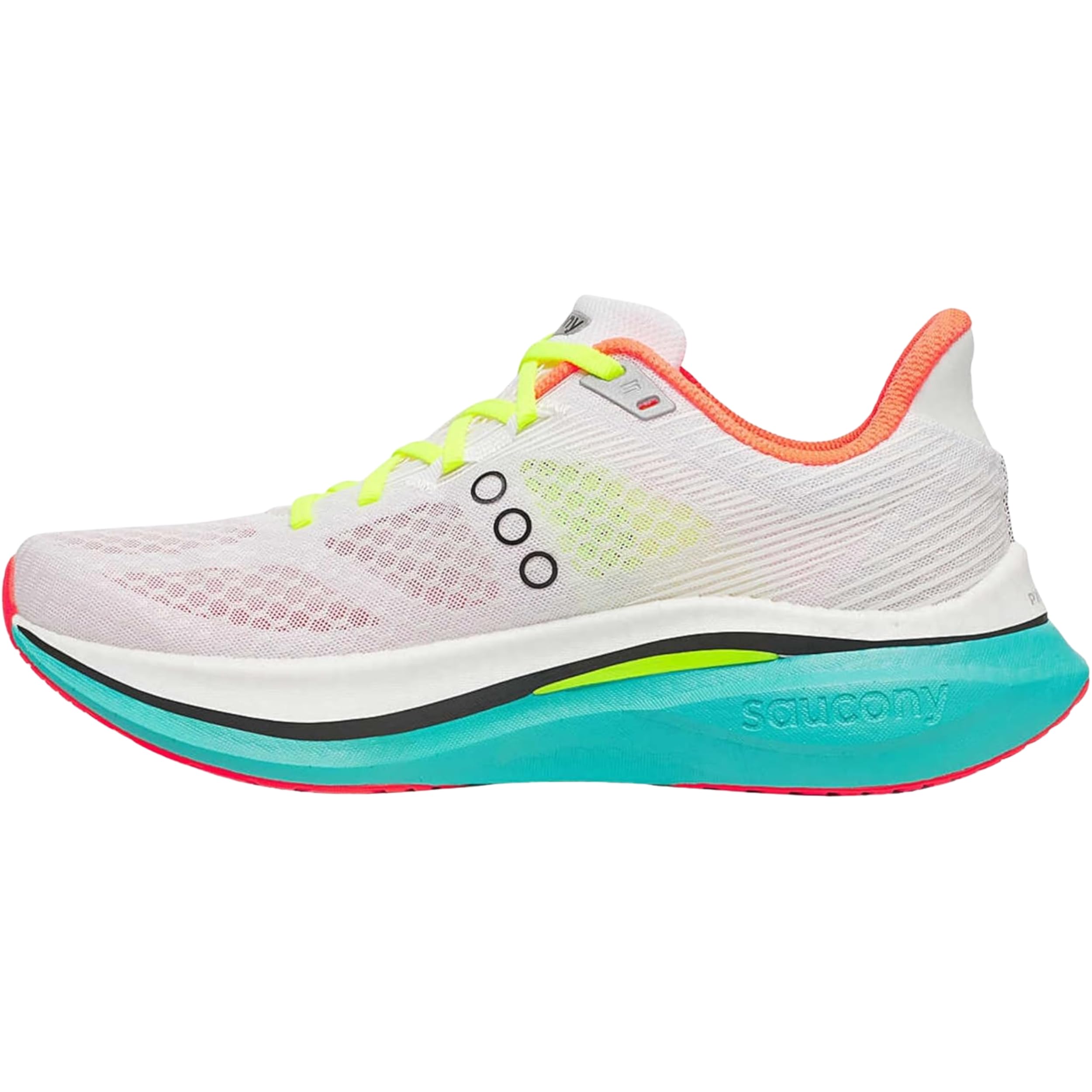
The Endorphin Speed 5 combines a PWRRUN PB foam core with a nylon plate that provides snap during toe-off, making it the best option for heavier runners who prioritize pace over pure plushness. The 6–8:30 min/mile pace range is where this shoe shines — the rocker and plate work together to create a propulsive sensation that reduces effort at tempo speeds. The roomy toe box accommodates wider feet without pinching the toes during fast transitions.
At slower paces below 9 min/mile, reviewers note the ride feels flatter and less energetic, so this is not the ideal shoe for recovery days or walking. The upper material rubbed some reviewers during the first few runs, requiring a short break-in period. Outsole grip performs adequately on dry roads but loses traction on wet surfaces, so save these for clear-weather speed sessions.
The nylon plate provides enough rigidity to correct overstriding tendencies without the aggressive stiffness of a carbon fiber plate, making the Speed 5 a manageable speed shoe for runners who are not yet at elite fitness levels. Durability appears solid through 100 miles with minimal foam compression. This is a specialized tool for faster efforts, not a daily driver.
Why it’s great
- Nylon plate + PWRRUN PB foam delivers strong energy return
- Roomy toe box allows natural toe splay during speed work
- Lightweight construction enhances turnover at tempo paces
Good to know
- Feels flat and unresponsive at slow recovery paces
- Upper may need break-in for some foot shapes
4. Brooks Adrenaline GTS 23

The Adrenaline GTS 23 is Brooks’ gold standard for stability, using GuideRails technology that sits on the medial and lateral sides of the heel to gently slow overpronation without rigid posting. Reviewers with flat feet and a history of overpronation report that these shoes correct stride mechanics without feeling like they are wearing a brace. The toe box starts snug but opens up after a break-in period of about 20 miles.
Multiple reviewers pushed these past 500 miles with the midsole still providing adequate support, though the upper eventually shows wear near the flex points. The waterproof versions using Gore-Tex keep feet bone-dry through snow and rain, making the GTS 23 a reliable winter trainer. The colorways tend toward loud accents, which some reviewers dislike, but the performance overrides aesthetic concerns for most buyers.
For heavier men with noticeable inward ankle collapse, this is the most effective non-custom option on the list. The 10mm drop suits runners who heel-strike, and the medial support extends just far enough past mid-stance to prevent excessive roll through push-off. Not ideal for neutral runners who do not need stability features — the GuideRails will feel intrusive on a mechanically sound gait.
Why it’s great
- GuideRails correct overpronation without rigid posting
- Excellent durability past 500 miles for many users
- Waterproof variant available for wet conditions
Good to know
- Toe box starts snug and requires break-in
- Color options tend toward loud or bright tones
5. On Cloudrunner 2
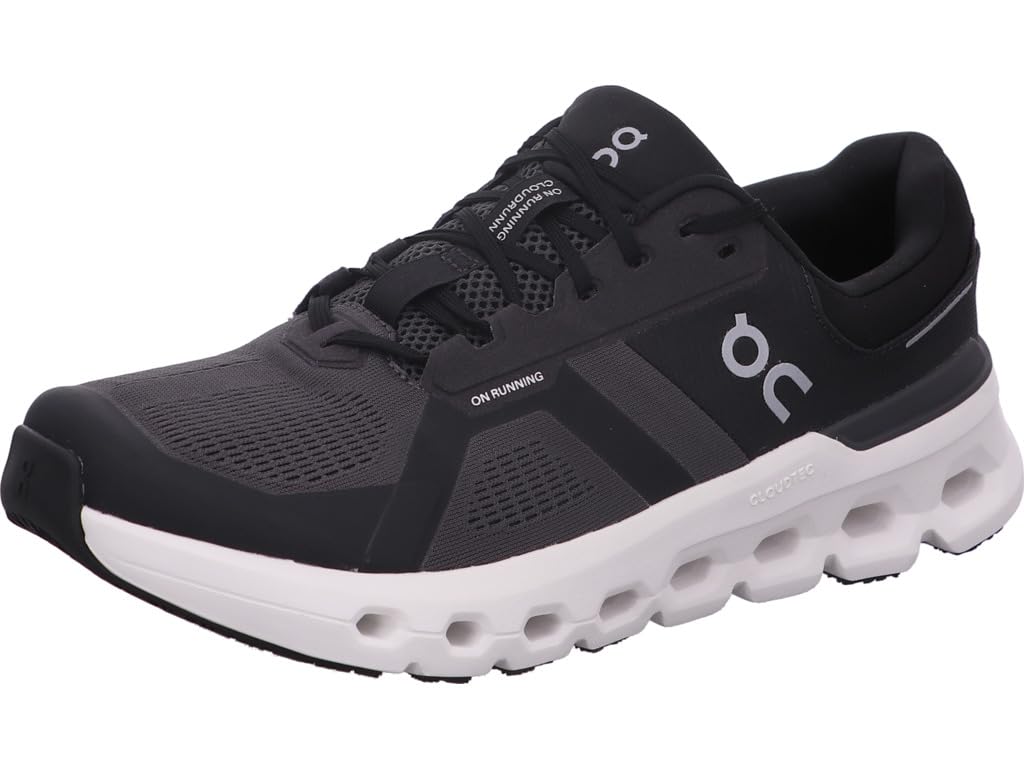
The Cloudrunner 2 uses Helion superfoam molded into CloudTec pods that collapse on impact and lock together to form a stable platform. Reviewers who stand on concrete for work shifts report that these shoes eliminate the deep foot ache that typically sets in after hour four. The midsole feels softer in the heel with progressive firmness toward the forefoot, matching the loading pattern of a heel-striking walker or jogger.
The outsole rubber extends fully across the heel and forefoot, giving heavier runners the tread life they need for daily commute wear. Some reviewers found the style unappealing until they actually tried the shoe on — the CloudTec design looks bulkier in photos than it feels on foot. The shoes run true to size and require zero break-in, according to multiple reports.
For men whose primary activity is long periods of standing or walking on hard surfaces, the Cloudrunner 2 offers the best balance of cushion and stability in the mid-range tier. The lack of aggressive arch posting makes it suitable for neutral feet, but anyone needing serious motion control should choose a stability shoe instead. The breathable mesh upper keeps feet cool during warm weather use.
Why it’s great
- CloudTec pods provide adaptive cushioning that firms under load
- No break-in required, comfortable from the first wear
- Full-coverage outsole rubber extends tread life significantly
Good to know
- Not designed for moderate or severe overpronation
- CloudTec design looks bulkier than actual on-foot feel
6. New Balance Fresh Foam X 880v15
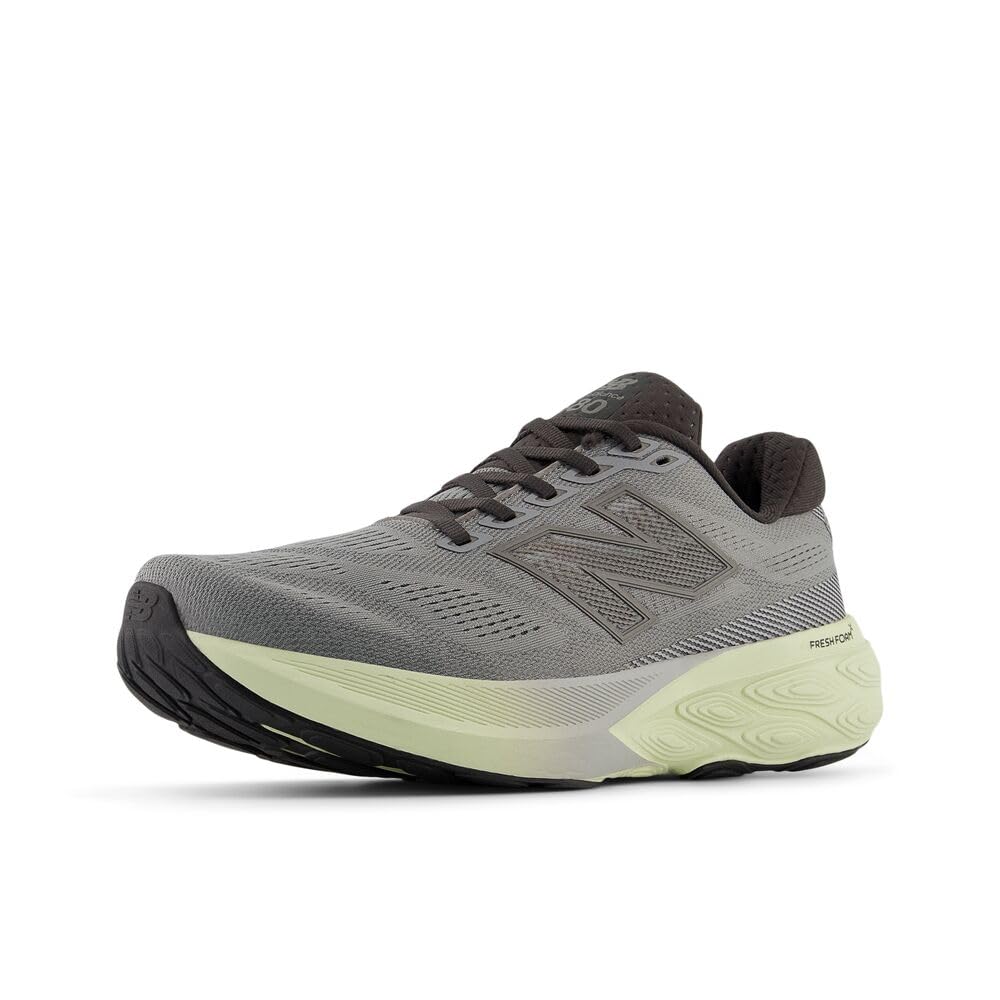
The Fresh Foam X 880v15 replaces the discontinued New Balance 877 as a neutral daily trainer with a padded upper and wide base that feels planted under heavier loads. Reviewers note that the shoe runs short — most needed to size up by half a size — and the toe box is roomy enough to accommodate wider feet without looking clownish. The Fresh Foam X midsole provides a soft landing that reviewers describe as “walking on air.”
The neutral platform with a 24mm heel stack is best suited for walking and light jogging rather than high-mileage running. Some reviewers found the cushion too soft for walking — they felt unstable inside the shoe, as if the foam lacked the density to support a heavy heel strike during a slow gait cycle. Adding aftermarket insoles with more structure helped resolve this for affected users.
Colorway options are limited and tend toward muted gray tones with accents that not everyone finds appealing. For a mid-range neutral shoe that works well for casual daily wear and short low-impact sessions, the 880v15 delivers reliable comfort if you size up and add support insoles. The upper durability is good, with no reported stitching failures during the first few months of use.
Why it’s great
- Padded upper and wide base provide planted, stable feel
- Roomy toe box accommodates wider feet comfortably
- Soft Fresh Foam X midsole delivers cloud-like landing
Good to know
- Runs short — size up by half a size
- Some users find the foam too soft for stable walking
7. New Balance FuelCell Rebel V5
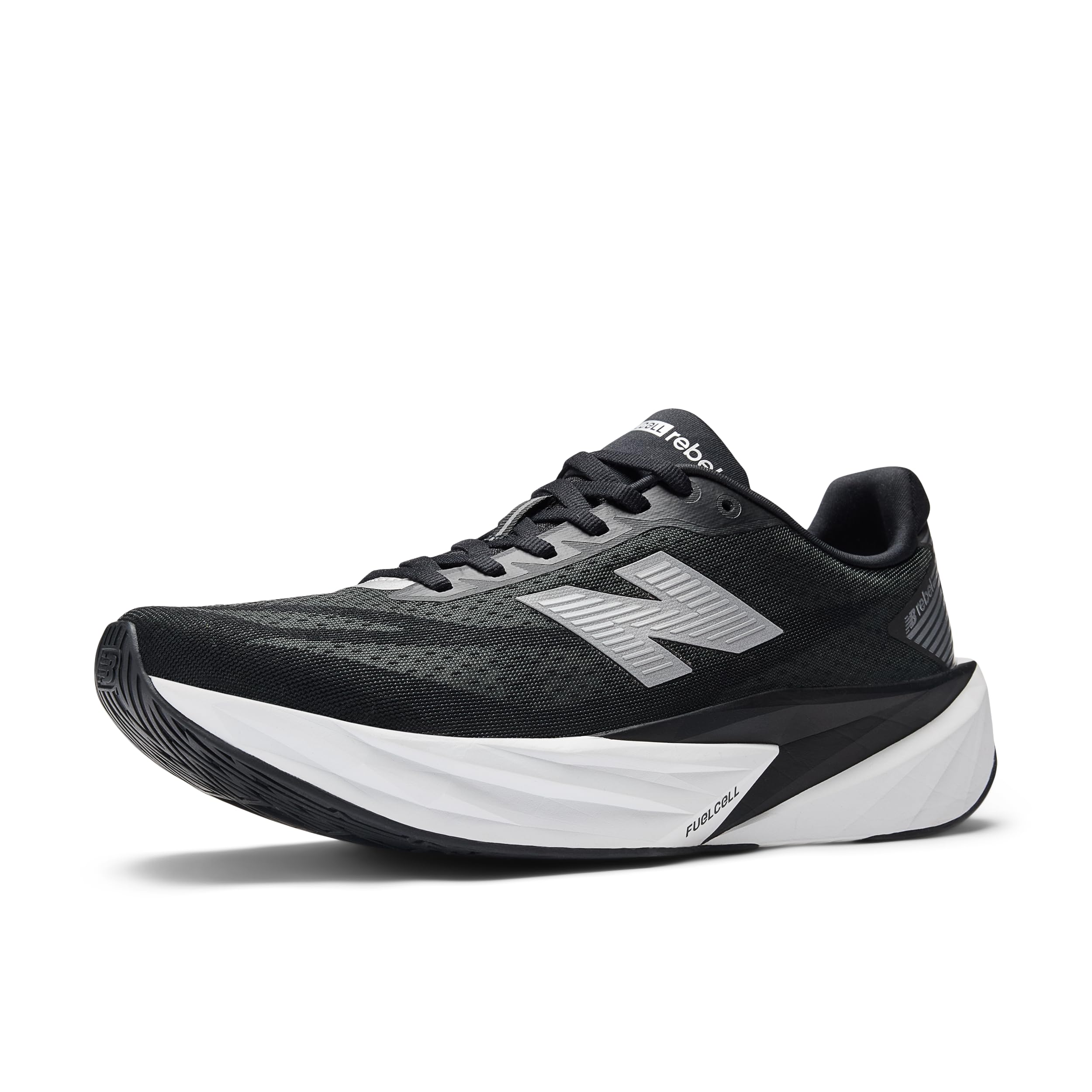
The FuelCell Rebel V5 weighs just over 2 pounds per pair, making it one of the lightest options on this list while still packing the high-stack FuelCell foam that provides a springy, responsive ride. Reviewers running 6-to-9-mile sessions report that the foam maintains its energy return throughout the run, with no dead spots or compression loss in the heel. The upper is highly breathable and fits true to size, accommodating orthotics without shifting.
The shoe’s medium-distance focus means long-run durability is unproven — some reviewers question whether the soft foam will hold up beyond 300 miles. The tongue sits snug against the instep during the first few runs, requiring a short break-in period before it relaxes. The high stack height gives a slight unstable feel on uneven surfaces, so the Rebel V5 is best reserved for groomed roads and track work.
For heavier runners who want a lightweight daily trainer for medium-distance road running, the FuelCell Rebel V5 delivers a lively, enjoyable ride that encourages faster turnover. The neutral platform works best for runners with normal pronation. Not ideal for trail use or runners who need a high-mileage workhorse that will last a full marathon training cycle.
Why it’s great
- Extremely lightweight at 2.1 pounds per pair
- FuelCell foam provides responsive energy return through medium distances
- Fits true to size and accommodates orthotics securely
Good to know
- Long-term foam durability past 300 miles is unproven
- Tongue needs a short break-in period to relax
8. ASICS Gel-Cumulus 27
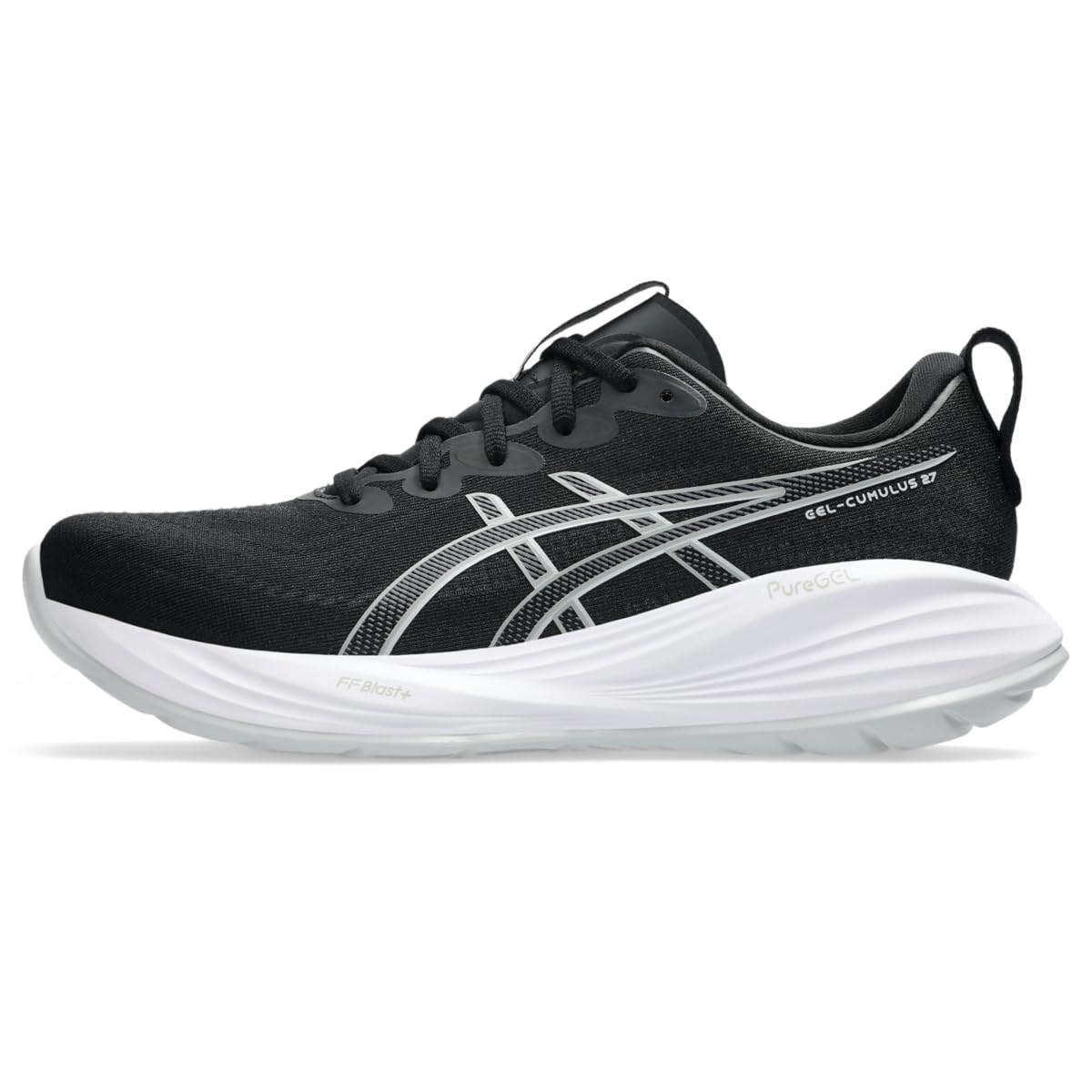
The Gel-Cumulus 27 brings ASICS’ PureGEL heel cushioning and FF BLAST midsole foam into a more accessible price bracket, making it the strongest value entry on this list. Reviewers consistently praise the comfort and impact absorption for both running and daily wear, with some calling it their favorite shoe after years of wearing more expensive Cumulus and Nimbus models. The toe box runs slightly larger than previous versions, which prevents toe mashing during long walks.
The shoe is lighter and snugger than the Gel-Cumulus 26, giving it a more modern, streamlined feel on foot. The breathable mesh upper performs well in warmer weather, and the outsole grip holds up on both dry pavement and light trails. Some reviewers note that popular colorways sell out quickly, so if you see a color you like, it is worth grabbing promptly.
For a budget-friendly daily trainer that covers running, walking, and gym work without sacrificing cushioning quality, the Gel-Cumulus 27 is the clear choice. The neutral platform and moderate arch support make it suitable for normal to slightly flat feet, though severe overpronators will need the stability of the Adrenaline GTS 23 instead. A reliable workhorse that punches above its price tier.
Why it’s great
- PureGEL and FF BLAST combination provides premium cushioning at a budget-friendly price
- Lighter and snugger than previous version with improved design
- Breathable upper and solid outsole grip for varied conditions
Good to know
- Slightly larger toe box may feel loose for narrow-footed runners
- Popular colorways sell out quickly and may be hard to find
9. FitVille Wide Basketball Shoes

FitVille’s Wide Basketball Shoes prioritize one thing that many athletic shoes neglect: extreme width. Available in X-Wide 4E sizing, these sneakers give the five toes enough space to spread naturally, eliminating the bunion irritation and pinching that plague men with wide feet during pickleball, hiking, or everyday wear. A 250-pound reviewer with wide feet reported no break-in needed and superb comfort on a 2-mile walk right out of the box.
The high-top design provides genuine ankle support that matters during lateral movements like court sports or EUC riding, where stability is critical. The 30mm rebound sole padding absorbs impact adequately, though some reviewers note the original insoles are thin, making aftermarket orthotics a worthwhile upgrade. Short laces and the absence of a pull loop are minor annoyances that do not affect performance.
For heavier men who struggle to find any athletic shoe that accommodates their foot width comfortably, the FitVille delivers exactly that function at the lowest entry price on this list. The upper materials show no loose stitching or glue failures in extended use. This is a specialist shoe for the wide-foot buyer — if your foot fits standard D-width, the cushioning and support technology in the pricier options above will serve you better.
Why it’s great
- X-Wide 4E sizing accommodates the widest feet without pinching
- High-top design provides genuine ankle support for lateral movement
- Quality materials with no reported glue or stitching failures
Good to know
- Original insoles are thin and benefit from custom orthotics
- Short laces and no pull loop included with the shoe
FAQ
Should overweight men buy stability shoes or neutral shoes?
How often should I replace athletic shoes at a heavier weight?
Do I need extra-wide (2E or 4E) shoes if I am overweight?
Can I use running shoes for walking if I am overweight?
Final Thoughts: The Verdict
For most users, the athletic shoes for overweight men winner is the Brooks Glycerin Max because its DNA Tuned midsole adapts stiffness to loading weight and provides the highest impact absorption without instability. If you want a premium neutral trainer with the most advanced foam technology, grab the ASICS Gel-Nimbus 28. And for overpronation control that actually corrects gait mechanics, nothing beats the Brooks Adrenaline GTS 23.