
Our readers keep the lights on and the weekend projects moving. As an Amazon Associate, I earn from qualifying purchases.
A shoe that lets your foot collapse inward with every step wears down your knees, hips, and lower back over time. The right stability shoe uses a medial post or a wider guide rail to keep your gait aligned, turning each mile into a safer, more efficient stride. Without that structure, runners and walkers who overpronate face chronic pain and slower recovery.
I’m Rikta — the co-founder and writer behind FitlyFast. I’ve spent years analyzing footwear biomechanics and comparing midsole foams, heel-to-toe drops, and arch support geometry to help athletes stay healthy.
Whether you’re training for a marathon, recovering from an injury, or standing on concrete all day, the right pair of athletic shoes for stability can be the difference between lasting comfort and joint fatigue.
How To Choose The Best Athletic Shoes For Stability
Stability shoes aren’t one-size-fits-all. The wrong pair can feel stiff, heavy, or collapse under your arch. Understanding a few core specs helps you buy with confidence.
Guide Rail vs. Medial Post
Two main approaches exist to correct overpronation. Guide rails (popularized by Brooks and Hoka) are firmer foam densities along the inner edge that slow down inward roll. Medial posts are rigid foam or plastic wedges embedded in the midsole, found in classic stability models like the ASICS GT series. Guide rails feel smoother for neutral runners who need light correction; medial posts provide more aggressive control for severe overpronators.
Midsole Foam Density and Stack Height
Stability doesn’t mean rock-hard. A premium stability shoe uses a dual-density foam—softer under the heel for impact absorption, firmer along the arch for guidance. Stack height (the total foam thickness) between 28mm and 40mm is typical for stability runners. Too much stack height can make you unstable; too little can cause bone bruises on long runs.
Heel-to-Toe Drop and Toe Box Width
Most stability shoes use an 8mm to 12mm drop, which shifts weight forward and reduces strain on the Achilles. Lower drops (4mm-6mm) can work if you have strong calves, but they place more demand on the foot’s natural arch. A wide toe box allows the toes to splay naturally, improving balance and reducing the likelihood of bunions or hammertoes over time.
Quick Comparison
On smaller screens, swipe sideways to see the full table.
| Model | Category | Best For | Key Spec | Amazon |
|---|---|---|---|---|
| ASICS GT-1000 14 (Men’s) | Mid-Range | Daily training & gym | LITETRUSS medial support | Amazon |
| Saucony Hurricane 24 (Men’s) | Mid-Range | Long distance & recovery runs | Center Path Technology | Amazon |
| Saucony Hurricane 24 (Women’s) | Mid-Range | Overpronation & plantar fasciitis | 10.6mm heel-to-toe drop | Amazon |
| Brooks Glycerin GTS 23 (Men’s) | Premium | Plush cushioning with support | GuideRails holistic support | Amazon |
| New Balance Fresh Foam X 860 V13 (Women’s) | Premium | Long walks & high arch support | Fresh Foam X midsole | Amazon |
| ASICS GT-2000 14 (Women’s) | Premium | Half-marathons & daily runs | 3D SPACE CONSTRUCTION | Amazon |
| Hoka Arahi 8 (Men’s) | Premium | Heel-to-toe transition | J-Frame stability technology | Amazon |
| Hoka Arahi 7 (Women’s) | Premium | Injury recovery & daily wear | Early stage MetaRocker | Amazon |
| Brooks Glycerin GTS 23 (Women’s) | Premium | Wide foot & plush stability | Nitrogen-infused DNA LOFT v3 | Amazon |
In‑Depth Reviews
1. Brooks Women’s Glycerin GTS 23 Supportive Running Shoe
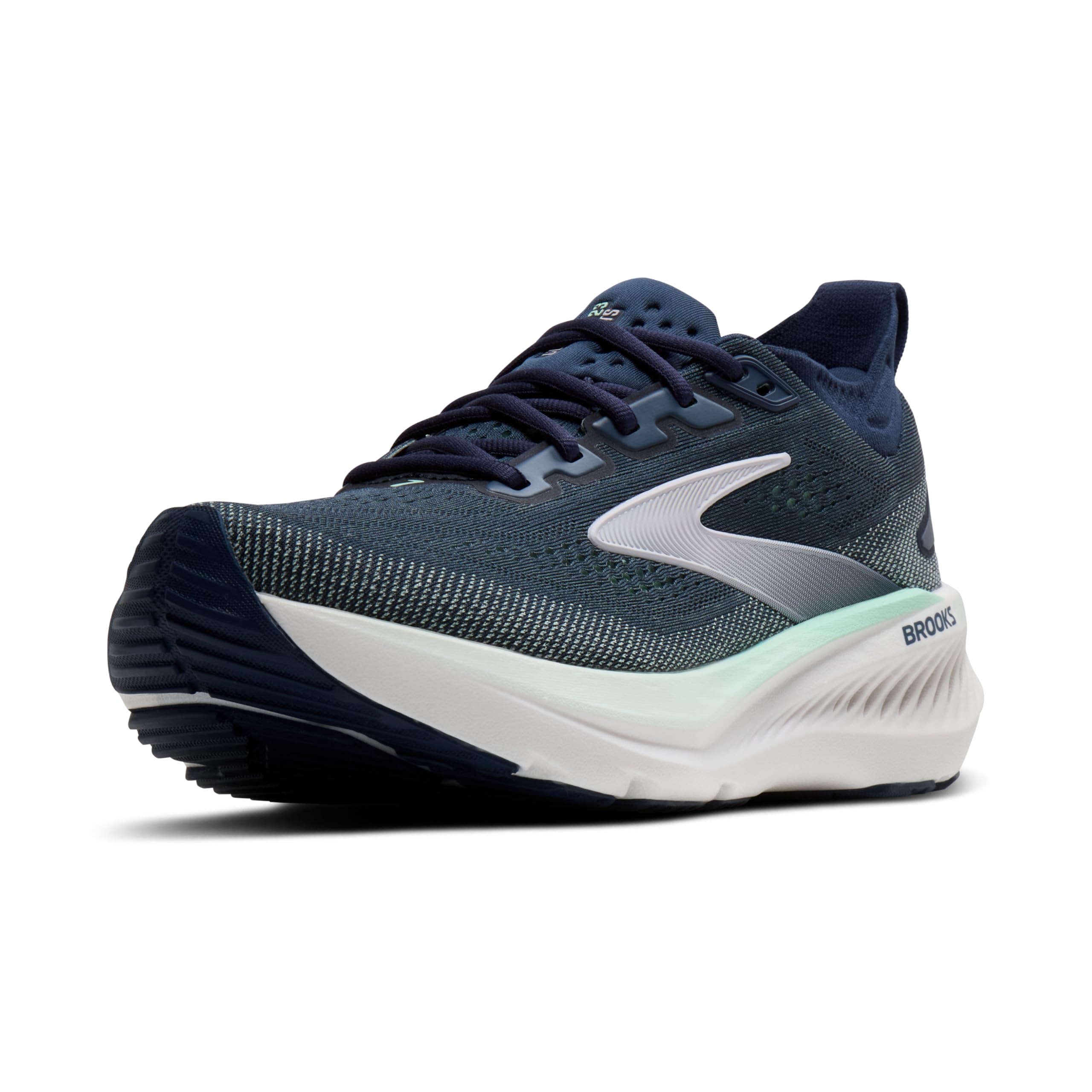
This shoe represents the latest evolution of stability: Brooks’ GuideRails system uses raised sidewalls on both the medial and lateral sides to gently redirect your foot without a rigid post. The nitrogen-infused DNA LOFT v3 foam delivers a plush, bouncy ride that rivals many neutral cushioning shoes, making it ideal for runners who want support without sacrificing softness. Reviewers consistently note that it relieved plantar fasciitis pain immediately and felt comfortable straight out of the box.
The Glycerin GTS 23 offers a generous toe box and an 8mm drop, which accommodates a wide range of foot shapes and running styles. The upper is engineered mesh that breathes well without feeling flimsy, and the heel counter locks in securely to prevent slippage. For those who overpronate mildly to moderately, this is the most luxurious stability shoe on the market.
One area where a few users found room for improvement is extended walking at theme parks or very long distances (over 9,000 steps daily) where toe rubbing could occur. The midsole is also on the softer side, so if you prefer a very firm platform, this might feel too cushioned. Overall, for everyday training and all-day comfort, it’s a top-tier choice.
Why it’s great
- GuideRails provide natural stability without a stiff post
- Nitrogen-infused foam is responsive and long-lasting
- Excellent arch support for plantar fasciitis relief
- True-to-size fit with wide-width options
Good to know
- Not ideal for high-mileage days on pavement without break-in
- Limited color options in wide widths
- Premium tier pricing reflects top-end technology
2. ASICS Women’s GT-2000 14 Running Shoes
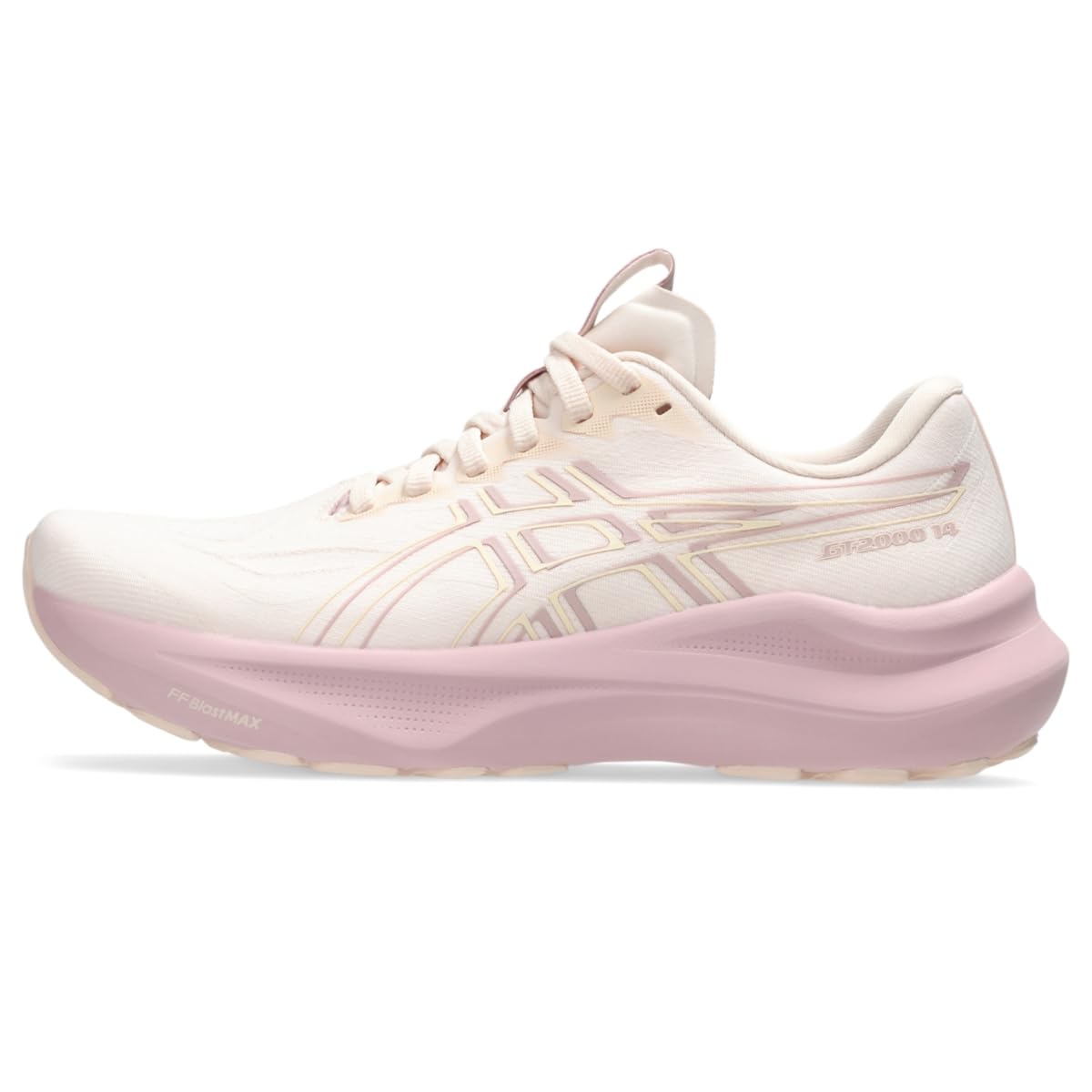
ASICS refines the classic stability formula with the GT-2000 14, using a LITETRUSS system that replaces the traditional hard medial post with a denser foam block placed along the arch. This provides targeted support for overpronation while keeping the overall weight low. The midsole features FF BLAST PLUS eco foam, which is responsive enough for tempo runs and soft enough for recovery days.
Testers report that this shoe feels stable but not clunky, making it a favorite for half-marathon training and high-mileage weeks. The engineered mesh upper breathes well and adapts to the foot’s shape, and the Ortholite sockliner adds an extra layer of plushness. The heel counter is well-padded, preventing Achilles irritation.
The GT-2000 14 has a 8mm drop and a moderate stack height that works well for heel strikers. Some users with very wide feet found the toe box slightly snug, but standard-width sizes fit true to size. The outsole uses AHAR rubber for durability, and the colorways are vibrant enough to stand out on the road.
Why it’s great
- Lightweight yet supportive for overpronators
- FF BLAST PLUS eco foam provides a smooth ride
- No break-in period required
- Durable outsole with good traction
Good to know
- May feel narrow for those with wide feet
- Not the most cushioned for max-mileage recovery runs
- Premium tier pricing
3. Hoka Mens Arahi 8
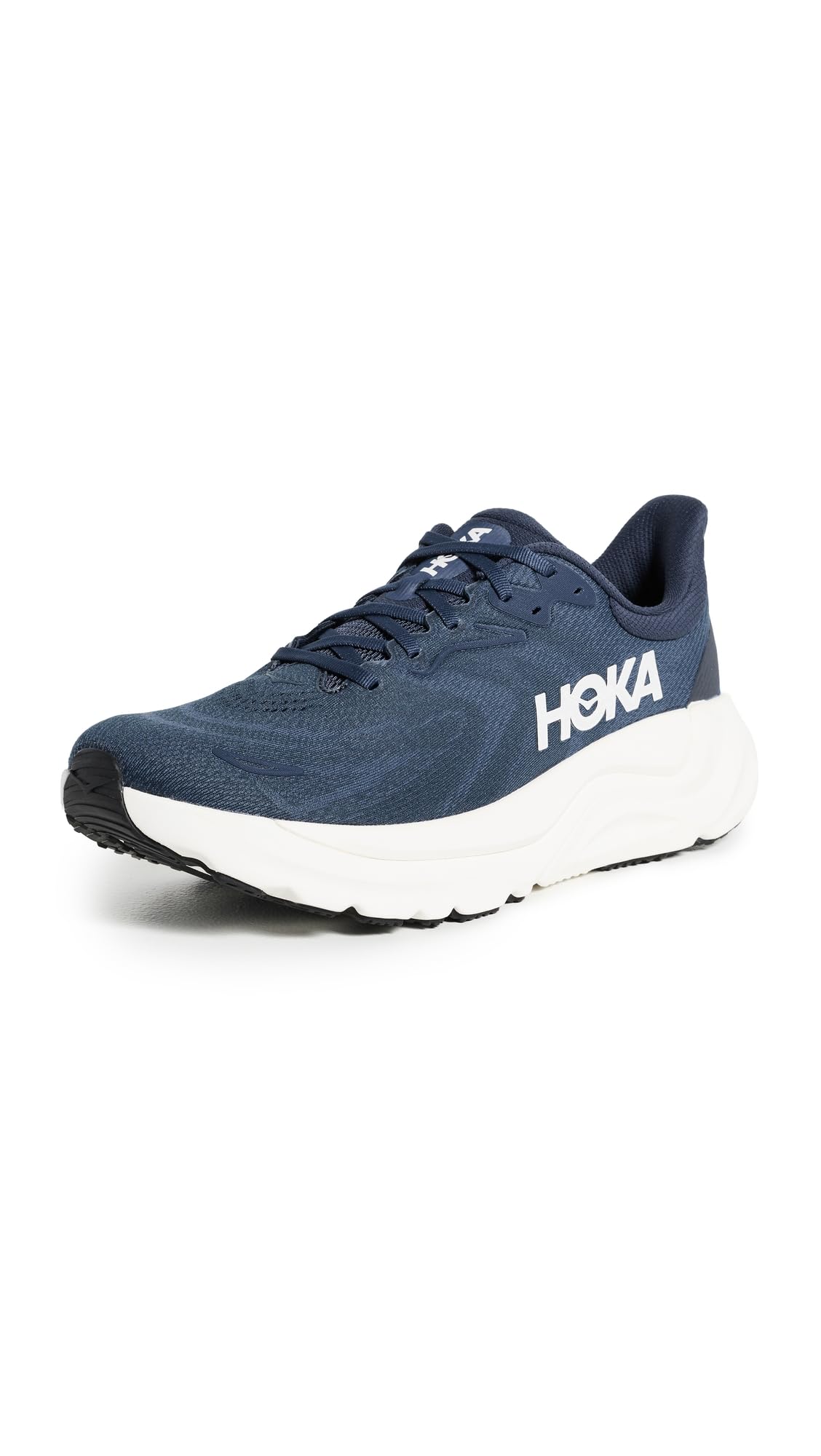
Hoka’s Arahi series is famous for blending a maximalist stack height with lightweight stability, and the Arahi 8 continues that legacy. Instead of a medial post, the Arahi uses a J-Frame—a firmer foam density that wraps around the heel and extends along the medial side—to correct overpronation without adding weight. The result is a stable ride that still feels agile.
The MetaRocker geometry (a curved sole shape) encourages a natural heel-to-toe transition, which is a major advantage for runners who land on their heels. The midsole uses CMEVA foam that’s responsive without being too soft, providing good energy return. Testers with sciatica and foot pain reported significant relief after switching to these, especially for standing all day.
The Arahi 8 fits true to size and offers a roomy toe box with a secure heel pocket. The upper is a lightweight mesh that breathes well, and the outsole features strategically placed rubber for durability. For runners who want a high-cushion stability shoe that doesn’t feel heavy, this is an excellent pick.
Why it’s great
- J-Frame provides lightweight, stable guidance
- MetaRocker encourages efficient gait mechanics
- Roomy toe box with secure heel fit
- Excellent for foot pain and sciatica relief
Good to know
- Not the most responsive for speed work
- Stack height may feel tall on uneven terrain
- Premium tier pricing reflects Hoka technology
4. Brooks Men’s Glycerin GTS 23 Supportive Running Shoe
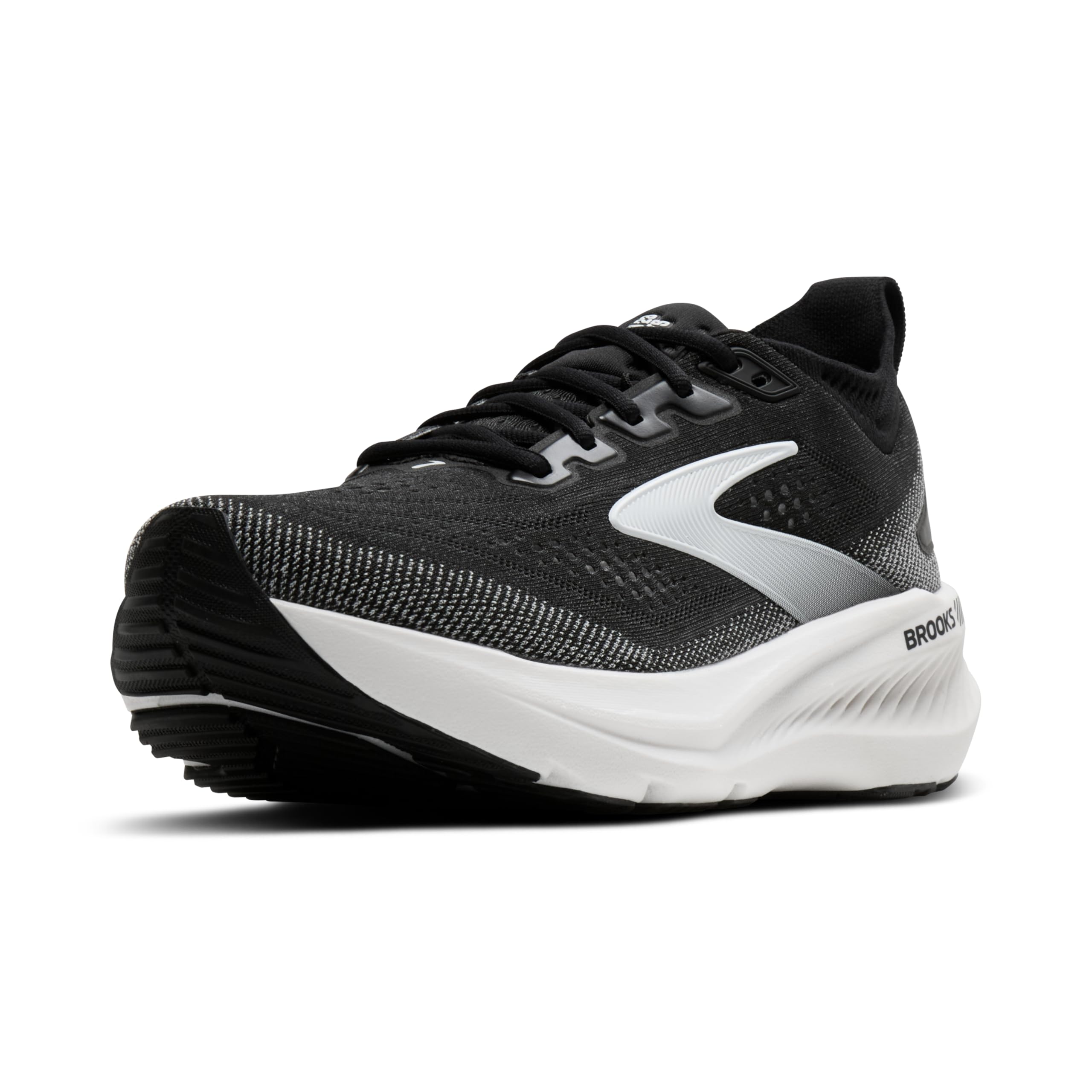
Brooks has taken the Glycerin, their max-cushion neutral shoe, and added the GuideRails system to create a stability version that feels almost identical to the original. The GuideRails are raised sidewalls that gently redirect the foot without a stiff medial post, making this an excellent choice for runners who need light to moderate pronation control. The DNA LOFT v3 foam is nitrogen-infused for a bouncy yet plush feel.
Testers who switched from the Glycerin GTS 22 reported that the lower heel-to-toe drop (reduced from 10mm to 8mm) helped reduce lower back pain and improved their stride. The shoe feels stable underfoot, especially for weighted activities like rucking or long training runs. The engineered mesh upper is supportive without being restrictive.
Some users with very wide feet found the standard width slightly snug, though wide sizes are available. The outsole rubber is durable, but the soft foam may show wear faster for heavy heel strikers. Overall, for those who prioritize cushioning with subtle stability, this is a top contender.
Why it’s great
- Plush cushioning with non-intrusive GuideRails
- Lower drop improves running form for some users
- Excellent for daily training and rucking
- True-to-size fit with wide options
Good to know
- Soft foam may degrade faster for heavy runners
- Not ideal for aggressive overpronators who need a medial post
- Premium tier pricing
5. New Balance Womens Fresh Foam X 860 V13
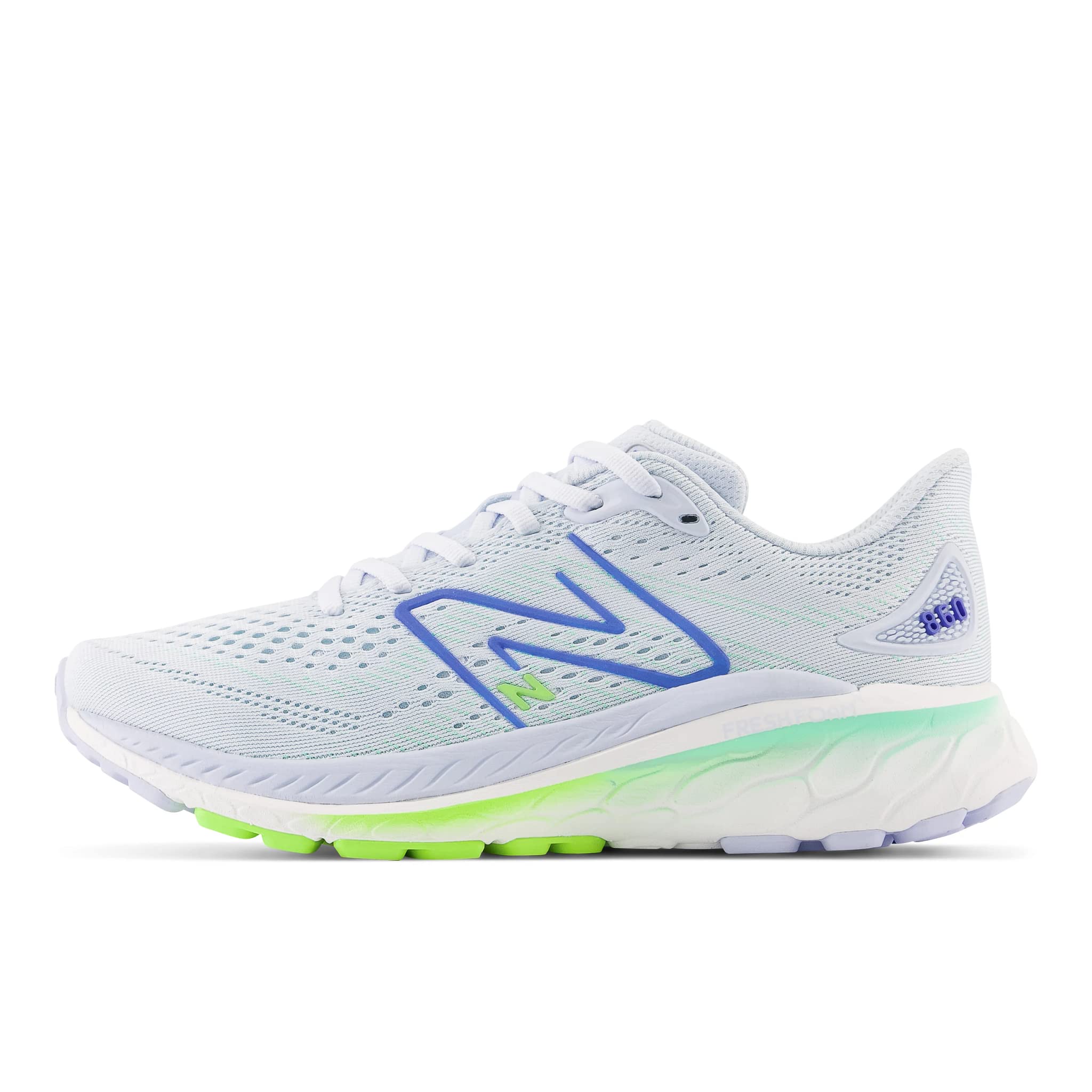
New Balance uses a medial post setup in the 860 V13, delivering reliable motion control for those who overpronate. The Fresh Foam X midsole is soft under the heel and firmer under the arch, providing a balanced ride that excels on long walks and daily commutes. The outsole has excellent traction on both pavement and light trails.
Testers consistently report that this shoe relieves foot pain, especially for those with plantar fasciitis or high arches. The toe box is slightly snug, so many users recommend going up half a size for a comfortable fit. The upper is a breathable mesh that keeps feet cool during extended activity.
The medial post is more noticeable than in guide-rail shoes, making this a better choice for moderate to severe overpronators. The shoe is also a bit heavier than some competitors, but the stability it provides makes up for the extra weight. For walkers and long-distance standers, this is a reliable, supportive workhorse.
Why it’s great
- Medial post provides strong pronation control
- Fresh Foam X is soft and responsive
- Excellent traction for varied surfaces
- Great arch support for foot pain relief
Good to know
- Runs slightly narrow; size up recommended
- Heavier than guide-rail stability shoes
- Fit may feel tight for wide feet
6. Hoka ONE ONE Womens Arahi 7
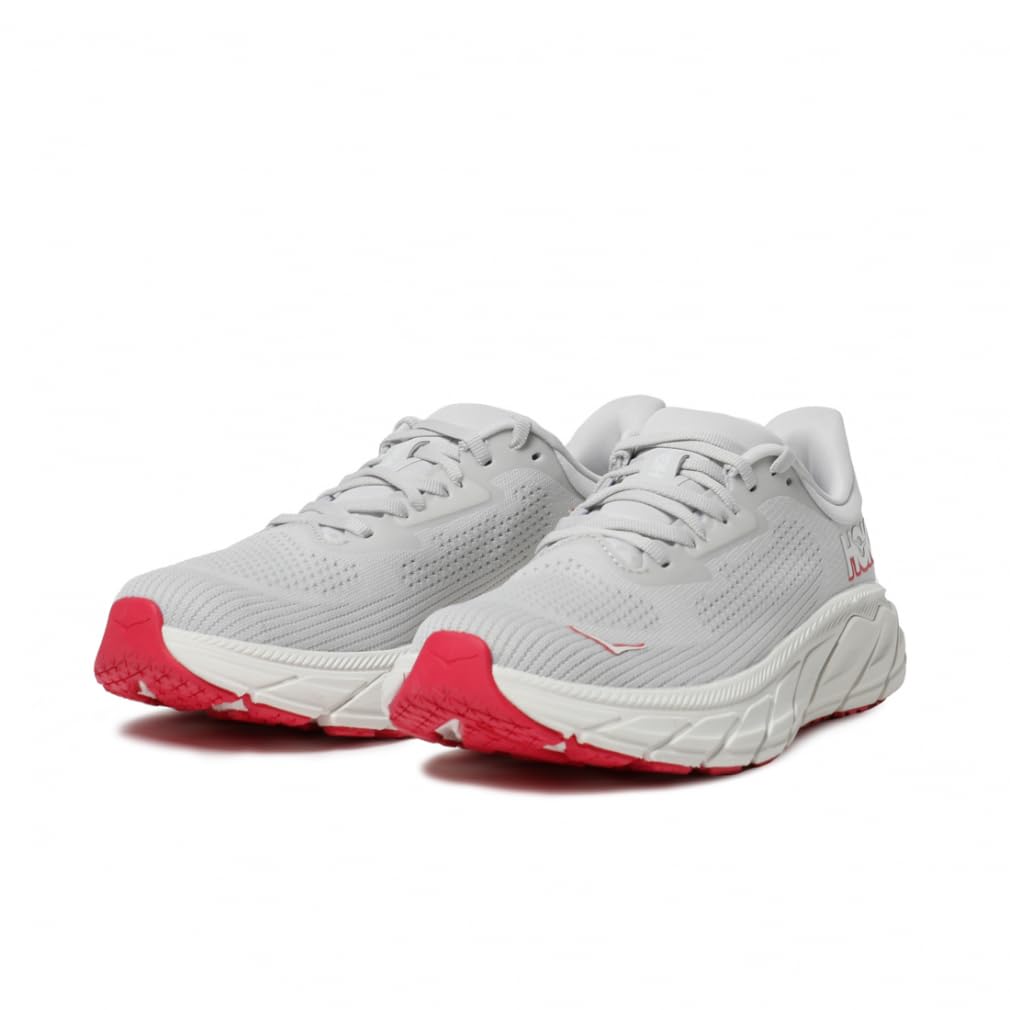
This version of the Arahi is a proven favorite for runners recovering from injuries like posterior tibial tendonitis or plantar fasciitis. The J-Frame wraps the heel in firmer foam to guide the foot, while the early stage MetaRocker creates a smooth rolling motion that reduces stress on the posterior tibial tendon. The wide platform and moderate stack height keep the foot stable without feeling bulky.
Testers who needed a daily shoe for walking and standing reported that the Arahi 7 significantly reduced pain compared to neutral shoes. The upper is a breathable mesh that adapts well to the foot, and the heel counter is firm without being irritating. The shoe looks modern and comes in several attractive colorways.
One review noted that reflective strips can peel off early in the shoe’s life, and the fabric on the insole may bleed color when cleaned. These are minor durability concerns for what is otherwise a highly supportive and comfortable shoe. For those with foot or ankle injuries, this is a strong choice.
Why it’s great
- J-Frame aids recovery from tendon injuries
- MetaRocker promotes a natural gait
- Very comfortable for all-day wear
- Wide platform improves balance
Good to know
- Reflective strip durability may be inconsistent
- Insole fabric can bleed color when cleaned
- Premium tier pricing
7. Saucony Men’s Hurricane 24 Sneaker
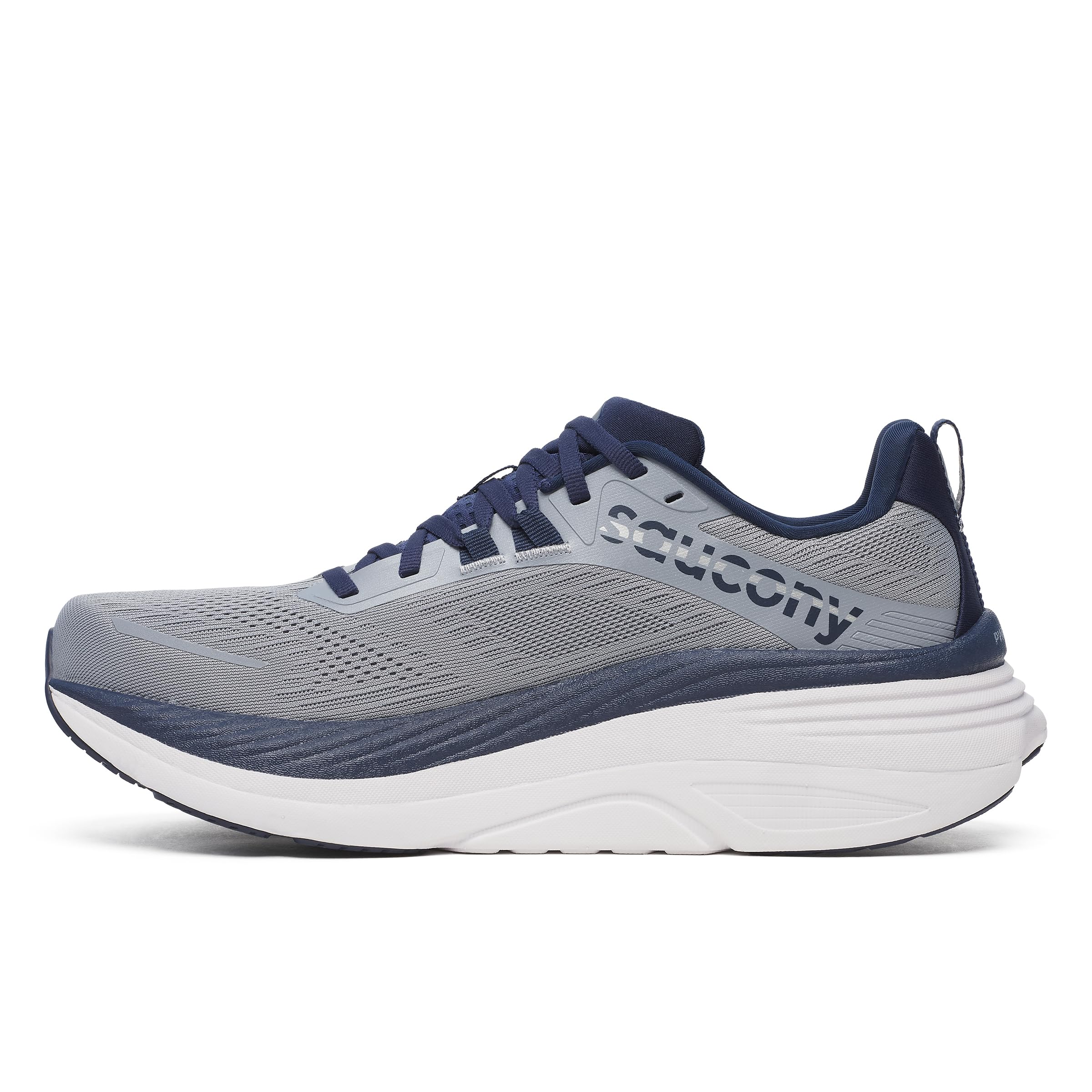
The Hurricane 24 is Saucony’s premium stability offering, using Center Path Technology that integrates a medial post with a wider base and PWRRUN PB foam for a cushioned, guided ride. This shoe feels stable but not stiff, making it a great choice for long runs and recovery days where you want support without the sensation of a brick under your foot.
Testers with flat feet and patellar tendonitis reported that the Hurricane 24 provided excellent relief during 20-mile training runs. The shoe is heavier than neutral models, but the trade-off is a very stable platform that works for overpronators. The upper is a plush mesh that feels premium, and the fit is true to size.
One reviewer noted inconsistent build quality between manufacturing batches, with pairs made in Vietnam feeling narrower and more comfortable than pairs made in China. This suggests you may want to try the shoe on or buy from a retailer with a good return policy. Overall, for its price point, the Hurricane 24 offers excellent value for serious runners.
Why it’s great
- PWRRUN PB foam is responsive and durable
- Center Path Technology feels natural
- Excellent for long distance and recovery
- Plush upper with good build quality
Good to know
- Heavier than speed-oriented stability shoes
- Build quality may vary between production batches
- Mid-range pricing, but still a significant investment
8. Saucony Women’s Hurricane 24 Sneaker
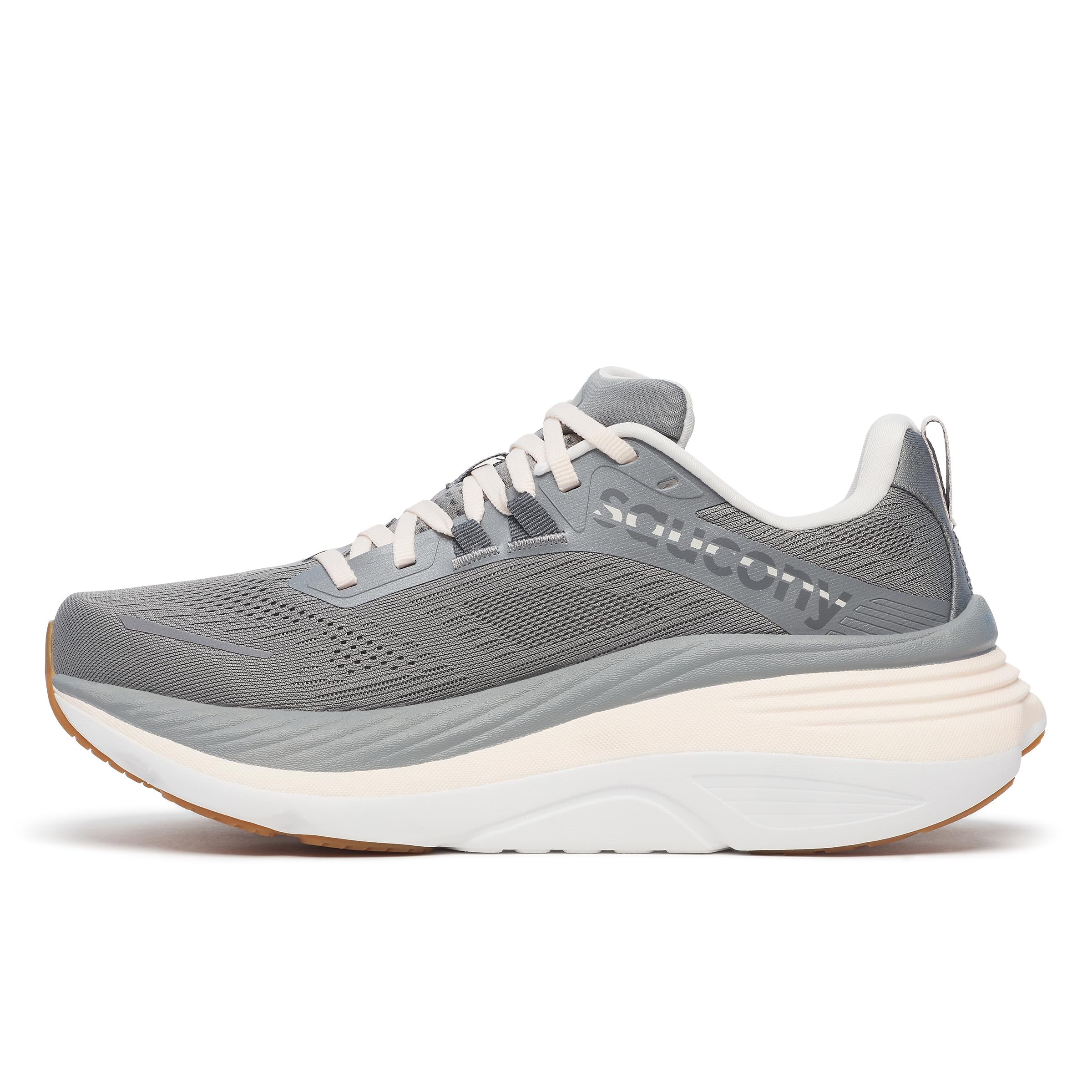
The women’s version of the Hurricane 24 shares the same Center Path Technology and PWRRUN PB foam as the men’s, providing a stable yet cushioned ride. It has an aggressive toe rocker that makes it feel very smooth during heel-to-toe transitions, which is particularly helpful for runners recovering from injuries or those with stiff ankles.
Testers with hammer toes and tendon pain noted that the wide platform and roomy toe box gave their feet space to move, reducing pain significantly. The shoe is on the heavier side, with one reviewer returning it for a lighter model due to leg fatigue after a mile. However, for daily wear, walking, and chasing toddlers, the comfort is unmatched.
Durability concerns include a low-quality fabric that can bleed color when cleaned and reflective strips that may peel off early. These issues are worth noting, but they don’t overshadow the shoe’s excellent stability and comfort. For women who need a chunky, stable shoe for injury recovery, this is a solid choice.
Why it’s great
- Aggressive toe rocker improves gait mechanics
- Wide platform and roomy toe box
- Excellent for injury recovery and daily wear
- PWRRUN PB foam is responsive
Good to know
- Heavy; may cause leg fatigue for faster runners
- Fabric and reflective strip durability issues
- Mid-range pricing
9. ASICS Men’s GT-1000 14 Running Shoes
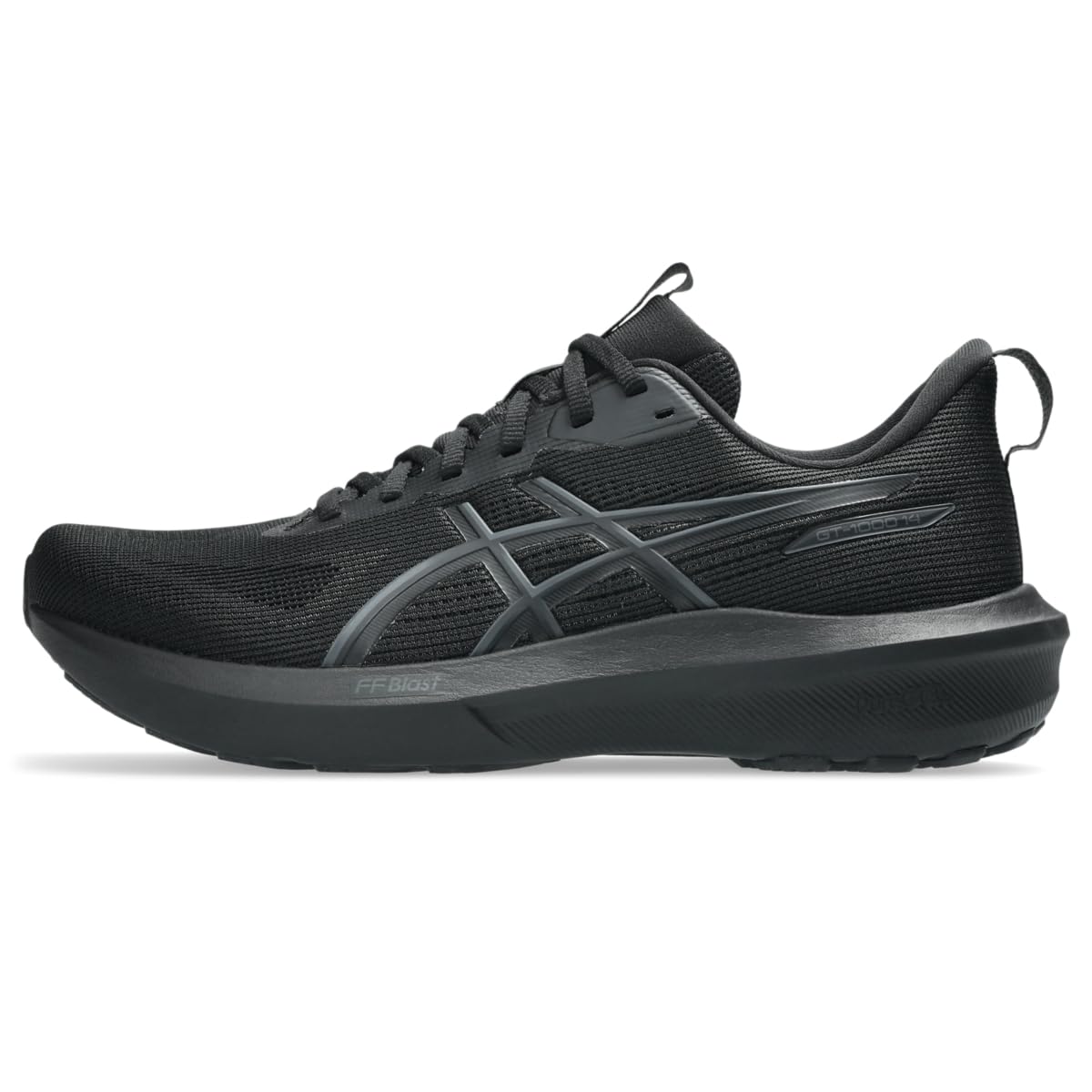
The GT-1000 14 is ASICS’ entry-level stability shoe, offering LITETRUSS support (a denser medial block) at a more accessible price point. While it lacks the premium foams and advanced technologies of the GT-2000 or Kayano, it provides adequate motion control for mild to moderate overpronation. The Amplifoam Plus midsole is soft enough for daily wear but less responsive than higher-tier options.
Testers praised this shoe for its lightweight feel and breathable upper, making it a versatile pick for cross-country, track, and general gym use. The X-wide version is notably roomy, accommodating bunions and toe splay without pinching. For those who walk a lot and need arch support, many reported a significant reduction in foot pain.
The outsole rubber wears faster than on more expensive models, with some users reporting sole degradation after a year of regular use. The support is also less aggressive than the GT-2000 or Hurricane series, so severe overpronators may need to look higher in the lineup. For a budget-friendly entry into stability footwear, the GT-1000 14 is a solid performer.
Why it’s great
- Lightweight and breathable design
- X-wide option available for roomy fit
- Great arch support for daily foot pain relief
- Entry-level price for stability technology
Good to know
- Outsole wears faster than premium models
- Less support for severe overpronation
- Midsole is less responsive for faster runs
FAQ
What is the difference between stability and motion control shoes?
How do I know if I overpronate and need stability shoes?
Can I use stability shoes if I have neutral pronation?
How often should I replace my stability running shoes?
Final Thoughts: The Verdict
For most users, the athletic shoes for stability winner is the Brooks Women’s Glycerin GTS 23 because it pairs plush DNA LOFT v3 cushioning with non-intrusive GuideRails that feel natural for both runners and walkers. If you need a lighter, more responsive shoe for half-marathon training, grab the ASICS Women’s GT-2000 14. And for those recovering from tendon or arch injuries, nothing beats the stable, rockered ride of the Hoka Arahi 7.