
Our readers keep the lights on and the weekend projects moving. As an Amazon Associate, I earn from qualifying purchases.
Finding athletic shoes that work with flat feet often means battling overpronation, midfoot collapse, and a lack of arch support that turns a simple walk into a source of heel and knee pain. The right shoe delivers a firm medial post or a structured frame that cradles the arch, stabilizes the gait cycle, and prevents that sinking feeling with every stride.
I’m Rikta — the co-founder and writer behind FitlyFast. This guide is the result of analyzing hundreds of customer reviews, cross-referencing motion-control and stability features, and breaking down what flat-footed runners and walkers actually need in a shoe.
After combing through specs and real-world feedback, I built this list of the top athletic shoes for women with flat feet to help you find a stable, supportive fit that keeps you moving without pain.
How To Choose The Best Athletic Shoes For Women With Flat Feet
Flat feet change your gait by causing the arch to collapse inward, which triggers overpronation. The wrong shoe — usually a neutral-cushion model — accelerates that roll and transfers stress to the ankles, knees, and hips. A stability shoe built with a medial post or a wider platform directly addresses that motion to keep your stride efficient and pain-free.
Medial Post vs. GuideRail Systems
A medial post is a dense piece of foam on the arch side of the midsole that resists compression and blocks the foot from rolling inward too far. GuideRail technology, used by Brooks, uses a firmer ramp on the medial side that engages only when the foot starts to overpronate. Both are effective; the choice comes down to how much correction your foot requires.
Cushioning Density and Stack Height
Flat feet often need a firmer foam under the arch to prevent sinking, but that doesn’t mean sacrificing heel cushioning. Look for a shoe with a stack height around 30mm in the heel and a dual-density midsole — soft at the heel strike but firm along the medial arch. That combo absorbs impact while keeping the foot platform stable.
Heel Drop and Toe Box Width
A lower heel drop (4–8mm) encourages a more natural midfoot strike, which can reduce strain on the posterior tibial tendon common in flat-footed runners. A wider toe box also matters: a narrow forefoot forces the toes to squeeze, which destabilizes the foot and can worsen overpronation. Prioritize models offered in wide widths if your foot feels cramped in standard D-width uppers.
Quick Comparison
On smaller screens, swipe sideways to see the full table.
| Model | Category | Best For | Key Spec | Amazon |
|---|---|---|---|---|
| New Balance Fresh Foam X More V5 | Stability | Maximum cushioning & pronation | Fresh Foam X midsole | Amazon |
| Hoka Womens Arahi 8 | Stability | Daily runs & gym | J-Frame technology | Amazon |
| Hoka ONE ONE Arahi 7 | Stability | Injury recovery | J-Frame stability | Amazon |
| Brooks Glycerin GTS 23 | Supportive | Long walks & overpronation | GuideRails support | Amazon |
| HOKA Gaviota 5 | Motion Control | Seniors & balance issues | H-Frame stability | Amazon |
| Brooks Revel Max | Neutral | High-mileage walking | DNA LOFT v3 cushioning | Amazon |
| Brooks Trace 4 | Neutral | Light support on runs | Soft DNA Loft foam | Amazon |
| ASICS Gel-Cumulus 27 | Neutral | Mild overpronation | Rearfoot GEL technology | Amazon |
| Mizuno Wave Legacy | Stability | Budget-friendly training | Wave plate technology | Amazon |
In‑Depth Reviews
1. New Balance Women’s Fresh Foam X More V5

The Fresh Foam X More V5 delivers the highest stack height in the New Balance lineup, but what sets it apart for flat feet is its surprisingly effective pronation control. Multiple reviewers noted that the wide base and firm inner edge kept their foot from rolling inward even during long walks on hard pavement. The Fresh Foam X compound is plush under the heel but noticeably denser along the arch, creating a natural medial-post feel without a rigid plastic insert.
Fit-wise, the toe box is genuinely spacious, accommodating bunions and wide feet straight out of the box. Buyers recovering from sciatica, lymphedema, or lower-leg injuries reported that the combination of cushioning and stability let them walk all day without the pain they experienced in other shoes. The knit upper also breathes well, which helps during warmer months or extended wear.
The tradeoffs are minor: the white colorway shows dirt quickly, and some runners prefer a more responsive feel for tempo work. But for anyone whose flat feet demand a stable, high-cushion platform, this shoe is a consistent top performer.
Why it’s great
- Excellent pronation resistance without a rigid post
- Very wide toe box suits flat, splayed feet
- Long-lasting foam that holds shape after hundreds of miles
Good to know
- Not ideal for speed work or fast intervals
- Light colors require frequent cleaning
2. Hoka Womens Arahi 8
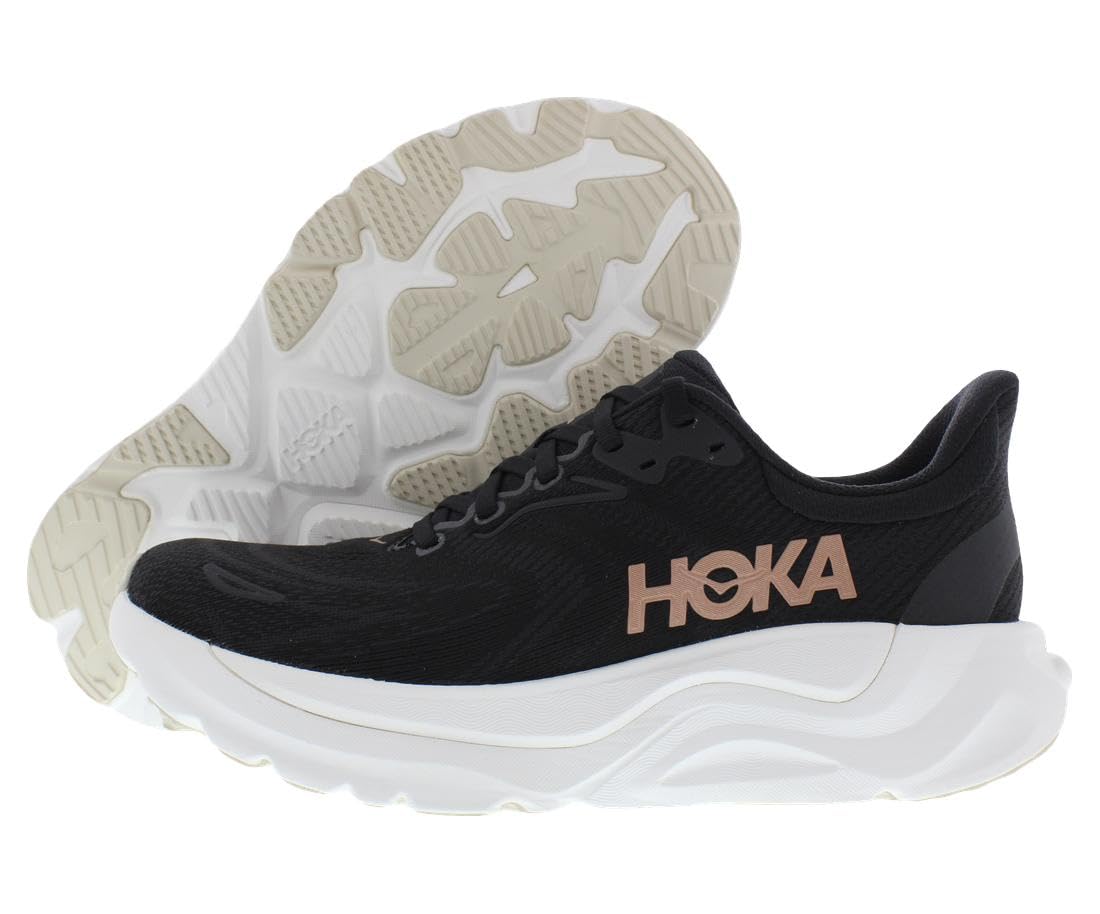
Hoka’s Arahi 8 uses J-Frame technology — a denser foam support frame that wraps around the heel and extends along the medial side — to correct overpronation without the bulk of traditional medial posts. This makes the Arahi 8 noticeably lighter than many motion-control shoes, a factor that matters when you’re logging daily miles or wearing them for all-day standing. Customers recovering from neurological balance issues praised the wide, stable platform that improved their walking confidence immediately.
The cushioning is soft enough to absorb heel strike impact but remains firm under the arch, providing the dual-density feel that flat-footed runners need. The engineered mesh upper offers a snug midfoot wrap without squeezing the toes. Several buyers wore these on 10-day walking trips and reported zero foot fatigue at the end of each day.
Some users with wider feet found the standard width a bit snug, especially in the toe box, suggesting going up half a size or checking for wide options. The outsole also wears faster if used primarily on asphalt, but for the stability-to-weight ratio, the Arahi 8 is a top contender.
Why it’s great
- J-Frame provides stability without extra weight
- Plush but not mushy under the arch
- Great for all-day wear on hard surfaces
Good to know
- Toe box can be tight for wide feet
- Outsole durability is moderate on rough roads
3. Hoka ONE ONE Womens Arahi 7
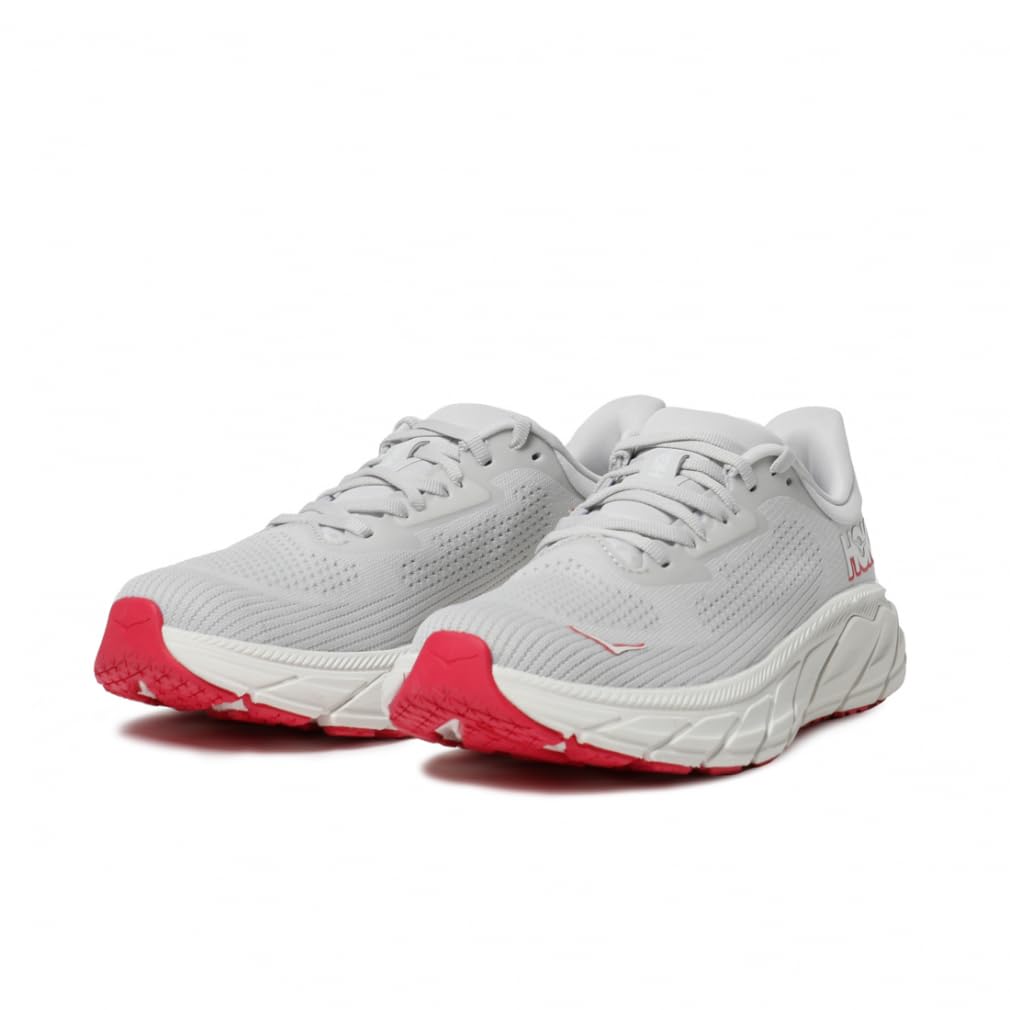
The Arahi 7 is the predecessor to the 8 but uses the same J-Frame geometry, making it a strong option for flat-footed runners on a tighter budget. Its stability profile specifically targets posterior tibial tendon issues — a common problem for people with flat feet whose tendon bears extra load from overpronation. One user recovering from a posterior tibial tendon injury found that the Arahi 7 significantly reduced pain and provided full support during daily walks.
The early-stage Meta-Rocker sole encourages a smooth heel-to-toe transition, which compensates for the lack of natural arch motion in flat feet. The stack height is generous enough to cushion hard landings, and the forefoot foam is responsive without being overly bouncy. Customers mentioned that the shoe felt comfortable straight from the box with no break-in period required.
The main downside is that the Arahi 7 runs slightly narrow in the midfoot, and some wearers with bunions experienced irritation along the medial stitching. Sizing up half a step usually resolves this, but it’s worth ordering from a retailer with a forgiving return policy if you’re between widths.
Why it’s great
- Ideal for posterior tibial tendon support
- Smooth rocker motion aids flat-footed gait
- No break-in needed for most foot shapes
Good to know
- Narrow midfoot may not suit wider feet
- Stitching near the arch can irritate bunions
4. Brooks Women’s Glycerin GTS 23 Supportive Running Shoe
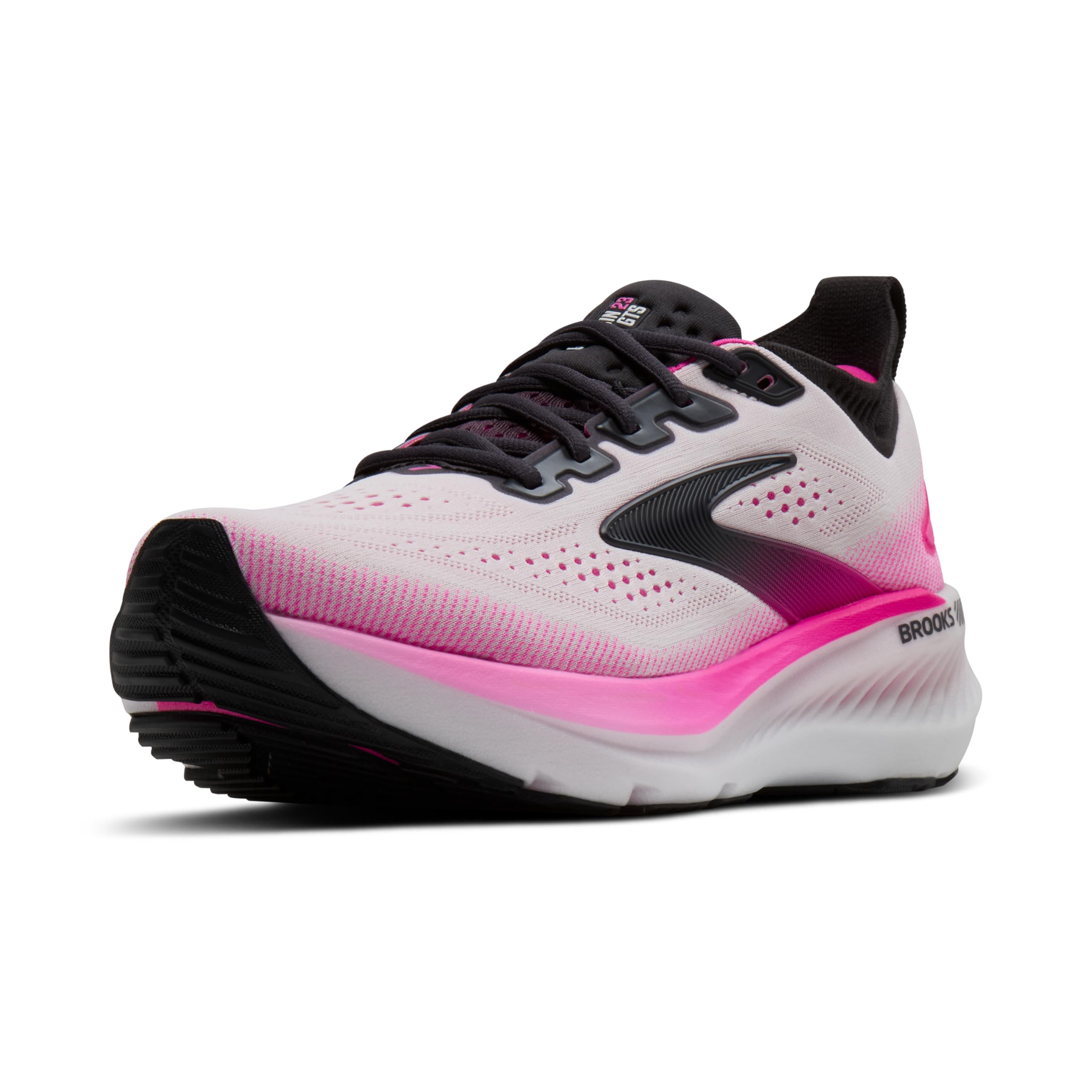
The Glycerin GTS 23 is Brooks’ max-cushion stability shoe, pairing the ultra-plush DNA LOFT v3 foam with the GuideRails holistic support system. GuideRails work differently from a medial post: they keep the entire body — not just the foot — aligned by adding buffer foam on the inner side of the heel. This matters for flat-footed walkers who also experience knee or hip pain because overpronation often travels up the kinetic chain.
Buyers with plantar fasciitis and wide feet specifically praised the roomy toe box and the fact that the arch support doesn’t feel intrusive. The Glycerin GTS 23 is heavier than a neutral shoe, but the weight is distributed well, so it doesn’t feel clunky. One customer noted that the shoe helped her knees feel protected during half-marathon training, and the outsole showed minimal wear after significant mileage.
For very long walking days — beyond 9,000 steps daily — some users experienced rubbing on the toes and heel, suggesting that the fit might need adjustment for marathon-length sessions. The limited color options in wide widths are a minor frustration for shoppers wanting aesthetic variety.
Why it’s great
- GuideRails protect knees and hips from pronation
- DNA LOFT v3 foam is both plush and durable
- Excellent for plantar fasciitis relief
Good to know
- Heavier than neutral trainers
- Wide width colorways are limited
5. HOKA Women’s Gaviota 5 Shoes
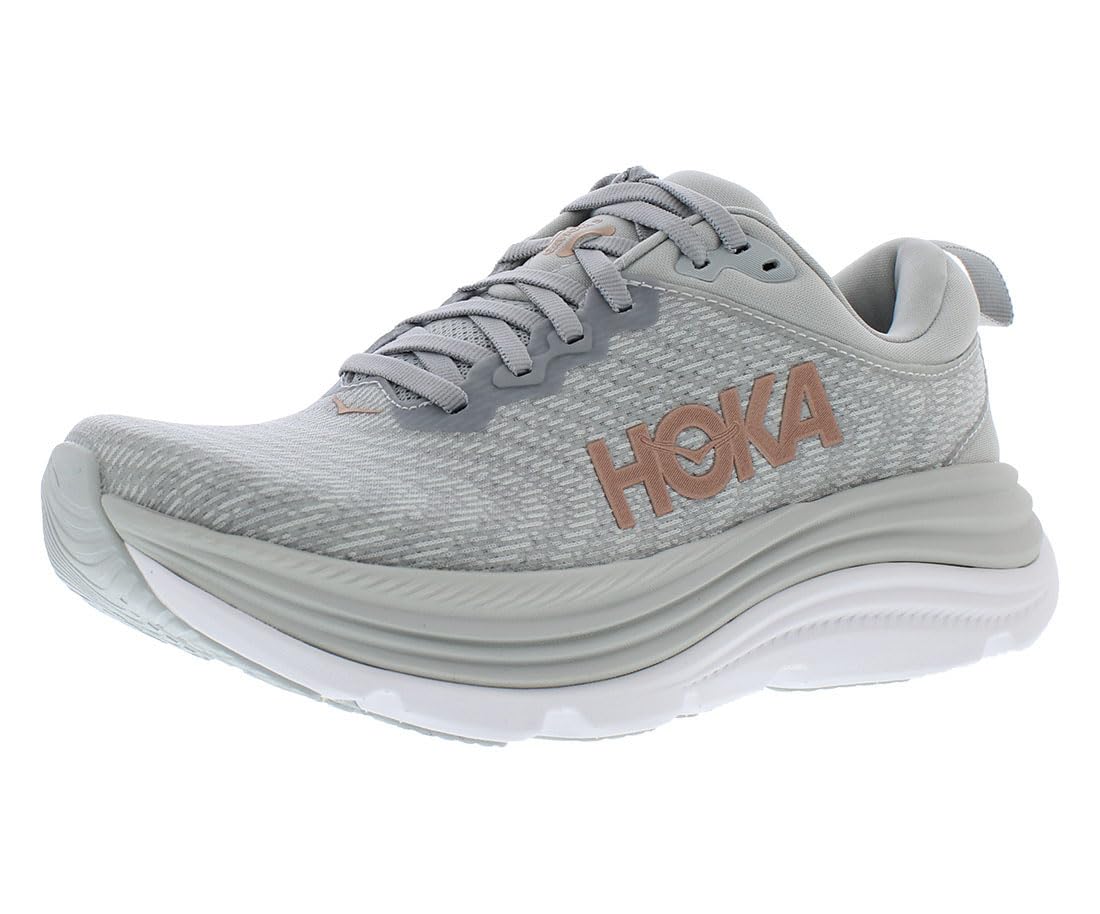
The Gaviota 5 is Hoka’s most stability-oriented shoe, using an H-Frame structure that wraps the entire midsole in a firmer foam exoskeleton. This is the shoe to choose if your flat feet need maximum correction — the H-Frame literally cages the midsole to prevent it from collapsing inward. Buyers with balance problems, seniors looking for a stable walking shoe, and those recovering from foot injuries reported zero break-in time and immediate confidence on uneven terrain.
The cushioning is softer than the Arahi series thanks to a thicker layer of molded EVA, but the H-Frame keeps the platform stable so you don’t sink. The outsole is wide and flat, providing a broad base that resists tipping. Multiple customers mentioned buying multiple pairs in different colors, a strong indicator of long-term satisfaction.
The Gaviota 5 does run wide, which is great for splayed flat feet but can be problematic for narrow feet — some wearers found the shoe felt loose in the heel. The stitching on the medial side also irritated one user’s bunion, so if you have a pronounced bunion, a careful try-on is recommended before committing.
Why it’s great
- H-Frame provides unmatched midfoot lockdown
- Extremely stable for balance-challenged walkers
- Luxurious cushion without instability
Good to know
- Too wide for narrow or regular-width feet
- Medial stitching may bother bunions
6. Brooks Women’s Revel Max Neutral Running & Walking Shoe
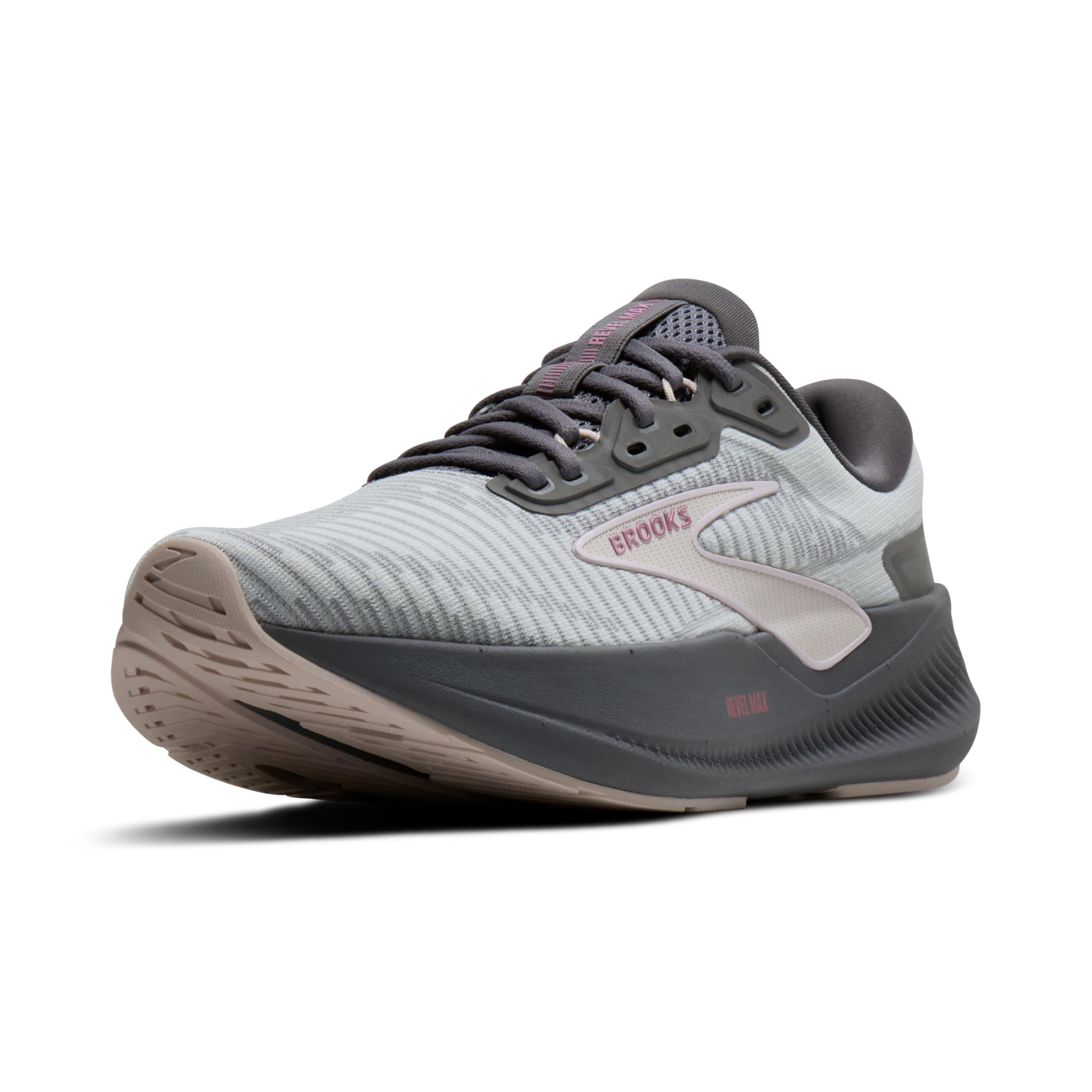
The Revel Max is a neutral shoe, but its DNA LOFT v3 midsole is so dense and supportive that it works well for flat feet with mild overpronation. Unlike softer neutral shoes that let the arch collapse, the Revel Max’s foam retains its shape under load, providing a stable platform that many users with “bad feet” found preferable to traditional stability shoes. One buyer walked 10+ hours per day during a Paris trip without any break-in or pain.
The upper is a knit mesh that stretches slightly in the forefoot, accommodating swelling over long walking days. The heel counter is stiff enough to lock the rearfoot in place, which helps control the initial contact phase of gait. Brooks markets this shoe as a neutral trainer, but the foam density makes it a crossover option for flat-footed walkers who don’t need aggressive pronation correction.
Because the Revel Max lacks a dedicated medial post or GuideRail, it may not be enough for severe overpronation or for those who have had posterior tibial tendonitis. It’s best suited for casual daily wear and moderate walking rather than high-mileage running.
Why it’s great
- Very dense foam supports mild flat feet
- Comfortable straight from the box
- Stretchy upper accommodates foot swelling
Good to know
- Not for severe overpronation
- Less responsive for running intervals
7. Brooks Women’s Trace 4 Neutral Running Shoe
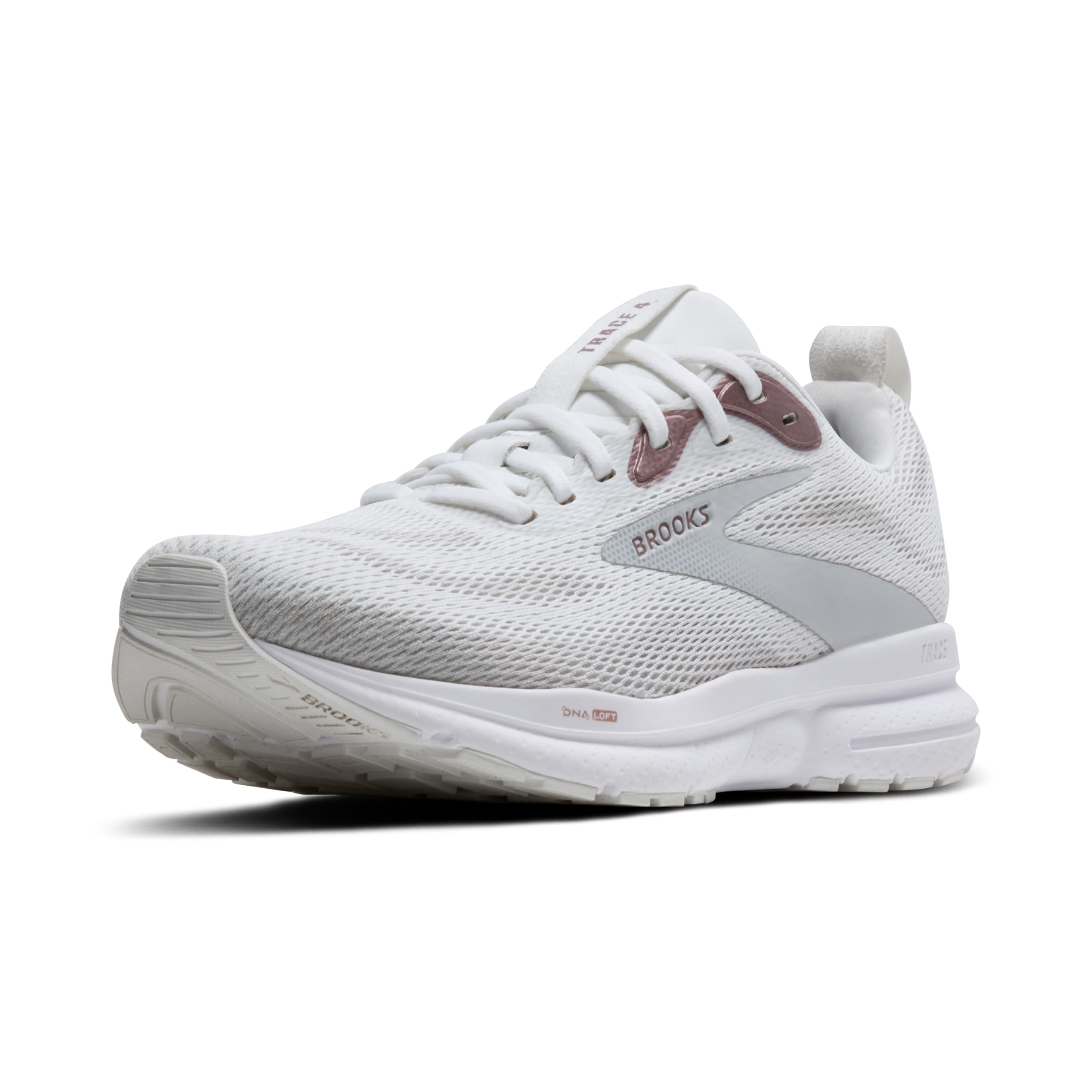
The Trace 4 is Brooks’ entry-level neutral runner, but reviews consistently mention its surprisingly good support for mild overpronation. The memory foam insole adapts to the wearer’s arch shape over the first few wears, creating a semi-custom cradle that helps stabilize the foot. Several buyers who stand for 8–9 hours at work reported that the Trace 4 was comfortable enough to wear all shift without arch fatigue.
At 1.5 pounds per pair, the Trace 4 is lighter than most stability shoes, which makes it a strong choice for runners who want to avoid the heavy feel of a traditional motion-control trainer. The outsole has a moderate amount of rubber coverage, providing decent traction on pavement and gym floors. Customers noted that the sizing runs true and that the shoe requires no break-in period.
The Trace 4 lacks a dedicated stability system, so it won’t correct moderate to severe overpronation. The foam also breaks down faster than the DNA LOFT used in higher-end Brooks models, so heavy runners may need to replace them sooner than premium options.
Why it’s great
- Memory foam insole molds to flat arches
- Very lightweight for a supportive shoe
- Budget-friendly entry point
Good to know
- Not enough support for severe overpronation
- Foam durability is average
8. ASICS Women’s Gel-Cumulus 27 Running Shoes
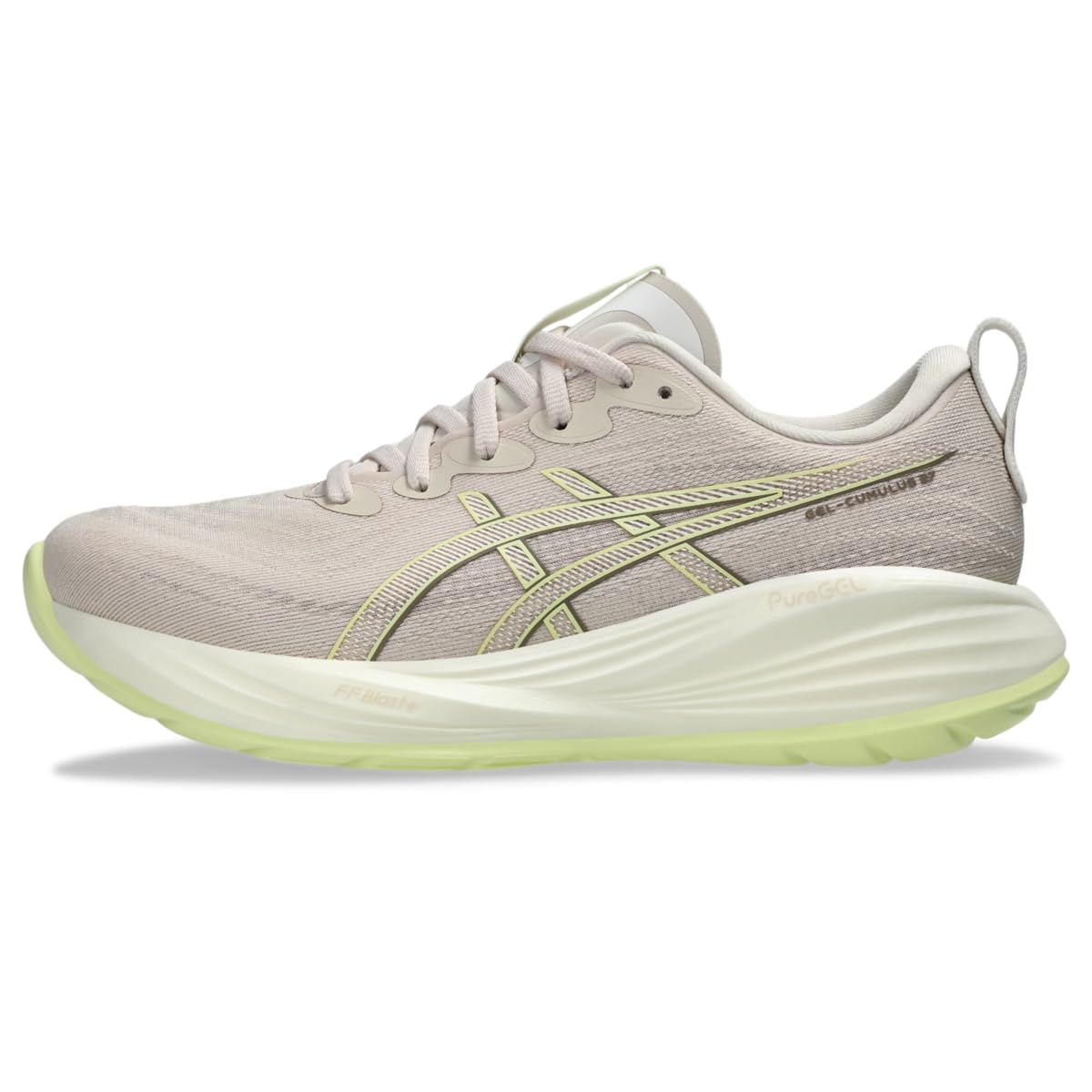
The Gel-Cumulus 27 is a neutral shoe, but its Rearfoot GEL unit and FlyteFoam midsole provide enough structure to handle mild flat feet better than most pure-neutral options. One customer’s doctor recommended this shoe specifically for Morton’s neuroma combined with flat-foot alignment, indicating that the GEL insert’s shock absorption helps reduce the impact that exacerbates nerve irritation. The heel-to-toe drop is 8mm, which encourages a midfoot strike and reduces stress on the posterior tibial tendon.
Reviewers with medium-width feet found the fit true to size and the step-in feel very cushioned. The engineered mesh upper is breathable and flexible without being loose. For daily walking routines of 4 miles, buyers reported that the Cumulus 27 remained comfortable for six months of regular use before the midsole began to lose its bounce.
The main concern for flat feet is the toe box, which several users described as slightly tight — a problem if your toes naturally splay from collapsed arches. The narrower forefoot can exacerbate instability for those who need a wider base to prevent overpronation.
Why it’s great
- GEL unit provides excellent heel impact absorption
- 8mm drop reduces strain on arch tendon
- Breathable upper for warm weather
Good to know
- Toe box too narrow for splayed flat feet
- Not for moderate to severe overpronation
9. Mizuno Women’s Wave Legacy Training Shoes

The Mizuno Wave Legacy uses a wave-shaped plastic plate embedded in the midsole to distribute impact and provide a stable platform — a design that inherently controls medial roll. Multiple reviewers with flat feet and plantar fasciitis reported that this shoe eliminated their foot and leg exhaustion during long shifts on their feet. One buyer bought four different pairs of shoes before settling on the Wave Legacy as the only one that felt correct on their arches.
The fit runs slightly wider than average, which is a benefit for flat-footed wearers who need space in the forefoot to avoid squeezing. The lace-up closure allows for a customizable midfoot lockdown, and the outsole pattern provides good traction on gym floors and light trails. Customers noted that a pair lasts about two years with regular gym and walking use, making it a durable budget-friendly option.
Some users found the shoe too wide for their foot shape, and the Wave Legacy is not designed for long-distance running — its training shoe profile is best suited to gym workouts, walking, and casual wear. The color selection is also more limited compared to major athletic brands.
Why it’s great
- Wave plate actively resists overpronation
- Durable construction lasts for years
- Wider fit works for splayed flat feet
Good to know
- Too wide for narrow foot shapes
- Not designed for high-mileage running
FAQ
Do I need a stability shoe if I have flat feet?
What is the difference between stability and motion-control shoes?
Can flat feet cause plantar fasciitis and will these shoes help?
Should I use orthotics with these shoes?
How do I know if I am overpronating?
Are Hoka shoes good for flat feet?
Final Thoughts: The Verdict
For most users, the athletic shoes for women with flat feet winner is the New Balance Fresh Foam X More V5 because it combines maximum cushioning with excellent pronation resistance in a wide toe box. If you want a lightweight stability shoe with J-Frame technology, grab the Hoka Arahi 8. And for severe overpronation requiring motion-control support, nothing beats the HOKA Gaviota 5 and its H-Frame design.