
Our readers keep the lights on and the weekend projects moving. As an Amazon Associate, I earn from qualifying purchases.
Your feet, knees, and lower back feel every mile when your athletic shoes lack proper arch support. Flat insoles or generic foam can turn a daily walk or gym session into a source of nagging pain, especially if you have flat feet, high arches, or plantar fasciitis. The right pair of shoes built with engineered arch support changes that — giving you a stable platform that aligns your gait and absorbs shock before it reaches your joints.
I’m Rikta — the co-founder and writer behind FitlyFast. I’ve spent years analyzing footwear biomechanics, comparing midsole densities, and reading thousands of customer fit reports to identify which shoe models deliver genuine structural support rather than a removable insert that flattens after a month.
This guide breaks down seven top-rated options that combine real arch support with durable cushioning and a secure fit. Whether you need a walking shoe for long shifts or a running trainer for high mileage, the athletic shoes with arch support you choose must match your foot type and activity level to prevent injury and keep you moving comfortably.
How To Choose The Best Athletic Shoes With Arch Support
Not all shoes labeled “supportive” deliver the same structure. The true test happens inside the midsole — where foam density, shank stiffness, and the shape of the footbed determine whether your arch gets the lift it needs or sinks into mush. Here are the three factors that separate a real support shoe from a marketing claim.
1. Midsole Density and Structure
A supportive shoe relies on a firm or dual-density midsole that resists compression under your arch. Look for terms like “guidance line,” “medial post,” or “density foam” in the description. Shoes with a medial post — a firmer block of foam on the inner side — actively correct overpronation and keep your foot from rolling inward. Soft, single-density foam may feel plush but lacks the long-term structure needed for true arch support.
2. Heel-to-Toe Drop and Platform Width
The heel drop (difference between heel and forefoot height) affects how your foot strikes the ground. A drop of 8–12 mm is common for traditional running and walking shoes and encourages a heel-first gait, which can reduce strain on the Achilles for many users. A wider platform at the heel and midfoot increases stability, giving your arch a broader base to work from. Narrow platforms often destabilize the foot, negating the support of the insole.
3. Removable Insole and Arch Pocket
Even the best built-in arch support may not match your exact foot contour. Shoes with removable insoles let you swap in custom orthotics or an over-the-counter insert that matches your arch height. Look for a shoe that has a deep heel cup and an arch pocket — a molded shape in the midsole — so your replacement insert sits securely without shifting during movement.
Quick Comparison
On smaller screens, swipe sideways to see the full table.
| Model | Category | Best For | Key Spec | Amazon |
|---|---|---|---|---|
| ASICS Gel-Cumulus 27 | Neutral Running | Neutral to high arches | Rearfoot PureGEL + FF Blast+ midsole | Amazon |
| ASICS GT-1000 14 | Stability Running | Overpronation & flat feet | LITETRUSS medial support system | Amazon |
| ASICS SUPERBLAST 2 | Neutral Performance | High-energy training runs | FF Turbo + FF Blast+ dual-layer midsole | Amazon |
| Saucony Ride 18 | Neutral Daily Trainer | Pavement running & walking | PWRRUN+ midsole with 8mm drop | Amazon |
| Dansko Peony | Performance Walking | Healthcare & long standing | Removable contoured footbed | Amazon |
| Ryka Devotion X Max | Walking | Women’s wide feet & orthotics | Removable insole for custom orthotics | Amazon |
| Skechers Go Walk Arch Fit | Walking Casual | Easy slip-on & pregnancy | Arch Fit contoured footbed with Goga Mat | Amazon |
In‑Depth Reviews
1. ASICS Women’s Gel-Cumulus 27
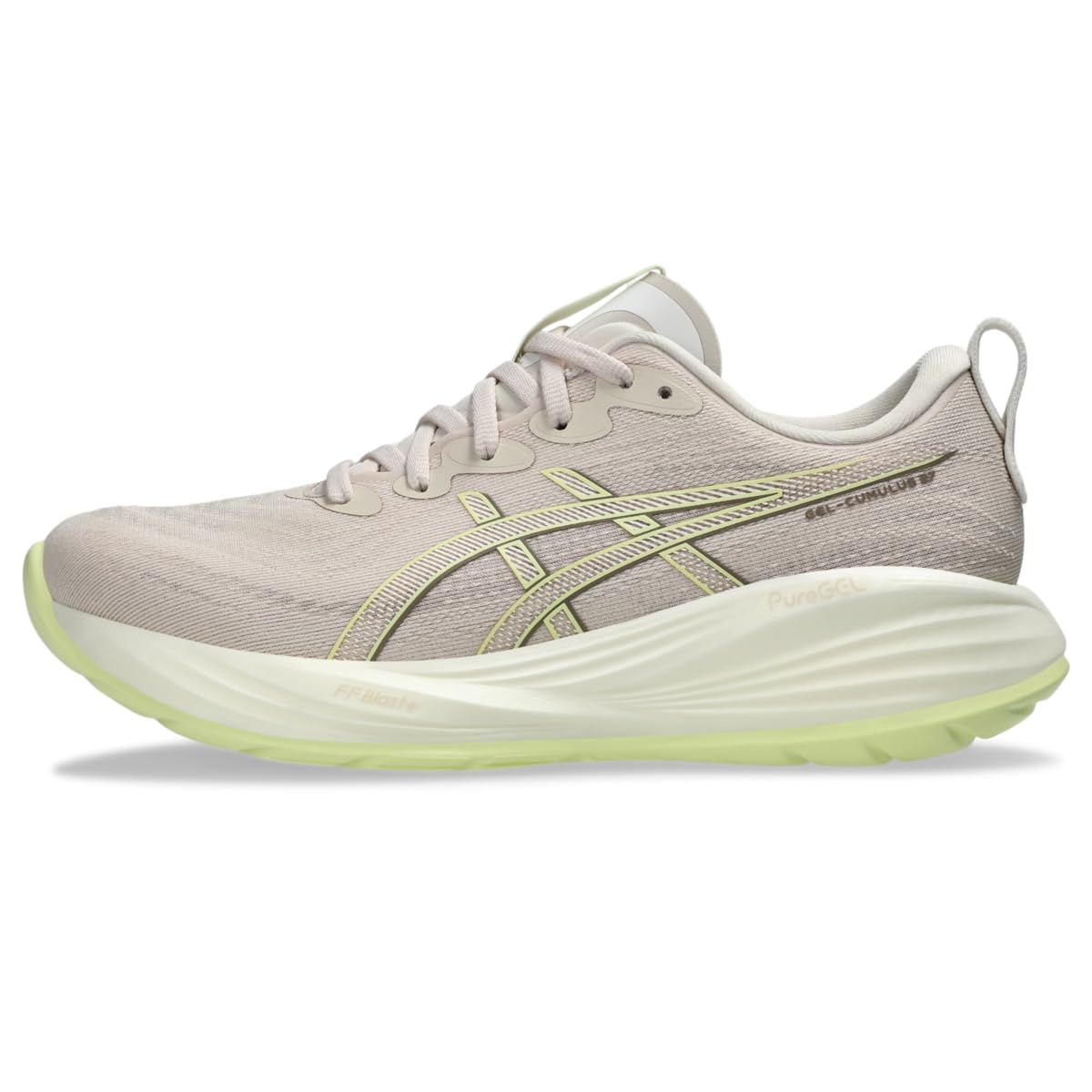
The Gel-Cumulus 27 represents ASICS’s long-standing neutral platform, updated with Rearfoot PureGEL technology embedded directly in the midsole for soft landings. Several users report that this shoe reduced existing back pain and foot pain within a week, particularly for those with neutral to high arches. The FF Blast+ foam provides a balanced ride — supportive enough for daily walking but responsive enough for short runs.
Fit feedback consistently highlights a narrow heel cup that locks the foot in place, which is excellent for slippage-prone feet. However, the toe box runs slightly snug for some wearers, especially those with Morton’s neuroma or wide forefeet. Reviewers recommend ordering true to size unless you need extra toe room, in which case going up half a size helps.
This shoe stands out for its durability and aesthetic versatility — the white colorway is washable and pairs well with gym or casual wear. It won’t correct severe overpronation, but for neutral runners and walkers who just need reliable support without a bulky feel, this is the most balanced pick in the lineup.
Why it’s great
- Reduces foot and back pain quickly based on real user reports
- Narrow heel cup eliminates heel slip
- Lightweight with premium cushioning
Good to know
- Toe box can feel tight for wide feet
- Not designed for overpronation correction
2. ASICS Men’s GT-1000 14
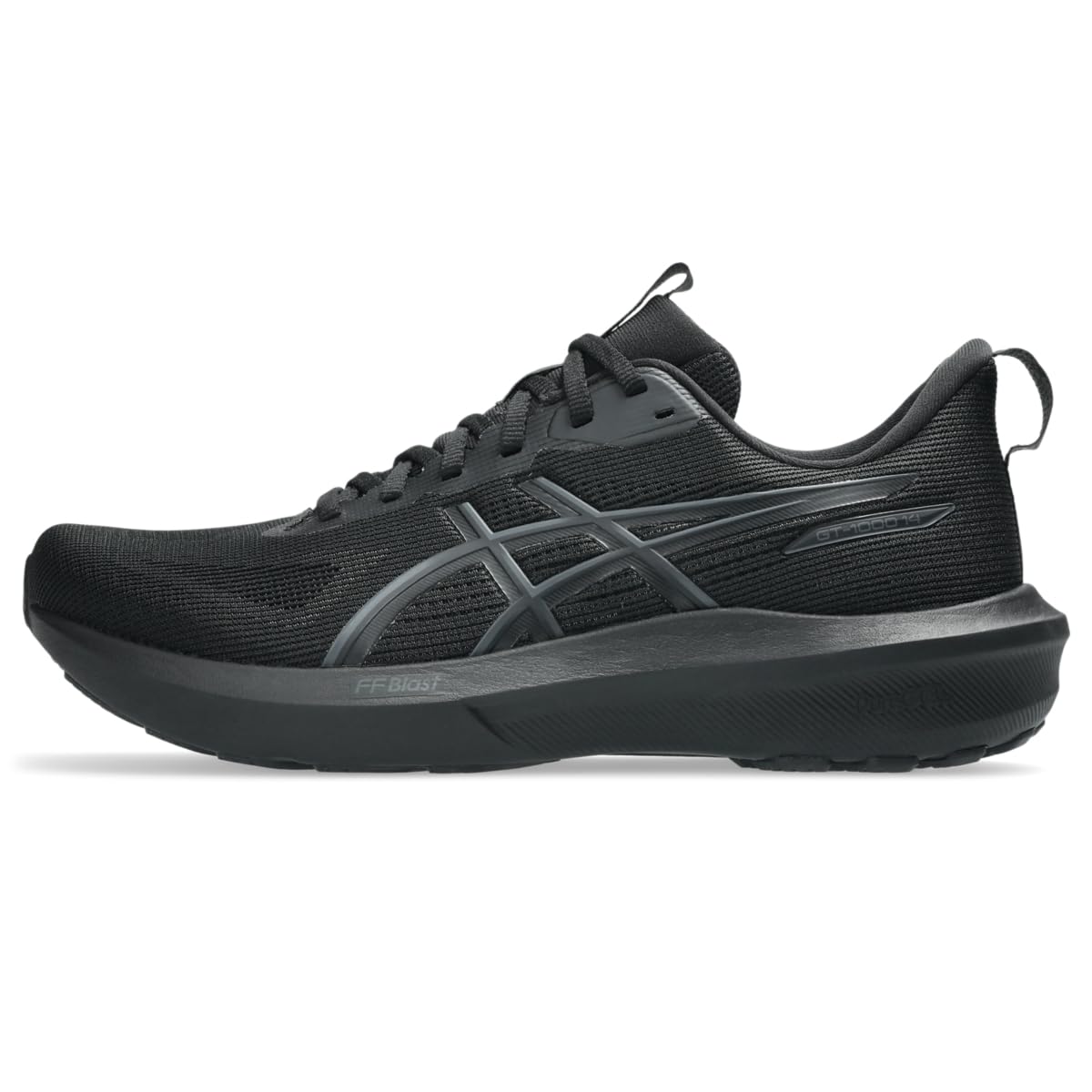
The GT-1000 14 is ASICS’s entry-level stability shoe, and it punches well above its tier for arch support. The LITETRUSS system is a denser foam block on the medial side that gently guides the foot inward for runners and walkers with mild to moderate overpronation. Reviewers who switched from the GT-2000 found the GT-1000 to feel more cushioned while still providing the same structural guidance.
This shoe works well for cross-country athletes and daily commuters alike. One user reported that his son with overpronation uses these for track and trail without discomfort. The X-Wide option accommodates high-volume feet without sacrificing lockdown in the heel, and the engineered mesh upper breathes well during long sessions.
Some users note the cushioning may feel less responsive after about a year of heavy use, which is expected for a mid-range stability trainer. If you need maximum pronation control, the Kayano line offers more — but for the price, the GT-1000 delivers genuine medial support that reduces foot pain and improves alignment.
Why it’s great
- Authentic medial post for overpronation
- Very comfortable for walking 10k+ steps daily
- X-Wide size available for wide feet
Good to know
- Cushioning may flatten after a year of heavy use
- Less supportive for severe overpronation than Kayano
3. ASICS Unisex SUPERBLAST 2
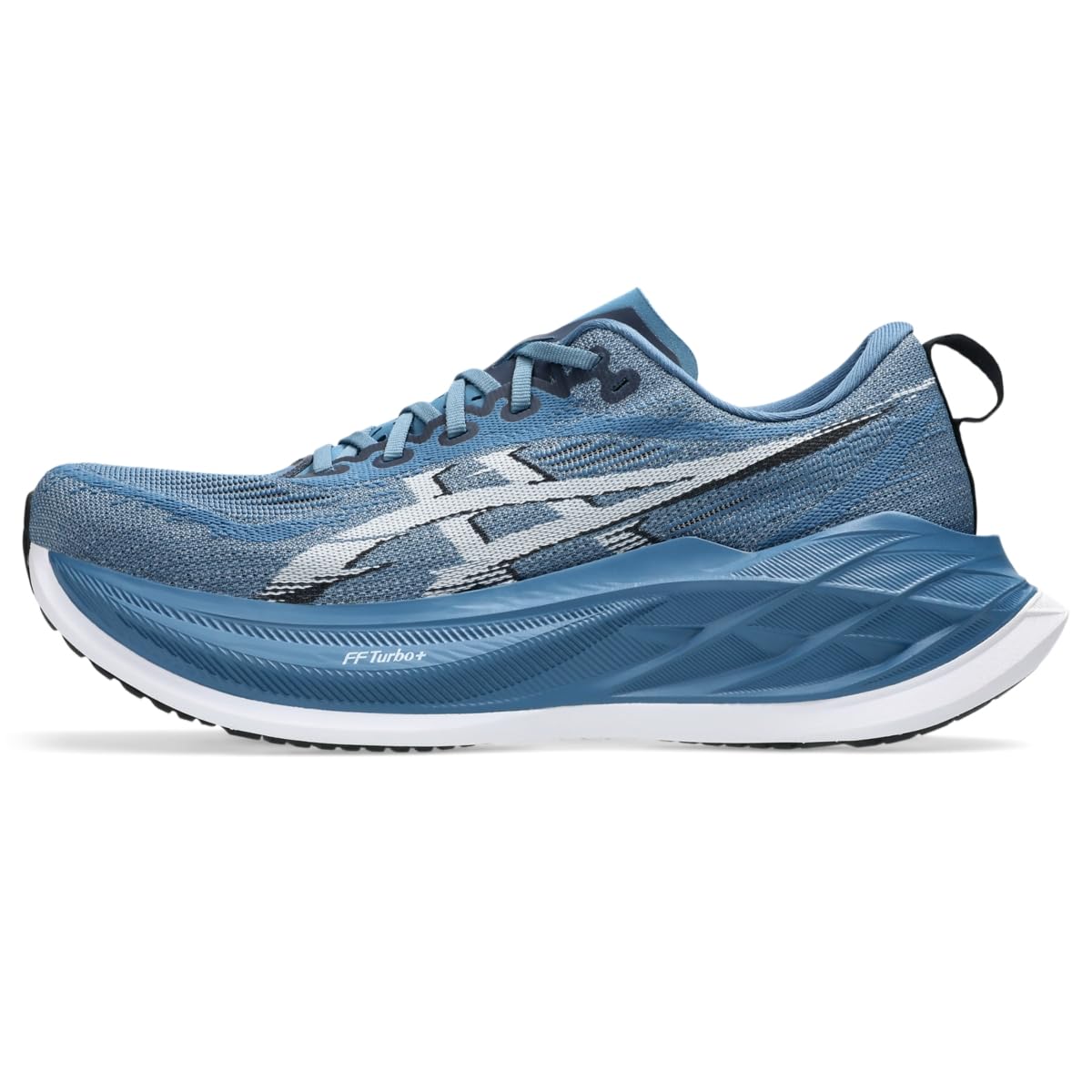
The SUPERBLAST 2 is a “do-it-all” performance trainer that combines a bouncy FF Turbo top layer with a stable FF Blast+ base. This dual-density midsole delivers exceptional energy return — springier than many carbon-plated shoes — while maintaining a neutral platform that supports the arch through foam consistency rather than aggressive posting. Runners and walkers who tried Hoka and Brooks switched to this for superior rebound and joint protection.
Fit is true to size with a generous toe box that allows natural toe splay. One heavier runner with wide feet reported that the shoe locked in comfortably without pinching, thanks to the plush tongue and padded heel collar. The stack height is high, providing protection on long pavement miles, but the wide base keeps the platform stable for neutral gaits.
This shoe sits at the premium end of the spectrum, but the technology — particularly the FF Turbo foam — justifies the investment for serious athletes. It is not built for overpronation correction, but for neutral runners who want arch support through a secure fit and dense foam, this is the most capable shoe in the lineup.
Why it’s great
- Superior energy return protects joints on long runs
- Generous toe box for natural foot splay
- Dual-layer midsole for cushioning and bounce
Good to know
- Premium price point
- Not designed for overpronation
4. Saucony Women’s Ride 18
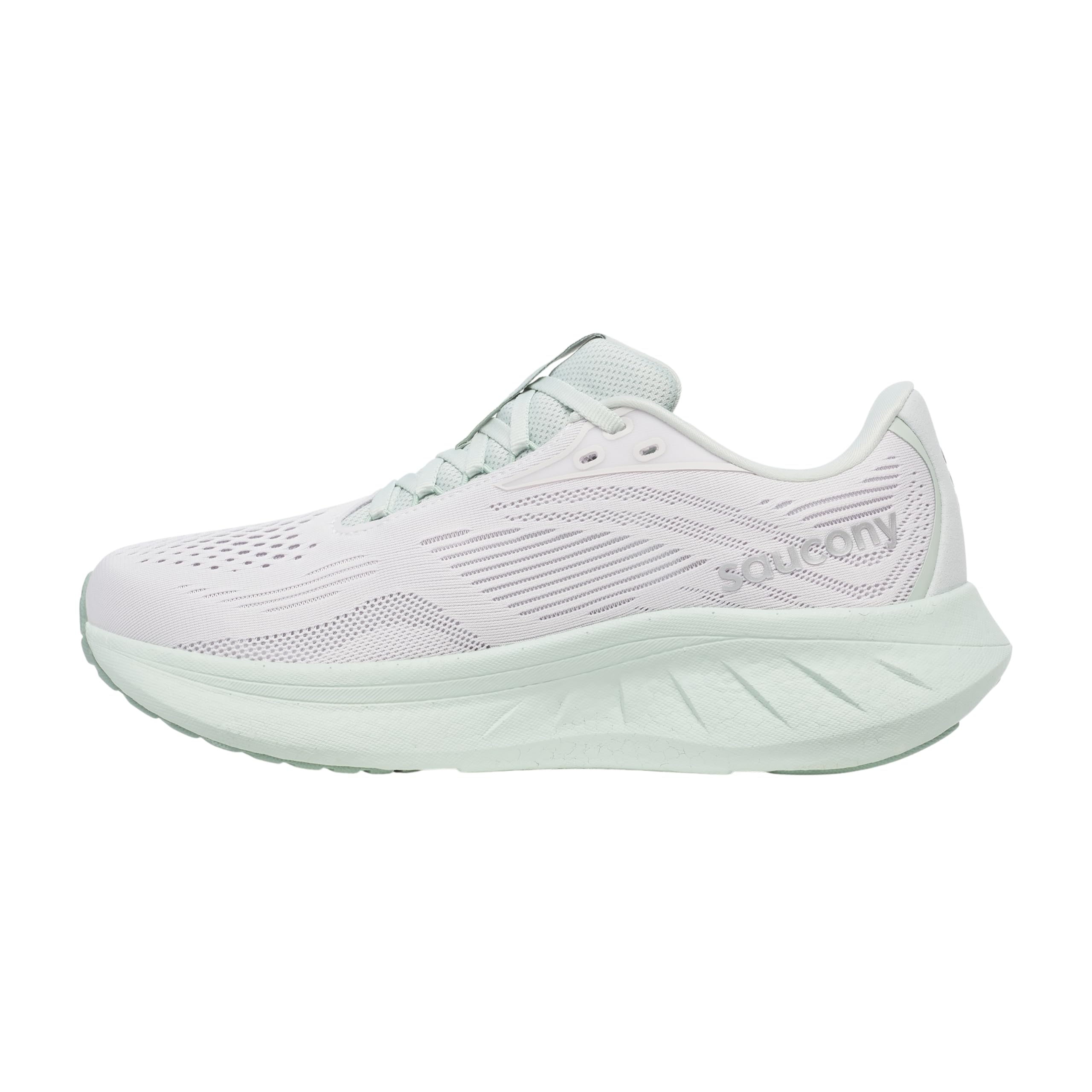
The Saucony Ride 18 is a neutral daily trainer that prioritizes ground feel without sacrificing support. The PWRRUN+ midsole strikes a balance between softness and responsiveness — it is not a cloud-like plush shoe, but it provides enough density to support the arch during pavement runs and all-day wear. Several users noted that their previous back pain disappeared within a week of wearing these shoes around the house.
The 8mm drop is a moderate spec that suits heel-strikers and midfoot-strikers alike. The toe box is slightly roomier than previous versions, accommodating slightly wider feet without feeling sloppy. The outsole has a wide base that adds stability, particularly for users with foot issues who need a planted feel.
One downside is that the light-colored mesh upper stains easily and requires a protective spray from day one. Durability is still being evaluated by long-term users, but the initial quality and fit consistency make this a strong everyday option for walkers and runners who prefer a more natural ride.
Why it’s great
- Balanced cushioning with good ground feel
- Wide base adds stability for foot issues
- Eliminated back pain for several users
Good to know
- Upper stains easily without protective spray
- Limited neutral color options
5. Skechers Women’s Go Walk Arch Fit 2.0 Delara

The Skechers Go Walk Arch Fit 2.0 Delara is a hands-free slip-on that solves two problems at once: getting in and out of shoes without bending and getting consistent arch support without laces. The Arch Fit contoured footbed is molded from thousands of foot scans and provides a noticeable medial lift that several users said replaced their prescription orthotics.
This shoe is especially popular among pregnant women and anyone with limited mobility who struggles with traditional sneakers. The “slip-in” design uses a structured heel counter that collapses slightly to allow entry but stiffens to hold the foot in place. Users advise sizing down half a size if you are between sizes to avoid heel slip, and the breathable knit upper handles light rain without soaking through.
The trade-off is that the silhouette is slightly more rounded and less athletic-looking than traditional trainers. It also lacks the aggressive outsole tread needed for trail use. But for casual walking, errands, and light gym sessions, this shoe delivers genuine arch support in an exceptionally convenient package.
Why it’s great
- Easy slip-in design for convenience and mobility
- Excellent built-in arch support that replaces orthotics
- Lightweight and breathable
Good to know
- Heel may slip if not sized correctly
- Less athletic look than traditional trainers
6. Ryka Devotion X Max RS Walking Shoe
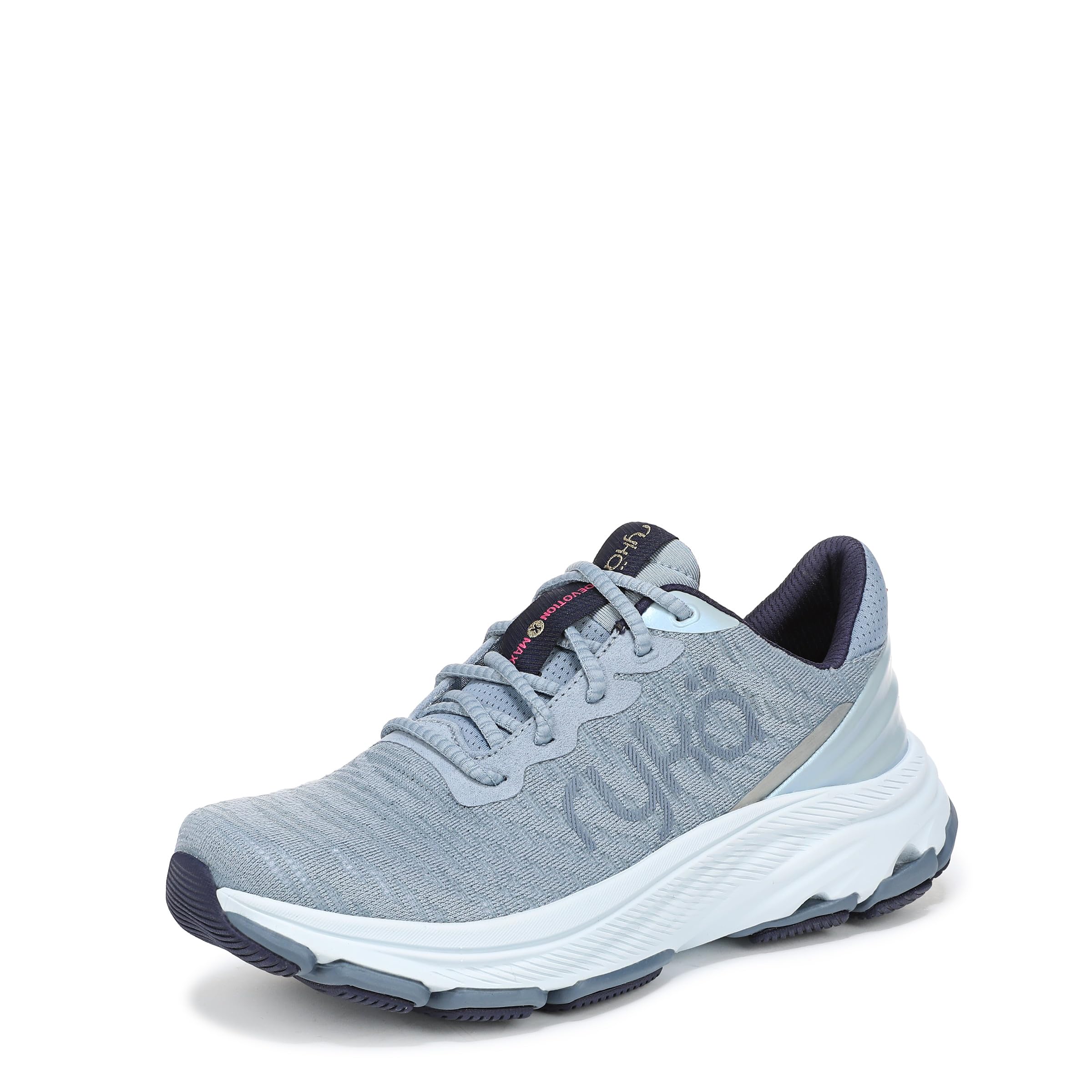
The Ryka Devotion X Max is built specifically for women’s feet — narrower heels and a roomier toe box — and it shows in the fit. Users who wear custom orthotics praise the removable insole, which sits in a deep pocket that prevents shifting. The arch support built into the stock insole is already pronounced, but the ability to swap it out makes this shoe a smart buy for those who need a precise shape.
Multiple reviewers compared the cushioning favorably to Hoka Bondi 9s, noting that the Ryka offered equal or better comfort at a lower cost. The wide widths actually fit true to size, unlike some brands where a “wide” is still narrow. The outsole is stable and non-slip, and the fabric upper holds up well to washing.
The main caveat is that the wide toe box can cause the upper fabric to pucker slightly around the laces on narrower feet. Sizing up half a size is recommended if you plan to add orthotics. For women who prioritize a customized fit and substantial arch support in a walking shoe, this is a standout option.
Why it’s great
- Designed specifically for women’s foot shape
- Removable insole works perfectly with orthotics
- Excellent cushioning comparable to premium brands
Good to know
- Wide toe box may pucker on narrow feet
- Size up half for orthotics
7. Dansko Peony Women’s Walking Sneakers

Dansko built its reputation on supportive footwear for healthcare professionals, and the Peony carries that tradition into a lightweight athletic sneaker. The contoured footbed provides excellent arch support out of the box, and it is removable for those who need custom orthotics. The “Perf” design on the upper boosts breathability during long shifts, and the lightweight rubber outsole grips well on clinic and gym floors.
Users recovering from ankle surgery or dealing with plantar fasciitis report that the Peony offers better support than Hoka without the bulky platform. The stretchy lace system allows easy adjustments, and the fit runs true to size with enough room for thick socks. The shoe needs 2–3 wears to fully break in, after which the support contours to your foot.
The most notable concern reported by a small number of users is durability — some experienced separation of the upper from the sole after less than three months of heavy use. This is not a universal issue, but it is worth considering if you plan to wear these daily for high-mileage walking. For moderate use in healthcare or casual settings, the support and fit are outstanding.
Why it’s great
- Excellent arch support for plantar fasciitis
- Breathable and stain-resistant upper
- Removable footbed for custom orthotics
Good to know
- Needs 2-3 wears to break in
- Some durability concerns reported
FAQ
Can I wear athletic shoes with arch support if I have flat feet?
How often should I replace athletic shoes with arch support?
Do I need arch support shoes if I use custom orthotics?
Final Thoughts: The Verdict
For most users, the athletic shoes with arch support winner is the ASICS Gel-Cumulus 27 because it combines proven heel-to-toe support with a lightweight feel that works for walking, running, and all-day wear without feeling bulky. If you need stability for overpronation, grab the ASICS GT-1000 14. And for maximum performance and energy return on long runs, nothing beats the ASICS SUPERBLAST 2.