
Our readers keep the lights on and the weekend projects moving. As an Amazon Associate, I earn from qualifying purchases.
The difference between a vocal take that lands and one that sounds distant, boxy, or buried is often less about the mic itself and more about what lies between it and your computer. An audio interface designed specifically for vocals must deliver clean gain, low noise, and preamps that add the right character — whether that’s transparent detail or analog warmth. Choosing the wrong one means fighting sibilance, noise floor hum, or a lifeless recording that no amount of EQ can fix.
I’m Rikta — the co-founder and writer behind FitlyFast. I’ve spent countless hours analyzing preamp specs, dynamic range figures, signal-to-noise ratios, and converter chipsets to separate the interfaces that genuinely serve vocalists from those that merely check boxes.
This guide cuts through the marketing to deliver a curated look at the best audio interface for vocals, whether you’re tracking breathy pop verses, gritty spoken word, or polished podcast narration.
How To Choose The Best Audio Interface For Vocals
Not every interface treats the human voice the same way. Vocal recording demands a combination of clean preamplification, sufficient gain for dynamic mics, low self-noise, and a converter path that preserves transients and tonal detail. Here’s what to prioritize.
Preamp Gain and Headroom
Dynamic microphones like the Shure SM7B or SM58 require significant gain — often 50 to 60 dB — to reach optimal recording levels without introducing hiss. Interfaces that deliver clean gain in that range allow you to avoid external boosters. Condenser mics, which output a stronger signal, benefit from lower gain but still need transparent preamps that don’t color the midrange unnaturally.
Dynamic Range and Converter Quality
Dynamic range, measured in dB, describes the span between the noise floor and the loudest signal before clipping. A figure of 110 dB or higher ensures that subtle vocal nuances — breath, texture, room reflections — are captured without being buried by circuit noise. Converter chips from manufacturers like ESS Sabre32 or those used in premium Focusrite and Universal Audio units directly impact the clarity and stereo imaging of your vocal takes.
Built-in Processing and Analog Features
Some interfaces include onboard compression, analog EQ emulation, or high-pass filters that shape the signal before it reaches your DAW. The Universal Audio Volt 176’s 1176-style compressor and the SSL 2 MKII’s Legacy 4K enhancement are examples of processing that can add presence or tame peaks during tracking, reducing the need for corrective plug-ins later.
Monitoring Flexibility
Zero-latency direct monitoring is essential for vocalists who want to hear themselves without the delay caused by software processing. Look for interfaces that offer a mix knob blending the live input with playback from your DAW. Some units also include reverb or effects for headphone monitoring, helping singers feel more comfortable during takes.
Quick Comparison
On smaller screens, swipe sideways to see the full table.
| Model | Category | Best For | Key Spec | Amazon |
|---|---|---|---|---|
| Universal Audio Volt 176 | MID-RANGE | Vocalists wanting built-in compression | 1176-style analog compressor | Amazon |
| Focusrite Scarlett Solo Studio 4th Gen | PREMIUM | Complete singer-songwriter start | 120 dB dynamic range, Air mode | Amazon |
| Solid State Logic SSL 2 MKII | PREMIUM | Voice artists needing HPF | Legacy 4K analog enhancement | Amazon |
| Shure MVX2U Gen 2 | MID-RANGE | Minimalist mobile vocal recording | 60 dB gain, onboard DSP processing | Amazon |
| MOTU M2 | MID-RANGE | Highest headroom monitoring | ESS Sabre32 Ultra DAC, 120 dB | Amazon |
| Focusrite Scarlett Solo 3rd Gen | MID-RANGE | Budget-conscious vocal recording | Switchable Air mode, 192 kHz | Amazon |
| PreSonus AudioBox USB 96 25th Anniversary | MID-RANGE | All-in-one beginner vocal setup | M7 large-diaphragm condenser mic | Amazon |
| M-AUDIO AIR192x4 VSPro | MID-RANGE | Complete package with condenser mic | 24-bit/192 kHz resolution | Amazon |
| MAONO MaonoCaster E2 Gen2 | BUDGET | Two-person podcasting on the go | 60 dB gain, 8 sound pads | Amazon |
In‑Depth Reviews
4. Universal Audio Volt 176

The Universal Audio Volt 176 sets a new standard for vocal interfaces under the mid-premium tier by integrating an analog compressor modeled after the legendary UA 1176. This is not a digital emulation running inside a plugin — it is a physical circuit that shapes your signal before it hits the converters, allowing you to tame transients and add punch during tracking without any latency penalty.
Vocalists benefit from the Vintage preamp mode, which emulates the warm, slightly saturated character of the classic UA 610 tube preamp. This adds a touch of harmonic richness to thin or sterile vocal chains. The build quality is substantial, with a metal chassis and smooth, weighted knobs that inspire confidence.
One minor compromise is that the phantom power resets on sleep, though other settings are retained. The headphone output is ample for monitoring, and the included LUNA DAW integration provides a recording environment that mirrors analog workflow. For vocalists who want to reduce post-processing while capturing a polished, professional tone, the Volt 176 delivers exceptional value.
Why it’s great
- Real analog compressor reduces need for plugin processing
- Vintage preamp mode adds usable coloration
- Solid build with low-latency monitoring
Good to know
- Phantom power does not persist after power cycle
- Comes at a higher investment compared to entry-level units
9. Focusrite Scarlett Solo Studio 4th Gen
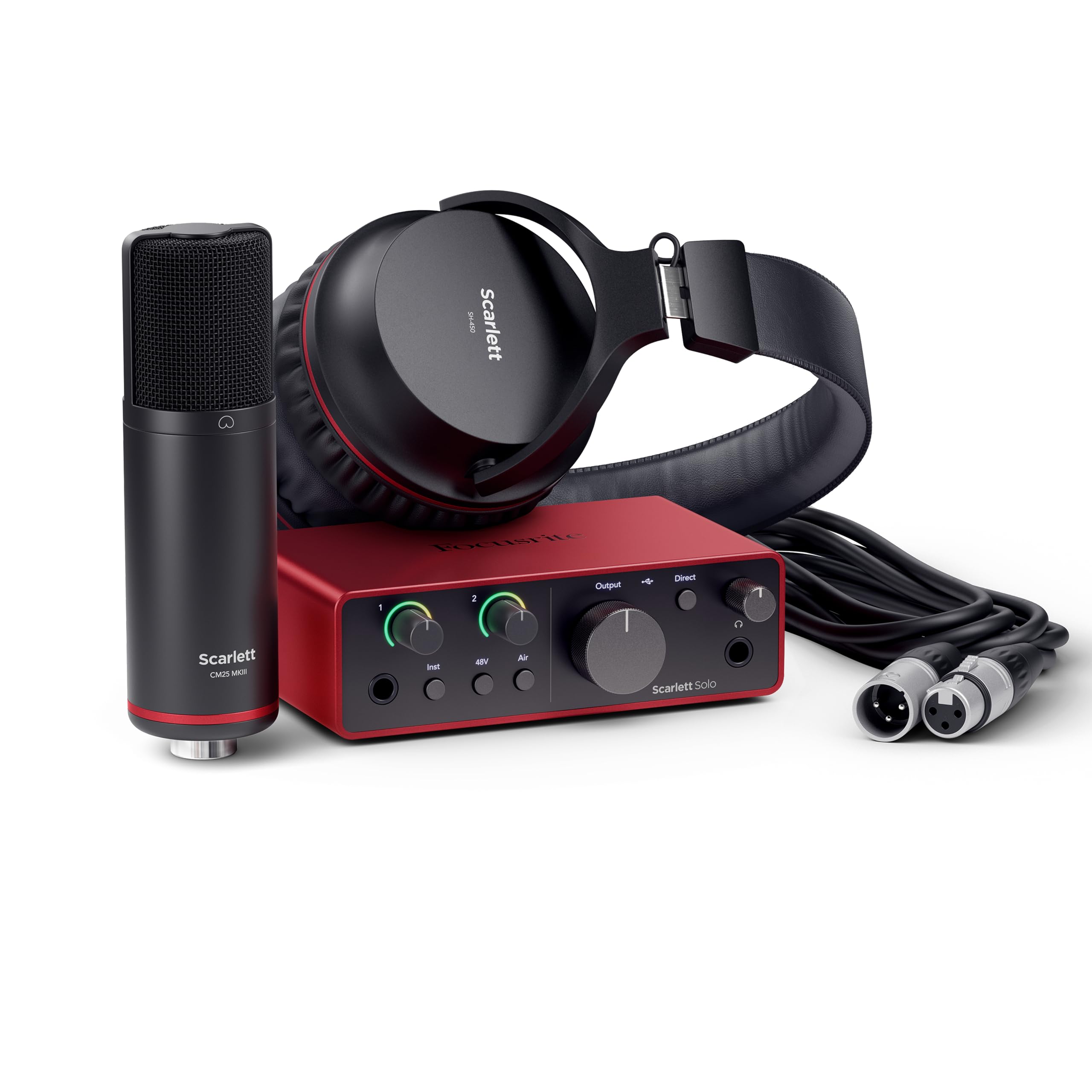
The Scarlett Solo Studio 4th Gen is the most complete vocal recording bundle in this lineup, pairing a redesigned interface with the CM25 MkIII condenser microphone and SH-450 headphones. The interface itself sees a major upgrade from its predecessor: a 120 dB dynamic range that matches Focusrite’s flagship RedNet converters, giving vocal takes exceptional headroom and clarity.
This is especially useful for singer-songwriters who track vocals and acoustic guitar simultaneously and want the voice to cut through naturally.
The included CM25 MkIII microphone is a genuine large-diaphragm condenser with a cardioid pattern, not a throw-in capsule. It captures detail and warmth that entry-level vocals often lack. The SH-450 headphones offer comfortable monitoring for extended sessions. For a single purchase that covers interface, mic, and headphones, this bundle is hard to beat for vocal-focused home studios.
Why it’s great
- Bundle includes a quality condenser mic and headphones
- 120 dB dynamic range matches flagship converters
- Enhanced Air mode adds harmonic presence to vocals
Good to know
- Mic stand clamp is included but a boom stand is not
- One XLR input may limit duet recording
8. Solid State Logic SSL 2 MKII

The SSL 2 MKII brings the legendary British console sound to a desktop form factor. Its mic preamps are exceptionally clean with a low noise floor, and the Legacy 4K button injects a familiar high-frequency sheen and subtle harmonic distortion that makes vocals sound more polished before any plugins are applied.
Voice artists and podcasters will appreciate the high-pass filter built into each input channel, which effectively cuts low-end rumble from HVAC systems or handling noise without requiring a separate filter plugin. The headphone amplifier is notably powerful and clear, driving high-impedance headphones with ease and revealing vocal detail that lesser outputs would mask.
The 32-bit/192 kHz converters offer theoretical headroom benefits, though users should note this is not true 32-bit float recording — clipping is still possible on the analog path. The metal chassis and weighted knobs feel premium, and the MIDI I/O is a welcome inclusion for producers using hardware synths alongside vocal sessions.
Why it’s great
- Legacy 4K enhancement adds console-like presence
- High-pass filter cleans up unwanted rumble
- Powerful headphone amp for detailed monitoring
Good to know
- Not true 32-bit float recording despite converter specs
- Larger and heavier than some competitors
3. Shure MVX2U Gen 2
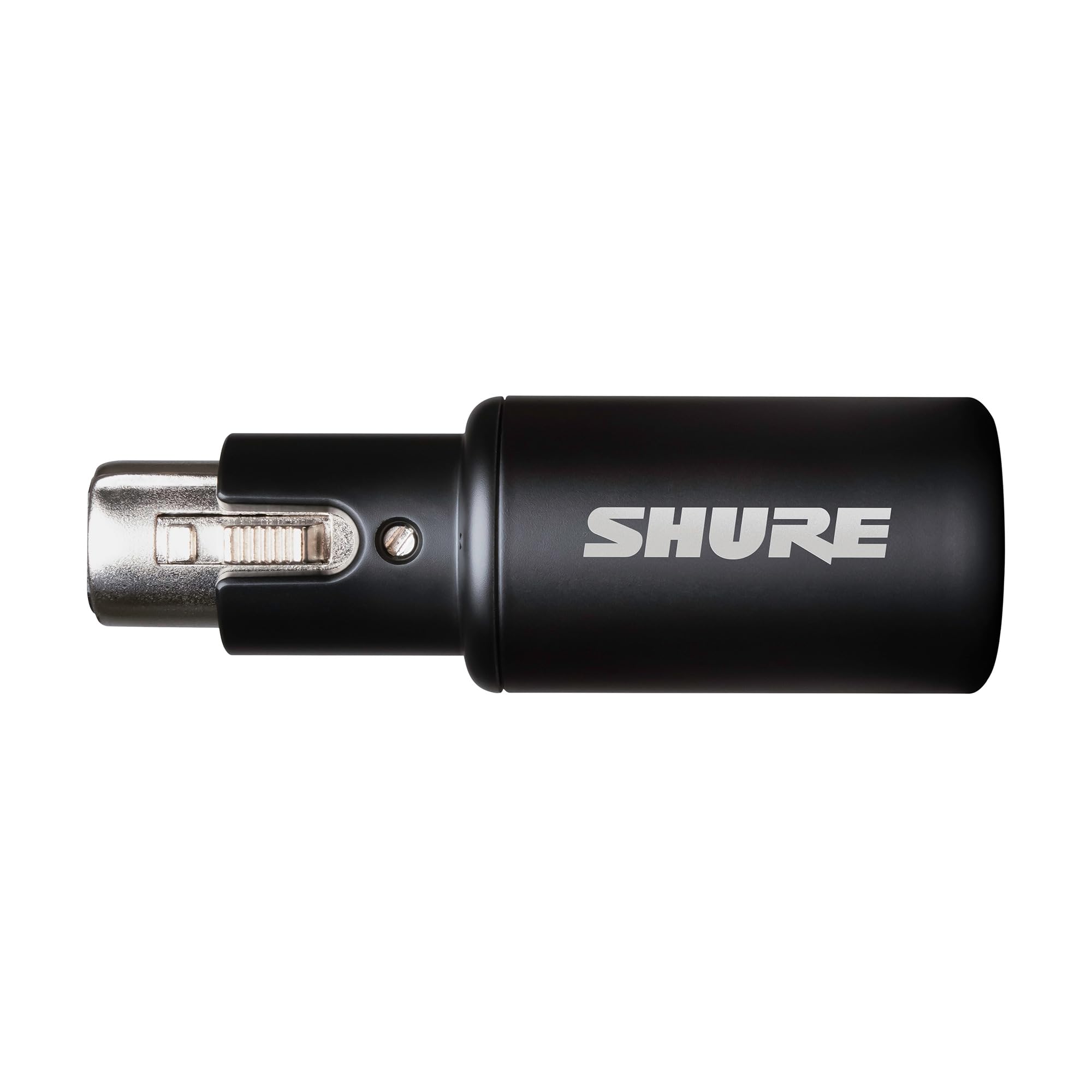
The Shure MVX2U Gen 2 rethinks the audio interface by eliminating the traditional multi-input form factor. It is an XLR-to-USB-C adapter that packs 60 dB of clean gain and onboard digital processing directly into the signal path. For vocalists who travel or record in multiple locations, this is the most portable high-quality solution available.
Its strengths lie in the MOTIV app integration, which provides Auto Level Mode, Real-Time Denoiser, and a Digital Popper Stopper. These tools process the audio before it reaches your DAW, making it ideal for podcasters and content creators who want polished results without manual mixing. The ability to choose between Dark, Natural, and Bright tone profiles gives vocalists tonal flexibility without external EQ.
The unit is USB-powered and works with smartphones and tablets, expanding its utility for field recording or quick mobile sessions. It does not offer the multi-channel flexibility of full-size interfaces, but for a single-mic vocal chain — especially with a Shure dynamic microphone — the MVX2U Gen 2 delivers studio-quality sound in a package that fits in a pocket.
Why it’s great
- Extreme portability with no compromise on preamp quality
- DSP processing reduces need for post-production
- Works with smartphones and tablets for mobile recording
Good to know
- Single XLR input limits multi-mic scenarios
- Thin USB-C cable included; feels less durable than unit itself
5. MOTU M2

The MOTU M2 is engineered around the ESS Sabre32 Ultra DAC, a converter chipset typically found in high-end mastering converters. This translates to a measured 120 dB dynamic range on its outputs and an exceptionally low noise floor on the mic inputs — specifications that rival interfaces costing several times more.
For vocalists, the practical result is a transparent recording path that preserves every detail of the performance. The headphone output is notably powerful, easily driving 250-ohm headphones like the Beyerdynamic DT 990 Pro to satisfying levels with headroom to spare. The LCD display provides clear metering for gain staging, helping vocalists avoid clipping during loud takes.
The included XLR-XLR cable bundle simplifies setup, and the loopback functionality makes it easy to capture streaming audio alongside vocal takes. The M2 demands a capable computer and quality USB cable to avoid crackles at low buffer settings, but once dialed in, it offers converter performance that outclasses nearly everything in its tier.
Why it’s great
- ESS Sabre32 DAC delivers reference-level conversion
- 120 dB dynamic range provides massive headroom
- Drives high-impedance headphones with authority
Good to know
- Can be picky about USB cable quality and power delivery
- Software configuration has a moderate learning curve
1. Focusrite Scarlett Solo 3rd Gen

The Scarlett Solo 3rd Gen remains a benchmark for entry-to-mid-range vocal recording. Its preamps are notably quieter than earlier generations, and the switchable Air mode adds a high-frequency lift that brings clarity to vocals recorded with dynamic or ribbon microphones. The Gain Halos provide intuitive visual feedback for setting optimal levels — a feature particularly helpful for new vocalists who may not yet trust their ears.
Build quality is excellent for the tier, with a metal chassis that has survived years of travel and storage according to long-term user reports. The 24-bit/192 kHz converters ensure your vocal recordings retain their full frequency range, and the low-noise balanced outputs deliver clean playback for monitoring.
The software bundle includes Pro Tools Intro, Ableton Live Lite, and the Hitmaker Expansion plugin suite, giving vocalists a complete production environment out of the box. While it lacks the built-in compression of the Volt 176 or the conversion performance of the MOTU M2, the Scarlett Solo 3rd Gen offers the most reliable and proven vocal recording experience at its flexible price point.
Why it’s great
- Proven reliability with many long-term positive user reports
- Air mode adds useful presence without harshness
- Generous software bundle for immediate recording
Good to know
- No onboard compression or analog processing
- Single input limits simultaneous multi-mic recordings
7. PreSonus AudioBox USB 96 25th Anniversary

The PreSonus AudioBox USB 96 25th Anniversary Studio is a complete recording package that bundles the AudioBox USB 96 interface with the M7 large-diaphragm condenser microphone and HD7 headphones. The interface itself is rugged and compact, offering two combo inputs with XMAX preamps that deliver clean gain for vocal applications.
The M7 microphone is a genuine selling point for this bundle. Its large-diaphragm capsule captures vocals with a warm, rich tonality that flatters both spoken word and sung performances. The included desktop stand and XLR cable mean you can unbox and record immediately without additional purchases. The HD7 headphones provide balanced monitoring that reveals vocal detail without hyped bass.
The bundle includes Studio One Artist, a full-featured DAW with Studio Magic plugin suite, representing substantial software value. The interface operates at 24-bit/96 kHz resolution, which is slightly lower than the 192 kHz found on some competitors, but this is rarely a limiting factor for vocal recording. For a first-time vocalist building a home studio from scratch, this bundle offers the most cohesive out-of-box experience.
Why it’s great
- Complete package with quality condenser mic and headphones
- M7 microphone produces warm vocal tone
- Studio One Artist DAW is professional-grade and fully featured
Good to know
- Max sample rate is 96 kHz vs 192 kHz on some competitors
- Power cable required; not bus-powered
6. M-AUDIO AIR192x4 VSPro

The M-AUDIO AIR192x4 VSPro delivers a complete recording package with a focus on low-latency performance. The interface achieves a class-leading round trip latency of 2.59 milliseconds, which is critical for vocalists who monitor their input in real time and cannot tolerate delay.
The included Nova Black condenser microphone is a solid performer for vocal tracking, capturing detail across the frequency spectrum with a smooth high end. The shock mount and windscreen are genuine quality-of-life additions that reduce handling noise and plosives from the start. The HDH40 headphones provide comfortable isolation for monitoring during takes.
The software bundle includes MPC Beats, Ableton Live Lite, and a collection of virtual instruments that extend well beyond basic recording. The build quality of the interface itself is good, though some users have reported reliability issues over extended use. The 24-bit/192 kHz resolution ensures that vocal takes are captured with full fidelity, making this a competitive option for vocalists who prioritize speed and a complete starter package.
Why it’s great
- Industry-leading low latency for real-time monitoring
- Complete package with condenser mic, headphones, and cables
- 24-bit/192 kHz resolution captures vocal detail
Good to know
- Some reports of durability issues over time
- Bundle microphone is decent but not exceptional
2. MAONO MaonoCaster E2 Gen2

The MaonoCaster E2 Gen2 takes a different approach by packaging dual XLR preamps with 60 dB of gain into a portable, battery-powered mixer designed for podcasters. Its built-in 1500 mAh battery provides up to eight hours of operation, making it the only truly mobile option in this list for recording vocals outside the studio.
The dual preamps are low-noise and deliver sufficient gain for dynamic microphones, and the inclusion of eight customizable sound effect buttons adds a layer of creative control for live streams and podcast episodes. The loopback function simplifies computer-based streaming by routing both input and playback audio through a single USB connection.
The build is primarily plastic, which keeps weight down for portability but does not match the metal chassis of competitors like the Scarlett or SSL 2 MKII. The maximum sample rate is 48 kHz, which is adequate for spoken word and most vocal applications but below the 192 kHz standard preferred by some audiophiles. For two-person vocal podcasting on a budget, the E2 Gen2 provides functionality that few traditional interfaces can match.
Why it’s great
- Built-in battery enables truly portable vocal recording
- Dual 60 dB preamps handle dynamic mics without boosters
- Sound effect pads add interactivity for live content
Good to know
- Plastic chassis feels less durable than metal alternatives
- Maximum sample rate of 48 kHz limits high-res recording
FAQ
Do I need a Cloudlifter or inline preamp with an audio interface for vocals?
What sample rate should I use for vocal recording?
How does Air mode affect vocal recordings?
Final Thoughts: The Verdict
For most users, the audio interface for vocals winner is the Universal Audio Volt 176 because its built-in 1176-style compressor and tube preamp emulation give vocal takes a polished, professional character that reduces post-processing work. If you want the most complete all-in-one starter kit with a bundled condenser microphone, grab the Focusrite Scarlett Solo Studio 4th Gen. And for portable, ultra-clean vocal recording on the go, nothing beats the pocket-sized Shure MVX2U Gen 2.