
Our readers keep the lights on and the weekend projects moving. As an Amazon Associate, I earn from qualifying purchases.
Audiophile-grade listening has long demanded a wire, but recent advances in codec support, driver engineering, and digital signal processing have closed the gap to the point where wireless convenience no longer means a compromise in resolution, soundstage, or transient response. The hardware inside a modern premium Bluetooth headphone—custom titanium drivers, aluminum-magnesium cones, and adaptive aptX Lossless streaming—can now resolve recording details that past wireless models simply masked.
I’m Rikta — the co-founder and writer behind FitlyFast. I’ve spent hundreds of hours analyzing driver topologies, codec bandwidths, battery endurance curves, and real-world acoustic performance across the entire premium wireless headphone landscape to assemble this guide.
Whether you prioritize a wide, open soundstage, lifelike vocal presence, or deep sub-bass extension without bloat, the right pair of audiophile bluetooth headphones will transform how you hear your entire library.
How To Choose The Best Audiophile Bluetooth Headphones
Separating true high-fidelity wireless headphones from mass-market models requires looking beyond marketing buzzwords. The real differentiators are in the physical driver design, the supported Bluetooth codecs, and how the internal DAC and amplifier stage handle the digital-to-analog conversion before it reaches your ears.
Driver Material and Architecture
The diaphragm is the heart of any headphone driver. Aluminum-magnesium alloys, carbon fiber, and coated biocellulose all offer different stiffness-to-mass ratios that affect how quickly the driver can start and stop—this is your transient response. A stiffer, lighter cone like Focal’s aluminum-magnesium design produces faster attack and cleaner decay, which directly translates to greater micro-detail in cymbal crashes, vocal sibilants, and string textures. Dynamic drivers remain the standard, but the material science behind each cone is what separates a consumer headphone from a true audiophile one.
Codec Support and Wireless Bandwidth
The Bluetooth codec determines how much of the original recording reaches your ears. AAC and standard SBC cap out below 400 kbps, which introduces compression artifacts on complex passages. LDAC can reach 990 kbps but requires a compatible source and stable connection. The real gold standard for wireless audiophiles is aptX Lossless, which delivers CD-quality 16-bit/44.1 kHz audio bit-for-bit over Bluetooth. However, codec support must match both the headphones and your phone or DAC dongle—a mismatch means the system falls back to a lower-bandwidth codec, defeating the purpose of a premium driver.
Closed-Back vs. Open-Back for Wireless Use
Traditional open-back headphones deliver a wider, more natural soundstage but leak sound and let in ambient noise. Most high-fidelity wireless headphones are closed-back to accommodate ANC hardware and prevent sound leakage on public transit. The trade-off is that closed-back designs can introduce a slightly recessed soundstage and resonances in the lower mids. Brands like Focal and B&O mitigate this with precision-tuned damping materials inside the earcup. If you only listen in a quiet room, the superior spatial presentation of open-back wireless models (where available) is worth the lack of isolation.
DAC, Amplifier, and Digital Signal Processing
A true audiophile wireless headphone doesn’t just receive a Bluetooth signal—it processes it through a dedicated DAC and amplifier stage inside the earcup. A weak onboard amplifier starves the driver of current, producing a thin, lifeless presentation regardless of the driver’s quality. Look for models that advertise 24-bit DSP, a dedicated DAC chip, or a USB-C wired mode that bypasses the headphone’s internal DAC entirely to use your source device’s higher-quality converter. The Bowers & Wilkins Px8 S2 and Focal Bathys both feature this USB-C DAC mode, which can elevate wired listening to another level.
Battery Life and Fast Charging Realities
High-fidelity wireless headphones consume more power because of the higher-bandwidth codecs and more demanding driver amplification. A model with a 30-hour battery life at moderate volumes may drop to 20 hours when streaming over LDAC at full resolution. Look for fast-charging specs of at least 15 minutes for 5 to 7 hours of playback—this ensures you are never stuck waiting for a full charge cycle. Also note that ANC itself draws power; using the headphones in passive mode with a wired connection can extend battery life considerably during critical listening sessions at home.
Quick Comparison
On smaller screens, swipe sideways to see the full table.
| Model | Category | Best For | Key Spec | Amazon |
|---|---|---|---|---|
| Focal Bathys | Premium Wireless | Reference resolution on the go | 40mm Al/Mg driver | Amazon |
| Bowers & Wilkins Px8 S2 | Premium Wireless | Lush, detailed soundstage | 40mm Carbon Cone driver | Amazon |
| Bang & Olufsen Beoplay H100 | Ultra-Premium | Luxury build with refined sound | 40mm custom driver | Amazon |
| Bang & Olufsen Beoplay H95 | Premium Wireless | Neutral, transparent closed-back | 40mm titanium driver | Amazon |
| Bowers & Wilkins Px7 S3 | Mid-Range | Best sound in class under | 40mm dynamic driver | Amazon |
| Marshall Monitor III A.N.C. | Mid-Range | Long battery and fun signature | 32mm dynamic driver | Amazon |
| Sony WH-1000XM4 | Mid-Range | Best ANC for the price | 40mm dynamic driver | Amazon |
| Apple AirPods Max 2 | Premium Wireless | Apple ecosystem immersion | Custom Apple driver | Amazon |
| Sennheiser HD 660S2 | Wired Open-Back | Reference wired listening | 42mm dynamic driver | Amazon |
In‑Depth Reviews
1. Focal Bathys

The Focal Bathys sets the benchmark for wireless audiophile sound, housing a pair of 40mm aluminum-magnesium drivers that deliver the same transient speed and micro-detail retrieval as Focal’s wired studio headphones. The sound signature is balanced with a slight warmth in the lower mids, controlled bass, and airy, extended treble that reveals cymbal textures and string resonance without becoming harsh. The aptX Adaptive codec captures up to 24-bit/96kHz resolution wirelessly, and the USB-C DAC mode bypasses the internal amplifier for reference-grade wired listening at up to 24-bit/192kHz.
ANC performance is adequate for office and transit use but not class-leading—the primary focus is clearly on preserving the purity of the audio signal rather than complete isolation. Build quality uses real leather and aluminum for a premium feel, though the plastic yoke assembly is a slight downgrade compared to the all-metal construction of competitors at this level. Battery life reaches a solid 30 hours with ANC enabled, and a 15-minute fast charge provides 5 hours of playback.
For the critical listener who demands maximum resolution from a wireless package, the Bathys delivers detail retrieval and soundstage width that rivals wired headphones in its price range. The ANC cannot be fully disabled, which may deter purists who want passive-only mode, and the lack of LDAC support limits resolution on Android devices without aptX. Still, for pure sound quality in a portable closed-back wireless form factor, this is the option to beat.
Why it’s great
- Exceptional transient speed and detail from Al/Mg drivers
- USB-C DAC mode for wired reference listening
- Balanced, natural sound signature with wide soundstage
- 30-hour battery with fast charging
Good to know
- ANC cannot be fully turned off
- Plastic yoke feels less premium than competitors
- No LDAC support
- Volume steps can be too large for fine adjustment
2. Bowers & Wilkins Px8 S2
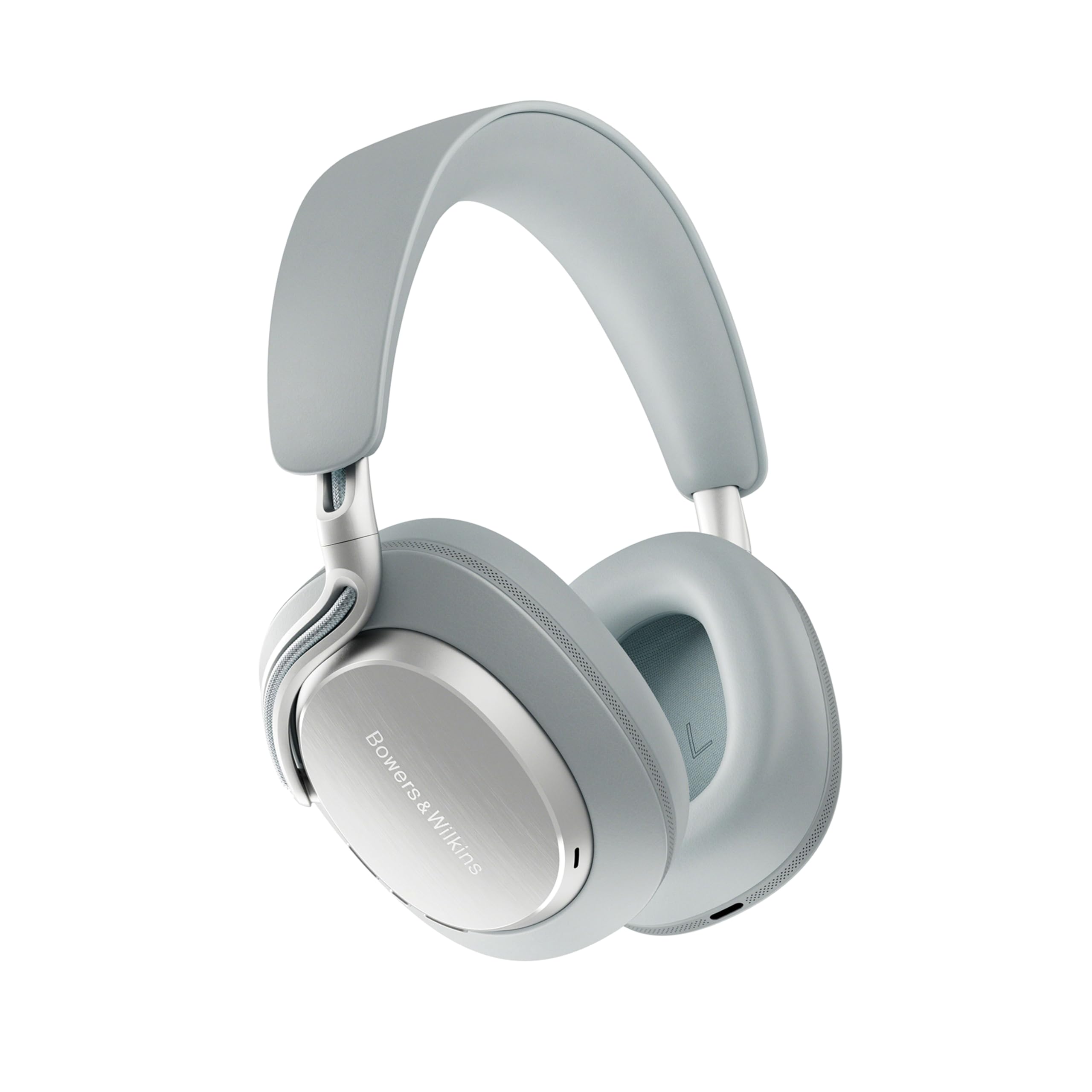
The Px8 S2 represents Bowers & Wilkins’ statement on what a premium wireless headphone should sound and feel like. The custom 40mm Carbon Cone drivers provide remarkable rigidity while remaining lightweight, producing a soundstage that feels holographic for a closed-back design—instrument separation is precise, bass is deep and punchy without bloat, and vocals sit forward with natural warmth. The dedicated DAC amplifier inside the earcup drives these drivers with authority, avoiding the thin, lifeless presentation some wireless headphones suffer from at moderate volumes.
Build quality justifies the premium positioning: die-cast aluminum arms, soft Nappa leather on the headband and earcups, and memory foam padding create a luxurious tactile experience. The ANC system uses eight microphones to balance ambient rejection with audio preservation, though it still trails Sony and Bose in raw isolation. Bluetooth 5.3 with multipoint and aptX Lossless support ensures maximum wireless fidelity, and the USB-C audio mode bypasses the internal DAC for an even cleaner signal path.
These headphones are designed for the listener who values refinement, texture, and tonal balance over sheer analytical detail. The bass is authoritative but never overwhelms the mids, and the treble extension is smooth without artificial sparkle. Comfort over extended sessions is excellent once the headband breaks in, and the included hard case is travel-ready. For those who want a daily driver that sounds as good as it looks, the Px8 S2 is a compelling choice.
Why it’s great
- Reference-quality soundstage for closed-back wireless
- Luxurious Nappa leather and aluminum construction
- aptX Lossless support for bit-perfect wireless streaming
- Excellent sub-bass extension with control
Good to know
- ANC is good but not top-tier
- Initial clamping force is tight before break-in
- Premium price reflects build as much as sound
3. Bang & Olufsen Beoplay H100

The Beoplay H100 is Bang & Olufsen’s most ambitious wireless headphone, designed around the concept of future-proofing through replaceable key components—battery, ear cushions, headband, and even the main circuit board can be swapped, extending the product’s lifespan well beyond typical consumer electronics. The 40mm custom drivers deliver a sound that is clean, refined, and exceptionally well-balanced, with a wide soundstage that benefits from the large, precisely tuned earcup chambers. Details emerge naturally without being forced, and the tonal balance leans neutral with a slight warmth in the lower registers.
Adaptive ANC has been significantly improved over the H95, now rivaling Sony and Apple in its ability to mask continuous noise while preserving spatial awareness when needed. The touch controls are intuitive, and the physical metal dials for volume and ANC adjustment offer precise, tactile feedback. Battery life reaches 32 hours with ANC enabled, and a 5-minute quick charge provides 5 hours of playback—one of the fastest top-up rates available.
Comfort has been a point of refinement: the initial clamping force is noticeable but loosens after a break-in period, and the round earcup shape may leave gaps on smaller heads, which affects the seal and therefore bass response and ANC performance. The included carrying case is a soft bag rather than a hard shell, which feels underwhelming at this price tier. For the discerning listener who values long-term sustainability, intuitive usability, and reference-level wireless sound, the H100 is a serious contender despite its polarizing design.
Why it’s great
- Modular, repairable design for longevity
- Excellent adaptive ANC rivaling top competitors
- Clean, balanced sound with wide soundstage
- Fastest quick-charge in class: 5 min for 5 hours
Good to know
- Earcup shape may not seal properly on all head sizes
- Soft carrying case instead of hard shell
- Significant clamping force initially
4. Bang & Olufsen Beoplay H95

The Beoplay H95 established Bang & Olufsen’s wireless audiophile credentials with a pair of 40mm titanium drivers that produce a remarkably neutral and transparent sound for a closed-back design. The soundstage is generous, instrument separation is clear, and the frequency response avoids the typical V-shaped consumer tuning—bass is tight and controlled, mids are present and natural, and treble is extended without becoming sibilant. This makes the H95 an excellent choice for critical listening across genres, from classical to jazz to acoustic vocals.
The adaptive ANC system is effective for indoor environments like offices and home spaces, blocking ambient hums and mechanical noises well, though it falls short of the total isolation offered by Sony or Bose in loud transit situations. Build quality is exceptional: lambskin leather, memory foam, and titanium accents create a product that feels heirloom-grade. The physical aluminum dials for volume and ANC are satisfying to use, and the foldable design makes the H95 more portable than most premium competitors.
Battery life is a standout feature at up to 38 hours with ANC enabled, easily covering transatlantic flights or multiple workdays without recharging. A few caveats: the Bluetooth volume output is lower than many competitors, requiring 70-80% volume for typical listening levels, which can be frustrating on louder tracks. The ear pad leather has shown signs of wear after extended use for some users, and the lack of aptX Lossless or LDAC means Android users are limited to AAC. For listeners who prioritize a neutral, transparent wireless sound in a premium portable package, the H95 remains a strong pick.
Why it’s great
- Neutral, transparent sound with excellent soundstage
- Premium materials: lambskin leather, titanium, memory foam
- 38-hour battery life with ANC
- Foldable design for easy travel
Good to know
- Low Bluetooth output volume
- No aptX Lossless or LDAC
- Ear pad leather may show wear over time
5. Bowers & Wilkins Px7 S3

The Px7 S3 is the most accessible entry point into Bowers & Wilkins’ high-fidelity wireless lineage, inheriting the same 40mm dynamic driver platform and 24-bit DSP from its more expensive siblings. The sound signature is remarkably mature for its price tier: bass extends deep with good texture, mids are open and natural, and treble is crisp without crossing into harshness. The aptX Adaptive codec support ensures that wireless resolution scales with your source device, and the USB-C wired mode provides an additional layer of fidelity.
The ANC system is competent, using eight microphones to cut ambient noise effectively, though it is not in the same league as Sony’s class-leading isolation. Transparency mode sounds natural and is useful for quick interactions. Build quality is a step up from the plastic competition: fabric-wrapped earcups, machined aluminum accents, and memory foam cushions create a comfortable, durable package that feels more premium than its price suggests. The 30-hour battery life is competitive, and a 15-minute charge provides 7 hours of playback.
Comfort is excellent for all-day wear, with generous earcup depth that accommodates larger ears without pressure. The B&W Music app offers a 5-band EQ that allows fine-tuning for those who want to adjust the slightly recessed midrange out of the box. For the audiophile on a budget who refuses to compromise on resolution, soundstage, and build, the Px7 S3 delivers performance that challenges headphones costing twice as much.
Why it’s great
- Excellent sound quality rivaling more expensive models
- aptX Adaptive support for high-res wireless streaming
- Premium build with aluminum accents and memory foam
- Fast charging: 15 minutes for 7 hours
Good to know
- Mids benefit from EQ boost out of the box
- ANC is good but not class-leading
- Earcups are slightly narrow for very large ears
6. Marshall Monitor III A.N.C.

The Monitor III A.N.C. is Marshall’s most refined wireless offering, delivering a sound signature that leans into a warm, fun presentation without sacrificing detail. The 32mm dynamic drivers are well-tuned for rock, metal, and electronic music, with punchy mid-bass, clear vocal presence, and treble that can be optionally tamed via the app’s EQ if sibilance-sensitive tracks become fatiguing. The Dynamic Loudness feature adjusts the EQ curve automatically based on volume, maintaining bass impact at lower listening levels—a thoughtful touch for varied listening environments.
Battery life is the headline spec here: 70 hours with ANC active, and a staggering 100 hours without. For travelers or heavy users who forget to charge, this removes battery anxiety entirely. The ANC is decent for the price, cutting about 80% of ambient noise effectively, though it does not match the silence of Sony or Bose. The Soundstage spatial audio mode creates a wider, more immersive presentation that works particularly well with live recordings and concert footage.
Comfort is excellent due to the lightweight construction and plush, soft ear cushions that feel like memory foam pillows. The foldable design and included hard case make it easy to pack. Build quality feels rugged but not luxurious—Marshall uses sturdy plastics and textured vinyl rather than metal or leather. For the listener who wants a fun, engaging sound signature, class-leading battery life, and a comfortable all-day fit without spending premium-tier money, the Monitor III A.N.C. delivers remarkable value.
Why it’s great
- 100-hour battery life without ANC is industry-leading
- Warm, engaging sound signature ideal for rock and electronic
- Excellent comfort with plush earpads
- Foldable with included hard case
Good to know
- Treble can be sibilant without EQ adjustment
- ANC is decent but not class-leading
- Build materials are plastic, not premium
7. Sony WH-1000XM4

The WH-1000XM4 remains a benchmark for wireless noise cancellation, and while it has been superseded by the XM5, its combination of price, performance, and features makes it a compelling entry point for the budget-conscious audiophile. The 40mm drivers deliver a sound signature that is slightly warm with a bass emphasis, but the Sony Headphones Connect app provides a robust 5-band EQ that can be tuned to a more neutral profile. The DSEE Extreme upscaling engine, co-developed with Sony Music Studios, does a respectable job restoring high-frequency detail in compressed streaming sources.
ANC performance is outstanding for its age—Dual Noise Sensor technology blocks low-frequency hums from heaters, engines, and traffic effectively, creating a quiet environment that rivals newer models. Speak-to-Chat automatically pauses playback when you speak, and the wearing detection sensor pauses when the headphones are removed. The 30-hour battery life with ANC enabled remains competitive, and a 10-minute quick charge provides 5 hours of playback.
The build uses soft-touch plastics and plush synthetic leather earcups, which are comfortable for long sessions but feel less premium than metal or leather alternatives. Call quality is mediocre in noisy environments—the microphones are easily overwhelmed by wind and background chatter. Touch controls are functional but less intuitive than physical buttons. For the listener who prioritizes class-leading ANC and is willing to EQ the sound to their preference, the XM4 offers exceptional value in the mid-range.
Why it’s great
- Exceptional ANC performance for the price
- DSEE Extreme enhances compressed audio quality
- 30-hour battery with fast charging
- Powerful EQ for customizing sound signature
Good to know
- Microphone quality is poor for calls in loud environments
- Build uses soft plastic, not premium materials
- Touch controls can be finicky
8. Apple AirPods Max 2
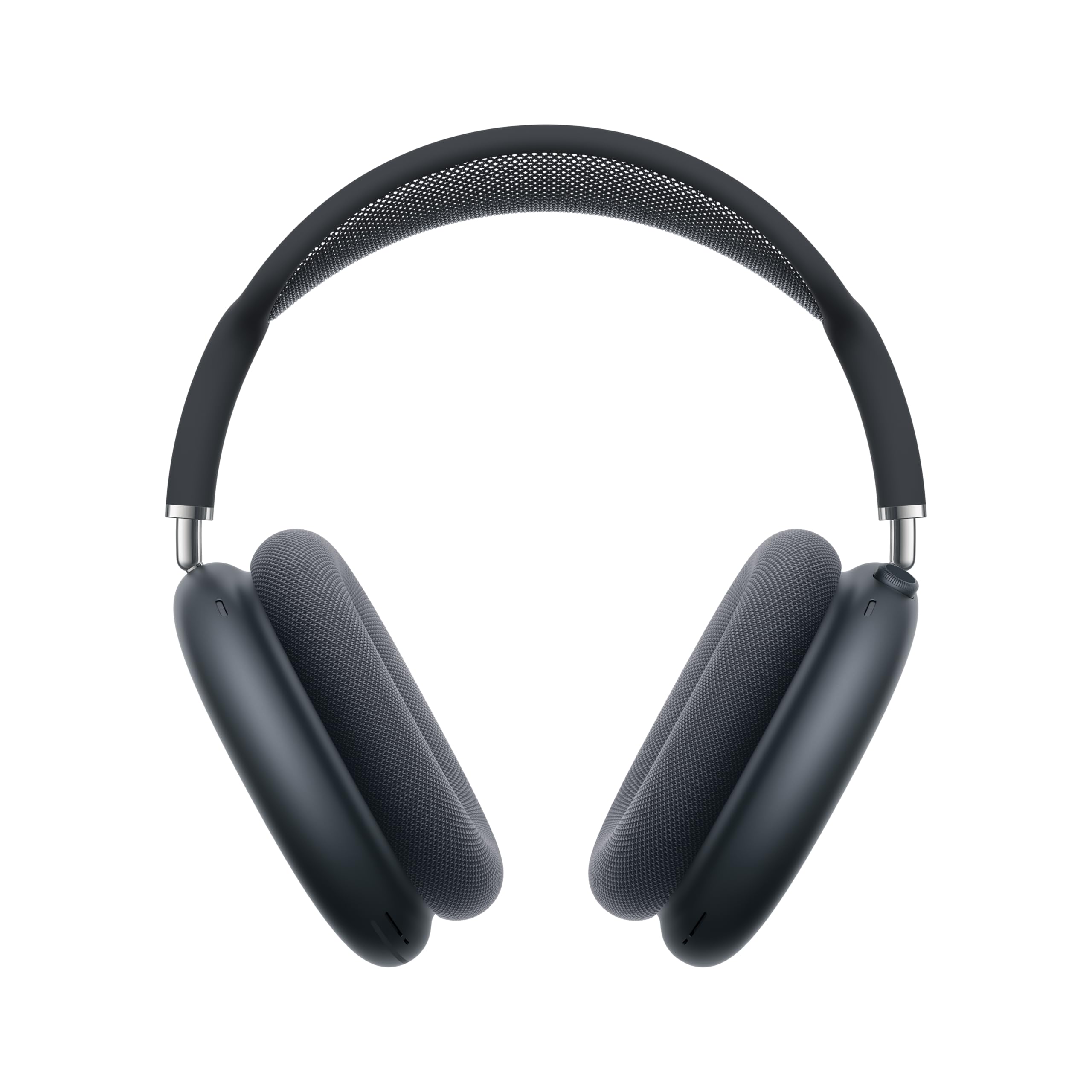
The AirPods Max 2 brings Apple’s H2 chip to the over-ear form factor, delivering improved ANC that is a tangible step up from the original, along with Adaptive Audio that seamlessly blends noise cancellation and transparency based on your environment. The sound signature is rich and detailed with deep bass extension, expansive mids, and crisp highs, and the Personalized Spatial Audio with dynamic head tracking creates an immersive soundstage that feels especially cinematic for Dolby Atmos content. Lossless audio support via USB-C ensures maximum fidelity for wired listening.
The integration with the Apple ecosystem is unmatched: seamless switching between iPhone, iPad, and Mac, automatic device pairing, and Live Translation when paired with an Apple Intelligence-enabled iPhone. The Conversation Awareness feature automatically lowers volume when you begin speaking, making interactions smooth without removing the headphones. Battery life is rated at 20 hours with ANC and Spatial Audio enabled, which is below many competitors but sufficient for a full workday.
Build quality is premium: a breathable knit-mesh canopy, memory foam earcups with custom textile covers, and telescoping aluminum arms create a durable, comfortable design. However, the weight is noticeable at 13.6 ounces, and the ear cups can create pressure points for glasses wearers over extended sessions. The included Smart Case does not protect the earcups fully. For the dedicated Apple user who wants premium sound, Spatial Audio immersion, and flawless ecosystem synergy, the AirPods Max 2 is a natural fit.
Why it’s great
- Exceptional Personalized Spatial Audio with dynamic head tracking
- Seamless Apple ecosystem integration and device switching
- Improved ANC with Adaptive Audio mode
- Lossless USB-C audio for wired listening
Good to know
- 20-hour battery life is below competitive average
- Heavier than most competitors at 13.6 oz
- Limited to Apple ecosystem for full feature set
9. Sennheiser HD 660S2
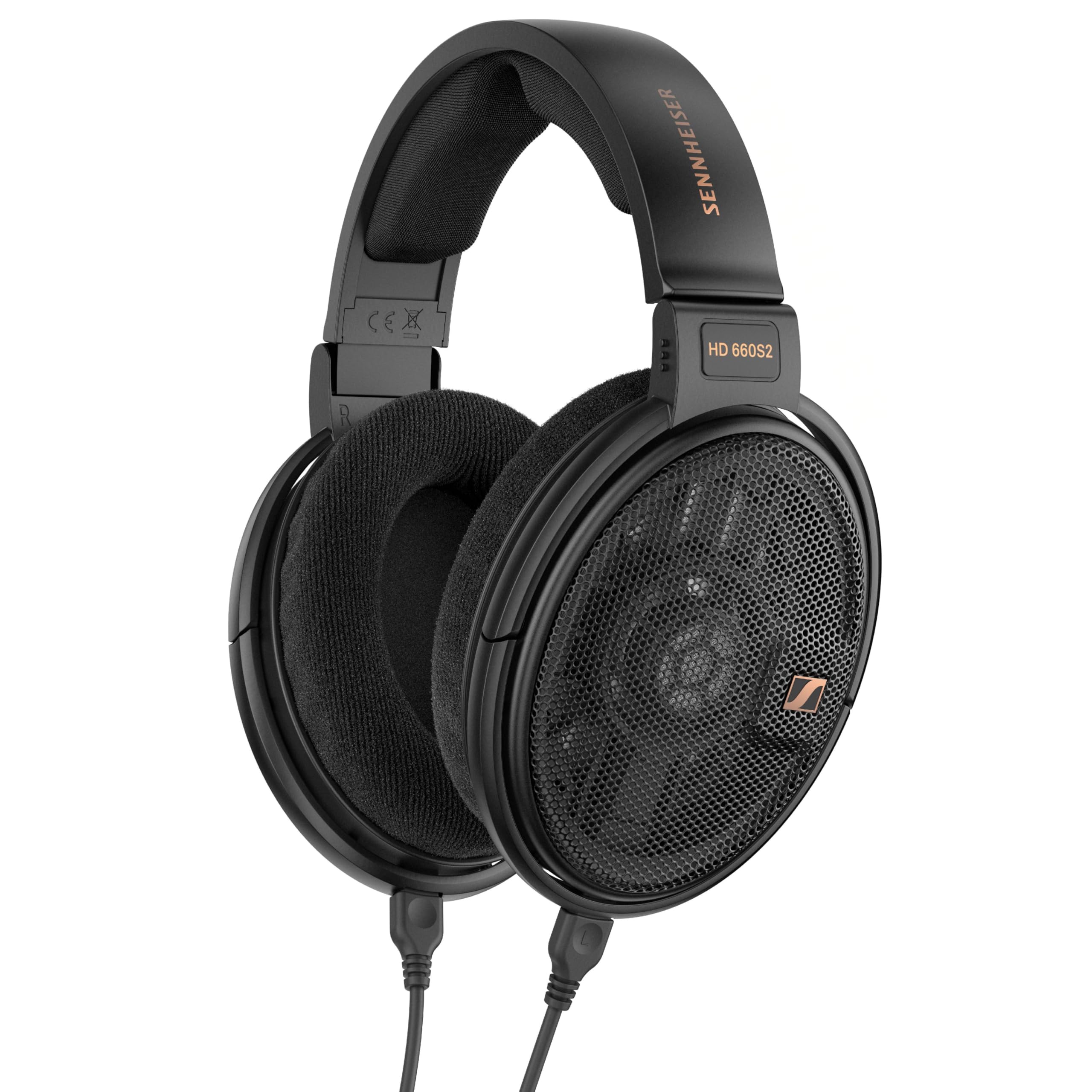
The HD 660S2 is a wired, open-back headphone that represents the purest audiophile path in this guide—it demands a dedicated amplifier or DAC to perform optimally, and in return delivers a natural, spacious soundstage with lifelike imaging and transparent resolution. The 42mm dynamic drivers with ultra-light aluminum voice coils provide deep, controlled sub-bass extension down to 27.5 Hz, articulate mids that bring vocals and acoustic instruments to the forefront, and detailed highs without sibilance or fatigue. This is a headphone designed for critical listening, mixing, and immersive music sessions.
The open-back design creates an airy, expansive soundstage that closed-back wireless models cannot match—instruments are precisely placed in three-dimensional space, and the natural decay of reverb and sustain is rendered with exceptional realism. However, this design also leaks sound significantly and provides no isolation, limiting use to quiet environments. The build quality is classic Sennheiser: lightweight and robust, with breathable velour ear cushions that remain comfortable during long listening sessions.
It is important to note that the HD 660S2 is purely wired and requires a high-quality DAC and amplifier to reach its full potential. The included cables (6.3mm, 4.4mm balanced, and 6.3mm to 3.5mm adapter) are adequate but not premium, and the length may feel short for desktop use. For the purist who wants a reference-grade wired setup and is willing to invest in a dedicated amplification chain, the HD 660S2 delivers a level of resolution, imaging, and naturalness that remains the gold standard at its price.
Why it’s great
- Natural, spacious soundstage with lifelike imaging
- Deep, controlled sub-bass extension for an open-back
- Lightweight and comfortable for extended sessions
- Transparent, non-fatiguing treble response
Good to know
- Requires a dedicated DAC/amp for optimal performance
- Open-back design offers zero sound isolation
- Significant sound leakage
- Included cables are functional but not premium
FAQ
Do audiophile Bluetooth headphones really sound better than standard wireless models?
What is the difference between aptX Lossless and LDAC?
Can I use audiophile Bluetooth headphones wired for lossless audio?
Why do some audiophile headphones have lower battery life than standard models?
Does ANC affect sound quality in audiophile Bluetooth headphones?
Are open-back wireless headphones available for audiophile use?
Final Thoughts: The Verdict
For most users, the audiophile bluetooth headphones winner is the Focal Bathys because it delivers reference-grade driver performance, USB-C DAC mode, and exceptional detail retrieval in a truly wireless package that travels well. If you value a lush, holographic soundstage with luxurious build and aptX Lossless support, grab the Bowers & Wilkins Px8 S2. And for the purest critical listening experience in a quiet room, nothing beats the Sennheiser HD 660S2 paired with a quality DAC and amplifier.