
Our readers keep the lights on and the weekend projects moving. As an Amazon Associate, I earn from qualifying purchases.
Finding the right auto window tint film means balancing heat rejection, visible light transmission, and a long-lasting adhesive that will not bubble after the first few wash cycles. A poor installation or a film that turns purple in the sun makes your car look neglected and forces a do-over.
I’m Rikta — the founder and writer behind FitlyFast. I spend my weeks digging into the nano-coating patents, dyed PET thicknesses, and shrinkage tolerances that separate films that last a decade from those that peel by the first summer.
Whether you want a privacy layer that keeps cabin temps down or a lighter ceramic film for glare reduction, the best auto window tint film delivers consistent adhesive grip and optical clarity without that cheap purple hue.
How To Choose The Best Auto Window Tint Film
Auto window tint film is not a one-size-fits-all purchase. Your driving environment, local regulations, and desired privacy level dictate whether a budget-friendly dyed film or a premium nano ceramic roll is the right call. Nail these three factors before you buy.
Visible Light Transmission (VLT) and Your Local Laws
VLT measures the percentage of visible light that passes through the film. A 5% VLT film allows only 5% of light in — that is limo-dark and illegal for front side windows in most states. A 35% or 50% VLT film gives subtle shading that meets compliance in many regions while still reducing cabin heat. Always check your state’s limits before choosing a darkness level.
Film Construction: Dyed PET vs. Nano Ceramic vs. Carbon
Dyed PET films (often 1-ply) are affordable and offer decent color stability but absorb heat rather than reflect it, which can lead to cracking on non-tempered glass. Nano ceramic films block infrared heat without interfering with radio or GPS signals, making them the premium choice for all-day comfort. Carbon film sits in the middle — it blocks heat better than dyed film and resists fading without the cost of ceramic.
Adhesive Quality and Install Method
Most DIY films use “peel and stick” application with a soapy water solution to allow repositioning before squeegeeing. A weak adhesive will lift near curves after drying, especially on rear defroster lines. Look for films that include a heat-shrink capability for curved windows and a 2-year or lifetime warranty against bubbling and peeling.
Quick Comparison
On smaller screens, swipe sideways to see the full table.
| Model | Category | Best For | Key Spec | Amazon |
|---|---|---|---|---|
| PAMAGOO 5% Ceramic | Premium | Maximum heat + scratch resistance | Nano ceramic coating | Amazon |
| United 2Ply Carbon 5% | Premium | Lifetime color stability | 2Ply nano carbon film | Amazon |
| United 1Ply Dyed PET 5% | Mid-Range | Affordable deep privacy | 1 mil dyed PET film | Amazon |
| IAQWE 15% Ceramic | Mid-Range | Balanced visibility + heat block | Nano ceramic construction | Amazon |
| Tview 5% 2ply | Mid-Range | Thick pliable film for curves | 1 mil 2-ply construction | Amazon |
| YIFUOK 20% Carbon | Budget-Friendly | Full kit with install tools | Carbon-based film | Amazon |
| XhuangTech 70% Ceramic | Entry Level | Clear heat protection | Nano ceramic PET film | Amazon |
In‑Depth Reviews
1. PAMAGOO 5% VLT Ceramic Window Tint Roll

This 5% VLT nano ceramic film uses a 5-layer construction that blocks 95% of UV rays and 88% of infrared heat. Professional tinters report the film is thicker than typical budget rolls, which translates to easier handling during shrink-to-fit applications on curved rear windows. The scratch-resistant coating reduces the risk of damage during the squeegee stage.
The peel-and-stick adhesive does not include a tacky residue, but the included adhesive tabs help separate the liner from the film — some users note the tabs could be stickier for easier starts. Once applied, the film sets with minimal bubbling if you use sufficient soapy water and a hard card. The final appearance is a deep, consistent black without the purple tint that haunts older film technology.
For DIY enthusiasts, this film demands patience — the 5% darkness makes rear visibility challenging at night, and the material can crease if mishandled during shrinking. That said, owner feedback suggests the 36” x 100’ roll covers three vehicles including a full-size pickup, making it a compelling choice for those who prioritize premium heat rejection and a professional-grade finish.
Why it’s great
- Thick 5-layer construction resists creasing and scratches
- High IR heat rejection keeps cabin noticeably cooler
- Consistent 5% darkness with no purple hue
Good to know
- 5% VLT reduces visibility at night, not for front windows
- Separating liner from film requires extra patience
2. United 2Ply Nano Carbon 5% VLT
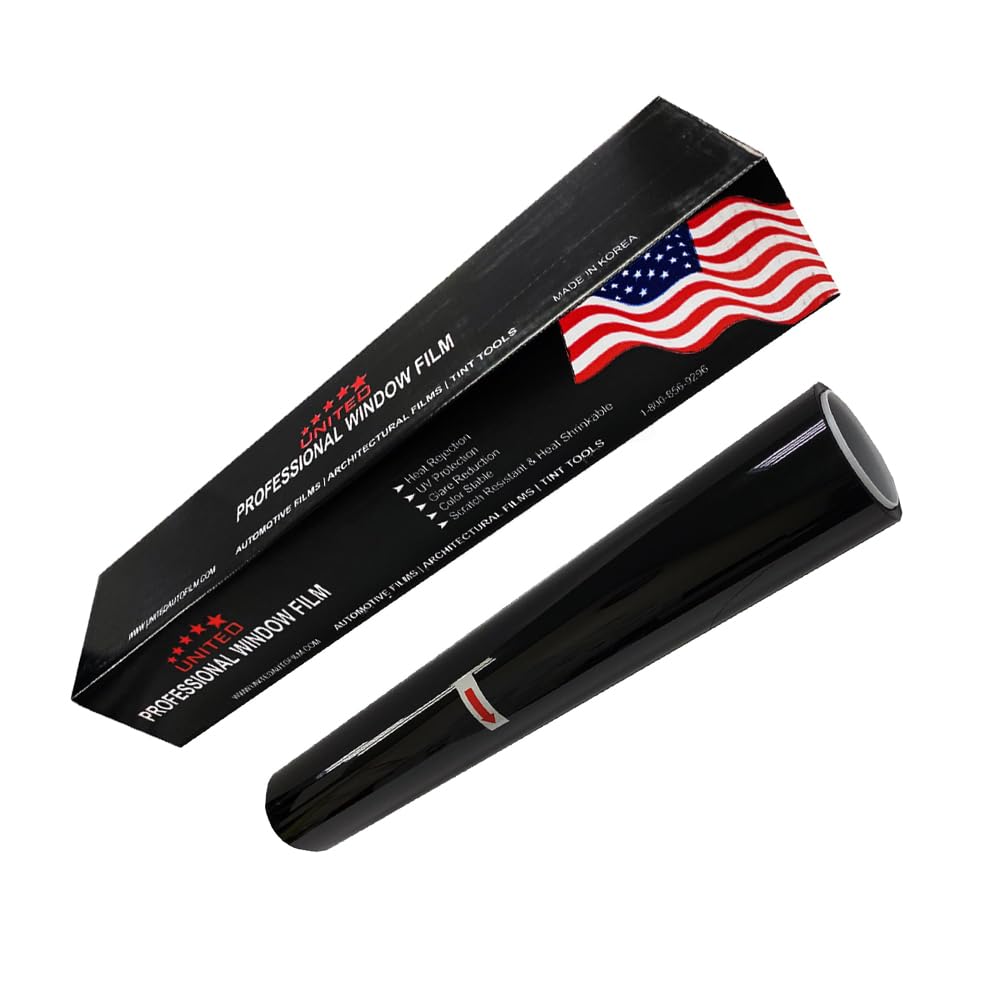
United’s 2-ply nano carbon film offers a non-dyed construction that resists fading for the lifetime of the vehicle. The 40-inch width covers larger side windows in one piece, reducing the need for seams, and the wet/dry heat shrink ability allows for tight fits on curved glass without distortion.
Feedback from users who have installed this film on cars, screen doors, and office windows describes it as very thin yet durable — less prone to creasing than competitive carbon films. The adhesive cures firmly after 12-24 hours, and once set, it moves cleanly if you need to reposition during application. The 5% VLT provides limo-grade privacy while maintaining decent outward visibility during the day.
One nuance: the film’s thinness makes it easy to cut and bubble out, but a single wipe with a towel before curing can shift the position slightly. Owners recommend spraying both the glass and the film’s adhesive side generously before placing it. The lifetime color stability warranty eliminates concerns about the film turning purple or orange-peeling over time.
Why it’s great
- Lifetime color stability with no fading
- 40-inch width minimizes seams on large windows
- Heat shrink capability fits curved rear glass perfectly
Good to know
- Thin film can shift if wiped before curing
- 5% VLT not suitable for front side windows in most states
3. United Professional 1Ply Dyed PET 5% VLT
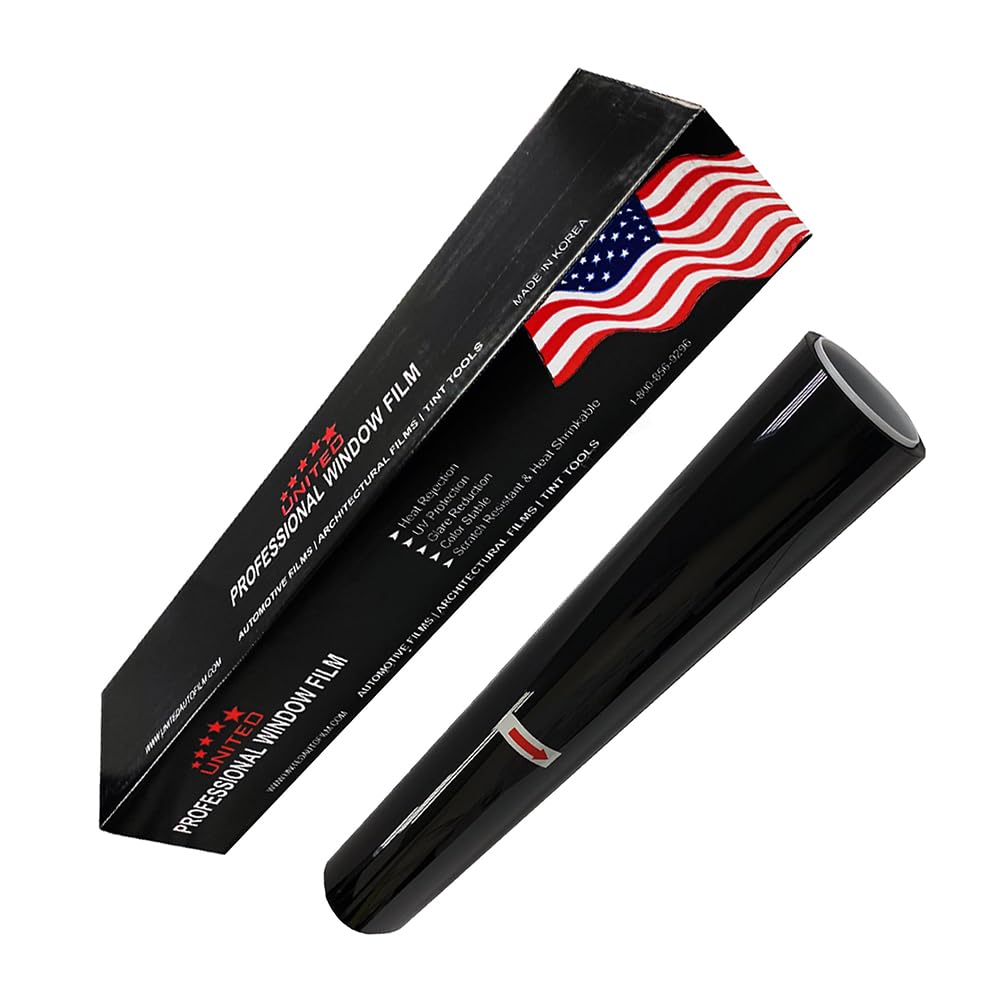
United’s 1-ply dyed PET film is an entry-level option that still delivers 99% UV protection and ultra-dark 5% VLT at a price point that suits multi-vehicle projects. The 40-inch roll provides generous coverage for trucks and SUVs, and the low reflectivity keeps the gloss to a minimum for a factory-style matte finish.
Dyed PET films absorb heat rather than reflecting it, so this roll performs well in temperate climates but may reach higher surface temperatures on the glass in extreme sun. Owners of home and shop windows report that this film keeps rooms notably cooler while offering one-way privacy. The enhanced adhesive bonds well to clean glass but requires careful prep to avoid dust particles that cause bubbles.
On the downside, 1-ply construction means the film is thinner than the carbon or ceramic options, making it more prone to creasing if you handle it too aggressively during installation. The included 2-year warranty protects against fading and peeling, which adds peace of mind for first-time DIY tinters. For the price per square foot, this is a strong contender for budget-conscious buyers who still want deep privacy.
Why it’s great
- Maximum 5% darkness with excellent one-way privacy
- 40-inch roll minimizes waste on large vehicles
- 2-year warranty covers bubbling and peeling
Good to know
- Thinner 1-ply film can crease if mishandled
- Dyed construction absorbs heat rather than reflecting it
4. IAQWE 15% VLT Nano Ceramic Window Tint
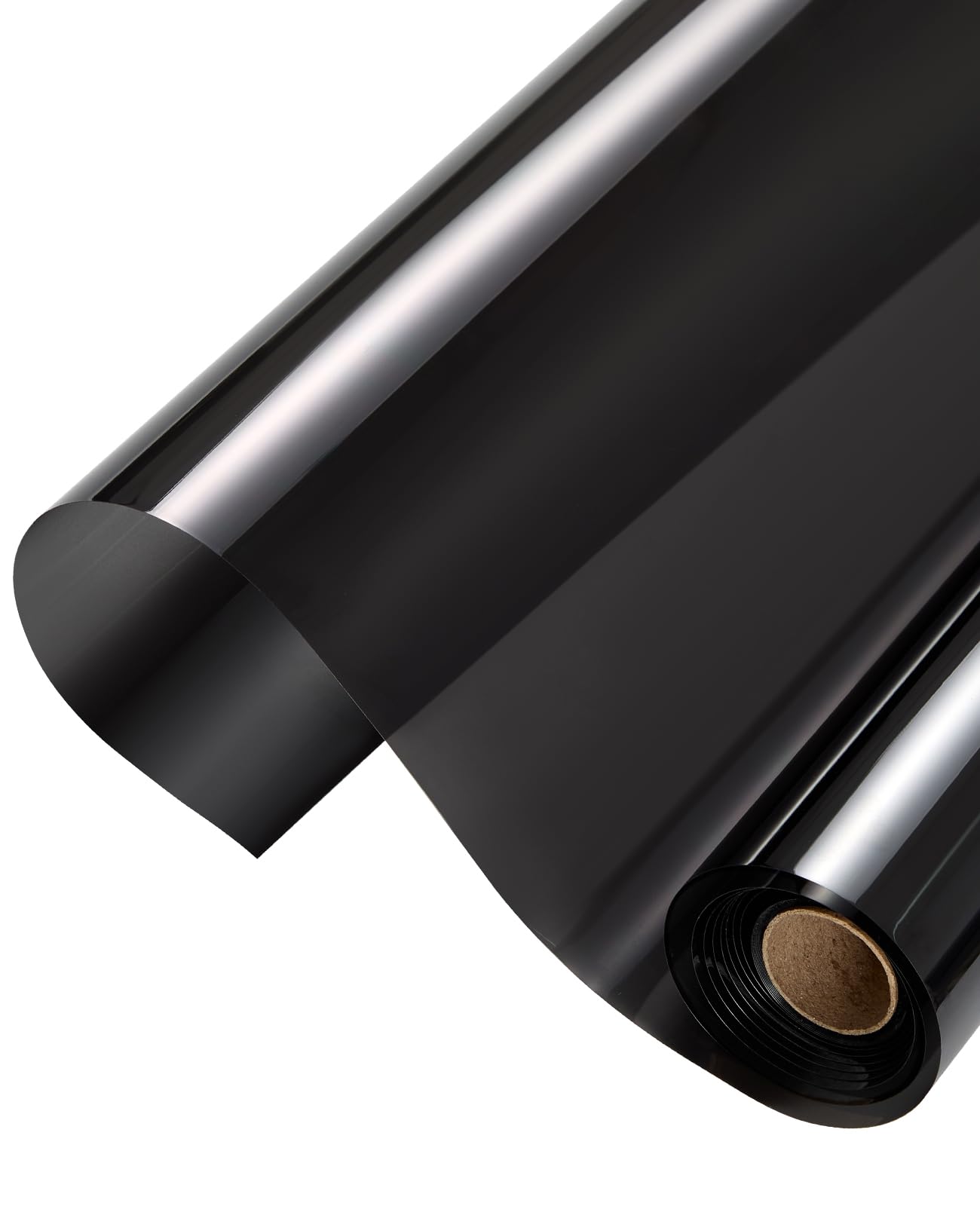
The IAQWE 15% VLT ceramic film strikes a middle ground for drivers who want privacy without sacrificing night visibility. Nano ceramic technology blocks infrared heat without the use of metals, so it will not interfere with GPS, cellular, or radio signals. The 36-inch width by 100-foot roll covers a full sedan with room to spare.
Customer reports highlight that the film is thinner than premium ceramic alternatives, which makes it easier to cut with a sharp blade but also means it tears more readily if the blade is dull. The adhesive holds well on clean glass, though some users note it is less tacky than top-tier brands — requiring extra care during the squeegee phase. When installed properly, the 15% VLT creates a charcoal look without the yellow or purple shift seen in older formulations.
The included instructions are straightforward, but beginners should have a heat gun and a plastic scraper on hand for the rear window curve. Several experienced tinters mention that this film shrinks nicely if the temperature is right. It is a capable mid-range choice for those who want ceramic-grade heat rejection at a per-roll cost that stays well below the premium tier.
Why it’s great
- 15% VLT balances daytime privacy with night visibility
- No metal content means zero signal interference
- Good heat rejection for the price per square foot
Good to know
- Thinner film can tear easily with a dull blade
- Adhesive is less tacky than premium ceramic films
5. Tview T2BK0536 2ply 1mil 5% VLT

Tview’s 2-ply 1mil film is designed for easy attachment to curved surfaces — the pliable plastic construction does not crease as quickly as stiffer films, making it a favorite for first-time DIY installations. The 5% VLT is ultra-dark; numerous owners have used this roll on greenhouses, sliding doors, and office windows for solar control, not just vehicles.
The peel-and-stick installation requires a generous application of soapy water on both the glass and the film. Users who watched YouTube tutorials before starting report the most success. The film resists bubbling well if you squeegee from the center outward. However, it is not recommended for non-tempered glass — the heat absorption from the dark tint can cause temperature differentials that crack standard glass in cold weather.
While the product description positions it for automotive use, the most enthusiastic reviews come from homeowners using it to block sun in desert climates. The film sticks reliably and provides a consistent, dark appearance. For car side windows, the thickness offers good durability against scratches from window slides, but the 100-foot length is packaged as a single roll — measuring your windows beforehand is essential to avoid excess waste.
Why it’s great
- Pliable film handles curved windows without creasing
- Consistent 5% darkness with easy outdoor visibility
- Resists bubbling when installed with sufficient soapy water
Good to know
- Not safe for non-tempered glass in cold weather
- No included installation tools in the package
6. YIFUOK 2PLY Premium Carbon 20% VLT
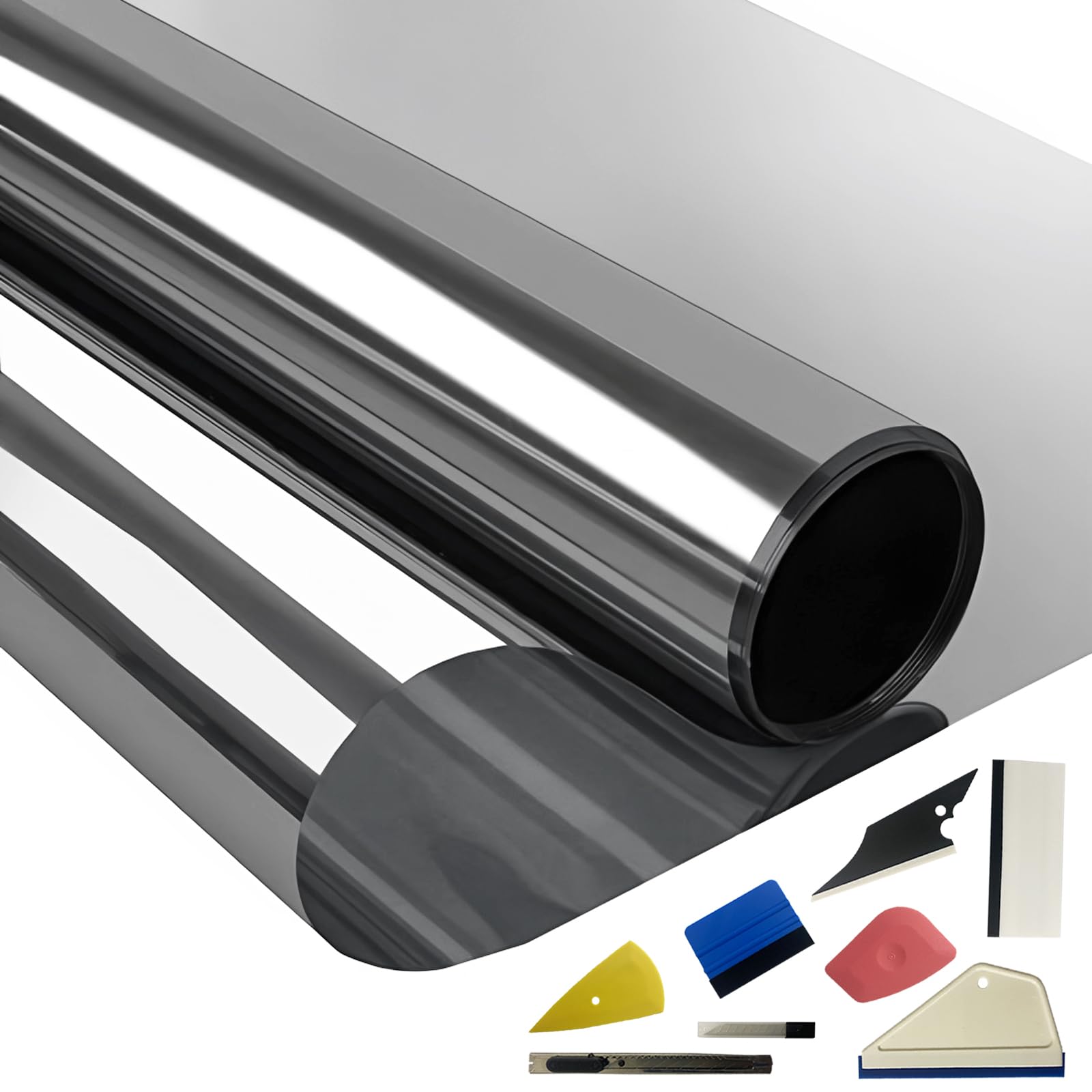
This YIFUOK 20% VLT carbon film comes with an 8-piece installation tool kit — a practical bundle for someone who does not yet own a squeegee, utility knife, or heat card. The 1.5mil 2-ply construction offers more rigidity than single-ply films, reducing the chance of distortion during the shrink process on rear windows.
Carbon-based films sit between dyed and ceramic in the performance spectrum — they block heat better than dyed PET and hold color longer, but do not reflect infrared as efficiently as nano ceramic. The 20% VLT is dark enough for privacy yet legal in many states for rear windows. Several reviews mention that the film has a slight purple hue in direct sunlight, which is a common trade-off in this price bracket for carbon formulations.
The adhesive does not come pre-tacked; you need a tint solution or soapy water to activate the bond. The included tools are functional for a single DIY session but may not last for multiple vehicle projects. If you are covering a sedan or a small SUV, the 20-inch by 100-foot roll provides ample coverage, though you will have to piece together larger side windows.
Why it’s great
- Includes all basic installation tools for a first-time DIY
- 2-ply carbon construction offers good durability
- 20% VLT provides strong privacy with reasonable visibility
Good to know
- 20-inch width requires seams on larger windows
- Noticeable purple hue in certain lighting conditions
7. XhuangTech 70% VLT Nano Ceramic Tint

The XhuangTech 70% VLT nano ceramic film is the lightest shade in this lineup, designed for drivers who want heat and UV protection without changing the look of their windows. The chameleon blue color shifts visually depending on the angle of light, adding a subtle aesthetic accent rather than a dark barrier. It blocks 99% of UV rays and reduces infrared heat radiation, which helps preserve dashboards and upholstery.
Professional tinters in the reviews specifically praise this film for its easy shrink characteristics — the ceramic layer allows the PET film to conform to complex curves without excessive heat or pressure. The view from inside is clear with a slight glare, which is inherent to films with very high VLT. The peel-and-stick adhesive works best when the glass and film are both heavily misted with water, ensuring you can slide the film into precise position before squeegeeing.
Some users report variability in adhesive strength — a handful of experiences mention that the film peeled after drying, while others have had it last for years without issue. The key variable is surface preparation: any residue or dust causes premature failure. This film is best suited for front windshields (where dark tint is illegal) or home glass where you want solar control without a prison-dark appearance.
Why it’s great
- 70% VLT is compliant for front windshields in most states
- Chameleon blue color shifts provide a unique aesthetic
- Shrinks easily for complex curved windows
Good to know
- Adhesive strength can vary with surface cleanliness
- High VLT offers minimal daytime privacy
FAQ
Can I install auto window tint film on the front windshield?
How do I prevent bubbles when installing window tint film?
Will dark window tint interfere with my phone or GPS signal?
Final Thoughts: The Verdict
For most users, the best auto window tint film winner is the PAMAGOO 5% Ceramic because it combines thick 5-layer construction with nano ceramic heat rejection and scratch resistance that holds up to daily driving. If you want deep privacy with a warranty that outlasts the car, grab the United 2Ply Nano Carbon 5%. And for a legal front-windshield option that still blocks UV and infrared, nothing beats the XhuangTech 70% VLT Ceramic Tint.