
Our readers keep the lights on and the weekend projects moving. As an Amazon Associate, I earn from qualifying purchases.
A constipated baby is a miserable baby, and a miserable baby means a sleepless, worried parent. The problem often comes down to formula—standard cow’s milk proteins can bind stool, while incomplete hydrolyzation leaves behind peptides that irritate sensitive guts. Finding a formula that keeps the digestive tract moving without triggering allergic reactions is the single most important switch you can make for your infant’s comfort.
I’m Rikta — the co-founder and writer behind FitlyFast. I’ve spent years parsing pediatric nutrition research and analyzing how specific protein structures, carbohydrate sources, and prebiotic blends directly affect stool consistency and bowel regularity in formula-fed infants.
This guide breaks down the seven most effective options on the market, from amino acid-based medical formulas to gentle, partially hydrolyzed proteins with prebiotic support. Whether you’re dealing with CMPA-related constipation or simple digestive sensitivity, the right baby formula for constipation can restore a normal, comfortable rhythm within days.
How To Choose The Best Baby Formula For Constipation
Constipation in formula-fed infants is not a single condition—it can stem from cow’s milk protein intolerance, insufficient hydration due to carbohydrate load, or a lack of fermentable fibers that draw water into the colon. The right formula targets the root cause without introducing new irritants. Here are the three deciding factors.
Protein Hydrolysis Level
Intact cow’s milk proteins are large and can form tough curds that slow transit. Partially hydrolyzed formulas break those proteins into smaller fragments, making them easier to digest. Fully hydrolyzed or amino acid-based formulas eliminate intact proteins entirely, which is necessary when CMPA is the primary driver of constipation and inflammation. The deeper the hydrolysis, the less likely the formula will trigger a hard-stool reaction.
Prebiotic and Probiotic Blend
Prebiotic fibers like galacto-oligosaccharides (GOS) and polydextrose (PDX) create a substrate for beneficial gut bacteria, which in turn produce short-chain fatty acids that soften stool and increase stool frequency. Some formulas also add probiotics like Bifidobacterium breve to colonize the gut. A formula with a clinically tested prebiotic blend can make the difference between a baby straining for hours and one with comfortable daily movements.
Carbohydrate Source: Lactose vs. Corn Syrup Solids
Lactose is the standard sugar in breast milk and most standard formulas, but some constipated infants lack sufficient lactase activity, leading to gas and discomfort. Lactose-free formulas use corn syrup solids or maltodextrin instead, which are easier to digest for sensitive stomachs. However, some babies need the osmotic pull of lactose to keep stool soft—knowing your baby’s tolerance level is key before switching.
Quick Comparison
On smaller screens, swipe sideways to see the full table.
| Model | Category | Best For | Key Spec | Amazon |
|---|---|---|---|---|
| Enfamil NeuroPro Gentlease | Partially Hydrolyzed | Easing gas and fussiness in 24 hours | PDX/GOS prebiotic blend | Amazon |
| Similac Alimentum | Hydrolyzed + HMO | Colic relief due to protein sensitivity | 2′-FL HMO immune support | Amazon |
| Neocate Syneo Infant | Amino Acid + Pre/Probiotics | CMPA with chronic constipation | FOS/FOS prebiotic + probiotic | Amazon |
| Nutricia Neocate Infant | Amino Acid | Severe food allergies with GI issues | 100% amino acid, no dairy | Amazon |
| Alfamino Infant Formula | Amino Acid + MCT | Malabsorption and severe reflux | MCT oil for fat absorption | Amazon |
| EleCare Hypoallergenic | Amino Acid | Short bowel syndrome, malabsorption | Free amino acids, DHA/ARA | Amazon |
| Similac Soy Isomil | Soy-Based | Milk protein intolerance, vegetarian diet | Plant-based protein, no lactose | Amazon |
In‑Depth Reviews
1. Enfamil NeuroPro Gentlease
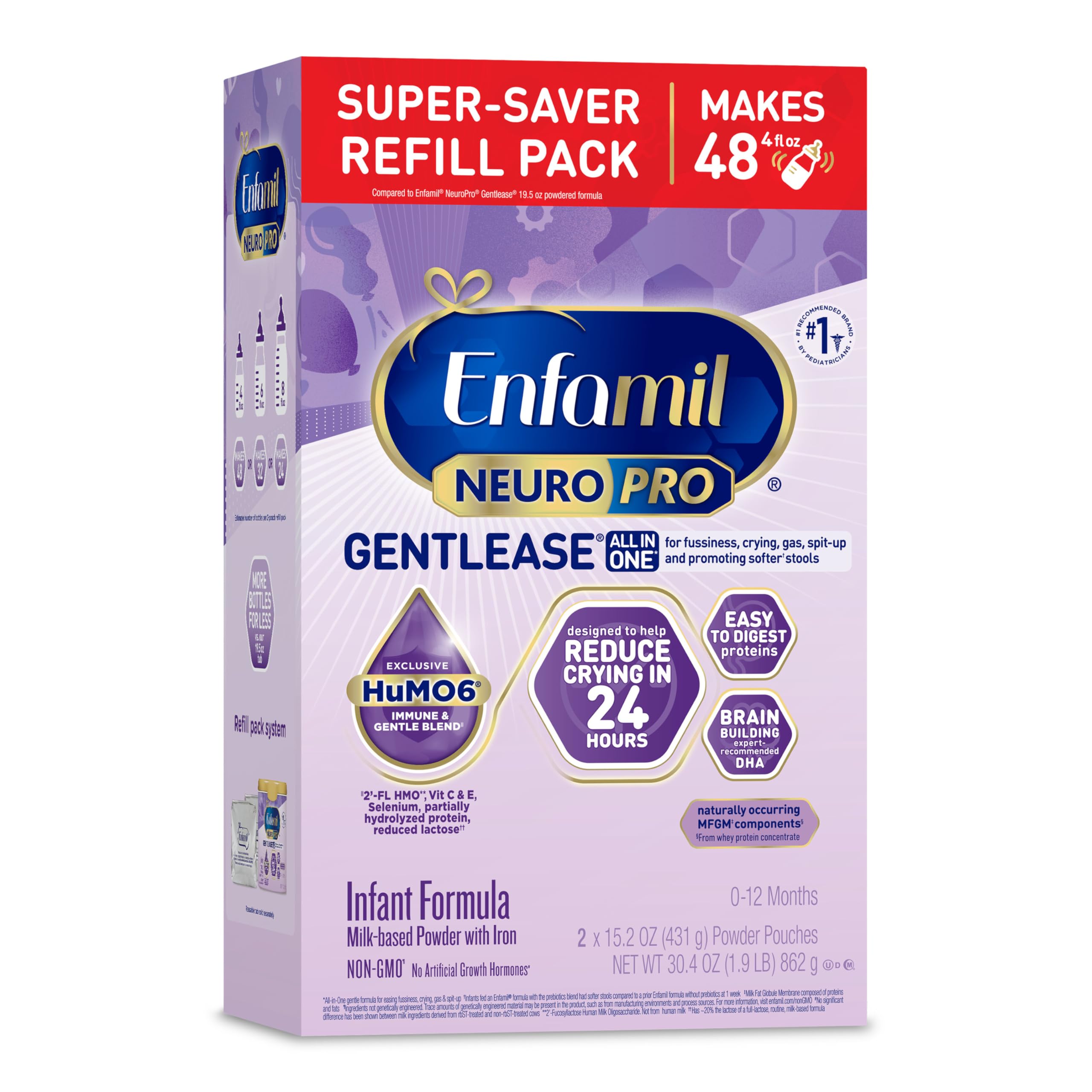
The Enfamil NeuroPro Gentlease uses smaller, broken-down proteins and a patented prebiotic blend of polydextrose (PDX) and galacto-oligosaccharides (GOS) to support softer, more regular stools. This combination targets the root cause of constipation in sensitive tummies—slow transit and hard stool—without requiring a full amino acid formula. The 30.4-ounce refill box also delivers strong value compared to smaller cans.
Clinical data shows Gentlease reduces fussiness, crying, gas, and spit-up within 24 hours, backed by DHA and choline for brain development. Parents report that their babies pass gas easily and maintain healthy weight gain when burped properly. The powder mixes quickly with no clumping, making it a practical everyday choice.
It is not appropriate for confirmed CMPA or severe multiple food allergies—those require amino acid-based formulations. However, for the vast majority of infants with mild to moderate digestive sensitivity and occasional constipation, this formula delivers the most balanced combination of digestive comfort, nutritional completeness, and everyday affordability.
Why it’s great
- Clinically shown to ease gas and fussiness within 24 hours
- PDX/GOS prebiotic blend actively supports softer stool
- Large refill box offers better value per ounce than standard cans
Good to know
- Not suitable for babies with confirmed cow’s milk protein allergy
- Refills require a separate storage container
2. Similac Alimentum with 2′-FL HMO
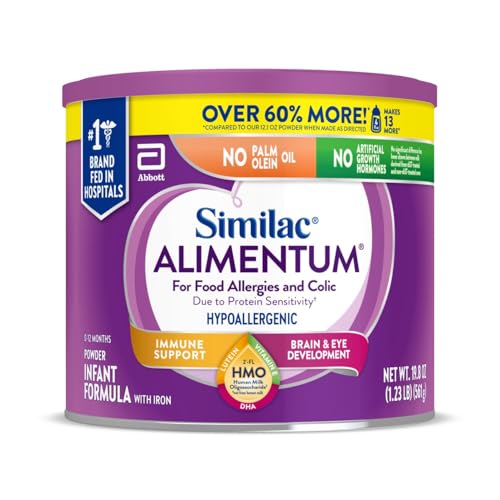
Similac Alimentum breaks milk proteins into tiny fragments to virtually eliminate allergic reactions in most infants with cow’s milk protein sensitivity, and it adds 2′-FL HMO—an immune-nourishing prebiotic found in breast milk—to support gut health. The 19.8-ounce can delivers a concentrated dose of hypoallergenic nutrition while actively working to reduce colic symptoms within 24 hours.
Parents praise its ability to stop reflux, gas, and hard stool in babies who failed on standard sensitive formulas. The powder mixes easily, and the inclusion of 2′-FL HMO sets it apart from older hydrolyzed formulas that lack this immune-benefiting ingredient. Multiple reviews describe it as a “sanity saver” for families dealing with CMPA-related colic.
This is a premium-tier product, and it is extensively hydrolyzed rather than fully amino acid based, so it may still trigger reactions in babies with the most extreme protein allergies. For infants with diagnosed protein sensitivity but not full CMPA, Alimentum offers a powerful middle ground.
Why it’s great
- First hypoallergenic formula with 2′-FL HMO for immune support
- Starts reducing colic symptoms within 24 hours in most cases
- Excellent for babies with confirmed protein sensitivity
Good to know
- Still contains some intact proteins; not safe for full CMPA
- Premium pricing compared to partially hydrolyzed options
3. Neocate Syneo Infant
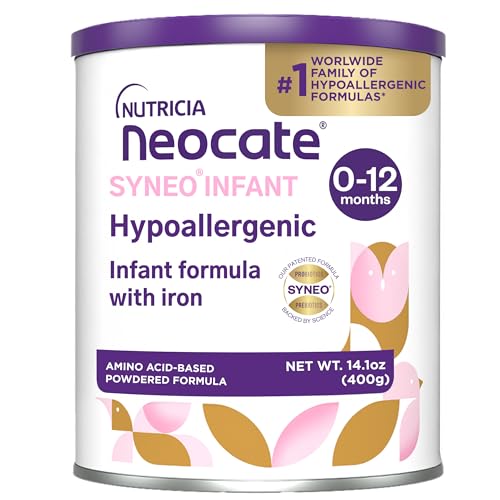
Neocate Syneo is the only 100% amino acid-based formula that also includes a clinically tested blend of prebiotics (FOS/FOS) and live probiotics (Bifidobacterium breve). This dual approach targets constipation from two angles: the amino acid base eliminates any dairy protein trigger, while the prebiotic/probiotic combo actively encourages a healthy gut microbiome that produces softer stool.
Parents of babies with severe CMPA report that Neocate Syneo cleared eczema, stopped reflux, and normalized bowel movements after other options failed. The formula contains DHA and ARA for brain and eye development, keeping it nutritionally complete despite the specialized ingredients. The powder dissolves well with thorough shaking.
The probiotic component means you must not use water above a specific temperature to avoid killing the live cultures, which adds an extra step during preparation. This formula is a mid-range price point offering specialist-level digestive support without the highest cost.
Why it’s great
- Only amino acid formula with added prebiotics and probiotics
- Clears CMPA symptoms including constipation and eczema
- Nutritionally complete with DHA/ARA for development
Good to know
- Water must not exceed a specific temperature to preserve probiotics
- Strong odor that some parents find unpleasant
4. Nutricia Neocate Infant
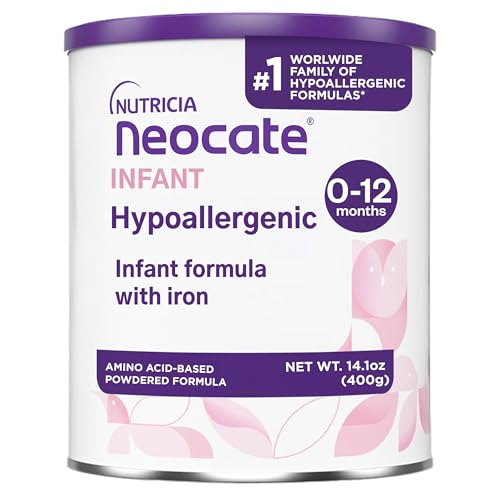
Nutricia Neocate Infant is the standard-bearer for amino acid-based formula, with over 35 years of clinical use and a reputation as the #1 brand worldwide in this category. It provides 100% free amino acids as the protein source, making it suitable for infants with severe cow’s milk allergy who cannot tolerate even extensively hydrolyzed formulas.
Parents consistently report that this formula resolves constipation, reflux, and rashes within days when other products—including Elecare—failed. The formula contains nucleotides, DHA, and ARA to support immune function and neurodevelopment, and it remains free of artificial colors, flavors, and sweeteners. The 14.1-ounce can is compact but densely nutritious.
It lacks the prebiotic blend found in Neocate Syneo, meaning parents of severely constipated babies may need to supplement with a separate probiotic. The small can size also means frequent repurchasing for a fully formula-fed infant.
Why it’s great
- Backed by 35+ years of clinical expertise and worldwide trust
- 100% amino acid proteins eliminate all dairy triggers
- Contains DHA, ARA, and nucleotides for complete nutrition
Good to know
- No prebiotic or probiotic support included
- Small can size requires frequent reordering for exclusive use
5. Alfamino Infant Formula
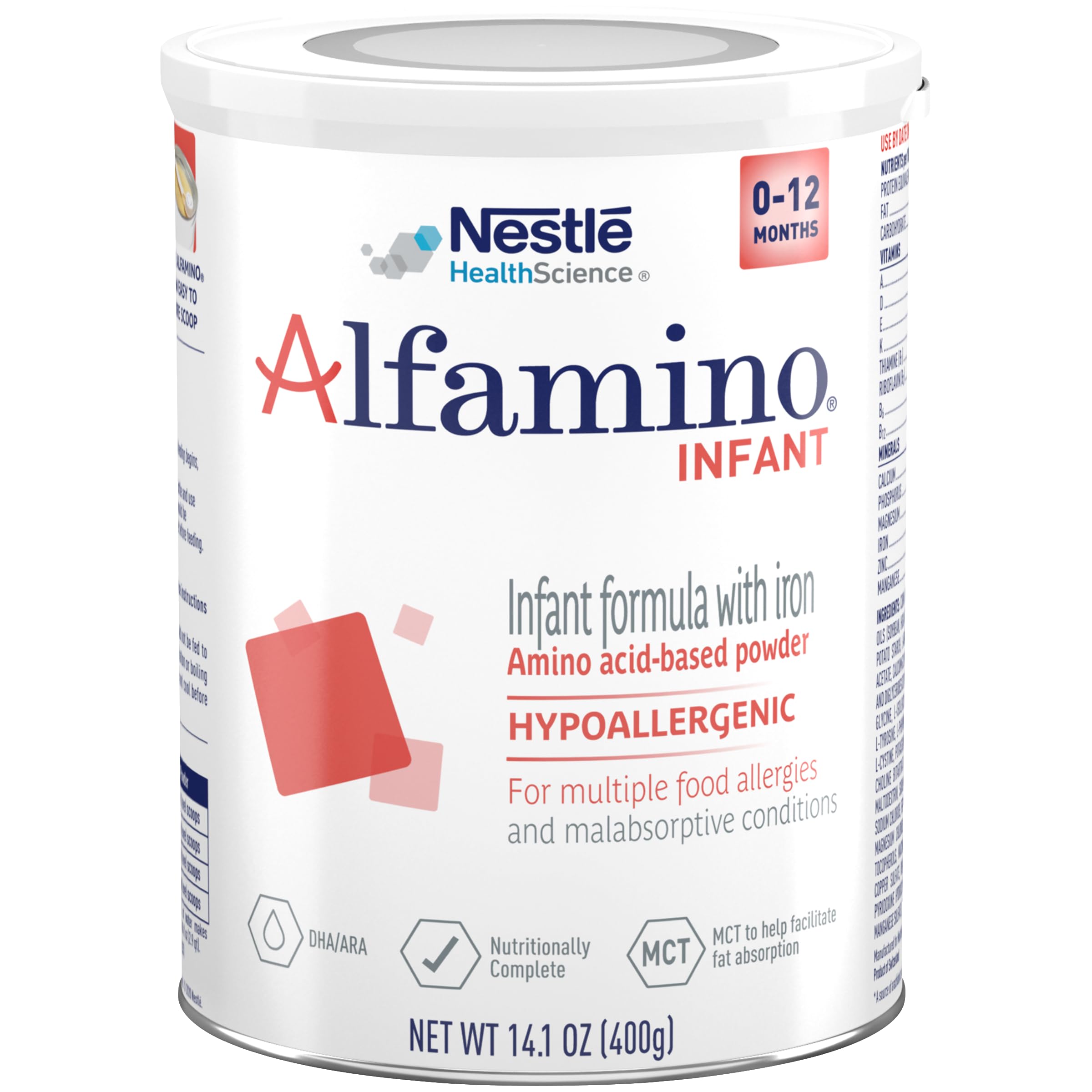
Alfamino from Nestlé Health Science is an amino acid-based formula with a unique fat blend containing medium-chain triglycerides (MCT) to facilitate fat absorption in babies with malabsorption issues. The MCT oil bypasses normal fat digestion, providing a direct energy source that reduces the digestive burden on a constipated or inflamed gut.
Parents of NICU graduates and babies with heart conditions report that Alfamino resolved bloody stools and reflux where other formulas caused diarrhea or poor weight gain. The formula is lactose free and gluten free, and it dissolves well with a bit of shaking. Users note that the taste is better than Neocate, encouraging more frequent feeding and faster weight gain.
Alfamino is designed for use under medical supervision and should only be selected after a pediatrician or GI specialist recommends it. The MCT content can cause loose stools in some infants if introduced too quickly.
Why it’s great
- MCT oil blend aids fat absorption in malabsorptive conditions
- Better taste than competing amino acid formulas
- Lactose and gluten free for sensitive systems
Good to know
- Requires medical supervision before use
- MCT can cause loose stools if introduced abruptly
6. EleCare Hypoallergenic
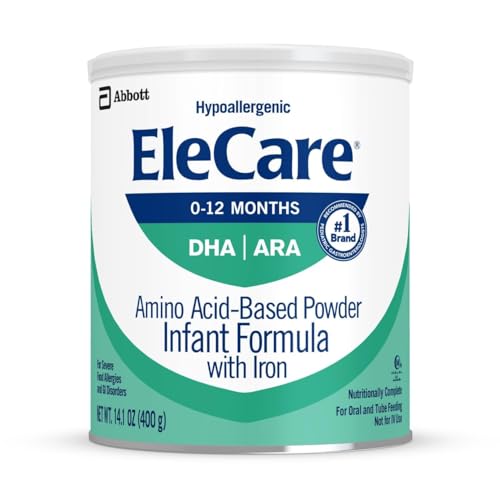
EleCare is the #1 amino acid-based formula brand recommended by pediatric gastroenterologists, and it is clinically shown to improve symptoms in infants with malabsorption issues and short bowel syndrome. The protein source is 100% free amino acids, leaving no intact proteins to trigger allergic reactions or inflammation that leads to constipation.
Parents report that EleCare stopped newborn digestion distress within 24 hours, with less spit-up and discomfort compared to other dairy-free options. The formula includes DHA and ARA to support brain and eye development. The can has a halal stamp, which is helpful for families with dietary restrictions. Subscribe & Save delivery is reliable for busy parents.
The smell is notably distinct—some parents describe it as “funny” or “odd,” though babies generally tolerate it well. As a premium-tier option, it is more expensive per ounce than hydrolyzed formulas, but for infants with diagnosed GI conditions, it is often the only viable choice.
Why it’s great
- #1 brand recommended by pediatric gastroenterologists
- Clinically shown to improve malabsorption symptoms
- Stops digestive distress within 24 hours
Good to know
- Very expensive per ounce compared to hydrolyzed formulas
- Distinct odor that some parents find off-putting
7. Similac Soy Isomil

Similac Soy Isomil replaces cow’s milk protein with plant-based soy protein, making it a natural choice for infants who are intolerant to milk protein but do not have digestive issues severe enough to require amino acid formulas. The powder is lactose free, which helps reduce gas and discomfort in babies with lactase deficiency.
Parents report that switching to Soy Isomil normalized stools and settled fussiness. The formula contains DHA and lutein for brain and eye development, prebiotics for digestive health, and no palm olein oil to support excellent calcium absorption. The 4-pack value can at 30.8 ounces each offers the lowest cost per serving among all options on this list.
Soy-based formulas are not recommended for infants under six months without medical advice due to the phytoestrogen content, and some babies with CMPA also react to soy protein. It is best suited for older infants with confirmed milk protein intolerance who have no concurrent soy allergy.
Why it’s great
- Plant-based protein eliminates cow’s milk trigger
- Lactose free for easier digestion
- Best value per ounce in this comparison
Good to know
- Not recommended for infants under 6 months without pediatrician approval
- Babies with CMPA may also react to soy protein
FAQ
How quickly should I see softer stool after switching to a formula for constipation?
Can I mix a prebiotic formula with prune juice to relieve constipation faster?
What is the difference between a partially hydrolyzed formula and an amino acid formula for constipation relief?
Does the iron content in formula cause or worsen constipation?
Final Thoughts: The Verdict
For most users, the baby formula for constipation winner is the Enfamil NeuroPro Gentlease because its PDX/GOS prebiotic blend actively softens stool while the partially hydrolyzed proteins reduce digestive strain for the broadest range of sensitive tummies. If you need a formula that tackles both colic and constipation with immune support, grab the Similac Alimentum. And for infants with confirmed CMPA and chronic constipation, nothing beats the Neocate Syneo Infant for combining amino acid elimination with gut-healing prebiotics and probiotics.