
Our readers keep the lights on and the weekend projects moving. As an Amazon Associate, I earn from qualifying purchases.
Back rollers and foam cylinders have become the default tool for managing daily spinal tension, but the market is flooded with foam that loses its density within weeks and wheels that wobble under real body weight. The difference between a tool that actually releases a knot and one that just sits there comes down to density, surface geometry, and how well it isolates the erector spinae without jamming into the vertebrae.
I’m Rikta — the co-founder and writer behind FitlyFast. This guide represents hundreds of hours spent analyzing tensile strength, foam compression rates, and surface texture patterns across the back roller category to separate durable tools from disposable ones.
Whether you are managing desk-related stiffness or post-workout soreness, finding the right best back roller hinges on understanding material density, spinal channel design, and whether the tool can support your full body weight without deforming.
How To Choose The Best Back Roller
Not all back rollers apply pressure the same way. A foam cylinder that works for glutes may be too aggressive for the thoracic spine, while a grooved wooden roller might feel like a medieval tool if your body weight is too high. You need to match the roller’s mechanical properties to your muscle condition and body composition.
Density and Firmness
The single most important spec is the foam’s firmness rating. High-density or extra-firm foam resists compression under body weight, which lets the roller reach deep into the muscle fascia. Soft foam collapses before applying meaningful pressure, turning your rolling session into a surface-level rub. If you weigh over 200 pounds, pass on any roller labeled “soft” or “medium” unless you specifically want a gentler tool for warm-up mobility work.
Surface Texture and Spinal Channel
Flat cylindrical rollers distribute pressure evenly across the entire back, including the spinous processes of the vertebrae, which can feel uncomfortable or painful. A contoured design with a spinal groove allows the roller to target the paraspinal muscles while leaving the bones untouched. Some textured surfaces mimic the sensation of a massage therapist’s knuckles, which works well for breaking up adhesions but can be too intense for beginners.
Size, Portability, and Construction
Full-length rollers between 24 and 36 inches allow you to work the entire back in one fluid motion and are better for lower back and glute work. Shorter rollers and wheels target specific spots like the upper traps or the space between the shoulder blades. If you travel frequently or train at a gym, a collapsible roller or compact wheel saves bag space, but check the weight capacity — some collapsible designs weaken under heavy loads over time.
Quick Comparison
On smaller screens, swipe sideways to see the full table.
| Model | Category | Best For | Key Spec | Amazon |
|---|---|---|---|---|
| Chirp Wheel 4-Inch | Spinal Wheel | Targeted spinal decompression | 500 lb capacity / EVA foam + ABS core | Amazon |
| TriggerPoint GRID 13” | Textured Cylinder | Deep-tissue simulation | Multi-density GRID surface / 13 inch | Amazon |
| Rollga LITE Foam Roller | Contoured Cylinder | Spine-friendly deep tissue | Patented spinal groove / 20% softer | Amazon |
| Brazyn Morph Travel Roller | Collapsible Cylinder | Travel and storage convenience | Collapsible to 1.5” flat / 350 lb limit | Amazon |
| Body Back Ma Roller | Wooden Stick | Focused spinal alignment | Solid hardwood / Centered groove | Amazon |
| BMP Extra Firm 36” | Standard Cylinder | Full-body stretching | Extra-firm foam / 36 x 6 inches | Amazon |
| GoFit Polar Roller Bar | Cold Therapy Bar | Post-workout cold massage | Freezable liquid core / Compact bar | Amazon |
In‑Depth Reviews
1. Chirp Wheel Foam Roller – 4-Inch Mint
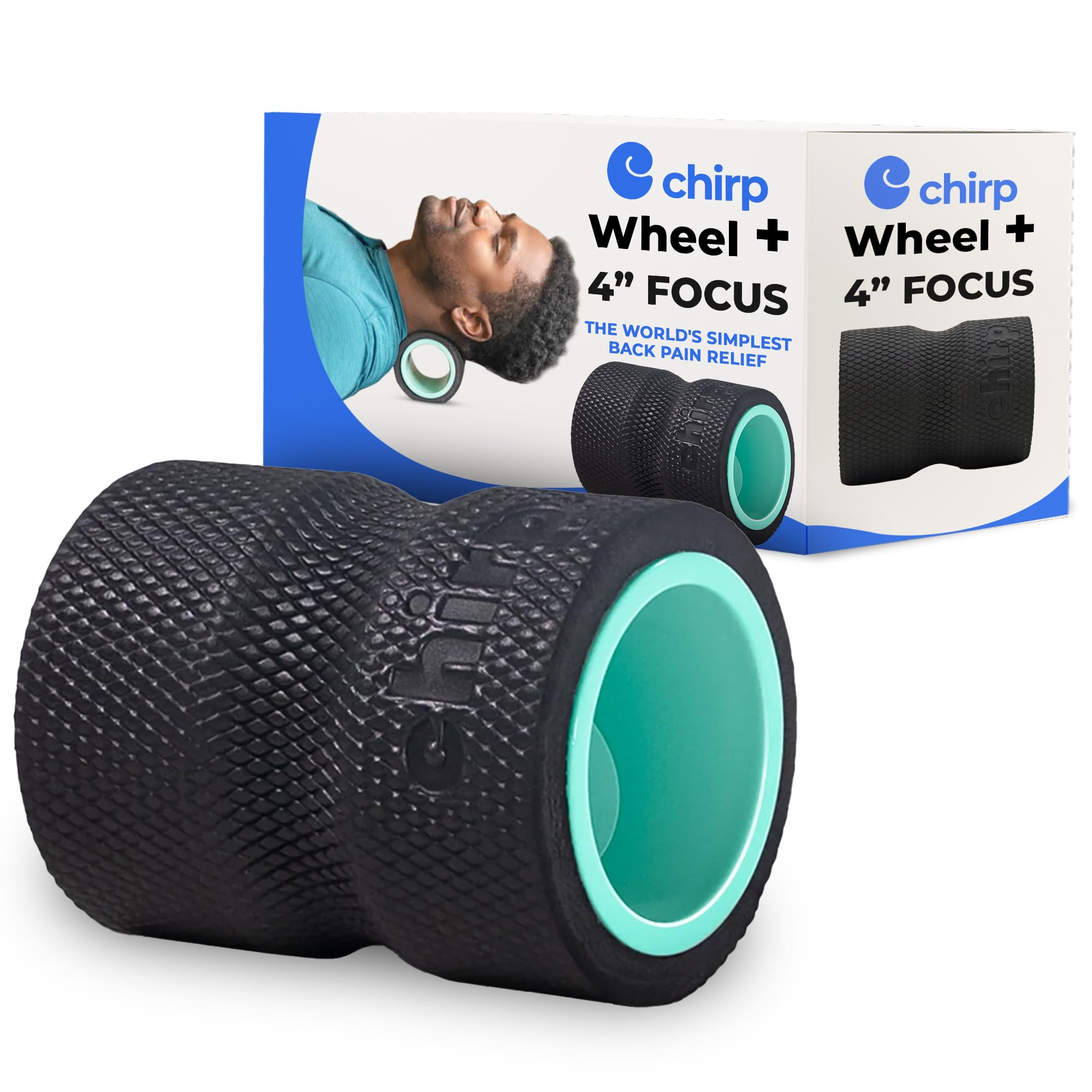
The Chirp Wheel stands apart because its built-in spinal channel cradles the vertebrae while the cushioned EVA foam applies even pressure to the paraspinal muscles. The 4-inch width is narrow enough to isolate the upper and lower back without overshooting onto the shoulder blades, and the reinforced ABS core provides enough structural rigidity to support up to 500 pounds without warping. Users with significant lower back tension reported elimination of pain within a week of consistent use, which speaks to how efficiently the design transfers body weight into therapeutic pressure rather than dispersing it into soft foam.
This wheel also doubles as a neck roller and calf massager, though the narrow profile means you must position it carefully to avoid rolling onto the spinous processes when working the lumbar region. The EVA foam surface has enough grip to stay in place on tile and hardwood flooring, and the 9.6-ounce weight makes it genuinely portable for office or travel use. One customer noted they packed it for a two-week Europe trip and it outperformed their full-size home set for shoulder knot relief.
For anyone who wants a targeted spinal decompression tool that fits in a carry-on, this wheel delivers an excellent balance of portability, durability, and pressure accuracy. The only minor compromise is that the surface foam, while protective, feels slightly softer than a high-density cylinder, so users who prefer aggressive deep-tissue pressure may want to pair it with a firmer roller for glute and IT band work.
Why it’s great
- Spinal channel keeps vertebrae safe while targeting muscles
- 500 lb capacity from ABS core and EVA wrap
- Lightweight and easy to pack for travel
Good to know
- Surface foam is medium-firm, not extra-firm
- Narrow profile requires careful placement for lower back
2. TriggerPoint GRID 1.0 Foam Roller – 13 Inch

The TriggerPoint GRID uses a proprietary multi-density surface that mixes flat ridges, raised nodules, and smooth zones to replicate the sensation of a massage therapist working knuckles into tight fascia. The EVA foam wrapped around a hollow core creates a rigid cylinder that resists compression far better than standard rolled-foam rollers, which is why athletes and physical therapists consistently recommend it for deep-tissue work on the IT band, glutes, and thoracic spine. The 13-inch length is intentionally compact — it forces you to work smaller segments rather than gliding across the whole back, which is actually more effective for isolating trigger points.
Customers with scoliosis and chronic back tightness reported significant pain relief after integrating the GRID into their daily routine, and the textured pattern improved circulation noticeably compared to smooth rollers. The hollow core also makes the GRID lightweight at 1.1 pounds, so it travels well despite being a full cylinder. However, the firmness level is aggressive — beginners often find it painful on the spine if they roll directly over the center of the back, so the intended use is to roll the muscle groups alongside the vertebrae rather than the bones themselves.
If you have experience with foam rolling and want a roller that provides consistent, deep compression without breaking down over time, the GRID is a proven choice that maintains its shape for years. The trade-off is the learning curve involved in avoiding direct bone contact, but the payoff is faster muscle recovery and the ability to work out stubborn knots that softer rollers cannot touch.
Why it’s great
- Multi-density texture replicates deep-tissue massage
- Hollow EVA core stays firm under repeated use
- Compact and portable without losing rigidity
Good to know
- Too intense for beginners on the spine
- 13-inch length requires segment-by-segment rolling
3. Rollga Foam Roller LITE

The Rollga’s defining feature is the patented contour groove that runs the length of the cylinder, creating a negative space that shields the spinous processes while the surrounding high-density foam presses into the erector spinae and rhomboid muscles. The standard Rollga is exceptionally firm, but this LITE version is 20 percent softer, making it the right entry point for someone who finds traditional extra-firm rollers too painful on the thoracic region. The 18-inch length covers the upper and middle back in one pass, and the 6-inch diameter provides enough surface area to work the glutes and hamstrings without needing a separate tool.
Users with chronic shoulder tension reported immediate relief, and the ability to roll across the full back without feeling the vertebrae compress is a genuine advantage over flat cylindrical rollers. The foam density on the LITE is still medium-firm relative to generic rollers, so it maintains its shape under users up to around 230 pounds without bottoming out. Some customers noted that the foam softened further after several months of heavy use, which suggests the LITE version is best suited for lighter individuals or those using it primarily for warm-up mobility rather than aggressive deep-tissue release.
If protecting your spine while still applying meaningful pressure to the paraspinal muscles is your priority, the Rollga LITE delivers a smarter geometry than any flat cylinder. The trade-off is that the groove reduces contact area, so you lose some pressure on the very outer edges of the back, and the 20 percent softer formulation may not hold up as long as the standard version for heavier users.
Why it’s great
- Contoured groove protects vertebrae during rolling
- 18-inch length covers upper and middle back in one pass
- 20% softer formulation reduces beginner discomfort
Good to know
- Foam may soften over time with heavy use
- Groove reduces contact area on outer back muscles
4. Brazyn Morph Foam Roller – Sage

The Brazyn Morph collapses into a flat 1.5-inch-thick rectangle that slides into a backpack or carry-on, solving the single biggest limitation of traditional foam rollers: portability. When locked into position via pull cords on each end, the cylinder supports up to 350 pounds and the textured panel surface provides effective self-myofascial release on the back, shoulders, and legs. The foam panels are firm enough to work deep into the tissue without collapsing, which is an engineering challenge for any collapsible design, and customers reported consistent performance over multiple years of travel use.
The textured nubs on the panels provide a grip that mimics the knuckle pressure of a deep-tissue massage, making the Morph effective for trigger point management during trips or at the office. Some users noted the firmness is slightly softer than a traditional high-density cylinder, which can be a plus for those who find extra-firm rollers too painful but a drawback for athletes who need maximum pressure. One customer who weighed around 230 pounds found the foam a bit too pliable for their preference, though the structural lock held firm without any deformation of the core.
If you travel frequently or simply lack storage space for a full-size foam cylinder, the Brazyn Morph is the only collapsible option that maintains structural integrity under real body weight. The minor trade-off is that the textured surface feels aggressive on the lower back if you roll directly over the sacrum, so pair it with positional awareness to avoid bone-on-nub contact.
Why it’s great
- Collapses flat to 1.5 inches for easy travel
- Textured panels provide effective trigger point release
- Locking mechanism holds firm under up to 350 lbs
Good to know
- Firmness is slightly softer than dense foam cylinders
- Textured nubs may feel aggressive on the sacrum
5. Body Back Wood Back Roller – 15 Inch

The Body Back Ma Roller is a wooden dowel with a centered groove and rubber grip rings, designed to apply unyielding pressure along the erector spinae without the give of foam. The hardwood construction means zero compression — every pound of body weight translates directly into muscle release, which makes it one of the most effective tools for spinal alignment and spasm control once you learn to use it correctly. The rubber rings prevent the roller from sliding on carpet, tile, and wood floors, and the 15-inch length is specifically proportioned to span the width of the average adult back.
Customers with rhomboid tension from desk work reported that the Ma Roller melted away tightness that foam rollers could not reach, and several users found it improved their workout recovery and daily posture significantly. The hard surface is not forgiving — users must follow the included positioning instructions to avoid placing pressure directly on the vertebrae, and heavier individuals with less muscle mass may find the pressure too intense on soft surfaces. The wood is not a single solid piece, which is structurally fine for this application, and one customer noted that a rubber ring occasionally rolls off the end, though it snaps back on easily.
The trade-off is the steep learning curve — you must control the depth of pressure through body positioning, and it is not suitable for users recovering from spinal disc injuries without medical guidance.
Why it’s great
- Hardwood construction applies uncompromising pressure
- Centered groove targets paraspinal muscles safely
- Rubber rings keep it stable on any floor surface
Good to know
- Extremely firm — requires careful body positioning
- Not suitable for spinal disc injuries without doctor approval
6. Black Mountain Products Extra Firm 36” Foam Roller

The Black Mountain Products roller is a straight, untextured cylinder of extra-firm foam in a generous 36-inch length, making it the most versatile option for full-body stretching that includes the glutes, hamstrings, quadriceps, and entire back in one smooth motion. The phthalate-free foam is dense enough that it does not collapse under body weight during back work, and the 6-inch diameter provides a moderate contact arc that spreads pressure across the muscle belly rather than concentrating it into a small, painful point. Customers with scoliosis reported significant pain relief, and the untextured surface makes it a gentler option for beginners compared to the noduled alternatives.
The roller is light enough to carry to the gym but lacks any carrying strap, so you will need to tuck it under an arm or bag. Some units arrived with minor cosmetic indents on the ends, but the foam structure remained intact and functional. The blue color is distinctive, though the open-cell foam can trap sweat and dust over time, so periodic cleaning with a damp cloth is necessary to maintain hygiene. Users who used it daily as part of a morning routine reported noticeable improvements in back flexibility and reduced morning stiffness within weeks.
If you want a simple, no-frills high-density roller that handles the entire body without costing a premium, the Black Mountain Products roller is the reliable choice. The trade-off is the lack of any spinal channel or texture, which means you need to be mindful of rolling technique to avoid direct pressure on the vertebrae.
Why it’s great
- Extra-firm foam maintains density under body weight
- 36-inch length covers full back and legs in one pass
- Phthalate-free and made in the USA
Good to know
- Smooth surface offers no spinal protection
- Open-cell foam requires regular cleaning
7. GoFit Polar Roller Cold Compression Bar
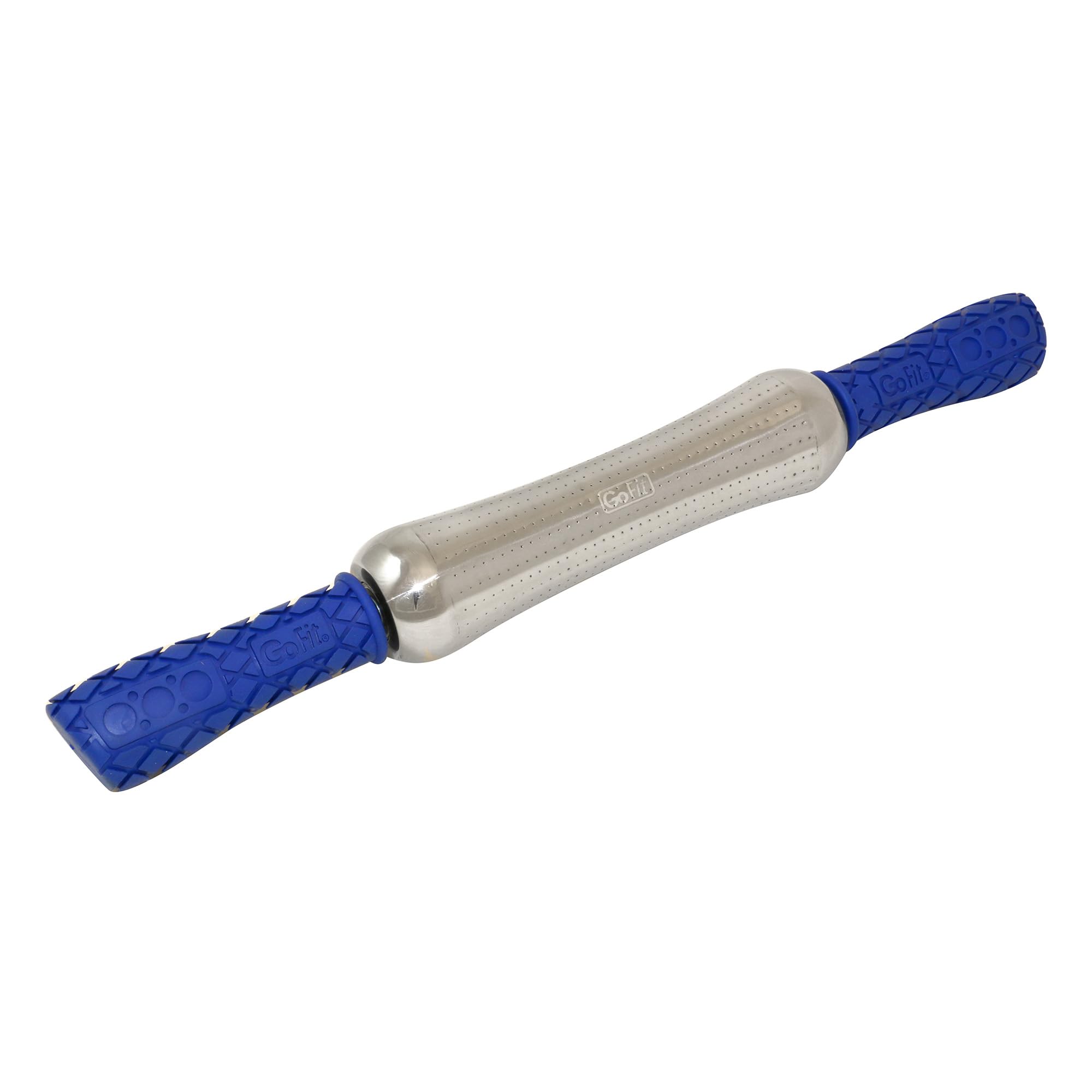
The GoFit Polar Roller is a cold therapy massage bar that combines the benefits of cryotherapy with targeted manual pressure, making it a unique recovery tool for acute inflammation and post-workout soreness. The liquid-filled core freezes in a standard freezer and stays cold for the duration of a massage session, and the compact 17.75-inch length allows you to reach the lower back, elbows, and ankles without needing a full-size roller. The ergonomic handle fits comfortably in one hand for self-treatment, and the round profile rolls smoothly across tight muscles without snagging on clothing or skin.
Customers recovering from plantar fascia release surgery found it invaluable for nightly scar tissue massage, and athletes used it to ice sore elbows and shins without the mess of a gel pack. The cold temperature is therapeutic but not painful — it stays cool enough to reduce swelling without freezing the skin. The first-generation units had occasional seal failures where the liquid leaked, though later production runs appear to have resolved this issue. The handle could be slightly longer for two-handed pressure on the back, but the design prioritizes portability and one-handed operation for hard-to-reach areas like between the shoulder blades.
If you need cold therapy combined with massage in a single device, the GoFit Polar Roller fills a unique niche that no foam cylinder can match. The trade-off is that it does not provide deep-tissue pressure on its own — you provide the force manually — so it is best used as a recovery adjunct rather than a primary back-stretching tool.
Why it’s great
- Combines cold therapy with targeted massage pressure
- Compact bar reaches difficult spots like ankles and elbows
- Stays cold for the duration of a full session
Good to know
- Manual pressure only — no self-loading bodyweight action
- Early units had occasional leaking issues
FAQ
Can I use a back roller if I have a herniated disc?
How long should I roll my back per session?
What is the difference between a back roller and a massage gun?
Final Thoughts: The Verdict
For most users, the best back roller winner is the Chirp Wheel because its spinal channel and high weight capacity deliver targeted decompression without requiring advanced rolling technique. If you want the deep-tissue feel of a professional massage at home, grab the TriggerPoint GRID 1.0. And for those who prioritize spinal safety above all else, nothing beats the contoured design of the Rollga Foam Roller LITE as a spine-friendly entry point.