
Our readers keep the lights on and the weekend projects moving. As an Amazon Associate, I earn from qualifying purchases.
That dull ache in your lower back after a few hours at your desk isn’t just a nuisance — it’s your spine signaling distress from poor support. A back support cushion directly addresses this by filling the gap between your lumbar curve and the chair back, maintaining proper alignment even during long stretches of seated work.
I’m Rikta — the co-founder and writer behind FitlyFast. After hours of researching product specs, customer feedback, and physical design details across dozens of lumbar support options, I’ve identified the features that genuinely separate effective cushions from those that just look supportive on a product page.
This guide evaluates seven contenders to help you find the best back support cushion for office chair that matches your sitting habits and body type.
How To Choose The Best Back Support Cushion For Office Chair
Not all lumbar supports work the same way. Some simply add padding, while others actively reposition your pelvis. Understanding a few key design choices will help you avoid cushions that look right but deliver disappointment after a week of use.
Adjustability: The Real Measure of Custom Fit
A static foam wedge forces your spine into whatever shape the manufacturer chose. Adjustable straps and height settings allow you to target the exact curve of your lumbar spine — the L3 to L5 vertebrae region. Look for a cushion with at least one inch of vertical adjustment and strap tension that can be tightened independently of the seat cushion.
Foam Density and Longevity
Standard polyurethane foam compresses noticeably within three months of daily use. Extra-dense memory foam (typically 5 to 8 pounds per cubic foot) retains its shape longer and provides continuous resistance rather than sinking into a pancake. Check user reviews for mentions of flattening after a few months — that’s the clearest signal of inadequate foam quality.
Combination vs. Separate Units
Some products combine a seat cushion with a back support in one piece. This all-in-one design can save space but often forces a fixed relationship between seat angle and lumbar depth. Separate units allow independent positioning — you can slide the seat cushion forward while keeping the back pad firmly against the chair. For users with specific tailbone pain, a seat cushion with a coccyx cutout paired with an adjustable lumbar pad offers the most targeted relief.
Quick Comparison
On smaller screens, swipe sideways to see the full table.
| Model | Category | Best For | Key Spec | Amazon |
|---|---|---|---|---|
| Lifted Lumbar | Cushion Combo | All-day office & driving | 14-hour comfort rating | Amazon |
| FAMIDOLE OC059 | Desk Chair | Heavy-duty use | 350 lb max weight | Amazon |
| CASASIO Mesh Chair | Desk Chair | Flippable arm small spaces | 3.5″ thick cushion | Amazon |
| Hayelf High Back | Desk Chair | Tall user posture | 2D adjustable headrest | Amazon |
| Mimoglad Mesh Chair | Desk Chair | Breathable lumbar comfort | 4″ thickened seat foam | Amazon |
| C CUSHION LAB Gray | Seat Cushion | Tailbone & hip pressure | Extra-dense charcoal foam | Amazon |
| C CUSHION LAB Black | Seat Cushion | Car & wheelchair comfort | Soft velvety memory foam | Amazon |
In‑Depth Reviews
1. Lifted Lumbar Adjustable Cushion
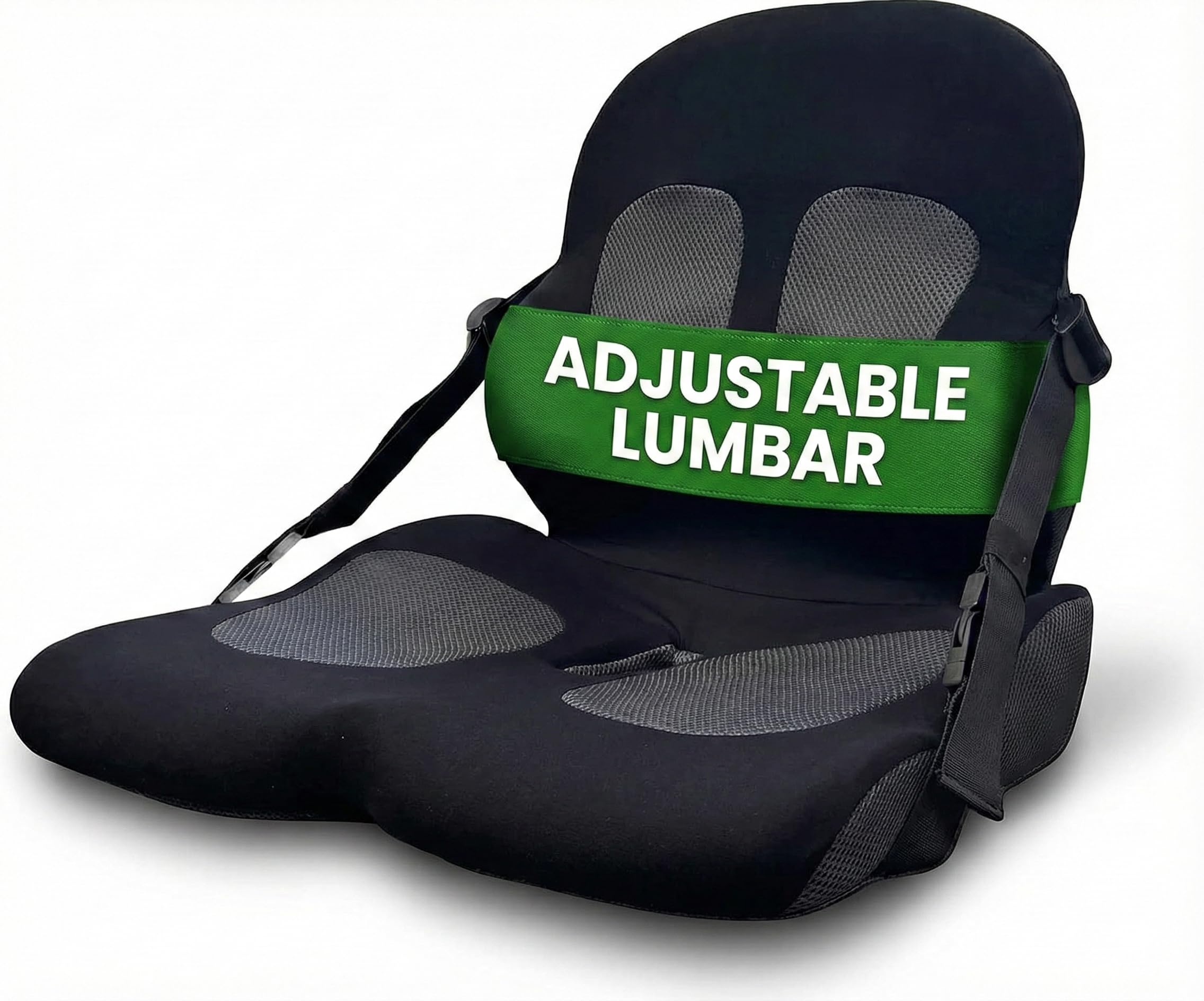
The Lifted Lumbar combines a memory foam seat cushion with an adjustable back pad in one connected unit. The back support moves vertically and its strap tension can be tightened independently from the seat, so you can dial in lower back compression without the cushion sliding forward. It’s tested comfortable for up to fourteen hours of continuous sitting — a claim backed by numerous reviews mentioning severe shoulder blade pain elimination after switching to this pad.
Users consistently report that the seat portion is firm rather than plush, with thick memory foam that cradles the sit bones and relieves coccyx pressure. The back portion encourages subtle micro-shifts in posture rather than locking you into one rigid position, which helps maintain blood flow during long work days. The build quality uses durable stitching and fabric that doesn’t pill after months of use.
On cramped airline seats, the unit’s bulk becomes a drawback — it reduces legroom enough to be bothersome. And some users found the foam softer than expected, especially if they expected a rigid orthotic feel. But for dedicated office chair use and car commuting, the adjustability sets it apart from one-size-fits-all alternatives.
Why it’s great
- Adjustable lumbar height and strap tension for custom fit
- Thick memory foam reduces tailbone and hip pressure
- Proven 14-hour comfort for all-day desk workers
Good to know
- Too bulky for airplane seat use
- Some users find the foam softer than expected
2. FAMIDOLE OC059 Ergonomic Chair
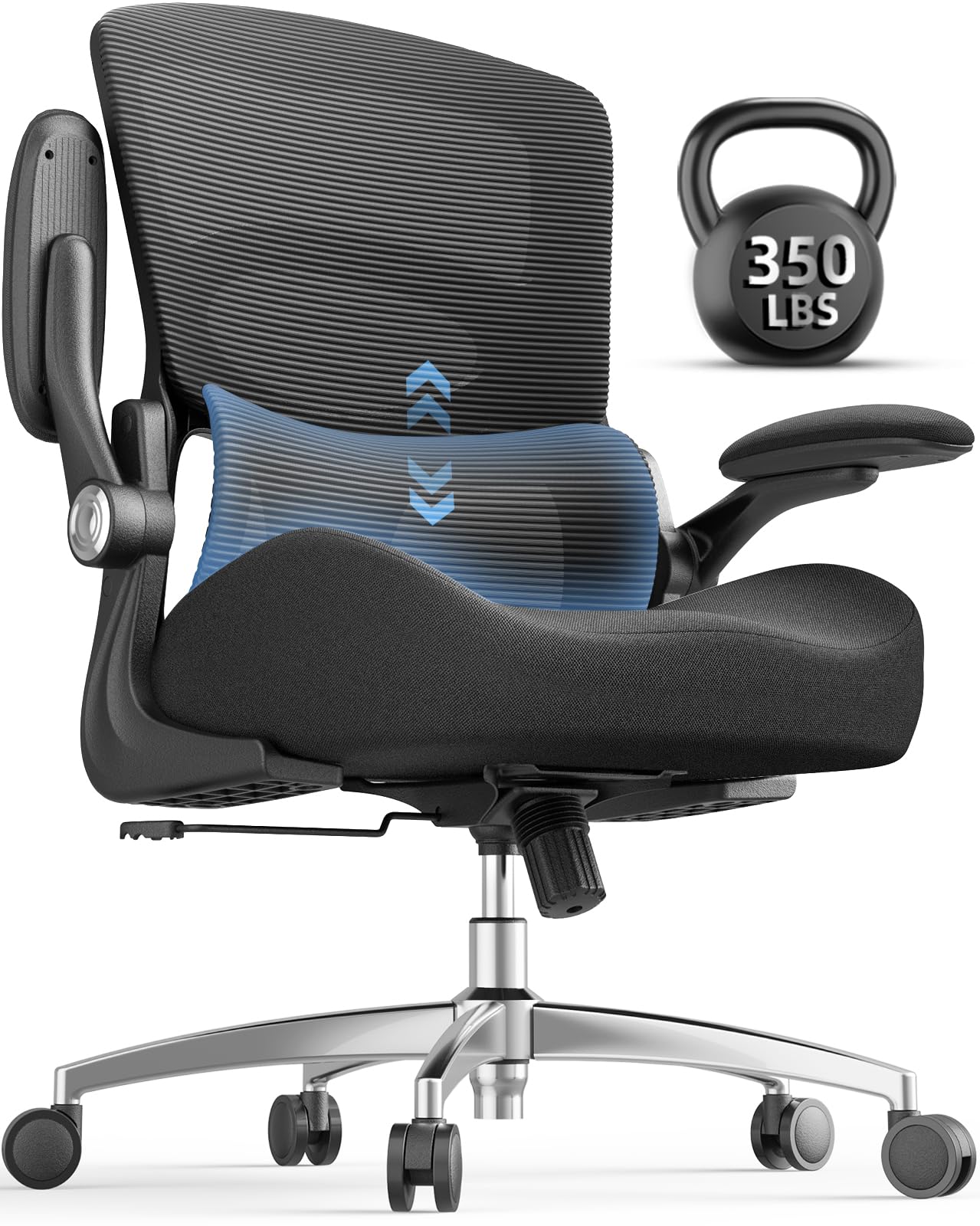
This is an actual office chair with a built-in adjustable lumbar support, not a standalone cushion. The lumbar pad moves up to 2.95 inches vertically, letting you match the exact curvature of your lower spine. The seat cushion is 4.9 inches thick — noticeably higher than the typical 3-inch standard found on most budget chairs — and uses high-density molded foam that resists flattening even under heavier loads.
The reinforced metal base supports up to 350 pounds, and the silent PU wheels roll smoothly on both carpet and hard floors. Flip-up armrests swivel 180 degrees, making it easy to slide the chair under a desk when not in use. Users with long sitting hours report that the sculpted seat eliminates hip pain and lower back fatigue, with the adjustable lumbar being the standout feature.
Some users find the lumbar support too aggressive — it pushes the upper back off the chair if you’re shorter or prefer a less pronounced curve. The armrests only adjust in height at max extension, which may frustrate those who like to lean and need higher arm support. Assembly is straightforward with pre-labeled parts, though a few users reported bolt alignment issues.
Why it’s great
- Generous 2.95-inch lumbar height adjustment
- Extremely thick 4.9-inch seat cushion
- Durable 350-pound weight capacity
Good to know
- Lumbar support can feel too aggressive for some
- Armrests lack height range for taller users
3. CASASIO Mesh Desk Chair
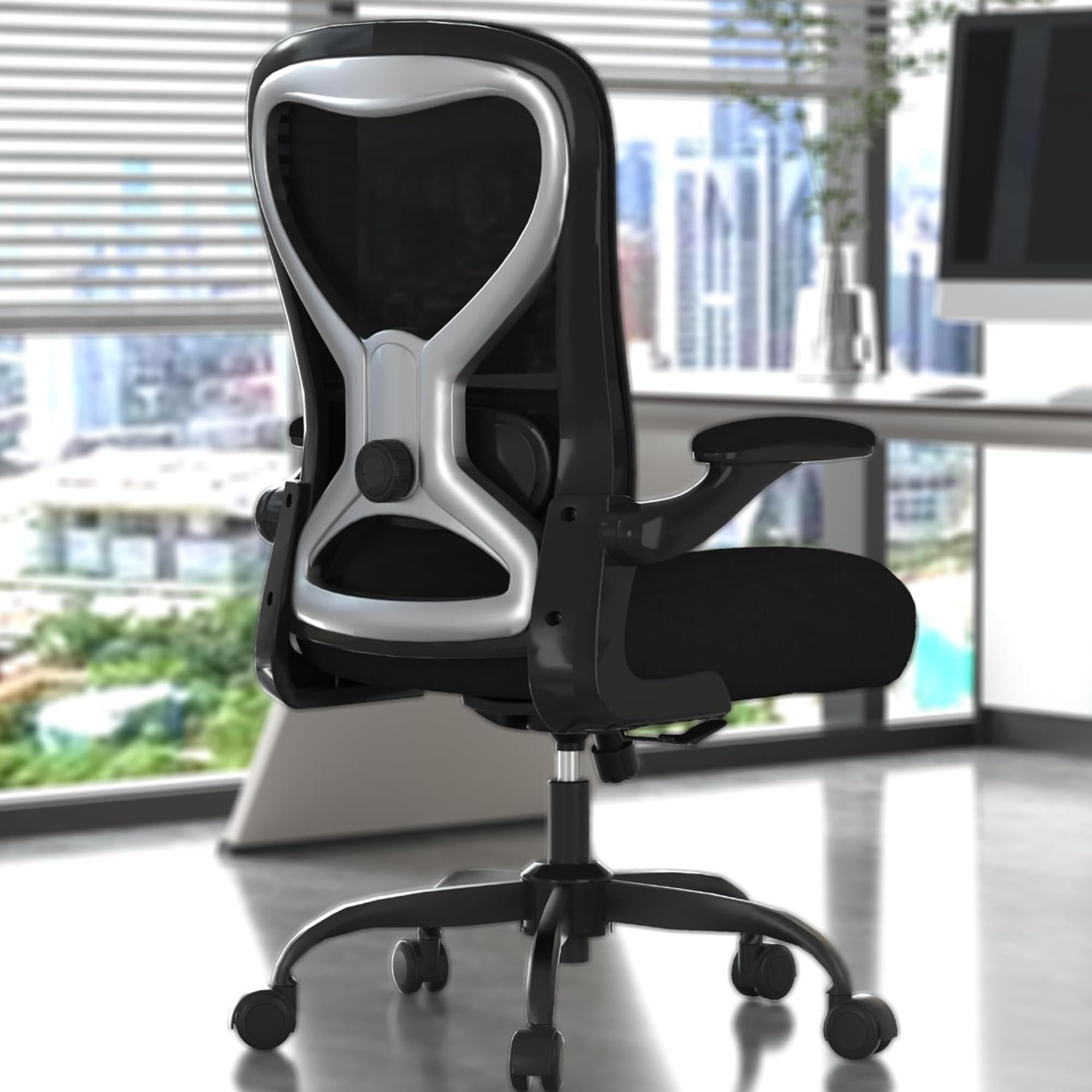
The CASASIO chair’s lumbar support moves in four directions — up, down, in, and out — allowing precise targeting of the lower back curve. The seat cushion is 3.5 inches thick, a full inch thicker than many competing chairs in this space, and uses plush foam that users describe as soft without bottoming out. The high-back mesh design keeps air flowing, so you won’t stick to the backrest during warm days.
Flip-up armrests are a practical space-saver: you can raise them to slide the chair completely under a desk, freeing floor space in small apartments or cramped home offices. The tilt-and-rock mechanism includes adjustable tension, letting you customize how much the chair reclines. Assembly is straightforward with clear instructions and included tools, and the responsive customer service team addresses issues quickly.
A common complaint is that the armrests aren’t height-adjustable — they’re fixed at a standard height, which feels too low for taller users. Some wish the arms were higher, but aftermarket arm pads can fix this. The chair is also on the smaller side, best suited for users under six feet tall.
Why it’s great
- Four-way adjustable lumbar support
- Space-saving flip-up armrests
- Plush 3.5-inch thick seat cushion
Good to know
- Armrests are not height-adjustable
- Best suited for users under 6 feet
4. Hayelf High Back Mesh Chair
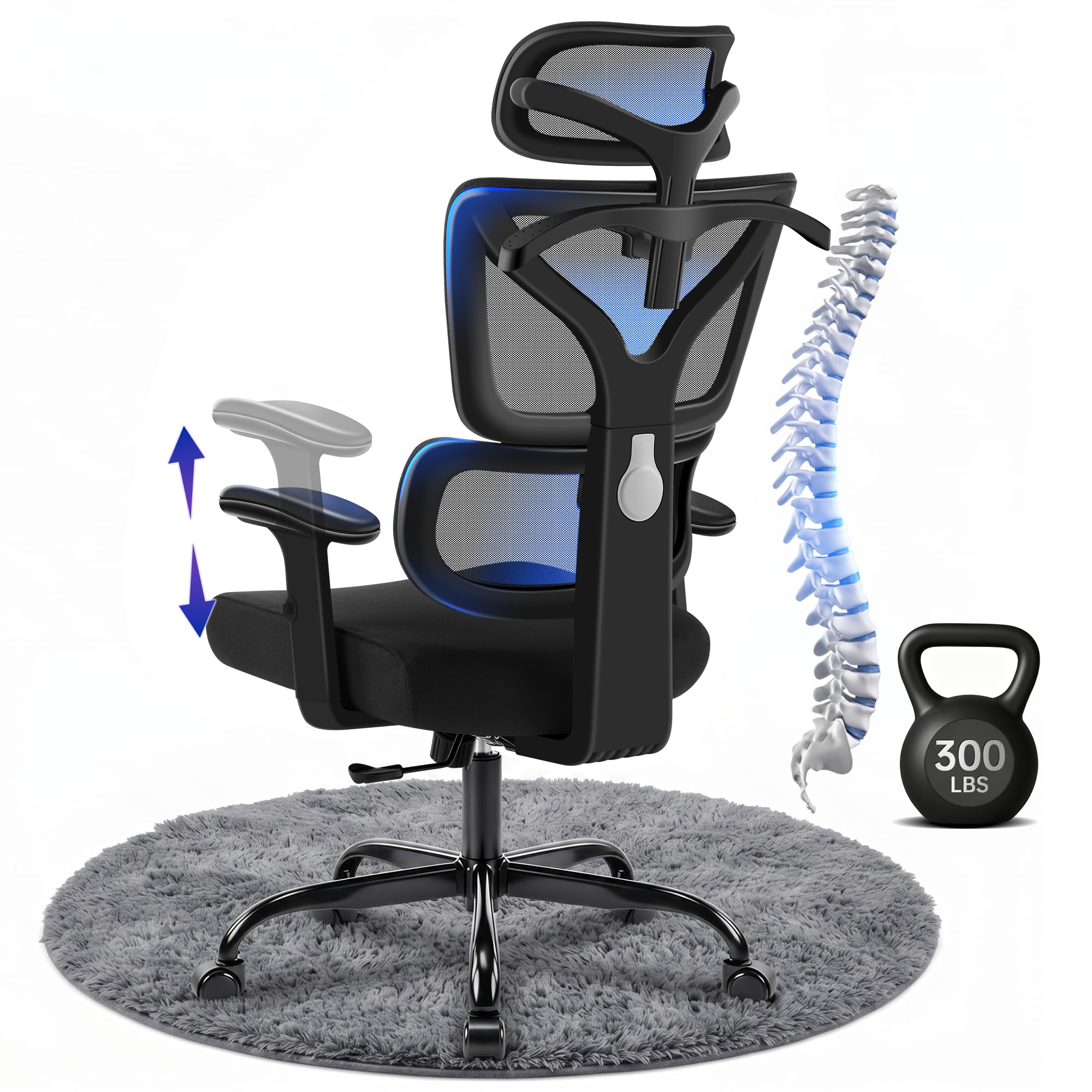
The Hayelf chair features adaptive lumbar support that flexes with your lower back instead of forcing a fixed curve. The high-back design minimizes the gap between your shoulders and the chair back, which helps maintain upright posture without slouching. A 2D adjustable headrest lets you position neck support both vertically and rotationally, making this a strong contender for users over six feet who often find headrests too low.
The seat uses high-resilience sponge foam that stays firm without flattening over time, and the dual-layer breathable mesh backrest increases airflow to reduce sweating during extended sessions. A built-in coat hanger on the back saves floor space. Tool-free assembly takes roughly 15 minutes, and the SGS Class 4 certified gas lift provides smooth, quiet height adjustment.
Some users report that the chair feels fragile — one review noted the backrest broke after less than two months of use, which raises durability concerns. The armrests only adjust to standard height at max extension, so taller users who want higher arm support may be disappointed. The chair also lacks seat depth adjustment, which can leave shorter users with excess pressure behind the knees.
Why it’s great
- Adaptive lumbar flexes with movement
- 2D adjustable headrest for tall users
- Tool-free assembly in about 15 minutes
Good to know
- Some durability concerns reported
- No seat depth adjustment
5. Mimoglad High Back Mesh Chair
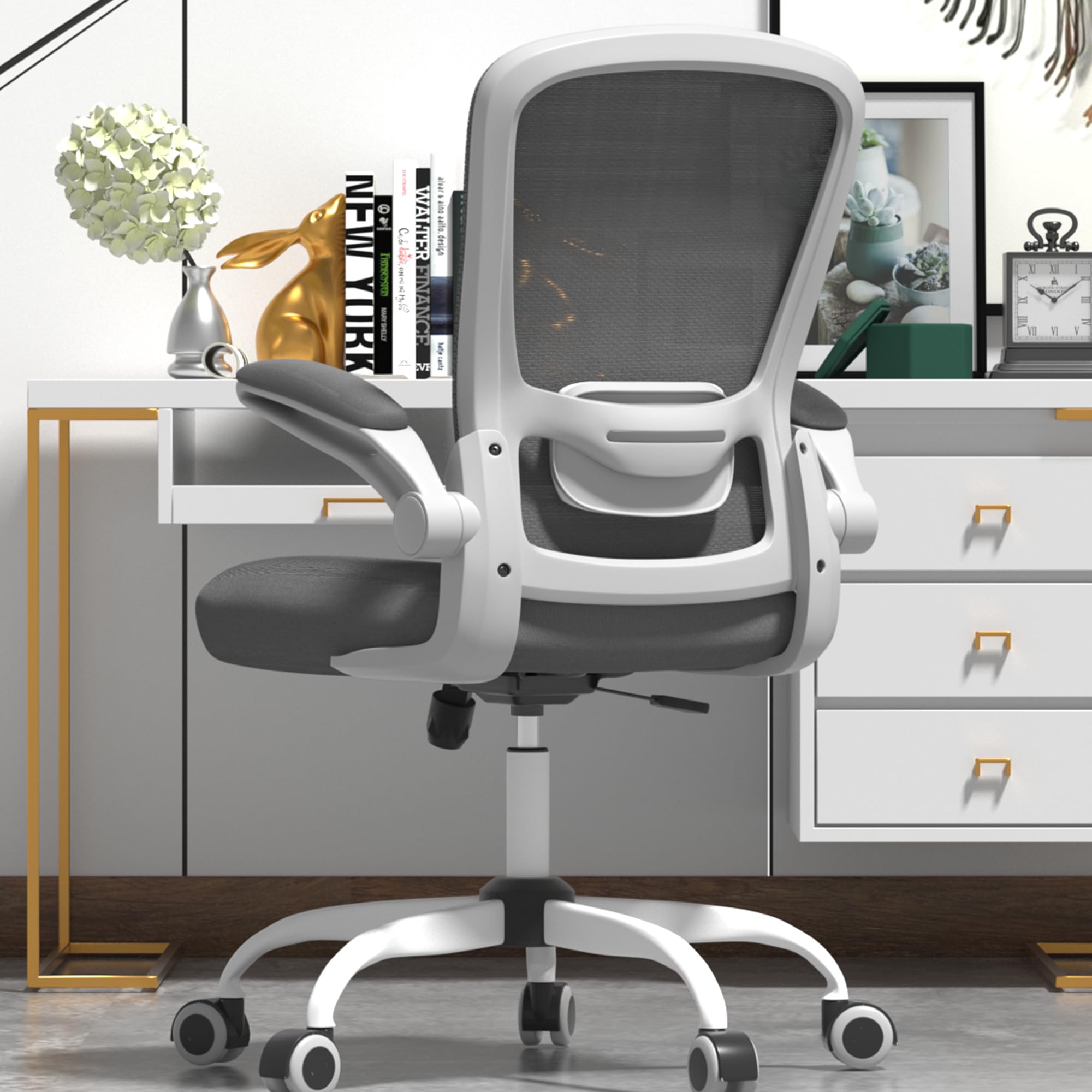
Mimoglad’s chair focuses on three zones: shoulders, high back, and lumbar. The adjustable lumbar pad includes padding that helps combat lower back pain, and the seat cushion has been thickened from 3.4 to 4 inches using high-resilience foam. The foam conforms to your hips to reduce tailbone pressure, and the breathable mesh fabric prevents heat buildup — a notable advantage over leather or bonded leather chairs.
The chair rocks from 90 to 135 degrees, with locking positions for focused work and relaxed recline. The gas lift offers four inches of height range, making it adaptable to different desk heights. Assembly takes under 30 minutes, and the brand offers a full five-year warranty, which is longer than most competitors in this category. Users consistently praise the customer service team’s responsiveness.
Some users report that the seat cushion feels flat rather than contoured — it lacks the curved shape that helps guide your hips into proper alignment, which can cause pressure on the tailbone after extended periods. The armrests are rounded but not adjustable, which limits fit customization. The chair also has a relatively narrow seat base, which may feel restrictive for larger body types.
Why it’s great
- Thick 4-inch high-resilience foam seat
- Five-year warranty for long-term assurance
- Breathable mesh keeps you cool during long sits
Good to know
- Seat cushion lacks contour for hip guidance
- Armrests are fixed and not adjustable
6. C CUSHION LAB Seat Cushion (Gray)

This standalone seat cushion from C CUSHION LAB is designed specifically for pressure relief on the tailbone, hips, and sciatic nerve. Its proprietary extra-dense charcoal memory foam is softer than typical high-density foam but retains shape over months of use — some users report no flattening after six months. The ergonomic contour cradles the thighs and hips, encouraging a straighter sitting posture by redistributing weight away from the coccyx.
The upholstery uses 100% recycled polyester, and the cover is removable and washable — a practical feature for daily use. The cushion is 16 inches square and 2 pounds, making it portable enough to move between office chair, car seat, and wheelchair. Users with tailbone injuries or disc herniation report significant pain reduction, with one customer noting it helped a dementia patient avoid pressure sores.
The cushion is on the softer side, which means heavy users may find it compresses more than they’d like. It also lacks any back support — it’s purely a seat cushion, so you’ll still need separate lumbar support for upper back pain. Some users note that daily use causes it to degrade within four to six months, requiring replacement.
Why it’s great
- Excellent tailbone and hip pressure relief
- Removable, washable cover
- Portable size for multi-surface use
Good to know
- Soft foam may compress for heavier users
- No built-in back support
7. C CUSHION LAB Seat Cushion (Black)

The black variant of C CUSHION LAB’s seat cushion uses the same proprietary extra-dense charcoal foam but features a velvet fabric finish that feels soft and velvety to the touch. Its ergonomic shape is identical to the gray version — contoured to cradle the thighs and hips, with a cutout design that shifts pressure away from the tailbone and sciatic nerve. Users with chronic tailbone pain from disc herniation consistently report it as the only cushion that works after trying multiple alternatives.
The cushion is 16 inches wide and deep, fitting most standard office chairs and car seats without overhang. The black color hides dirt better than lighter fabrics, making it a practical choice for daily commuting or wheelchair use. The cover is removable and machine-washable, and the foam remains odor-free even after extended use — a common issue with lesser memory foam products.
Like the gray version, this cushion is on the softer side and will compress more for heavier individuals. It degrades faster with daily use — some users report needing replacement every four to six months for heavy office chair use. It also doesn’t include any back support component, so it’s best paired with a separate lumbar cushion if you need upper back relief.
Why it’s great
- Soft velvet fabric feels comfortable against skin
- Effective sciatic and tailbone pressure reduction
- Washable, odor-free memory foam construction
Good to know
- Soft foam degrades faster under daily weight
- No lumbar or back support included
FAQ
Will a back support cushion actually fix my lower back pain?
How do I know what height to set my lumbar support?
Should I get a cushion with a seat and back combined or separate pieces?
Final Thoughts: The Verdict
For most users, the best back support cushion for office chair winner is the Lifted Lumbar because its adjustable height and strap tension let you fine-tune the fit to your specific spine curve, while the integrated seat cushion addresses both lumbar and tailbone support. If you want a complete chair with built-in adjustable lumbar, grab the FAMIDOLE OC059 for its thick 4.9-inch seat and 350-pound capacity. And for pure tailbone relief on a budget, nothing beats the C CUSHION LAB cushion.