
Our readers keep the lights on and the weekend projects moving. As an Amazon Associate, I earn from qualifying purchases.
Specs are compiled from manufacturer listings and verified buyer reviews and can change over time — please confirm the key details on the product page before buying.
Picking a tent for one can feel like a trade-off between weight and livability — the lightest shelters feel cramped, while the roomy ones are heavy enough to slow your pace. The best choice lets you sleep well without dreading the carry.
I’m Rikta — the founder and writer behind FitlyFast. This guide is built by comparing the manufacturers’ published specifications and the patterns across verified customer reviews, so you get each pick’s real strengths and trade-offs instead of marketing spin.
Here is how to find a backpacking 1 person tent that fits your stride and your budget, with the real-world specs that matter for a solo night out.
Quick Picks
- MSR Freelite 1-Person Ultralight Backpacking Tent — Best Overall
- The North Face Stormbreak 1 One-Person Camping Tent — Best Value
- ALPS Mountaineering Zephyr 1-Person Tent — Roomiest Pick
- Featherstone Backpacking Tent Lightweight 1-Person — Sleek & Light
- ALPS Mountaineering Lynx 1 — Budget Tough
- LIVEKOOQ 1 Person Ultralight Backpacking Tent — Budget Ultralight
- iClimb Ultralight 4 Season Solo Tent — 4-Season Value
How To Choose The Best Backpacking 1 Person Tent
The right tent for a solo trip balances how much it weighs on your back against how much room you have inside when you stop for the night. Here is what separates a good pick from a bad one.
Weight vs Livable Space
A tent under 3 pounds is a joy to carry on a long hike, but the lightest models often cut corners on floor width or headroom. If you are over 6 feet tall, check the floor length and peak height — a cramped shelter ruins your sleep more than an extra pound does.
Freestanding vs Semi-Freestanding
A freestanding tent uses poles to hold its shape without stakes, making it fast to pitch on dirt, sand, or a tent platform. A semi-freestanding design needs the foot end staked out, which saves weight but limits where you can set up. On rocky or hard-packed ground, the freestanding option is less frustrating.
Waterproofing and Ventilation
Look for a rainfly with a coating of 1500mm or higher and factory-taped seams — that combination repels steady rain. A double-wall design (mesh inner plus solid fly) lets condensation escape, so you wake up dry rather than damp inside your bag.
Quick Comparison
| Model | Best For | Weight | Floor Area | Packed Size | Amazon |
|---|---|---|---|---|---|
| MSR Freelite 1 | Premium ultralight | Under 2 lbs | 20 sq ft | Ultra-compact | Amazon |
| The North Face Stormbreak 1 | Reliable value | 3 lbs 7 oz | 18.13 sq ft | Compact | Amazon |
| Featherstone 1-Person | Mid-range performance | 3 lbs 3 oz | 21.6 sq ft | 2-liter size | Amazon |
| ALPS Mountaineering Zephyr 1 | Best headroom | ~4 lbs | 23 sq ft | Standard | Amazon |
| ALPS Mountaineering Lynx 1 | Budget durability | 4 lbs 1 oz | 20 sq ft | 17 x 5 inches | Amazon |
| LIVEKOOQ Ultralight 1-Person | Ultralight budget | 2.2 lbs | 2640.25 sq in | 11.8 x 4.7 inches | Amazon |
| iClimb Ultralight 4 Season | 4-season value | 5 lbs | 15.28 sq ft | 16.5 x 6 inches | Amazon |
In‑Depth Reviews
1. MSR Freelite 1-Person Ultralight Backpacking Tent
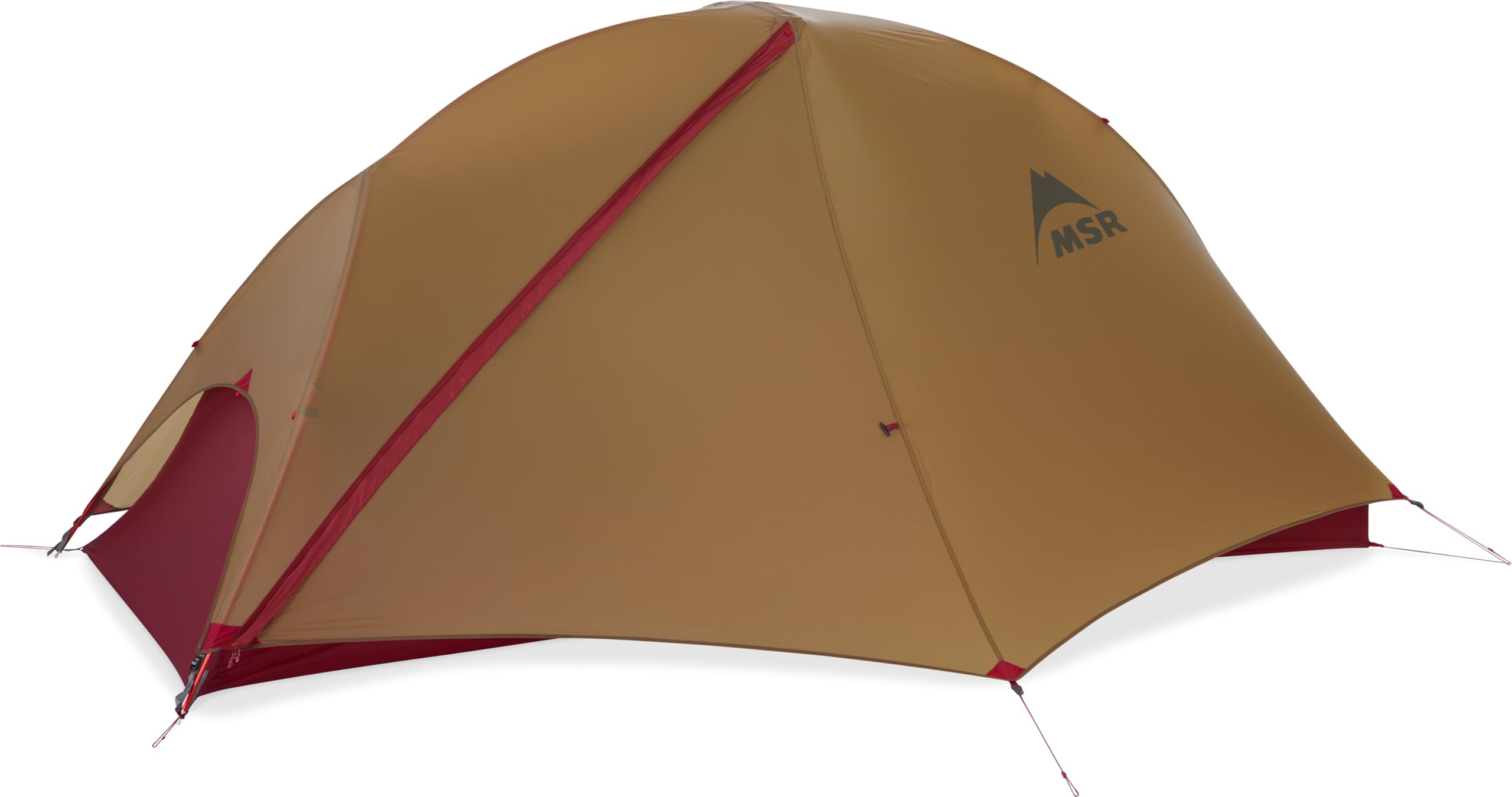
The ultralight solo shelter that packs like a jacket, sleeps like a real tent.
At under 2 pounds, this tent lets you carry a full shelter without feeling the weight. The floor area of 20 square feet is roomy enough for a single pad and some gear, and the 39 inches of headroom — a full 1.00 meter — means you can sit up to change clothes without banging your head. The rectangular floorplan is 87 inches long and 33 inches wide, so there is actual space for your elbows and feet.
The rainfly and floor use a DuraShield coating (a waterproof PU layer) with fully taped seams, keeping rain and ground moisture out. DAC NFL poles (lightweight aluminum tent poles) hold the shape without adding heft. Buyers report the tent feels extra light and compact, though some note the nylon rainfly stretches when wet, requiring occasional retensioning. One reviewer noted a ripped guylines in wind, so use the included guy points on exposed sites.
This tent weighs far less than the 5 lbs of the iClimb model below, and the difference is noticeable on any hike over a few miles.
Why it earns the top spot
- Under 2 lbs total weight, the lightest in this lineup
- 39 inches of headroom for comfortable sitting
- Tech-friendly pockets with cable ports for device charging
The trade-offs
- Expensive — premium tier pricing
- Nylon rainfly stretches when wet; needs retensioning
- A few owners mention pole or stake issues, so inspect before a long trip
Reach for this if: you prioritize an ultralight carry and are willing to pay for it — the 20 sq ft floor and 87-inch length fit most sleepers well.
Look elsewhere if: you need a fully freestanding tent that stands up without tent stakes on hard ground.
2. The North Face Stormbreak 1 One-Person Camping Tent

A classic three-season solo shelter that pitches fast and stays dry.
The Stormbreak 1 uses fully seam-taped canopies and floor — every seam is sealed at the factory — so water stays out even in steady rain. The total weight is 3 pounds 7 ounces, with a trail weight of 3 pounds 1.4 ounces (removing the stuff sack and some extras). At 18.13 square feet of floor area, the interior is snug for one person and their pad, with a small vestibule for gear storage.
The high-low ventilation openings let air flow through the tent, cutting down on condensation on cool nights. The 75D polyester taffeta fabric on both the rainfly and floor resists tears and holds up over repeated setups. Customers note the tent is roomy for one, sets up in minutes, and fits well in a backpack. One buyer mentioned that the included stakes are a bit heavy and replaced them with aluminum versions.
Unlike the ALPS Zephyr below, this model uses straightforward pole clips rather than pre-bent poles, so assembly is simpler for a first-time tent owner.
What works well
- Fully seam-taped canopy and floor for waterproofing
- High-low vents reduce condensation
- Freestanding design pitches on any surface
What to know
- 18.13 sq ft is tight for a taller sleeper and gear inside
- Footprint sold separately
- Stakes are functional but a bit heavy
Best for: a solo hiker who wants a dependable, no-surprises shelter at a fair price — the weight-to-durability ratio is tough to top at this level.
skip it if: you need more floor space or a second vestibule for gear; this tent is strictly one-person with no gear inside.
3. ALPS Mountaineering Zephyr 1-Person Tent

Pre-bent aluminum poles give this solo tent walls that are steep and spacious.
The Zephyr uses pre-bent 7000 series aluminum poles (a strong aluminum alloy) to push the side walls out, creating 23 square feet of floor area — the most of any tent in this lineup. The floor is 86 inches long and 3.8 feet wide (roughly 46 inches), so you have room to spread your sleeping pad and store a duffel or pack inside. The full mesh walls maximize airflow, keeping you cool in humid conditions.
The 75D 185T polyester rainfly has a 1500mm coating factory-sealed, so it resists rain without adding much weight. The single door gives you easy entry, and the vestibule covers a small backpack or boots outside. Reviewers point out the tent handles snow, rain, and heavy wind well, and they note it is roomy even for a 6-foot-2-inch sleeper. Some mention the tent is about 4 pounds, which is not ultra-light but is very livable for the space.
Compared to the Lynx 1 (also from ALPS), the Zephyr delivers significantly more headroom and floor width for a similar weight penalty.
Standout features
- 23 sq ft floor — the roomiest single-person tent here
- Full mesh walls for excellent ventilation in summer
- Pre-bent poles create steeper walls and more usable headroom
Considerations
- ~4 lbs is heavier than ultralight options
- Only one door and vestibule
- Floor saver (footprint) sold separately
Go for this if: you want a solo tent that feels more like a small room than a bivvy — the 23 sq ft and steep walls make a real difference on rainy days spent inside.
Consider something lighter if: every ounce matters on a long-distance hike; the Featherstone below shaves about 13 ounces while still offering decent space.
4. Featherstone Backpacking Tent Lightweight 1-Person

A sil-nylon shelter with a generous floor plan and an included footprint for fast-fly setups.
Featherstone uses sil-nylon PU (a silicone-impregnated nylon fabric) with a 2000mm hydrostatic head rating — meaning the fabric withstands a column of water 2 meters high before leaking. The floor area is 21.6 square feet, and the floor is 81 inches long and 3.2 feet wide (about 38.4 inches), giving you enough space for a pad and some gear. At 3 pounds 3 ounces trail weight, it is light enough for most weekend trips.
The bathtub floor design (the floor fabric extends up the walls a few inches) keeps moisture from seeping in along the edges. Every seam is taped to prevent leaks. The double-wall construction separates the mesh inner from the rainfly, allowing condensation to escape. An overhead mesh gear loft helps organize small items. Shoppers say the tent sets up quickly, packs to about the size of a 2-liter bottle, and survived torrential rain with no leaks. One owner reported the assembly instructions are minimal, so first-time users may want to look up a video.
While the ALPS Zephyr has a bigger floor at 23 sq ft, the Featherstone is about 13 ounces lighter and includes a footprint, adding value.
Why it stands out
- Sil-nylon fabric is light and tough, used in parachutes and sails
- Includes a footprint for fast-fly ultralight setups
- 21.6 sq ft floor is roomy for a solo sleeper
Things to note
- Semi-freestanding design requires staking the foot end
- Only one door and vestibule
- Minimal printed instructions — be ready to watch a setup video
Ideal for: a solo backpacker who wants a lightweight, well-ventilated tent under 4 pounds with a included footprint — the sil-nylon material adds durability for its weight.
Not the best fit if: you want a fully freestanding tent that can be moved after pitching; the foot end needs to be staked.
5. ALPS Mountaineering Lynx 1

A rugged, freestanding dome that offers a lot of tent for the money at a 5-pound total weight with all included components.
The Lynx 1 uses a 75D 185T polyester rainfly with a 1500mm coating and a 75D 185T 2000mm poly taffeta floor — that floor is the thickest, most puncture-resistant material in this list. The 20 square feet of floor space comes from a base size of 7 feet 6 inches long and 2 feet 8 inches wide (32 inches). The center height is 36 inches (3 feet), enough for sitting upright. The freestanding two-pole aluminum frame makes setup simple: stake out the corners, snap the poles in, and you have a shelter.
The half-mesh walls reduce condensation while keeping the inner tent warmer than a full-mesh design. A vestibule at the door stores a backpack or boots, and interior mesh pockets organize small gear. Buyers report this tent is rugged, warm, seam-sealed, and idiot-proof to set up. One reviewer notes the 5-pound total weight is heavy for a 1-person tent, but the freestanding design and durable 70D floor make it a worthwhile trade-off. Another buyer at 6 feet 3 inches fit comfortably with gear inside.
Compared to the iClimb tent below, the Lynx offers 20 square feet of floor area versus 15.28, giving you 31% more space, and the 32-inch width is 14% wider than the iClimb’s 28 inches.
What earns it a spot
- 20 sq ft floor is generously sized for a solo tent
- 75D 2000mm floor is tough against rocks and roots
- Freestanding design pitches anywhere, even on a tarp
What to weigh
- 4 lbs 1 oz total weight is on the heavier side for solo backpacking
- Factory stakes are poor; upgrade to MSR Groundhogs as buyers recommend
- Rainfly can accumulate condensation on humid nights
Grab this if: you value a tough, freestanding shelter that can handle repeated trips without getting damaged — the thick floor and sturdy zippers are a real advantage on rocky ground.
Look for a lighter option if: you are counting every ounce on a thru-hike; the Featherstone or MSR above will save you over a pound.
6. LIVEKOOQ 1 Person Ultralight Backpacking Tent
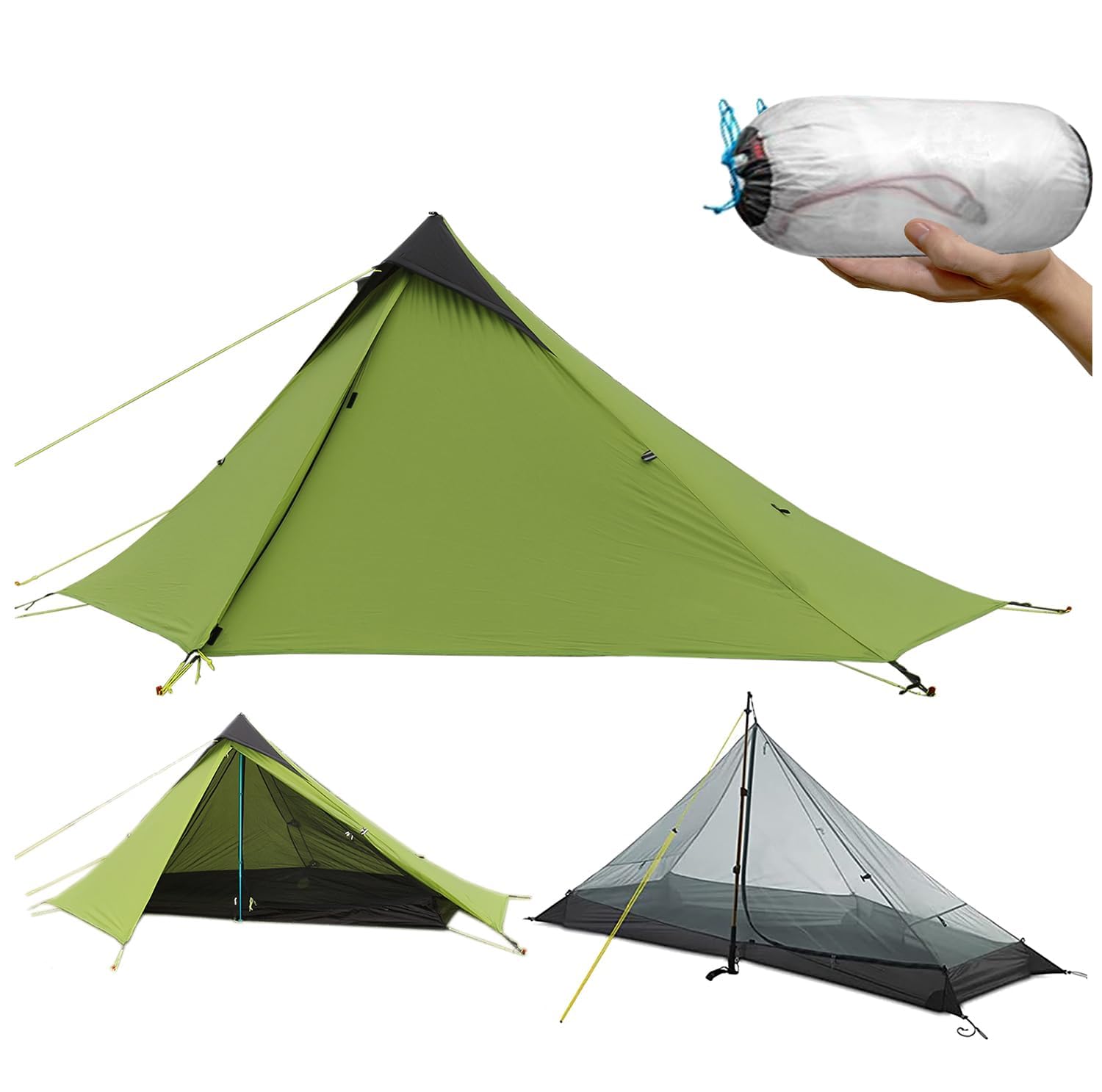
An ultralight trekking-pole shelter that can save you over 2.8 pounds compared to heavier options, but requires careful handling.
At 2.2 pounds, this tent is a clear weight win for long-distance hikers who want to shave ounces. The 15D ripstop nylon rainfly is rated at 5000mm+ waterproofness, and the 20D nylon bathtub floor is rated at 6000mm+ — both well above the typical 1500-2000mm found on budget tents. The floor is 90.55 inches long and 31.5 inches wide, making it the longest floor in this lineup, ideal for a sleeper over 6 feet. The packed size of 11.8 by 4.7 inches fits easily into a backpack.
The tent uses a double-wall design with a high-density mesh inner and an independent rainfly, reducing condensation. It can be pitched with either aluminum alloy poles or standard trekking poles (not included). Owners mention the tent is ultralight and packs very small, but some report durability issues. One customer observed “the top where the Trekking pole supports it ripped out immediately,” highlighting that the thin fabric requires gentle handling. Another reviewer recommended sealing the seams and swapping the supplied 2mm guylines for 1mm line to reduce sag.
Compared to the iClimb tent, this model is over 2.8 pounds lighter and the floor is 13% longer (90.55 inches vs 80 inches), so taller sleepers have more room.
What you get for your money
- 2.2 lbs is ultralight for the price point
- 90.55-inch floor length fits taller hikers
- 5000mm+ rainfly and 6000mm+ floor waterproofing are excellent
Where it falls short
- Thin 15D fabric can rip at stress points, especially the pole support area
- Requires trekking poles or stakes for setup — not freestanding
- Some customers note stakes breaking and recommend heavier replacements
Best for: a weight-conscious hiker who is willing to handle a tent carefully and reinforce stress points — the length and waterproofing are impressive for the weight.
Not for: someone who wants a rugged, low-maintenance shelter they can toss into a backpack; the thin fabric needs deliberate care.
7. iClimb Ultralight 4 Season Solo Tent

A four-season solo tent with a snow skirt for cold weather, though the 15.28-square-foot floor is the tightest in this review.
The iClimb tent uses ripstop 210T polyester taffeta fabric (a tightly woven polyester) with a PU 3000mm coating and fully taped seams, providing solid waterproofing for heavy rain. The 7001 aluminum alloy poles cross at the top for stability in wind. The snow skirt (a fabric flap around the base) can be packed down with snow or rocks to block drafts in winter. The setup size of 80 by 28 by 43 inches means a floor of 15.28 square feet — the smallest in this lineup. The packed size of 16.5 by 6 by 6 inches fits in a pack.
Two large D-shape doors and full mesh walls offer ventilation, and the inner tent can be used as a standalone mosquito net in mild weather. The rainfly has two doors and can be propped up with hiking poles (not included) to create a small vestibule. Reviewers point out the tent is easy to set up and keeps the interior dry, but one noted that at 6 feet 1 inch tall, the tent “feels claustrophobic.” Another reviewer praised the build quality and 360-degree mesh, calling it a great value tent-cot combo.
Given the 15.28-square-foot floor is 31% smaller than the ALPS Lynx 1’s 20 square feet, taller hikers should check the 80-inch length before buying.
What it does well
- Snow skirt adds warmth in winter conditions
- Two doors and full mesh provide good ventilation
- Aluminum poles and taped seams offer solid weather protection
Where it compromises
- 15.28 sq ft floor is small; a 6-foot-1-inch reviewer found it claustrophobic
- 5 lbs is heavy for a solo tent
- Cot attachment system had issues with poles popping out, per buyer reports
Consider this for: winter car camping or mild-weather trips where the snow skirt adds an edge — the two doors improve airflow on warm nights.
pass on it if: you are tall or need interior elbow room; the 28-inch width and 80-inch length are restrictive for larger sleepers.
Understanding the Specs
Floor Area and Dimensions
The floor area in square feet tells you how much livable space you have, but real comfort comes from the floor length and width. A tent that is 90 inches long fits a 6-foot-2-inch sleeper with room to spare, while a width of 28 to 33 inches determines whether you can store gear beside your pad. Check both dimensions rather than just the total area.
Waterproof Ratings
The hydrostatic head rating (measured in mm) tells you how much water pressure the fabric can resist before leaking. A rainfly rated at 1500mm handles moderate rain, while 3000mm or higher gives better protection in heavy downpours. The bathtub floor should match or exceed that rating to block ground moisture. Factory-taped seams prevent water from seeping through stitch holes.
FAQ
Will a 1-person tent fit a tall person over 6 feet 2 inches?
What is the difference between freestanding and semi-freestanding tents?
How much weight can a solo backpacker realistically carry for a tent?
Should I buy a 3-season or 4-season tent for backpacking?
What does a 2000mm waterproof rating mean for rain protection?
Is a double-wall tent better than a single-wall for condensation?
How important is the vestibule in a 1-person tent?
Can I use a trekking-pole tent if I do not use trekking poles?
Final Thoughts: The Verdict
For most people, the backpacking 1 person tent winner is the MSR Freelite 1 because it combines the lightest carry weight with a roomy rectangular floor and full weather protection for premium solo trips. If you want a more affordable option that still offers excellent durability and a freestanding design, grab the The North Face Stormbreak 1. And for the best headroom and interior space at a reasonable weight, the standout is the ALPS Mountaineering Zephyr 1.
How We Picked
We do not accept paid placement. Every pick is matched to a real buyer and a real use-case; we do not hands-on test units.
Sources & Methodology
Specifications: manufacturer listings and product documentation. Review insights: verified customer reviews, as of July 2026. Pricing: not shown on this page (it changes often); check the current price via the retailer link.
As an Amazon Associate, FitlyFast earns from qualifying purchases. This does not affect which products we feature.