
Our readers keep the lights on and the weekend projects moving. As an Amazon Associate, I earn from qualifying purchases.
A backpacking bar isn’t a snack — it’s the fuel that powers your next ridge line, river crossing, or summit push. The difference between a good day on the trail and a bonk that derails your trip often comes down to what’s in your hip belt pocket. The wrong bar leaves you hungry, heavy, or running for a bathroom behind a tree. The right one delivers steady energy, packs tight, and tastes good enough that you actually want to eat it after three days of eating out of a bag.
I’m Rikta — the co-founder and writer behind FitlyFast. I’ve spent countless hours comparing ingredient labels, calorie-to-weight ratios, and real-world trail performance to separate the bars that belong in your pack from those best left on the shelf.
Whether you’re planning a weekend thru-hike or a multi-day alpine traverse, finding the best backpacking bars means balancing caloric density, digestibility, and real food ingredients without the marketing fluff.
How To Choose The Best Backpacking Bars
Every ounce in your pack counts, and a bar that crumbles in your pocket or melts into a sticky mess is dead weight. Focus on three pillars: caloric density, ingredient integrity, and real-world trail performance. A bar with a clean label that sits well in your stomach and delivers steady energy is worth ten that look good on paper but fail on day two.
Caloric Density Per Ounce
Backpacking demands energy, and you need every calorie to earn its carry weight. Look for bars delivering at least 100 calories per ounce — anything less means you’re hauling filler. Premium options like meal bars often hit 130-150 calories per ounce, turning each bite into meaningful fuel for the miles ahead.
Ingredient Transparency
The best backpacking bars list ingredients you recognize. Whole oats, nuts, seeds, dried fruit, and clean protein sources like egg whites or plant isolates perform better than bars loaded with sugar syrups, soy lecithin, and preservatives. Check for organic certifications, non-GMO verification, and minimal processing — your digestive system will thank you at mile fifteen.
Texture and Temperature Tolerance
A bar that turns into a melted puddle in summer heat or crumbles into dust in winter cold fails the trail test. Dense, chewy constructions with nut butters and oats hold up better in a hip belt pouch than delicate wafers or chocolate-coated options. Consider resealable packaging that keeps bars fresh across multiple days of hiking.
Quick Comparison
On smaller screens, swipe sideways to see the full table.
| Model | Category | Best For | Key Spec | Amazon |
|---|---|---|---|---|
| Greenbelly Backpacking Meals | Meal Bar | Multi-day calorie density | 650 cal per pouch | Amazon |
| PROBAR MEAL Bar | Meal Bar | Full meal replacement | 360 cal per bar | Amazon |
| Skratch Labs Energy Bar | Energy Bar | Endurance activity fueling | 9-11g sugar per bar | Amazon |
| RecPak Liquid Meal | Liquid Meal | No-cook backcountry nutrition | 700 cal per pouch | Amazon |
| RXBAR Nut Butter and Oat | Protein Bar | Clean ingredient trail snack | 10g protein per bar | Amazon |
| CLIF BAR Variety Pack | Energy Bar | Moderate-intensity sustained energy | 10-11g protein per bar | Amazon |
| LUNA Bar Variety Pack | Snack Bar | Lightweight gluten-free snacking | 7-9g protein per bar | Amazon |
In‑Depth Reviews
1. Greenbelly Backpacking Meals

Greenbelly delivers what no other bar in this lineup does: a full 650-calorie meal in two dense, portable bars per pouch. That’s a caloric density most freeze-dried meals can’t match, and it comes with zero cooking, zero cleanup, and zero stove weight. The resealable zip-close packaging keeps the bars fresh across multiple days, and the whole-food ingredient list — oat flour, peanut butter, dried fruit, seeds — reads like a trail kitchen rather than a chemistry lab. Real hikers have taken these through the Amazon Jungle Ultra and 40-mile desert treks with 10,000 feet of elevation gain, and the consensus is clear: they deliver steady, sustained energy without the sugar crash.
Texture is the trade-off. These bars are dense and dry, with a flaky quality that some describe as stale-chewy. You’ll want water nearby to wash down each bite, especially on hot days when your mouth is already dry from breathing hard. The flavors — peanut butter apricot and banana dark chocolate — are decent but not exceptional, leaning toward muted and earthy rather than sweet and indulgent. One bar per pouch is noticeably thicker than the other, which feels like a quality inconsistency on an otherwise well-designed product.
The nutritional profile is where Greenbelly crushes the competition. A single pouch hits near 30/30/30 macros (carbs, protein, fat), with 20g of protein and 5g of fiber per serving. Real users report feeling full from 11:30am to 7pm after a single pouch on trail — that’s the kind of staying power that lets you skip a mid-day cooking stop and keep moving. If you’re a thru-hiker, alpine climber, or anyone who needs maximum calories with minimum weight and fuss, this is the bar system to beat.
Why it’s great
- Exceptional 650-calorie density per pouch
- Resealable packaging keeps bars trail-fresh for days
- Whole-food ingredients with no artificial additives
Good to know
- Bars are dry and flaky; requires water to eat comfortably
- Pouch is difficult to open without a knife or teeth
2. PROBAR MEAL Bar
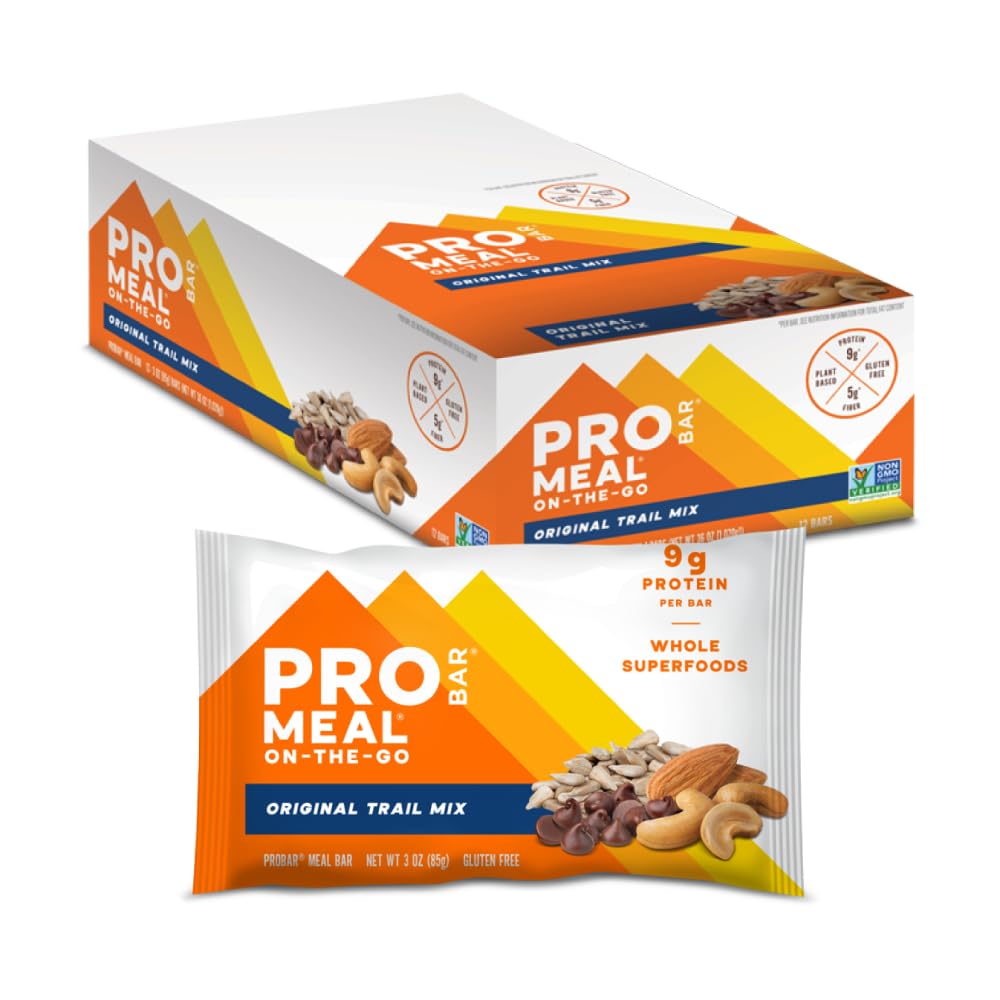
The PROBAR MEAL Bar occupies a sweet spot between a dense energy bar and a lightweight meal replacement. At 360 calories per bar with 9g of protein and 5g of fiber, it delivers enough fuel to serve as a solid breakfast on trail or a lunch substitute when you don’t want to stop and cook. The ingredient list is plant-forward and honest: organic oats, brown rice syrup, peanuts, flax seeds, and dried fruit. Each bar has a satisfyingly complex texture — crunchy nuts and seeds, chewy fruit, and a subtle sweetness that comes from dates and maple syrup rather than refined sugar.
The flavor profile is balanced and adult. The Original Trail Mix flavor hits salty and sweet in equal measure, with hints of fenugreek, fennel, and nutmeg that give it an almost savory edge. It’s not cloying or dessert-like, which means you can eat it day after day without palate fatigue — a real advantage on multi-day trips. The bar holds up well in moderate temperatures, though it can soften in direct summer heat. The wrapper is noticeably larger than the bar itself, which feels wasteful, but the product weight is accurate and the quality justifies the premium positioning.
Where PROBAR excels is in the meal-replacement category without overpromising. Multiple reviewers note that one bar with fruit holds them over comfortably until lunch, and the non-GMO, gluten-free, dairy-free formulation makes it accessible to most dietary needs. The Chocolate Coconut flavor is a fan favorite, and buying in bulk on Amazon brings the per-bar cost down significantly compared to health food store prices. For anyone who wants a clean, filling bar that doesn’t taste like a compromise, this is a strong choice.
Why it’s great
- 360 calories with clean plant-based ingredients
- Complex texture and balanced flavor prevent palate fatigue
- Gluten-free, soy-free, and non-GMO verified
Good to know
- Wrapper is significantly larger than the bar inside
- Premium pricing compared to standard energy bars
3. Skratch Labs Energy Bar
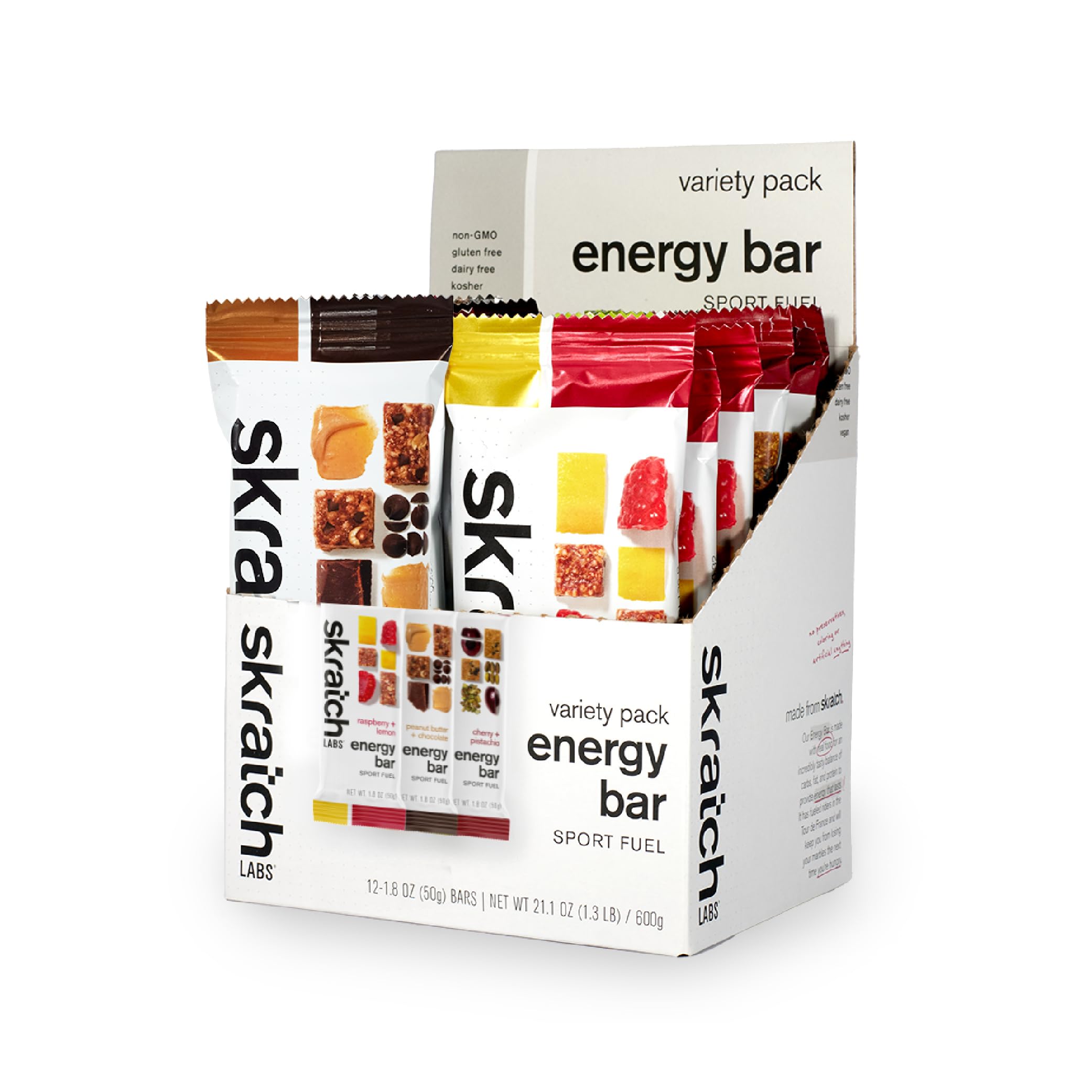
Skratch Labs built these bars for the same audience that trusts their drink mixes: endurance athletes who need real fuel, not candy bars masquerading as sports nutrition. With roughly half the sugar of leading energy bars (9-11g per bar versus 21g), they deliver steady, crash-free energy through a blend of ancient grains, nut butters, and dried fruit. No protein isolates, no brown rice syrup, no artificial anything. The texture is soft and chewy rather than hard and crunchy, making them easy to nibble on the move without needing to stop and break teeth.
The variety pack includes Chocolate Peanut Butter, Raspberry Lemon, Strawberry Peanut Butter, and Cherry & Pistachio — and this is where Skratch reveals a clear weakness. The Chocolate Peanut Butter has a mild fake chocolate flavor that becomes less appealing the more you eat it, and the Raspberry Lemon is described by experienced users as artificial and waxy to the point of being inedible. On the flip side, the Cherry & Pistachio flavor is a standout: mild, balanced, non-sticky in hot weather, and easy to nibble while running or cycling. The Strawberry Peanut Butter is the second-best option, with good flavor and minimal melting issues up to about 85°F.
Performance feedback from ultra runners and long-distance cyclists is mixed but instructive. Some athletes report excellent energy support and easy digestion during intense efforts, while others find the bars don’t provide enough energy for sustained hard exercise and work better as a light trail snack. The texture can turn into a sticky mess in hot pockets, disrupting rhythm mid-activity. For moderate-paced hiking and day trips where you want clean, low-sugar fuel, Skratch Labs is a smart pick. For all-day alpine pushes or cold-weather adventures, denser options may serve you better.
Why it’s great
- Low sugar at 9-11g per bar avoids energy crashes
- Clean plant-based ingredients with no artificial additives
- Non-GMO, gluten-free, vegan, and kosher certified
Good to know
- Some flavors are significantly better than others
- Can melt into sticky mess in hot pockets above 85°F
4. RecPak Liquid Meal
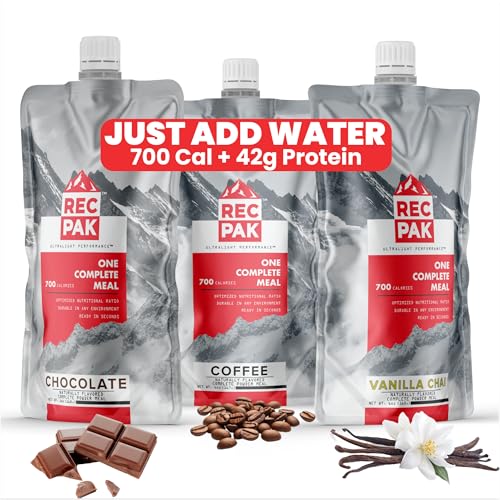
RecPak isn’t a bar — it’s a complete rethink of backcountry nutrition. This liquid meal delivers 700 calories and 42g of protein in a 5.6-ounce pouch that you simply add water to, shake, and drink. No stove, no pot, no cleanup. For alpinists, thru-hikers, and backcountry skiers who need to minimize pack weight and maximize calorie intake, the weight-to-calorie ratio is unmatched. The macronutrient split of 50% carbs, 25% protein, and 25% fat is optimized for sustained high-output efforts, and the inclusion of whey, casein, and collagen proteins provides a steady amino acid release.
Taste is where RecPak divides opinion. Some users genuinely enjoy the flavors — chocolate and coffee are generally well-liked, while vanilla chai is described as shortbread-like and mild. Others report that all three flavors taste bad, with the vanilla chai causing burping and bloating. The consensus seems to be that the taste is acceptable given the circumstances of extreme exertion, where digestibility and convenience trump flavor. The pouch itself is moderately bulky at 11 by 5 inches and up to an inch thick, which is bigger than a bar but still smaller than a full stove setup. It also doubles as a collapsible water bottle once emptied, adding utility.
The real value of RecPak shines in technical alpine conditions. Users report easy preparation with gloves on, good recovery during high-altitude ski mountaineering, and sustained energy without the gut distress that solid food can cause at elevation. The 18-month shelf life makes it a reliable backup for emergency kits. That said, this is a specialized tool, not an everyday snack. If your hiking routine involves casual day trips with frequent snack breaks, a bar is simpler and more satisfying. If you’re pushing big miles in technical terrain where every gram and every minute matters, RecPak is a game-changer.
Why it’s great
- Massive 700 calories in a 5.6oz lightweight pouch
- No stove, prep, or cleanup — just add water and drink
- Doubles as a collapsible water bottle when empty
Good to know
- Flavor is divisive; some users find it unpleasant
- Pouch is bulky compared to compact energy bars
5. RXBAR Nut Butter and Oat
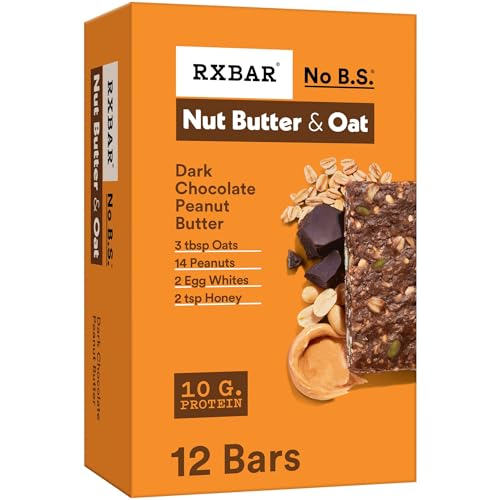
RXBAR’s Nut Butter and Oat bars represent the clean-label philosophy taken to its logical conclusion: the ingredient list is short enough to fit on the front of the wrapper. Oats, honey, peanuts, egg whites, and dark chocolate — that’s it. No isolate powders, no gums, no preservatives. Each bar delivers 10g of protein from whole food sources, making it a legitimate option for trail nutrition without the processed aftertaste of many competitors. The dark chocolate peanut butter flavor is the standout, combining creamy nut butter with crisp oat texture and just enough chocolate to satisfy a sweet tooth.
The texture is denser and more satisfying than standard protein bars. Instead of a chewy, sticky mass, you get a bar that breaks cleanly and chews like real food — because it is. Users consistently report that a single bar together with a piece of fruit keeps them full for hours, whether eaten as a pre-workout snack or a trailside breakfast. The bars stay fresh for weeks and hold up well in moderate temperatures without melting or crumbling. The gluten-free and Kosher Pareve certifications broaden the audience, though the inclusion of peanut and egg ingredients means it won’t work for everyone.
Where RXBAR falls short for dedicated backpackers is calorie density. At around 220-230 calories per bar depending on flavor, it’s solidly in snack territory rather than meal replacement. You’d need three bars to match the caloric output of a single Greenbelly pouch, which eats into the weight savings of carrying bars in the first place. The freshness can be inconsistent between batches — some users report perfectly moist bars while others find them dry. For short trips and day hikes where you want clean fuel without overthinking it, RXBAR is an excellent choice. For extended backcountry expeditions, consider pairing with a denser option.
Why it’s great
- Minimal ingredient list with recognizable whole foods
- Pleasant dense texture that chews like real food
- Good shelf stability without melting issues
Good to know
- Only 220-230 calories per bar — snack, not meal
- Contains egg and peanut, limiting dietary compatibility
6. CLIF BAR Variety Pack

CLIF BAR is the veteran of the trail bar category, and for good reason. The formula — a deliberate mix of protein, fat, and carbohydrates designed to sustain moderate-intensity activity — has been fueling hikers, climbers, and cyclists for decades. This 12-pack variety box includes Cookies & Creme, Chocolate Chip Peanut Crunch, Blueberry Almond Crisp, and Oatmeal Raisin Walnut, offering enough variety to keep your taste buds engaged across a multi-day trip. The bars are built on organic rolled oats with plant-based ingredients and no high-fructose corn syrup, hitting 10-11g of protein per bar.
The texture is chewy but not sticky, with a uniform consistency that eats easily on the move. Flavors range from classic (Chocolate Chip Peanut Crunch is a reliable crowd-pleaser) to pleasantly surprising (Blueberry Almond Crisp is lighter and fruitier than most CLIF options). The bars hold up well in moderate temperatures and are tough enough to survive being stuffed in a pack pocket without turning into a crumbly mess. The 12-pack format at this price point makes it one of the most cost-effective options in the lineup for bulk stocking before a long trip.
The main downside for serious backpackers is sugar content. CLIF BARs pack around 20g of sugar per bar, which is on the high side for sustained energy without a crash. Some users report that the high sugar content causes issues for those managing diabetes or blood sugar sensitivity. The bars also tend toward the sweeter, dessert-like end of the flavor spectrum, which can lead to palate fatigue on longer trips. For moderate day hikes and casual backpacking where taste matters more than peak efficiency, CLIF remains a solid, widely available option that you can find in almost any convenience store near the trailhead.
Why it’s great
- Proven formula with organic oats and no HFCS
- Wide flavor variety prevents boredom on multi-day trips
- Excellent value in the 12-pack bulk format
Good to know
- High sugar content (~20g) may cause energy crashes
- Dessert-like flavors can lead to palate fatigue over time
7. LUNA Bar Variety Pack
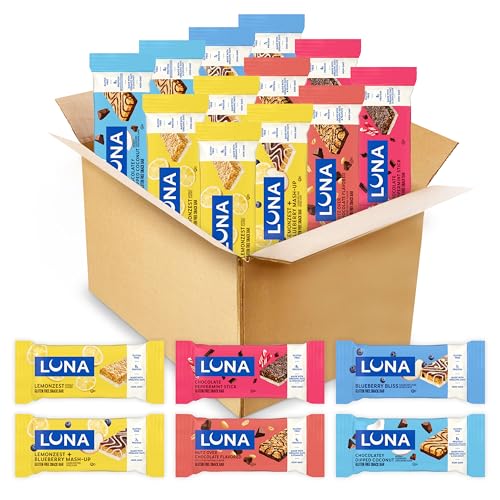
LUNA Bars sit at the lighter end of the trail nutrition spectrum. With 7-9g of protein and 190-210 calories per bar, they function better as a between-meal snack than a standalone fuel source. The formulation includes organic rolled oats, a creamy coating, and plant-based soy protein, with gluten-free and non-GMO certifications that check important boxes for many hikers. The 12-pack variety box delivers six flavors including Nutz Over Chocolate, Chocolate Peppermint Stick, LemonZest, Blueberry Bliss, and two Mash-Up variations, giving you genuine flavor diversity.
Where LUNA shines is in taste and texture. Reviewers consistently describe these bars as dessert-like and delicious, with the Chocolate Peppermint Stick and LemonZest flavors drawing particular praise for being refreshing rather than cloying. The texture is chewy with a crispy element from the oats, and the coating adds a satisfying richness that makes these feel like a treat rather than a chore. At this price point, they undercut many trendy gluten-free bar brands while delivering comparable quality. The high calcium, iron, and vitamin D content is an added bonus for women, who are the primary audience for this product.
The practical limitations for backpacking are clear. Low caloric density means you’d need multiple bars to fuel a serious hike, and the chocolate coating is susceptible to melting in warm weather — several users reported receiving bars that had melted during shipping in summer months, with the altered taste and texture affecting their overall experience. The bars also lack the caloric punch needed for cold-weather mountaineering or high-output alpine efforts. For casual day hikes, lunchbox packing, or as a supplemental treat on longer trips, LUNA Bars deliver where it counts. For serious backcountry calorie needs, they’re best paired with denser options.
Why it’s great
- Gluten-free, non-GMO with clean organic oat base
- Excellent flavor variety with dessert-quality taste
- Good value for a gluten-free protein bar
Good to know
- Low caloric density at 190-210 cal per bar
- Chocolate coating melts easily in warm weather
FAQ
How many backpacking bars should I pack per day?
What’s the difference between an energy bar and a meal bar?
Will backpacking bars melt in hot weather?
Final Thoughts: The Verdict
For most users, the backpacking bars winner is the Greenbelly Backpacking Meals because it delivers 650 calorie-dense, whole-food calories per pouch with no cooking required — the closest thing to a perfect weight-to-fuel ratio in this category. If you want a clean, single-bar meal replacement for shorter trips, grab the PROBAR MEAL Bar. And for technical alpine missions where every gram and minute counts, nothing beats the RecPak Liquid Meal for no-cook, high-output nutrition.