
Our readers keep the lights on and the weekend projects moving. As an Amazon Associate, I earn from qualifying purchases.
A weekend backpacking trip can turn into a survival exercise when your boots don’t grip wet granite or lack the torsional rigidity to carry a 40-pound pack over scree. The right pair fuses ankle support, stable traction, and a waterproof membrane that actually breathes, so you keep moving when the weather turns. False economy in this category means blisters, twisted ankles, and gear that fails at the worst moment.
I’m Rikta — the co-founder and writer behind FitlyFast. I’ve spent countless hours analyzing boot construction, sole compounds, and waterproofing ratings to separate real trail performers from fashion-oriented look-alikes.
Every boot here was vetted for edge stability, outsole lug depth, material durability, and the specific demands of multi-day loads to find the best backpacking boots for varied terrain and budgets.
How To Choose The Best Backpacking Boots
Picking the right backpacking boot is more nuanced than grabbing a trail runner or a heavy mountaineering boot. You need a mid or high cut that locks the heel without restricting circulation, a tread pattern that bites into wet rock, and a waterproof liner that won’t turn your feet into sweat bags after three miles.
Last Shape and Width
A boot that pinches the forefoot will cause hot spots before lunch on day one. Many backpacking boots now offer dedicated wide sizes or naturally roomier toe boxes — essential for feet that swell after hours of walking. Brands like KEEN and Merrell often build on generous lasts, while La Sportiva and Salewa tend to run narrower. Trying boots with the socks you actually hike in is non-negotiable.
Outsole and Lug Pattern
Vibram rubber dominates this category for good reason, but not all Vibram compounds grip the same. Look for aggressive, multi-directional lugs at least 4 mm deep if you expect mud, loose scree, or wet slab rock. Self-cleaning tread designs shed packed dirt between lugs, preserving bite on technical climbs.
Stiffness and Support
Pack weight dictates boot flex. Loads over 30 pounds demand a semi-stiff or stiff shank — usually nylon or carbon fiber — to prevent the midsole from fatiguing under repeated heavy steps. Lighter overnight packs can get away with a more flexible boot, but any boot that twists laterally in your hands lacks the torsional rigidity for off-trail travel.
Quick Comparison
On smaller screens, swipe sideways to see the full table.
| Model | Category | Best For | Key Spec | Amazon |
|---|---|---|---|---|
| La Sportiva Nucleo High II GTX | Premium | Technical multi-day treks | GORE-TEX Extended Comfort | Amazon |
| Merrell Moab Speed 2 Mid GTX | Premium | Lightweight fast packing | Vibram MegaGrip outsole | Amazon |
| Salewa Condor EVO GTX | Mountaineering | Scrambling & technical approach | GORE-TEX Performance Comfort | Amazon |
| La Sportiva Karakorum | Full-Grain Leather | Rough terrain & load hauling | Full-grain leather upper | Amazon |
| KEEN Targhee 4 Mid | Mid-Range | Comfort-focused backpacking | KEEN.DRY waterproof membrane | Amazon |
| Under Armour Hovr Dawn 2.0 | Mid-Range | Day hikes & light overnights | UA HOVR cushioning | Amazon |
| Merrell Speed Strike 2 Mid | Mid-Range | Versatile everyday hiker | Merrell Air Cushion heel | Amazon |
| ROCKY Outback GORE-TEX | Entry-Level | Light trails & work wear | GORE-TEX waterproof lining | Amazon |
| Timberland White Ledge Mid | Budget | Budget-conscious beginner | Seam-sealed waterproof construction | Amazon |
In‑Depth Reviews
1. La Sportiva Nucleo High II GTX

The Nucleo High II GTX strikes an exceptional balance between lightweight agility and the structural support needed for multi-day loads. A nubuck leather upper combined with a GORE-TEX Extended Comfort membrane delivers reliable waterproofing without the clamminess that plagues fully synthetic boots. Testers logged over 50 miles in the Tetons with zero blisters, praising the flexible yet supportive midsole that handles rocky climbs and packed dirt equally well.
The Vibram outsole uses a unique tread layout that sheds mud effectively while maintaining grip on wet slabs. Some users note the fit runs slightly narrow, so sizing up is a common recommendation if you wear thicker socks or have a wider forefoot. The softer rubber compound provides excellent friction on smooth rock but may wear faster on abrasive granite.
Half a dozen reviewers reported that the GORE-TEX side panels can tear after heavy use, though repairs with flexible glue have proven successful. The boot is semi-automatic crampon compatible, adding versatility for spring snow crossings. For long-distance trekkers who want premium comfort and precise edging, this is the all-rounder to beat.
Why it’s great
- Nearly zero break-in time
- Excellent wet-slab traction
- Comfortable for flat and narrow feet
Good to know
- Runs narrow; consider half size up
- Softer sole may wear faster on sharp rock
2. Merrell Moab Speed 2 Mid GTX
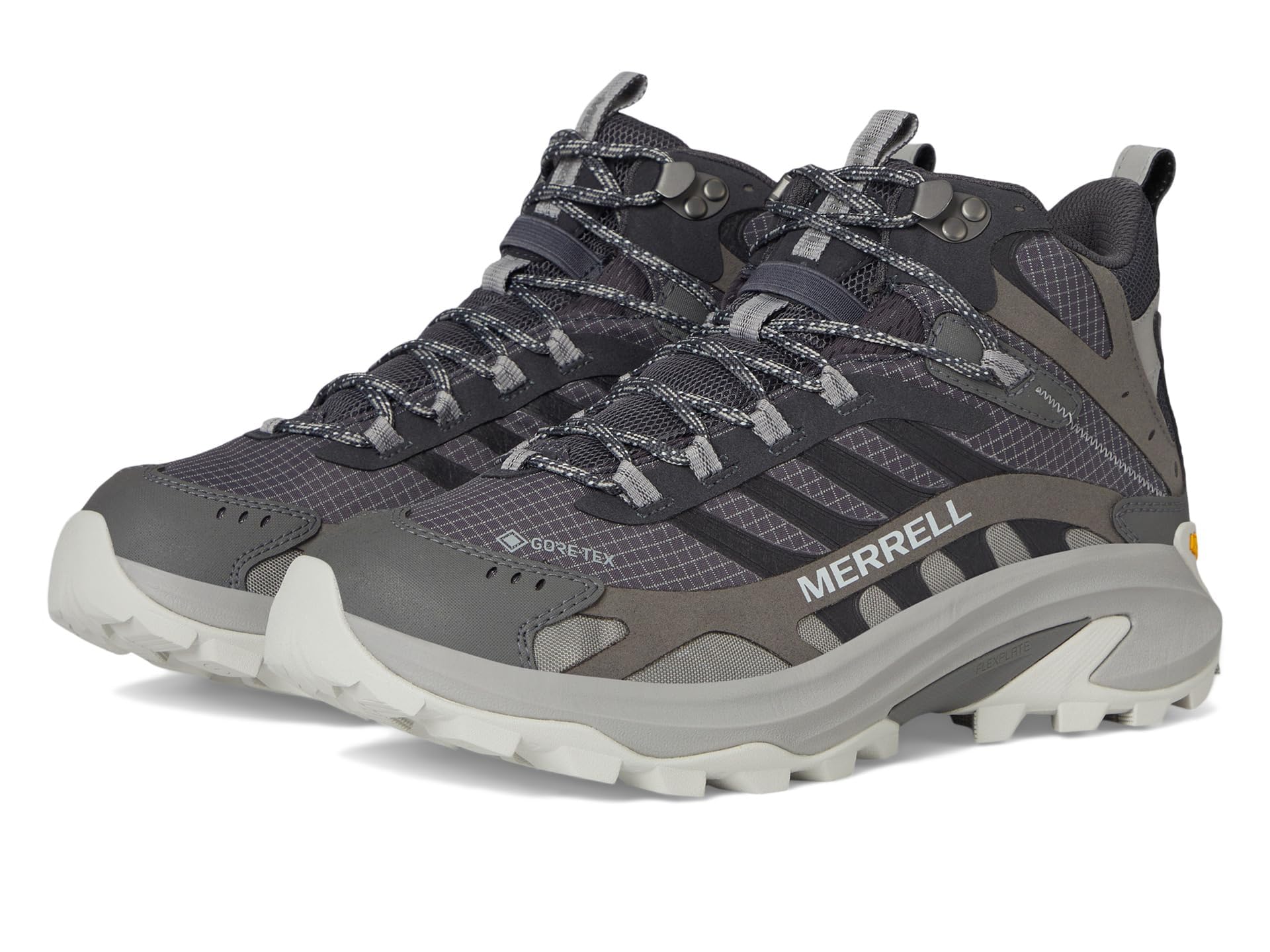
The Moab Speed 2 Mid GTX is the boot for ultra-light backpackers who refuse to sacrifice ankle protection. Built on Merrell’s proven last with a generous toe box, it needs zero break-in and provides immediate comfort on rocky ridges and forest trails. The Vibram MegaGrip outsole delivers confident adhesion on wet rock and loose gravel, while the FloatPro foam midsole absorbs shock without feeling mushy under a full pack.
Testers complimented the sock-like tongue construction that prevents debris ingress, and the GORE-TEX membrane that keeps feet dry through stream crossings and rain showers. The boot is noticeably lighter than traditional leather hikers — a boon for fast-paced trips where every ounce counts. Some users found the cushioning insufficient for heavy loads over 35 pounds and recommend adding a gel insole for longer treks.
Durability of the mesh-and-leather upper is an open question; several reviewers reported that the Scotchgard treatment helps longevity but that the boot is best suited for maintained trails rather than bushwhacking. For the backpacker who prioritizes speed and comfort over bombproof construction, this is a compelling choice.
Why it’s great
- No break-in needed
- Wide toe box accommodates foot swell
- Excellent all-round traction
Good to know
- Not ideal for pack loads over 35 lbs
- Upper may scuff quickly in brush
3. Salewa Condor EVO GTX

The Salewa Condor EVO GTX is a mountaineering boot that bridges technical climbing and rugged backpacking. Its stiff sole offers the torsional rigidity needed for edging on small holds, yet the boot remains light enough for mile-after-mile trail walking. The 3D lacing system wraps the midfoot securely, preventing heel lift on descents. Arborists and tree climbers have reported this boot lasting years under constant abuse, which speaks to its build quality.
GORE-TEX Performance Comfort lining keeps moisture out while letting vapor escape, a critical feature for all-day hikes in mixed conditions. The fit is notably narrow, making it a fantastic match for hikers with low-volume feet who struggle with sloppy heel pockets. Several users noted that the leather upper can shrink if repeatedly soaked and dried with direct heat, so proper care is essential.
Reviewers with flat feet appreciated the arch support, but the narrow last may cause discomfort for wide-footed hikers even after break-in. The outsole pattern is aggressive enough for mud and loose scree, and the boot holds an edge on sloping rock. For those who tackle technical approaches before a long ridge walk, the Condor EVO GTX is a specialized tool that excels.
Why it’s great
- Excellent edging for technical terrain
- Very durable leather upper
- Secure heel lockdown
Good to know
- Runs narrow; not for wide feet
- Leather requires conditioning
4. La Sportiva Karakorum
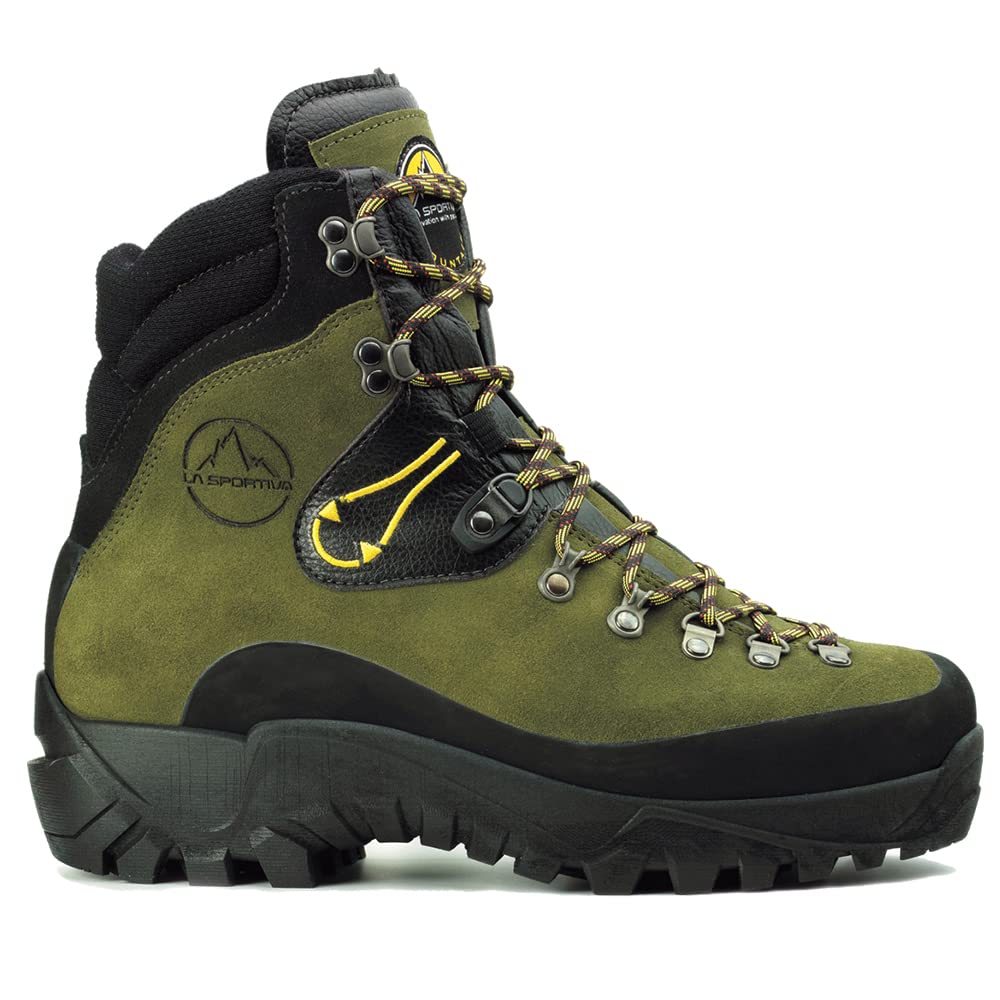
The La Sportiva Karakorum is a full-grain leather boot built for the backpacker who expects years of service from a single pair. Its Vibram sole looks indestructible, and the thick leather upper provides outstanding protection against rock abrasion, brush, and sharp scree. The boot fits true to size for most, with a slightly generous volume that works well with medium-weight wool socks.
Testers who used the Karakorum for tree work in the Pacific Northwest reported bone-dry feet after two years of wet conditions, confirming the effectiveness of the unlined leather construction when properly waxed. The boot is stiff out of the box and requires a longer break-in period than synthetic alternatives, but the payoff is a custom fit that molds to your foot over time.
Weight is a trade-off — at over two pounds per boot, it is not the choice for speed hikers. The lack of a dedicated waterproof membrane means you must maintain the leather with conditioners and wax to retain water resistance. For rugged off-trail travel and heavy pack loads, this is the most durable boot in the lineup.
Why it’s great
- Extremely durable leather construction
- Superb protection from abrasion
- Excellent for heavy loads
Good to know
- Heavy — not for fast packing
- Requires regular leather maintenance
5. KEEN Targhee 4 Mid
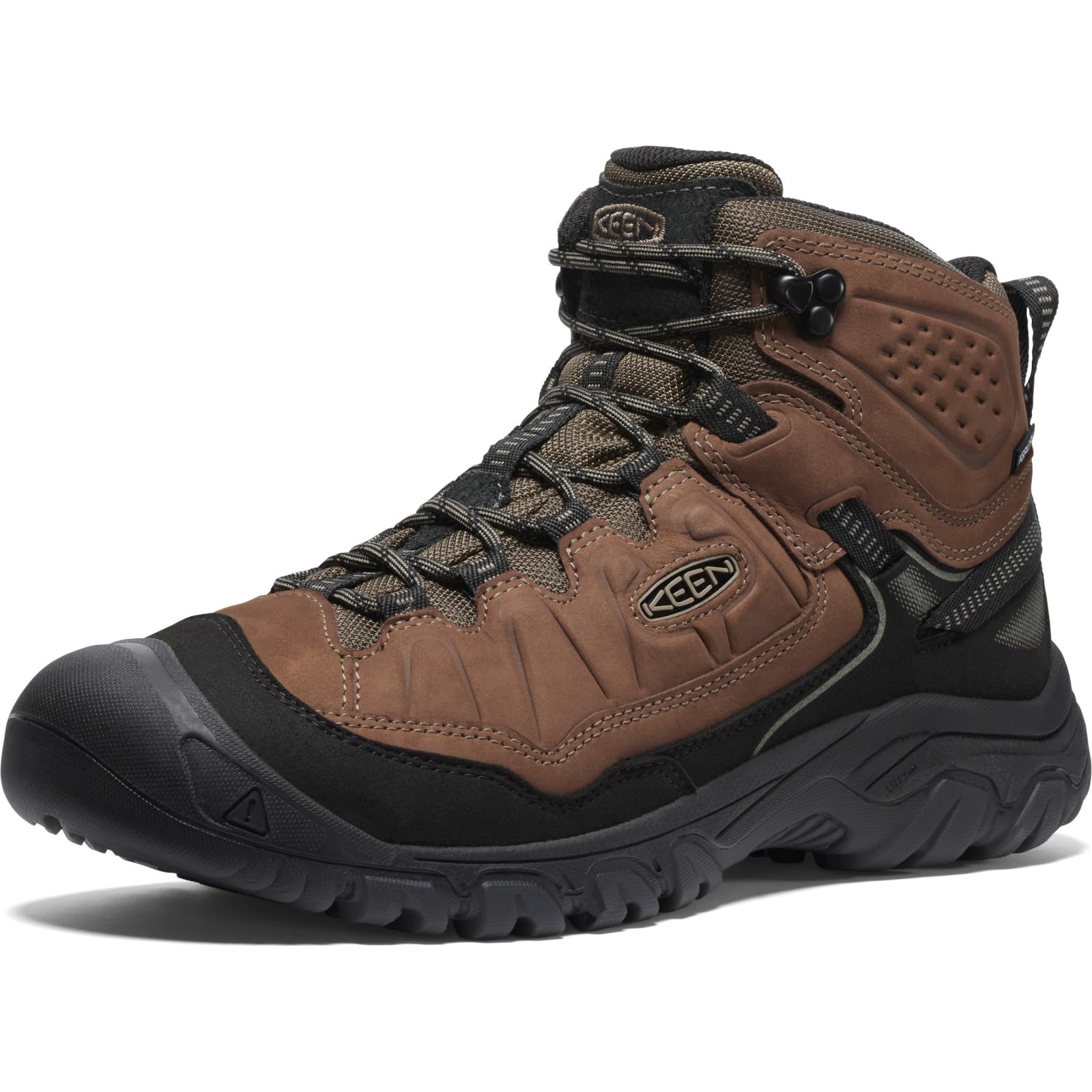
The KEEN Targhee 4 Mid is the flagship of KEEN’s hiking lineup, and the fourth generation incorporates FUSION construction to prevent the sole separation that plagued earlier versions. The signature roomy toe box is a godsend for hikers with wide feet or those who need space for custom orthotics. The KEEN.DRY waterproof membrane performs well in streams and rain, and the boot is comfortable straight out of the box with minimal break-in.
A 620-gram weight per boot (for a size 9) makes it one of the heavier options in the mid-range tier, but the trade-off is a supportive platform that handles loads up to 40 pounds with confidence. The upgraded insoles are thin, and many users swap them for aftermarket options to get better arch support for long days. The outsole uses a multi-directional lug pattern that bites into loose dirt and holds on wet rock.
Some reviewers noted occasional quality-control issues, such as missed stitching that could affect waterproof integrity. The boot is built on a generous last that may feel too spacious for narrow feet, even with thick socks. For the backpacker who values forefoot room and solid underfoot protection above all else, the Targhee 4 is a reliable workhorse.
Why it’s great
- Excellent for wide feet and orthotics
- Comfortable with no break-in
- Stable under heavy packs
Good to know
- Heavier than competitors
- Factory insoles lack arch support
6. Under Armour Hovr Dawn 2.0
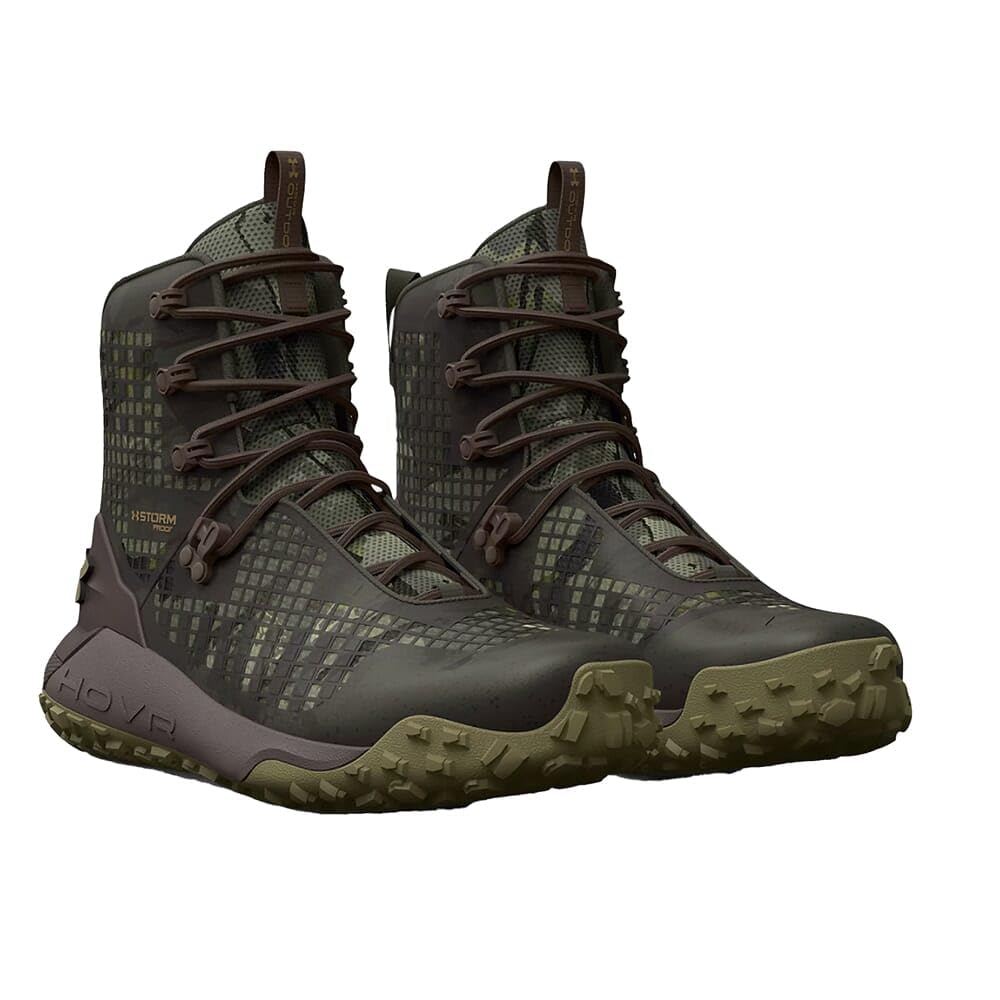
The Under Armour Hovr Dawn 2.0 brings running-shoe cushioning to the hiking boot category, with a UA HOVR foam midsole that returns energy on every step. At just over two pounds per pair, it is one of the lightest waterproof boots available, making it a strong candidate for day hikes and overnight trips where low weight is critical. The boot is comfortable immediately with no break-in, and the mid-cut collar provides enough ankle support for moderate terrain.
Testers praised the traction on mud and snow, noting that the outsole lugs clear packed debris quickly. The waterproof membrane performs well, though the boot lacks insulation — you will need good merino wool socks for cold-weather trips. Some hunters reported using the Dawn 2.0 for elk season, covering miles through boulders and loose scree with good stability.
A recurring concern is durability; several users mentioned the soles showing significant wear or even delaminating after a week of hard use. The boot is best suited to maintained trails and moderate loads rather than technical off-trail travel. For the ultralight backpacker who values cushioning and low weight for fast miles, the Hovr Dawn 2.0 delivers.
Why it’s great
- Very lightweight
- Plush cushioning for high-mileage days
- Good grip on mud and snow
Good to know
- Durability concerns for off-trail use
- Lacks insulation for cold weather
7. Merrell Speed Strike 2 Mid

The Merrell Speed Strike 2 Mid is a versatile mid-height boot that excels on day hikes and light backpacking trips. The Vibram outsole provides dependable grip on rocky trails, and the Merrell Air Cushion heel absorbs shock during descents. The boot fits true to size with a roomy toe box that accommodates foot swell, and the waterproof membrane keeps feet dry through morning dew and shallow stream crossings.
Multiple reviewers highlighted the immediate comfort — zero break-in required — and noted that the boot works well with merino wool socks for temperature regulation. The Speed Strike 2 Mid is slightly stiff at first but loosens up after a few miles of walking. The olive green color option looks clean and pairs with casual wear for post-hike errands.
The arch support is moderate; some users with high arches found it insufficient and added aftermarket insoles. The boot is not designed for heavy backpacking loads; the flexible midsole can feel unstable with pack weights over 30 pounds. For the fast-and-light crowd who still want ankle coverage, this is a capable option.
Why it’s great
- Comfortable right out of the box
- Versatile on varied terrain
- Stylish looks
Good to know
- Arch support is moderate
- Not ideal for loads over 30 lbs
8. ROCKY Outback GORE-TEX

The ROCKY Outback GORE-TEX is a no-frills leather hiking boot that prioritizes comfort and durability over sleek design. The full-grain leather upper with a moc toe provides a classic look, while the GORE-TEX lining keeps feet dry in rain and wet grass. The boot is comfortable straight out of the box with zero break-in, making it a popular choice for factory work, light hiking, and everyday wear.
Reviewers consistently praised the boot for all-day comfort, even on concrete floors. The outsole offers decent traction for packed trails and light mud, though it is not aggressive enough for technical terrain. A few users noted that the leather toe area is not fully waterproof; water can seep through after extended exposure to tall grass or heavy rain.
The boot lacks the torsional stiffness needed for off-trail backpacking with heavy loads. It shines as an entry-level hiker for casual trips and as a comfortable work boot for those on their feet all day. For the weekend walker who wants GORE-TEX protection without spending on premium mountaineering features, the Outback is a smart value play.
Why it’s great
- Comfortable with no break-in
- GORE-TEX waterproofing
- Durable leather construction
Good to know
- Not fully waterproof at toe
- Lacks stiffness for heavy loads
9. Timberland White Ledge Mid Waterproof

The Timberland White Ledge Mid Waterproof boot is a perennial budget favorite that delivers surprising capability for the price. The seam-sealed waterproof construction, combined with regular mink oil treatment, keeps feet dry in snow, mud, and streams. The boot has a large toe box that accommodates thick socks, and the padded collar provides decent ankle comfort. Many buyers have reported the sole lasting through a year of heavy use, including hills, snow, and rocky terrain.
Comfort is a standout feature; the boot fits true to size and requires only a short break-in period. The outsole grip is excellent on boulders and packed dirt, though it struggles on slick algae-covered rock. Users note that the boot is warm in winter without being excessively hot in summer, making it a versatile three-season option.
The boot is not designed for heavy backpacking loads; the midsole lacks the stiffness to support packs over 30 pounds on uneven terrain. The waterproofing requires diligent care — you must air dry the boots and reapply mink oil or polish to maintain water resistance. For the budget-conscious hiker tackling moderate trails, the White Ledge is hard to beat on value.
Why it’s great
- Exceptional value for the price
- Comfortable and roomy toe box
- Good traction on varied terrain
Good to know
- Requires regular waterproofing maintenance
- Not stiff enough for heavy loads
FAQ
How much ankle support do I really need from a backpacking boot?
Should I buy a half size larger for backpacking boots?
Final Thoughts: The Verdict
For most users, the best backpacking boots winner is the La Sportiva Nucleo High II GTX because it combines lightweight agility, premium GORE-TEX waterproofing, and the structural support needed for multi-day treks. If you want a faster, more cushioned ride for light loads, grab the Merrell Moab Speed 2 Mid GTX. And for rugged off-trail travel and heavy pack weights, nothing beats the durability of the La Sportiva Karakorum.