
Our readers keep the lights on and the weekend projects moving. As an Amazon Associate, I earn from qualifying purchases.
Stiff, sweaty, or soaked gloves ruin a backcountry day faster than a broken strap. You need a pair that balances insulation, waterproofing, and fine motor control for tasks like filtering water, adjusting a stove, or navigating with a map. The wrong choice leads to cold, clumsy fingers that can turn a routine hike into a safety hazard.
I’m Rikta — the co-founder and writer behind FitlyFast. I spend my research hours dissecting outdoor gear specs, comparing membrane technologies, and analyzing real-world reviews to find the gloves that actually perform when the trail gets cold and wet.
Whether you’re summiting a snowy peak or tackling a wet-weather traverse, the right pair keeps your hands functional and protected. This guide breaks down the top contenders to help you find the best backpacking gloves for your next adventure.
How To Choose The Best Backpacking Gloves
Selecting the right backpacking gloves means balancing three competing priorities: warmth, weather protection, and dexterity. A heavy mitt keeps you warm but makes it impossible to adjust a ski strap. A thin liner dries fast but offers no protection against biting wind. Understanding your specific trip conditions — temperature range, precipitation likelihood, and the precision of tasks you’ll perform — will guide you to the correct choice.
Waterproofing vs. Breathability
A fully waterproof membrane is essential for wet snow or rain, but it can trap sweat during high-output ascents. Gloves like the SEALSKINZ Griston use a proprietary waterproof membrane, while the SHOWA TEMRES 282 relies on a polyurethane coating. Both keep water out, but breathability varies. If you run hot, prioritize breathable options like the BLACK DIAMOND Mont Blanc, which uses a water-repellent stretch fabric instead of a membrane.
Dexterity and Grip
Backpacking gloves must let you perform fine motor tasks: lighting a stove, operating a GPS, or grabbing a water bottle. The PETZL CORDEX excels here with its goat skin leather palm and ergonomic cut, offering exceptional rope and gear sensitivity. For touchscreen compatibility, look for gloves with conductive fingertips like the PIG FDT Delta or the BLACK DIAMOND Mont Blanc. The Outdoor Research Fairbanks opts for a fingerless design to give total screen access while keeping the palm and wrist warm.
Insulation and Temperature Rating
Not all insulation is equal. Acrylic fleece liners (as used in the SHOWA TEMRES 282) provide extreme cold-weather warmth down to sub-zero temperatures but add bulk. Carhartt’s waterproof knit cuff gloves use a heavier insulation suited for static winter camping. For active pursuits like trail running or high-output climbing, lightweight gloves like the BLACK DIAMOND Mont Blanc or PIG FDT Delta offer just enough warmth to cut the chill without causing sweat buildup. Always match the insulation weight to the activity intensity and expected low temperature.
Quick Comparison
On smaller screens, swipe sideways to see the full table.
| Model | Category | Best For | Key Spec | Amazon |
|---|---|---|---|---|
| SEALSKINZ Griston | Waterproof Shell | Wet weather cycling & hiking | Waterproof Membrane | Amazon |
| BLACK DIAMOND Mont Blanc | Lightweight Shell | High-output alpine missions | Silicone Palm Grip | Amazon |
| Outdoor Research Fairbanks | Fingerless Knit | Photography & phone use | Fingerless Design | Amazon |
| PIG FDT Delta | Tactical/Utility | Shooting & precision tasks | Touchscreen Fingertips | Amazon |
| Carhartt Insulated Cuff | Insulated Work | Deep winter camp chores | Nylon Windproof Shell | Amazon |
| SHOWA TEMRES 282 | Extreme Cold | Sub-zero activities | -58°F Rating | Amazon |
| PETZL CORDEX | Climbing/Leather | Belaying & rope work | Goat Skin Leather | Amazon |
In‑Depth Reviews
1. SEALSKINZ Griston Waterproof All Weather Lightweight Glove
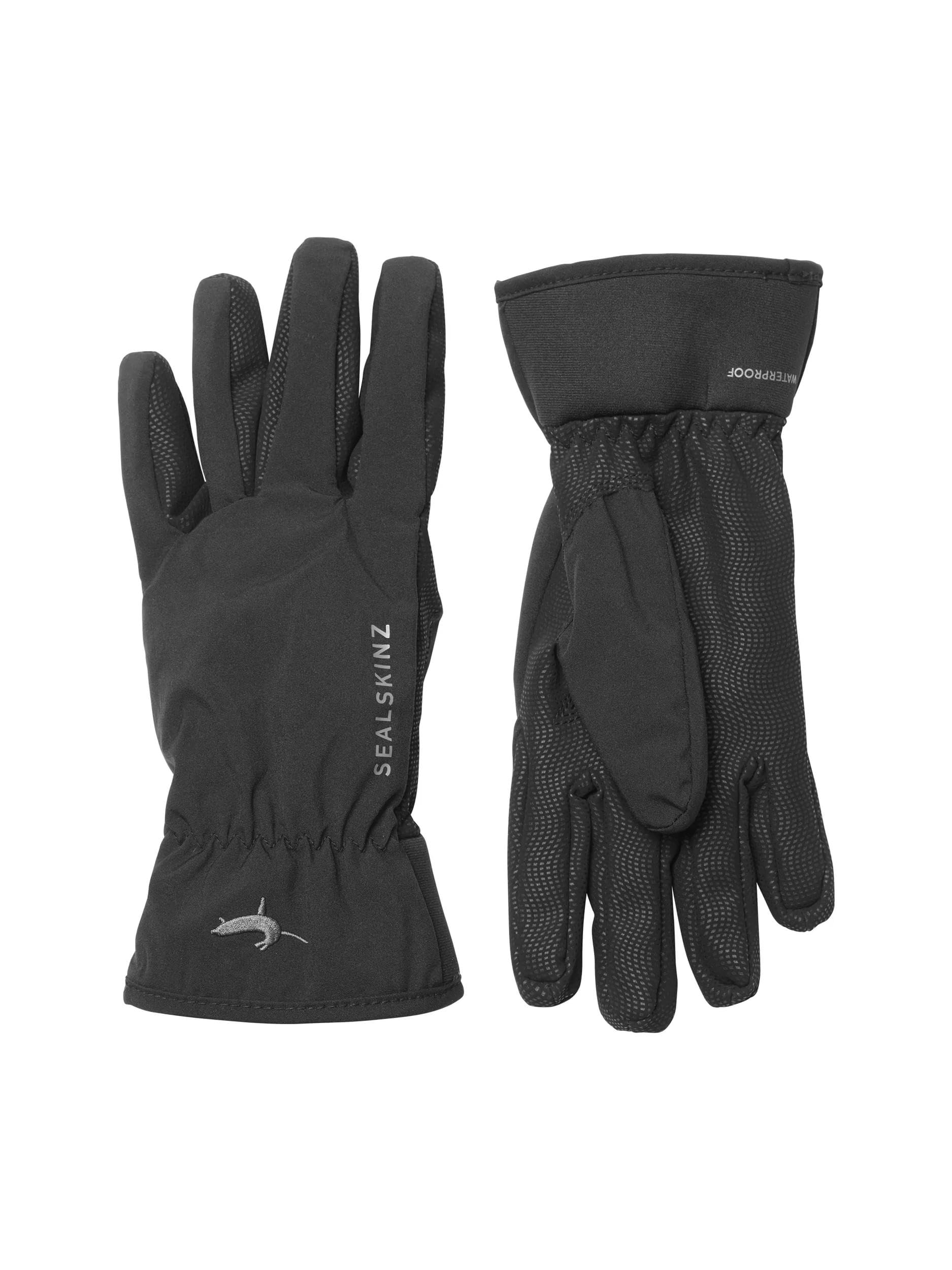
Sealskinz has built a reputation for truly waterproof gloves, and the Griston model lives up to that legacy. It uses a proprietary waterproof membrane that keeps hands bone-dry even under running water, as confirmed by multiple user tests involving faucets, rainstorms, and ranch work. The lightweight construction makes it ideal as a standalone outer layer for mild to cool conditions or as a liner under a heavy mitt for deep winter trips.
Breathability is a highlight here — reviewers note that the gloves rarely cause sweat buildup during active use like biking or hiking, though a few find them too warm for high-output sprints in above-freezing temperatures. Fit runs slightly small, so sizing up is a common recommendation for those wanting a comfortable layering fit. The slim profile retains good dexterity, allowing for handling gear and bike controls without the bulk of insulated competitors.
Durability has impressed users who have worn the same pair for several years through serious wet-weather cycling and commuting. The membrane has remained intact, and the stitching shows no signs of wear. For any backpacker who prioritizes reliable waterproofing with minimal weight, this is the top contender.
Why it’s great
- Genuinely waterproof membrane tested by users
- Lightweight and breathable for active use
- Durable construction lasts multiple seasons
Good to know
- Tends to run a half-size small
- No dedicated insulation; best as a shell or liner
2. BLACK DIAMOND Mont Blanc Gloves
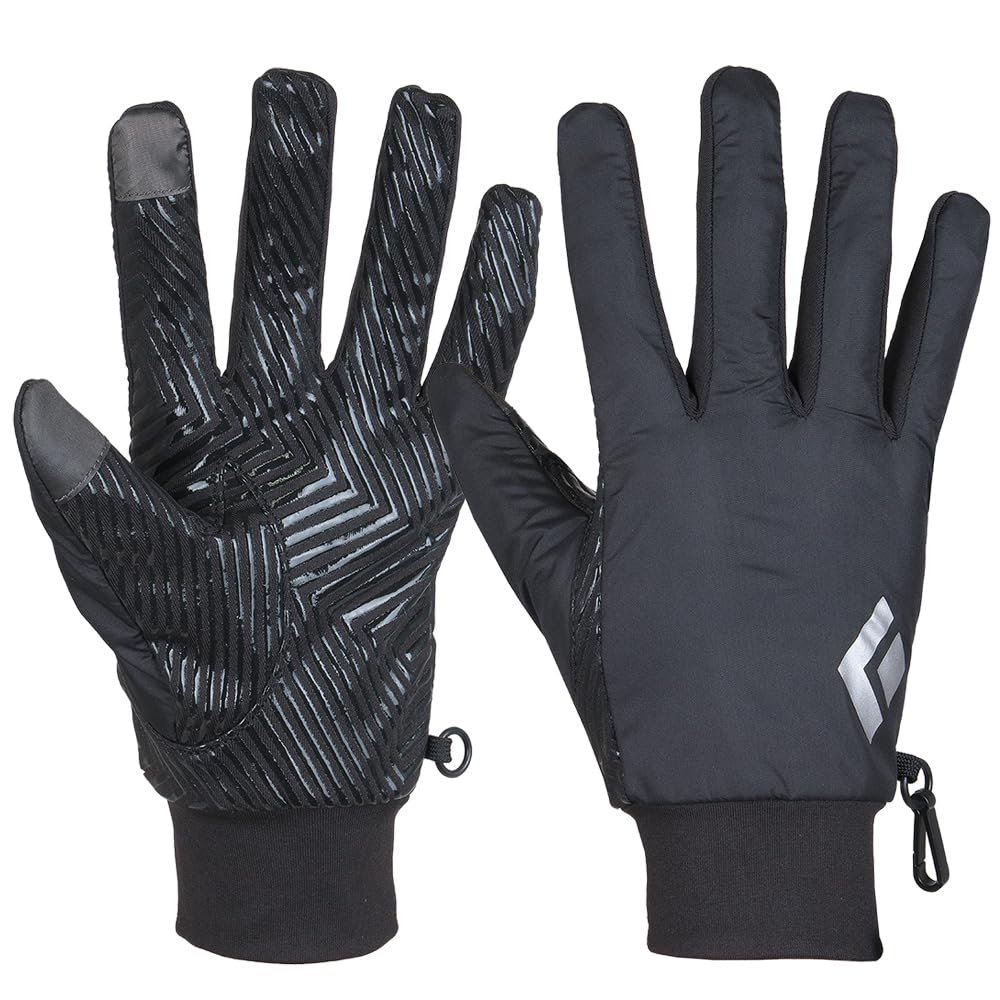
The Mont Blanc is a lightweight stretch glove built for high-output alpine activity. The water-repellent stretch fabric cuts wind effectively while remaining highly breathable — users report they work well for winter trail running and scrambling where a bulky insulated glove would cause sweat buildup. The silicone grip on the palm offers excellent traction on trekking poles, ice axes, and rock, making this a reliable choice for mixed terrain.
Digital fingertips enable touchscreen use without removing the glove, a feature that works reliably for quick navigation checks and camera operation. It is not a warm glove — expect protection down to around freezing, not sub-zero — but that deliberate minimalism suits its intended purpose: active movement. Cuffs are pull-on style with stretch fabric, which some users find difficult to get over larger hands, so careful size selection is key.
Construction quality is solid, with stretch panels that hold their shape after repeated use. It is not fully waterproof, so it is best in dry, cold conditions or light snow. For the fast-and-light backpacker who wants a glove that disappears on the hand and works when moving hard, this is a standout.
Why it’s great
- Excellent breathability for high-output use
- Sticky silicone palm grip
- Touchscreen-compatible fingertips
Good to know
- Not insulated for cold weather
- Not fully waterproof
3. Outdoor Research Fairbanks Fingerless Gloves

The Fairbanks solves one specific problem better than any full-fingered glove: unrestricted access to touchscreens and fine tasks. The fingerless design leaves the distal phalanges free, making it ideal for outdoor photographers who need to operate camera buttons, or for anyone who types or uses a smartphone constantly in cold conditions. The knit construction is soft, stretchy, and comfortable against the skin, and the open fingers allow for precise tactile feedback.
Warmth is moderate — the knit traps heat well around the palm and wrist but offers no protection for the fingertips, so it is best for cool but not frigid conditions (roughly 30°F and above). Users note that it pills after moderate use, so long-term durability is a minor concern. The stretch fit keeps the glove secure without being restrictive, and the wrist length provides good coverage under a jacket cuff.
If your backpacking involves significant phone navigation, camera work, or any task where bare-finger dexterity is non-negotiable, the Fairbanks is a practical choice. It also works well as a base layer under a shell mitten when temperatures drop further, giving you the option to uncover fingers for precision tasks while keeping the core of your hand warm.
Why it’s great
- Unrestricted finger movement for phones and cameras
- Soft, comfortable knit material
- Good wrist coverage
Good to know
- Fingertips are exposed to cold air
- Material pills with moderate use
4. PIG FDT Delta Utility Gloves
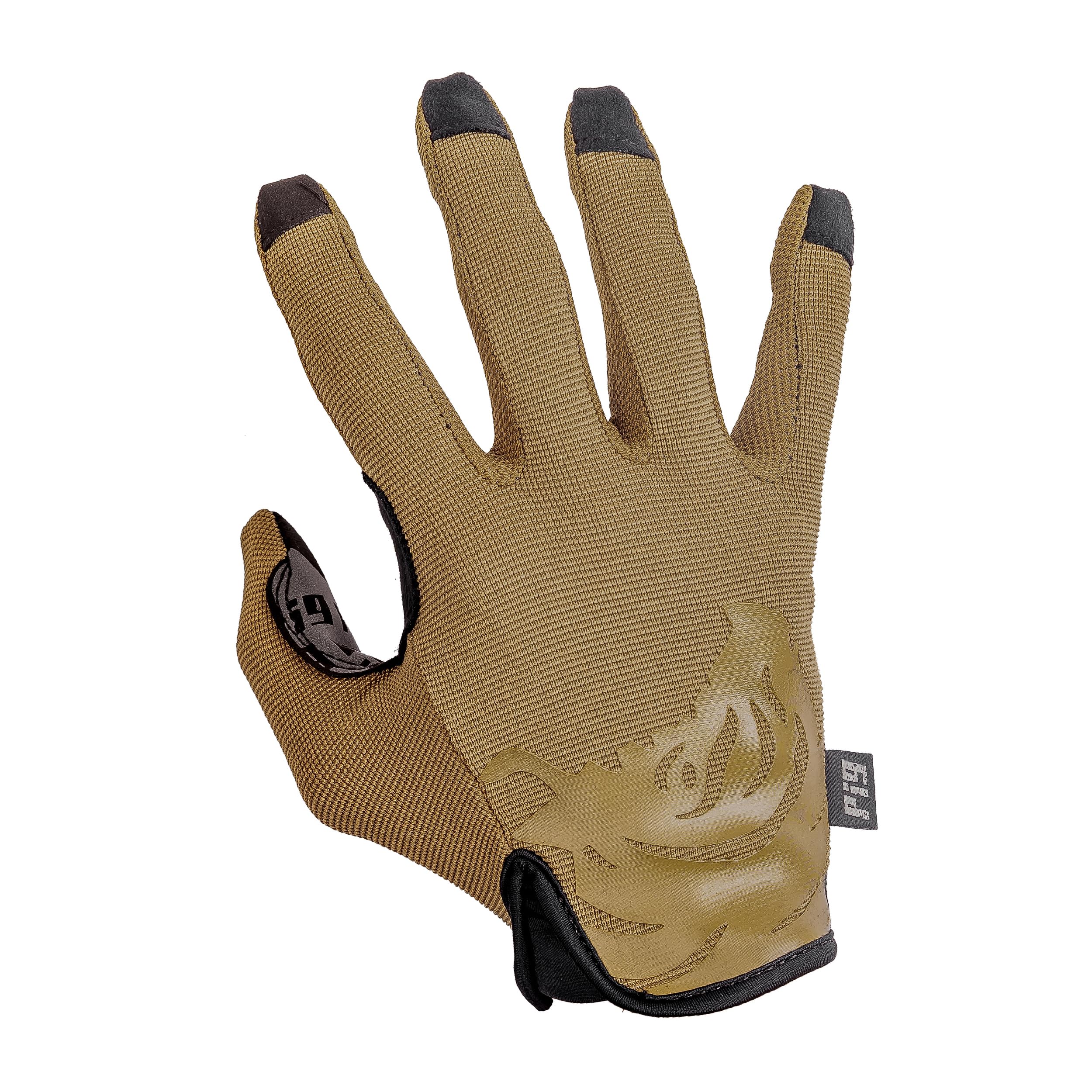
The PIG FDT Delta is engineered for shooters, but its design philosophy — maximum dexterity, minimal bulk — translates perfectly to backpacking tasks that require fine motor control. The synthetic suede palm and nylon back create a lightweight, breathable shell that feels like a second skin once broken in. The pre-curved finger shape and fold-over construction eliminate the fingertip pinch common in many utility gloves, allowing you to manipulate small objects, zippers, and knots with ease.
Touchscreen compatibility on the forefinger and thumb is a notable feature, though some users report that it works only marginally well and is not as responsive as dedicated capacitive gloves. The paracord pull loop and elastic wrist make for quick on-and-off, which is handy when transitioning between active movement and camp chores. It breathes well during sustained activity, and the reinforced palm area adds durability where it matters most.
Fit runs small, so most users recommend sizing up. The gloves are not insulated — they are a shell for mild conditions or as a liner. For the backpacker who prioritizes precise hand function over warmth, the PIG FDT Delta delivers exceptional control and comfort.
Why it’s great
- Excellent dexterity for fine tasks
- Breathable and lightweight for active use
- Secure pull-on design with elastic wrist
Good to know
- Touchscreen function is unreliable
- Runs small; order up one size
5. Carhartt Men’s Waterproof Insulated Knit Cuff Glove

Carhartt’s insulated knit cuff glove is a heavy-duty option built for deep winter conditions, such as static camp chores or shoveling snow around the tent. It features a waterproof shell with a built-in sleeve that seals out snow and wind, combined with thick insulation that keeps hands toasty in temperatures down to well below freezing. Users who have worn these in -29°F wind chill reported no frostbite, which speaks to the insulation’s effectiveness.
Build quality is typical Carhartt — robust materials that withstand rough use. The knit cuff helps keep snow out, but it lacks a drawstring toggle, so a jacket cuff over the glove is recommended for full sealing. The gloves are bulky, which is expected for this warmth level, but it does hinder dexterity for fine tasks like tying knots or operating small stove valves. There are no touchscreen fingertips, so removing the glove is required for phone use.
Fit runs snug, so ordering a size up is common, especially if you plan to use a thin liner underneath. This is not a glove for high-output hiking — it is a camp glove for when you stop moving and the cold sets in. If your backpacking trips involve extended downtime in sub-freezing temperatures, the Carhartt is a reliable, affordable solution.
Why it’s great
- Extremely warm for sub-zero conditions
- Durable Carhartt construction
- Built-in sleeve keeps snow out
Good to know
- Bulky; limited dexterity for fine tasks
- No touchscreen compatibility
6. SHOWA TEMRES 282-02 Waterproof Insulated Winter Work Gloves
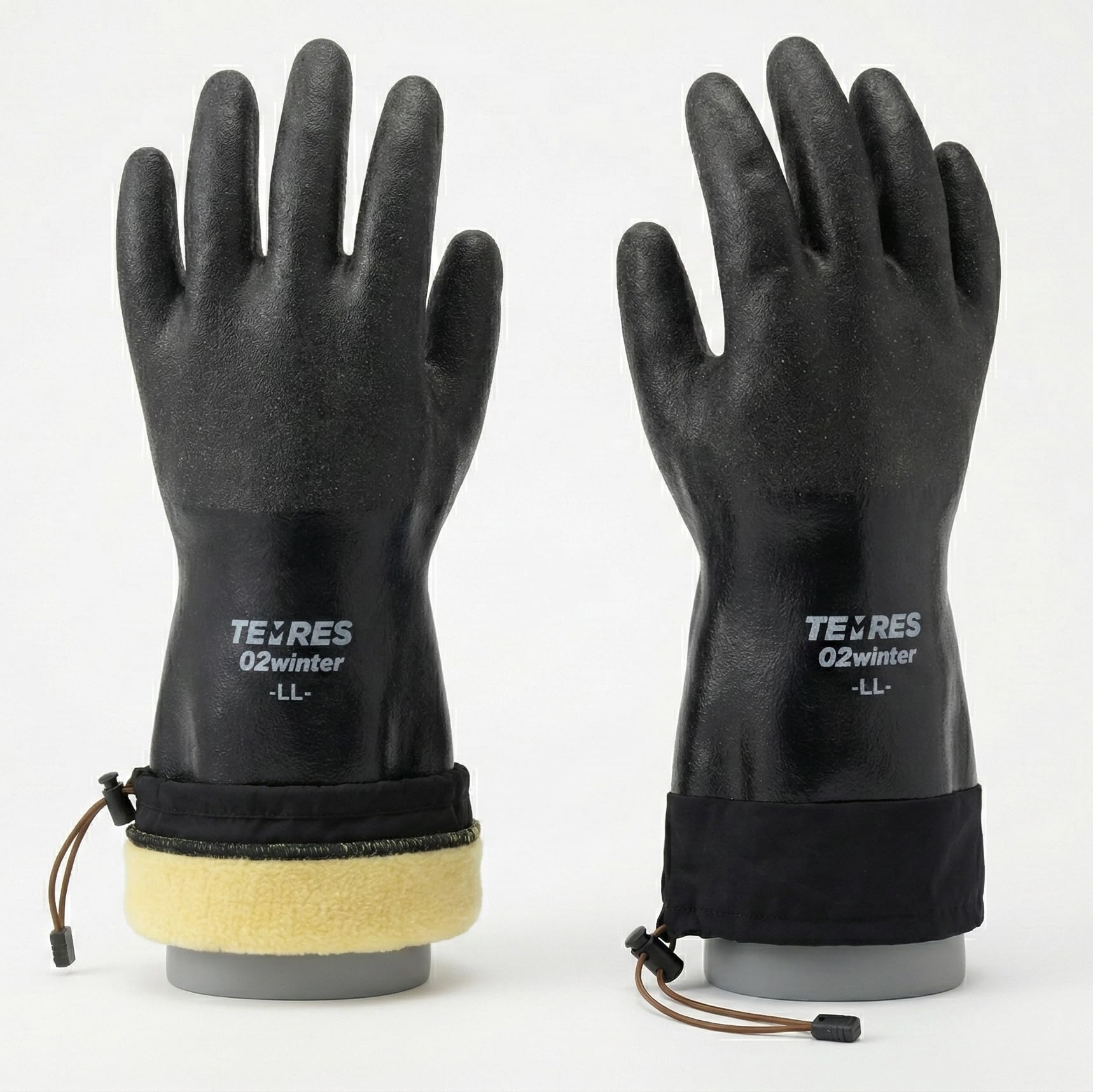
The SHOWA TEMRES 282 is a purpose-built glove for extreme cold, rated down to -58°F. The polyurethane coating provides a 100% liquid-proof seal while remaining flexible in freezing temperatures, preventing the cracking that plagues many rubberized gloves. The acrylic fleece liner delivers serious warmth, making this a top choice for winter expeditions where frostbite is a real risk. Reviewers who used these on Denali reported they performed well for camp building and kept hands functional down to about 15°F.
The integrated gaiter cuff with a drawstring toggle seals out snow and ice effectively, a key feature for deep-powder conditions or ice fishing. The textured grip is excellent on wet and icy surfaces, providing secure handling of tools and gear. The trade-off is dexterity: while the gloves offer better flexibility than most heavy-duty insulated gloves, they are still noticeably bulky, and fine-motor tasks are challenging.
Fit runs small — users consistently recommend ordering one to two sizes up to allow for liners or a comfortable fit. Drying requires turning the gloves inside out to remove moisture from the liner. If your backpacking involves prolonged exposure to severe cold and wet, the SHOWA TEMRES 282 is the most thermally capable option on this list.
Why it’s great
- Extreme cold rating down to -58°F
- 100% waterproof polyurethane coating
- Gaiter cuff with drawstring blocks snow
Good to know
- Runs small; order up one to two sizes
- Limited dexterity for fine tasks
7. PETZL CORDEX Lightweight Belay/Rappel Gloves
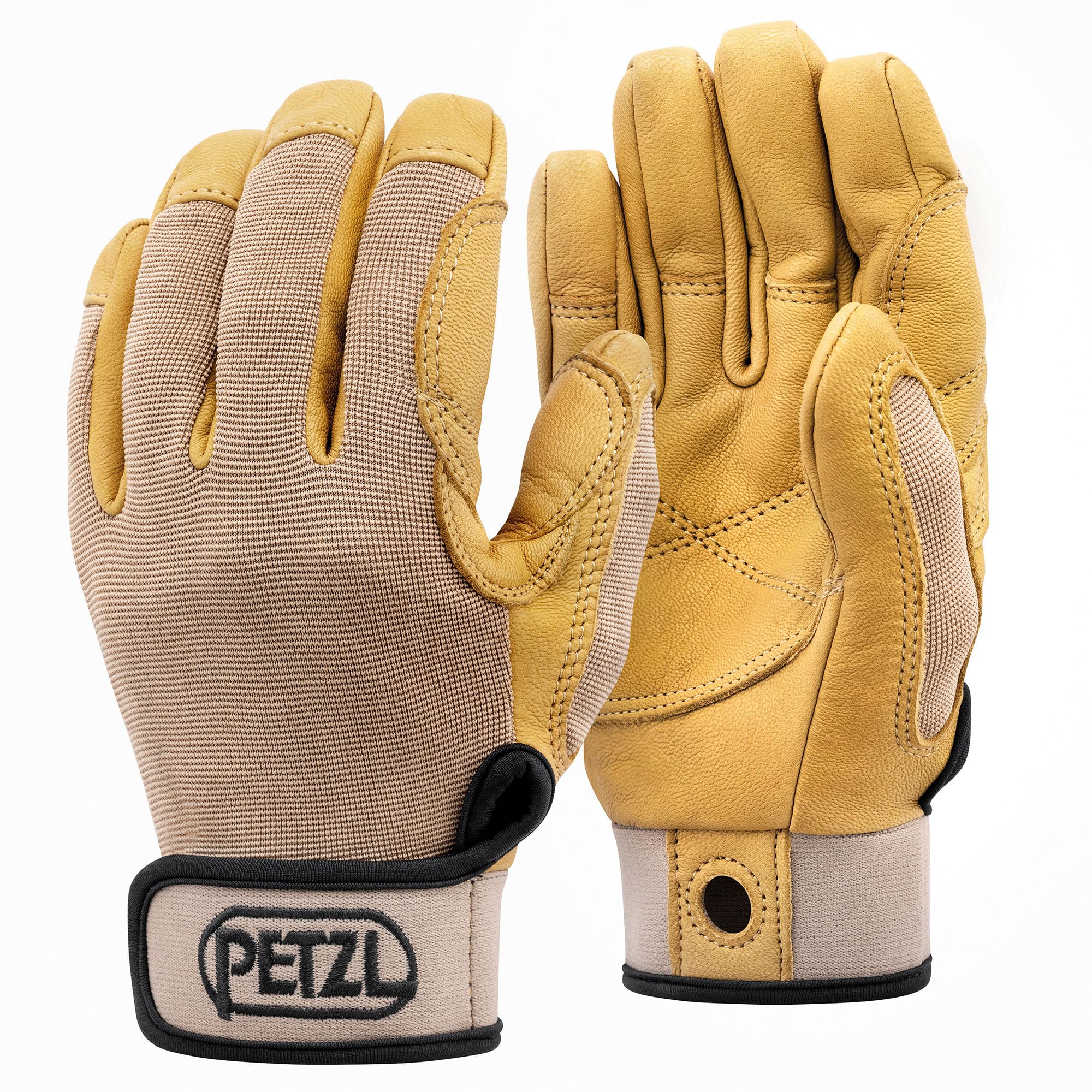
Petzl’s CORDEX gloves are a benchmark for dexterity and durability in the climbing world, and their design language translates perfectly to backpackers who handle ropes, webbing, or any gear requiring tactile feedback. The goat skin leather palm is thin yet remarkably abrasion-resistant, allowing for a natural feel on carabiners, belay devices, and trekking pole grips. The stretch nylon back ensures breathability and a close, non-restrictive fit that moves with the hand.
The low-profile neoprene cuff with a Velcro closure provides a secure fit around the wrist, and the built-in carabiner loop lets you clip the gloves to your harness or pack when not in use — a thoughtful detail for active transitions. The ergonomic cut allows for precise operation of small buckles and zippers, and the gloves have held up for years of heavy use, with some owners reporting over a decade of service from a single pair.
Warmth is minimal; the leather does not insulate well below 40°F, and the open back offers no thermal protection. The smooth leather can also feel slippery on certain surfaces until broken in. This is not a glove for winter camp chores — it is a specialized tool for climbers and backpackers who prioritize rope and gear sensitivity over warmth. If you need a glove for technical alpine work or rope management, the CORDEX is unmatched.
Why it’s great
- Exceptional dexterity for ropes and gear
- Durable goat skin leather palm
- Carabiner loop for easy stowing
Good to know
- Not warm below 40°F
- Smooth leather can feel slick initially
FAQ
How do I choose between a waterproof membrane and a coated glove for backpacking?
Can I use heavy insulated gloves for high-output winter hiking?
What glove material offers the best dexterity for rope and gear handling?
Final Thoughts: The Verdict
For most users, the best backpacking gloves winner is the SEALSKINZ Griston because it delivers genuine waterproof protection with the breathability needed for active use, all in a lightweight package that fits easily into a pack. If you want a high-dexterity glove for technical rope work and gear handling, grab the PETZL CORDEX. And for extreme cold-weather expeditions where frostbite is a concern, nothing beats the SHOWA TEMRES 282 for sheer thermal capability and bombproof waterproofing.