
Our readers keep the lights on and the weekend projects moving. As an Amazon Associate, I earn from qualifying purchases.
Choosing a backpacking jacket means balancing weather protection against packed weight — every ounce you carry on the trail counts against your legs and your endurance. A jacket that feels fine in the store can become a burden by mile eight, especially if it doesn’t breathe or fails in a sudden downpour.
I’m Rikta — the co-founder and writer behind FitlyFast. I’ve spent hundreds of hours analyzing trail-tested gear specs, comparing waterproof membranes, fill power ratings, and packed weights so you can match the right jacket to your specific trekking style without overpaying for features you won’t use.
Whether you need a packable rain shell for unpredictable mountain weather or an insulated layer for cold alpine camps, this guide to the best backpacking jackets breaks down the real-world performance, durability, and fit considerations that matter on the trail.
How To Choose The Best Backpacking Jackets
The first decision is whether you need a waterproof shell, an insulated mid-layer, or a hybrid piece that does both. A shell sheds rain and wind while letting moisture escape, but adds no warmth on its own. An insulated jacket traps heat but may become a soaked sponge in persistent rain. Many backpackers carry a lightweight shell over a thin synthetic or down puffy — this layering system handles the widest range of conditions.
Waterproofing and Breathability
Look for a fully seam-sealed jacket with a waterproof membrane rated for at least 10,000 mm. More breathable fabrics, like 3L Gore-Tex Pro or NanoPro, prevent the clammy feeling that cheaper 2.5L laminates cause during high-output climbs. Pit zips (PitZips) are a huge bonus for dumping heat without removing your shell.
Weight and Packability
A dedicated backpacking shell should weigh under 400 grams (14 oz), and an insulated jacket should stay under 500 grams (18 oz). The best jackets stuff into their own pocket or come with a compression sack. The lighter and smaller your jacket packs, the more space you save for food, water, or a sleeping bag.
Insulation Type
Down offers the best warmth-to-weight ratio (look for 600-fill to 800-fill power), but loses its loft when wet. Synthetic insulation (like PrimaLoft or Thermoball) retains warmth when damp and dries faster, making it a better choice for wet environments or high-sweat activities. Some jackets blend both — down in the core and synthetic in zones prone to moisture.
Fit and Features for the Trail
A backpacking jacket should fit comfortably over a mid-layer without restricting arm movement during scrambling. Helmet-compatible hoods, adjustable cuffs, and a drop hem that stays tucked under a hipbelt are critical for alpine use. Avoid jackets with stiff, heavy zippers or excessive pocket fabric that adds unnecessary weight.
Quick Comparison
On smaller screens, swipe sideways to see the full table.
| Model | Category | Best For | Key Spec | Amazon |
|---|---|---|---|---|
| Arc’teryx Beta AR | Waterproof Shell | Alpine conditions, severe weather | 3L Gore-Tex Pro, 135 gsm face fabric | Amazon |
| Mountain Hardwear Ghost Whisperer/2 | Down Hoody | Ultralight summit or camp insulation | 8.2 oz (M), 800-fill down | Amazon |
| Arc’teryx Atom Hoody | Synthetic Insulated | Active use in cool/cold weather | Coreloft synthetic insulation, DWR finish | Amazon |
| Rab Microlight Alpine | 700-Fill Down Hooded | Cold weather backpacking and trekking | 700-fill European goose down, Pertex shell | Amazon |
| The North Face Aconcagua 3 | 600-Fill Down/Synthetic Blend | Wind resistance with water repellency | WindWall fabric, non-PFC DWR | Amazon |
| The North Face Venture 2 | Waterproof Rain Jacket | Budget-friendly rain protection | DryVent seam-sealed shell | Amazon |
| Columbia Voodoo Falls 590 Turbodown II | TurboDown Insulated | Lightweight warmth with drizzle resistance | 590-fill TurboDown, Omni-Heat reflective | Amazon |
| Columbia Powder Lite II | Synthetic Insulated | Cold weather layering, casual use | Omni-Heat reflective lining, 60g synthetic | Amazon |
| Marmot PreCip Eco | Rain Shell | Entry-level waterproof backpacking shell | NanoPro recycled nylon, PitZips | Amazon |
In‑Depth Reviews
1. Arc’teryx Beta AR Men’s Jacket
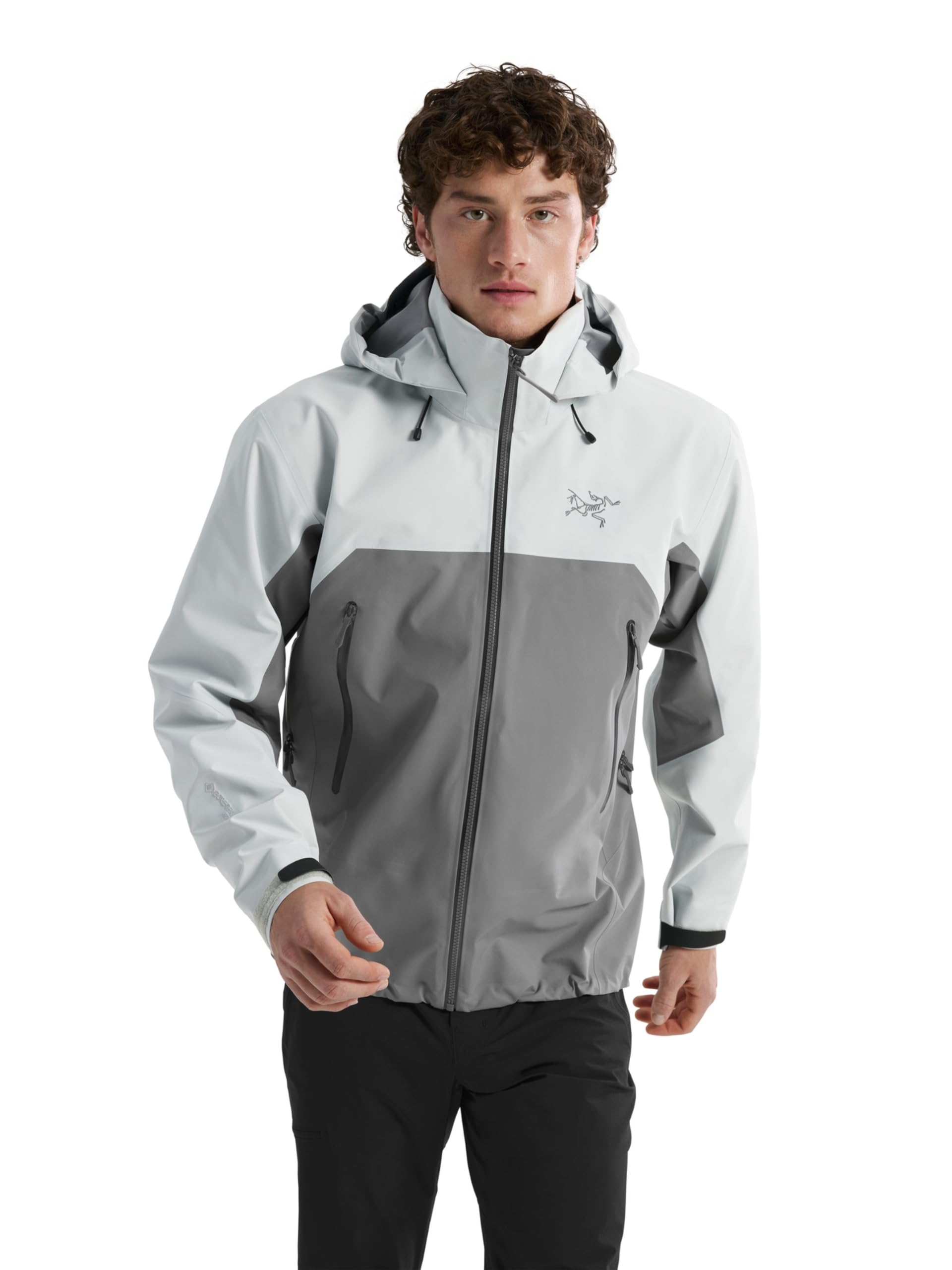
The Beta AR is the definitive hardshell for serious alpine backpacking — built with 3L Gore-Tex Pro that shrugs off sustained rain and wind while remaining breathable enough for ascents. The 80d recycled nylon in the body and 100d nylon in high-wear zones means this jacket survives brushing against granite and ice tool placement without delaminating. The DropHood is helmet-compatible and cinches securely even over a climbing lid, and the WaterTight zippers keep moisture out of pockets.
Weighing around 490 grams, the Beta AR is not the lightest shell, but it balances durability and packability for multi-day expeditions where a tear could be catastrophic. The long cut and drop hem work well under a hipbelt, though some users report the sleeves run very long — a common fit issue with Arc’teryx designed for alpine posture. The small weight penalty is justified for anyone who expects to face serious weather.
This is a technical shell, not a casual jacket — there’s no fleece lining, and the price reflects the premium membrane and seam-sealed construction. For backpackers who need one shell that can handle ice climbing, coastal rain, and high passes, the Beta AR delivers unmatched weatherproofing. The ePE membrane is also PFC-free, aligning with modern environmental standards.
Why it’s great
- Near-indestructible face fabric for rocky environments
- Excellent breathability during high-output climbing
- Helmet-compatible hood with secure adjustability
Good to know
- Sleeves run long — consider trying on or sizing down
- Premium price bracket, overkill for casual trails
2. Mountain Hardwear Ghost Whisperer/2 Hoody

At just 8.2 ounces in a men’s medium, the Ghost Whisperer/2 is one of the lightest hooded down jackets on the market — an essential piece for gram-conscious backpackers who want genuine warmth at camp or as a summit layer. The 800-fill RDS-certified down provides impressive loft for its weight, and the 10D nylon ripstop shell compresses to the size of a small grapefruit, making it disappear into any pack.
The slim cut layers cleanly under a hardshell, but the thin face fabric requires careful handling around campfires or bushwhacks — branches and pet nails can puncture it. The hood is minimalist and lacks a stiff brim, so it won’t hold its shape in wind, but it does tuck away neatly when not in use. The jacket is not waterproof, so it must be paired with a shell in wet conditions.
Several users report using this jacket in Antarctica and Patagonia as part of a layering system, confirming its warmth-to-weight ratio punches above its size. The trade-offs are durability and weather resistance, but for serious lightweight backpacking where every gram matters, the Ghost Whisperer/2 is a proven choice. Watch for loose threads on the zippers and treat the fabric gently.
Why it’s great
- Remarkably packable — fits in a palm-sized stuff sack
- Excellent loft and warmth for its weight
- Slim cut layers well under a shell
Good to know
- Thin face fabric is prone to tears from sharp objects
- Not waterproof — loses loft when wet
3. Arc’teryx Atom Hoody Men’s
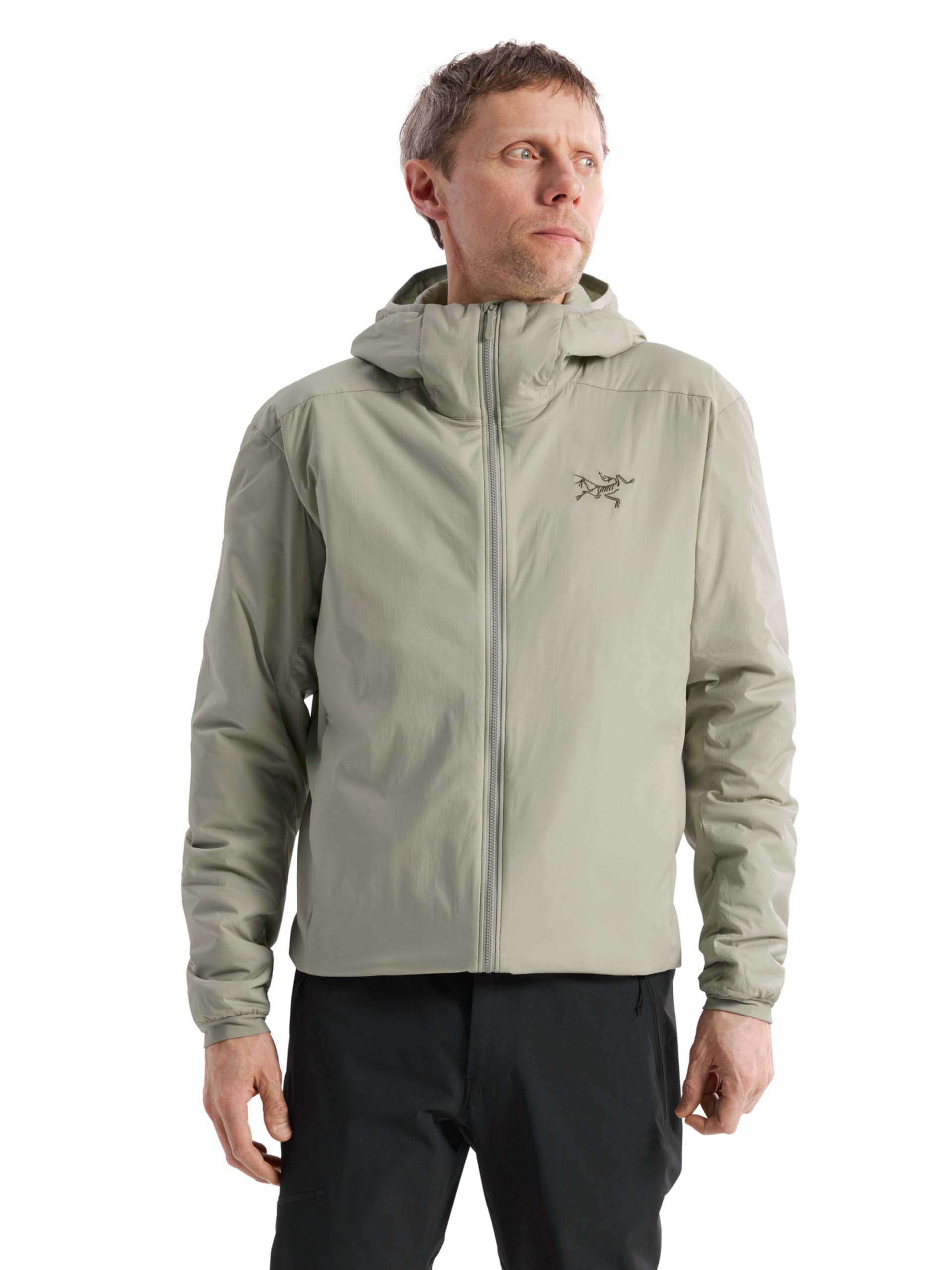
The Atom Hoody is the gold standard for active insulation — it uses Coreloft synthetic fill that retains warmth even when damp and breathes well enough to wear while hiking uphill. The side panels are stretchy fleece, which dumps heat effectively and allows full range of motion for scrambling or reaching for holds. The DWR finish sheds light rain and snow, giving this jacket surprising versatility as a standalone outer layer in cool conditions.
Weighing around 410 grams, the Atom is heavier than a down puffy but compensates with better wet-weather performance and durability. The hood is trim-fit and works under a helmet, and the insulated collar adds comfort in cold wind. Users consistently note that it performs best in the 30–50°F range, making it ideal for shoulder-season backpacking or high-altitude approaches.
The lack of a stuff sack and slightly bulkier packdown than down means it takes up more space, but the peace of mind of synthetic insulation in damp environments is worth the trade. The price is mid-range for Arc’teryx, and the jacket holds its shape well over years of use. It runs slightly slim, so size up if planning to layer a fleece underneath.
Why it’s great
- Breathable synthetic insulation for high-output activity
- Stretchy fleece side panels improve mobility and venting
- DWR finish handles light weather
Good to know
- Not as compressible as an 800-fill down jacket
- Slim fit may require sizing up for layering
4. Rab Men’s Microlight Alpine 700-Fill Down Hooded Jacket
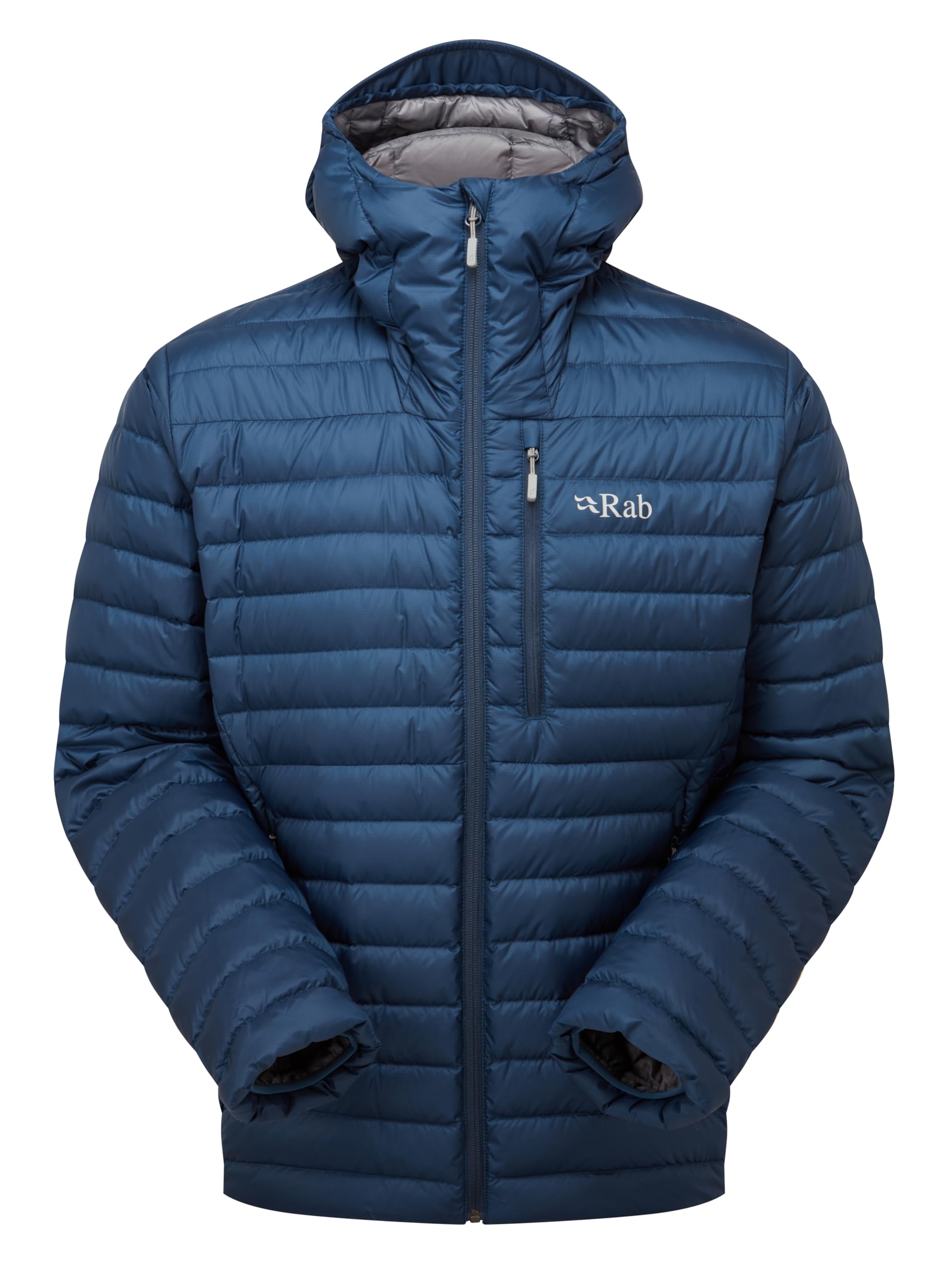
The Rab Microlight Alpine is a well-rounded down hoody that excels in cold, dry conditions — the 700-fill European goose down provides a substantial warmth boost without excessive bulk. The Pertex Quantum outer fabric is lightweight and wind-resistant while remaining breathable enough for active use. The jacket includes a two-way front zipper, which is a thoughtful touch for wearing with a climbing harness or hipbelt.
Tested extensively on the W and O Circuits in Patagonia, this jacket proved reliable as a camp insulation piece and mid-layer under a hardshell. The helmet-compatible hood stays put in high wind, and the elasticated cuffs seal in warmth effectively. The jacket is not fully waterproof — sustained rain will wet out the down — so always pair with a shell in wet conditions.
The fit is true to size for the outdoors, with slightly longer arms for alpine posture, and the jacket packs down into its own pocket about the size of a football. A few users note the zipper feels less robust than the rest of the jacket and requires careful handling. For backpackers who prioritize warmth and packability but don’t need ultralight, the Microlight Alpine offers excellent mid-range value.
Why it’s great
- High warmth-to-weight ratio with 700-fill down
- Two-way zipper works well with a hipbelt
- Helmet-compatible hood with good adjustability
Good to know
- Zipper feels wimpy compared to the rest of the build
- Not waterproof — down requires shell protection in rain
5. The North Face Women’s Aconcagua 3 Jacket

The Aconcagua 3 combines 50% recycled 600-fill down with 50% recycled polyester synthetic insulation, giving it the warmth of down with added resilience in damp conditions. The WindWall fabric blocks wind effectively, and the non-PFC DWR finish sheds light snow and drizzle, making this jacket a strong choice for cold-weather backpacking where you want one piece that handles wind and a bit of moisture.
The zoned synthetic sheet insulation in the arms allows greater freedom of movement — a welcome feature for hiking poles or scrambling. The jacket is not bulky and fits true to size, though some users recommend sizing up if you plan to layer a sweater underneath. It is not fully waterproof; prolonged snow or rain soaks through, limiting its use for wet snow sports.
The Aconcagua 3 strikes a good balance between sustainable materials (100% recycled body fabric) and practical trail performance. It is less packable than a premium down jacket but more versatile in variable weather. For women who want a warm, wind-resistant layer for cold-weather hikes and camp use, this is a reliable mid-range option that doesn’t sacrifice environmental credentials.
Why it’s great
- WindWall fabric blocks cold gusts effectively
- Down/synthetic blend holds warmth better in light moisture
- Recycled materials reduce environmental impact
Good to know
- Not fully waterproof — wets through in sustained snow
- Fits true to size but may need sizing up for layering
6. The North Face Mens Venture 2 Jacket

The Venture 2 is The North Face’s entry-level waterproof shell, using their proprietary DryVent membrane to keep rain out and a fully seam-sealed design to prevent leakage. It is an excellent budget-friendly option for backpackers who need reliable rain protection without spending up for Gore-Tex. The jacket is lightweight and packs into its own pocket, making it easy to stash in a daypack.
The main trade-off is breathability — users report feeling clammy during high-output activity, especially in warmer rain. The jacket has no pit zips, so ventilation is limited to the front zip. The fit tends to run slim, and several reviewers advise sizing up to accommodate a fleece or base layer underneath. The lack of a lining keeps weight down but can feel less comfortable against the skin.
For casual backpacking trips where rain is expected but not extreme, the Venture 2 does the job well. The durability is decent for the price, though it won’t withstand years of heavy bushwhacking like a premium hardshell. It’s a solid choice for the budget-conscious backpacker who prioritizes waterproofing over breathability.
Why it’s great
- Fully seam-sealed for reliable rain protection
- Lightweight and packs down small
- Affordable entry into a proven brand
Good to know
- Breathability is poor during high-exertion use
- Fit runs slim — avoid for bulky layering
7. Columbia Men’s Voodoo Falls 590 Turbodown II Jacket
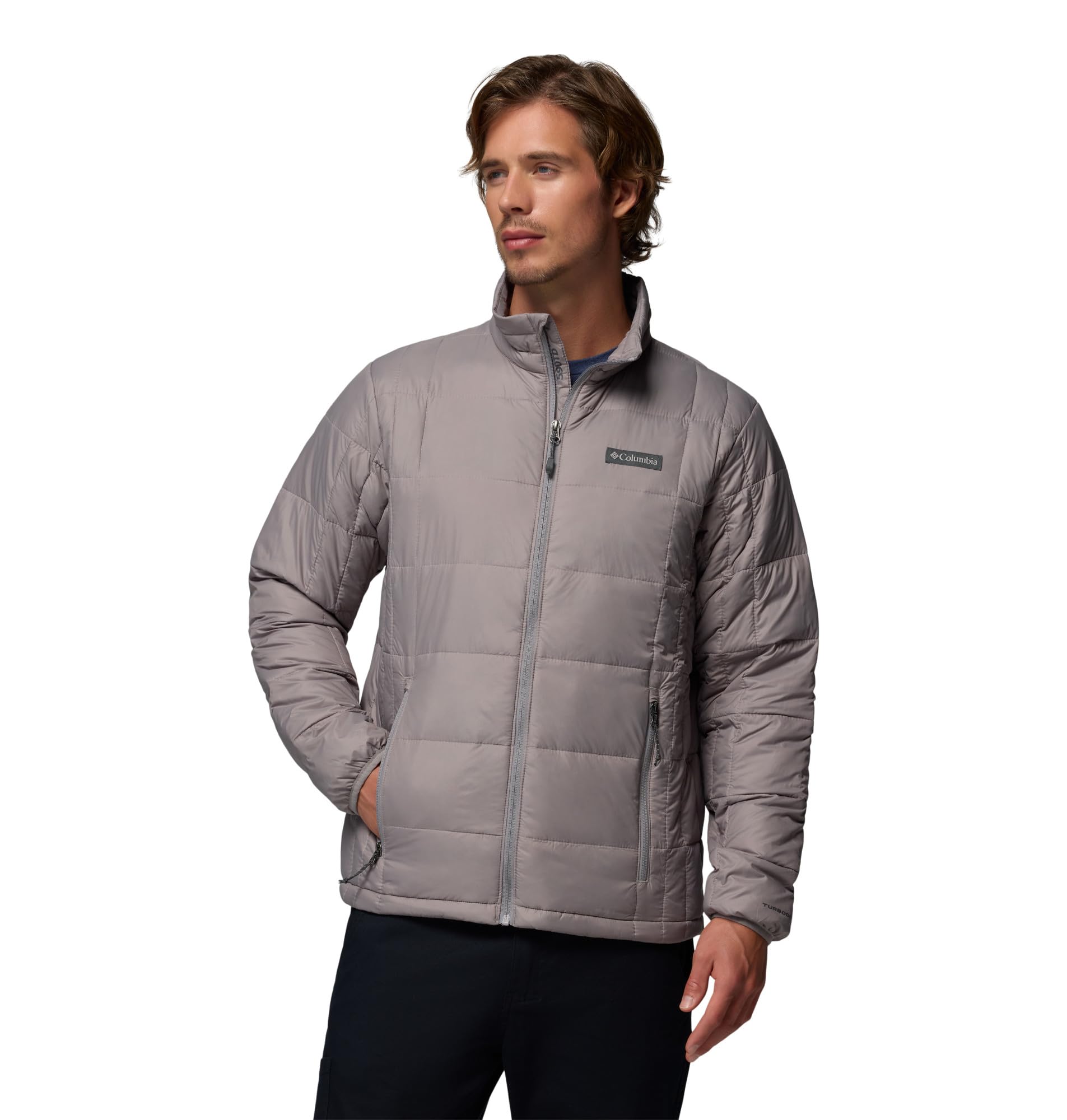
Columbia’s Turbodown technology blends down with synthetic fibers to create a hybrid insulation that offers good warmth with some resistance to dampness — a practical solution for backpackers who encounter occasional drizzle but don’t want the bulk of a full synthetic jacket. The 590-fill blend is lightweight and lofty, wrapping the wearer in warmth without the puffy look of traditional down parkas. The Omni-Heat reflective dots inside the jacket provide an extra warmth boost by reflecting body heat.
The tailored fit avoids the balloon-like silhouette of many down jackets, making it easy to layer under a hardshell. The jacket packs down reasonably small, though not as compact as premium 800-fill models. It breathes well for its insulation level and works well around the freezing mark, with several users reporting comfortable use in 30–40°F conditions.
The main downsides are durability of the outer fabric — it stains easily, especially in lighter colors — and the jacket is not fully waterproof. The DWR finish handles light drizzle but won’t stand up to heavy rain. For the price, it offers excellent value as a warm mid-layer or standalone for cool, dry backpacking trips.
Why it’s great
- TurboDown blend holds warmth better in light moisture than pure down
- Tailored fit layers well under a hardshell
- Omni-Heat reflective adds extra warmth without bulk
Good to know
- Outer fabric stains easily, especially in pale colors
- Not waterproof — must be paired with a shell in rain
8. Columbia Mens Powder Lite II Jacket

The Powder Lite II is a budget-friendly synthetic insulated jacket that uses Omni-Heat reflective lining to bounce body heat back, providing noticeable warmth for its weight. The 60g synthetic fill retains heat even when damp, making it a practical choice for backpacking in conditions where wet snow or sweat is unavoidable. The jacket compresses reasonably well for a synthetic, stuffing into its own pocket for easy storage.
The no-hood design is a limitation for backpackers who want head coverage, though it also saves weight and bulk. Users consistently note that it works well for fall and winter camping, especially when layered, and fits tall frames well in larger sizes. The jacket shows good durability when machine-washed, though the reflective dots can be subtle and less warm than some expect.
On the downside, the jacket lacks a wind flap behind the front zipper, and the collar opening is relatively large, allowing cold air to sneak in. The fit is comfortable but not athletic — more relaxed than trim. For the price, it’s a solid synthetic layer that does the job for casual to moderate backpacking use, but serious winter backpackers may want a higher-fill piece.
Why it’s great
- Omni-Heat reflective lining offers genuine warmth boost
- Compresses into own pocket for packability
- Affordable synthetic option for wet conditions
Good to know
- No hood and no wind flap behind zipper
- Collar opening is large, letting in cold drafts
9. Marmot PreCip Eco Jacket

The PreCip Eco has been a staple in the entry-level backpacking shell category for years, and for good reason — it uses Marmot’s NanoPro membrane with a PFC-free DWR to deliver reliable waterproofing at a very accessible price point. The 100% recycled nylon ripstop fabric feels durable for its weight, and the fully sealed seams ensure no water sneaks through during a downpour. The jacket stuffs into its own pocket, making it highly packable for day hikes and multi-day trips.
The inclusion of PitZips is a standout feature at this tier — they allow you to dump heat quickly during uphill pushes, which greatly improves comfort in variable conditions. The adjustable hood rolls up and stows into the collar when not needed. Users have tested it in jungle downpours and on PCT sections, reporting complete dryness. The fit runs slightly roomy, which works well for layering a fleece underneath.
The most common long-term issue is delamination — the inner waterproof lining can peel and flake after 12–18 months of regular use, even without washing. This is not unusual for budget-friendly 2.5L shells, but it means the PreCip Eco is best viewed as a reliable but not indefinite solution. For new backpackers or those on a tight budget, this jacket offers exceptional rain protection and features per dollar spent.
Why it’s great
- PitZips provide critical ventilation for active use
- Packs into its own pocket for easy storage
- Strong waterproofing with sealed seams at a low price
Good to know
- Inner lining can delaminate after 12–18 months
- 2.5L membrane feels less breathable than premium shells
FAQ
What fill power down should I look for in a backpacking jacket?
Is a synthetic or down jacket better for wet climate backpacking?
Do I need a hooded jacket for backpacking?
How should a backpacking jacket fit for layering?
What does DWR do and why does it stop working?
Final Thoughts: The Verdict
For most backpackers, the best backpacking jackets winner is the Arc’teryx Atom Hoody because it combines lightweight synthetic insulation with excellent breathability for active use, handling cool to cold conditions with minimal bulk. If you need bombproof wet-weather protection for alpine expeditions, grab the Arc’teryx Beta AR. And for a budget-friendly, packable rain shell with PitZips, nothing beats the Marmot PreCip Eco.