
Our readers keep the lights on and the weekend projects moving. As an Amazon Associate, I earn from qualifying purchases.
A frozen night on the trail isn’t just uncomfortable — it can ruin the next day’s hike and compromise your safety. The right sleeping pad is the single most important piece of gear separating a restorative backcountry sleep from a miserable, shivering one, and it’s the one category where weight, insulation, and comfort must balance with no room for error.
I’m Rikta — the co-founder and writer behind FitlyFast. I’ve analyzed the thermal engineering, material science, and real-world field data behind dozens of backpacking pads to help you find the one that actually performs when the temperature drops and the trail gets long.
With the right knowledge of R‑value ratings, packed weight, and construction types, you can confidently buy a best backpacking mattress that delivers reliable warmth and genuine comfort without weighing down your pack.
How To Choose The Best Backpacking Mattress
Selecting the right pad for the trail means weighing warmth, weight, packed size, and durability against the conditions you actually face. Here’s what matters most.
R‑Value: Know the Number That Keeps You Warm
R‑value measures thermal resistance from ground to body. For spring, summer, and fall camping, a pad with an R‑value of 4.0 to 5.0 is the safe target. Winter camping demands an R‑value of 5.0 or higher. A pad with an R‑value below 3.0 is suitable only for warm-weather nights above 50°F. Never trust a pad marketed solely by temperature claims — check the actual ASTM‑tested R‑value printed on the package.
Weight vs. Packed Size vs. Comfort
Every ounce counts on a multi‑day trip, but a pad that forces you to sleep with your hips touching the ground is a false economy. Look for a thickness of at least 3 inches for side sleepers, and a packed volume smaller than a 1‑liter water bottle for serious backpackers. Foamless inflatable designs and high‑denier fabrics like 20D or 40D ripstop nylon help balance durability with a low pack weight.
Valve, Inflation, and Noise Considerations
The best pads today include a pump sack to inflate without breath moisture inside the pad — critical when overnight lows dip below freezing and condensation can freeze inside the valve. WingLock style valves offer fast deflation. Also consider the pad’s crinkle noise: multi‑layer reflective films can be noisy, but modern designs have largely solved this. A noisy pad will wake you at every toss and turn, so seek out pads praised for quiet fabric by long‑distance hikers.
Quick Comparison
On smaller screens, swipe sideways to see the full table.
| Model | Category | Best For | Key Spec | Amazon |
|---|---|---|---|---|
| Exped Ultra 8R | Winter Insulated | Mountaineering & cold‑weather warmth | R‑Value 8.8 | Amazon |
| NEMO Tensor All‑Season | Ultralight Insulated | Year‑round ultralight trips | R‑Value 5.4 | Amazon |
| Therm‑a‑Rest NeoAir Xlite NXT | Ultralight Classic | Minimal weight, proven performance | R‑Value 4.5 | Amazon |
| Big Agnes Rapide SL | Comfort Insulated | Plush quilted feel, 3‑season warmth | R‑Value 4.8 | Amazon |
| Big Agnes Divide | Value Insulated | Affordable 3‑season reliability | R‑Value 4.0 | Amazon |
| Naturehike 27oz | Budget Insulated | Lightweight warmth on a budget | R‑Value 4.6 | Amazon |
| TREKOLOGY UL R7 | Budget All‑Season | Highest R‑value at lowest cost | R‑Value 7.2 | Amazon |
In‑Depth Reviews
1. Exped Ultra 8R
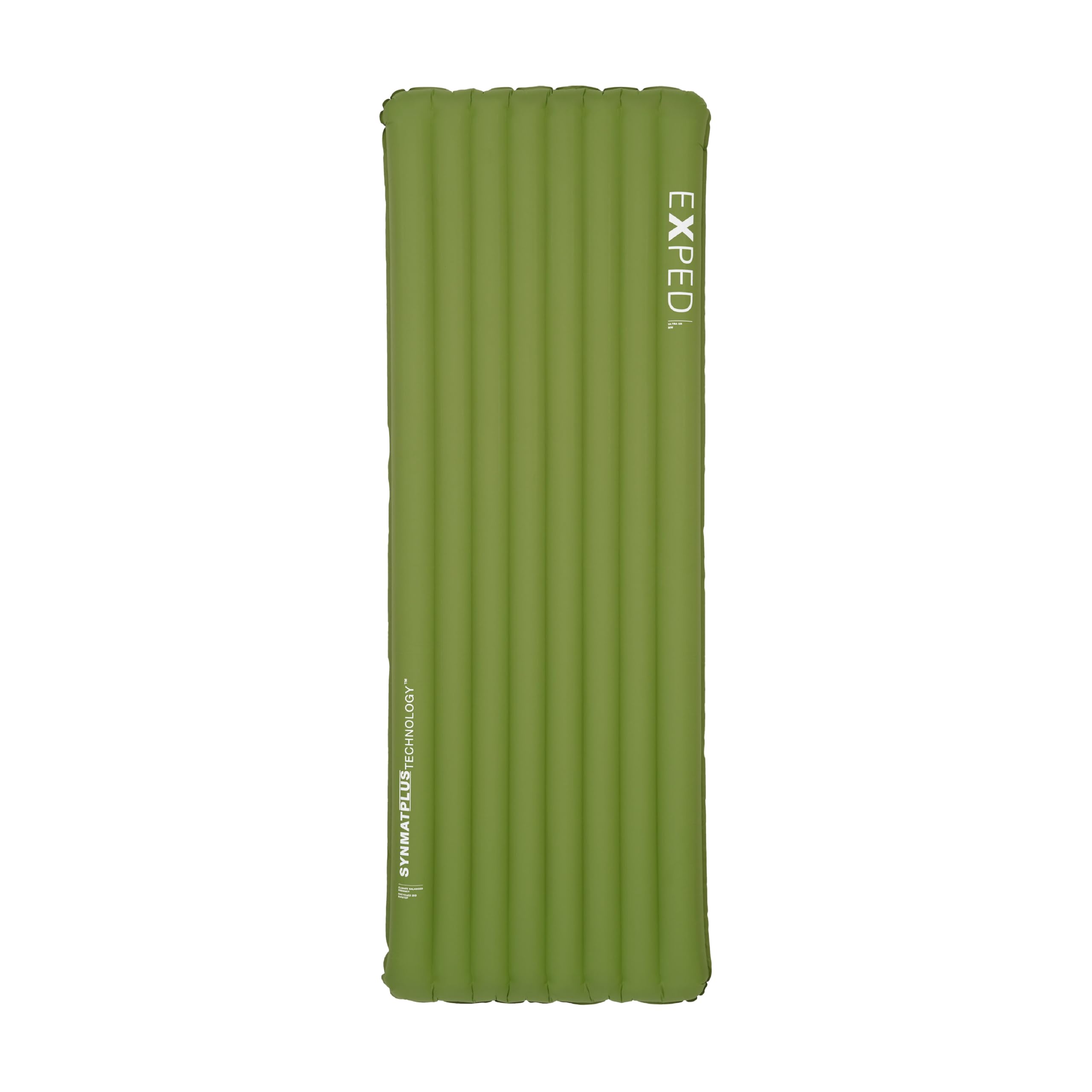
The Exped Ultra 8R is built for the harshest conditions, with an 8.8 R‑value that sets the standard for four‑season insulation. Its 3.5‑inch thickness, combined with SYNMAT Plus microfiber and reflective foil layers, keeps your body heat locked in even when sleeping directly on snow or frozen alpine terrain.
At sub‑2‑pound weight for the regular size, it delivers winter‑grade warmth without the bulk of traditional foam‑filled expedition pads. The Schnozzel Pumpbag inflates the pad in under four squeezes and keeps your breath moisture out — a critical advantage when temperatures drop below freezing. Comfort Cradle side rails prevent roll‑off, and the 25.6‑inch width provides generous space for side sleepers to stretch out.
Hikers report excellent durability from the recycled 20D ripstop face, and the included repair kit handles field punctures on remote trips. It packs down compactly for a pad of this warmth rating, making it a serious contender for anyone who prioritizes warmth without sacrificing packability.
Why it’s great
- Outstanding 8.8 R‑value for true winter and alpine use
- Wide 25.6‑inch profile and side rails for comfort
- Moisture‑free inflation with Schnozzel pump bag
Good to know
- Premium cost is a serious investment
- Overkill for summer‑only campers
2. NEMO Equipment Tensor All‑Season
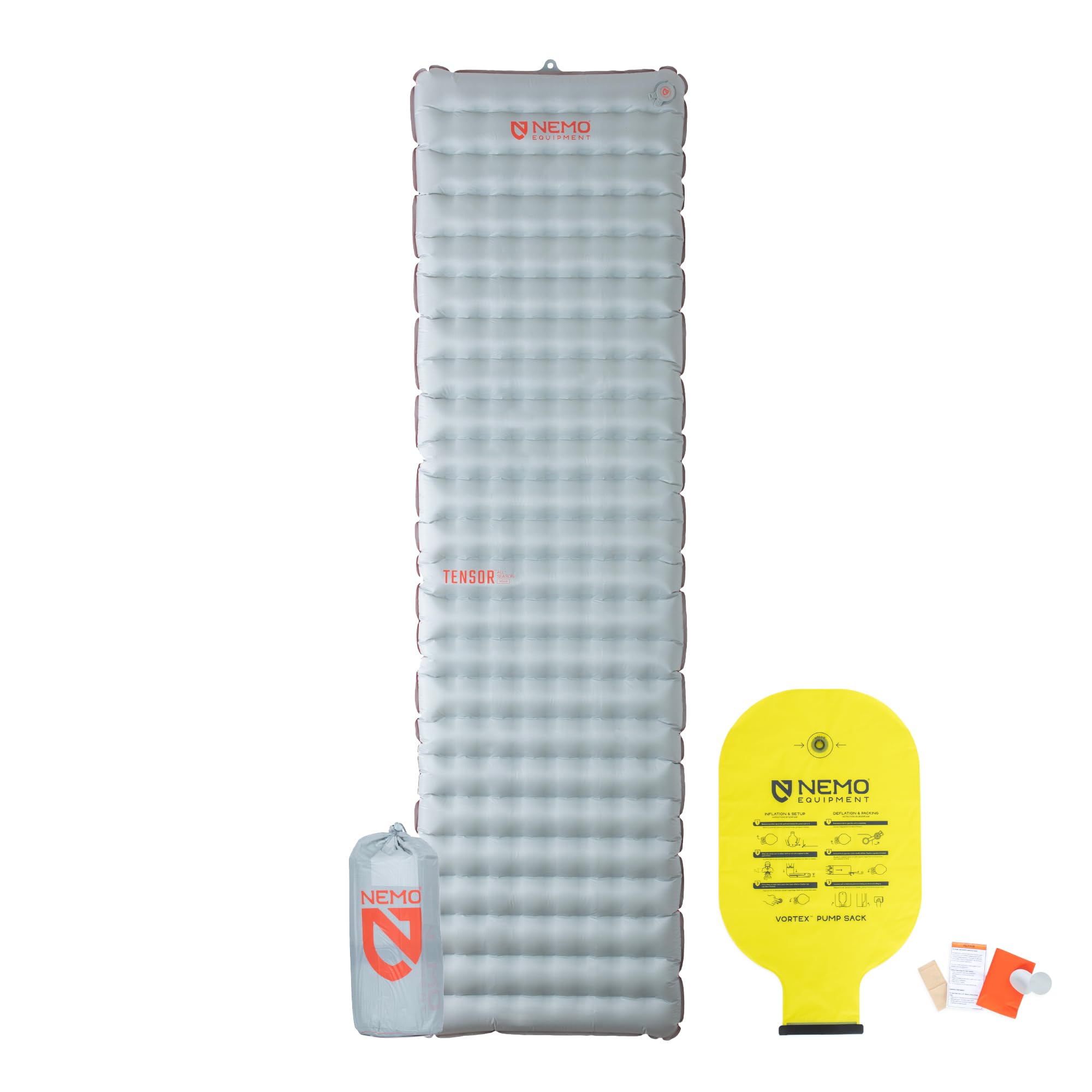
The NEMO Tensor All‑Season solves the longstanding complaint of crinkly insulated pads by using two floating layers of Thermal Mirror film that stay silent through the night. At just 500 grams for the regular size, it’s one of the lightest insulated pads available while still delivering a 5.4 R‑value that handles cold down to at least 20°F.
Spaceframe baffles eliminate the trampoline springiness of cheaper pads, distributing your weight evenly across the 3.5‑inch loft. Side sleepers report that their hips never contact the ground, even on rocky campsites. The included pump sack inflates in two to three fills with no moisture inside, and the pad rolls down to a compact cylinder that fits easily inside a weekend pack.
The bluesign‑approved nylon fabric resists punctures better than many ultralight competitors, and the lifetime warranty backs the build quality. Travelers also appreciate how well it replaces hotel mattress toppers. The only real trade‑off is the 20‑inch width, which can feel narrow for broad‑shouldered individuals — the wide version solves that.
Why it’s great
- Extremely quiet fabric — no crinkling at night
- Outstanding warmth‑to‑weight ratio at 5.4 R
- Durable bluesign fabric with lifetime warranty
Good to know
- 20‑inch width may be too narrow for some
- Not water‑resistant; store dry
3. Therm‑a‑Rest NeoAir Xlite NXT

The NeoAir Xlite NXT is the standard that other ultralight pads are measured against, weighing just 13 ounces in the regular size — about the same as a small water bottle. The Triangular Core Matrix construction minimizes convective heat loss to deliver a 4.5 R‑value that comfortably handles three‑season conditions and even many shoulder‑season nights.
The WingLock valve system provides effortless inflation and lightning‑fast deflation, and the included pump sack prevents moisture from entering the pad. At 3 inches thick, the foam‑free NeoAir baffles provide stable support without bottoming out — even for side sleepers who shift weight onto a single hip. The NXT generation has largely resolved the crinkle noise issue that plagued earlier versions, and hikers consistently report silent nights on the trail.
Packed size rivals a 1‑liter bottle, and the PFAS‑free DWR coating on the stuff sack keeps your gear dry. It’s made in the USA and backed by a strong reputation, but the 20‑inch width and relatively modest R‑value for winter use mean it’s best suited for spring through fall adventures. The fragile 30D fabric demands careful site selection.
Why it’s great
- Industry‑leading 13‑ounce weight for an insulated pad
- Quick WingLock valve for easy inflation/deflation
- Nearly silent construction in the NXT generation
Good to know
- Not warm enough for deep winter use
- Fabric is delicate; requires careful ground prep
4. Big Agnes Rapide SL Insulated

The Rapide SL distinguishes itself with a quilted top layer that feels pillowy rather than plasticky — a noticeable difference for side sleepers who appreciate a softer surface against the face and arms. The dual heat‑reflective films achieve a 4.8 R‑value, making it suitable for three‑season use and extending into early winter for most hikers.
The offset I‑Beam construction provides stable support without the air spring bounce common in budget pads. At 3.5 inches thick with 4.25‑inch reinforced outer chambers, the pad cradles you in the center and prevents that unnerving feeling of sliding off. The high‑volume Pumphouse sack inflates the pad in seconds without introducing moisture, and the micro‑adjustment valve lets you fine‑tune firmness without losing air.
Weighing in under 1.5 pounds for the regular size, it packs to roughly the size of a 1‑liter bottle. The superlight double ripstop nylon resists punctures well, and Big Agnes backs it with a lifetime warranty. Some users note that the included inflation sack works best when used with a slightly twisted connection. It’s an excellent choice for hikers who prioritize comfort without exceeding a mid‑range budget.
Why it’s great
- Quilted top feels softer against skin than slick nylon
- Offset I‑Beam baffles prevent air spring bounce
- 4.8 R‑value covers nearly all three‑season conditions
Good to know
- Heavier and bulkier than ultralight dedicated pads
- Inflation sack connection can be fiddly
5. Big Agnes Divide Insulated

The Big Agnes Divide offers a compelling blend of price and performance for hikers who spend most nights in moderate temperatures. The 4.0 R‑value, backed by THERMOLITE insulation and a heat‑reflective film, handles typical spring through fall conditions without the sticker shock of premium competitors.
The proprietary I‑Beam construction uses vertical baffles that reduce overall weight while maintaining consistent support. At 3.25 inches thick with 3.5‑inch outer chambers, it keeps you centered and prevents hip contact for most sleepers. The recycled 20D nylon ripstop fabric with aviation‑grade TPU lamination provides solid durability for its weight class, and the pad includes a pump inflation sack, protective storage sack, replacement valve seal, and 3M repair patches.
Weighing about 1.6 pounds for the regular petite size, it’s not the lightest option here, but the packed size of 4 inches by 7.5 inches stows neatly inside any backpack. The high‑volume valve allows micro‑adjustments and fast deflation. Some users note that the 20‑inch width is narrow for broad individuals, so the regular wide size is a worthwhile upgrade. Big Agnes’s lifetime warranty adds long‑term confidence.
Why it’s great
- Solid 4.0 R‑value at an accessible entry price
- Vertical I‑Beam baffles reduce weight without sacrificing comfort
- Includes inflation sack, repair kit, and lifetime warranty
Good to know
- 20‑inch width feels tight for broad shoulders
- Heavier than ultralight contenders
6. Naturehike 27oz Ultralight Sleeping Pad
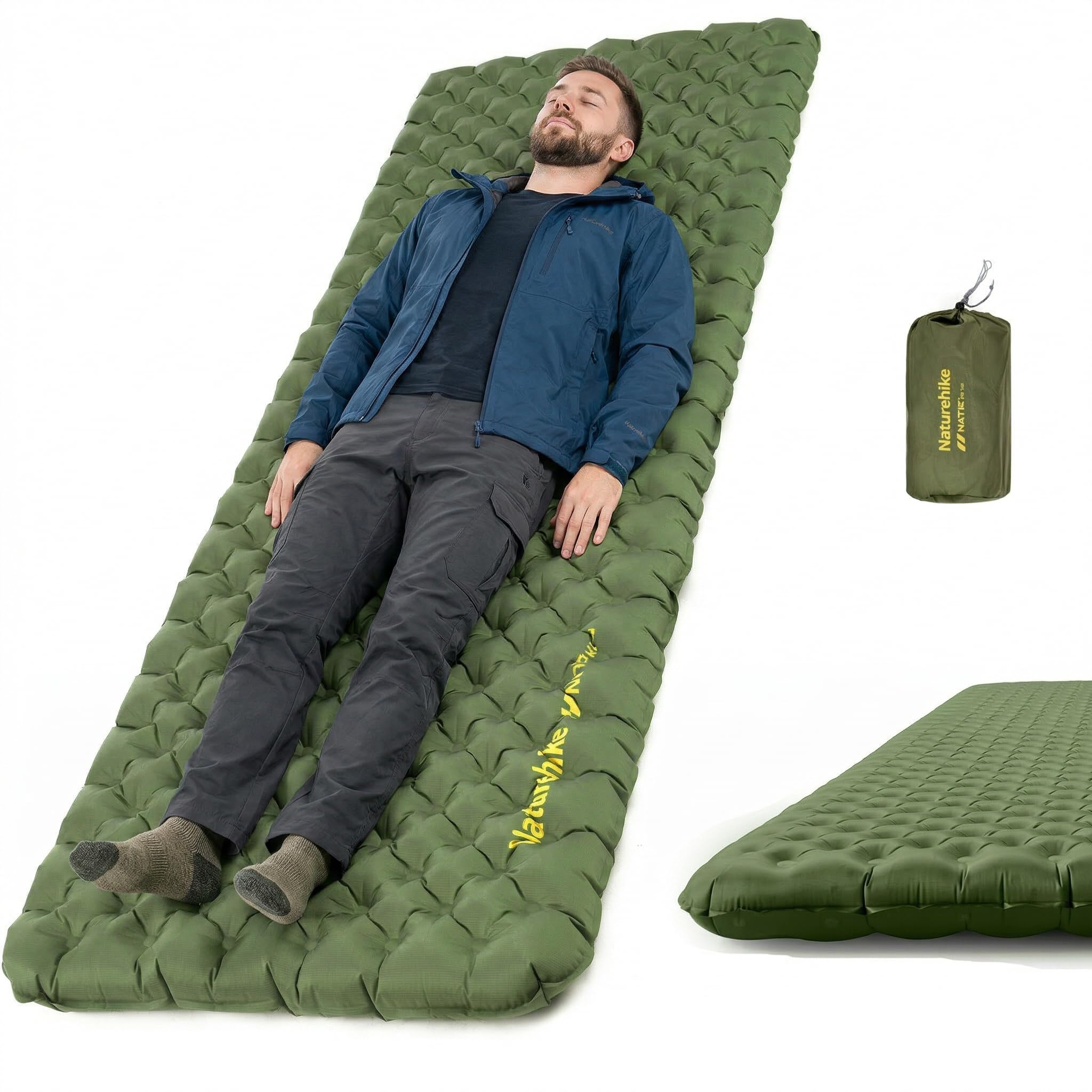
The Naturehike 27oz pad punches well above its price point with a 4.6 R‑value and an eight‑layer aluminum molded 3D insulation structure that rivals many premium pads in warmth. Weighing just 27 ounces and packing down to about 5.1 inches by 8.6 inches, it competes directly with pads costing twice as much.
The NKTR Air heat‑reflective system uses a multi‑layer composite aluminum mold that circulates heat and reduces loss from the body to the ground. The perforated aluminum layer design also reduces the crinkle noise common in reflective pads. At 3.2 inches thick with an 8‑centimeter loft, the punching point structure distributes pressure evenly and provides firm, stable support for side sleepers up to about 200 pounds.
The patented dual‑vent valve allows one‑way inflation with minimal air leakage and rapid deflation — the included inflation bag works in about four squeezes. The 20D nylon and TPU construction resists abrasion well for its weight. Some users find the inflation bag connection unclear on first use, but after a couple tries it works smoothly. For hikers seeking real insulation performance on a budget, this is a serious option.
Why it’s great
- Impressive 4.6 R‑value for the low cost
- Eight‑layer aluminum insulation reduces noise
- Compact packed size for the warmth provided
Good to know
- Inflation bag instructions can be confusing
- Not suitable for extremely cold winter conditions
7. TREKOLOGY Sleeping Pad UL R7
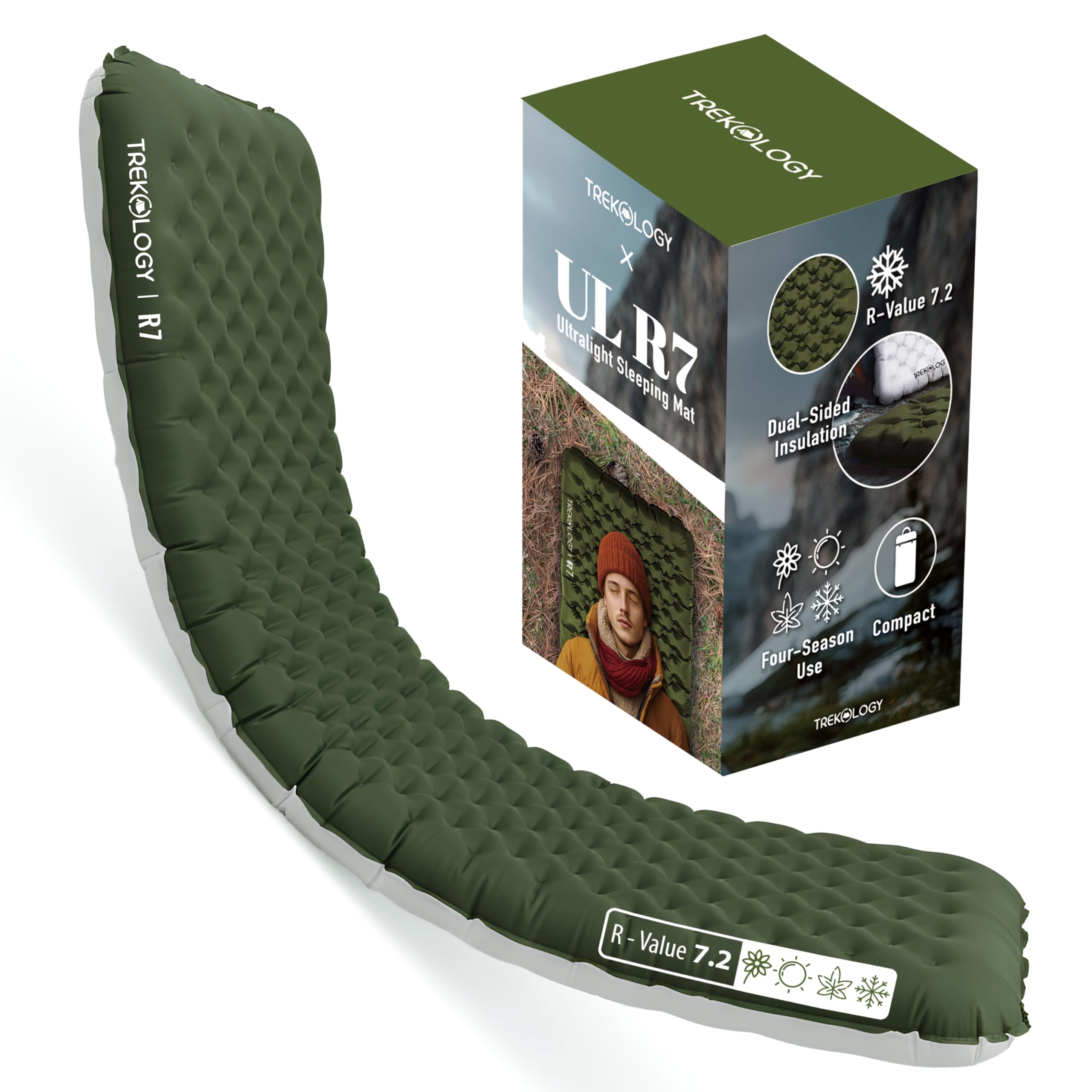
The TREKOLOGY UL R7 delivers a staggering 7.2 R‑value at a budget‑friendly price — a combination that’s hard to find in the backpacking pad market. The 4‑inch thickness provides generous cushion that prevents bottoming out for side sleepers, and the 40D ripstop nylon with TPU coating offers durability that exceeds many ultralight pads.
Weighing just under 2 pounds, it’s heavier than ultralight competitors, but the warmth justifies the weight for cold‑weather backpackers on a tight budget. The patented anti‑leak valve inflates quickly and holds air reliably through multiple nights — users report sleeping warm at 22°F when paired with a winter bag and a four‑season tent.
The 70.8‑inch length and 24‑inch width accommodate most adults comfortably, and the 330‑pound weight capacity is generous. The pad packs down to the size of a water bottle. While some reviewers question whether the SGS‑certified 7.2 R‑value is accurate in extreme cold, the vast majority find it warm enough for mild winters and all three‑season use. The slippery vinyl surface can feel noisy against sleeping bag fabric, but that’s a minor trade‑off for the warmth per dollar.
Why it’s great
- 7.2 R‑value provides exceptional cold‑ground insulation
- 4‑inch thick design prevents hip contact
- Durable 40D fabric with reliable valve
Good to know
- Heavier than ultralight options at nearly 2 pounds
- Vinyl surface can be slippery and slightly noisy
FAQ
What R‑value do I need for winter backpacking?
Can I use a backpacking pad on a cot or in a hammock?
How do I inflate an insulated pad without moisture?
Final Thoughts: The Verdict
For most users, the best backpacking mattress winner is the NEMO Tensor All‑Season because it balances an excellent 5.4 R‑value, ultralight weight, and silently comfortable Spaceframe baffles at a price that justifies itself for year‑round three‑season use. If you want the ultimate warmth for true winter mountaineering, grab the Exped Ultra 8R. And for the thriftiest way to get a high R‑value without breaking the bank, nothing beats the TREKOLOGY UL R7.