
Rucking is the most efficient way to turn a walk into a full-body workout, but the wrong backpack turns that efficiency into shoulder pain, chafing, and a weight that swings loose with every step. A dedicated rucking backpack locks your plates high and tight against your upper back, keeps the load stable during runs and hikes, and uses padding where you actually need it. Standard hiking packs or old school bags simply were not designed to handle the concentrated weight of steel plates — they sag, shift, and dig in.
I’m Rikta — the co-founder and writer behind FitlyFast. I spend my days analyzing the hardware specifications and real-world durability of purpose-built fitness gear to help you cut through the marketing noise and buy what actually works.
After reviewing several top contenders across price tiers, I found the definitive picks for the best backpacks for rucking, whether you are stepping into your first weighted walk or logging heavy miles with a full load.
How To Choose The Best Backpacks For Rucking
A rucking backpack is a piece of fitness equipment, not a commuter bag. The wrong choice means your plates slide to the bottom, your shoulders take all the load, and your form collapses. Focus on these three factors to pick the right one.
Weight Pocket Design and Placement
Look for a dedicated internal sleeve or pocket that holds your plate high against your upper back, not loose in the main compartment. A pocket that keeps the weight from bouncing down to the bottom of the bag is the single most important feature. Some packs offer two pocket sizes to accommodate both long and short ruck plates, which adds flexibility if you change loads frequently.
Frame, Padding, and Hip Belt
A frame sheet adds structural integrity and transfers weight from your shoulders to your hips. Extra-padded shoulder straps prevent strap bite under heavy loads, and a removable hip belt allows you to cinch the load tight for long miles or remove it for shorter training sessions. Closed-cell foam in the back panel resists sweat absorption and keeps the pack from sagging when wet.
Fabric Durability and Capacity
Rucking beats up bags faster than hiking. Look for a minimum of 1000 denier nylon or Cordura fabric that resists abrasion from plate corners. Capacity between 20 and 25 liters is ideal for a compact load that stays close to your body — anything larger encourages you to overpack and lets the weight shift. If you plan to carry gear beyond the plates, 37-liters works but demands a stiffer frame.
Quick Comparison
On smaller screens, swipe sideways to see the full table.
| Model | Category | Best For | Key Spec | Amazon |
|---|---|---|---|---|
| GORUCK Rucker 4.0 20L | Premium | Dedicated rucking training | 75 lb plate capacity | Amazon |
| Ruckercise Ridge 21L | Premium | Durable daily training | 1000D Cordura nylon | Amazon |
| RuckBuddy Ruckpack 25L | Mid-range | Beginner to intermediate | 25L capacity with hip belt | Amazon |
| 5.11 Tactical RUSH 24 2.0 | Mid-range | Tactical and heavy loads | 37L / 1050D nylon | Amazon |
| 5.11 Tactical RUSH 12 2.0 | Mid-range | EDC and light rucking | 24L / 1050D nylon | Amazon |
| Mardingtop 60L Internal Frame | Budget | Low-cost versatility | 60L expandable capacity | Amazon |
| Polyfit Rucking Backpack 2.0 | Budget | Side-loading convenience | 40 lb max load | Amazon |
In‑Depth Reviews
1. GORUCK Rucker 4.0 20L
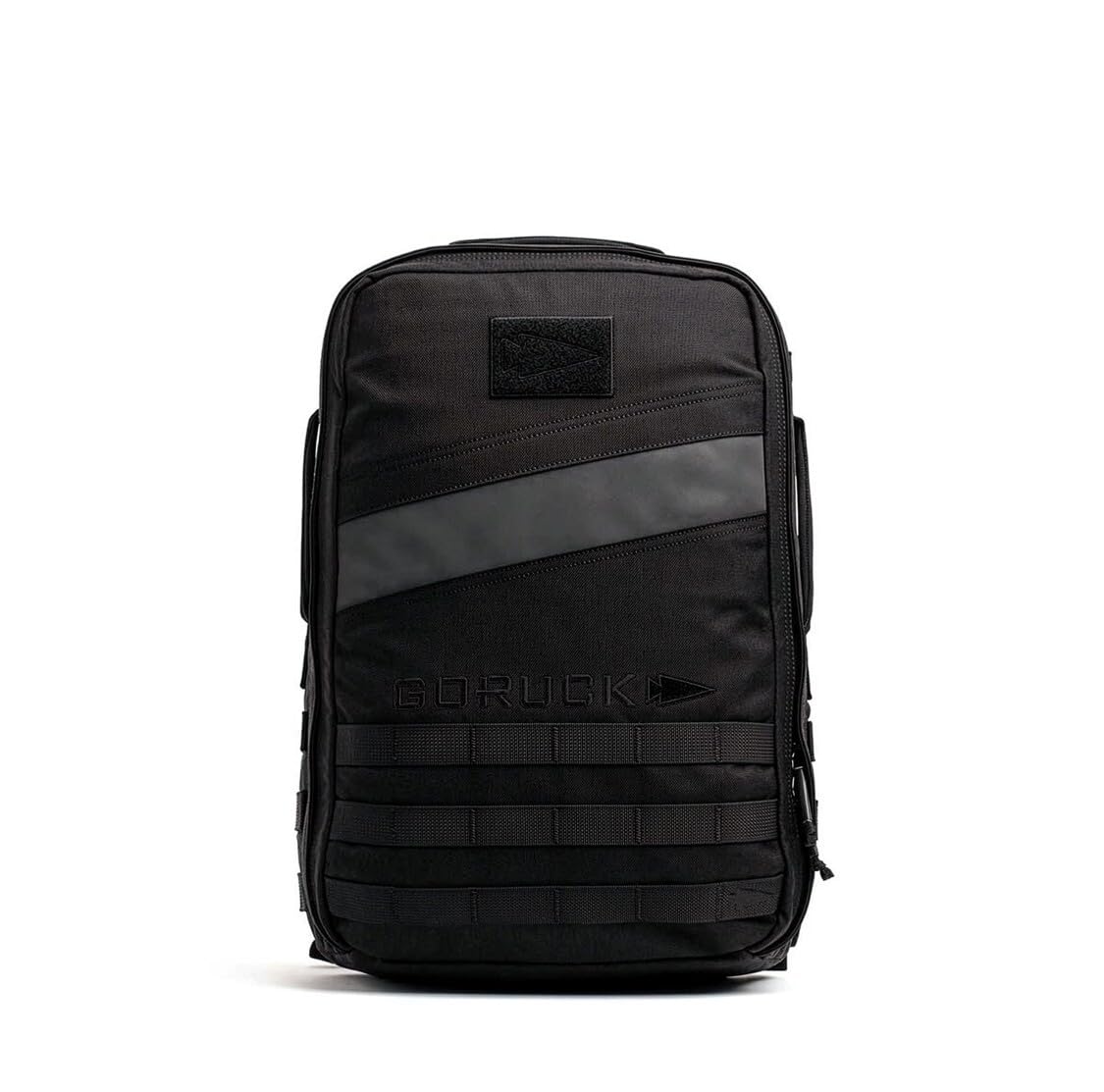
The GORUCK Rucker 4.0 is the gold standard for purpose-built rucking packs. Its elevated plate pocket keeps the load high against your upper back, preventing the bottom-heavy swing that ruins your gait. The platform accepts up to 75 pounds of Ruck Plates, and the built-in frame sheet provides the structural stiffness needed to carry that weight without the bag collapsing inward.
The Super Straps are a highlight — two layers of high-density polyethylene foam heat-laminated together so the inner foam cushions your shoulders while the outer foam resists impact. The lumbar support padding along the bottom of the back panel protects your spine and braces your core, and the 210D Cordura fabric on the back panel is smooth enough to avoid chafing even during sweaty sessions.
Yes, the price is steep, but reviews consistently report that the bag eliminates shoulder pain and low-back fatigue that cheaper packs cause. This is fitness equipment designed to outlast your training, not a school bag. If you are serious about rucking and want one pack that will never need replacing, this is it.
Why it’s great
- Weight rides high and tight with no bounce
- Wide, extra-padded straps eliminate strap bite
- Lumbar support padding protects the lower back
Good to know
- Premium price point requires serious commitment
- Not ideal as a school or travel bag due to minimal interior organization
- Hip belt sold separately
2. Ruckercise Ridge 21L
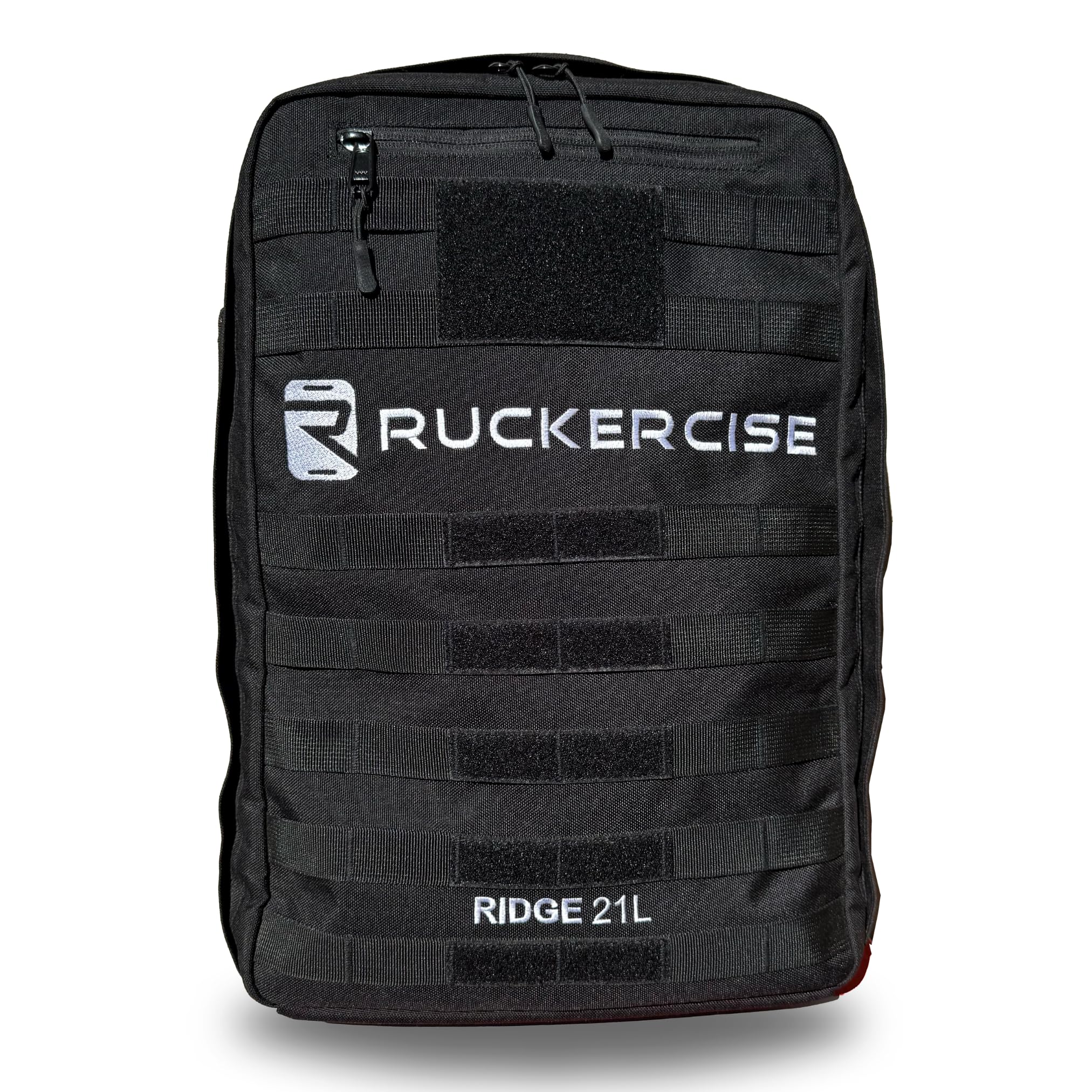
The Ruckercise Ridge 21L is built from 1000 Denier Cordura nylon, the same fabric used in military-grade gear, meaning it can handle repeated plate insertion and rough terrain without fraying. It features two dedicated weight pockets — a larger pocket measuring 15.5 x 10.5 inches and a smaller one at 11 x 8.5 inches — so you can fit both long and short plates securely. The straps lock the weights in place so nothing shifts during high-intensity movement.
The extra-padded shoulder straps and removable hip belt distribute the load effectively, and the MOLLE system on the front lets you attach additional pouches for hydration or small gear. At 21 liters, the Ridge keeps the pack compact enough that the weight stays close to your body, but the interior still has room for layers and a hydration bladder. The back panel is framed, which adds the structural support needed for loads up to 45 pounds or more.
Customer feedback highlights that the Yes4All 35-pound plate fits the internal pocket perfectly with zero movement, and the pack feels rugged without the premium price tag of the GORUCK. If you want a durable, purpose-built ruck that does not compromise on fabric quality, this is the sweet spot.
Why it’s great
- 1000D Cordura is highly abrasion-resistant
- Two dedicated weight pockets for different plate sizes
- Removable padded hip belt for heavy loads
Good to know
- 21L capacity limits gear beyond the basics
- Frame adds some bulk compared to frameless packs
3. RuckBuddy Ruckpack 25L
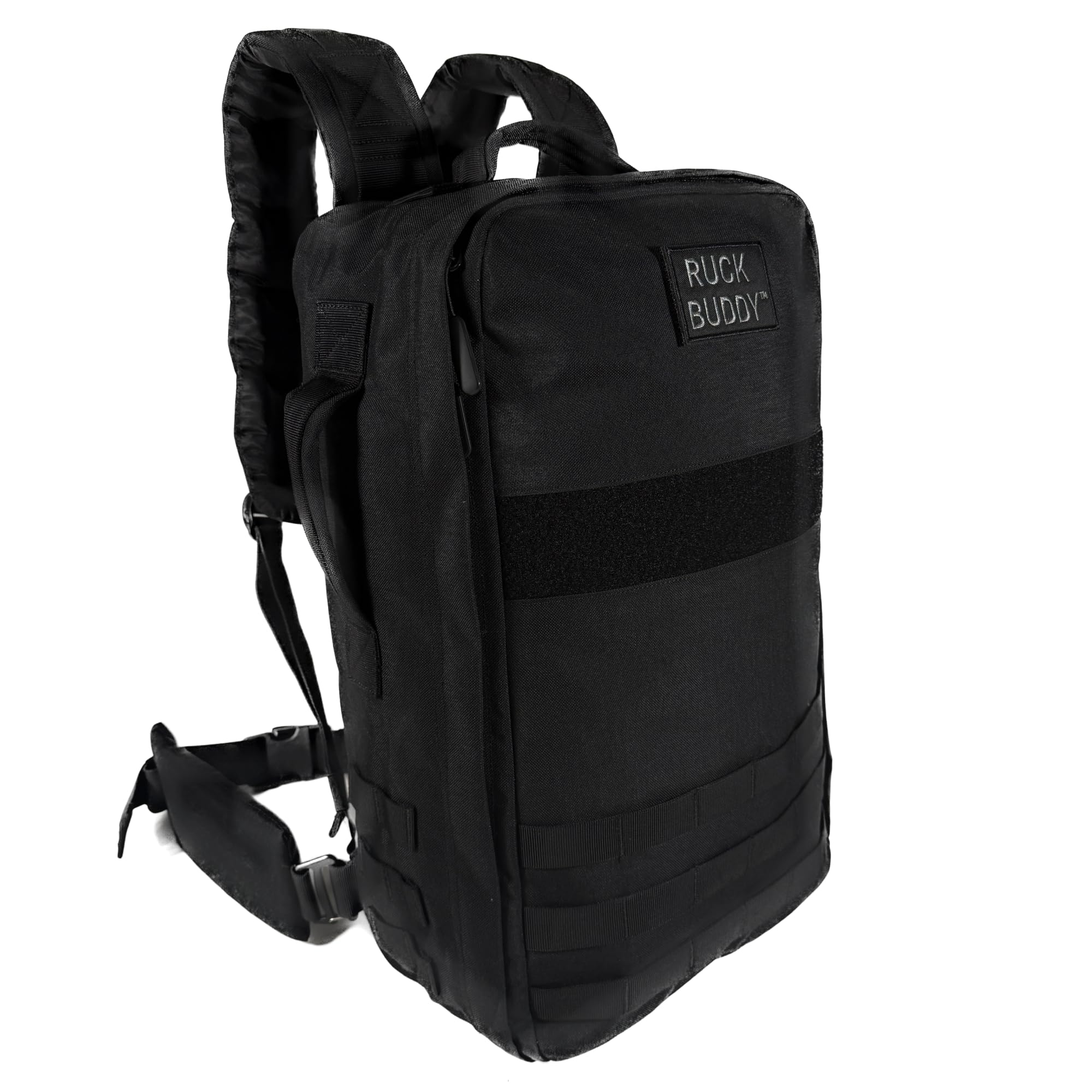
The RuckBuddy Ruckpack 25L is the most beginner-friendly purpose-built option on this list. It includes a reinforced internal sleeve that keeps plates high and tight, plus a removable padded hip belt that transfers weight to your hips — a feature usually reserved for more expensive packs. The bag supports loads up to 45 pounds, making it suitable for both light conditioning runs and longer rucks.
The shoulder straps are thick with high-density foam to prevent the dreaded strap bite, and the back panel is padded for comfort over distance. Four reinforced grab handles on all sides allow you to use the pack for drags, presses, and farmer carries, effectively turning it into a piece of gym equipment you can take anywhere. The hydration-ready design with an internal ring and hose port keeps you drinking without breaking stride.
Some users with broader shoulders note that the straps sit closer together than expected, which can cause neck chafing when the pack is cinched tight. That said, the overall build quality and the included hip belt make this the strongest value play for anyone entering the sport without wanting to overspend.
Why it’s great
- Removable padded hip belt for load distribution
- Four grab handles for gym-style carries
- Hydration-ready with internal ring and hose port
Good to know
- Shoulder straps are close together and may chafe the neck
- Dye has a slight purplish tint on some units
4. 5.11 Tactical RUSH 24 2.0

The 5.11 Tactical RUSH 24 2.0 is a 37-liter tactical pack built from 1050D nylon — even tougher than the industry-standard 1000D fabric. While it is not designed specifically for rucking, its MOLLE webbing, contoured yoke shoulder strap system, and back panel ventilation channels make it a solid choice for carrying heavier loads over longer distances. The internal frame sheet provides the stiffness needed to keep a 45-pound load stable.
The main compartment offers dual mesh pockets for organizing gear, and the padded laptop sleeve fits up to a 15-inch computer, making this bag functional for travel and work as well. The hidden CCW compartment doubles as a secure storage area for valuables. The waist belt is present but less padded than dedicated rucking packs, so users report chafing if they tighten it for heavy loads over 10 miles.
RUSH 24 owners consistently praise the YKK zippers and overall build quality, with many reporting years of daily abuse without any seam failures. If you need a pack that pulls double duty as a tactical/travel bag and a rucking pack, this is the most versatile option on the list — just be aware the waist belt is the weak link for very heavy carrying.
Why it’s great
- Extremely tough 1050D nylon fabric
- Large 37L capacity for gear plus plates
- Well-padded shoulder straps and ventilated back panel
Good to know
- Waist belt padding is thin for heavy rucks
- No dedicated weight pocket; plates slide without DIY straps
5. 5.11 Tactical RUSH 12 2.0

The 5.11 Tactical RUSH 12 2.0 is the smaller sibling of the RUSH 24, offering 24 liters of capacity with the same 1050D nylon construction. It is an excellent backpack for light rucking where you are carrying 20 to 30 pounds for a short conditioning walk or a daily commute that includes a weight plate. The contoured yoke shoulder strap system runs web MOLLE on the straps, allowing you to attach small pouches for phone, keys, or a water bottle.
The padded laptop sleeve fits up to a 15-inch device, and the hidden CCW compartment offers secure storage. The bag lacks a dedicated weight pocket, so you will need to use towels or a plate carrier sleeve to keep the weight from sliding down to the bottom. The bladder compartment at the back is functional but adds some bulk that can make the weight sit slightly lower than ideal.
Users compliment the heavy-duty YKK zippers and the overall robust feel. The lack of side water bottle pockets is a minor annoyance, but the MOLLE webbing makes it easy to attach a bottle carrier. For someone who wants a durable EDC backpack that can also handle light rucking, the RUSH 12 is a smart mid-range choice.
Why it’s great
- Compact 24L size keeps weight close to the body
- 1050D nylon is virtually indestructible
- MOLLE webbing for custom attachment of pouches
Good to know
- No dedicated weight pocket — plates shift without modification
- No external water bottle pocket
6. Mardingtop 60L Internal Frame Backpack
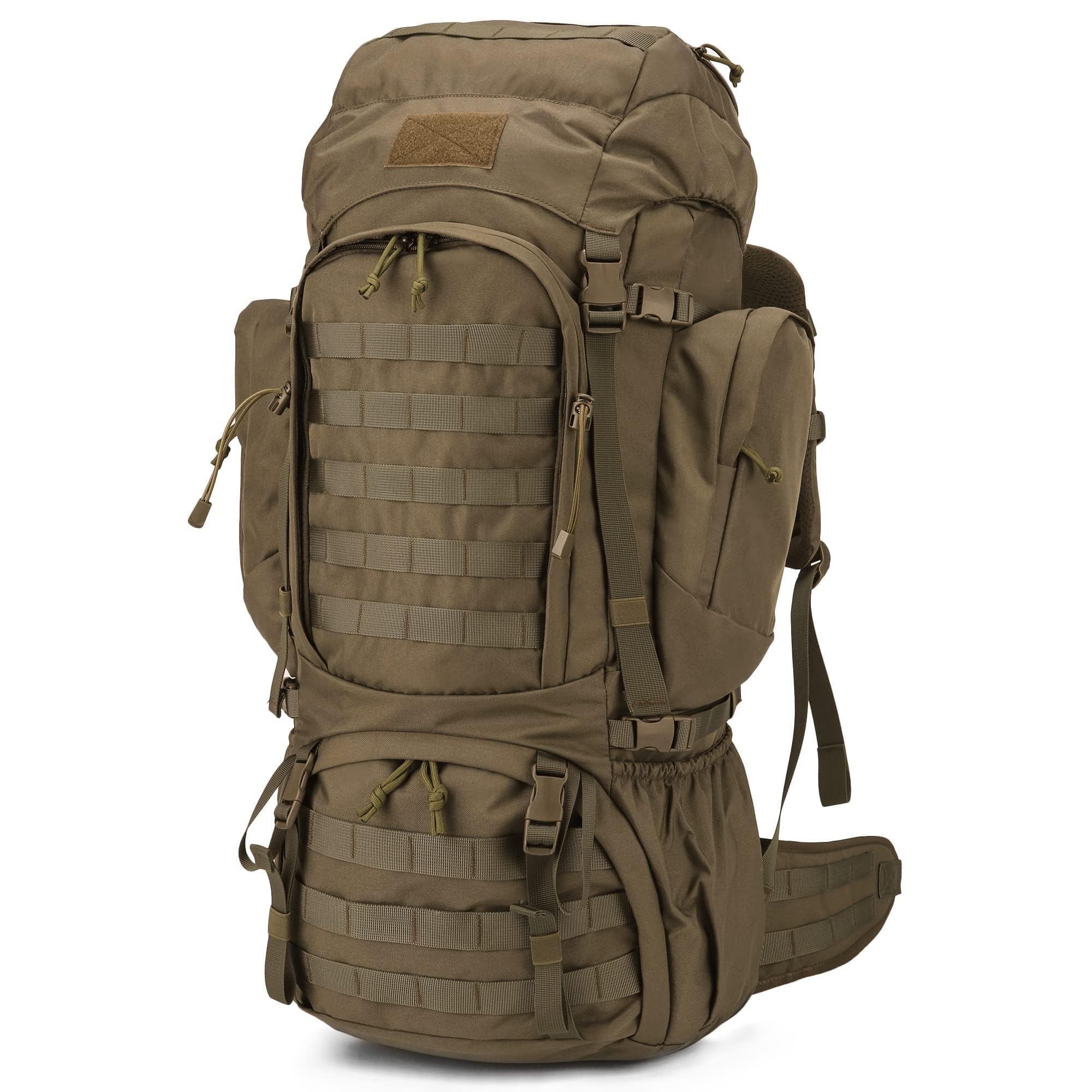
The Mardingtop 60L is a budget-friendly internal frame backpack that can handle rucking loads up to about 50 pounds for moderate distances, according to experienced users. Its 60-liter capacity is far larger than any dedicated rucking pack, but that extra space allows you to pack for an overnight trip or carry gear beyond just a weight plate. The internal frame provides the structure needed to keep a load stable.
The MOLLE system on the front allows for modular expansion, and the included rain cover adds weather protection. The waist belt is present, but experienced users report it lacks padding and cinches tend to loosen under heavy loads, making it unsuitable for runs or very long hikes with 90-pound loads. The shoulder straps are adequate but narrow, and the pack rides lower on taller frames.
For the price, the Mardingtop offers incredible versatility. If you are on a tight budget and need one pack for camping, hiking, and occasional rucking, this is a solid choice. But if rucking is your primary activity, the lack of a weight pocket and the thin hip belt will become frustrating quickly.
Why it’s great
- Huge 60L capacity for multi-day trips plus weight plates
- Internal frame provides structure for heavy loads
- Includes rain cover and MOLLE for expansion
Good to know
- Hip belt padding is thin and loosens under load
- No dedicated weight pocket — plates slide without modification
- Narrow shoulder straps can cause discomfort
7. Polyfit Rucking Backpack 2.0
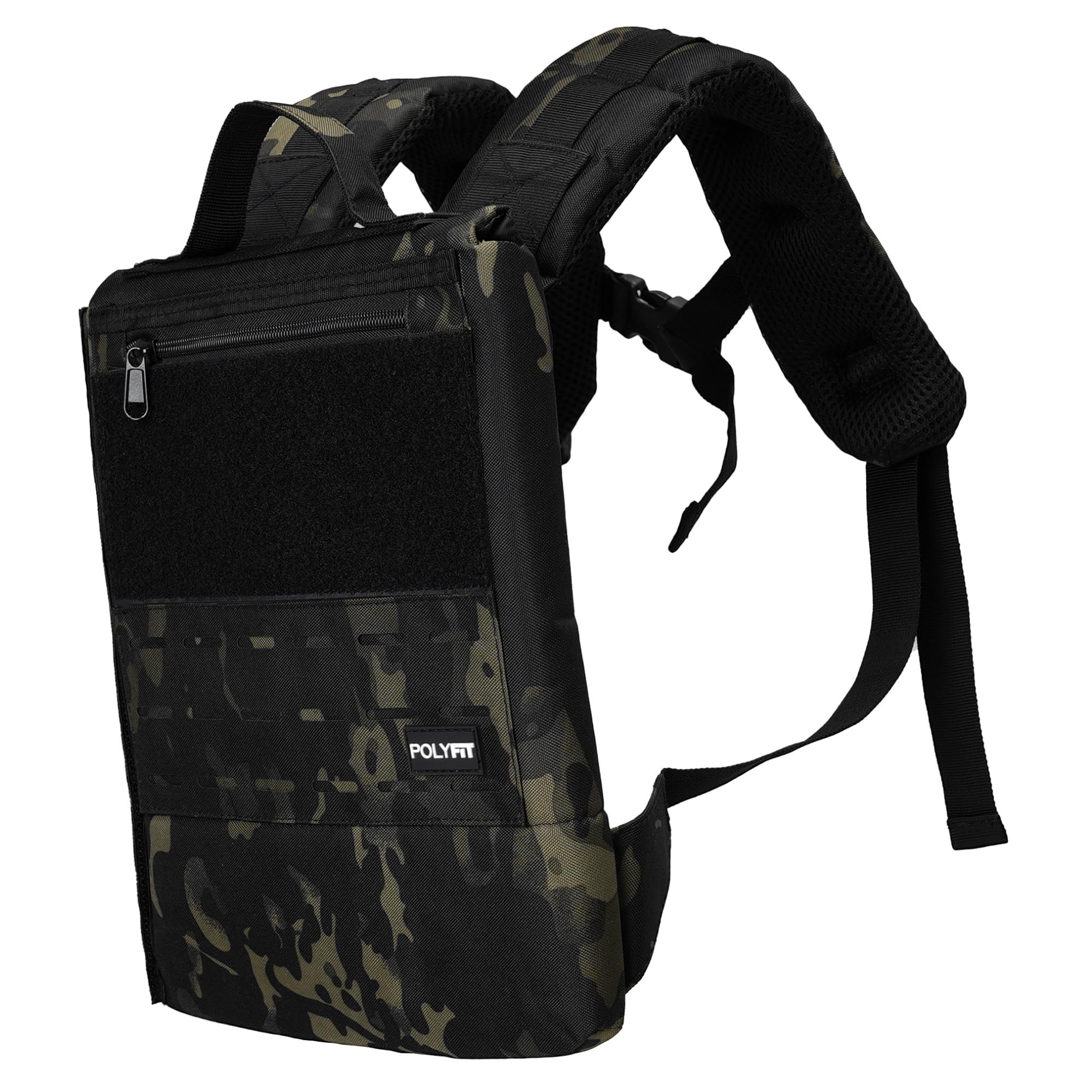
The Polyfit Rucking Backpack 2.0 is a dedicated rucking pack at an entry-level price point. Its patent-pending side-loading design allows you to insert or remove weight plates without fully opening the main compartment, which is convenient when you want to adjust your load on the fly. The internal buckle system locks the plate in place, preventing shifting even during intense movement.
The pack fits body types from extra small to large and is designed to keep the weight close to your upper back for better posture and less forward lean. The padded straps and breathable back panel reduce strain and keep you cool during longer sessions. The compact design minimizes bulk, so the pack moves naturally with your body during runs, hikes, and bodyweight exercises.
Users note that the mesh straps can be abrasive on bare skin, especially when sweating, and the lack of external storage makes it tough to carry a phone or keys. The 40-pound maximum load capacity is fine for most entry-level ruckers, but anyone looking to push past that will need a more robust pack. For the price, it is a functional and reliable starting point.
Why it’s great
- Side-loading design for quick plate swaps
- Internal buckle locks plates in place with no shifting
- Compact, low-profile build for natural movement
Good to know
- Mesh straps are abrasive on bare skin
- No external pockets for phone or keys
- Maximum load of 40 pounds limits progression
FAQ
Can I use a regular hiking backpack for rucking?
What size ruck plate fits a 20 to 25 liter rucking pack?
Do I need a hip belt for rucking?
How do I keep my ruck plate from shifting inside the bag?
Final Thoughts: The Verdict
For most users, the best backpacks for rucking winner is the GORUCK Rucker 4.0 20L because it eliminates shoulder pain and keeps the load locked high and tight with no bounce. If you want durable Cordura construction with dual weight pockets at a more approachable price, grab the Ruckercise Ridge 21L. And for a versatile tactical pack that pulls double duty as a travel bag and a ruck platform, nothing beats the 5.11 Tactical RUSH 24 2.0.