
Our readers keep the lights on and the weekend projects moving. As an Amazon Associate, I earn from qualifying purchases.
Warm, sandy soil and relentless summer sun turn most northern grass blends into crispy brown straw within weeks. Bahia grass seed thrives where fescue and bluegrass fail, delivering a deep root system that laughs at drought and keeps your lawn green when the mercury climbs. This guide cuts through the marketing noise to find the pure, viable seed that actually germinates in the challenging conditions of the southern Coastal Plain and Gulf Coast.
I’m Rikta — the co-founder and writer behind FitlyFast. I’ve spent years analyzing germination rates, seed purity claims, and regional adaptation specs so you don’t have to gamble on a bag of inert filler.
Whether you’re patching a high-traffic pasture or establishing a low-maintenance lawn from scratch, picking the right bahia grass seed means the difference between a lush, self-sustaining turf and another season of bare dirt and frustration.
How To Choose The Best Bahia Grass Seed
Bahia is not a one-size-fits-all grass. The two dominant varieties — Pensacola and Argentine — serve different priorities. Knowing which matches your land’s use and your maintenance style is the single most important decision you will make.
Pensacola vs. Argentine: Know the Difference
Pensacola Bahia has a finer leaf texture and produces more seed heads, making it the preferred choice for pastures and erosion control where dense coverage matters. Argentine Bahia grows a slightly broader blade, creates a more uniform lawn appearance, and is generally chosen for home lawns where a manicured look is desired. Argentine also tends to green up earlier in the spring and stay green longer into the fall compared to Pensacola.
Seed Purity and Coating
Many budget-tier seeds contain a high percentage of inert coating — often clay or polymer — that reduces the actual weight of live seed you are paying for. Look for “uncoated” or “raw” seed descriptions. A bag labeled 10 lbs may contain only 5 lbs of actual seed, which directly impacts your coverage rate and germination success. Reading the seed analysis tag is non-negotiable if you want predictable results.
Germination Requirements Are Non-Negotiable
Bahia seed has a notoriously slow germination window compared to ryegrass or fescue. Do not expect visible sprouts in under 10 days under ideal conditions — and ideal means soil temperatures consistently above 70°F, daily surface moisture from light watering, and firm seed-to-soil contact. Skipping soil prep or watering inconsistently is the most common reason Bahia fails. If you cannot commit to twice-daily watering for the first three weeks, choose a different grass type.
Quick Comparison
On smaller screens, swipe sideways to see the full table.
| Model | Category | Best For | Key Spec | Amazon |
|---|---|---|---|---|
| Hancock Argentine Bahia | Argentine | Home lawns seeking uniform turf | 10 lb uncoated raw seed | Amazon |
| SeedRanch Pensacola Bahia | Pensacola | Budget-friendly lawn establishment | 160.0 oz raw seed | Amazon |
| Hancock Raw Pensacola Bahia | Pensacola | Sandy soil & warm climates | 5 lb raw seed | Amazon |
| Scotts Kentucky 31 Mix | Tall Fescue Blend | Northern transition zone lawns | 99% weed free, 20 lb | Amazon |
| Barenbrug Pasture Seed | Pasture Mix | Horse & livestock grazing | 25 lb multi-species mix | Amazon |
| Outsidepride Grazer Orchard | Orchard Grass | High-yield forage & silage | GMO free, 25 lb | Amazon |
| Scotts Professional Sun & Shade | Turfgrass Mix | Versatile sun/shade lawns, bulk | Uncoated 99.9% weed free, 50 lb | Amazon |
In‑Depth Reviews
1. Hancock Argentine Bahia Grass Seed Mix

This 10-pound bag of raw, uncoated Argentine Bahia seed from Hancock targets the homeowner who wants a uniform, lawn-quality turf without the constant watering schedule required by Pensacola varieties. Argentine Bahia’s broader leaf blade produces a denser, darker green carpet that holds up well under moderate foot traffic from kids and pets, and its earlier spring green-up extends the visual season. Several verified buyers reported excellent germination rates when paired with consistent moisture, though a minority received bags containing what appeared to be a different grass type, highlighting the importance of buying from sellers with high inventory turnover.
This seed is specifically formulated for sandy, well-drained soils and performs best in full sun with partial shade tolerance. The Argentine variety’s lower seed head production means less mowing and a cleaner look compared to Pensacola, making it the smarter choice for front-yard aesthetics. That said, the premium positioning comes with a higher cost per pound than some raw Pensacola options.
For the southern homeowner who prioritizes a manicured appearance without the water bill of St. Augustine, this is the best-balanced pick. Just ensure your soil is prepped with starter fertilizer and commit to twice-daily light watering for the first three weeks to avoid the patchy results some reviewers experienced after heavy rain washed seeds away.
Why it’s great
- Argentine variety provides a uniform, low-seedhead lawn appearance
- Raw uncoated seed maximizes live weight per bag
- Excellent drought tolerance once established in sandy soils
Good to know
- Germination can be slow and inconsistent without daily watering
- Some batches may contain non-Bahia weeds or off-type grass
2. SeedRanch Pensacola Bahia Grass Seed

SeedRanch delivers a solid 10-pound bag of raw Pensacola Bahia at a per-pound cost that undercuts many competitors. Multiple buyers confirmed that with daily early morning watering and proper soil preparation, this seed produced a hardy, traffic-tolerant lawn that withstood both foot traffic and tire pressure from lawn equipment.
The primary trade-off is germination patience. Bahia is famously slow to emerge, and several customers reported spotty results or complete failure when they skipped the critical 10-to-14-day watering window or planted into unprepared soil. The manufacturer recommends covering 1,000 square feet per bag, but achieving full coverage requires generous overseeding rates and follow-up applications in bare spots. A 70% germination rate is realistic with diligent care.
Frequent buyers noted that the seed makes excellent feed for turtles and other grazing animals, adding versatility beyond lawn use. If you are willing to invest the watering commitment and accept a slower establishment timeline, this bag delivers the most raw seed for your dollar in the Pensacola category.
Why it’s great
- Excellent drought and disease resistance for southern climates
- Raw seed with no added inert coating
- Good traffic tolerance from established Pensacola root system
Good to know
- Very slow germination — do not expect visible growth under 10 days
- Requires strict daily watering and soil prep for reliable results
3. Hancock Raw Pensacola Bahia Grass Seeds

Hancock’s 5-pound bag of raw Pensacola Bahia is the entry-level trial size for homeowners who want to test Bahia’s performance in a specific trouble spot before investing in a larger bulk bag. The seed is uncoated and natural, ideal for sandy soil conditions in full sun, and a verified buyer in Austin, Texas, reported it thrived under live oaks where Bermuda grass had failed — a strong indicator of its low-input resilience. The smaller bag size also makes it convenient for patching bare patches in existing Bahia lawns without committing to a 50-pound drum.
The biggest risk here is the same one that plagues many raw Bahia seeds: inconsistent germination. Multiple negative reviews describe total failure after two months of care, with some customers suspecting they received a different grass type entirely. Success stories uniformly cite twice-daily watering for two weeks and pre-tilling the soil with fertilizer as the make-or-break factors. Without that schedule, the seed is unlikely to perform.
For the small-scale user or first-time Bahia planter, this bag offers a low-risk way to learn the species’ demanding germination requirements. Just do not expect instant results, and prepare to overseed if the initial stand is thin.
Why it’s great
- Natural, uncoated seed suitable for organic-minded gardeners
- Proven performer in sandy soils and full sun conditions
- Small 5 lb bag is ideal for patching or trial planting
Good to know
- High failure rate reported when watering schedule is inconsistent
- Some batches appear to contain off-type grass or low viability seed
4. Scotts Kentucky 31 Grass Seed Mix

While not a true Bahia grass, Scotts Kentucky 31 occupies a similar ecological niche — heat and drought tolerance — and is often cross-shopped by buyers in the upper transition zone who cannot commit to Bahia’s extreme southern adaptation. This 20-pound bag offers excellent value for covering large areas, with a 99% weed-free guarantee and overseeding coverage of up to 5,000 square feet. Verified users in Northern Virginia and North Florida reported lush, thick lawns in under six weeks when planted in spring or fall at the recommended soil temperature window of 65°F to 85°F.
The catch is significant: this is a coated seed. One critical reviewer estimated that nearly half the bag weight is inert coating, meaning you are paying for a substantial amount of filler. Additionally, Kentucky 31 is a bunch-type grass that does not spread like Bahia, so bare spots will not fill in naturally without reseeding. Its coarse texture and lighter green color also differ visually from finer lawn grasses.
For the budget-conscious buyer in the middle South who needs quick establishment and decent drought tolerance, this mix works. But for pure Bahia adaptation in deep-south sandy soils, you are better off choosing a true Pensacola or Argentine variety.
Why it’s great
- Very fast germination — visible growth in as few as 5 days
- 99% weed free with broad heat and drought tolerance
- Proven reliability across multiple southern and transition zone climates
Good to know
- Heavy inert coating reduces actual seed weight by approximately half
- Bunch-type growth habit will not self-repair thin areas
5. Barenbrug Pasture Seed
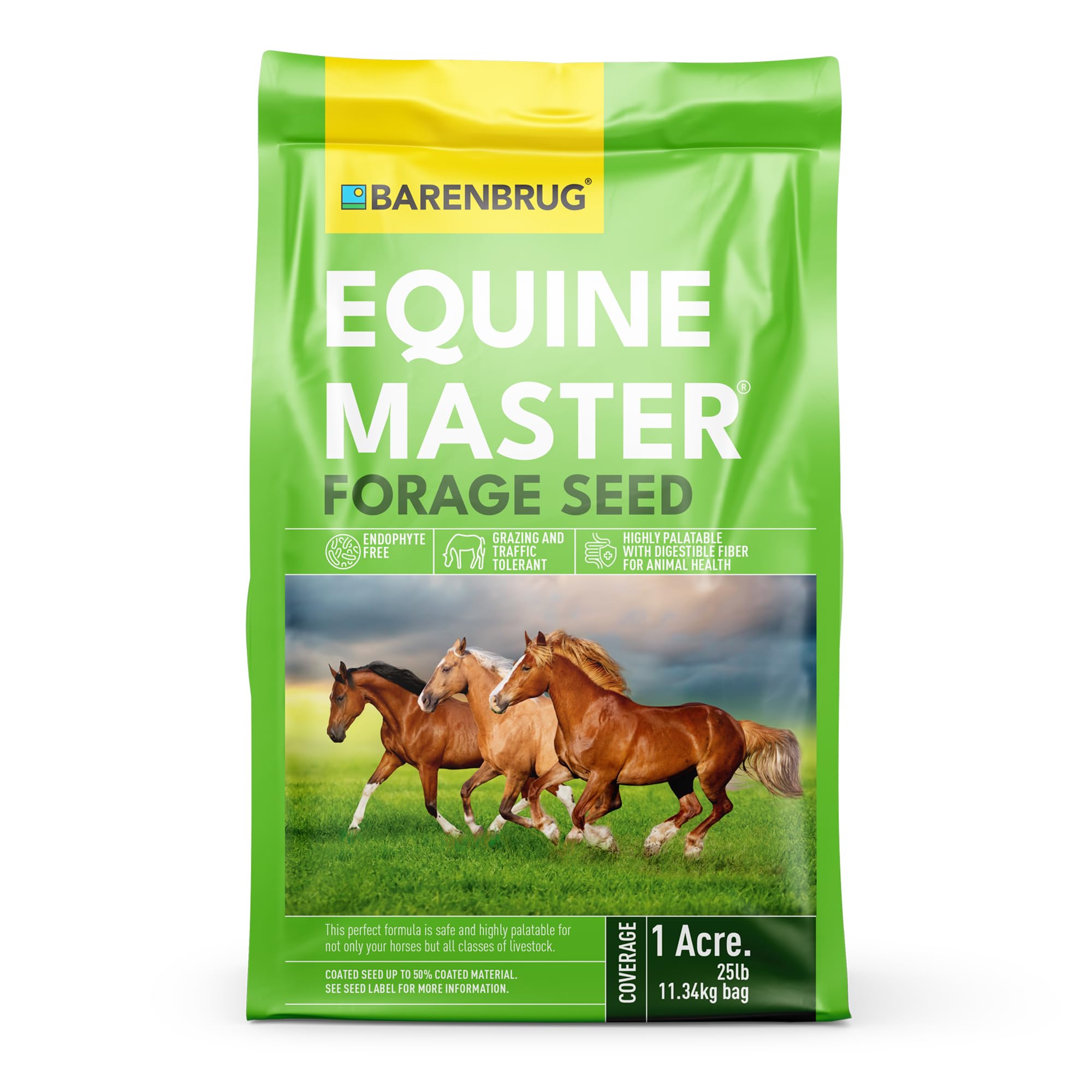
Barenbrug’s 25-pound pasture blend is formulated specifically for horse and livestock grazing, combining Kentucky Bluegrass, White Clover, Timothy, Orchardgrass, Perennial Ryegrass, and Diploid Intermediate Rye. This is not a Bahia grass product, but it competes in the same pasture-seed aisle for buyers managing northern or transition-zone acreage. The mix is designed for high digestible fiber and rapid establishment in temperate regions, with a Kentucky buyer confirming that bare areas looked fantastic by May after a mid-February overseeding with aerator and straw cover.
The multi-species composition means you get season-long forage availability, but it also means the lawn appearance is far from uniform — a clover patch next to a tall fescue clump is expected. This mix requires cooler soil temperatures to thrive and will struggle in deep-south summer heat where true Bahia excels. The 25-pound bag covers 1 acre at the recommended seeding rate.
If your primary goal is grazing nutrition and soil erosion control on horse pasture in the upper South or Midwest, this is a solid, palatable mix. For a warm-season Bahia lawn in Florida or Texas, look elsewhere.
Why it’s great
- Formulated for high palatability and digestible fiber for livestock
- Rapid establishment with multiple grass and legume species
- Handles high traffic and grazing pressure well
Good to know
- Not a Bahia variety — unsuitable for deep-south sandy soils and summer heat
- Multi-species blend creates a non-uniform, pasture-like appearance
6. Outsidepride Grazer Orchard Pasture Grass Seed
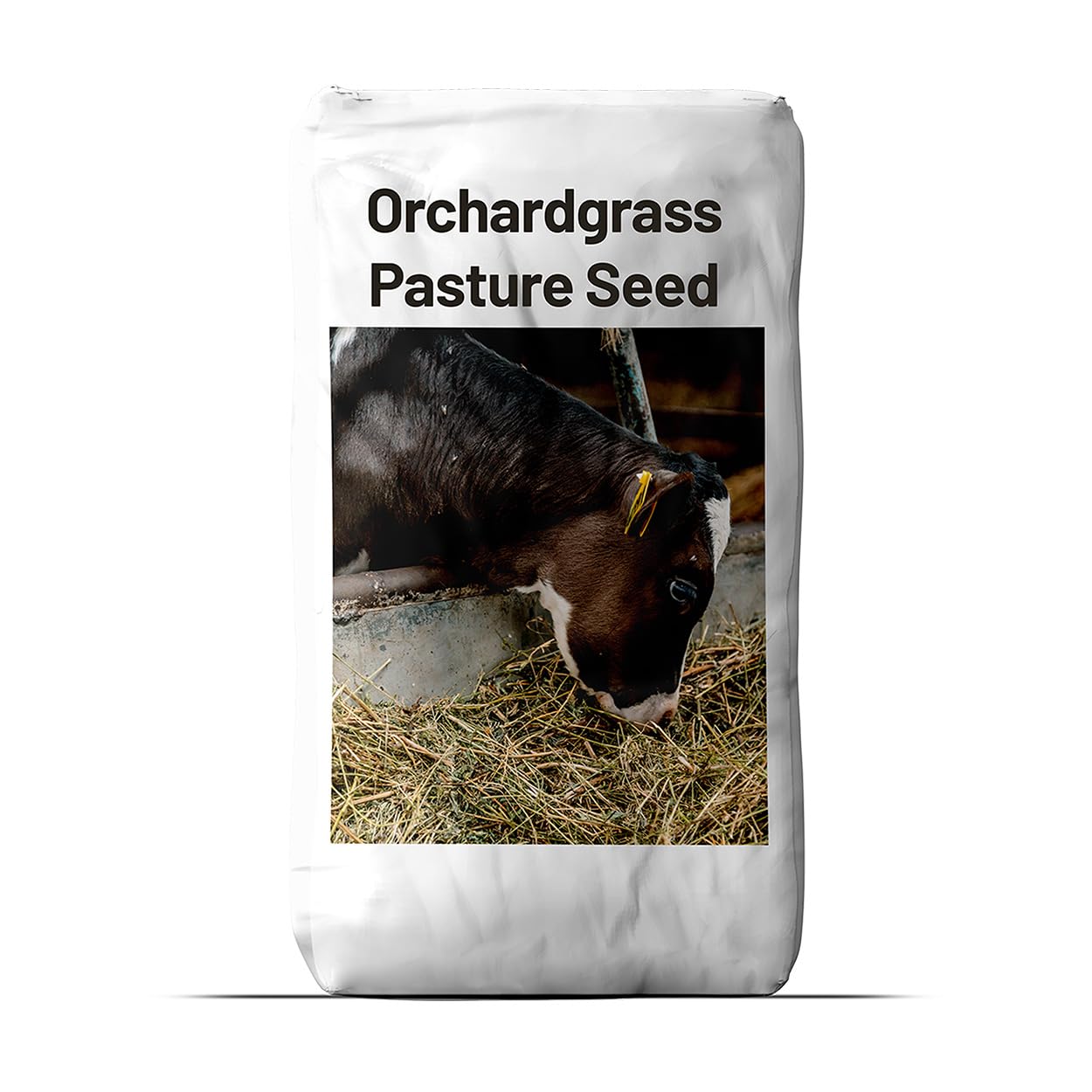
Outsidepride’s Grazer Orchard Grass Blend is a 25-pound specialty forage seed designed for high-yield hay, silage, and grazing systems, not home lawns. It combines early, medium, and late maturing orchard grass varieties (Amba, Olathe, Athos) to extend forage availability across the growing season, delivering an impressive 15–20 tons of dry matter per acre annually. This is a cool-season grass suited to USDA zones with moderate rainfall and mild winters, making it a poor substitute for Bahia in the humid south.
Several buyers reported quick germination in 6–10 days under warm, moist conditions, and strong regrowth after heavy grazing. However, the seed requires medium to high nitrogen inputs to reach its yield potential, adding ongoing fertilizer cost. It is not a low-maintenance grass and performs best as part of a managed pasture rotation.
For the homesteader running goats, chickens, or sheep in a temperate climate, this is a top-tier forage option. But for the homeowner looking to green up a sandy front lawn in Alabama or Georgia, this orchard grass blend will struggle in the summer and does not match the drought dormancy of Bahia.
Why it’s great
- Exceptional dry matter yield of 15–20 tons per acre annually
- GMO free with strong winter hardiness and drought tolerance
- Quick germination in 6–10 days under proper conditions
Good to know
- Cool-season grass ill-suited for deep-south summer heat
- Requires moderate to high nitrogen inputs for optimal growth
7. Scotts Professional Turfgrass Seed Sun and Shade Mix

This 50-pound bulk bag from Scotts Professional is an uncoated, 99.9% weed-free sun and shade turfgrass mix designed for large-scale lawn establishment or overseeding. It is not a Bahia grass product, but it competes for the same buyer in the middle and upper South where a versatile, dark-green turf is the goal. The uncoated formulation means you get full seed weight without filler, and the coverage rate is substantial: up to 21,735 square feet for overseeding. Buyers reported visible sprouting on day 10 with twice-daily watering and good results in both full sun and shaded areas.
The primary weakness is that this is a cool-season blend — fine fescues and ryegrasses — that will struggle in extended 90°F+ southern summers without irrigation. Some recent batches reportedly contained more crabgrass and weed pressure than previous years, leading long-time users to consider switching brands. The mix also has a slower growth rate compared to ryegrass-heavy blends, requiring patience during establishment.
For the homeowner with a large property in the transition zone who wants a single bag to cover both sunny and shaded areas, this is a strong option. For pure heat and drought hardiness in deep-south sandy soil, true Bahia seed remains the superior choice.
Why it’s great
- Uncoated seed ensures you pay for actual live seed weight
- 99.9% weed free with excellent sun and shade adaptability
- Massive coverage — up to 21,735 sq. ft. for overseeding
Good to know
- Cool-season blend that suffers in extreme southern summer heat
- Recent quality control reports note increased weed contamination
FAQ
Is Bahia grass seed good for sandy soil lawns?
How long does Bahia grass seed take to germinate?
Can I plant Bahia grass seed in the shade?
Final Thoughts: The Verdict
For most users, the best bahia grass seed winner is the Hancock Argentine Bahia Grass Seed Mix because it combines the superior lawn appearance of Argentine genetics with raw, uncoated seed weight for maximum coverage and honest value. If you want a budget-friendly way to cover large areas with tough Pensacola grass, grab the SeedRanch Pensacola Bahia. And for patching small bare spots in sandy soil on a trial basis, nothing beats the low commitment of the Hancock Raw Pensacola Bahia 5-pound bag.