
Our readers keep the lights on and the weekend projects moving. As an Amazon Associate, I earn from qualifying purchases.
Nothing kills the excitement of a new baitcaster faster than picking out a bird’s nest on the water while everyone else is fishing. The line you choose is the single biggest factor in whether your first casts soar or snarl. Unlike spinning gear, a baitcaster demands a line that lays tight, resists digging in, and has low memory — otherwise, every lob turns into a tangled mess.
I’m Rikta — the co-founder and writer behind FitlyFast. I spend my time analyzing what separates a frustration-free start from a spool of regret, digging into the real-world specs and user reports that define the best options for beginners.
Whether you are spooling up your very first reel or upgrading from a budget spool that gave you more headaches than fish, this guide cuts through the marketing to deliver the cold, hard details on the best baitcaster line for beginners.
How To Choose The Best Baitcaster Line For Beginners
Beginners often grab whatever spool is cheapest, only to watch their baitcaster transform into a nest of frustration. The right line makes the learning curve far shallower. Focus on three factors: material type, diameter, and memory.
Braided vs. Monofilament vs. Fluorocarbon
Braided line is the top recommendation for beginners on a baitcaster. Its zero-stretch gives you direct feedback on bottom structure and subtle strikes. Mono has stretch that can mask bites and creates more spool memory. Fluorocarbon sinks and is invisible underwater but is stiffer and can cause wind knots. Most beginners start with a braid mainline and tie a short fluorocarbon leader.
Line Diameter and Breaking Strength
Thicker line takes up more spool space and creates more air resistance, limiting casting distance. For a baitcaster, a 15-pound test braid offers an excellent balance of strength, thin diameter, and forgiving castability. Heavier lines like 30-pound can dig in on a loosely packed spool during a fast retrieve, causing an instant backlash.
Memory and Spool Management
Line memory is the line’s tendency to retain the shape of the spool it was stored on, causing loops that lead to tangles. Braid has virtually zero memory, making it the most beginner-friendly choice. Mono has the most memory, especially in colder weather. Fluorocarbon falls between but can still cause issues on a new reel.
Quick Comparison
On smaller screens, swipe sideways to see the full table.
| Model | Category | Best For | Key Spec | Amazon |
|---|---|---|---|---|
| Daiwa J-Braid 150M 8-Strand | Braided | Smooth casting & sensitivity | 8-strand Dyneema, round profile | Amazon |
| Yo-Zuri SuperBraid | Braided | Ultimate abrasion resistance | Heat-fused, 4 strands | Amazon |
| SpiderWire DuraBraid | Braided | Heavy cover & shock absorbency | Textured feel, high shock absorbency | Amazon |
| Berkley Trilene Big Game Braid | Braided | Strength & value on a budget | 3x stronger than mono of same diameter | Amazon |
| KastKing SuperPower Braid | Braided | All-around best value braid | Low memory, small diameter | Amazon |
| Sufix Siege | Monofilament | Smooth mono with pinpoint accuracy | Proprietary extrusion, 15x abrasion | Amazon |
| P-Line Floroclear | Fluorocarbon | Clear leader material or light tackle | Silicone treatment, reduced memory | Amazon |
In‑Depth Reviews
1. Daiwa J-Braid 150M 8-Strand Woven Round Braid
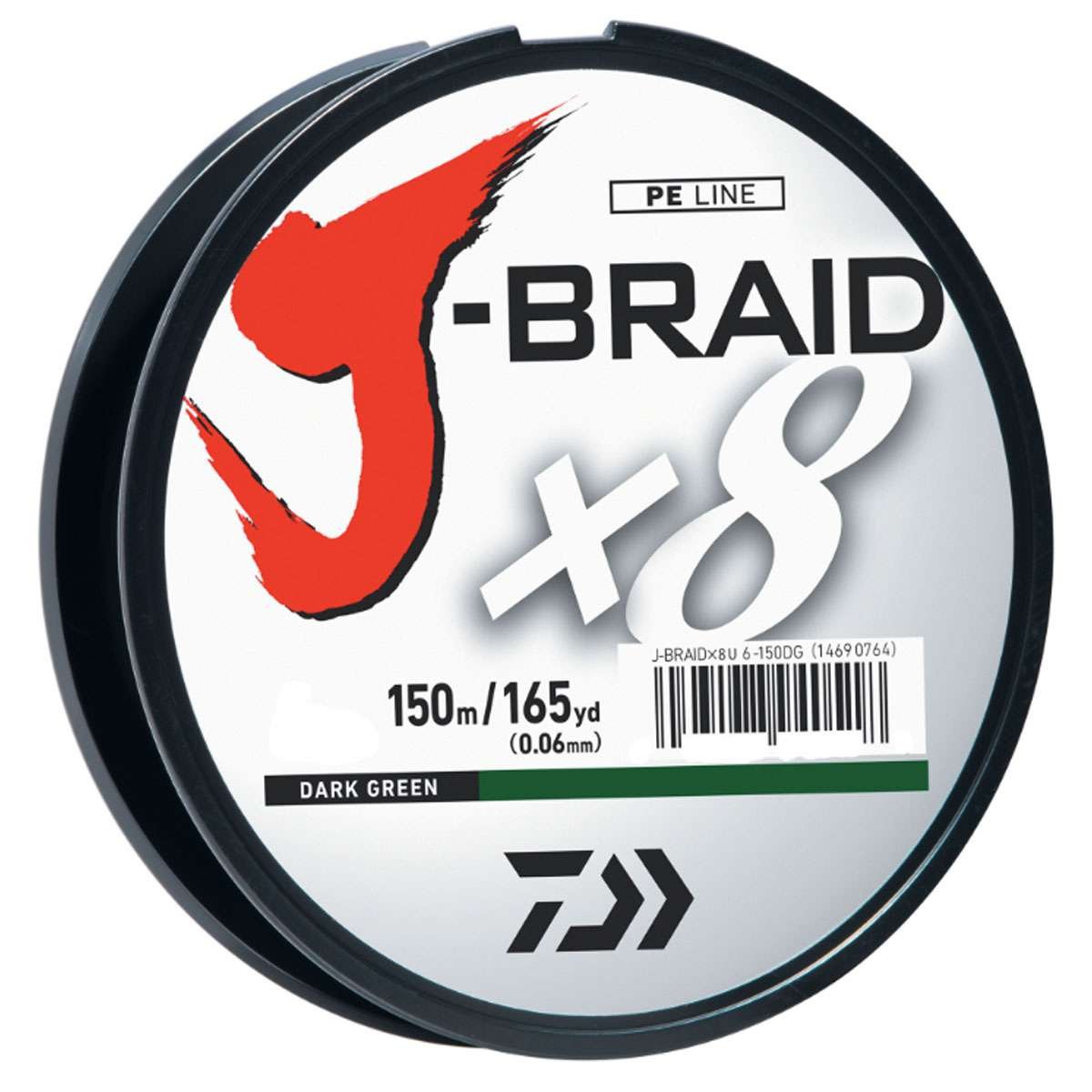
The Daiwa J-Braid is built with eight carrier strands of Dyneema, which produces a round, smooth profile that slides through the guides with almost no friction. For a beginner running a baitcaster, this roundness is critical — flat braids can flutter and cause wind knots, while the J-Braid lays perfectly flat and tight on the spool. The 8-strand construction also makes the line softer and more supple than typical 4-strand braids, which translates to noticeably longer casts on a new reel.
This line has virtually zero memory, so it peels off the spool cleanly every time without holding a coil shape. The dark green color is low-vis in stained water and works well for tying directly to a lure with a palomar knot. User reports consistently mention casting triple the distance compared to monofilament of the same breaking strength, and the knot strength is reliable even with 15-pound test.
It is priced at a premium compared to some house brands, but the build quality and consistency make it a “buy once, cry once” choice for anglers who want to remove line-related variables from their learning curve. The 150-meter spool is long enough for a standard baitcaster without wasting material.
Why it’s great
- 8-strand Dyneema for a perfectly round cross-section and smooth casting
- Zero memory means no bird’s nests from coiled loops on the spool
- Excellent knot strength with very low stretch for bite detection
Good to know
- Premium price compared to 4-strand alternatives
- Dark green can be hard to see at night compared to hi-vis options
2. Yo-Zuri SuperBraid Braided Fishing Line

Yo-Zuri uses a special heat integration process that fuses the four strands together, creating a rounder, slicker surface that slides through guides with less friction. The real win here is abrasion resistance — this line is more than twice as resistant as standard braid, which matters when you are dragging lures through rocks, timber, or dock pilings on your first few outings. The heat treatment also drastically reduces color fading, so the dark green stays visible season after season.
On a baitcaster, the rounder profile prevents the line from digging into itself during a tight spool, which is a common source of backlashes. The 15-pound test has a diameter equivalent to roughly 6-pound mono, letting you pack more line on a shallow spool and throw lighter lures. Users praise the smooth casting and absence of wind knots, with many calling it the best budget braid they have ever used.
This line holds knots exceptionally well — an improved clinch knot cinches down cleanly without slipping. The only trade-off is that being a 4-strand, it is slightly less supple than the 8-strand Daiwa, but the extra toughness may be worth it for anyone fishing around heavy structure.
Why it’s great
- Heat-fused construction gives superior abrasion resistance for cover fishing
- Round, smooth profile reduces friction and casting resistance
- Excellent knot strength with very low color fade over time
Good to know
- 4-strand braid is a bit stiffer than 8-strand alternatives
- Less suitable for finesse techniques that require maximum suppleness
3. SpiderWire DuraBraid Braided Fishing Line

SpiderWire DuraBraid stands out because of its textured surface feel, which gives you added confidence when cinching knots and maintaining grip on the line during a cast. It is marketed as 25 percent tougher than conventional braids, and user reports confirm it has the abrasion backbone to survive runs through thick vegetation and around dock posts. The 15-pound test breaks down to a 0.007-inch diameter, which is thin enough for long casts yet strong enough for largemouth bass in heavy cover.
The high shock absorbency is a unique feature — when a fish strikes fast and hard, the line absorbs some of the initial impact rather than snapping. For a beginner, this forgiveness is a safety net during the first few hooksets when you might overestimate the power needed. The Moss Green color is effective in stained water, and the line casts smoothly without the wind knots that plague some ultra-budget braids.
It is a premium-tier price, but many anglers consider it a workhorse for both freshwater and saltwater. One area to note is that thicker test weights above 30-pound can feel a bit stiff for beginners, so stick with the 15-pound or 20-pound option for a baitcaster.
Why it’s great
- Textured feel improves knot security and handling confidence
- High shock absorbency protects against sudden strikes from big fish
- Thin diameter (0.007in at 15lb) for extended casting distance
Good to know
- Heavy test weights can feel stiff on a new reel
- Premium pricing compared to entry-level braids
4. Berkley Trilene Big Game Braid Fishing Line

Berkley’s Big Game Braid claims to be three times stronger than monofilament of the same diameter, and user reports validate that toughness — it slices through vegetation without fraying and can handle pulling snagged hooks free. The zero-stretch design gives you instant feedback on bottom composition and subtle nibbles, which is gold for a beginner trying to learn the difference between a bite and a rock. The 30-pound test version in 328 yards is a popular choice for frogging and flipping, but the 15-pound is ideal for general baitcaster work.
The Lo-Vis Green color practically disappears in stained water, so you can fish without a leader in many situations. Some users note that braided line can fray at the guides during the first few uses, and this line is no exception — a short break-in period is normal. Casting is smooth once the line settles, and the knot strength is reliable, with a Trilene knot or palomar holding firm even under heavy pressure.
At a mid-range price point, this is an excellent bridge between ultra-cheap braid and premium imports. The spool size is generous, and the line packs tightly on the reel without digging in on a fast retrieve.
Why it’s great
- Zero stretch for maximum sensitivity and direct bite feedback
- 3x stronger than mono of the same diameter for pulling through cover
- Lo-Vis Green color is near-invisible in stained water
Good to know
- Initial break-in period where line may fray at guide rings
- Heavy test options can dig into the spool if not packed tight
5. KastKing SuperPower Braided Fishing Line

KastKing’s SuperPower Braid has become a cult favorite among anglers who want performance without the premium price tag. It uses a double-knit fabrication technique that creates a smooth, round line with low memory and a smaller diameter than many competitors. The 15-pound test in X4-Low-Vis Gray offers a diameter thin enough to spool deep on a baitcaster, giving you more line for longer casts when covering water.
The knot strength is genuinely impressive for this price tier — users report tying improved clinch knots that hold up against hard-fighting striped bass and red drum without breaking. Abrasion resistance is good, though not quite at the level of Yo-Zuri’s heat-fused line, but it is perfectly adequate for the average freshwater bass lake. The zero-stretch profile gives you direct feel for the bottom, and the line casts smoothly without the wind knots that plague many value-priced braids.
At an entry-level-friendly price, this spool makes it easy to load up several reels without breaking the bank. The color does fade a bit after heavy UV exposure, but for the price, it is an easy choice for a beginner building their first baitcaster setup.
Why it’s great
- Excellent knot strength with a smooth, low-memory profile
- Smaller diameter than many competing braids for deeper spool fills
- Affordable enough to spool multiple reels without hesitation
Good to know
- Color can fade faster than premium braids under heavy UV
- Abrasion resistance is good but not top-tier for jagged rock cover
6. Sufix Siege 330-Yards Spool Size Fishing Line
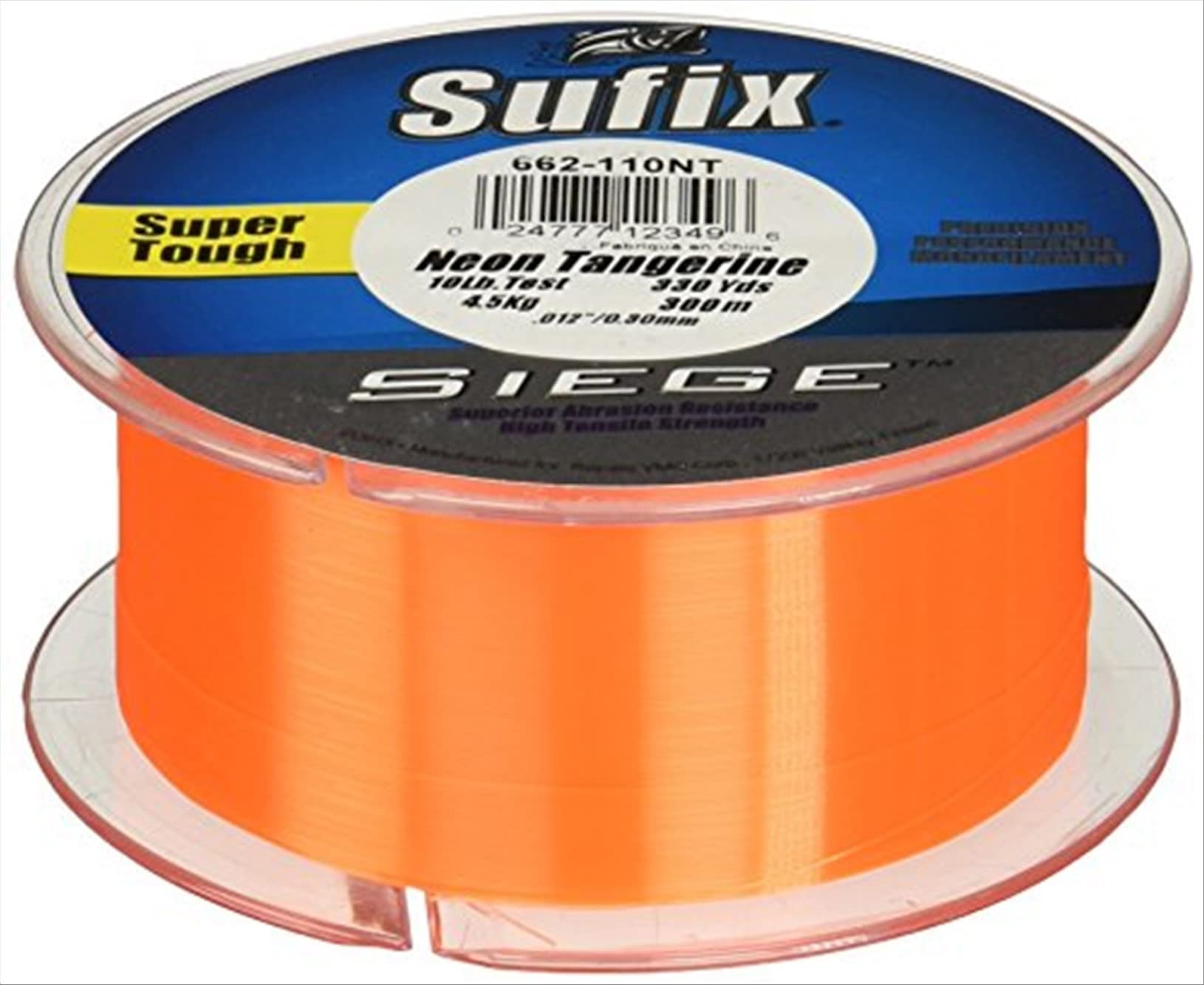
Sufix Siege is a monofilament line, which is a departure from the braid-heavy recommendations, but it earns its place for beginners who prefer a more forgiving, stretchy line while they master thumb control. The proprietary extrusion process delivers superior casting distance with pinpoint accuracy — a rare combination in mono. The 12-pound test in Neon Tangerine is highly visible above water, making it easy to watch the line for strikes when using a swim jig or spinnerbait.
This line offers up to 15 times greater abrasion resistance than standard mono, meaning it holds up to rocks and shell beds far better than basic copolymer lines. The G-squared Precision Winding virtually eliminates line memory, even on baitcasters, which is the main reason beginners abandon mono in the first place. Users report zero memory issues after 20-plus years of using it on light action reels and baitcasters alike.
The main consideration is that mono has stretch, so you lose some bite sensitivity compared to braid. However, for a beginner who wants a line that forgives a rough cast and offers superior knot strength, the Sufix Siege is a budget-friendly choice that outperforms its price tag.
Why it’s great
- Proprietary extrusion gives pinpoint casting accuracy with low drag
- 15x greater abrasion resistance than standard monofilament
- Neon Tangerine color is highly visible for strike detection
Good to know
- Mono has stretch, reducing sensitivity compared to braid
- Neon color can be too bright in clear, shallow water
7. P-Line Floroclear Clear Fishing Line 400-600 YD Spool

P-Line Floroclear is a fluorocarbon-coated monofilament that blends the castability of mono with the near-invisibility of fluorocarbon. The silicone treatment reduces memory significantly compared to pure fluorocarbon, making it more forgiving on a baitcaster while still giving you the low-visibility edge in clear water. The 10-pound test on a 600-yard spool means you can use it as a mainline for panfish or as a leader material for bass fishing with braid — a versatile tool in any beginner’s tackle box.
For a beginner, running a 4- to 6-foot leader of this line tied to your braid mainline gives you the best of both worlds: the sensitivity and zero memory of braid with the invisibility and sink rate of fluorocarbon. The knot strength is excellent, with users reporting pulling 6-pound largemouth through ice on 4-pound test without failure. On a baitcaster, the reduced memory keeps the line laying flat without the looping issues common with pure fluoro.
The main drawback is that it is not a pure fluorocarbon — it is a blend — so it is slightly more visible underwater than 100-percent fluoro, and it does have a bit more stretch. But as an entry point into fluorocarbon fishing without the frustration, it is a solid choice.
Why it’s great
- Silicone treatment reduces memory, making it baitcaster-friendly
- Near-invisible in clear water for finicky fish
- Huge 600-yard spool is ideal for leaders or re-spooling multiple reels
Good to know
- Blend construction means slightly more stretch than pure fluoro
- Not fully invisible underwater like 100% fluorocarbon
FAQ
Should I spool my baitcaster with braid or monofilament as a beginner?
What pound test line should I use on a beginner baitcaster?
Why does my braided line keep getting wind knots on my baitcaster?
Final Thoughts: The Verdict
For most beginners, the winning baitcaster line for beginners is the Daiwa J-Braid 150M 8-Strand because its round, supple profile eliminates the wind knots that plague new casters and delivers exceptional casting distance with near-zero memory. If you value abrasion resistance for fishing rocks and timber, grab the Yo-Zuri SuperBraid for its heat-fused toughness. And for the budget-conscious angler who wants to spool multiple reels without sacrificing quality, nothing beats the KastKing SuperPower Braid.