
Our readers keep the lights on and the weekend projects moving. As an Amazon Associate, I earn from qualifying purchases.
A cold face on the first chairlift ride of the day is the kind of discomfort that turns an epic run into a miserable slog. A balaclava that shifts under your goggles, soaks through from your breath, or makes you overheat on the way down kills the rhythm of a good snowboarding session.
I’m Rikta — the co-founder and writer behind FitlyFast. I’ve spent years analyzing cold-weather gear specifications, breaking down the materials, weaves, and layering systems that separate a functional face covering from a liability on the mountain.
After sorting through dozens of options across fleece, polyester, and merino wool builds, I’ve identified the standout picks for warmth, breathability, and helmet compatibility in a balaclava for snowboarding.
How To Choose The Best Balaclava For Snowboarding
Not every balaclava works under a helmet. The wrong fabric traps sweat, the wrong fit slides off your chin, and the wrong design fogs your goggles on the first run. Focus on three things: material performance, fit under a helmet, and breath-to-warmth balance.
Material: Merino vs. Synthetic
Merino wool resists odor and manages moisture thermally, keeping you warm even when slightly damp. Synthetics like polyester dry faster and cost less but can smell quicker. For multi-day trips, merino dominates. For budget-minded one-season use, a quality synthetic like a tri-blend will serve you well.
Helmet and Goggle Compatibility
A balaclava must be thin enough at the crown to avoid pushing your helmet up, and the face opening should sit low enough to seal around your goggles without leaving skin exposed. Look for designs with a flat seam or seamless crown.
Breathability and Moisture Management
The mouth and nose area needs a breathable panel or a hinge you can pull down. If moisture collects and freezes, you will be constantly adjusting. A double-layer face hinge or a dedicated mouth vent matters more than overall thickness.
Quick Comparison
On smaller screens, swipe sideways to see the full table.
| Model | Category | Best For | Key Spec | Amazon |
|---|---|---|---|---|
| Blackstrap Expedition Hood | Mid-Range Synthetic | Anti-fog performance | ExoHinge dual-layer face flap | Amazon |
| Minus33 Merino Expedition | Premium Merino | Extreme-cold warmth | Heavyweight 100% merino wool | Amazon |
| Smartwool Thermal Merino | Premium Merino | All-day comfort without itch | 250-weight interlock merino knit | Amazon |
| First Lite Tundra Merino | Premium Merino | Breathable extreme-cold hunting | Woven merino with wind-block zones | Amazon |
| Burton Burke Hood | Mid-Range Fleece | Loose comfortable fit over helmet | Fleece construction, non-restrictive face | Amazon |
| Turtle Fur Shellaclava | Mid-Range Fleece | Soft warmth at moderate temperatures | Fleece with moisture-wicking finish | Amazon |
| adidas Alphaskin | Budget Synthetic | Value warmth for occasional use | Lightweight stretch polyester | Amazon |
In‑Depth Reviews
1. Blackstrap Expedition Hood Balaclava
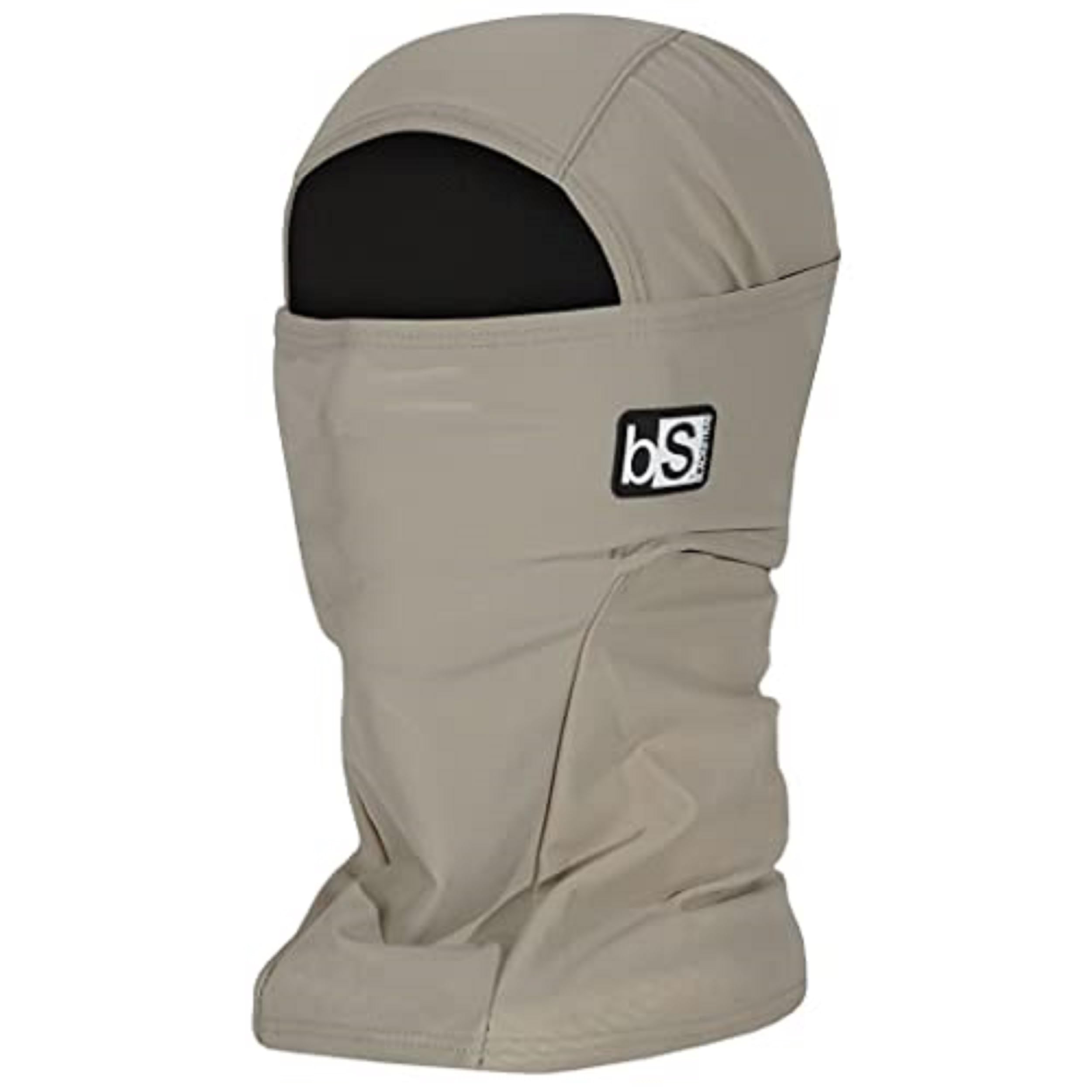
The Blackstrap Expedition delivers the most balanced performance for resort snowboarding. The ExoHinge dual-layer face flap is a standout — you can lift it for ventilation or lower it for warmth without breaking the seal around your goggles. Users report zero fogging even during hard carving, which is rare for any synthetic balaclava. The four-way stretch fabric feels thin but traps heat remarkably well, and the moisture-wicking tri-blend dries out quickly between runs.
Helmet compatibility is excellent thanks to the lightweight crown that doesn’t push your lid up. Testers wore it consistently over two full ski seasons without pilling or seam failure. The fabric holds up to machine washing without losing stretch. Downside: in extreme cold below -20°F, the moisture that wicks off will eventually freeze on the skin around the mouth, but that’s a limitation of any non-vented face covering at those temps.
Priced in the premium-mid range, the build quality exceeds its cost. If you need a single balaclava that handles everything from spring slush to deep winter pow days, this is the one. The fun color options also help you spot your gear in a crowded rack.
Why it’s great
- ExoHinge face flap eliminates goggle fog
- Lightweight but warm enough for most conditions
- Machine washable without losing shape
Good to know
- Moisture can freeze on the mustache area in extreme cold
- Initial fit may feel snug before it stretches
2. Minus33 Merino Wool Expedition Balaclava

When the thermometer drops into the negatives, the Minus33 Expedition is the balaclava to grab. This is true heavyweight merino — not a thin liner — with a dense weave that deadens wind and retains body heat. One reviewer logged use at -35°F with wind chill and reported zero exposed skin issues. The merino is smooth against the face and doesn’t itch, which matters when you are wearing it for hours between runs.
The fit accommodates larger heads and even a ponytail without feeling restrictive. There is no logo or seam at the neckline, so it layers cleanly under a jacket collar without irritation. It is also compact enough to roll into your jacket pocket for quick swaps. The material is breathable enough to avoid overheating during the active parts of the run, but the natural wool fiber will absorb more moisture than a synthetic. A reviewer noted condensation on the upper lip after extended use.
Washing is straightforward — machine wash warm and air dry. The wool holds its shape and resists mildew over time. If your home mountain regularly sees sub-zero lift lines, the extra thickness of the Minus33 makes a meaningful difference. For warmer days, it may be too heavy.
Why it’s great
- True heavyweight merino blocks extreme wind
- Room for ponytail or bun without pressure
- Natural odor resistance for multi-day trips
Good to know
- Slightly thicker than synthetics under a helmet
- Breath moisture can collect on upper lip
3. Smartwool Unisex Thermal Merino Balaclava
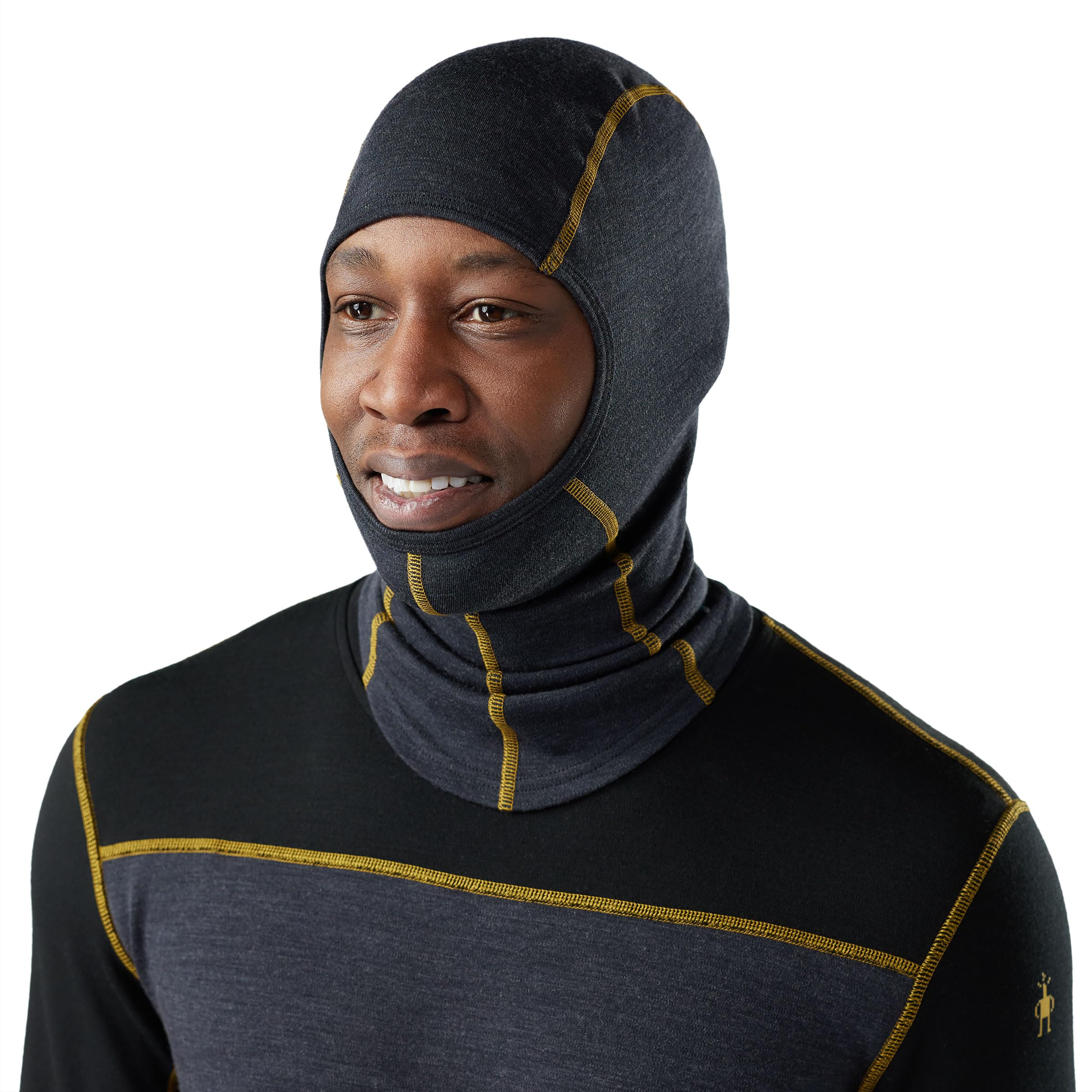
The Smartwool Thermal Balaclava is the most comfortable merino option in this lineup. The 250-weight interlock knit feels noticeably soft against the skin — no scratching even after hours of wear. Multiple reviewers with large heads reported a perfect fit, which is rare for merino balaclavas that often run small. The fabric is lightweight but traps body heat effectively, as several customers noted after testing it under ski helmets.
A common tip from real users: wash it before first use to remove the factory smell. After that, the odor-resistant properties of the merino kick in and it stays fresh across days of riding. The stitch quality is excellent, with reinforced seams that won’t unravel. The color is accurate to the listing photos. One point worth noting: it is thinner than a fleece balaclava like the Carhartt, so for deep winter conditions, you may need more insulation.
This balaclava excels for snowboarders who prioritize all-day comfort and breathability over maximum wind blocking. It compresses easily into a pocket for warm days. If you run hot while riding, the lighter weight of the Smartwool helps regulate temperature better than a heavyweight merino.
Why it’s great
- Soft interlock merino is non-itchy against the skin
- Lightweight yet traps heat effectively
- Great for large heads with a generous fit
Good to know
- Thinner than heavyweight fleece options
- Factory smell requires pre-wash
4. First Lite Tundra Balaclava
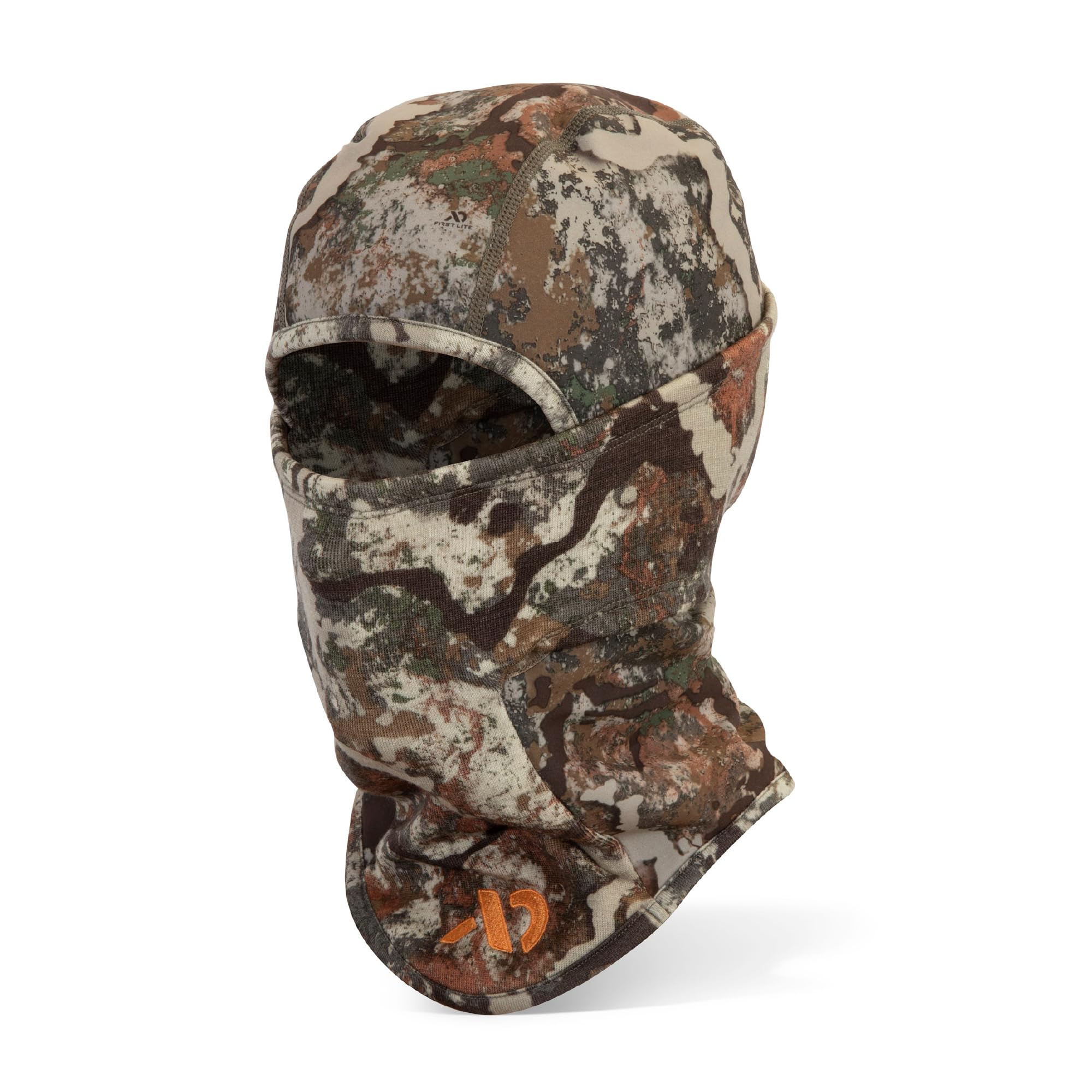
The First Lite Tundra is built for hunters who sit still in freezing temps, which means it translates perfectly to snowboarding in punishing wind. The woven merino fabric is thicker than the Smartwool but more structured, with specific wind-block zones that stop the chill from cutting through. It is snug to get on — some users found it a little tight initially — but once seated, it layers efficiently under a hood or helmet without bulk.
The mouth area is designed to be breathable, which helps when you are exerting uphill or hiking out of a powder stash. One reviewer used it in single-digit temps and reported the face stayed warm despite the balaclava being lightweight overall. The thin ear coverage is a specific design choice — it keeps the ears warm without muffling hearing, which is appreciated for situational awareness on the mountain or in the backcountry.
Build quality is notable. The stitching is reinforced and the fabric holds its structure after multiple washes. For snowboarders who ride in exposed alpine areas where wind is the primary enemy, the Tundra’s construction offers a meaningful advantage over standard fleece or thin synthetics.
Why it’s great
- Specific wind-block zones stop cold penetration
- Breathable mouth area for active use
- Thin ear coverage preserves hearing
Good to know
- Snug fit can be tough when pulling on
- Premium-priced compared to basic fleece options
5. Burton Burke Hood
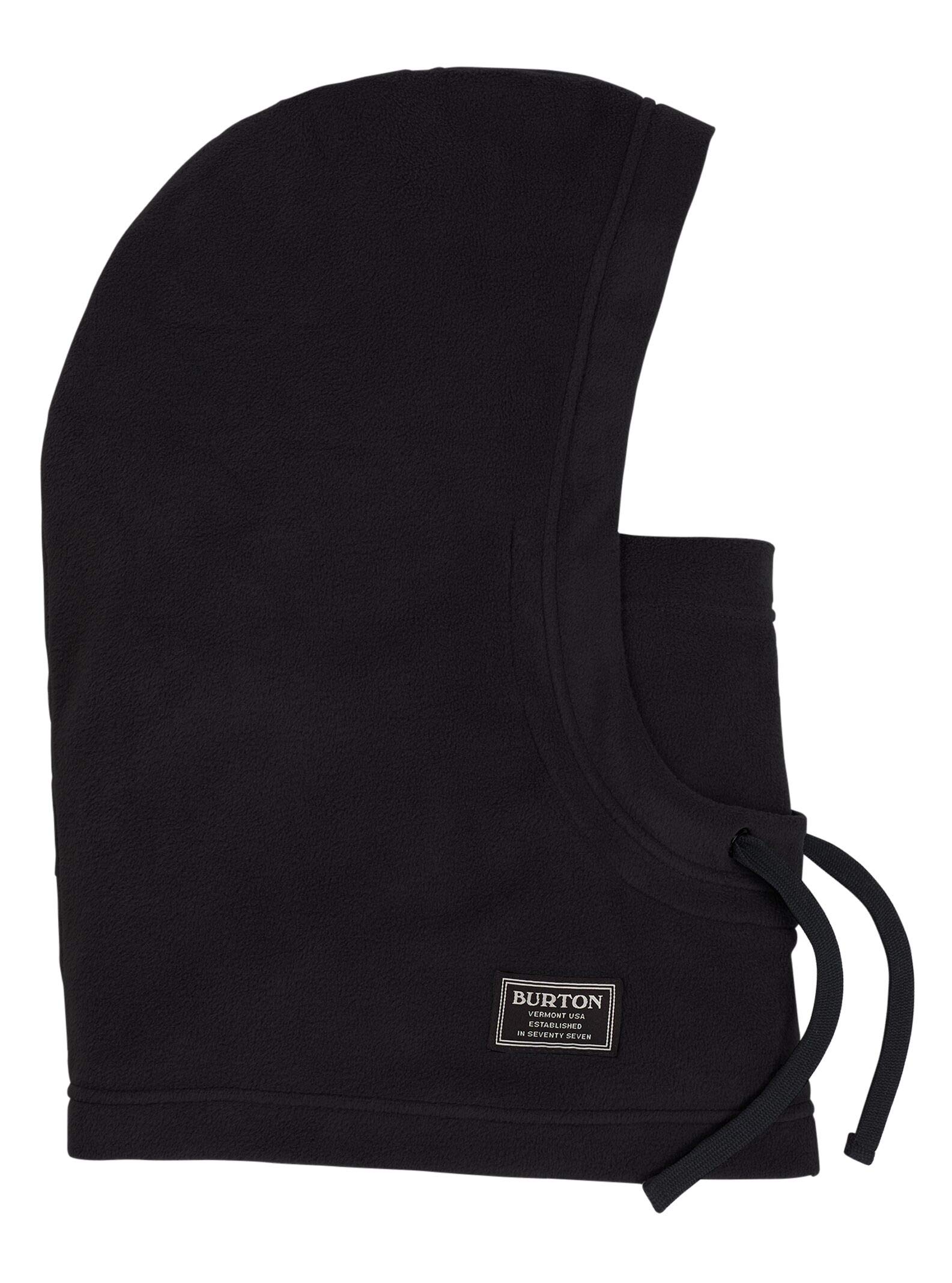
The Burton Burke Hood stands apart from the rest — it is designed to fit over your helmet, not under it. The large fleece hood drapes over the helmet shell and the integrated face mask hangs loose enough to breathe and speak comfortably. This is a great solution if you hate the pressure of a balaclava squeezing your head inside the helmet. The fleece is soft and warm, and the roomy cut accommodates ball caps and knit caps underneath when you ditch the helmet for the lodge.
Multiple riders reported this as the best money they spent all season for resort comfort. The face mask does not pull tight against the mouth, so it avoids getting soaked from breath condensation. One key limitation: the fleece is not windproof. In gusty conditions, the ears will get cold without an underlayer. One reviewer noted it worked well in 30°F rain but let wind cut through easily.
If you ride in mild-to-moderate winter conditions and prioritize an unrestricted face feel, the Burke Hood is a unique option. For exposed, high-wind days, pair it with a thin windproof liner or choose a different balaclava.
Why it’s great
- Fits over the helmet with zero pressure
- Loose face mask stays breathable and dry
- Roomy cut fits over hats and buns
Good to know
- Not windproof — ears get cold in gusts
- Face portion can’t be tightened
6. Turtle Fur Shellaclava
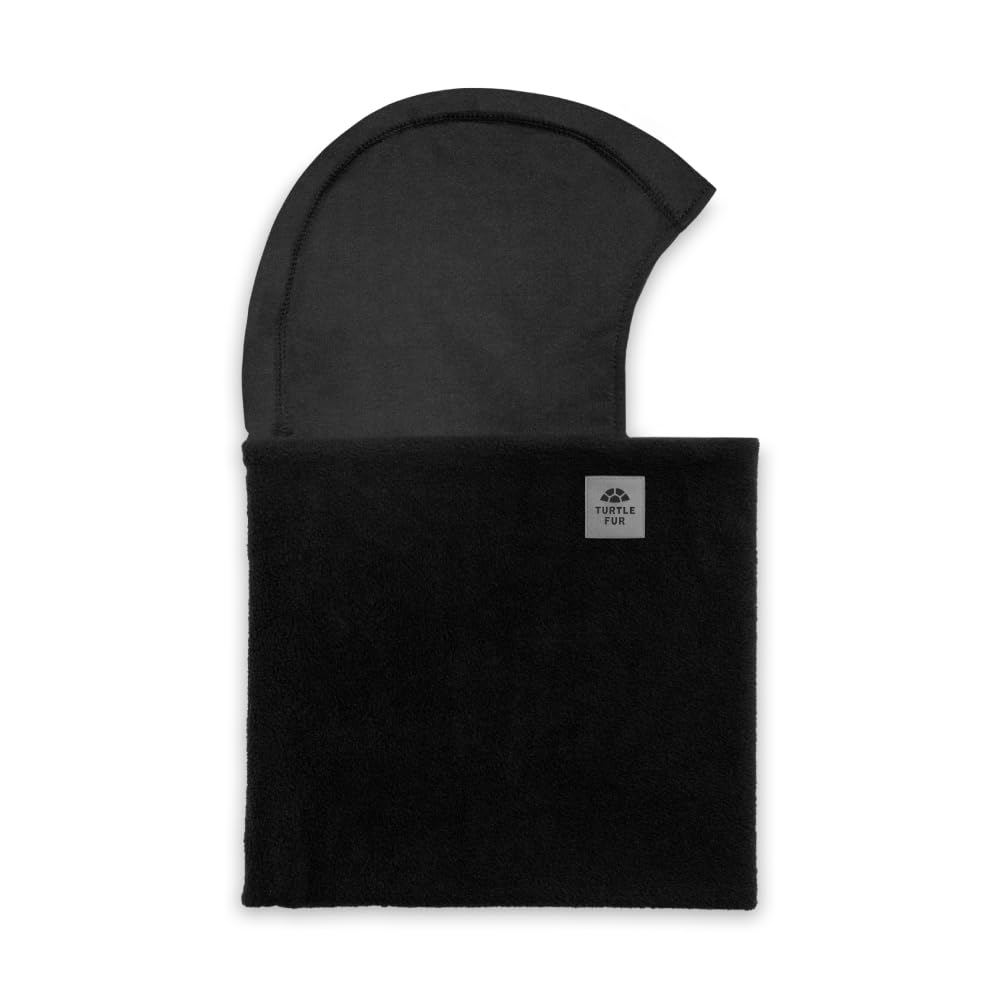
The Turtle Fur Shellaclava is the go-to option for riders who want reliable warmth without spending into premium territory. The fleece is thick and soft, and it cuts wind better than most budget fleece balaclavas. One reviewer logged four hours of hard skiing before the fabric even felt damp — a strong sign of effective moisture management for the price. The fit under a helmet is snug but comfortable, and the long neck gaiter covers down to the collarbone without gaps.
Several users reported using it for motorcycle riding and snow blowing in sub-zero temps with good results. The only consistent complaint is that it runs a little short in length for taller riders, and the initial fit can feel tight before stretching out. The Shellaclava is also available in fun color patterns, which helps it stand out in a gear drawer. It has held up well after a full week of daily skiing without pilling or losing shape, according to a verified buyer.
If you are building a first-season kit or need a backup balaclava for warmer days, the Shellaclava delivers dependable performance at a fair price. Just be aware that it is not fully windproof and works best in moderate cold rather than extreme alpine gusts.
Why it’s great
- Thick soft fleece with strong moisture wicking
- Snug under helmet without bulk
- Good value for consistent resort use
Good to know
- Short length may not suit tall riders
- Tight initial fit before stretch
7. adidas Alphaskin Balaclava

The adidas Alphaskin is the entry-level option that covers the basics without frills. It is lightweight, stretchy, and fits well under a helmet — verified by a user who wore it under a football helmet for warmth. The fabric is soft and breathable, with a good amount of give for a comfortable seal around the face. Multiple buyers praised it for wind resistance and warmth at a price that won’t dent a season gear budget.
The material is a light polyester that does not trap moisture the way thicker fleece can. It washes well without shrinkage, and there is no lingering chemical smell from the fabric. One downside shared by a reviewer is uncertainty about its UV protection rating — not a dealbreaker for snowboarding but worth knowing if you also plan to use it for spring riding at altitude. The face opening is wide enough for goggles but does not have a separate vented mouth panel, so heavy breathing may cause moisture buildup over a long day.
This is a solid choice for occasional riders or as a spare in the car. For frequent resort trips or extreme cold, the lack of a specialized face hinge and thinner fabric make it less suitable than mid-range competitors.
Why it’s great
- Affordable warmth with good stretch
- Breathable and comfortable for moderate cold
- Was well without damage
Good to know
- No vented mouth panel for heavy use
- Thinner material less effective in deep cold
FAQ
Will a balaclava fog my goggles?
How should a snowboarding balaclava fit under a helmet?
Can I use a merino wool balaclava for spring snowboarding?
Final Thoughts: The Verdict
For most snowboarders, the balaclava for snowboarding winner is the Blackstrap Expedition Hood because it combines the anti-fog ExoHinge face flap with lightweight synthetic warmth that works across a wide temperature range. If you ride in extreme cold and want the natural warmth of merino, grab the Minus33 Expedition. And for snowboarders who prefer wearing gear over their helmet for a looser fit, nothing beats the Burton Burke Hood.