
Our readers keep the lights on and the weekend projects moving. As an Amazon Associate, I earn from qualifying purchases.
Standard gym shoes with elevated heels and narrow toe boxes mask your body’s natural stabilizing mechanisms, forcing your knees, hips, and lower back to compensate during every squat and deadlift. The result is weakened foot musculature, compromised balance, and a higher risk of injury that most lifters never trace back to their footwear.
I’m Rikta — the co-founder and writer behind FitlyFast. My deep market research focuses on analyzing the biomechanical claims and hardware specifications of minimalist footwear, specifically verifying stack heights, sole flexibility, and toe-box geometry against real-world lifting and training demands.
A true minimalist training shoe provides zero drop from heel to toe, a wide anatomical toe box, and a flexible sole that allows your foot to function as nature intended. This guide breaks down the top options to help you find the best barefoot gym shoes for your specific training style and foot shape.
How To Choose The Best Barefoot Gym Shoes
Selecting the right minimalist training shoe requires understanding three key factors: stack height and drop, toe-box width, and sole flexibility. A shoe that excels in one area may sacrifice another, so matching the shoe to your primary gym activities is critical.
Stack Height and Ground Feel
True barefoot gym shoes have a stack height typically under 10mm with zero drop (no heel elevation). This low profile provides proprioceptive feedback, allowing your feet to sense the ground and activate small stabilizing muscles. Shoes with stack heights between 10-18mm still qualify as minimalist but offer slightly more protection during box jumps or rope climbs without completely killing ground feel.
Toe-Box Shape and Width
A genuinely wide toe box allows your toes to splay naturally under load, creating a stable base for lifts like squats and deadlifts. Look for shoes that offer at least as much room at the toe as at the midfoot. Many brands now offer dedicated wide sizing or naturally anatomical shapes that accommodate 2E-3E width without looking overly bulky.
Sole Flexibility and Grip
For dynamic gym work like CrossFit or agility drills, you want a sole that bends easily at the forefoot to allow natural foot flexion. A flexible sole is essential for mobility work, lunges, and plyometrics. However, if you primarily lift heavy, a slightly stiffer flat sole provides a more stable platform for maximal loads. Grip pattern matters too — full-coverage rubber with chevron lugs works well for both gym floors and light outdoor runs.
Quick Comparison
On smaller screens, swipe sideways to see the full table.
| Model | Category | Best For | Key Spec | Amazon |
|---|---|---|---|---|
| Altra Solstice XT 3 | Premium | CrossFit & heavy lifting | FootShape toe box, 17mm stack | Amazon |
| Vivobarefoot Primus Lite 3.5 | Premium | All-day training & wear | 3mm sole, puncture-resistant | Amazon |
| Flux Adapt Runner | Premium | Tennis, running, daily wear | 4mm drop, high abrasion outsole | Amazon |
| INOV8 Bare-XF | Mid-Range | CrossFit & daily training | Rope guard, 3mm drop | Amazon |
| Merrell Vapor Glove 6 Leather | Mid-Range | Office & gym crossover | Leather upper, 10mm stack | Amazon |
| Xero HFS II | Mid-Range | Walking & everyday wear | 5.5mm FeelTrue sole | Amazon |
| Xero Prio Neo | Mid-Range | Transitioning to barefoot | Removable 3mm insole | Amazon |
In‑Depth Reviews
1. ALTRA Men’s Solstice XT 3 Cross Training Shoe

The Altra Solstice XT 3 balances the line between minimal ground feel and practical gym durability. With a 17mm stack height and Altra’s FootShape toe box, it provides enough material for rope climbs and box jumps while still allowing natural toe splay under heavy loads. The zero-drop platform keeps your hips and spine aligned during squats and deadlifts.
CrossFitters who train 4-5 times per week report that the Solstice XT 3 holds up well after two months of sprints, box jumps, and weightlifting with minimal wear. The snug midfoot fit works best for those with normal to slightly narrow feet, while the ample toe box accommodates toe spacers comfortably. It’s not ideal for long runs, but for gym work it’s nearly perfect.
Some users note that the Solstice XT 3 is slightly heavier and has a thicker sole than the previous XT 2, which reduces ground feel. If you want maximum proprioception, you may prefer a thinner-soled option, but the added durability makes this a sensible trade-off for high-volume training.
Why it’s great
- Excellent durability through 9+ months of daily training
- Wide toe box works with toe spacers and splay under load
Good to know
- Heavier and less ground feel than pure barefoot shoes
- Narrower midfoot may not suit wide-footed lifters
2. Vivobarefoot Primus Lite 3.5

The Vivobarefoot Primus Lite 3.5 delivers the most authentic barefoot experience on this list with a mere 3mm puncture-resistant sole and zero drop. This shoe forces your foot to work naturally, engaging intrinsic foot muscles with every step. The wide, flat toe box allows full splay, and the seamless upper eliminates irritation during sockless wear.
Users consistently praise the ground feel and breathability, noting that the shoe holds up well for 10,000+ daily steps across workouts and casual wear. The lightweight construction and quiet sole make it feel like a second skin. Owners also report that the sizing runs slightly long compared to other Vivobarefoot models, so check the fit guide carefully.
The trade-off for extreme minimalism is durability in high-abrasion scenarios. The white upper is notoriously hard to keep clean, and the thin sole offers minimal protection against sharp rocks or metal gym flooring. This shoe is best for those committed to a barefoot lifestyle and training on forgiving surfaces.
Why it’s great
- Unmatched ground feel and foot muscle activation
- Breathable, seamless upper works well without socks
Good to know
- White fabric stains easily and is difficult to clean
- Thin sole offers minimal protection on rough surfaces
3. FLUX FOOTWEAR Adapt Runner
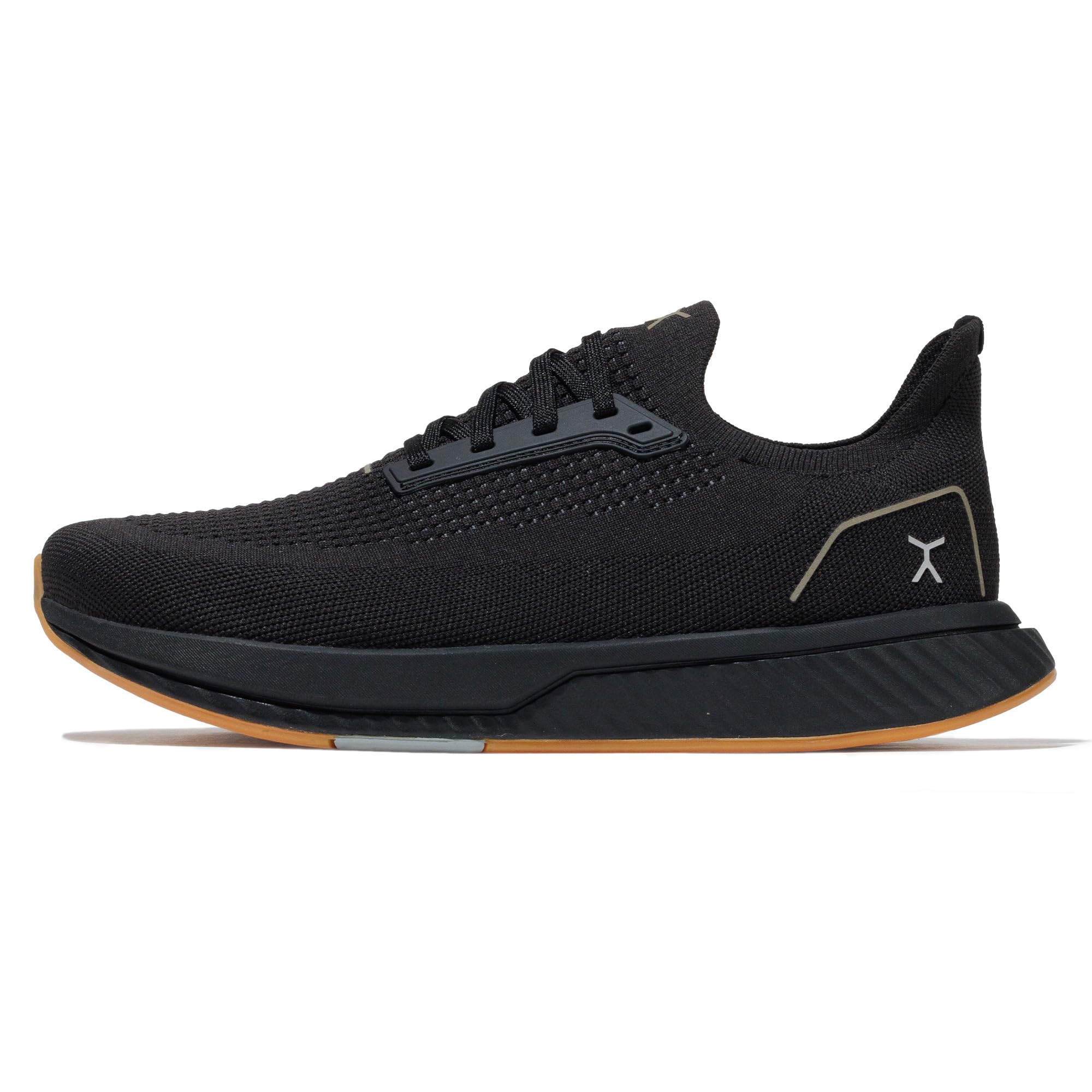
The Flux Adapt Runner carves a unique niche as a minimalist shoe designed for high-mileage activities like tennis, running, and daily walking. Its 4mm drop and high-abrasion outsole deliver surprising longevity, with some users reporting 4+ years of use on a single pair. The wide toe box accommodates foot swelling during long days without pressure points.
Several reviewers praise the Adapt Runner for alleviating knee, back, and foot pain after switching from traditional cushioned trainers. The shoe’s robust construction and supportive insole make it a solid option for those recovering from surgery or dealing with neuropathy. The break-in period is about two weeks, after which the upper loosens to conform to your foot.
Some users report the ankle collar is too tight, and the lacing system does not allow enough adjustment to relieve pressure on the top of the foot. Additionally, a few owners experienced sole separation at the heel within the first year, which raises questions about long-term durability despite the generally positive longevity reports.
Why it’s great
- Exceptional longevity reported — some pairs last 4+ years
- Wide toe box comfortable for long days and travel
Good to know
- Ankle collar may be too tight for some foot shapes
- Occasional sole separation issues reported
4. INOV8 Men’s Bare-XF Barefoot Training Shoes
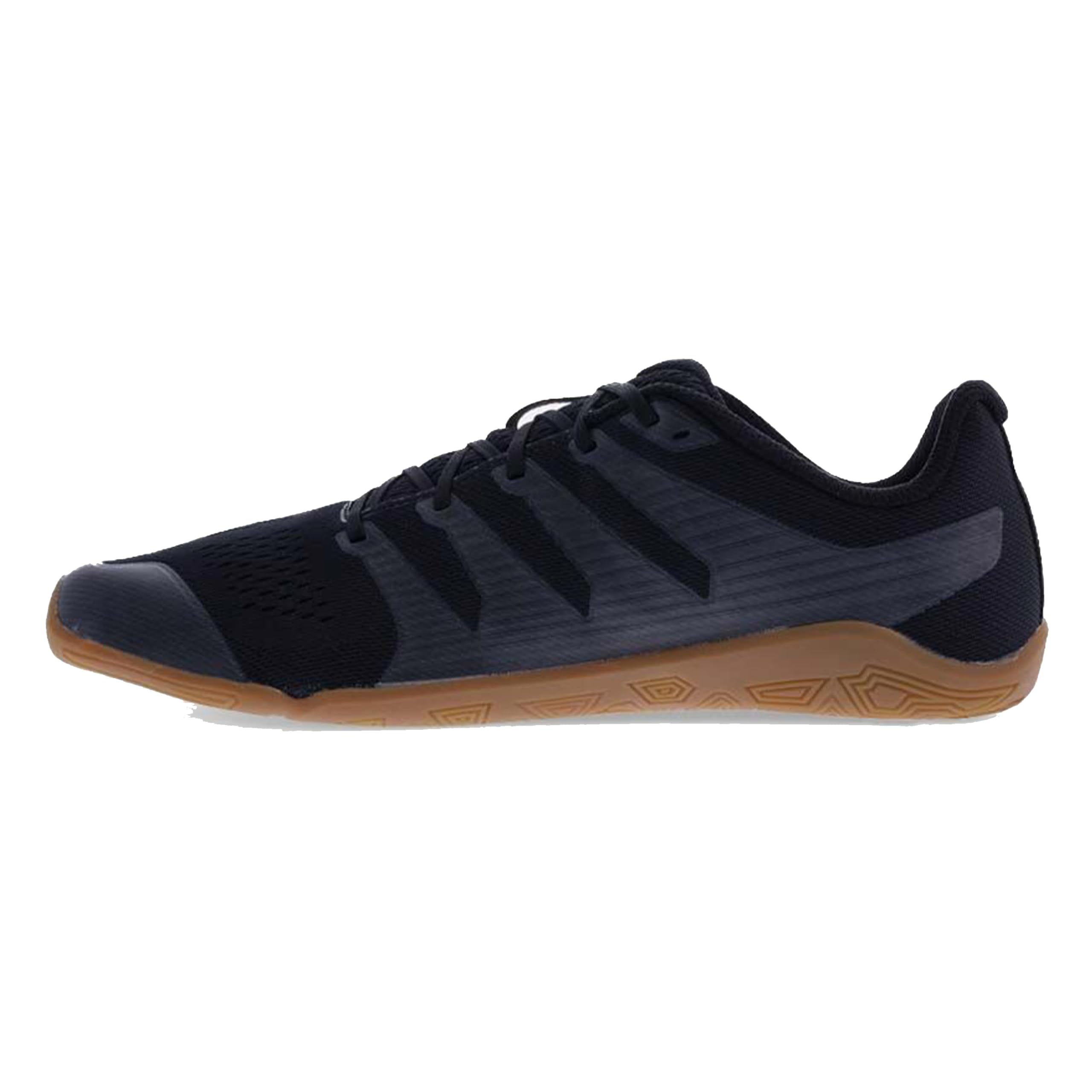
The INOV8 Bare-XF is purpose-built for the rigors of CrossFit and functional training. It features a 3mm drop, a rope guard for climbs, and a rubber outsole with aggressive traction that grips well on gym floors and light trail surfaces. The wide version easily accommodates 2E-3E feet after a short stretch period, making it one of the most accommodating options for wide-footed lifters.
Long-term users report the Bare-XF lasts about 6 years with moderate use, a testament to its robust construction. The thicker fabric and stiffer rubber outsole make it more substantial than ultra-minimalist options, providing a good balance of protection and ground feel. The Boomerang insole adds a touch of shock absorption without compromising the barefoot experience.
The toe box is described as average width rather than truly wide, so those with extremely broad feet may find it snug initially. Some users recommend ordering your normal shoe size rather than sizing down, as Amazon’s fit guide can be misleading. It’s not ideal for long-distance running, but it excels in the gym.
Why it’s great
- Rope guard and durable rubber outsole for CrossFit
- Wide version fits up to 3E width after stretching
Good to know
- Toe box is average width, not extra wide
- Not suitable for long-distance running
5. Merrell Men’s Vapor Glove 6 Leather Trail Running Shoe
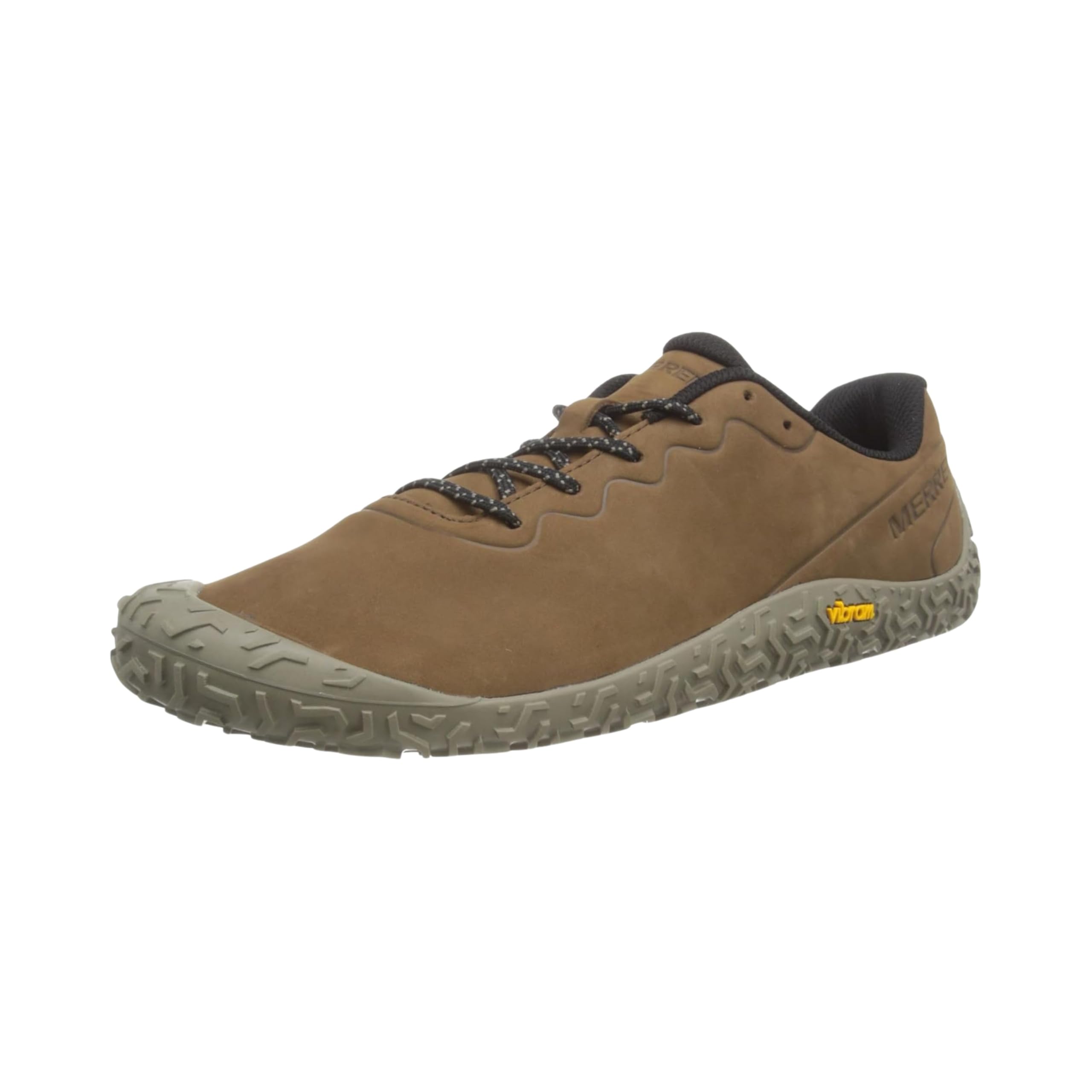
The Merrell Vapor Glove 6 Leather brings a touch of sophistication to the barefoot category with its full-grain leather upper and clean aesthetic. It’s one of the few minimalist shoes that looks appropriate in an office setting while still delivering zero-drop performance. The 10mm stack height provides slightly more ground protection than ultra-thin options, and the sticky Vibram outsole offers excellent traction.
This version is notably more durable than the standard Vapor Glove, resisting breakdown better than sportier mesh models. The leather construction also helps it hold shape over time, and the heavy-duty sole withstands daily wear without losing grip. Users with narrow to medium-width feet find the fit excellent right out of the box.
The leather upper is not as breathable as mesh alternatives, making it less ideal for intense sweat sessions or hot weather. The fit is also better suited for narrower feet, and those with wide feet may find the toe box restrictive. It’s best used as a hybrid shoe for gym sessions followed by work or social events.
Why it’s great
- Polished leather look works for office and gym
- More durable than mesh barefoot models
Good to know
- Narrow fit — not for wide feet
- Less breathable than mesh alternatives
6. Xero Shoes Men’s HFS II Barefoot Running Shoes
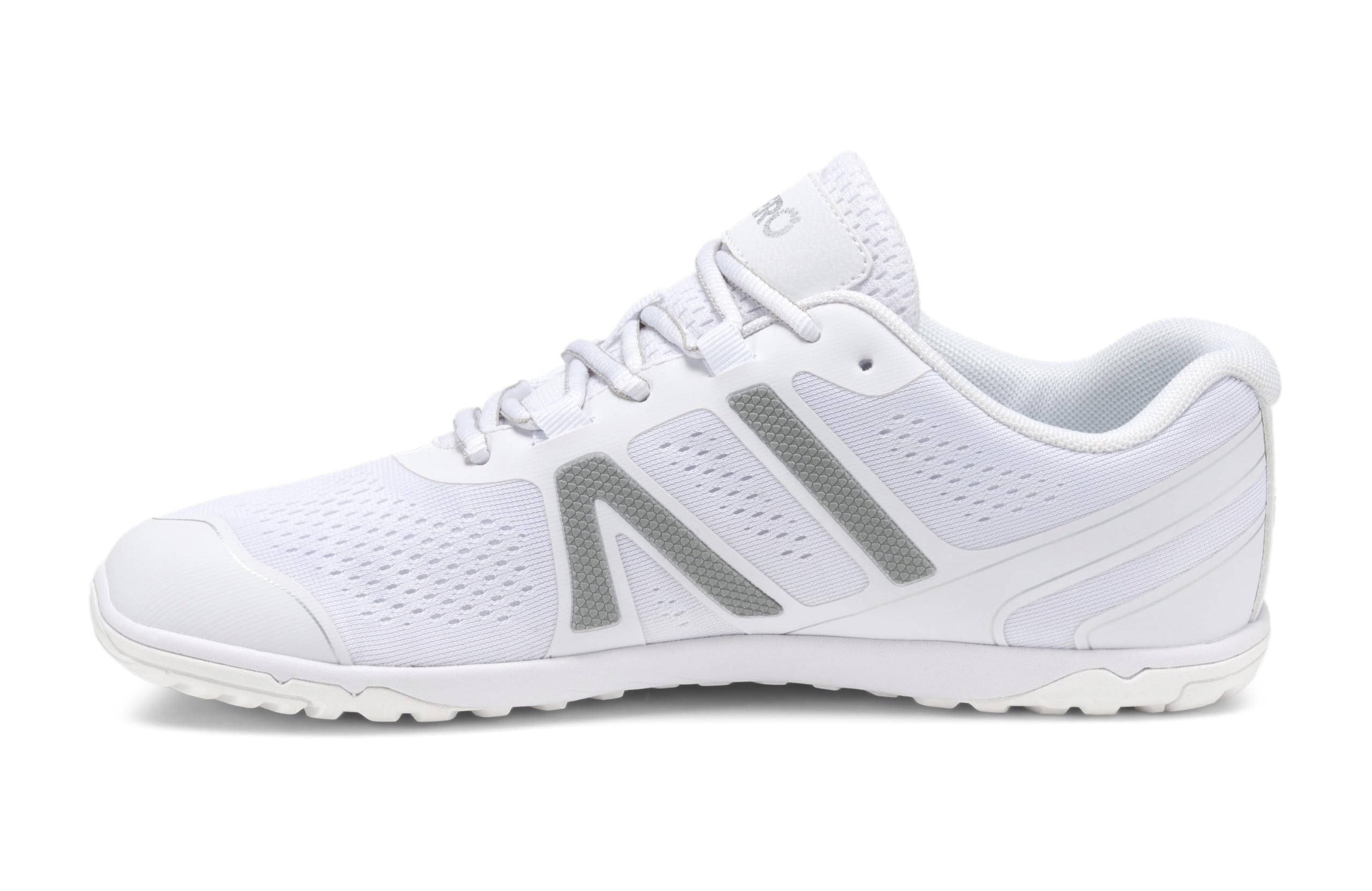
The Xero HFS II is a solid all-rounder for those entering the barefoot world. Its 5.5mm FeelTrue sole offers a noticeable ground feel while providing enough protection for pavement and gym floors. The zero-drop platform and wide toe box accommodate natural foot function, and the breathable mesh upper keeps feet cool during extended wear.
Users consistently find the HFS II comfortable for walking, hiking, and everyday use. Many reviewers note that the shoe runs smaller than other brands, recommending you size up by half to a full size. The shoe’s versatility makes it popular for those who want a single pair for both gym sessions and daily errands.
A known issue with a specific production batch (FW25) involved premature outsole wear, with holes developing through to the footbed after about 71 days. While the design is mechanically excellent, potential buyers should verify the manufacturing batch and purchase directly from Xero to ensure warranty coverage. Avoid third-party sellers for this model.
Why it’s great
- Versatile for walking, hiking, and gym use
- Breathable mesh upper for all-day comfort
Good to know
- Some batches have premature outsole wear issues
- Runs small — requires sizing up half to full size
7. Xero Shoes Women’s Prio Neo Barefoot Training Shoe
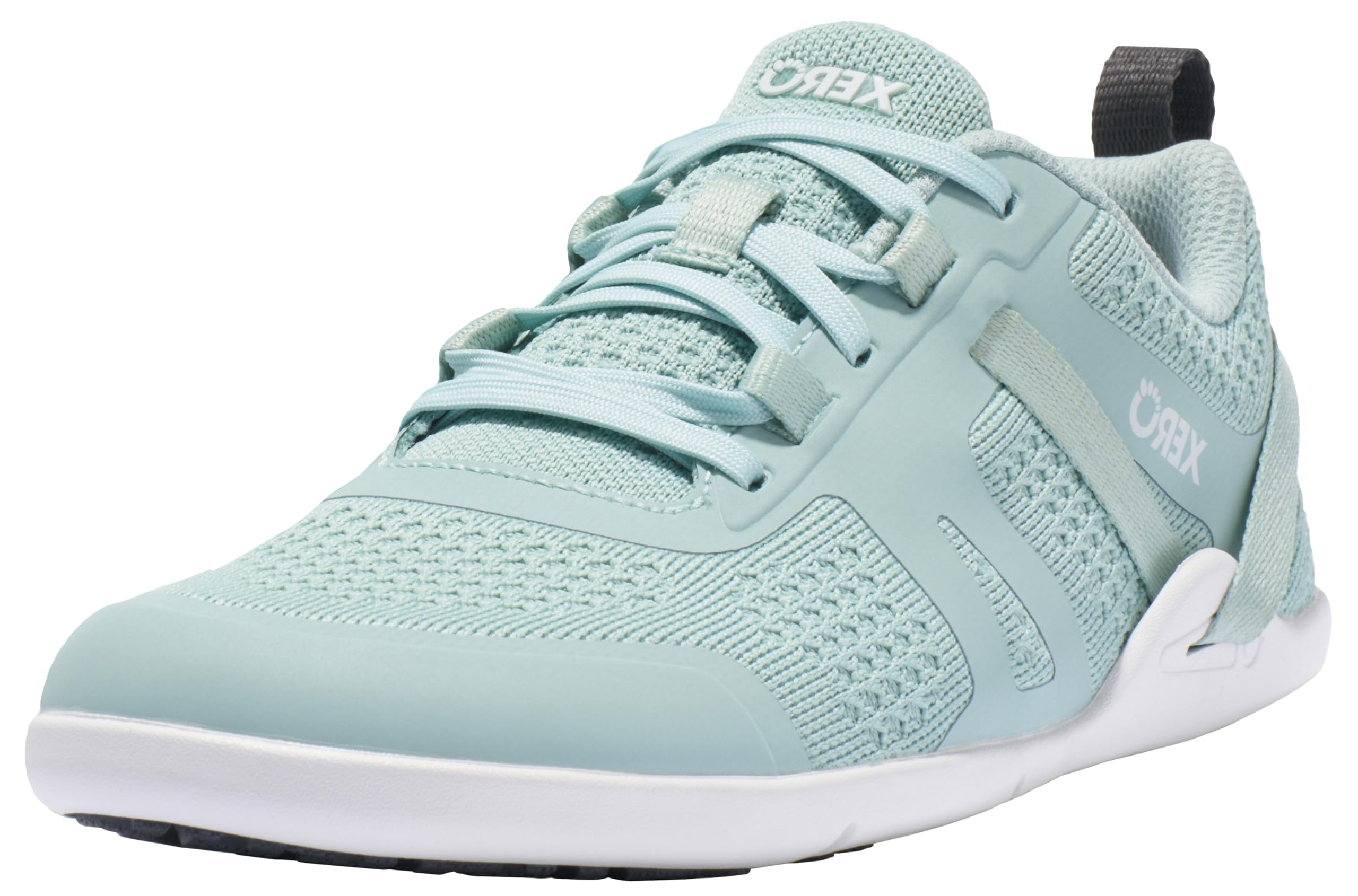
The Xero Prio Neo is an excellent entry point for those transitioning from traditional cushioned trainers. It comes with a removable 3mm insole, allowing you to start with some padding and gradually move to a full barefoot feel. The wide toe box and zero-drop platform encourage proper foot mechanics while the stretchy upper conforms to the foot comfortably.
Users coming from heavily cushioned shoes like Brooks Glycerine report that the Prio Neo eliminates heel strike and improves gait over time. The shoe feels like a slipper with a rubber bottom — supportive yet flexible. It’s particularly helpful for those with foot conditions like Morton’s neuroma or hammer toes, as the wide toe box relieves pressure points.
The main drawback is that the hard plastic piece that holds the laces can dig into the top of the foot during walking, causing discomfort for some users. Additionally, the initial transition period can cause calf and knee soreness as the body adapts to zero-drop footwear. Temporarily adding orthotic insoles may help during the adjustment phase.
Why it’s great
- Removable insole allows gradual transition to barefoot
- Wide toe box relieves pressure from foot conditions
Good to know
- Lace hardware may dig into top of foot
- Transition period can cause calf and knee soreness
FAQ
Can I wear barefoot gym shoes for heavy deadlifting and squatting?
How long does it take to transition to barefoot gym shoes?
Final Thoughts: The Verdict
For most users, the barefoot gym shoes winner is the Altra Solstice XT 3 because it balances ground feel with the durability needed for high-volume CrossFit and weightlifting. If you want unmatched proprioception and a true minimalist experience, grab the Vivobarefoot Primus Lite 3.5. And for a versatile shoe that handles tennis, running, and daily wear, nothing beats the Flux Adapt Runner.