
Our readers keep the lights on and the weekend projects moving. As an Amazon Associate, I earn from qualifying purchases.
Switching to barefoot hiking shoes means trading thick foam for a thin, flexible sole that lets your feet feel the trail’s texture, rocks, and roots. You gain better balance, stronger foot muscles, and a more natural stride, but only if you choose a pair with the right grip, zero-drop platform, and a toe box wide enough to let your toes splay.
I’m Rikta — the co-founder and writer behind FitlyFast. I research outdoor gear by cross-referencing sole thickness, tread depth, material durability, and real-world customer feedback to find which barefoot hikers actually perform on uneven terrain.
This review compares nine top contenders based on traction, ground feel, and build quality to help you find the best pair of barefoot hiking shoes for your next trail adventure.
How To Choose The Best Barefoot Hiking Shoes
Buying your first pair of minimalist hikers is different from shopping for traditional boots. The wrong sole thickness or toe box shape can ruin a day on the trail. Focus on these three areas to get the right fit and function.
Sole Thickness and Flexibility
The defining feature of a barefoot shoe is a thin, flexible sole that lets your foot bend naturally. Most minimalist trail shoes have a stack height between 5 mm and 10 mm. Thinner soles offer maximum ground feel but less protection from sharp rocks, while slightly thicker soles at the 10–12 mm mark still allow articulation but add cushion for rocky terrain. Look for a sole that bends easily in your hand — if it resists twisting, it will restrict your foot’s natural movement.
Tread Pattern and Lug Depth
Trail grip matters more in zero-drop shoes because you rely on your foot’s natural traction instead of a bulky outsole. Aggressive lugs (3–4 mm deep) are essential for loose dirt, mud, and wet rock. Flat or shallow lugs work fine on packed gravel and smooth paths but will slip on steep, loose inclines. A chevron or multi-directional lug pattern gives better braking and climbing traction, especially on downhill sections.
Toe Box Shape and Volume
A truly foot-shaped toe box allows your toes to spread and grip the trail during climbs and descents. Avoid tapered or pointed toe boxes — even if the shoe is labeled “wide,” check that the widest part of the shoe aligns with the widest part of your foot. High-volume toe boxes also prevent blisters on steep descents when your foot slides forward. If you have bunions or hammer toes, look for models with at least 100 mm of internal width at the metatarsal area.
Transition Plan and Break-In Period
Jumping straight into a 10-mile hike in barefoot shoes can strain your calves, Achilles, and plantar fascia. Plan a 4–6 week transition: start with short walks on flat pavement, then move to easy trails before tackling technical terrain. Many barefoot shoes have a break-in period for the upper, especially full-grain leather models, which soften and mold to your foot after 20–30 miles. Synthetic uppers usually require zero break-in but may not last as long.
Quick Comparison
On smaller screens, swipe sideways to see the full table.
| Model | Category | Best For | Key Spec | Amazon |
|---|---|---|---|---|
| Altra Lone Peak 9 (Men’s) | Trail Runner / Hiker | Long-distance hiking | 9 mm stack height, MaxTrac outsole | Amazon |
| Altra Lone Peak 9 (Women’s) | Trail Runner / Hiker | Wide feet, zero break-in | 9 mm stack height, MaxTrac outsole | Amazon |
| Vivobarefoot Primus Trail II FG | Barefoot Off-Road | All-weather, technical trails | 6 mm sole, puncture-resistant layer | Amazon |
| Vivobarefoot Tracker Leather | Leather Hiking Boot | Wet/cold terrain, durability | Full-grain leather, waterproof | Amazon |
| JIM GREEN African Ranger | Work / Hiking Boot | Rugged terrain, waterproof | Stitchdown construction, 10 mm sole | Amazon |
| Xero Shoes Mesa Trail II | Trail Runner / Hiker | Ultra-light hiking | 5.5 mm FeelTrue sole, 3 mm lug | Amazon |
| FLUX FOOTWEAR Adapt Runner | Minimalist Runner | Everyday wear + light trails | 4 mm stack, zero-drop, wide toe box | Amazon |
| New Balance Minimus Trail MT10v1 | Minimalist Runner | Smooth trails, light runs | 7 mm drop, 6.6 oz weight | Amazon |
| Xero Shoes Prio Neo | Training / Walking | Transition shoe, daily walks | 5.5 mm FeelTrue, removable insole | Amazon |
In‑Depth Reviews
1. ALTRA Men’s Lone Peak 9 Trail Running Shoe
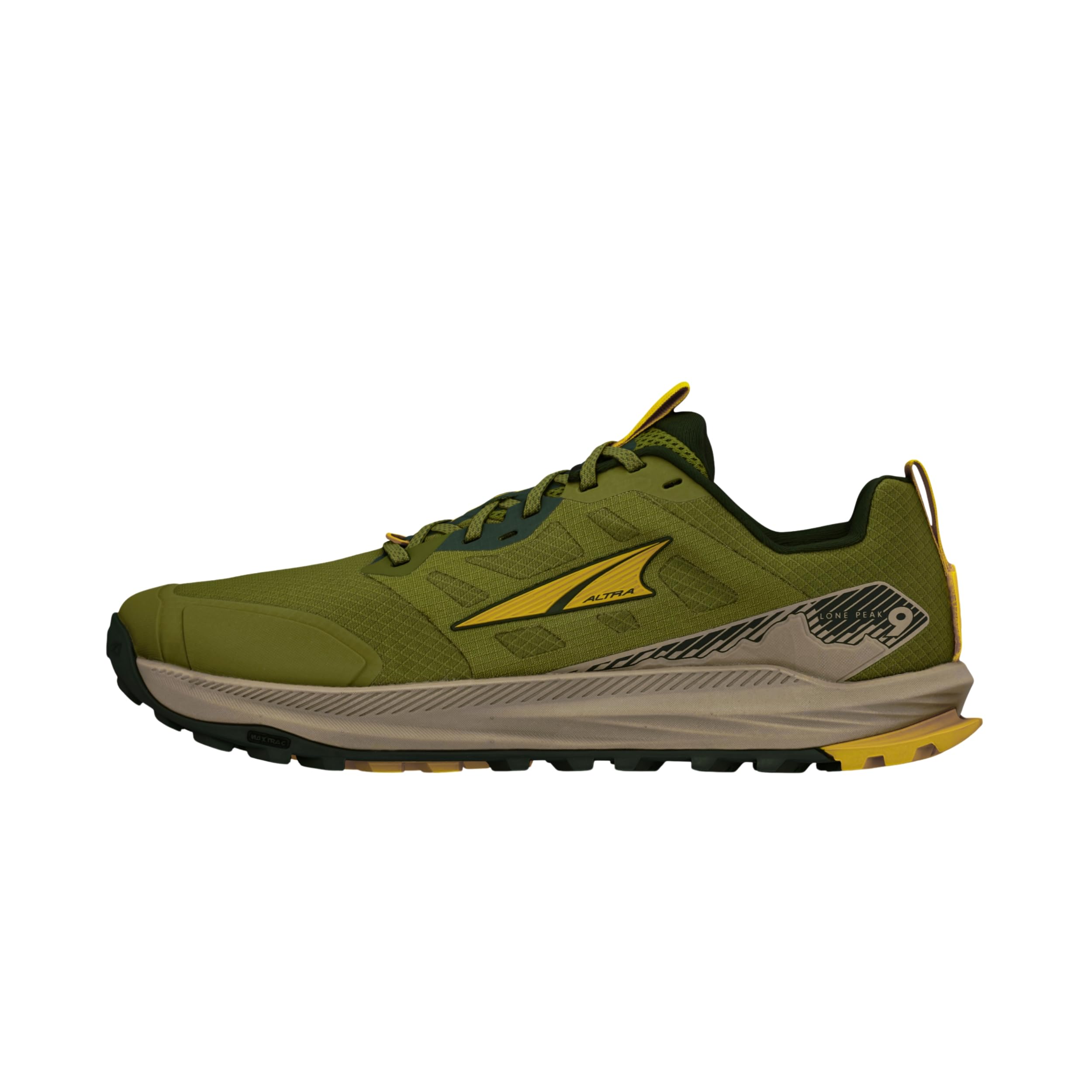
ALTRA’s Lone Peak 9 hits the sweet spot between barefoot minimalism and real-world trail protection. The 9 mm stack height gives you enough underfoot to soften sharp rocks without losing the ground feel that zero-drop fans demand. The MaxTrac rubber outsole uses chevron-shaped lugs that bite into mud and loose gravel, making this shoe stable on both wet descents and dry switchbacks.
The FootShape toe box is genuinely wide — your toes can splay fully without rubbing against the sidewall. Multiple hikers report zero blisters even after 60-plus miles of carrying a pack. The breathable mesh upper dries fast after creek crossings, and the removable insole lets purists drop to a flatter, firmer platform if they want a more direct trail connection.
It runs slightly large, so sizing down half a step is common. The outsole shows minimal wear after 100 miles, but the upper’s mesh is less abrasion-resistant than burlier leather models. For day hikes and multi-day backpacking where you want moderate cushioning without sacrificing natural foot mechanics, this is the strongest all-around performer.
Why it’s great
- Spacious toe box with zero break-in required
- MaxTrac lug pattern grips mud and wet rock reliably
- Balanced cushioning suits long days and heavy packs
Good to know
- Runs half-size large; order down if between sizes
- Mesh upper is breathable but less durable than leather
2. Vivobarefoot Primus Trail II FG Mens Barefoot Off-Road Shoes

The Primus Trail II FG is built for hikers who want the thinnest legal sole between their foot and the ground. At 6 mm with a zero-drop platform, this shoe transmits every contour and pebble with startling clarity — exactly what barefoot purists look for. The outsole uses a 3 mm chevron lug pattern that grips well on dry trails and soft dirt, though it can feel slick on greasy wet rock.
The wide toe box allows full splaying, and the reinforced puncture-resistant layer underfoot adds confidence when stepping on sharp stones or roots. The upper is a lightweight synthetic mesh that drains quickly after water crossings. Several users report 5-mile walks with no blisters if they’re already adapted to barefoot shoes. The lace closure is low-profile, but the tongue can slide to the side during hard use.
Fit is true to length, but there are no half sizes, so you may need to size up and remove the insole for a perfect fit. The outsole’s tight lug spacing collects mud more than open-tread competitors. For technical trails where ground feel is paramount, the Primus Trail II FG delivers an unmatched sensory connection.
Why it’s great
- Extremely thin sole for maximum ground feedback
- Puncture-resistant layer protects against sharp rocks
- Breathable, quick-drying upper
Good to know
- No half sizes; sizing up and removing the insole may be needed
- Tight lug spacing packs with mud on wet trails
3. ALTRA Women’s Lone Peak 9 Trail Running Shoe
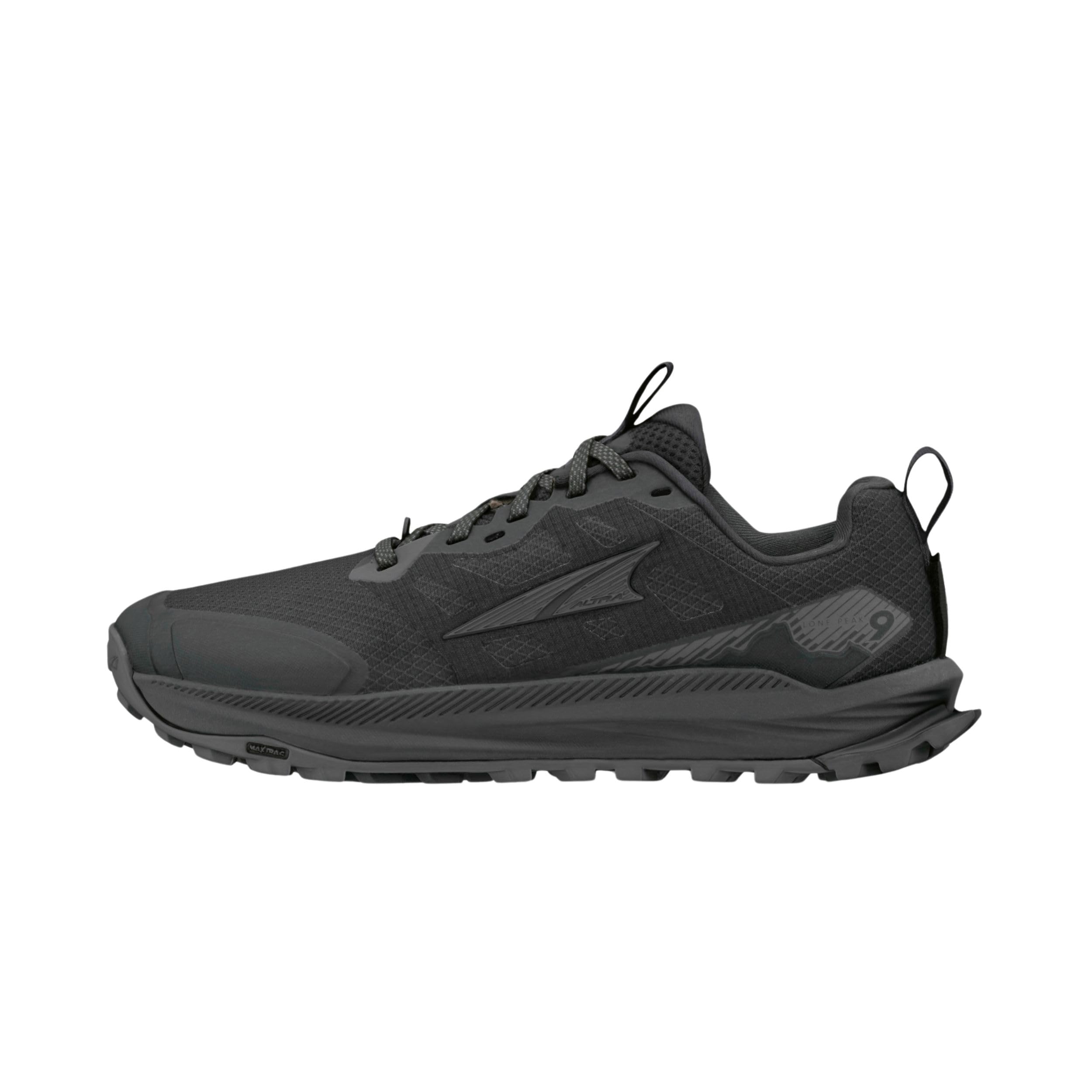
The women’s Lone Peak 9 mirrors the men’s version in zero-drop geometry and MaxTrac grip but is tuned for different foot volumes. The FootShape toe box is equally wide, giving the metatarsals room to spread during steep climbs. The moderate cushioning (9 mm stack) provides enough protection for rocky terrain while maintaining the flat platform that barefoot transitioners appreciate.
Testers with high arches and wide feet report zero hot spots or blisters after two weeks of daily hiking. The breathable mesh upper performed well in rain without overheating in 80-degree weather. The outsole’s multi-directional lugs provide stable braking on gravel descents. Several users noted that the shoe accommodates orthopedic insoles without crowding the toe box.
Sizing runs slightly large; many recommend going down half a size unless you plan to wear thick wool socks. The standard width fits most foot shapes, but the wide option may feel loose for narrow feet. For women transitioning from cushioned trail runners who want a zero-drop experience without losing all underfoot protection, the Lone Peak 9 is a safe, versatile choice.
Why it’s great
- Wide toe box suits high-arched and wide feet
- MaxTrac outsole grips reliably on dirt and gravel
- Breathable and quick-drying after wet crossings
Good to know
- Runs large; size down half for a secure fit
- Standard width may feel roomy for narrow feet
4. Vivobarefoot Men’s Tracker Leather All Terrain Hiking Shoe
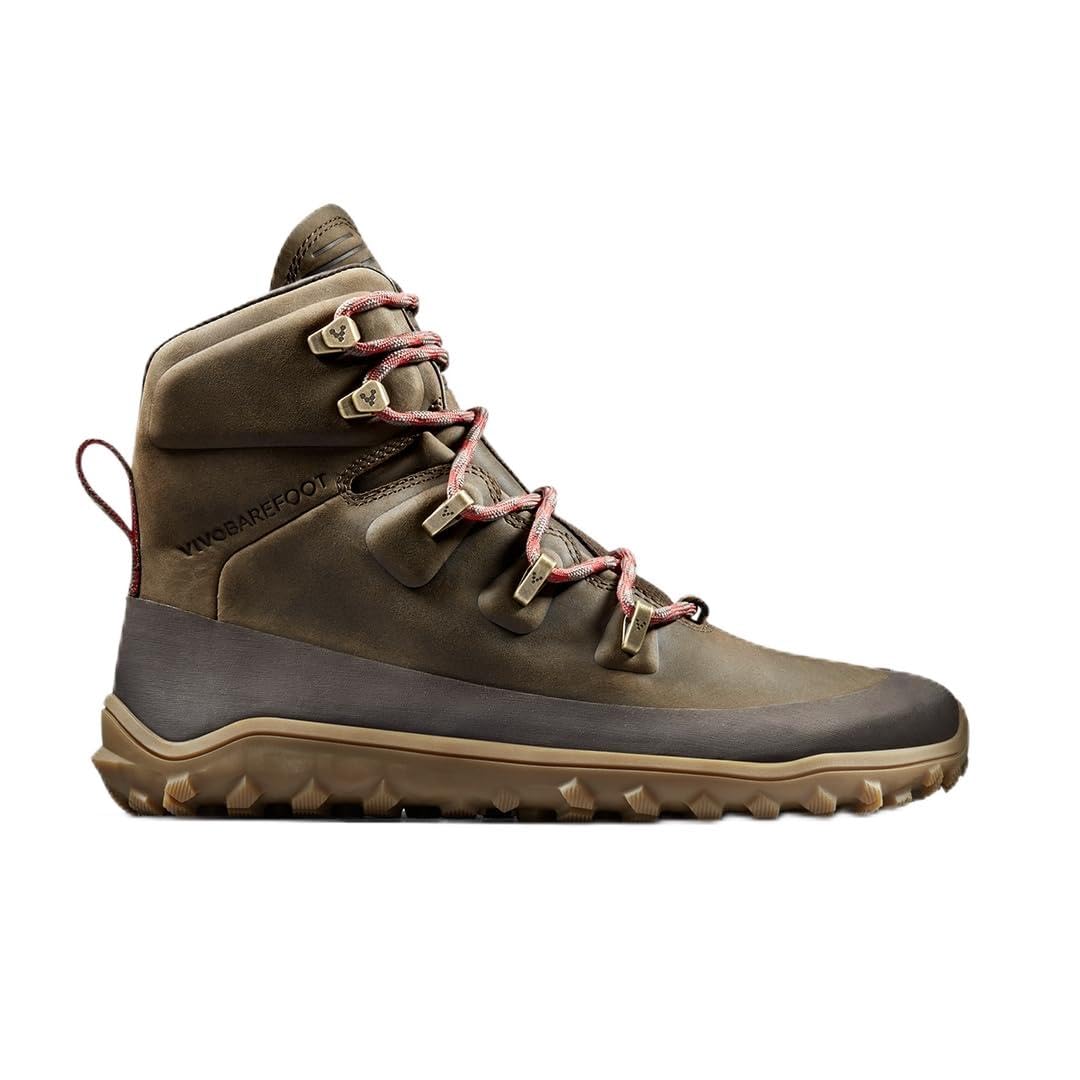
The Tracker Leather is what happens when a barefoot brand builds a serious hiking boot. Full-grain leather wraps the foot in a waterproof package that shrugs off brush, rain, and rocky scree. The sole is thin enough at the ball of the foot to feel the trail, yet the rubber outsole’s deep, multi-directional lugs provide tenacious grip on wet rock and loose dirt.
The wide toe box and secure heel pocket keep the foot stable without restricting toe splay. Because the boot is zero-drop, your calf and Achilles work harder, but the payoff is improved balance and proprioception. Users report that the leather softens and molds to the foot after about 20 miles of hiking. The waterproof lining keeps feet dry during stream crossings without making the boot too hot for moderate temperatures.
There are some durability concerns: one reviewer reported an eyelet ripping after a week, and customer service was inconsistent. The boot requires a break-in period, and the thin sole makes sharp rocks felt more acutely than cushioned competitors. For rugged, wet, or cold terrain where you want leather durability with a barefoot foundation, the Tracker is a top contender.
Why it’s great
- Full-grain leather is durable and waterproof
- Excellent grip on wet rock and loose terrain
- Molds to foot shape after break-in
Good to know
- Some reports of eyelet failure and poor customer support
- Thin sole transmits sharp rocks; not for sensitive feet
5. JIM GREEN Men’s Barefoot African Ranger Boots

Jim Green’s African Ranger boot is a no-nonsense barefoot workboot that doubles as a serious hiking boot. The full-grain leather upper is thick enough to repel brush and punctures, and the stitchdown construction means these boots can be resoled after years of use. The sole is 10 mm at the stack, offering slightly more protection than the thinnest barefoot options while still allowing natural foot movement.
The toe box is exceptionally wide and round — reviewers with bunions and wide feet report immediate relief. The leather wraps the foot without synthetic liners that trap heat and odor. That said, the boot comes without insoles, and adding them can create fit issues (soreness and ankle irritation). The leather takes a solid break-in period of 20–30 miles to soften, and the laces are notoriously difficult to tension evenly.
Weight is moderate for a leather boot, but it’s still lighter than most traditional hikers. The outsole is soft and grippy on dirt but wears faster on pavement. For someone who wants a durable, repairable barefoot boot for long off-trail hikes or working on uneven ground, the African Ranger is a unique value proposition.
Why it’s great
- Stitchdown construction allows resoling
- Very wide toe box suits bunions and wide feet
- Thick full-grain leather is extremely durable
Good to know
- No insoles included; adding them can cause fit issues
- Long break-in period required for leather to soften
6. Xero Shoes Men’s Mesa Trail II Barefoot Trail Run Shoes

The Mesa Trail II is Xero Shoes’ most trail-capable hybrid, blending a 5.5 mm FeelTrue sole with a chevron lug pattern that surprises on loose terrain. It weighs next to nothing — you’ll forget you’re wearing shoes — yet the outsole’s 3 mm lugs bite into dirt and gravel better than the smooth-bottomed or road-biased minimalist shoes. The wide toe box is consistent with Xero’s last shape, giving your toes room to spread.
The upper is a breathable, flexible mesh that drains quickly but lacks the abrasion resistance of reinforced panels. After 178 miles, one user noted minimal sole wear and only one partially worn lug. Sizing is inconsistent across Xero models — the Mesa Trail II runs slightly long, so you may need to size down compared to your usual Xero size. The insole is removable, but it tends to slip forward on steep descents.
There are durability red flags: one reviewer reported the tread wearing through to the midsole after under 1000 miles, and a broken lacing strap. The thin sole also transmits sharp rocks. For well-maintained trails and fast day hikes where weight is the top priority, the Mesa Trail II delivers excellent ground feel and grip.
Why it’s great
- Extremely light and packable for fast hikes
- Chevron lugs grip surprisingly well on dirt and gravel
- Breathable mesh upper dries quickly
Good to know
- Durability concerns with tread and lacing strap
- Thin sole offers limited protection from sharp rocks
7. FLUX FOOTWEAR Adapt Runners for Women and Men
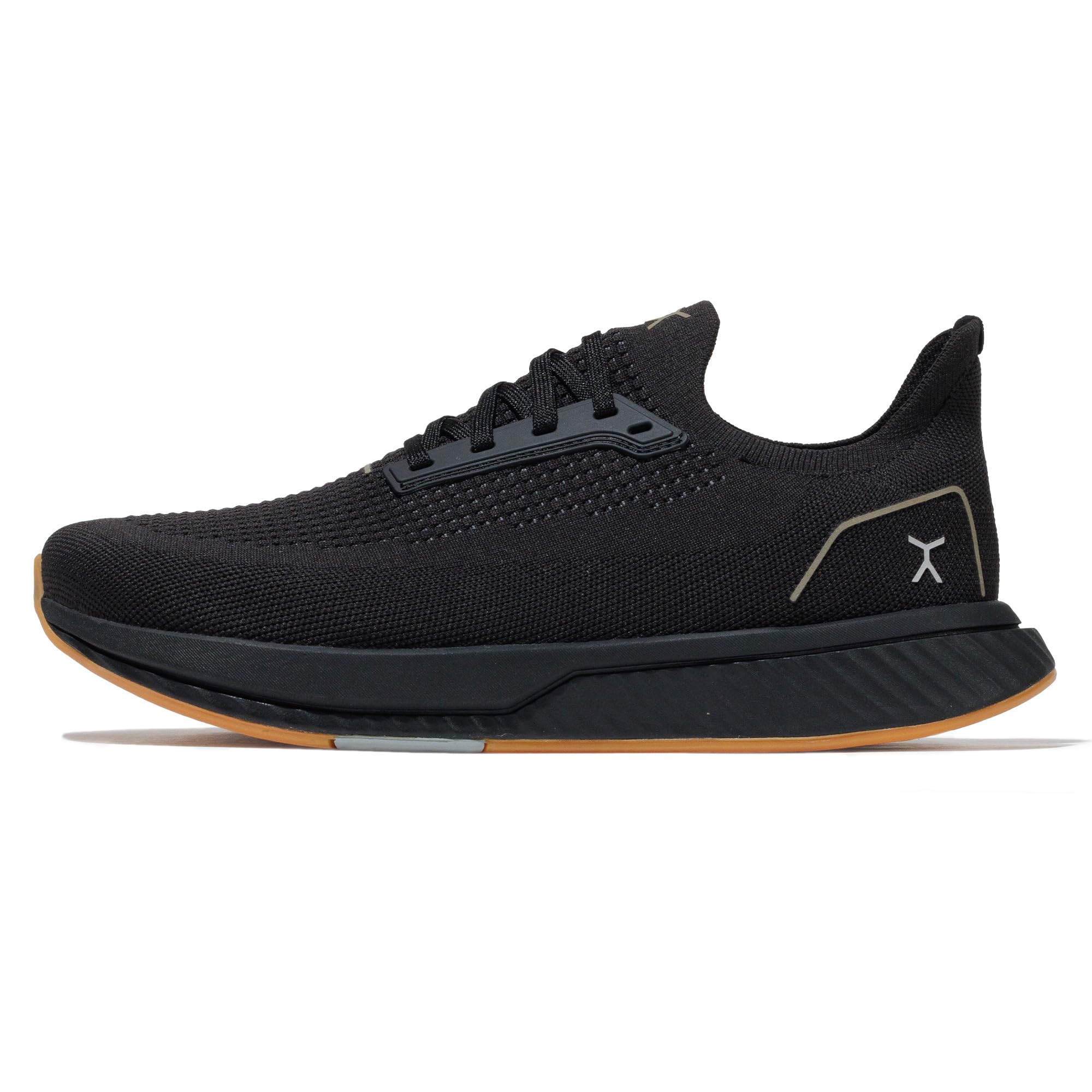
The Adapt Runner from FLUX FOOTWEAR is a minimalist shoe built for pavement and light trails. The 4 mm stack height is among the thinnest you’ll find, giving you the most direct ground connection possible. The wide toe box is generous — it accommodates neuropathy and flat feet without pinching. The zero-drop platform keeps your posture aligned, which can reduce knee and lower-back pain during long days on your feet.
The upper is a soft knit that feels like a slipper, but the lack of structure means the shoe can collapse at the ankle if you don’t cinch the laces carefully. The outsole lugs are shallow and best suited for dry gravel or dirt; on wet, loose trails, grip falters. A few users reported sole separation at the heel after heavy daily wear, suggesting the glue bond may not survive a full season of rugged use.
Break-in is quick — about two weeks of light walking — but some found the ankle collar too tight even after loosening the laces. The Adapt Runner is a strong option for barefoot beginners who want a zero-drop shoe for daily commuting, gym sessions, and easy trail walks, but it’s not built for technical hiking.
Why it’s great
- Extremely low stack height for maximum ground feel
- Wide toe box fits neuropathy and flat feet comfortably
- Quick break-in period, minimal adjustment needed
Good to know
- Shallow lugs slip on wet or loose terrain
- Durability concerns with sole separation at heel
8. New Balance Men’s MT10V1 Minimus Trail Running Shoe
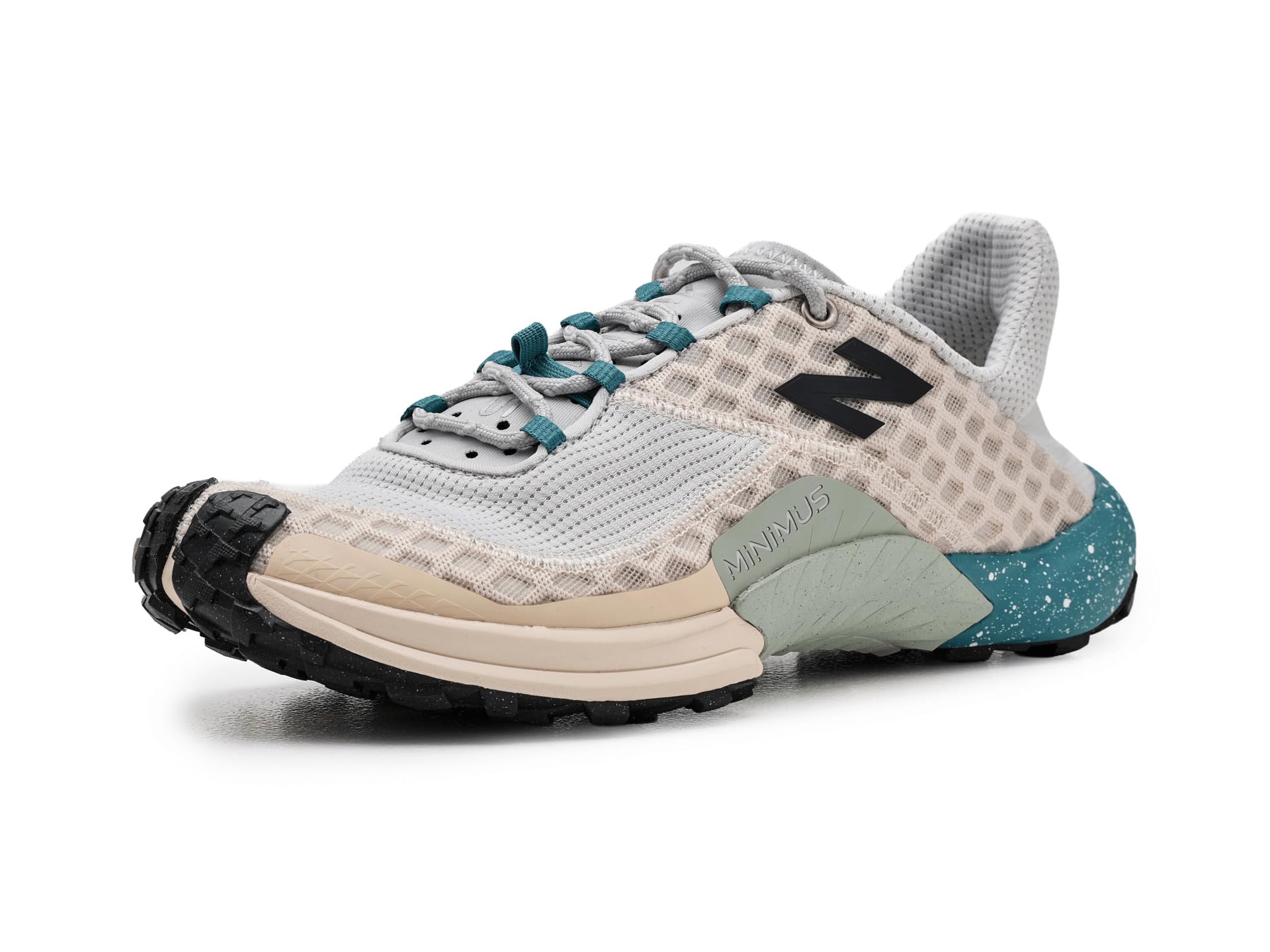
The New Balance Minimus MT10v1 is a discontinued trail shoe that still gets love from barefoot runners who stockpile pairs. The 7 mm drop (not zero, but low by modern standards) and minimal padding give a “barefoot almost” feel that appeals to transitioners. The outsole uses multi-directional lugs that grip well on packed trails and gravel, and the shoe dries fast after getting wet.
The toe box is wider than traditional New Balance models but still narrower than Xero or Vivobarefoot offerings. Reviewers with wide feet find it cramped. The uppers are lightweight mesh that offers excellent breathability but zero protection from brush or sharp rocks. The shoe is best suited for smooth dirt paths, summer trail runs, and dry terrain — pointy rocks and technical descents will be felt directly through the sole.
Durability is a mixed bag: some users report the shoe lasting years, while others note the tread wears quickly. Since it’s discontinued in many sizes, finding your size may be hit-or-miss. For someone on a budget who wants a lightweight minimalist shoe for easy trails without committing to a full zero-drop platform, the Minimus is a familiar entry point.
Why it’s great
- Lightweight at 6.6 oz for fast hiking and running
- Excellent grip on packed trails and gravel
- Familiar New Balance fit for transitioners
Good to know
- Toe box is narrower than dedicated barefoot brands
- Discontinued in many sizes; availability is limited
9. Xero Shoes Women’s Prio Neo Barefoot Training Shoe
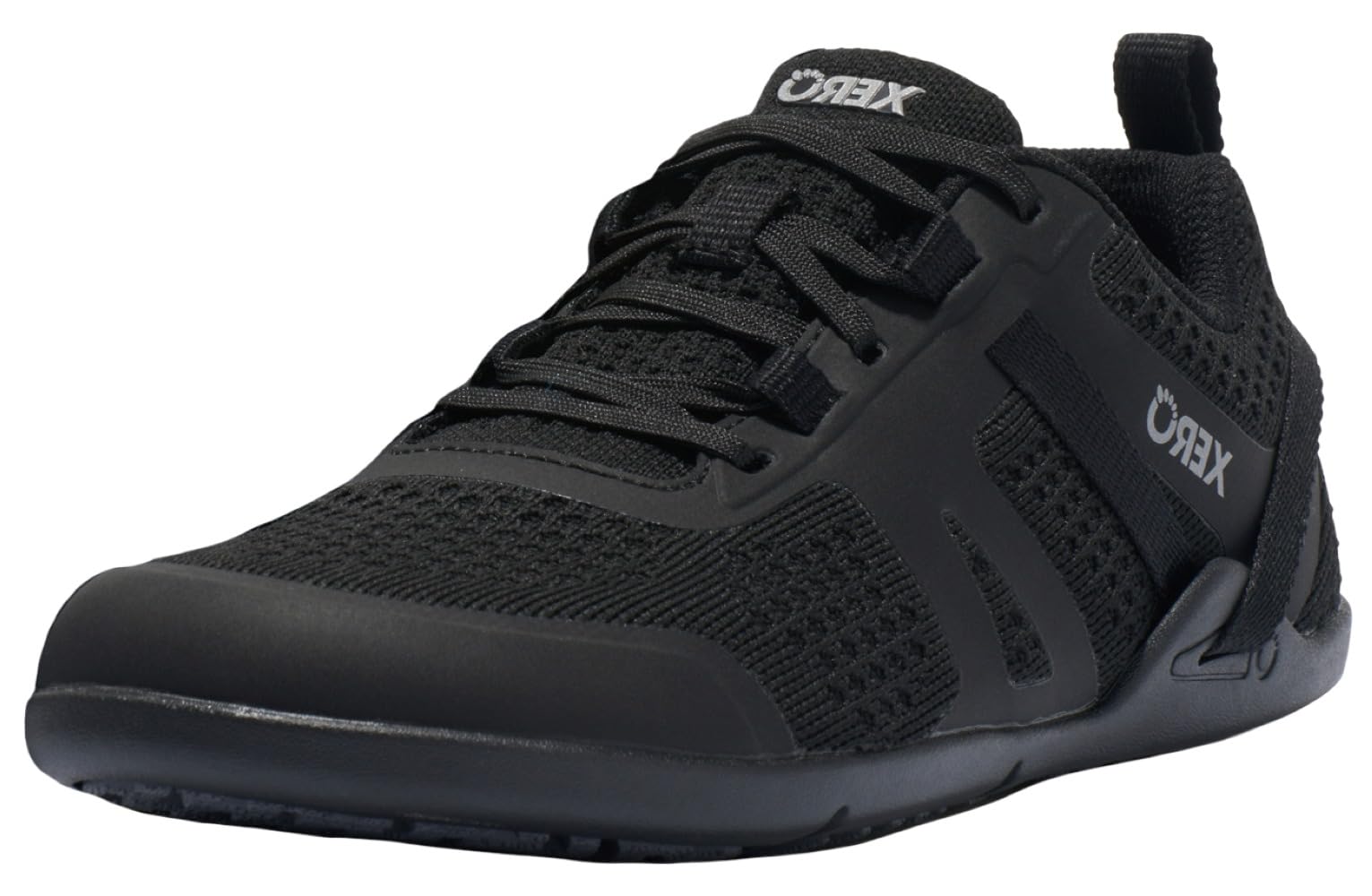
The Prio Neo is Xero Shoes’ everyday training shoe that works for light trail walking, but it’s not a dedicated hiker. The 5.5 mm FeelTrue sole provides solid ground feedback, and the removable insole lets you go even thinner for a more direct connection. The wide toe box is generous — users with Morton’s toe and hammer toes report immediate comfort. The stretchy upper material fits like a slipper, making it easy to slide on and off.
However, there’s a design flaw: the hard plastic element that holds the laces can dig into the top of the foot during the gait cycle, causing irritation on longer walks. Additionally, the outsole lugs are shallow and closely spaced, so grip on loose dirt or wet rock is mediocre — this shoe is best suited for groomed paths, gravel roads, and light urban trails, not technical terrain.
Multiple reviewers note that the shoe runs smaller than expected; you may need to go up half a size to avoid toe crowding. The Prio Neo is an excellent entry-level barefoot shoe for someone who wants to test the minimalist lifestyle on casual walks and short, easy hikes before committing to a more specialized trail model.
Why it’s great
- Removable insole for even thinner ground feel
- Wide toe box suits Morton’s toe and hammer toes
- Comfortable, slipper-like upper with easy entry
Good to know
- Lace hardware can dig into top of foot
- Shallow lugs offer limited grip on loose terrain
FAQ
How long does it take to transition to barefoot hiking shoes?
Can I wear orthotic insoles in barefoot hiking shoes?
Will barefoot hiking shoes make my feet stronger?
What is the ideal sole thickness for rocky terrain?
Final Thoughts: The Verdict
For most users, the barefoot hiking shoes winner is the ALTRA Lone Peak 9 (Men’s) because it balances zero-drop geometry with 9 mm of cushioning and a MaxTrac outsole that grips reliably on varied terrain without needing a break-in period. If you want a thinner sole and maximum trail feedback, grab the Vivobarefoot Primus Trail II FG. And for rugged, all-weather leather durability with a barefoot foundation, nothing beats the Vivobarefoot Tracker Leather.