
Our readers keep the lights on and the weekend projects moving. As an Amazon Associate, I earn from qualifying purchases.
Lifting shoes with a raised heel can artificially bias your squat mechanics, but barefoot lifting shoes take you back to the ground truth. By eliminating the heel-to-toe drop and letting your toes splay naturally, these shoes force your feet, ankles, and posterior chain to handle stability themselves — which builds genuine strength where cushioned trainers let you cheat. Choosing the wrong pair, however, can leave you fighting an overly stiff sole or a toe box that pinches your metatarsals during a heavy set.
I’m Rikta — the co-founder and writer behind FitlyFast. I’ve spent years analyzing biomechanics, outsole compounds, and footbed geometry to understand how zero-drop footwear truly interacts with the weight room floor. After vetting dozens of models against real-world squat, deadlift, and clean data, I’ve sorted the top contenders by what actually matters for a lifter: ground feedback, lateral stability, and splay allowance.
Below, you will find only shoes that keep your heel anchored and your toes free to grip the platform, each backed by verified owner feedback from heavy training sessions. This guide cuts through the marketing to deliver the absolute best barefoot lifting shoes that belong on your gym floor.
How To Choose The Best Barefoot Lifting Shoes
The wrong shoe can throw your hips into early flexion or let your foot slide inside a sloppy upper. Here are the three factors that separate a genuine lifting shoe from a walking shoe that happens to be flat.
Sole Flexibility: Stiff vs. Bending
For heavy deadlifts and squats, a completely rigid sole transmits every ounce of force without energy loss. Shoes like the Vivobarefoot Motus Strength use a stiffer rubber compound that resists torsion so your foot stays flat under the bar. For dynamic movements or warm-up sets, a slightly more flexible sole (like the INOV8 Bare-XF) allows a more natural gait during lunges and carries. Know your primary lift before picking a flex rating.
Toe-Box and Splay Allowance
A narrow toe box forces your big toe inward, which compromises your arch and reduces your ability to push through the floor. The best barefoot lifting shoes — including the Xero Prio Neo and the Flux Adapt Runners — use a foot-shaped last that lets all five toes spread. Look for at least 3-5mm of extra room beyond your longest toe and a toe box that doesn’t taper.
Ground Feel vs. Protection
Some lifters want to feel every grain of the knurling on the deadlift platform; others want enough rubber to walk across packed gravel. Stack height varies from 5mm to 14mm. Thinner soles (5-7mm, like the Xero Prio Neo) give maximum proprioception but can be punishing during box jumps or plyometrics. Thicker zero-drop soles (10-14mm, like the Flux Adapt Runners) trade a small amount of feel for everyday walkability.
Quick Comparison
On smaller screens, swipe sideways to see the full table.
| Model | Category | Best For | Key Spec | Amazon |
|---|---|---|---|---|
| Vivobarefoot Motus Strength | Premium | Heavy squats & deadlifts | 4mm sole; rigid compound | Amazon |
| Vivobarefoot Motus Flex | Premium | Cross-training & lifting | Grippy outsole; wide last | Amazon |
| Flux Adapt Runners | Mid-Range | All-day wear & gym | Removable insole; stack 11mm | Amazon |
| Xero Prio Neo (Men’s) | Mid-Range | Strength & daily training | 5.5mm FeelTrue® sole | Amazon |
| Xero Prio Neo (Women’s) | Mid-Range | Transitioning to barefoot | Removable 3mm insole | Amazon |
| New Balance Minimus Tr V2 | Entry-Level | Gym circuits & P90x | Zero-drop; Vibram outsole | Amazon |
| INOV8 Bare-XF 210 V2 | Entry-Level | CrossFit & calisthenics | Boomerang insole; 3mm drop | Amazon |
In‑Depth Reviews
1. Vivobarefoot Men’s Motus Strength Zero-Drop Training Shoe
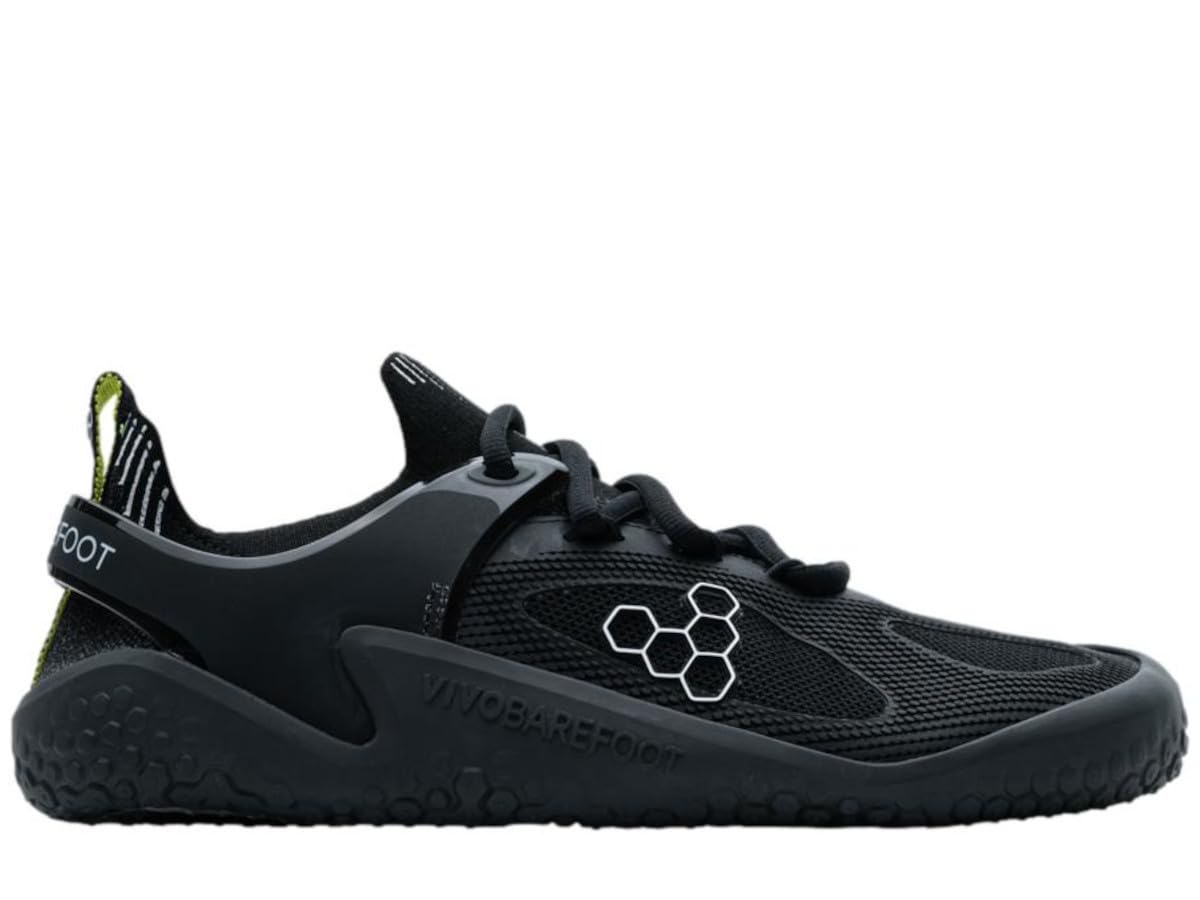
The Motus Strength is built specifically for the weight room — not for jogging or casual wear. Its stiff 4mm outsole resists twisting so your foot stays planted during heavy squats, and the wide toe box accommodates natural toe splay without feeling like a flipper. Users with wide feet (12.5 2E) report a snug heel pocket and ample room in the forefoot, which is rare for a minimal training shoe.
Testers noted that the shoe runs slightly large — ordering half a size down is common advice among owners. The upper breathes reasonably well, though the synthetic lining can trap heat during long sessions. On gravel or uneven surfaces, the thin sole transmits every sharp rock, so this is strictly a gym-first shoe.
Where it truly excels is deadlift anchoring and squat stability. Reviewers describe it as an “elite weight training shoe” that feels like an extension of the foot. The only consistent downside is the generous fit: if you have narrow feet, you may need to cinch the laces tightly or size down further than expected.
Why it’s great
- Exceptionally stable under heavy load
- Snug heel with wide forefoot splay
Good to know
- Runs large; size down half a full size
- Not ideal for running or gravel paths
2. Vivobarefoot Men’s Motus Flex Barefoot Training Shoe
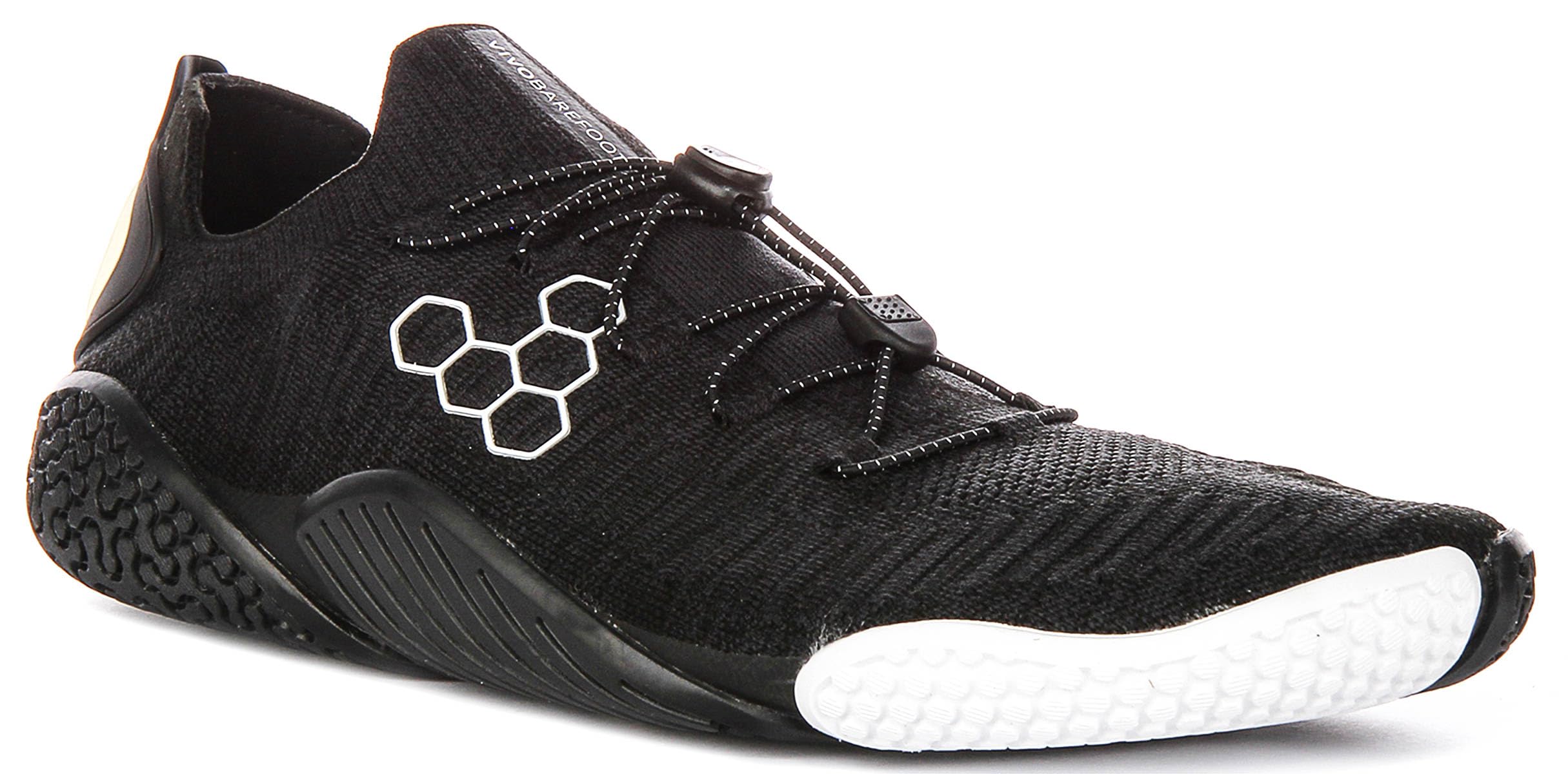
The Motus Flex is the more agile sibling in Vivobarefoot’s lineup — it trades some of the Strength’s rigidity for a grippier outsole that handles lateral movement and dynamic drills. The zero-drop platform is identical, but the Flex uses a slightly more pliable rubber compound that still feels thin underfoot. Users switching from the old Vivobarefoot Primus line praise the updated footbed that doesn’t pinch the pinky toe.
Sizing is the most discussed variable here: multiple reviews confirm it runs large, with one user wearing a size 42 (US 9) despite normally fitting an 10.5. The shoe is lightweight and eco-friendly, though the all-white colorway shows scuffs after a single session on dark gym mats. Owners who use them for all-day standing at work report zero foot fatigue.
For hybrid training — lifting plus short runs, plyometrics, or kettlebell flows — the Motus Flex offers a balance of ground feel and protection that the stiffer Strength model can’t match. The price point puts it in the premium tier, but the build quality and outsole durability justify the spend for lifters who train five-plus days a week.
Why it’s great
- Versatile for lifting and agility work
- Outsole grip holds on slick platforms
Good to know
- Runs large; order down a half size
- White material stains quickly
3. FLUX FOOTWEAR Adapt Runners
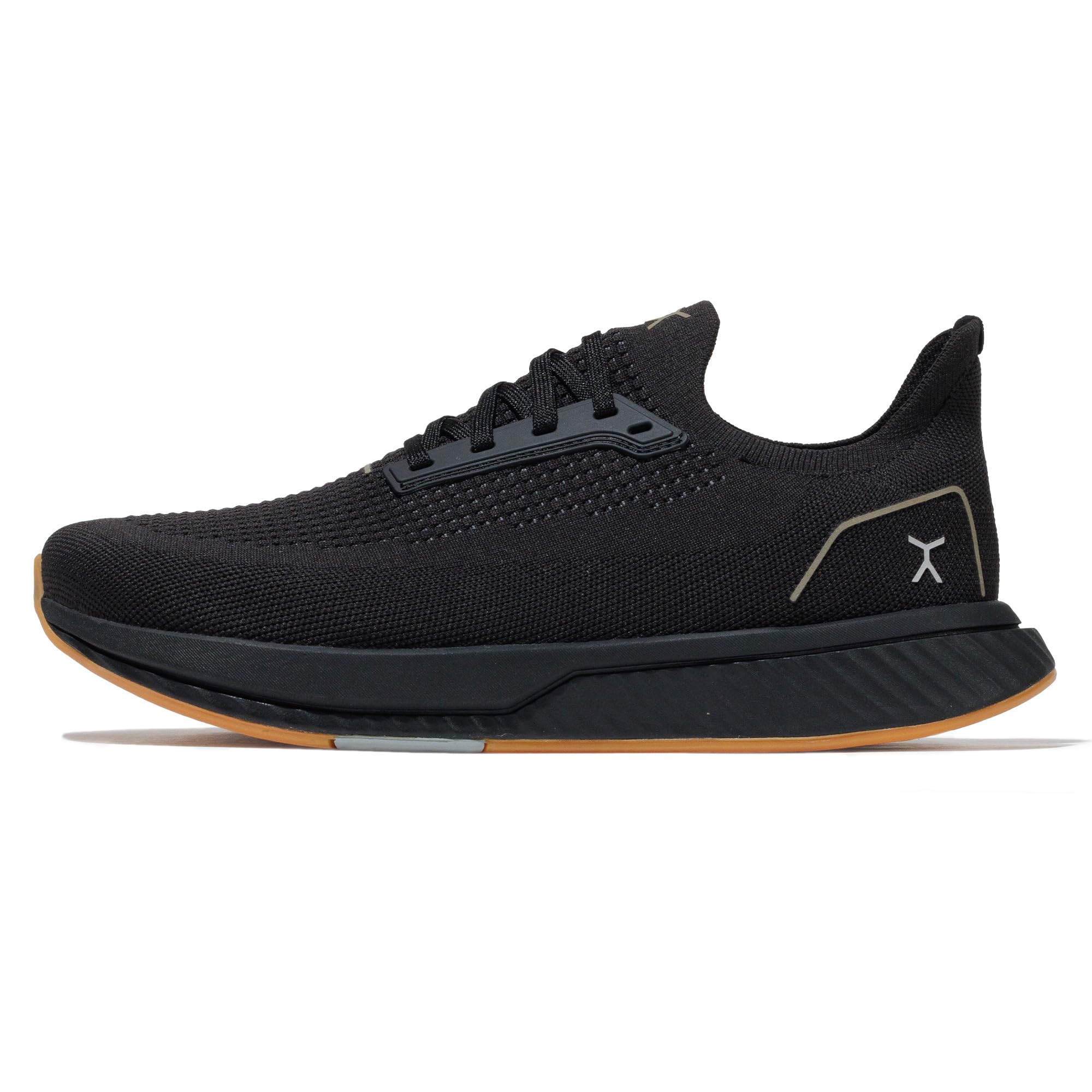
The Flux Adapt Runners position themselves as a barefoot shoe you can live in — and the feedback backs that up. With a stack height around 11mm, these offer more underfoot protection than the Vivobarefoot options while maintaining a zero-drop platform. The foot-shaped toe box is generous enough for neuropathy sufferers yet secure enough for lateral gym movements. Owners report wearing them for 15,000-step workdays on concrete floors with reduced knee and back pain.
Durability is this shoe’s headline: one owner’s pair lasted four years of daily 5-6 mile walks. However, a few users experienced sole separation at the heel after several months of heavy use, suggesting that individual units may vary. The upper is initially stiff and the ankle collar is low, which some testers found insufficient for ankle support during dynamic lateral cuts.
For lifters who train in the morning and stand all day at work, the Adapt Runners are the most practical option on this list. The removable insole lets you dial in a more barefoot feel, and the slightly thicker sole makes walking on asphalt tolerable. If you want one pair of zero-drop shoes for both the gym and real life, the Flux Adapts are a strong contender.
Why it’s great
- Exceptional everyday durability (4-year reports)
- Generous toe box for wide or swollen feet
Good to know
- Higher stack reduces ground feel
- Ankle collar can feel restrictive
4. Xero Shoes Men’s Prio Neo Barefoot Training Shoes
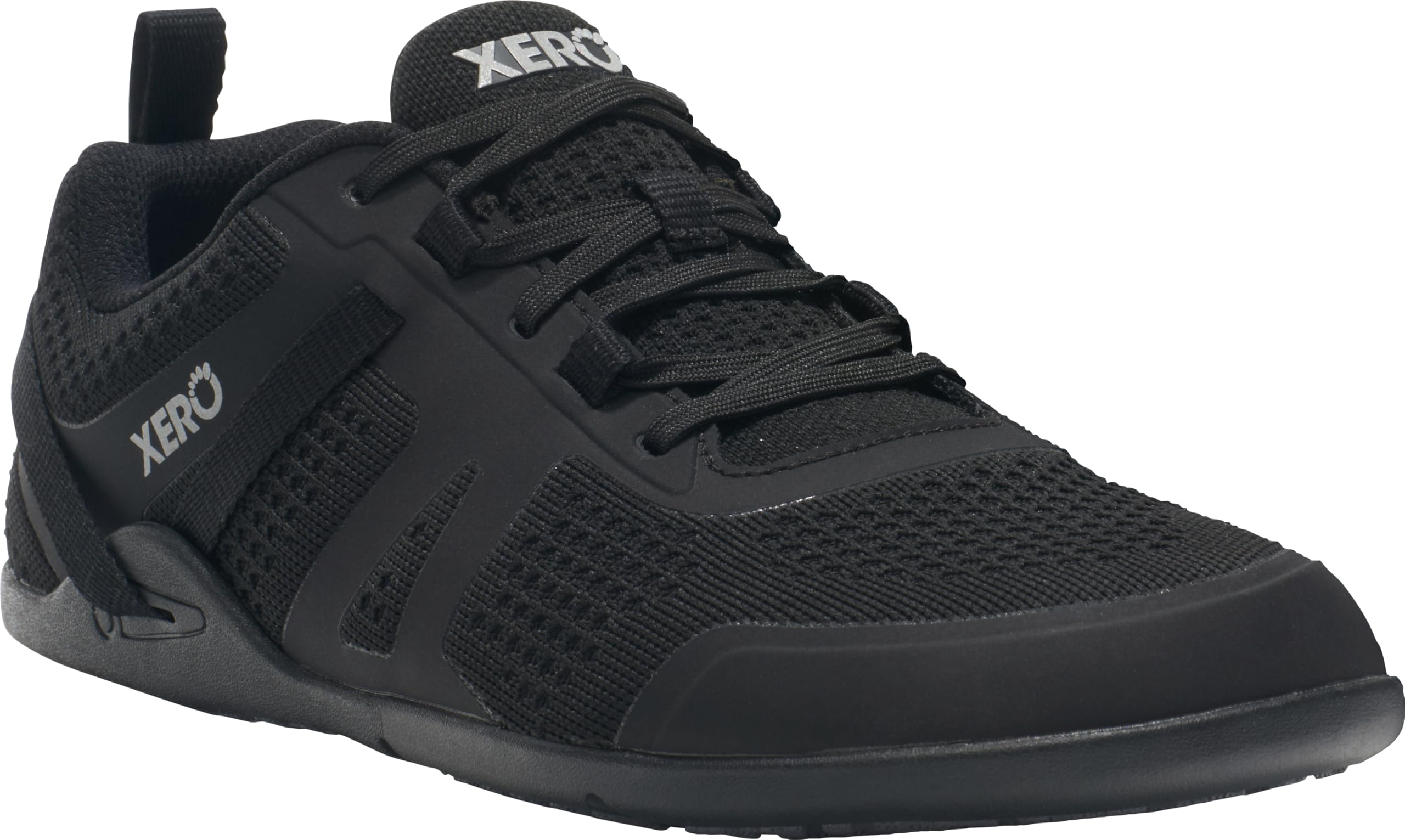
The Xero Prio Neo is the refined version of a barefoot classic — a zero-drop shoe with a 5.5mm FeelTrue® outsole that delivers sharp proprioception without sacrificing hazard protection. The foot-shaped last is noticeably wider than the New Balance Minimus and provides enough room for forefoot splay even during loaded carries. Owners who switched from the WHITIN brand describe this as a clear quality upgrade with a stitched upper that doesn’t rip at the seam.
Breathability is a strong point: the woven upper stays cool during circuit training, and the shoe remains lightweight even when soaked. Some testers noted foot soreness after a full day of standing, which is expected when transitioning from cushioned footwear. The light gray colorway is particularly prone to showing dirt from gym mats and outdoor concrete.
For lifters who prioritize foot muscle activation and want a shoe that feels like a sandal with a rubber sole, the Prio Neo delivers. It’s not as rigid as the Vivobarefoot Motus Strength for max-effort squats, but it offers enough stability for most training splits and pairs well with deadlift days.
Why it’s great
- Excellent ground feedback with tough 5.5mm sole
- Breathable, lightweight for long sessions
Good to know
- Light gray material stains easily
- May cause foot soreness during transition
5. Xero Shoes Women’s Prio Neo Barefoot Training Shoe
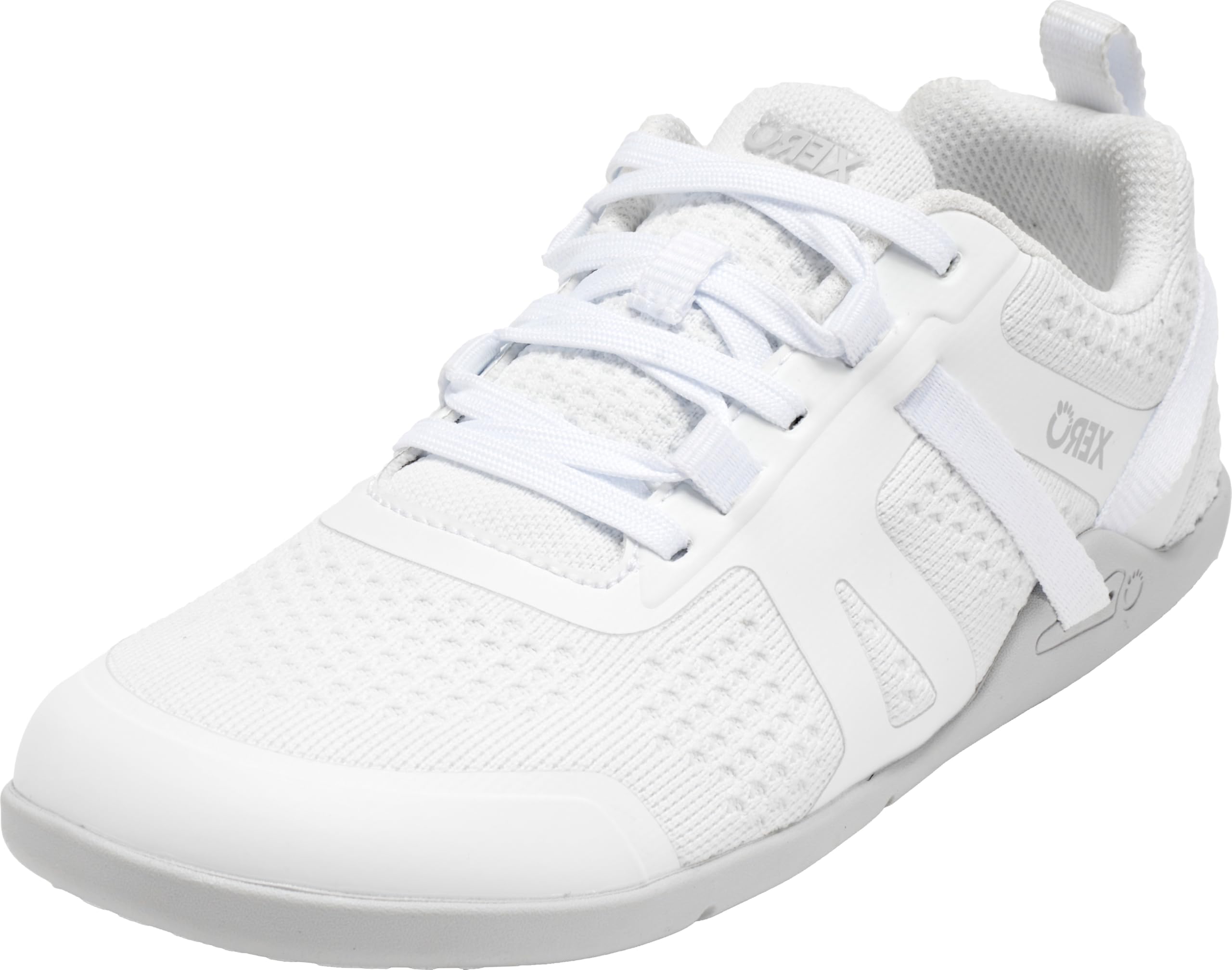
The women’s version of the Prio Neo shares the same 5.5mm FeelTrue® outsole and foot-shaped last but uses a stretchy upper that adapts to higher insteps and Morton’s toe. Reviewers transitioning from heavily cushioned Brooks Glycerine GTS 20 reported initial calf and knee pain as their gait adjusted — a normal adaptation period when switching to zero-drop. The removable 3mm insole lets you gradually ease into the barefoot experience.
Comfort out of the box is a consistent theme: wearers describe them as “slippers with a rubber sole” that require zero break-in. However, some users noted that the rigid lace hardware digs into the top of the foot during walking, which can be irritating without wearing thicker socks. The toe box accommodates hammertoes and bunions without pressure points.
For lifters who are new to barefoot training and want a forgiving transition shoe, the women’s Prio Neo is the safest bet. The stretchy upper and removable insole allow progressive adaptation, and the wide toe box prevents the cramping that often leads people to quit minimal shoes after two weeks.
Why it’s great
- Zero break-in time with stretchy upper
- Insole removal allows gradual transition
Good to know
- Lace hardware may dig into foot top
- Requires gait adjustment from cushioned shoes
6. New Balance Men’s Minimus Tr V2

The Minimus Tr V2 is New Balance’s attempt to modernize their classic zero-drop trainer, and it shows mixed results. The Vibram outsole provides durable traction on gym floors, and the wide toe box (when ordered in the wide width option) offers decent splay for a mainstream athletic brand. Lifters who loved the V1 version are less enthused about the V2, citing a beefier upper and increased internal padding that dilutes the minimal feel.
Sizing is the largest pain point here. Multiple verified reviews report that the shoe runs a half to full size small, and the neoprene tongue has a tendency to slide to the side during dynamic movements. For circuits like P90x and light lifting, the Minimus Tr V2 works well — it’s lightweight, breathable, and the sticky outsole grips chalked platforms. However, the added structure makes it less appealing for purists seeking a true barefoot experience.
If you have narrow feet and want a zero-drop shoe that looks like a conventional trainer, the Minimus Tr V2 is passable. For lifters who want maximum ground feel and a truly unconstrained toebox, the Xero Prio Neo or Vivobarefoot options are better fits.
Why it’s great
- Vibram outsole provides reliable grip
- Lightweight and breathable upper
Good to know
- Runs small; order wide width for splay
- More padded than V1, less barefoot feel
7. INOV8 Men’s Bare-XF 210 V2
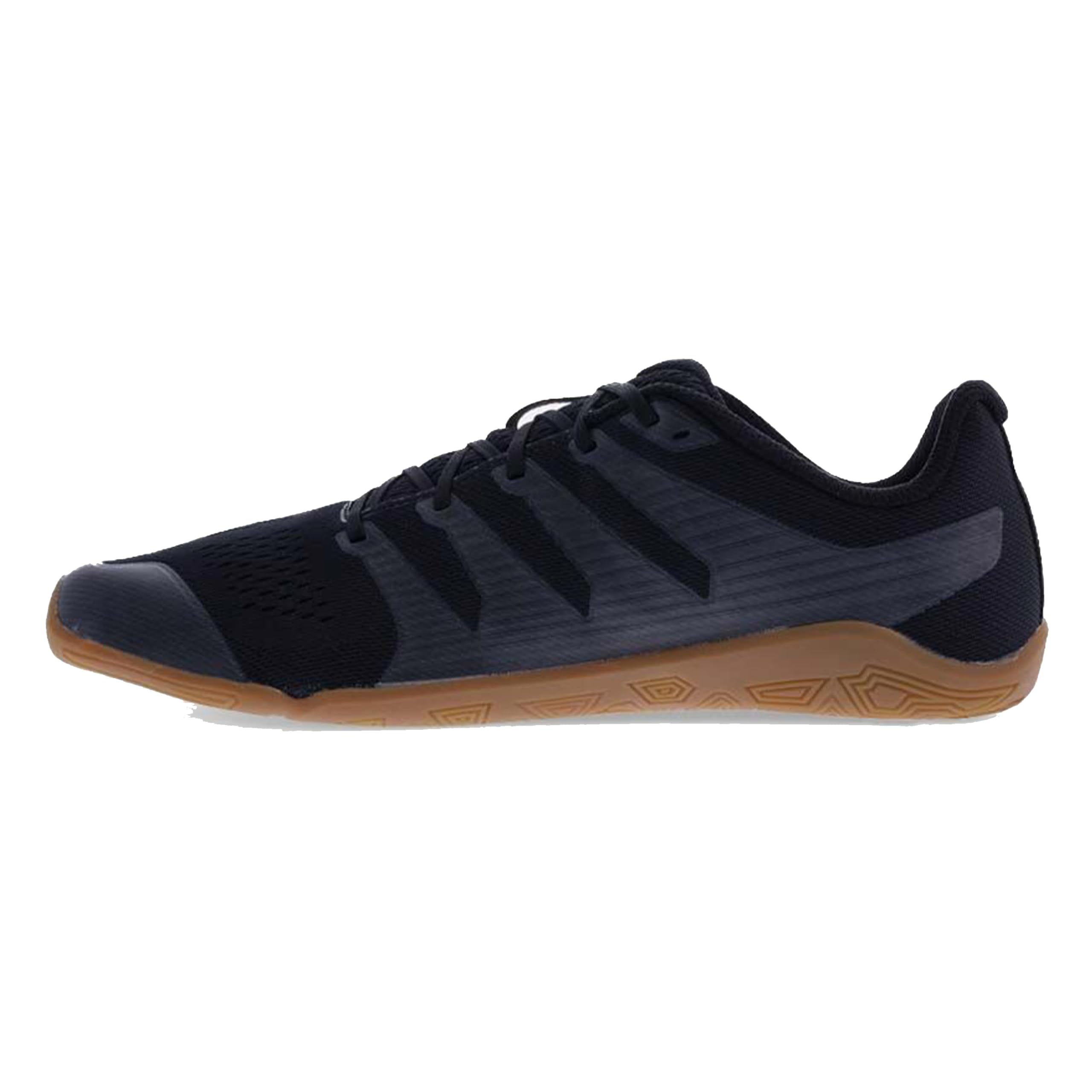
INOV8’s Bare-XF 210 V2 is a low-drop trainer (3mm) that hits a unique sweet spot between barefoot feel and CrossFit durability. The Boomerang insole provides a thin layer of rebound that softens box landings without killing ground feedback during lifts. The toe box is wider than the brand’s older F-Lite models, though it’s still narrower than the Xero foot-shaped last. Owners who used a shoe stretcher report a near-perfect fit for 2E-3E width feet.
Durability is the standout metric here: one user’s first pair lasted six years with little visible wear. The rubber outsole resists rope abrasion, and the stitched overlays don’t delaminate under heavy side-load. However, the build is heavier than most pure barefoot shoes, and the 3mm drop, while minimal, still introduces a slight heel bias compared to true zero-drop models.
For lifters who mix heavy squats with rope climbs, wall balls, and rowing, the Bare-XF is the most versatile entry-level option. It won’t give you the purest ground feel, but it will outlast every other shoe on this list in a high-volume functional fitness gym.
Why it’s great
- 6-year durability reported by long-term users
- Rope-friendly outsole for climbing
Good to know
- 3mm drop is not true zero-drop
- Heavier construction than minimalist shoes
FAQ
Can I wear barefoot lifting shoes for running?
How long does it take to transition to zero-drop lifting shoes?
Final Thoughts: The Verdict
For most users, the best barefoot lifting shoes overall is the Vivobarefoot Motus Strength because its rigid 4mm sole and zero-drop geometry provide the most stable platform for heavy compound lifts while still allowing natural toe splay. If you want a shoe that transitions seamlessly from the gym to a full workday, grab the Flux Adapt Runners. And for lifters on a budget who need a durable CrossFit beater, nothing beats the INOV8 Bare-XF 210 V2.