
Our readers keep the lights on and the weekend projects moving. As an Amazon Associate, I earn from qualifying purchases.
Numbness, tingling, or a burning ache in your feet can turn every step into a guessing game. Standard shoes with thick, cushioned soles and narrow toe boxes actually amplify the problem by deadening ground feedback and squeezing already-sensitive nerves. The solution lies in a radically different approach — one that restores natural foot mechanics and lets your sensory system re-engage with the ground.
I’m Rikta — the founder and writer behind FitlyFast. I analyze the intersection of foot biomechanics and product engineering, focusing on how minimalist footwear can alleviate nerve-related discomfort by promoting proper toe splay, zero-drop posture, and proprioceptive feedback.
After combing through user reports and construction specs, I’ve identified the models that deliver tangible relief without compromising safety or durability, forming my list of the top barefoot shoes for neuropathy for those seeking a smarter, more grounded walking experience.
How To Choose The Best Barefoot Shoes For Neuropathy
Neuropathic feet demand a specific set of design features that go far beyond what a typical walking shoe provides. The wrong choice can aggravate symptoms, while the right one can restore comfort and confidence. Focus on these three criteria to narrow your search.
A Toe Box That Lets Toes Breathe
Neuropathy often leads to toe cramping and nerve compression inside conventional shoe tips. A true wide toe box — shaped like the natural outline of your foot — allows toes to splay outward during each step. This decompresses the digital nerves and reduces the pins-and-needles sensation many sufferers report. Look for brands that publish foot-shaped lasts rather than simply adding width to a pointed design.
Zero Drop and Minimal Stack Height
Traditional running shoes elevate the heel 8-12mm above the forefoot, forcing your body into an unnatural forward lean that can tighten the calves and alter spinal alignment. Barefoot shoes for neuropathy sit at zero-drop, keeping the heel and toes on the same plane. Pair this with a sole that is thin enough (4-10mm) to let you feel surface texture without sacrificing protection — this sensory feedback is crucial for balance-challenged neuropathic feet.
Seam-Free, Soft Uppers and Secure Fit
Any internal seam, rough stitching, or rigid heel counter can create a focal pressure point that triggers burning pain in an already sensitized foot. Prioritize models with knit or mesh uppers that stretch without binding, and a heel that holds securely without slipping. A lace-lock system that allows fine tension adjustment across the mid-foot ensures you can dial in comfort without cutting off circulation.
Quick Comparison
On smaller screens, swipe sideways to see the full table.
| Model | Category | Best For | Key Spec | Amazon |
|---|---|---|---|---|
| OrthoComfoot Men’s Orthopedic Wide | Mid-Range | All-day standing with nerve pain | Seamless leather upper, wide toe box | Amazon |
| Xero Shoes Nexus Knit | Mid-Range | Stability for balance issues | Zero-drop, 5.5mm FeelTrue sole | Amazon |
| Vivobarefoot Primus Lite 3.5 | Premium | Breathable daily wear + training | 3mm insole, 6mm outsole, vegan mesh | Amazon |
| Belleville Mini-Mil | Premium | Rugged outdoor terrain | Shock-dispersing midsole, slip-resistant outsole | Amazon |
| Vivobarefoot Motus Flex | Premium | Gym training and dynamic movement | Grippy outsole, 4mm stack height | Amazon |
| FitVille Extra Wide Walking | Budget-Friendly | Budget-friendly wide fit with arch support | Roomy toe box, removable insole | Amazon |
| Xero Shoes HFS Original | Mid-Range | Bunion-friendly daily running | Flexible sole, wide toe box, mesh upper | Amazon |
In‑Depth Reviews
1. OrthoComfoot Men’s Orthopedic Comfortable Diabetic Wide Shoes
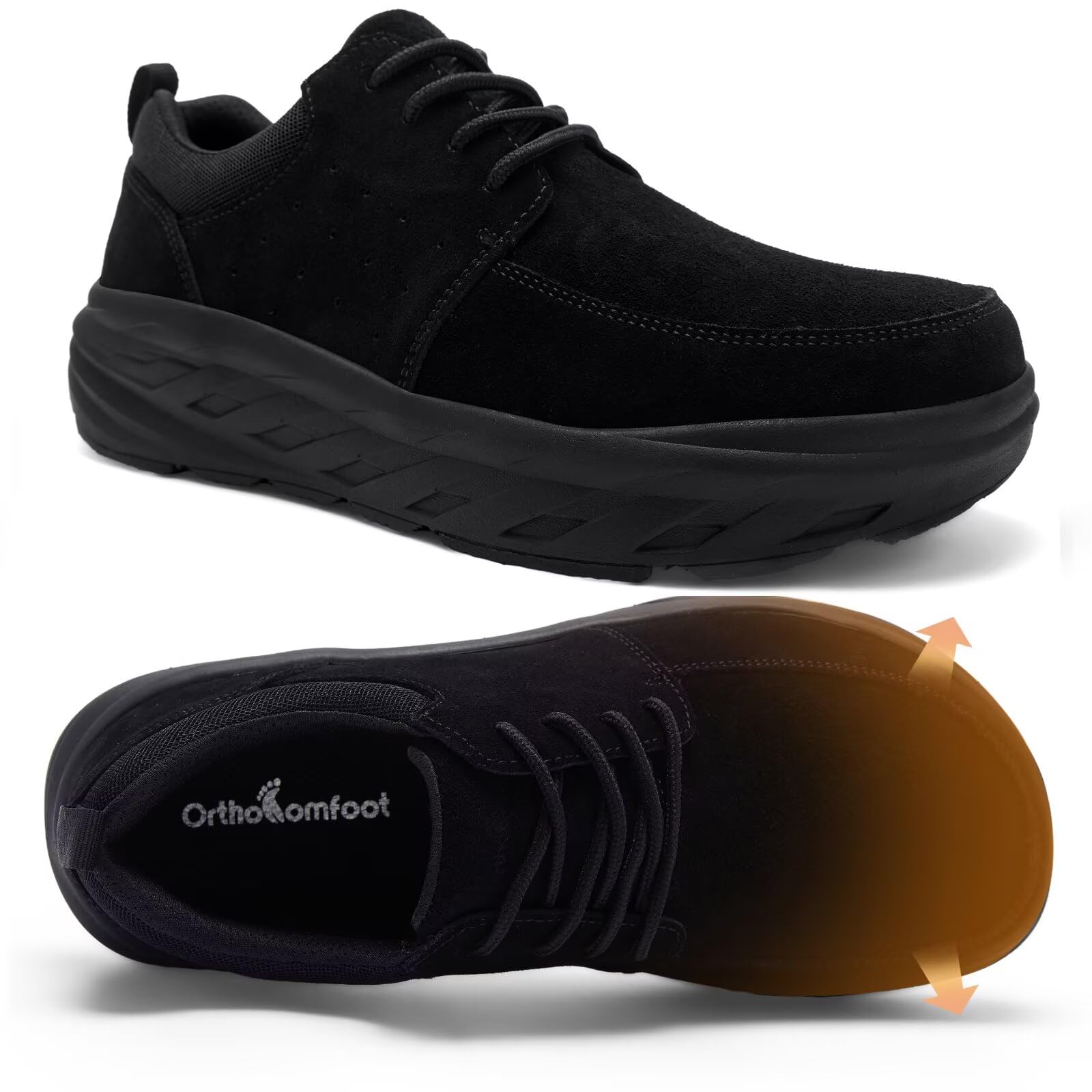
The OrthoComfoot is purpose-built for the neuropathic foot, earning rave reviews from older users with diabetic neuropathy who report immediate relief. Its seamless leather upper eliminates internal stitching that can abrade sensitive skin, while the wide toe box gives swollen or bunioned toes the decompression they need. The insole provides moderate arch support without the aggressive molding that can create new pressure points.
Multiple verified buyers mention that these shoes outperformed their previous Skechers and other mainstream orthopedic brands. The outsole is flexible enough to allow natural walking motion but includes enough rubber thickness to protect against sharp gravel. For those who stand all day, the combination of soft lining and a roomy fit prevents the skin-on-skin friction that leads to ulceration in high-risk feet.
The style is more traditional than most barefoot shoes — a leather walking shoe appearance that won’t draw attention. Sizing runs true for wide widths, though users with extremely wide or swollen feet may want to size up half a step. The lace system allows fine mid-foot adjustments, which is critical for accommodating afternoon swelling without cutting off circulation.
Why it’s great
- Seamless interior prevents nerve irritation
- Immediately comfortable with zero break-in period reported
- Provides both toe room and reliable arch support
Good to know
- May be too roomy for narrow feet
- Leather upper requires occasional conditioning
2. Xero Shoes Men’s Nexus Knit Barefoot Athleisure Shoe
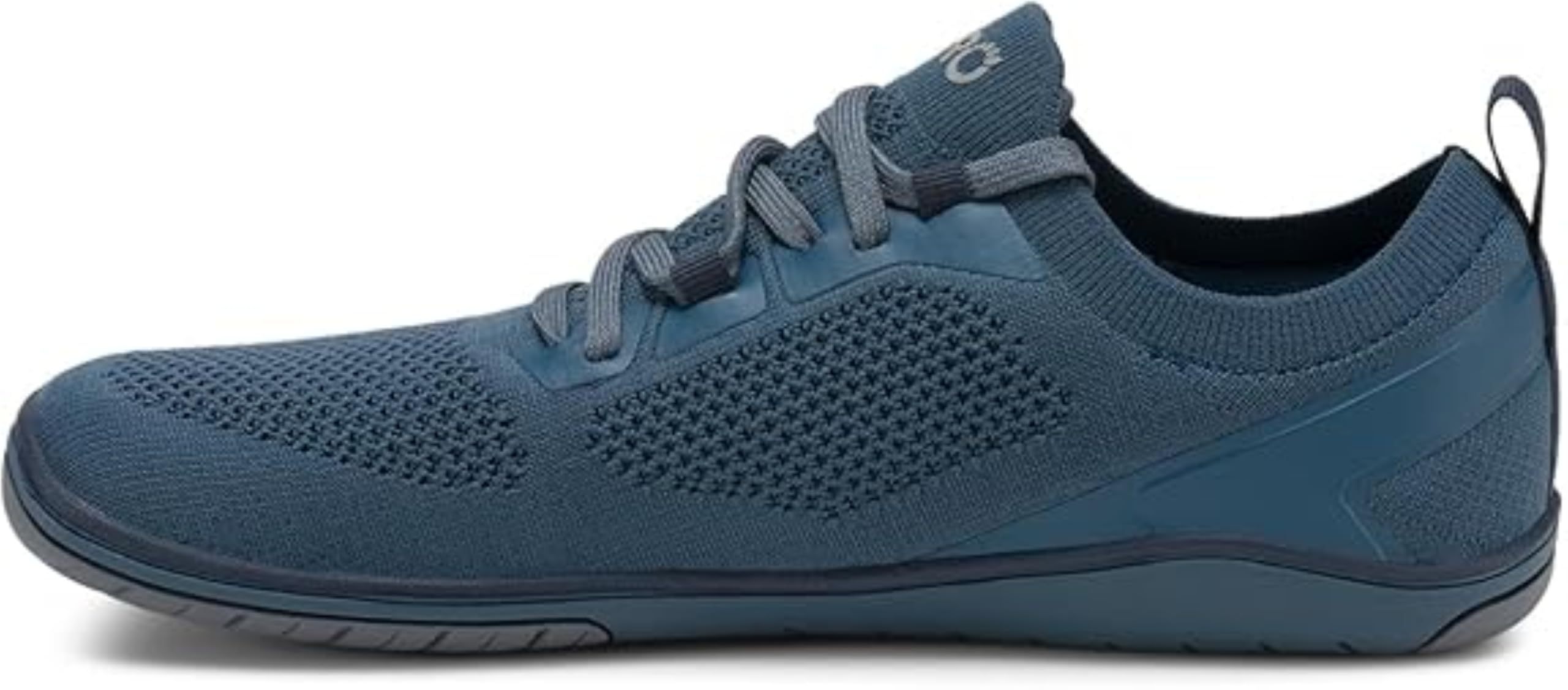
Xero’s Nexus Knit is a standout for neuropathy sufferers who need to rebuild proprioception — the foot’s ability to sense its position relative to the ground. With a 5.5mm FeelTrue® outsole and zero-drop platform, every pebble and slope transmits sensory information back to the brain, helping to compensate for lost nerve feedback. Users with diabetic neuropathy specifically reported that the barefoot feel eliminated the “wobble” sensation they experienced in thick-soled foam shoes.
The knit upper is stretchy and breathable, wrapping the foot without creating hot spots or rubbing against the top of the toes. A buyer with unusually wide feet noted the toe box was generous but the ball of the foot felt slightly snug — a reminder that “wide toe box” and “wide ball” are not always identical. The insole is removable, allowing users to add their own orthotic if needed, though most find the barefoot experience sufficient.
Construction quality holds up well against daily walking, and the knit material resists odor buildup — a practical advantage for warm-weather wear. The aesthetic leans into the athletic sneaker look, making it a palatable choice for those new to minimalist footwear who don’t want to look like they’re wearing toe gloves.
Why it’s great
- Excellent ground feel helps retrain balance
- Stretchy knit upper conforms to odd foot shapes
- Removable insole for custom orthotics
Good to know
- Upper may feel loose for very narrow heels
- Ball width is narrower than toe box width
3. Vivobarefoot Primus Lite 3.5 Mens Barefoot Shoes

The Primus Lite 3.5 is Vivobarefoot’s entry-level trainer, but its construction details matter deeply for neuropathy. The 3mm insole sits atop a 6mm outsole, creating a 9mm total stack that delivers protection without muting ground texture. Several long-term users logging 10,000+ steps daily reported improved natural toe spread and less foot tightness after two weeks of wear — a sign that the wide toe box is genuinely foot-shaped, not just wide for marketing.
The upper is a lightweight, breathable vegan mesh with minimal internal seams. Buyers with narrow heels appreciated that the lace system cinches securely without causing mid-foot squeeze. One caveat: the toe box, while wide, is still narrower than some competing barefoot brands, and a reviewer noted it was not anatomically wide enough for true barefoot function. For moderate-width feet with neuropathy, however, this balance of ground feel, airflow, and durability is tough to beat.
Durability is impressive for the weight — consistent daily wear and gym sessions left the sole showing little wear after months. The shoe’s minimalist, low-profile look works in casual office settings, making it a versatile option for those who need relief both on the job and off.
Why it’s great
- Excellent ground feel with 9mm stack height
- Breathable, seam-free upper reduces irritation
- Durable enough for daily training and walking
Good to know
- Runs long; size down at least half a size
- Toe box may feel snug for extremely wide feet
4. Belleville Mini-Mil Barefoot Shoes for Men
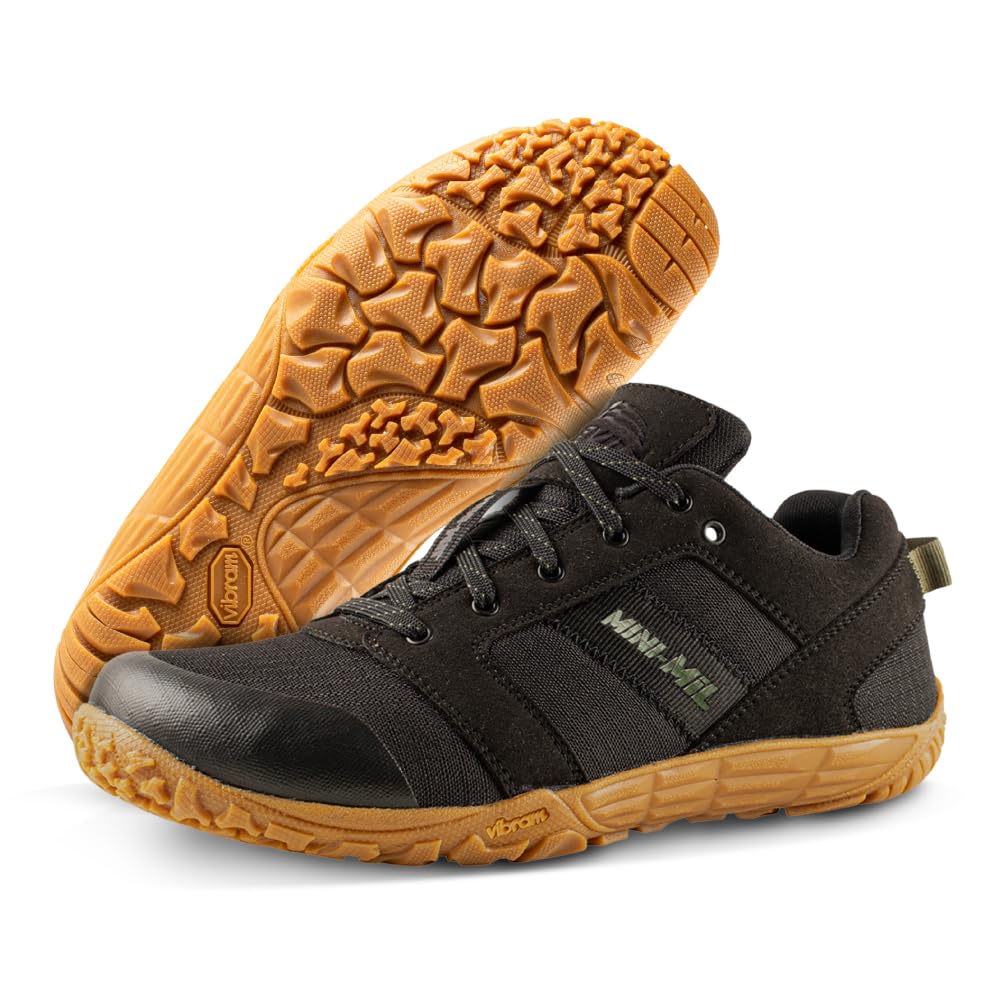
Belleville brings military-grade construction to the barefoot category, and the Mini-Mil is a dark horse for neuropathy sufferers who need a boot-like option. The zero-drop platform is paired with a shock-dispersing midsole that softens heel strike impact without adding the foam instability that triggers balance problems. A buyer with fan-shaped feet called the toe box accommodating, though several noted it could be a touch wider for true anatomical comfort.
The outsole excels on rugged terrain — excellent grip on loose gravel, wet grass, and inclines. This makes the Mini-Mil a strong pick for anyone with neuropathy who still wants to hike, walk dogs, or navigate uneven ground. The upper material is tough and abrasion-resistant, with clean stitching that won’t break down quickly. Users reported that the shoe functions as a minimalist boot without the weight of traditional tactical footwear.
Sizing leans slightly large; ordering half a size down from your regular shoe size seems to be the consensus. The insole is removable and has a rigid quality that some found fatiguing for all-day standing. If you remove the insole, the ground feel increases dramatically, but you lose the impact absorption that neuropathic joints may need on concrete surfaces.
Why it’s great
- Excellent traction for uneven outdoor terrain
- Military-grade durability with minimalist weight
- Zero-drop with shock dispersion for joint protection
Good to know
- Toe box could be wider for some foot shapes
- Runs large; careful sizing required
5. Vivobarefoot Men’s Motus Flex Barefoot Training Shoe
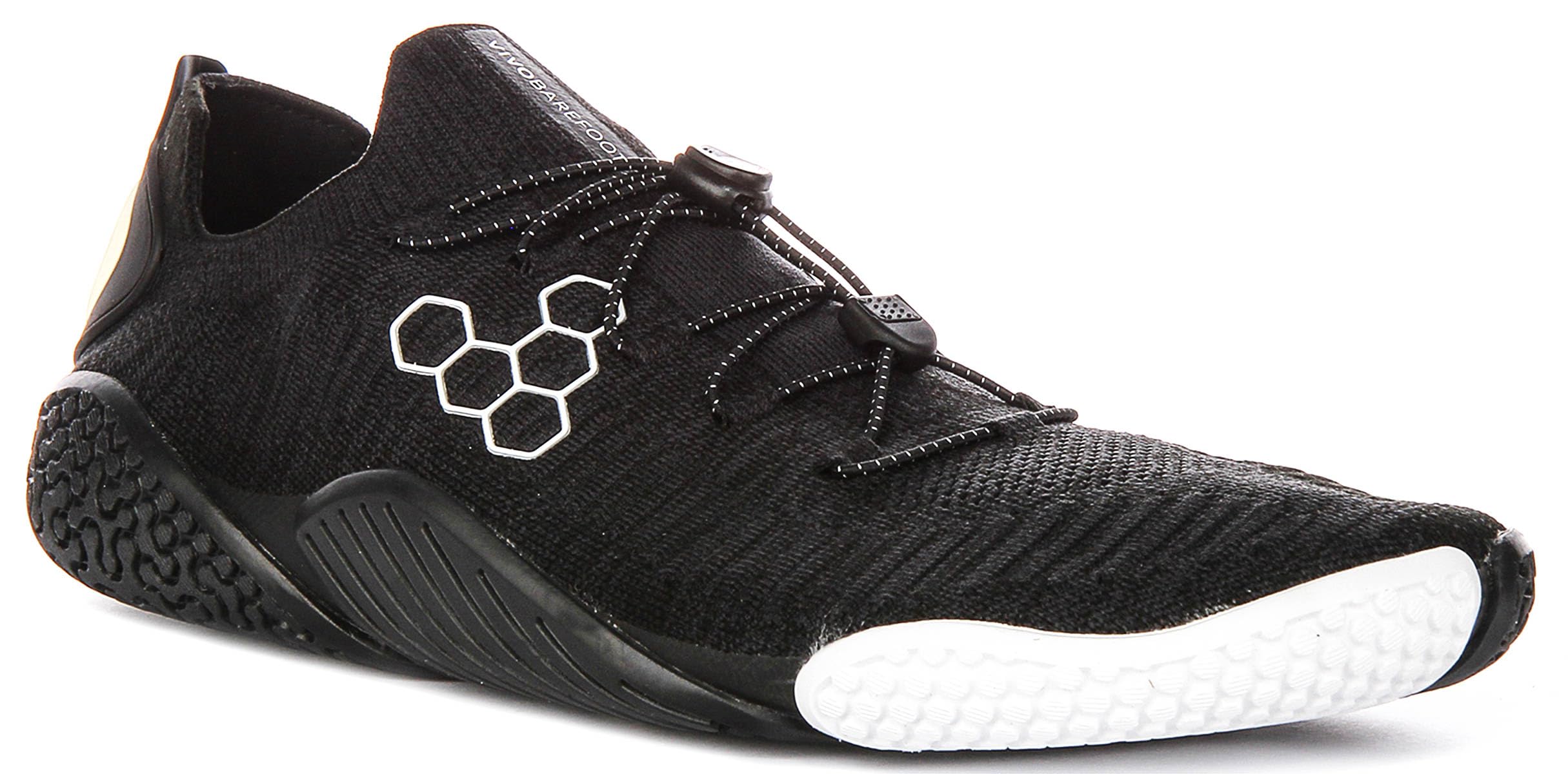
The Motus Flex is Vivobarefoot’s dedicated training shoe, but its attributes translate directly to neuropathy management. The 4mm stack height (with insole out) provides the thinnest barrier to the ground in this lineup, maximizing proprioceptive input. A user who wears them 10+ hours daily for work reported they became his favorite pair, with the wide toe box allowing full splay and the grippy outsole preventing any slip during lateral movements.
Eco-friendly materials mean the upper is plant-based and the sole uses recycled rubber — a nice touch for sustainability-minded buyers. The lace system extends far down the forefoot, letting you adjust tension across the metatarsal heads without compressing the toes. This is critical for neuropathic feet that swell unevenly throughout the day. The shoe is notably light, reducing fatigue for those who struggle with heavy footwear.
The biggest complaint is sizing inconsistency — the Motus Flex runs large, and multiple buyers advised going down a full size. The white color option shows dirt quickly, but the construction holds up well for daily training and casual wear. For those who can nail the fit, it offers the most intimate ground connection in this group.
Why it’s great
- Minimal 4mm stack for maximum sensory feedback
- Extended lace system for precise metatarsal adjustment
- Very lightweight for all-day neuropathy relief
Good to know
- Sizing is inconsistent; order at least one size down
- White exterior gets dirty quickly
6. FitVille Extra Wide Walking Shoes Men’s Wide Width Workout Sneakers

FitVille’s Extra Wide Walking Shoe is a budget-friendly entry that doesn’t compromise on toe room. Buyers with flat feet and wide forefeet praised the genuinely roomy toe box, which accommodates swollen toes and bunions without pinching. The shoe includes arch support, which some barefoot purists may object to, but many neuropathy sufferers find that moderate arch support reduces fatigue during long standing shifts.
The sole is thicker than a true minimalist shoe, which means less ground feel but more impact absorption — a trade-off that works for beginners transitioning away from traditional orthopedics. Users reported logging 2.5 miles immediately with no break-in and no hot spots, thanks to the soft, padded collar and seamless interior. The shoe runs slightly large, so those between sizes may want to size down.
FitVille’s build quality is solid for the tier, with sturdy stitching and a clean aesthetic that works for casual wear. The removable insole lets you swap in a custom orthotic if needed, though the stock insole provides decent cushioning for concrete floors. For neuropathy on a budget, this is the most accessible option that still respects the need for a wide forefoot.
Why it’s great
- Genuinely wide toe box for bunions and swelling
- Padded collar prevents heel rubbing
- Removable insole for custom orthotics
Good to know
- Thicker sole reduces ground feel feedback
- Runs slightly large; size down if between sizes
7. Xero Shoes Women’s HFS Original Barefoot Running Shoes
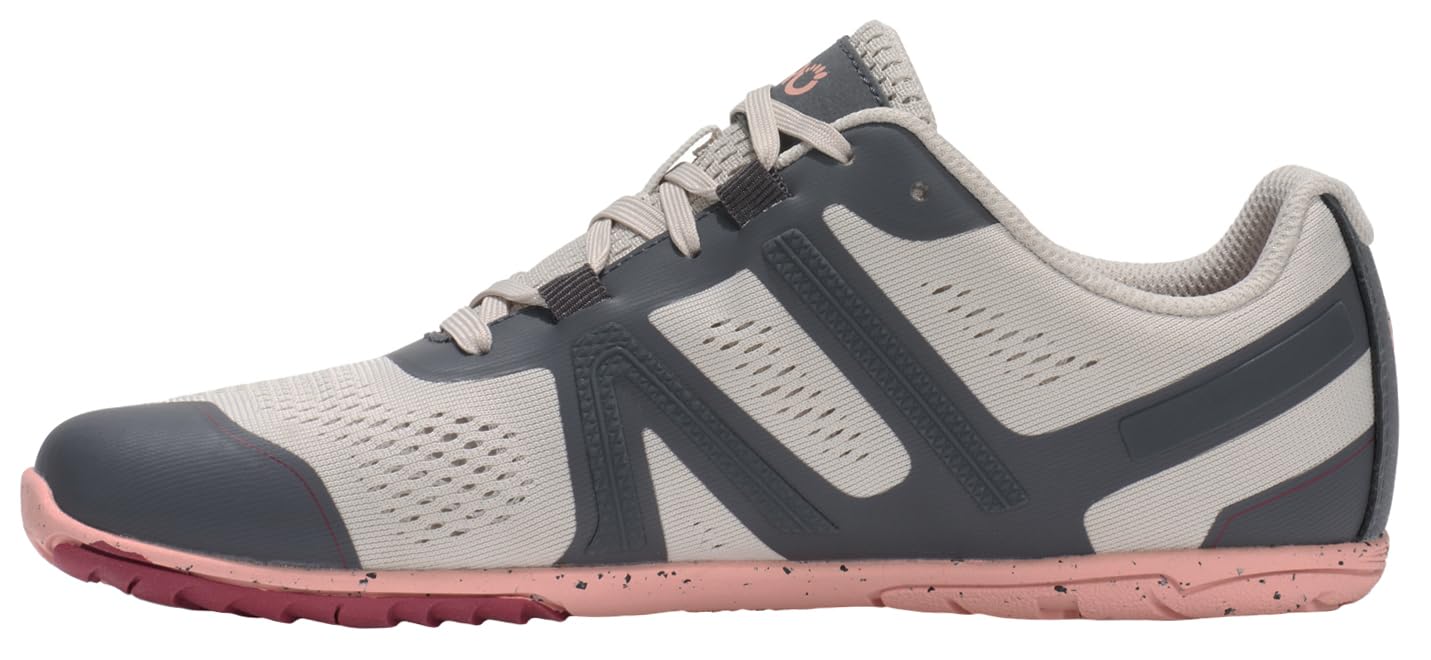
The HFS Original is purpose-built for runners, but its construction details make it a powerhouse for women with neuropathic feet and bunions. The wide toe box has no internal seams across the metatarsal heads, eliminating the rubbing that triggers burning pain. One size 10 buyer (normally a 9.5) reported that the roomy toe box prevented blisters even after nine miles a day for three consecutive days at Disney World — a testament to the upper’s ability to accommodate swelling without friction.
The sole is extremely flexible, allowing the foot to bend naturally at the ball. A long-term user logged 720 consecutive pain-free miles after a decade of struggling with conventional running shoes, crediting the HFS’s thin, flexible platform for eliminating her foot, knee, and back pain. The mesh upper is lightweight and breathable, making it suitable for warmer weather and high-humidity environments where moisture can worsen skin sensitivity.
On the downside, the HFS is not ideal for ultra-long distances on hard concrete — some users found the lack of cushioning aggravated their Achilles and knees during half-marathon training. The lettering on the shoe wears off quickly, but this cosmetic issue doesn’t affect function. For daily wear, short runs, and casual walking, it delivers a barefoot experience that directly addresses the sensory needs of neuropathic feet.
Why it’s great
- Wide toe box with seam-free interior prevents blistering
- Highly flexible sole allows natural foot bending
- Proven track record of eliminating foot pain
Good to know
- Not recommended for long-distance pavement running
- Runs small; order half a size larger
FAQ
Can barefoot shoes help with diabetic neuropathy pain?
How much toe room do I actually need for neuropathy?
Is zero drop safe for neuropathic feet with balance issues?
Should I remove the insoles in barefoot shoes for neuropathy?
Can I wear barefoot shoes if I have severe numbness in my feet?
Final Thoughts: The Verdict
For most users, the barefoot shoes for neuropathy winner is the OrthoComfoot Men’s Orthopedic Wide Shoes because they combine a seamless, pressure-free upper with a genuinely wide toe box and reliable arch support — all verified by real neuropathy sufferers who experienced immediate relief. If you want maximum ground feedback to rebuild balance and proprioception, grab the Xero Shoes Nexus Knit. And for rugged outdoor use where you need protection plus barefoot feel, nothing beats the Belleville Mini-Mil.