
Our readers keep the lights on and the weekend projects moving. As an Amazon Associate, I earn from qualifying purchases.
Twelve-hour shifts, concrete floors, and the constant need to pivot on a dime — your feet are the foundation of every move you make. Standard nursing shoes often pinch the toes, restrict natural movement, and leave your arches screaming by lunchtime.
I’m Rikta — the co-founder and writer behind FitlyFast. I’ve spent countless hours analyzing foot anatomy, sole flexibility, and the biomechanics of long-term standing to bring you the most data-driven recommendations for demanding on-foot professions.
If you want footwear that lets your feet move, breathe, and grip the way nature intended, you need reliable barefoot shoes for nurses that combine a zero-drop platform with a genuinely wide toe box.
How To Choose The Best Barefoot Shoes For Nurses
Finding the perfect footwear for nursing requires you to look past conventional cushioning and look at how the shoe interacts with your natural foot mechanics. The right pair will feel like an extension of your foot, while the wrong one can cause pain that radiates up your entire kinetic chain.
Zero-Drop Platform: The Heel-to-Toe Difference
A zero-drop sole means the heel and forefoot are at the same height from the ground, mimicking your natural barefoot stance. This alignment encourages a midfoot or forefoot strike, which reduces the jarring impact on your heels and transfers load more evenly through your calves and glutes, decreasing lower back fatigue during back-to-back shifts.
Toe Box Width: Room for Natural Splay
The toe box must be wide enough to allow your toes to spread and grip the ground naturally. Standard shoes often compress the big toe inward, leading to bunions and instability. Look for a shape that mirrors the actual outline of your foot — a true anatomical toe box — so your toes can act as stabilizers when you pivot or carry heavy loads.
Sole Flexibility and Ground Feel
A flexible sole allows your foot’s intrinsic muscles to engage with the terrain, improving your proprioception and balance. You still need a thin, puncture-resistant layer for protection against sharp objects, but the sole should not be so thick or rigid that it prevents your foot from sensing the floor and adjusting your stance in real-time.
Quick Comparison
On smaller screens, swipe sideways to see the full table.
| Model | Category | Best For | Key Spec | Amazon |
|---|---|---|---|---|
| Xero Shoes Prio Neo | Barefoot Trainer | Natural ground feel & training | Zero-drop, 5.5mm FeelTrue sole | Amazon |
| Dansko Professional Clog | Occupational Clog | All-day standing with arch support | Rocker sole, 2.73 lbs weight | Amazon |
| Dansko Kaci Mule Clog | Lightweight Clog | Stability & slip resistance | Bio-based EVA, 1.5 lbs weight | Amazon |
| Orthofeet Wander Slip-On | Orthopedic Sneaker | Foot pain relief & arch support | Removable orthotic insole | Amazon |
| SAS Liberty Lace Up | Therapeutic Shoe | Diabetic-approved & wide fit | Slip-resistant outsole | Amazon |
| Dansko Marlee Sneaker | Occupational Sneaker | Lightweight slip-on flexibility | Patented slip-resistant outsole | Amazon |
| Skechers Hands Free Slip-ins | Work Sneaker | Easy on/off & memory foam | Air-Cooled Memory Foam | Amazon |
In‑Depth Reviews
1. Xero Shoes Women’s Prio Neo Barefoot Training Shoe
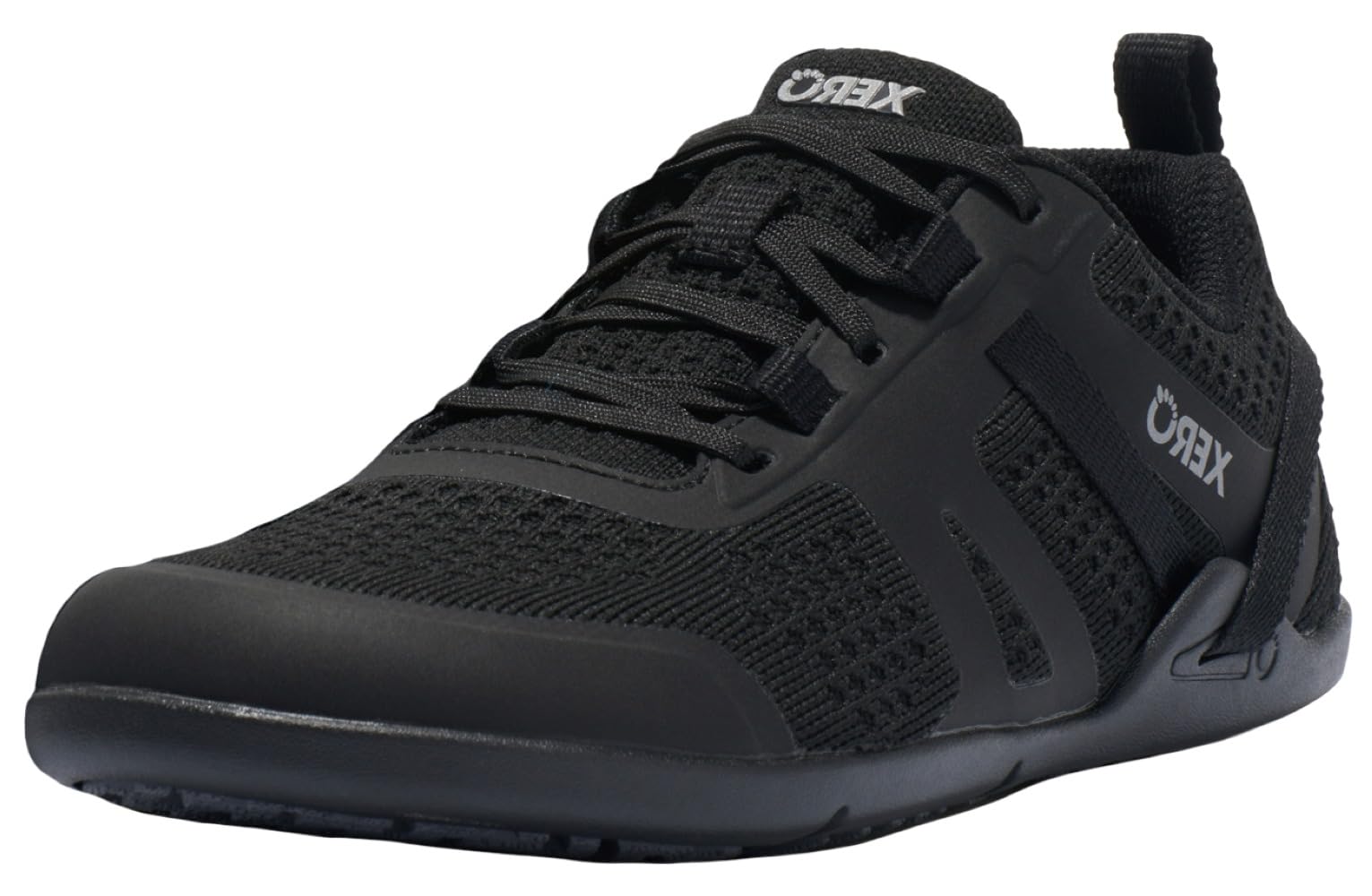
The Xero Shoes Prio Neo is a true barefoot training shoe that delivers exactly what its name implies — a natural, flexible platform with a 5.5mm FeelTrue sole that lets you sense every surface change. Its wide anatomical toe box allows your toes to spread fully, which is a game-changer for maintaining balance during sudden pivots or when you need to brace while moving heavy equipment. The zero-drop design encourages a more natural gait, reducing the impact on your heels and lower back.
Reviewers who transitioned from heavily cushioned running shoes like Brooks Glycerine reported an initial adjustment period with calf soreness, but almost universally found the Prio Neo more stable and comfortable once their gait adapted. The flexibility of the sole combined with the stretchy upper makes it feel like a snug slipper that still provides ground protection. Even users with conditions like Morton’s toe and hammer toes experienced zero pain after switching.
The only notable drawback is the excessively long shoelaces, which can come undone if you accidentally step on them. Some users also note that the shoes appear smaller in outline than comparable sizes, though the actual toe room is generous. If you are committed to the barefoot lifestyle for your shifts, this shoe is the purest expression of that philosophy with enough durability for daily wear.
Why it’s great
- True zero-drop platform with excellent ground feel
- Wide anatomical toe box for natural toe splay
- Lightweight and flexible for all-day comfort
Good to know
- Requires an adjustment period for those used to cushioned shoes
- Shoelaces are very long and can come untied easily
2. Dansko Women’s Kaci Occupational Mule Clog
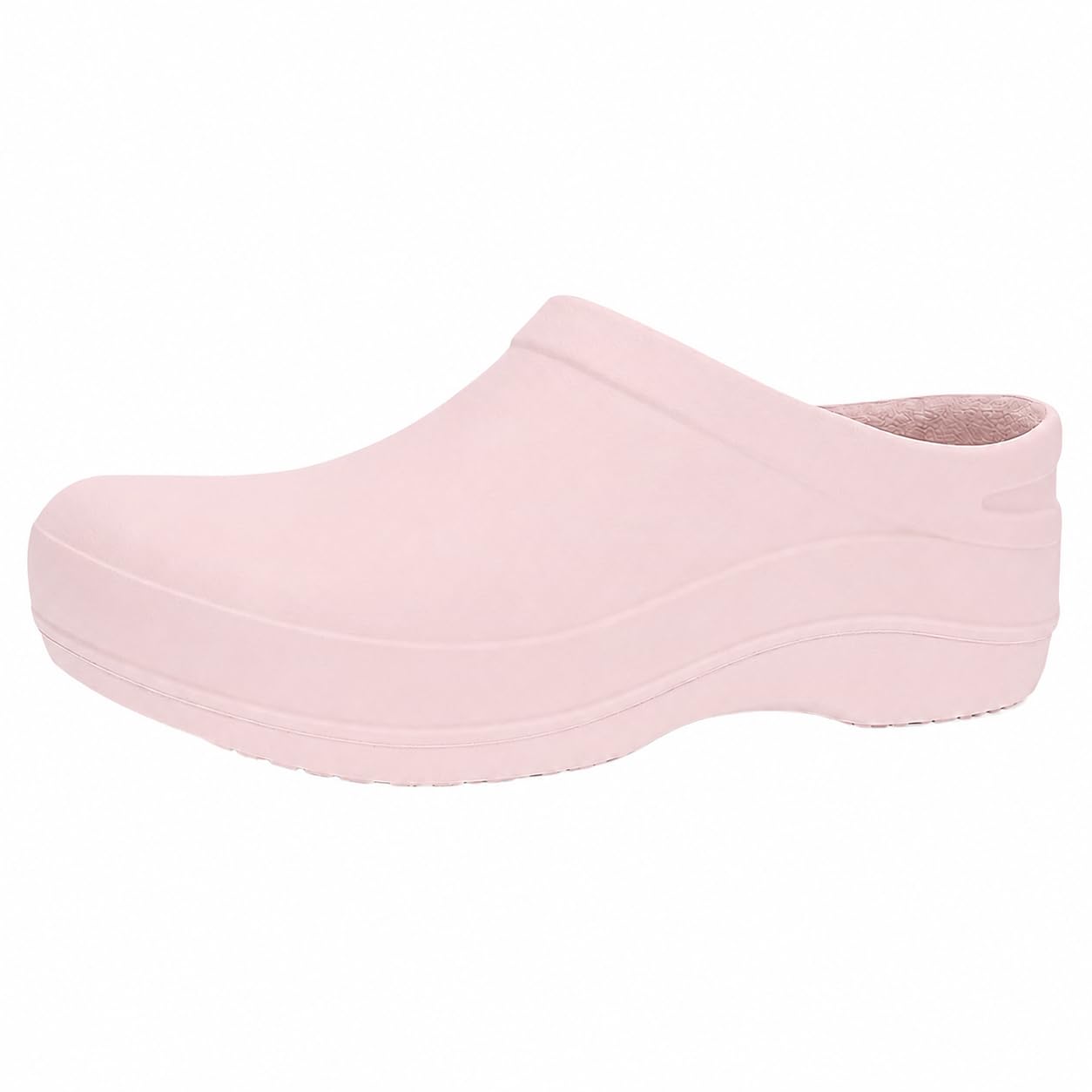
The Dansko Kaci Mule Clog strikes an impressive balance between the classic stable clog and a lightweight, modern material. Constructed from bio-based EVA, it weighs in at just 1.5 pounds — significantly lighter than the traditional Dansko Professional — while still offering the Dansko Natural Arch technology that healthcare workers rely on. The slip-resistant rubber outsole provides reliable traction on wet and oily hospital floors, and the easy-clean surface wipes down quickly after messy procedures.
Bedside RNs who wear these for 12-hour shifts consistently report better stability than with standard running shoes. One reviewer noted that the regular Dansko Professional occasionally caused ankle rolls, but the Kaci’s wider, more solid base eliminated that risk entirely. The fit runs slightly large, meaning you can wear thick compression socks during winter without feeling cramped, and the rounded toe silhouette offers more toe space than the classic Kane clog.
A few users mentioned an annoying squeaking sound with each step, which seems tied to the rubber outsole material. Additionally, the arch is slightly lower than in some other Dansko models, which may disappoint those who need aggressive medial support. For nurses who want a reliable, stable clog that won’t weigh them down, the Kaci is a top-tier choice.
Why it’s great
- Very lightweight EVA construction reduces foot fatigue
- Excellent slip resistance on wet and oily surfaces
- Runs slightly large for thick sock wear
Good to know
- Some units produce a squeaking sound during walking
- Lower arch support compared to the classic Dansko Professional
3. Orthofeet Women’s Orthopedic Wander Hands-Free Leather Slip-On
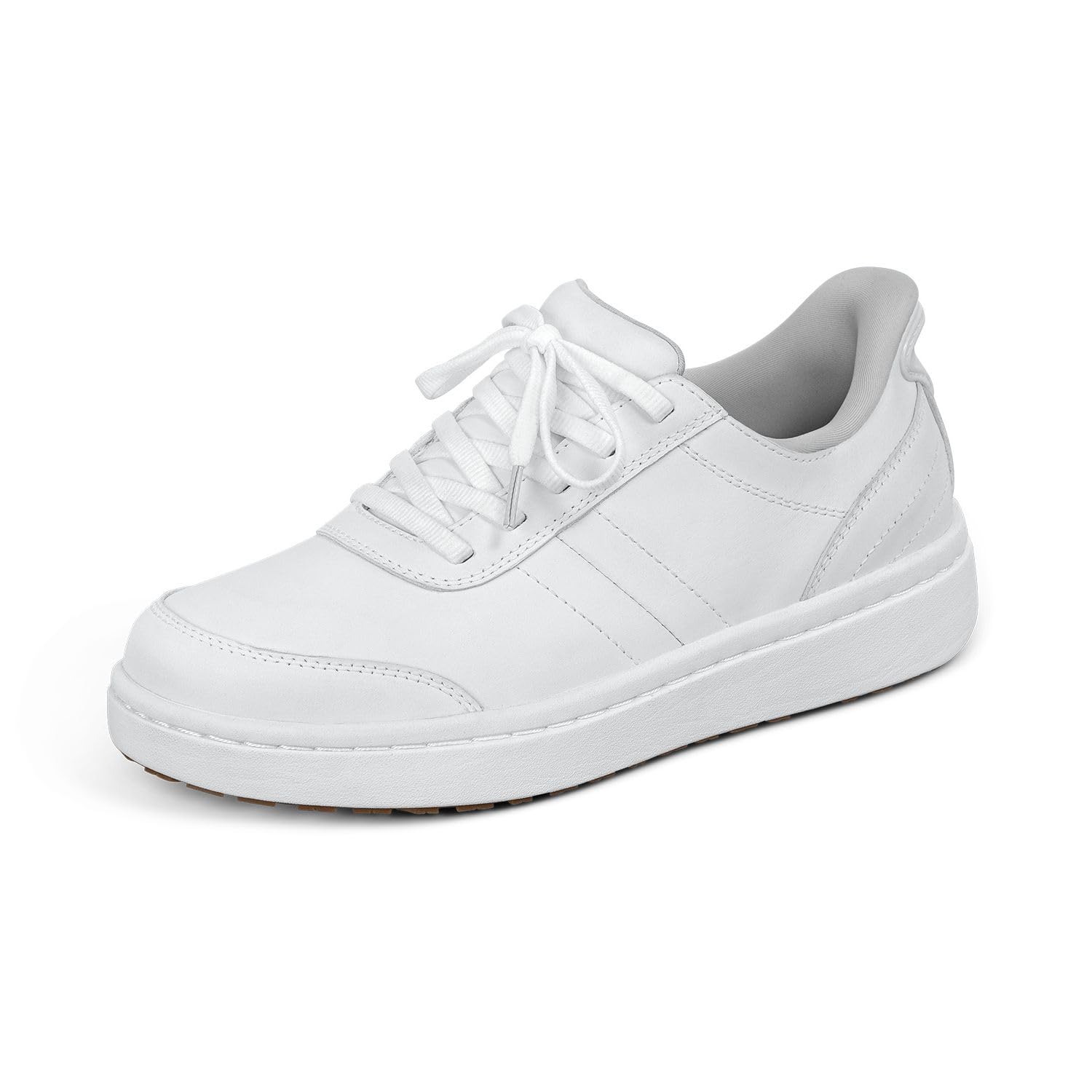
The Orthofeet Wander is engineered specifically for people who suffer from foot pain, and its built-in orthotic system is the standout feature. The Ortho-Cushion insole system combines a premium orthotic insole, a shock-absorbing sole, and a pressure-free toe box to relieve stress on the feet, heels, knees, and back. This makes it an excellent choice for nurses dealing with plantar fasciitis, arthritis, or general foot fatigue caused by long hours on hard surfaces.
Reviewers consistently mention the dramatic reduction in foot and leg pain after switching to Orthofeet. The wide toe box accommodates bunions and swollen feet, while the cushioned heel and arch support provide a stable base. The hands-free slip-on design is a practical convenience for nurses who need to step in and out of their shoes quickly between patient rooms. The outsole offers good nonskid traction, and the leather upper wipes clean easily.
The most common complaint is heel slippage — the heel cup can be shallow for some users, causing the foot to slide up and down despite a good toe box fit. Adding an extra insole from the included fitting spacers can exacerbate the problem. If your heel is narrow, you may find the fit insecure. Otherwise, this shoe delivers excellent orthopedic support in a barefoot-friendly silhouette.
Why it’s great
- Superior built-in orthotic support for foot pain relief
- Wide and deep toe box for natural foot expansion
- Lightweight and easy to slip on and off
Good to know
- Heel cup may be too shallow, causing slippage for narrow heels
- Premium price point relative to other barefoot options
4. SAS Liberty Slip Resistant Lace Up

The SAS Liberty is a testament to old-school craftsmanship — it is a Medicare and diabetic-approved shoe built from soft, breathable leather with perforations for ventilation. The traditional lace-up closure allows for a fully customizable fit, and the elastic tongue prevents the shoe from sliding around even during active movement. The non-slip rubber outsole provides exceptional grip on wet surfaces, which is critical for anyone working in a hospital or clinic environment.
Long-term SAS users report these shoes lasting over a decade with proper care, which offsets the premium initial investment. Reviews highlight the generous toe box that accommodates arthritic toes, bunions, and even an Arizona brace for ankle support. The out-of-box comfort is remarkable — no break-in period required — and the extra wide widths cater to swollen feet that often plague nurses after long shifts. The shoe is also very stable, with a firm heel counter that enhances balance on uneven terrain.
Some recent buyers have noted a drop in quality consistency — one review mentioned the shoe stretching more than expected after only a few weeks, causing the foot to slide. Others have found the styling somewhat clunky compared to more modern silhouettes. If you prioritize longevity and therapeutic certification over fashion-forward design, the Liberty is a workhorse that will serve you for years.
Why it’s great
- Exceptional durability — often lasts a decade or more
- Excellent slip resistance on wet surfaces
- Medicare and diabetic-approved with wide width options
Good to know
- Higher upfront investment compared to other options
- Some reported inconsistency in sizing and material quality
5. Dansko Professional Slip-On Clogs for Women
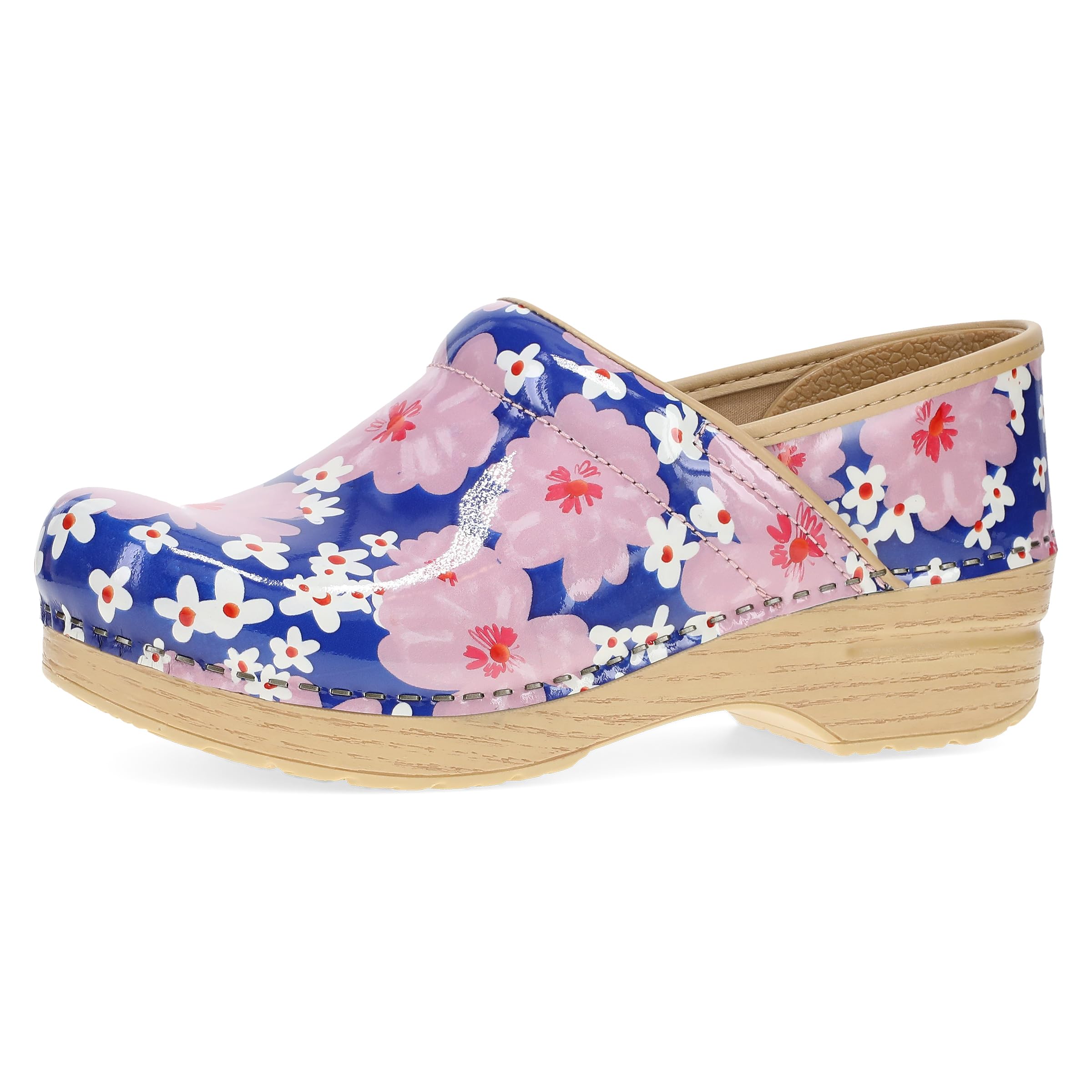
The Dansko Professional is the iconic clog that has been a staple in hospitals and clinics for over three decades. It features a rocker sole that reduces ground impact and promotes a natural rolling motion from heel to toe, which is a lifesaver for 12-hour shifts at a standing desk or in the operating room. The built-in arch support is firm and targeted, providing structural stability that many nurses swear by for their lower back and knee comfort.
Healthcare professionals, especially ER nurses and veterinarians, report that the clog molds to the shape of the foot over time, offering a personalized fit. The clogs are easy to clean with a simple wipe, and the durable construction means they withstand years of heavy use. The stability is excellent on flat, even surfaces, and the raised heel (relative to a zero-drop shoe) helps some users maintain posture without feeling like they are leaning forward.
The rocker sole design struggles on uneven terrain — it is not a shoe for walking on gravel or grass. The clogs also run large and require sizing down, and the initial break-in period can cause some foot soreness as the foot adapts to the firm support. The weight of the shoe (2.73 pounds for the pair) is noticeable compared to lightweight barefoot alternatives. For nurses who prioritize structured support and a proven track record, the Professional remains a benchmark.
Why it’s great
- Excellent arch support reduces lower back and knee strain
- Very durable and easy to clean with a wipe
- Rocker sole promotes a natural walking motion
Good to know
- Heavy design can lead to fatigue over very long shifts
- Poor performance on uneven or outdoor terrain
6. Dansko Marlee Occupational Sneaker for Women
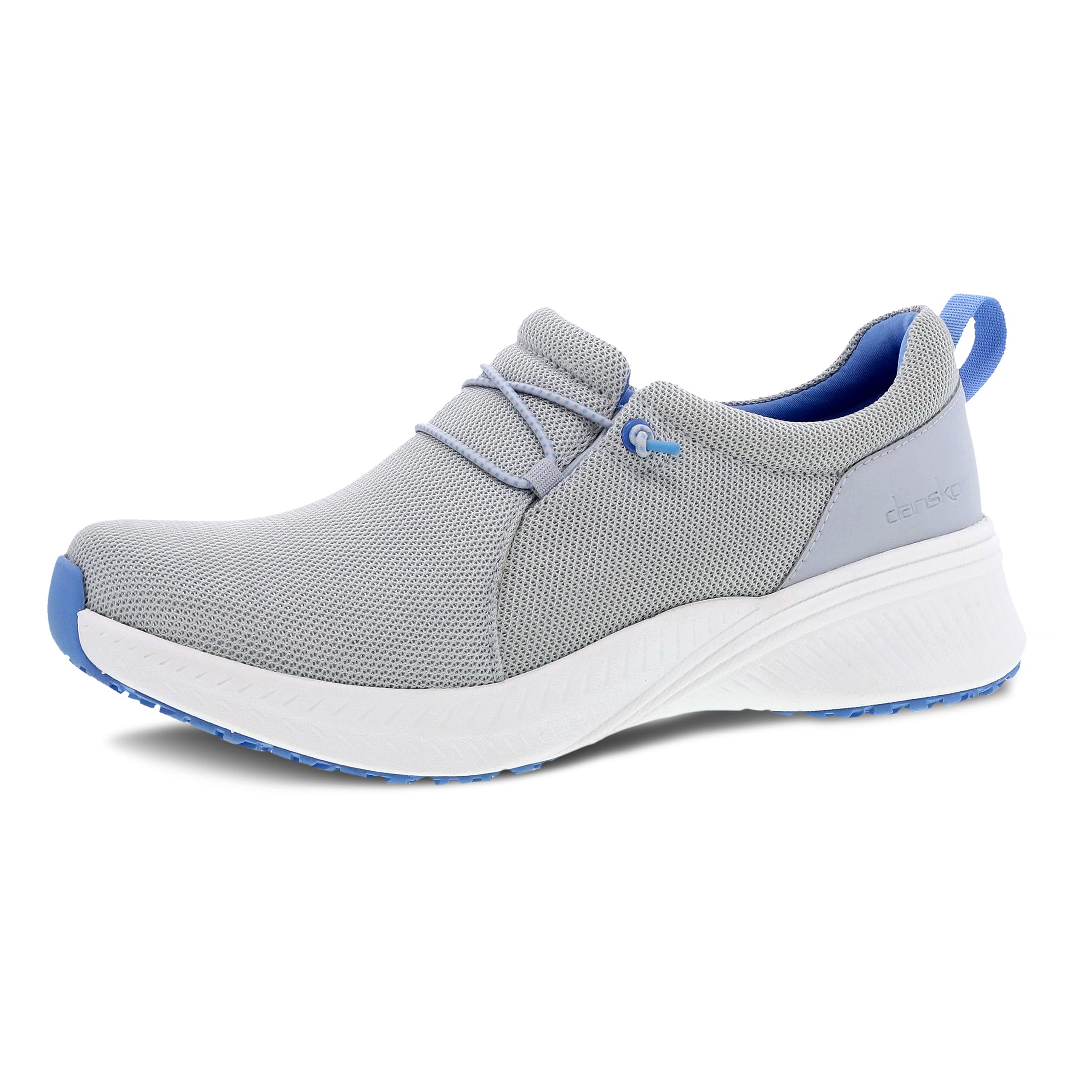
The Dansko Marlee is a lightweight occupational sneaker that offers the brand’s signature comfort in a slip-on package. It features a patented slip-resistant rubber outsole that is certified for dry, wet, and oily/wet surfaces, making it suitable for the chaotic environment of a busy hospital floor. The upper is made from 100% recycled mesh treated with 3M Scotchgard, which helps keep your feet fresh and the shoe clean despite daily exposure to spills and dirt.
The removable footbed incorporates Dansko Natural Arch technology, providing moderate support that is less aggressive than the Professional clog. Users note that the shoe is incredibly light and feels like a sneaker rather than a clunky work shoe. The low heel height and flexible build make it a good middle ground for nurses who want some support without the rigid feel of a full clog. It is also a great travel companion for long walking days outside of work.
The main limitation is the volume — the shoe runs low and narrow in the toe area. Reviewers with a high instep report tightness and pain after extended wear, often recommending sizing up a full size. The sizing can be inconsistent, with some users finding the shoe too short despite ordering their usual size. If your foot is on the wider or higher-volume side, this may not be the right match.
Why it’s great
- Very lightweight and flexible for dynamic movement
- Excellent slip resistance on multiple surface types
- Eco-friendly recycled mesh upper with Scotchgard treatment
Good to know
- Low volume — may cause tightness for high instep feet
- Inconsistent sizing; often requires going up a full size
7. Skechers Women’s Work Skech-lite Pro Sr Exdown Bungee Hands Free Slip-ins
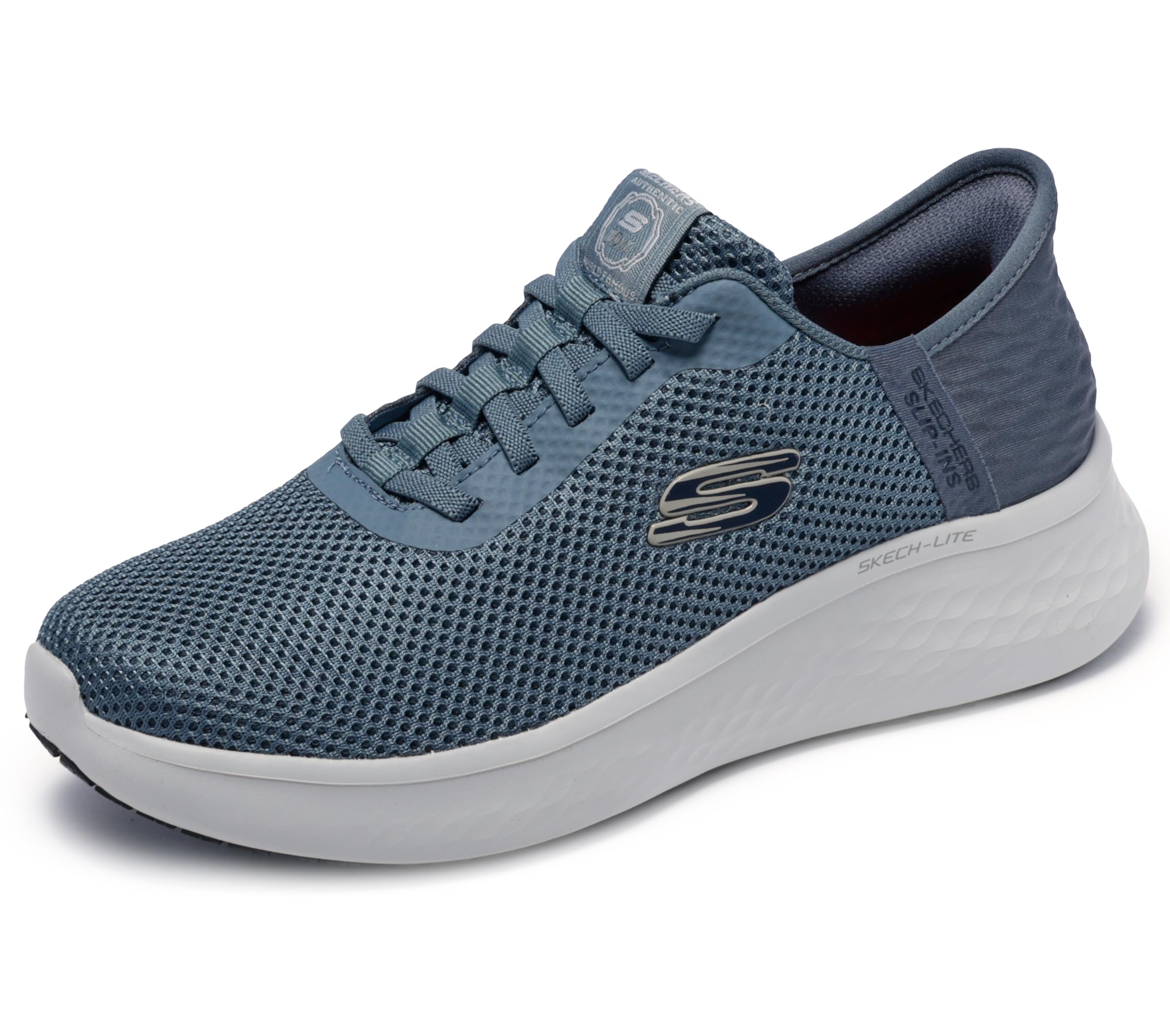
The Skechers Hands Free Slip-ins are designed for maximum convenience — the bungee lace system and stretch collar let you step into the shoe without using your hands, a small luxury when you are carrying supplies or a coffee cup during shift change. The Air-Cooled Memory Foam insole provides plush cushioning that molds to the shape of your foot, and the slip-resistant outsole has been tested in restaurant kitchens and hospital environments alike.
Nursing professionals and food service workers appreciate the true-to-size fit and the immediate comfort right out of the box — no break-in period required. The lightweight construction means you can wear them all day without feeling weighted down, and the breathable mesh upper helps with airflow during busy, sweaty shifts. The fixed stretch laces eliminate the hassle of retying while still offering a secure fit.
The memory foam insole, while very comfortable at first, is not a zero-drop or barefoot-oriented platform. It offers significant cushioning and arch support, which contradicts the barefoot philosophy of minimal interference. The shoe also lacks a truly wide toe box, so toes cannot splay naturally. For nurses who prioritize instant comfort and easy on/off over natural foot alignment, this is a solid entry-level choice.
Why it’s great
- Hands-free slip-on design saves time during busy shifts
- Very comfortable memory foam cushioning right out of the box
- Lightweight and breathable for all-day wear
Good to know
- Memory foam construction is not zero-drop or barefoot
- Toe box is narrower than true barefoot shoes — limits natural splay
FAQ
Can I wear barefoot shoes for 12-hour nursing shifts?
What is the difference between zero-drop and a traditional shoe heel?
Do barefoot shoes provide enough protection for hospital environments?
Final Thoughts: The Verdict
For most users, the barefoot shoes for nurses winner is the Xero Shoes Prio Neo because it offers the purest zero-drop experience with a wide toe box and excellent ground feel, making it ideal for nurses committed to natural foot mechanics. If you want the stability of a clog with modern lightweight materials, grab the Dansko Kaci Mule Clog. And for those needing targeted pain relief and orthopedic support, nothing beats the Orthofeet Wander Slip-On.