
Our readers keep the lights on and the weekend projects moving. As an Amazon Associate, I earn from qualifying purchases.
Finding a shoe that lets your toes spread naturally while accommodating a genuinely wide foot is the single biggest challenge in the minimalist footwear world. Most barefoot brands still cut their lasts too narrow, forcing you to choose between a cramped toe box or a heel that slips.
I’m Rikta — the founder and writer behind FitlyFast. I’ve spent years analyzing fit data, reading thousands of authentic user reports across the widest-foot demographics, and measuring actual toe-box widths to understand which barefoot models truly work for broad forefeet and high-volume insteps.
This guide cuts through the marketing to deliver the most reliable barefoot shoes for wide feet, ranked by real-world fit, durability, and the specific specs that matter for splaying toes and stable heels.
How To Choose The Best Barefoot Shoes For Wide Feet
The barefoot shoe market has exploded, but the vast majority of models are still cut for medium-width D feet. If you have an E, 2E, or 4E forefoot, you need to look past the marketing and focus on three defining factors: toe-box shape, midfoot volume, and the outsole’s flexibility profile.
Toe-box shape vs. advertised width
Many brands call a shoe “wide” simply because the toe box is rounded rather than pointed. That is not enough. For genuinely wide feet, the toe box must allow the first and fifth metatarsals to splay outward without forcing the toes to angle inward. Look for a foot-shaped last that mirrors the natural human footprint — wider at the toes than at the heel. Avoid symmetrical “kidney bean” shapes that pinch the pinky toe.
Midfoot volume and instep height
A wide forefoot means nothing if the midfoot is tight. Wide feet often have a higher instep and greater overall foot volume. Shoes with a removable insole can give you a few millimeters of extra vertical space. Stretchable knit uppers (like those on the Theora Pro) tend to accommodate high-volume feet better than rigid mesh or leather. If you need to cinch the laces tightly, the shoe is too narrow for your midfoot.
Outsole flexibility and stack height
The defining characteristic of a barefoot shoe is its flexible, zero-drop sole. But not all thin soles are created equal. For wide feet, the sole needs to bend at the metatarsal pivot point, not rigidly across the entire forefoot. A stack height of 8-12mm is the sweet spot for ground feel with enough protection for asphalt. Too thin (under 5mm) can cause foot fatigue during adaptation; too thick defeats the purpose of barefoot training.
Quick Comparison
On smaller screens, swipe sideways to see the full table.
| Model | Category | Best For | Key Spec | Amazon |
|---|---|---|---|---|
| Xero Prio Neo | Cross-Training | Daily wear & gym | 5.5mm sole + 9mm insole | Amazon |
| Vivobarefoot Primus Lite 3.5 | Training | Breathable workout shoe | 3mm sole + 3mm insole | Amazon |
| Flux Adapt Graphene XT | CrossFit | Heavy lifting & HIIT | Graphene rubber outsole | Amazon |
| Vivobarefoot Primus Trail II FG | Trail | Off-road & rugged daily | Puncture-resistant outsole | Amazon |
| Hike Footwear Theora Pro | Daily Walk | Comfort & ease | Stretchy knit upper | Amazon |
| Xero Prio Suede | Everyday | Style & durability | Suede upper | Amazon |
| Hike Footwear HF Stride | Slip-On | Senior & convenience | Hands-free slip-on design | Amazon |
In‑Depth Reviews
1. Xero Shoes Men’s Prio Neo Barefoot Training Shoes
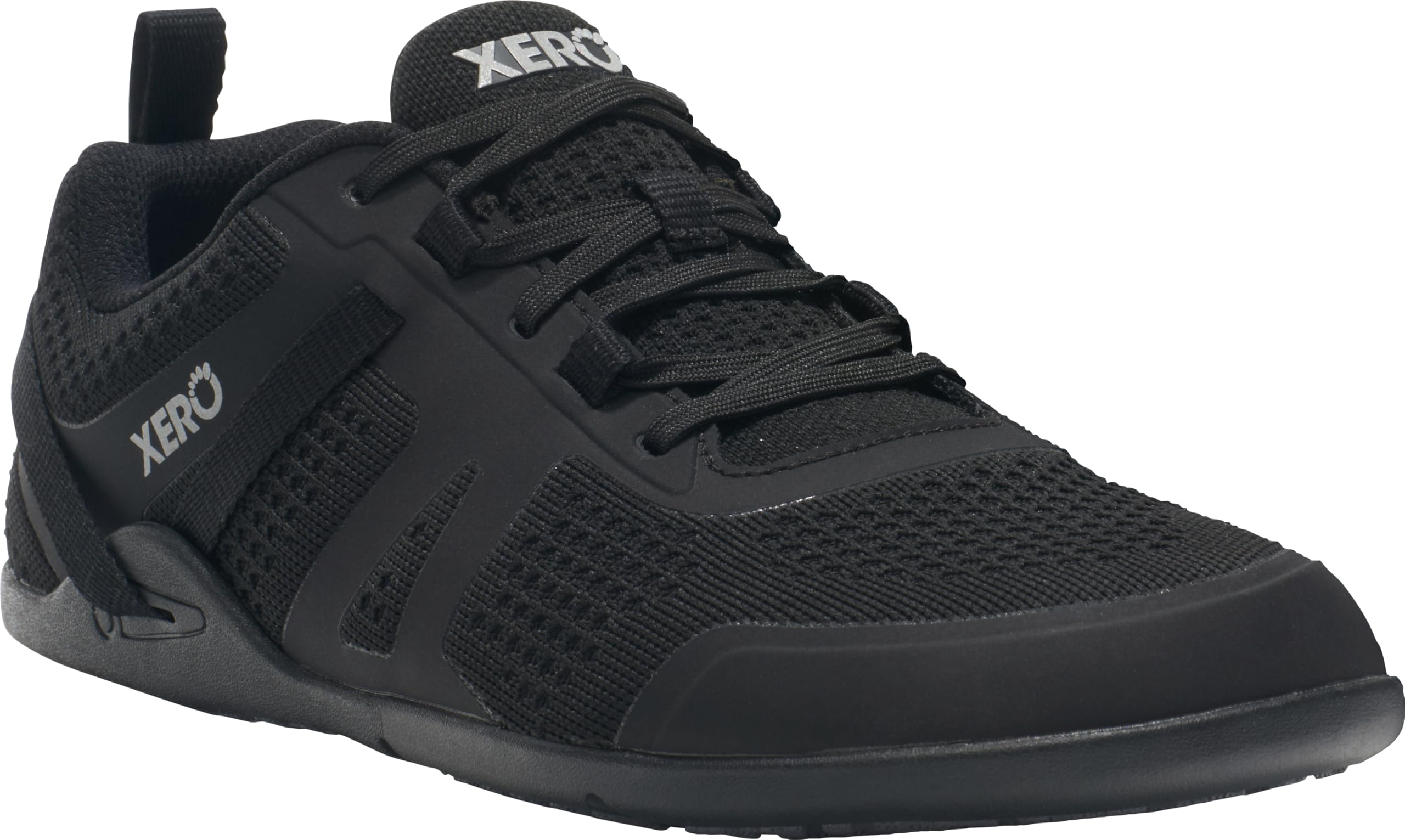
The Prio Neo hits a rare balance: a genuinely wide toe box, a flexible 5.5mm sole that still offers pavement protection, and a breathable upper that holds up to daily abuse. Multiple users with wide feet confirm that the toe box accommodates splay without pinching the pinky toe — a common failure point in other “wide” models.
The 9mm insole provides a comfortable transition for users coming from conventional shoes, and the zero-drop platform forces proper midfoot striking rather than heel slapping. Reports from users who walk 10,000+ steps daily note zero foot pain after a two-week adaptation period, and the outsole shows minimal wear even after hundreds of miles.
Compared to WHITIN or other entry-level barefoot shoes, the Prio Neo uses a denser rubber compound for better grip on wet surfaces and a more robust upper that resists stretching. Size 12 fits comfortably with extra toe room, making this a reliable pick for men with 2E-4E forefeet.
Why it’s great
- Flexible sole matches natural foot motion
- Durable upper withstands daily abuse
- Great ground feel with hazard protection
Good to know
- Adaptation period may cause midfoot soreness
- Light gray shows dirt quickly
2. Vivobarefoot Primus Lite 3.5 Mens Barefoot Shoes

The Primus Lite 3.5 is Vivobarefoot’s lightest training shoe, with a 3mm outsole that delivers exceptional ground feel. The toe box is noticeably wider than previous Vivobarefoot models, though some reviewers with very wide feet still find it slightly snug for true splay. The upper is a breathable mesh that allows airflow during high-intensity workouts.
Users report needing to size down half a Brannock size for a secure heel fit. The shoe is ideal for walking, lifting, and HIIT, but running longer distances may cause knee discomfort due to the minimal cushion. The vegan construction holds up well, and the outsole provides reliable grip on gym floors and dry pavement.
The reality check: this is a true minimalist shoe, not a transition shoe. If you are coming from heavily cushioned trainers, expect a 2-3 day adjustment period. For those already adapted to barefoot footwear, the Primus Lite 3.5 is an excellent daily trainer that breathes well and wipes clean easily.
Why it’s great
- Extremely lightweight and breathable
- Excellent ground feel for workouts
- Durable outsole for 10k+ steps
Good to know
- Toe box may be narrow for very wide feet
- Runs long, requires half size down
3. Flux Adapt Graphene XT Barefoot Shoes
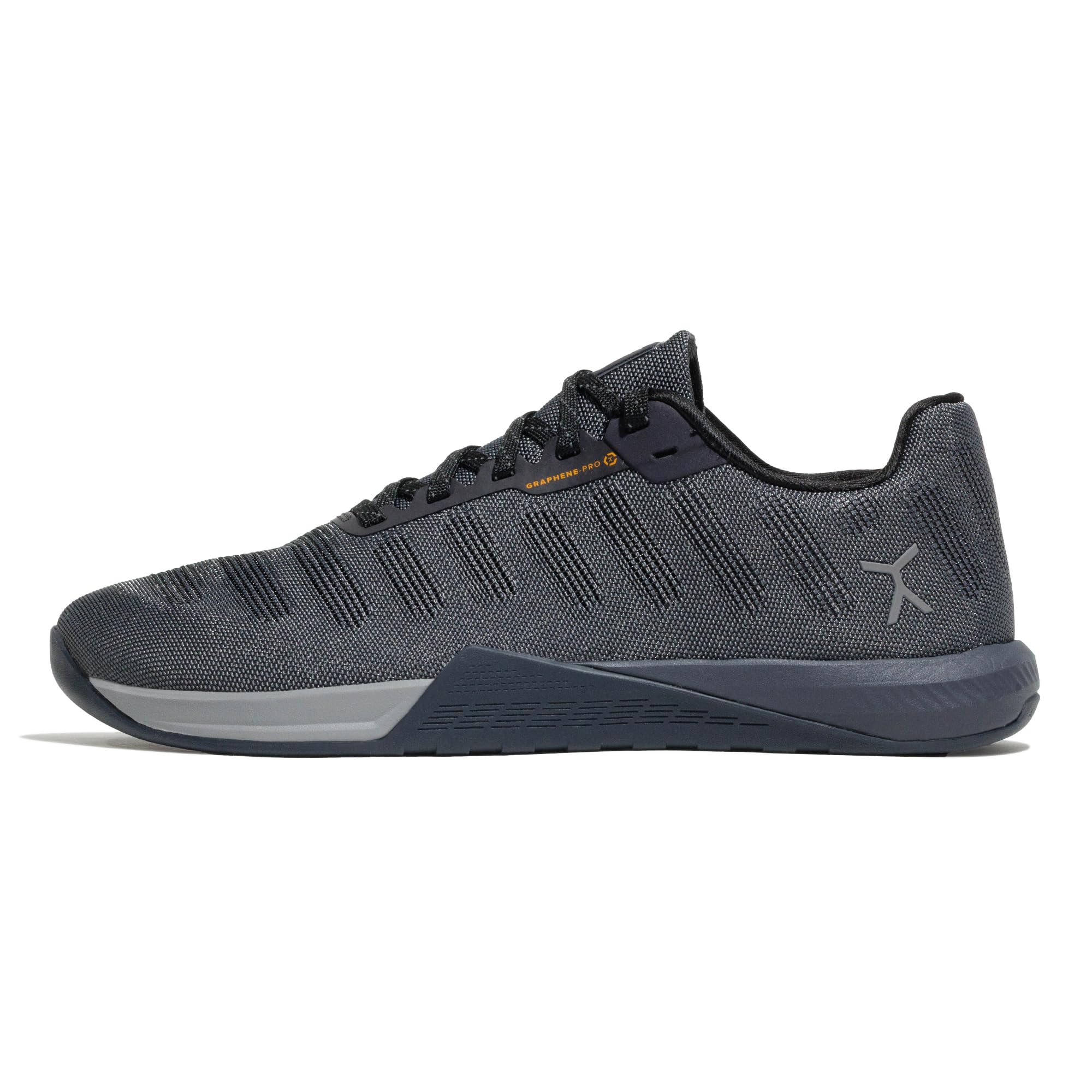
The Flux Adapt XT is engineered for high-intensity training, with a graphene-infused rubber outsole that shows nearly zero wear after six months of CrossFit use. The toe box is genuinely wide, accommodating 2E forefeet without crowding the toes. The ballistic mesh upper is rugged yet breathable, resisting tearing during rope climbs and lateral movements.
Reviewers consistently report excellent stability under heavy loads — the zero-drop platform and wide base provide a solid foundation for deadlifts and squats. The insole is removable, offering extra volume for high-arched runners. At 10.2 ounces per shoe, it feels substantial but not heavy during dynamic exercises.
The only consistent critique is the sizing: the women’s chart has been flagged as inaccurate, with some size 9 models running over an inch long. Ordering half a size up from your usual athletic shoe size seems to be the safe bet. The ankle collar sits slightly higher than average, which may bother users with prominent lateral malleoli.
Why it’s great
- Exceptional durability in high-wear areas
- Outsole remains grippy even on dusty floors
- Wide toe box for foot splay during lifts
Good to know
- Sizing chart can be inaccurate, try before buying
- Ankle collar may be high for some
4. Vivobarefoot Primus Trail II FG Mens Barefoot Off-Road Shoes
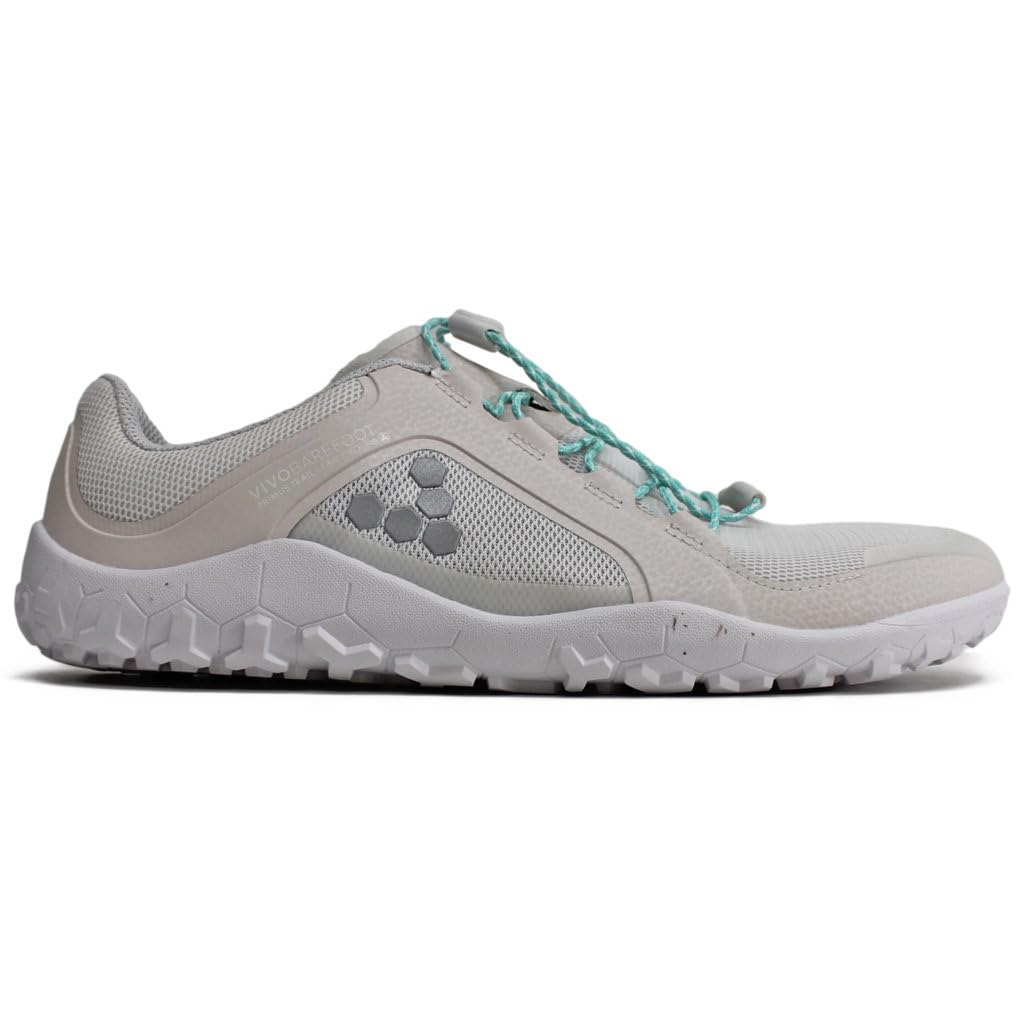
The Primus Trail II FG is Vivobarefoot’s most capable off-road shoe, featuring a puncture-resistant outsole that shrugs off sharp rocks and a water-resistant upper for damp conditions. The toe box is wide enough for most 2E feet, with a secure ankle collar that prevents heel slippage on uneven terrain.
Users who have used this shoe for hiking, running, and even mowing report that the sole provides excellent ground feel while still protecting against trail hazards. The outsole lugs are spaced widely to shed mud, and the Flex Groove technology allows the shoe to bend naturally at the metatarsal head. The drawstring lace system is long but can be tucked away.
The main downside is the lack of half sizes — a longer big toe may rub against the front during descents, but removing the insole typically resolves this. The shoe feels flimsy when handled due to its slipper-like flexibility, but this translates to zero restriction during movement. It is not a formal shoe, but it looks natural with shorts and casual pants.
Why it’s great
- Outsole protects against sharp trail rocks
- Water-resistant upper for damp conditions
- Excellent ground feel with good grip
Good to know
- No half sizes; may need insole removal for fit
- Heel collar can collapse when putting on
5. Hike Footwear Theora Pro Barefoot Shoes
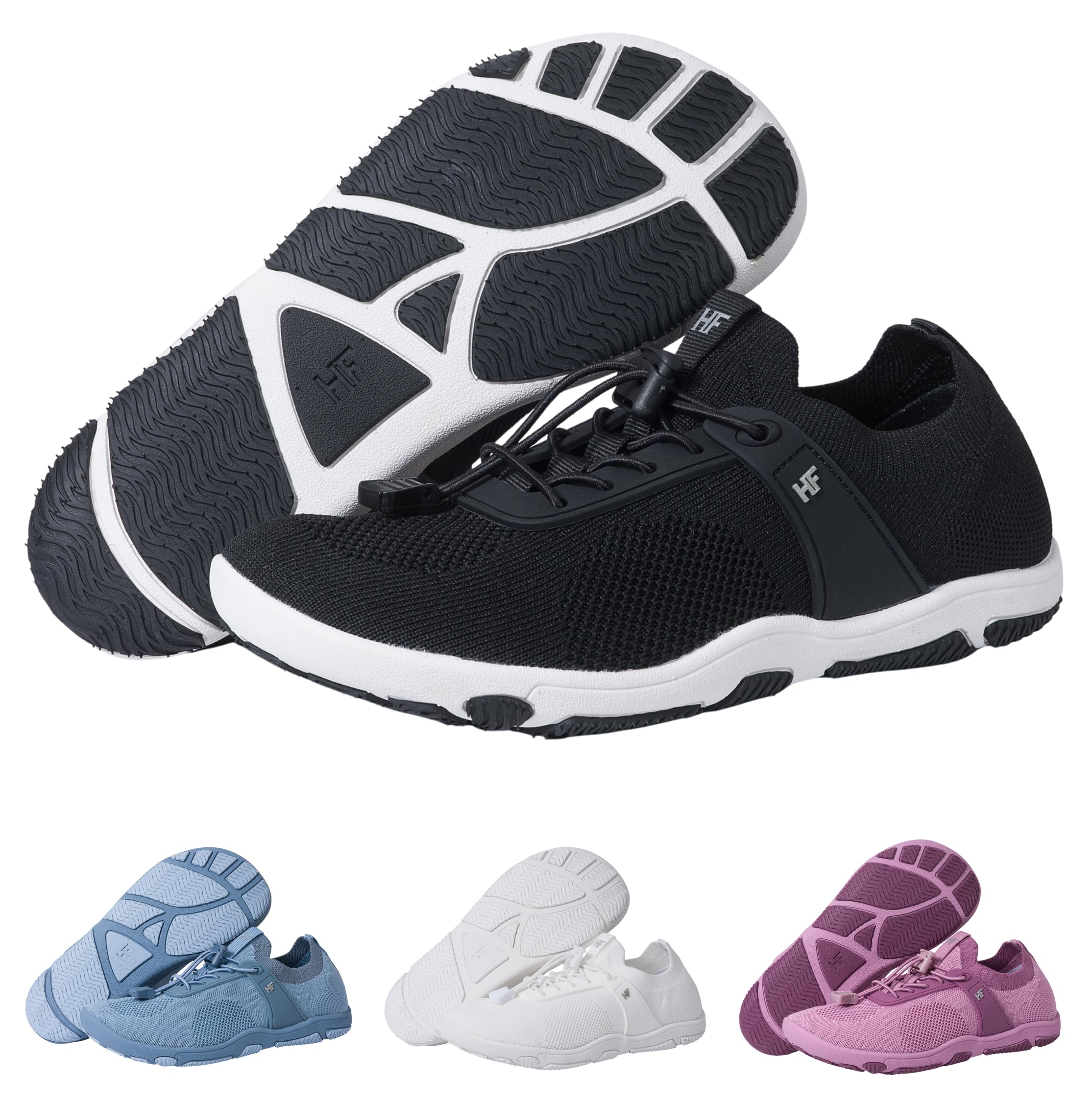
The Theora Pro is a standout for high-volume feet. The stretchy knit upper expands to accommodate bunions, arthritic joints, and wide forefeet without creating pressure points. Users consistently report that the toe box is “super comfortable” and “very roomy,” with no toe crowding even after long wear.
The shoe is lightweight and breathable, making it ideal for indoor walking and casual daily use. The zero-drop sole provides a stable platform, though the arch support is minimal — a deliberate design choice for building intrinsic foot strength. The knit body holds the foot securely, preventing flopping or slipping within the shoe as you walk.
Some users note that the shoe is not supportive enough for extended periods of standing with minimal walking, and the lack of arch support may be a shock for those transitioning from stability shoes. However, for general walking, balance improvement, and natural foot movement, the Theora Pro delivers exceptional value in a wide-friendly package.
Why it’s great
- Stretchy knit accommodates high-volume feet
- No pinching on big toes or pinky toes
- Improves balance and reduces foot pain
Good to know
- Minimal arch support
- Not ideal for long standing periods
6. Xero Shoes Men’s Prio Suede Barefoot Athletic Sneaker
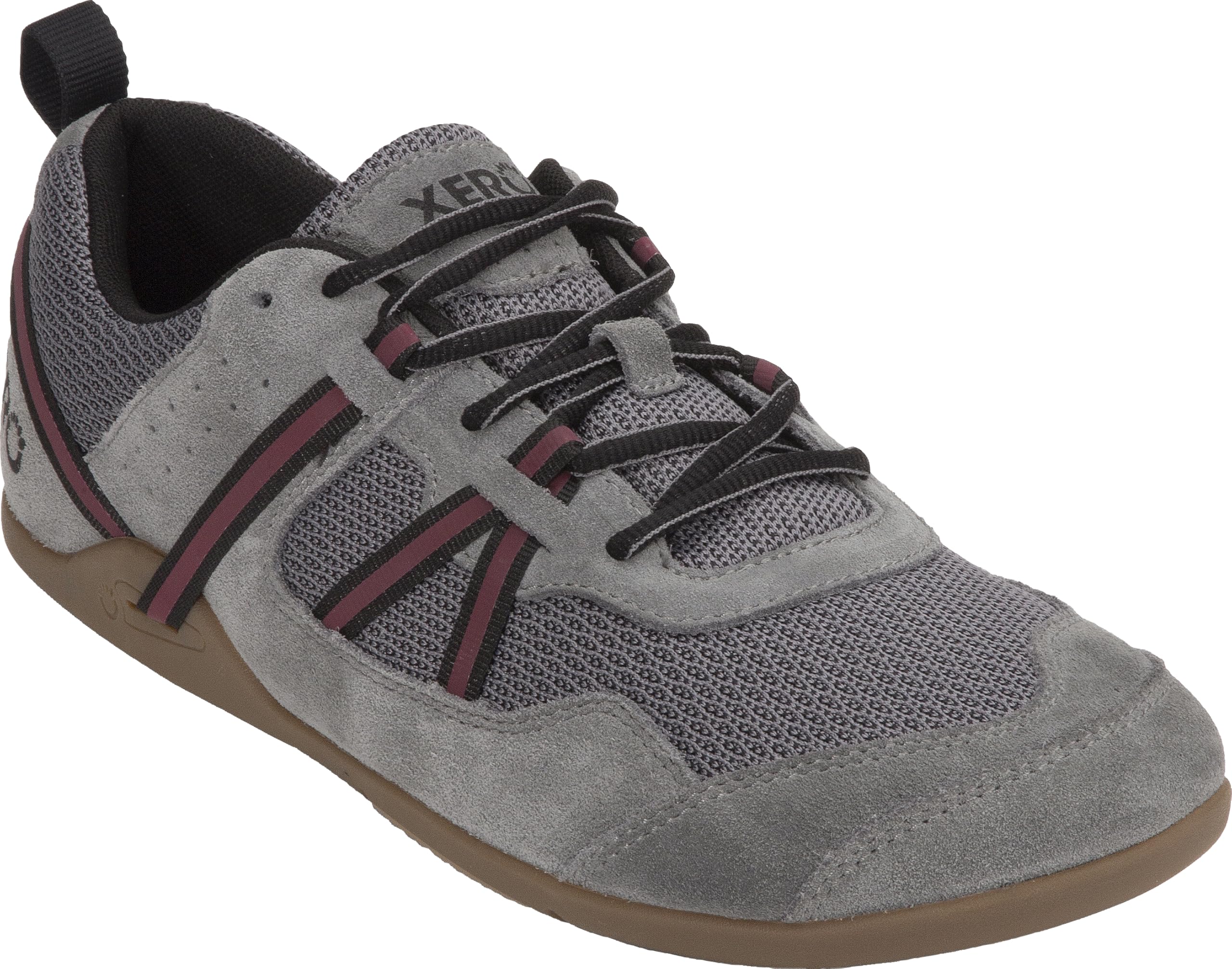
The Prio Suede proves that barefoot shoes don’t have to look like water shoes. The suede upper gives a more polished appearance suitable for casual office environments, while the 5.5mm FeelTrue sole maintains the ground feedback that barefoot devotees demand. The wide toe box is consistent with other Xero models, accommodating 2E feet with room to splay.
Users who transitioned from traditional shoes report that the minimal cushion improved their feet and joint health over time, with one user noting resolved scoliosis-like issues after seven months of use. The suede is durable and the upper padding is generous, making this a comfortable shoe for concrete warehouse floors or daily walking.
The huarache-style straps are a weak point — they may split during aggressive climbing or high-intensity lateral movements. The shoe also has poor traction on slick surfaces like vinyl or wet tile, so it’s best suited for dry ground. The toe box is tube-shaped, meaning toes may splay less than in Vivobarefoot models, but the overall fit is secure and comfortable.
Why it’s great
- More stylish than most barefoot shoes
- Durable suede with quality construction
- Excellent ground feel and stability
Good to know
- Poor grip on slick surfaces
- Huarache straps may fail under stress
7. Hike Footwear HF Stride – Hands-Off & Ergonomic Barefoot Shoes
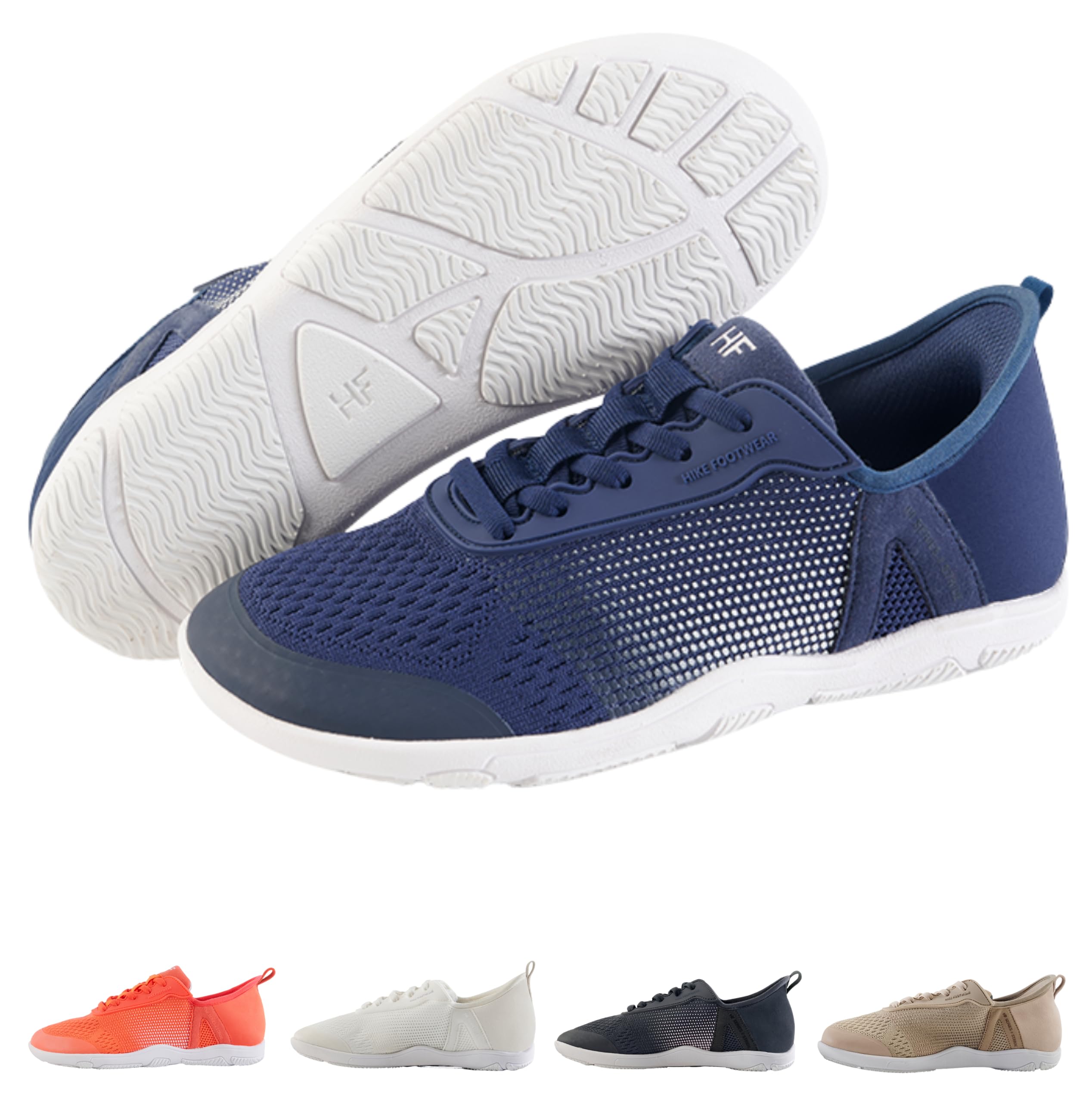
The HF Stride is the most accessible barefoot shoe for seniors or anyone with mobility limitations. The “slip on hands off” feature allows you to step into the shoe without bending over or using your hands — a game-changer for those with back pain or hip stiffness. The wide toe box comfortably fits a 2E forefoot, and users with stabbing foot pain report complete relief after switching to these shoes.
The sole is thin and flexible, providing excellent ground feel that improves balance. A 79-year-old reviewer noted that the shoes improved her “grounded feeling and walking safety,” which is the highest endorsement for a balance-focused shoe. The design is simple and uncomplicated, with good traction for indoor tile floors.
Some users recommend sizing down (size 8 for a 9) if wearing barefoot, or sticking with your normal size for sock wear. The laces can be replaced with stretch ones for a more secure fit. While not built for high-intensity training or rugged terrain, the HF Stride excels as a comfortable, no-fuss walking shoe for wide-footed individuals prioritizing safety.
Why it’s great
- Hands-free slip-on design reduces bending
- Eliminates foot pain and improves balance
- Comfortable wide toe box for sock wear
Good to know
- Runs slightly large, may need size down
- Not for rugged outdoor use
FAQ
Can I wear barefoot shoes with wide feet without arch support?
How much toe space should I look for in a barefoot shoe for wide feet?
Will barefoot shoes fix my wide-foot pain immediately?
Final Thoughts: The Verdict
For most users, the barefoot shoes for wide feet winner is the Xero Shoes Men’s Prio Neo because it offers the best balance of a genuinely wide toe box, durable construction, and a flexible sole that protects against pavement while maintaining ground feel. If you want a breathable, lightweight shoe for high-intensity training, grab the Vivobarefoot Primus Lite 3.5. And for off-road adventures with puncture protection and water resistance, nothing beats the Vivobarefoot Primus Trail II FG.