
Our readers keep the lights on and the weekend projects moving. As an Amazon Associate, I earn from qualifying purchases.
Barefoot shoes deliver ground feel and natural movement, but many skip them because they lack cushioning for hard pavement or long days on your feet. The so-called “barefoot with cushion” niche bridges that gap — giving you a wide toe box, zero drop, and a thin enough sole for proprioception, but with a moderate stack height that spares your joints from every pebble and curb.
I’m Rikta — the co-founder and writer behind FitlyFast. After analyzing sole thickness data, outsole compounds, and toe-box geometry across dozens of models, I zeroed in on the seven pairs that actually deliver the balance of flexible ground contact and impact protection.
This guide separates the genuinely cushioned barefoot shoes from the mere marketing claims, helping you find barefoot shoes with cushion that match your daily terrain, foot shape, and activity level.
How To Choose The Best Barefoot Shoes With Cushion
Not every wide-toe shoe qualifies as cushioned barefoot. The core principle is zero drop (no heel elevation) paired with a flexible sole that lets your foot splay and bend naturally. The cushion layer is typically a low-rebound foam that absorbs shock without creating a stiff platform. Below are the key criteria to evaluate before buying.
Stack Height and Midsole Composition
True minimal shoes run a stack height of about 4-8mm. Cushioned barefoot shoes generally fall between 15mm and 25mm. The sweet spot for most pavement walkers is around 20mm — enough to blunt concrete impact, thin enough to still feel the texture of the ground. Pay attention to foam type: EGO (Altra) and EVA-based blends compress more evenly than rigid PU foams, giving you a plush step without sacrificing flexibility.
Toe Box Shape and Midfoot Lock
A foot-shaped toe box allows your toes to spread laterally, but a loose midfoot causes heel slip on descents or lateral cuts. Look for designs that combine a wide forefoot with a secure arch wrap — Altra’s FootShape, for example, widens around the metatarsals before narrowing through the heel. The best cushioned barefoot shoes leave 5-10mm of space beyond your longest toe without letting your heel lift during a stride.
Outsole Grip and Flex Grooves
Cushion absorbs vertical force, but traction handles horizontal braking. For trail use, look for deep lugs (3.5mm or more) and sticky rubber compounds like Vibram Megagrip or MaxTrac. Road-focused models can get away with a flatter tread pattern. Flex grooves cut across the sole are essential — they enable the natural rolling motion of your foot that barefoot shoes are supposed to encourage.
Quick Comparison
On smaller screens, swipe sideways to see the full table.
| Model | Category | Best For | Key Spec | Amazon |
|---|---|---|---|---|
| ALTRA Lone Peak 9 | Trail | Technical hiking & trail running | 25mm stack / 0mm drop | Amazon |
| ALTRA Escalante 4 | Road | Daily running & walking on pavement | 28-32mm stack / 4mm drop | Amazon |
| Xero Prio Neo | Training | Gym & cross-training | ~9mm stack / 0mm drop | Amazon |
| Vivobarefoot Primus Lite Knit | Daily | Everyday casual wear & light gym | ~6mm stack / 0mm drop | Amazon |
| NORTIV 8 Whitney | Trail | Budget hiking & healthcare shifts | 5mm drop / wide toe box | Amazon |
| New Balance MT10v1 | Trail | Lightweight trail runs (narrow feet) | Vibram outsole / 6.6 oz | Amazon |
| Hike Footwear HF Stride | Daily | Hands-free daily wear for seniors | Ultra-flexible sole / hands-off entry | Amazon |
In‑Depth Reviews
1. ALTRA Men’s Lone Peak 9 Trail Running Shoe
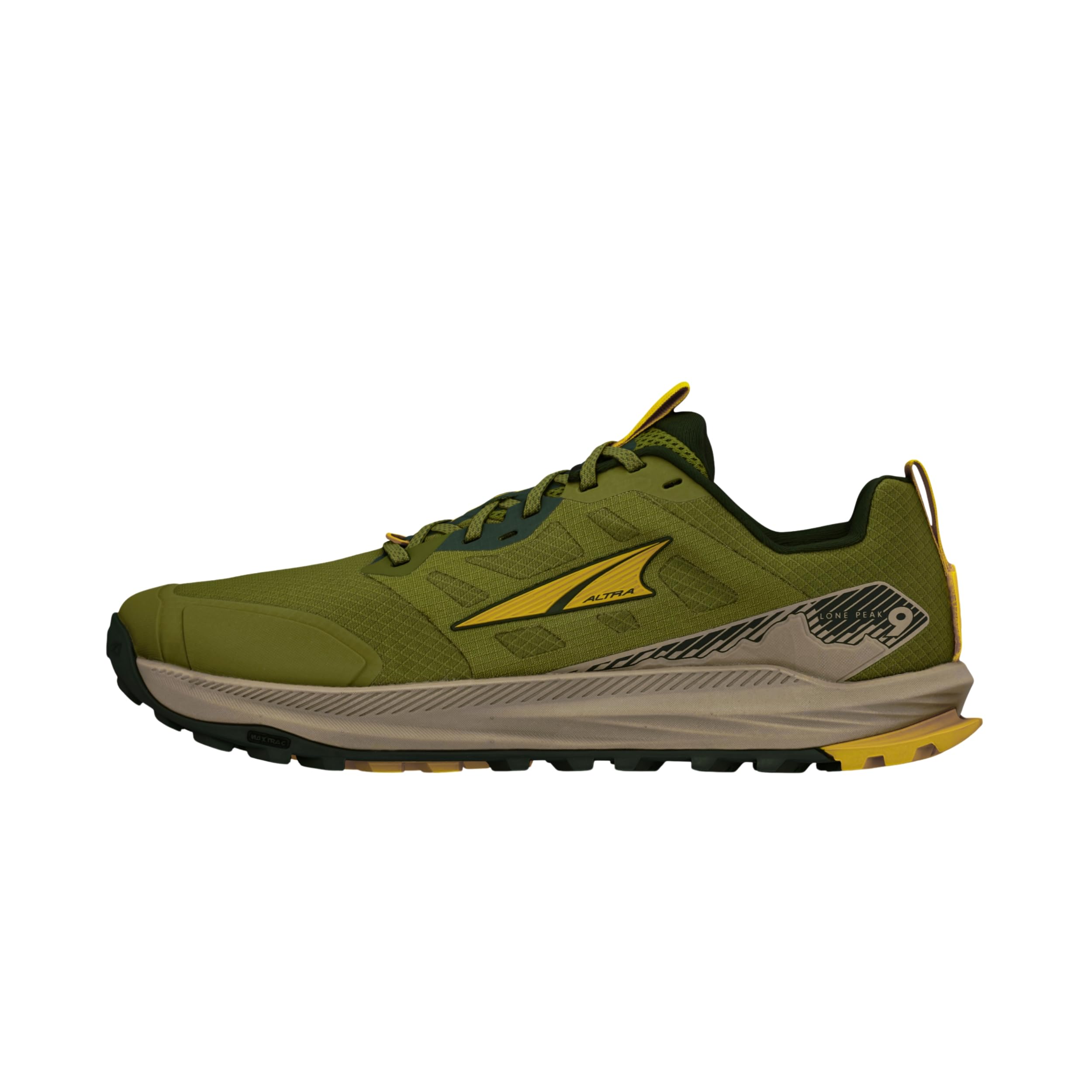
The Lone Peak 9 is the gold standard for cushioned barefoot on technical terrain. Its 25mm stack height is substantial enough to blunt sharp rocks and roots, yet the zero-drop platform and flexible forefoot keep your stride natural. The midsole uses Altra’s EGO foam — a responsive compound that rebounds quickly without feeling marshmallowy. The MaxTrac outsole (with 3.5mm lugs) delivers dependable grip on everything from loose gravel to wet sandstone, as confirmed by users logging hundreds of km in the Colorado Rockies.
This version updates the upper with recycled ripstop mesh and no-sew overlays, improving durability in high-wear zones without adding weight. The FootShape toe box is the roomiest in Altra’s line, accommodating splay for runners with wide metatarsals. For standing or walking all day — retail workers, photographers, hikers — the moderate cushion and zero-drop geometry reduce lower back strain better than most traditional hiking boots.
The only real trade-off is sizing: Altra recommends ordering a half size down from your usual if you have narrow feet, because the standard width runs generous. Some users noted that the 10.5 Wide was too roomy even for wide-footed runners, so the standard width is the safer bet for most. The Stoneguard rock plate adds underfoot protection without making the sole board-like, a rare feat in the barefoot segment.
Why it’s great
- Balanced 25mm cushion for trail protection
- MaxTrac outsole grips confidently on mud and rock
- Roomy toe box reduces toe-jam on descents
Good to know
- Runs long — size down a half from your regular
- Standard width is already generous; skip the “Wide”
2. ALTRA Women’s Escalante 4 Road Running Shoe
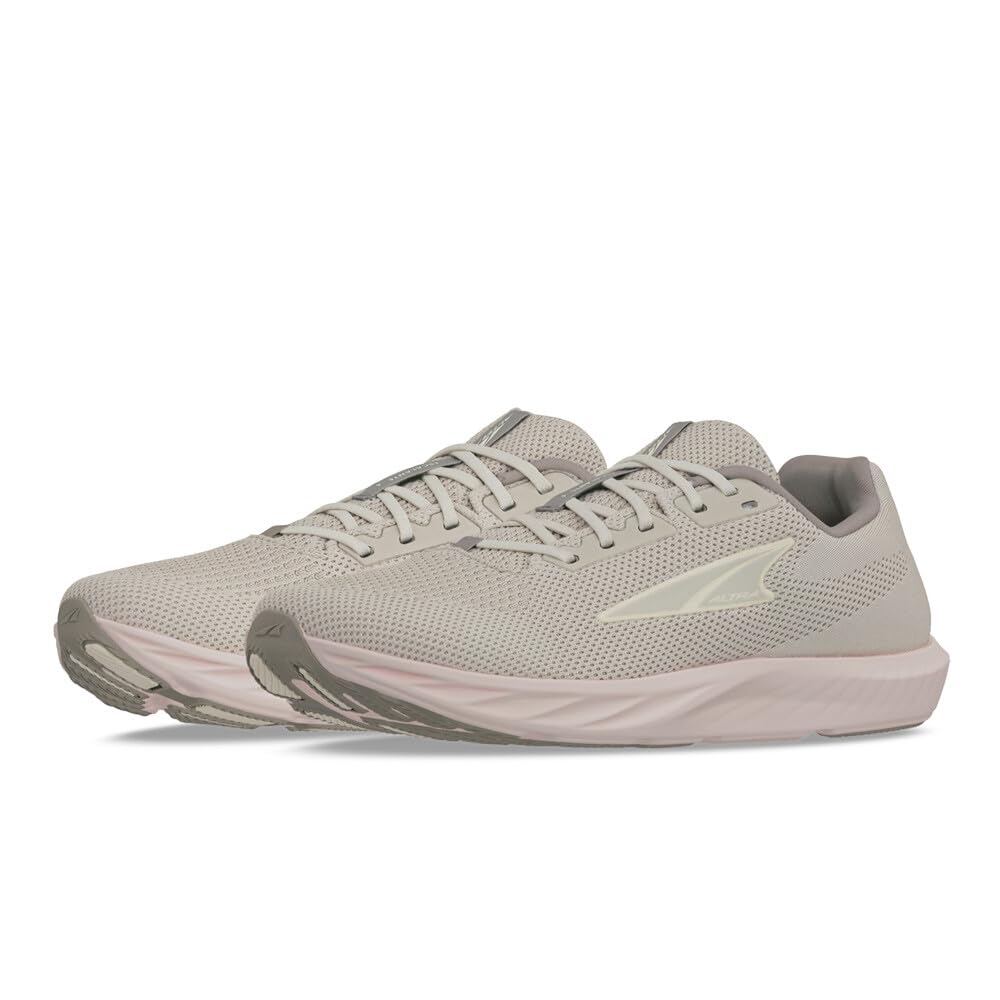
The Escalante 4 is the road-specific sibling of the Lone Peak, tuned for faster paces and smoother surfaces. Its stack height ranges from 28mm at the heel to 32mm at the forefoot (a 4mm drop), which places it in the moderate-cushion zone — more forgiving than a true minimalist shoe but still flexible enough to feel connected to the pavement. The FootShape toe box delivers the same toe splay as the Lone Peak, making this a strong choice for runners with bunions or hammer toes who still want shock absorption on long road miles.
Altra’s EGO midsole foam is the star here: it is lighter and more responsive than the previous generation, returning energy on toe-off while remaining flexible enough to bend with natural foot motion. The engineered knit upper wraps the foot like a sock, which reduces heel slip but also makes the fit less adjustable for people with very low-volume feet. Lace tension is the only dial, and several users reported the stock laces being too short and slippery — a quick swap to stretch laces solves that.
For walkers, this shoe provides a plush step without the heavy, clompy feel of conventional running shoes. The 4mm drop is slightly higher than the zero-drop purists prefer, but for someone transitioning from traditional trainers, it eases the calf-stretching shock that often comes with going flat. The outsole rubber is less aggressive than the Lone Peak’s, so grip on wet leaves or smooth concrete is adequate but not exceptional.
Why it’s great
- Plush EGO foam dampens road impact without sacrificing flexibility
- Wide toe box accommodates bunions and overlapping toes
- Sock-like knit upper reduces heel slip
Good to know
- 4mm drop, not truly zero-drop
- Stock laces are short and slippery — plan to replace them
3. Xero Shoes Women’s Prio Neo Barefoot Training Shoe
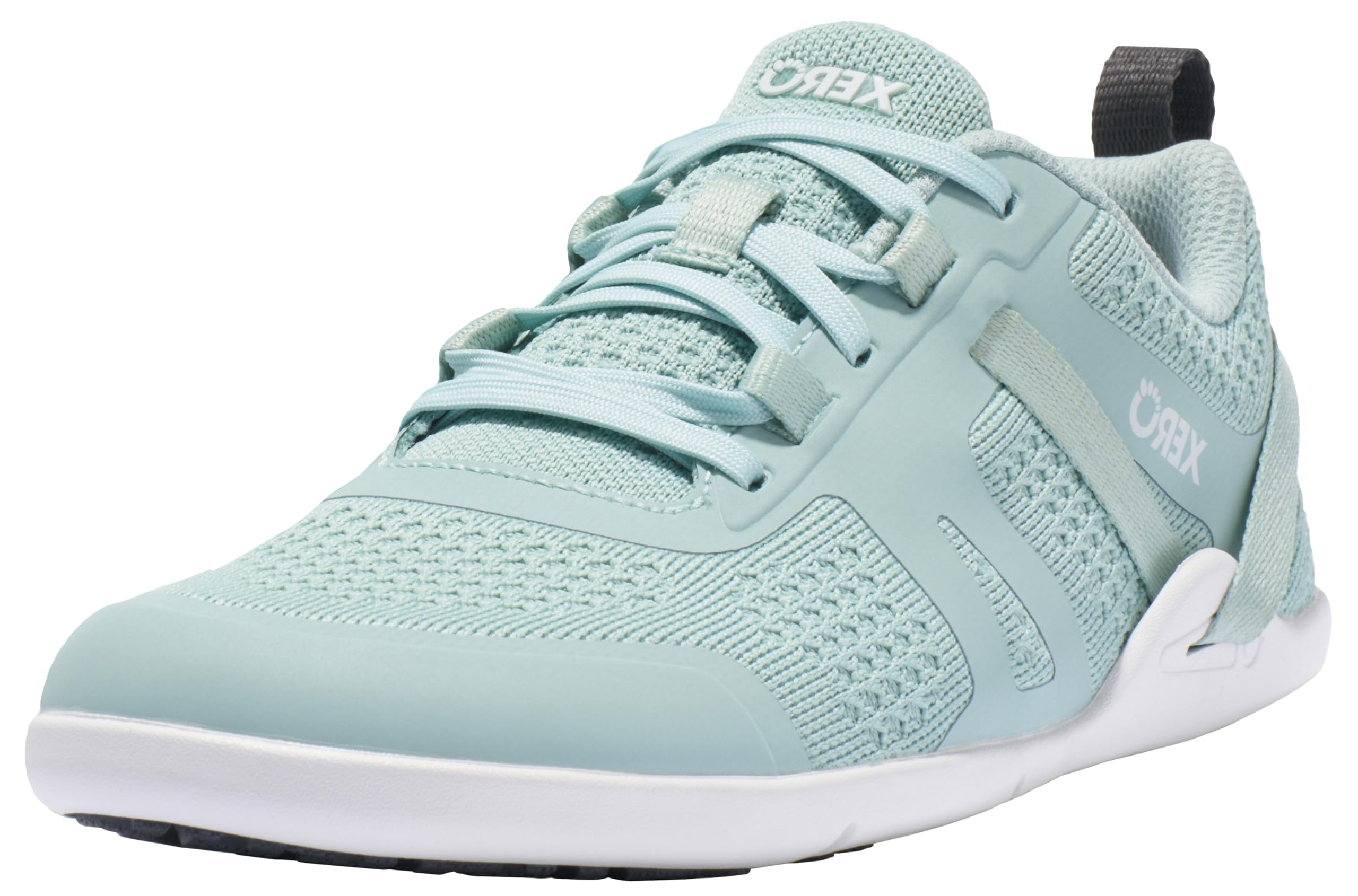
The Prio Neo by Xero strikes a near-ideal balance between ground feedback and forgiving cushion. With a stack height around 9mm and a flexible rubber outsole, this shoe is closer to a true barefoot feel than the Altras, yet the insole adds a subtle layer of comfort that prevents every sidewalk crack from registering. This makes it the go-to for gym sessions — deadlifts, lunges, kettlebell work — where you want stable footing but need a little more forgiveness than a 4mm sandal provides.
The upper is made of a stretchy, breathable knit that conforms to your foot without pressure points. Users transitioning from Brooks Glycerines reported calf soreness and gait re-learning, which is normal with any zero-drop shoe, but once adapted, the Prio Neo became more comfortable than their traditional trainers. The removable insole lets you dial in how much cushion you want: pop it out for a more direct ground feel, keep it in for extra padding on long walks.
One persistent annoyance is the lace length — they are comically long and tend to untie when stepped on. Many users simply trim or replace them. The toe box is wide but not as cavernous as Altra’s FootShape, so if you have very broad forefeet, try before committing. Durability is solid for casual training, but lateral movements in the gym can cause the foot to slide slightly inside the shoe due to the knit upper’s elasticity.
Why it’s great
- Removable insole lets you adjust cushion level
- Stretchy knit upper accommodates different foot volumes
- Low profile ideal for gym stability and ground feel
Good to know
- Excessively long laces require trimming or replacement
- Transition from traditional shoes needs a 1-2 week adaptation
4. Vivobarefoot Men’s Primus Lite Knit Running Shoe
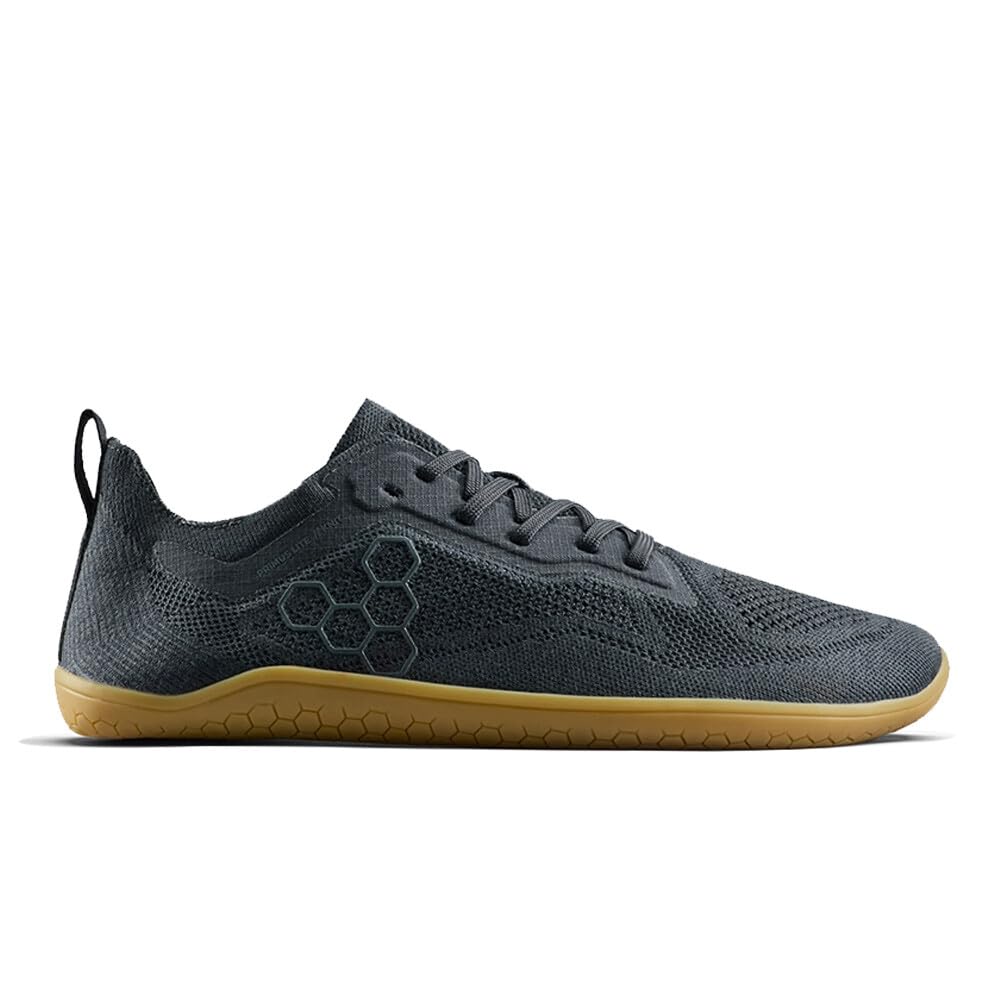
Vivobarefoot’s Primus Lite Knit is the minimalist’s choice for everyday wear. With a stack of roughly 6mm, it offers the thinnest cushion on this list, leaning toward true barefoot sensation rather than the padded middle ground. The knit upper is lightweight and flexible, folding almost entirely flat, which makes it an excellent travel or commuting shoe. The outsole is a proprietary rubber blend that provides decent grip on dry pavement and gym floors but loses traction on wet or loose surfaces.
The shoe runs significantly large — multiple users reported needing to size down by a full size and a half. The huge toe box is intentional, allowing full splay, but the heel pocket is relatively wide, so narrow feet may experience some slip. For wide-footed users with high-volume feet, the Primus Lite Knit is one of the most accommodating barefoot shoes available. The knit material is breathable but not cold-weather capable; it lets in wind easily.
A minority of buyers reported durability issues: sole separation from the upper after moderate use (<100 miles). Vivobarefoot’s customer service was flagged as unresponsive on Amazon returns, which is a real risk factor for long-term ownership. For the price, the construction quality does not match the Altas or even the NORTIV 8 in terms of outsole adhesion. Consider this pair strictly for light daily wear — walking, errands, casual gym — not for heavy mileage or technical trails.
Why it’s great
- Extremely flexible and foldable for travel
- Huge toe box fits wide forefeet comfortably
- Ultra-low profile gives maximum ground feel
Good to know
- Sizes very large — order a full size down
- Occasional sole separation issues reported
5. NORTIV 8 Men’s Wide Toe Box Trail Running Shoes Whitney
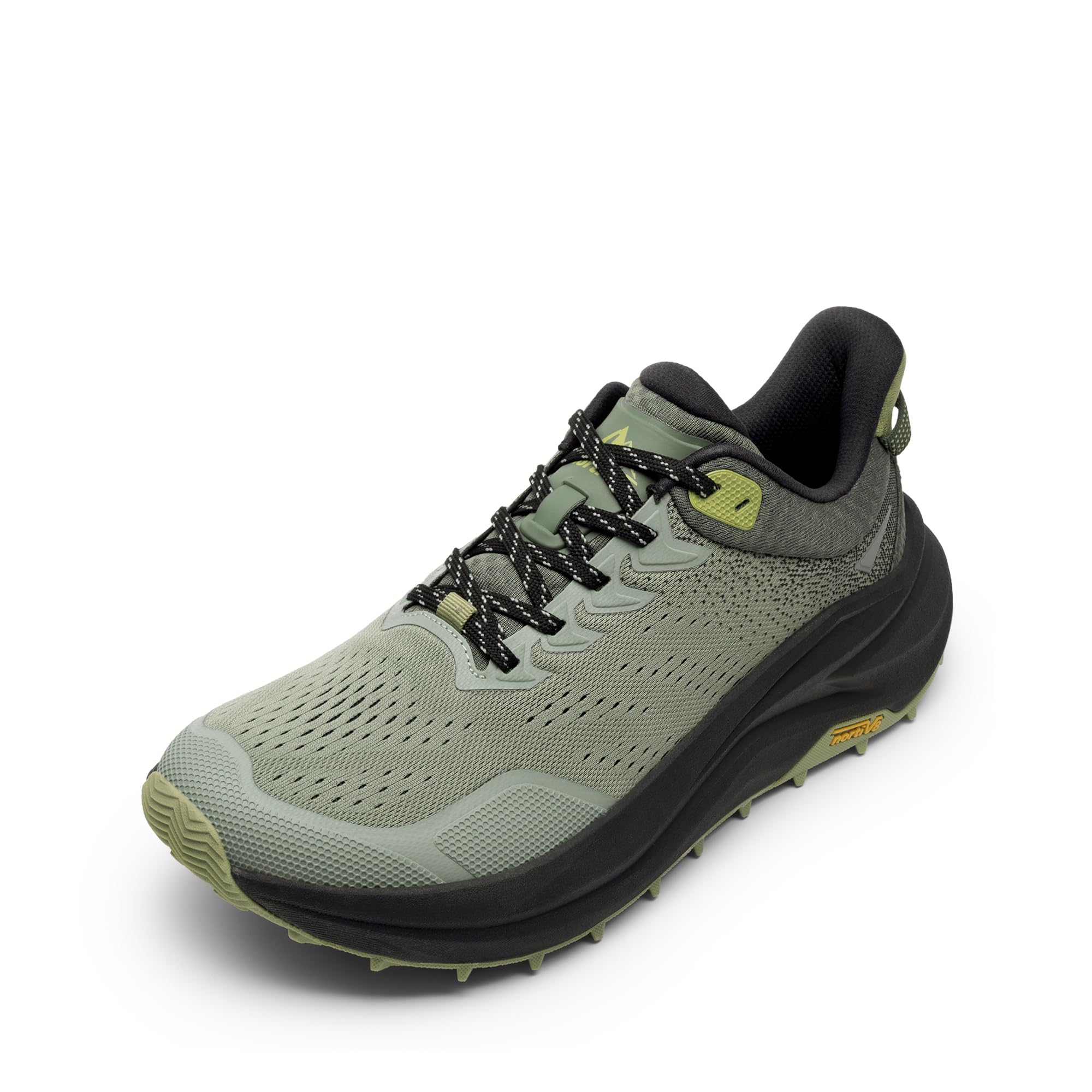
The NORTIV 8 Whitney punches far above its price tier. With a 5mm drop, a wide toe box, and a soft midsole, it delivers the cushioned barefoot experience on a budget that rivals + models. The outsole features aggressive lugs with good mud drainage and water evacuation, making it a solid option for light trail running or wet hiking conditions. After 300+ technical trail miles, one reviewer reported no separation or midsole collapse — impressive durability for an entry-level build.
The shoe runs true to size, though half sizes aren’t available (no 12.5 — jump from 12 to 13). The toe box is genuinely roomy — users with Morton’s neuroma and bunions noted a ~75% reduction in toe friction compared to standard running shoes. The firm midsole provides a stable platform for orthotics, which is a bonus for walkers who need custom arch support. Healthcare workers on 12-hour shifts praised the comfort level, calling it a hospital-floor favorite.
That said, this is not a shoe for fast road running. The weight is higher than barefoot purists expect (comparable to a mid-weight trail runner), and the cushioning is softer than a true minimal shoe, which reduces ground feedback. The styling is bulky — described by some as a “grandpa shoe” silhouette — so it’s not a fashion-first choice. For durability on budget, the Whitney is hard to beat, but the lace loop design lacks gaiter attachments that serious trail runners need.
Why it’s great
- Exceptional value with trail-tested durability
- Roomy toe box reduces friction for sensitive feet
- Orthotic-friendly midsole for custom support
Good to know
- Heavier than premium barefoot models
- No gaiter attachments for technical trail use
6. New Balance Men’s MT10V1 Minimus Trail Running Shoe
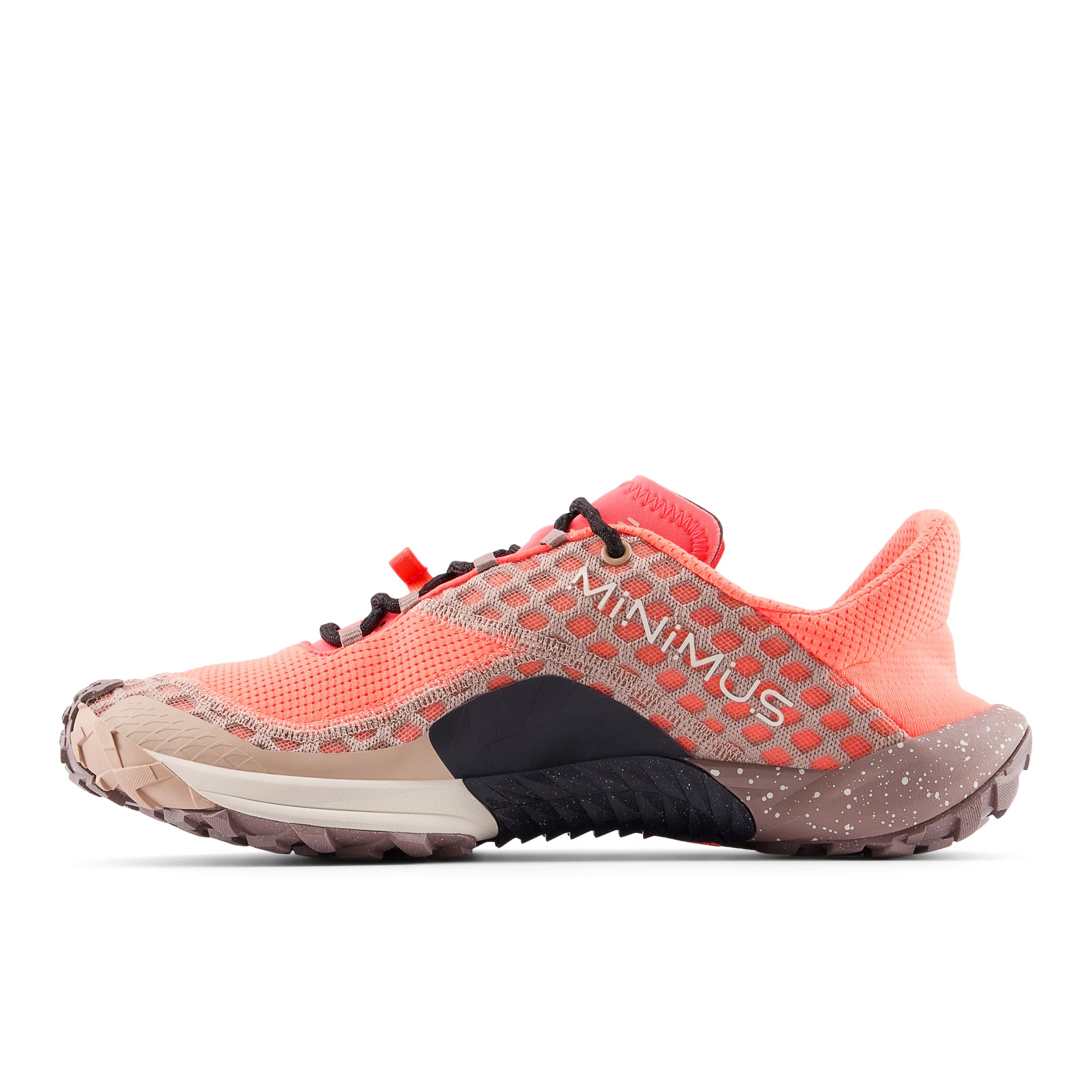
The MT10v1 Minimus is a revived classic — New Balance brought back the 2016 original design for its fan base of barefoot minimalists who loved the Vibram outsole and sub-7oz weight. This shoe is extremely light (6.6 ounces for the men’s version), making it feel like a second skin. The forefoot splay is generous, and the midfoot wrap uses a snug fit to lock the foot in place for controlled descents on smooth trails.
The minimal padding means this is not a high-mileage comfort shoe. Runners reported feeling every pointy rock and root through the sole, which is the trade-off for such lightweight construction. The outsole uses Vibram with strategic flex grooves, allowing natural foot roll but lacking the deep lugs of the Lone Peak or NORTIV 8. It excels on dry, buffed trails and summer rain runs — the upper dries quickly and drains water efficiently.
The biggest limitation is width: the MT10v1 is noticeably narrow, especially through the midfoot. Users with wide feet or bunions found the toe box tight even in standard width. New Balance does not offer a wide version in this model, so it suits runners with narrow-to-average forefeet. Heel-to-toe drop is effectively zero, and the arch support is minimal, which is deliberate for the barefoot philosophy but not ideal for those seeking cushion.
Why it’s great
- Extremely lightweight at 6.6 oz
- Vibram outsole with fast-drying upper
- Strategic flex grooves for natural stride
Good to know
- Narrow fit — not suitable for wide forefeet
- Minimal padding; sharp rocks can be felt easily
7. Hike Footwear HF Stride – Hands-Off & Ergonomic Barefoot Shoes
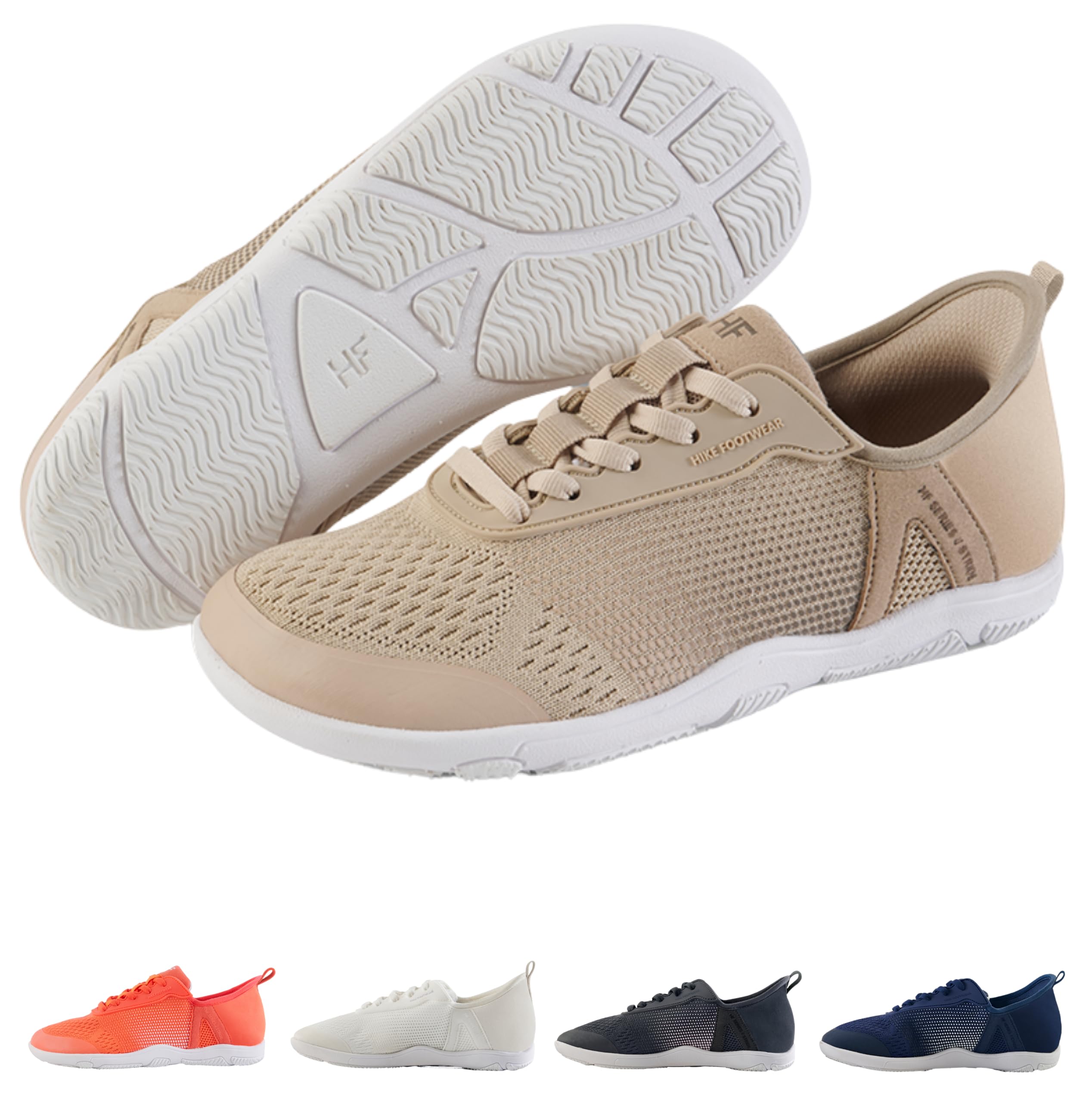
The HF Stride redefines convenience in the barefoot shoe category with its hands-off entry system — you simply slide your foot in without bending or tugging. This is a game-changer for older adults, post-surgery patients, or anyone with limited mobility. The sole is ultra-flexible, folding easily in your hand, and the ergonomic design prioritizes balance and posture over aggressive athletic performance.
The toe box is wide and bunion-friendly — users in their late 60s and 70s reported significantly better balance and comfort on tile floors. The shoe runs small: customers consistently recommended ordering up a full size, especially if you plan to wear socks. The insole provides a soft, supportive step (though no arch support by design), and the outsole has enough tread for gravelly trails and gentle inclines, but not for technical off-road hikes.
Fit is the primary concern: the unisex sizing creates a voluminous heel pocket, and thin-ankled users may find the shoe loose despite the wide toe box. The stretchable upper helps compensate. For daily errands, light walks, and indoor use, the HF Stride is remarkably comfortable. It is not designed for running or high-impact gym work — the hands-off mechanism and flexible construction lack the lateral stability needed for dynamic movement.
Why it’s great
- Hands-off slip-on design for easy access
- Extremely flexible sole for natural foot movement
- Wide, bunion-friendly toe box
Good to know
- Runs small — order a full size up
- Not stable enough for running or heavy gym use
FAQ
Can I run in cushioned barefoot shoes without injury?
How do I measure the right toe box width for my feet?
Is a 28mm stack height still considered barefoot?
Final Thoughts: The Verdict
For most users, the winning barefoot shoes with cushion is the ALTRA Lone Peak 9 because its 25mm zero-drop platform, MaxTrac outsole, and FootShape toe box deliver the best balance of trail protection and natural movement. If you want a road-focused daily trainer with extra plushness, grab the ALTRA Escalante 4. And for a budget-friendly trail option that handles soaking up hospital shifts or long hikes, nothing beats the NORTIV 8 Whitney.