
Our readers keep the lights on and the weekend projects moving. As an Amazon Associate, I earn from qualifying purchases.
Standard shoes with elevated heels, narrow toe boxes, and thick cushioning have reshaped the human foot over generations, weakening the intrinsic muscles that stabilize every step. Transitioning to a zero-drop, wide-toe design forces your feet to re-engage those dormant muscles, improving balance and stride efficiency with each walk.
I’m Rikta — the founder and writer behind FitlyFast. I spend my days analyzing biomechanical data, sole thickness measurements, and material flex patterns to separate functional foot health tools from mass-market imitations.
Whether you’re recovering from plantar fasciitis, strengthening weak ankles, or simply tired of cramped toes, the right pair can transform your gait. This guide breaks down the seven best models to help you find your ideal pair of barefoot walking shoes.
How To Choose The Best Barefoot Walking Shoes
Not every shoe labeled “barefoot” delivers the same experience. The three specs that separate a genuine foot-strengthening tool from a cushioned sneaker with a wide toe box are sole thickness, drop height, and toe box geometry. Ignore marketing fluff and focus on these.
Sole Thickness and Ground Feel
Walking barefoot shoes typically have soles between 4mm and 12mm thick. Thinner soles (under 6mm) maximize sensory feedback from the ground, training your foot to adapt to uneven surfaces. Thicker soles (10mm+) offer more protection on sharp gravel but mute the proprioceptive input that strengthens foot arches. Choose based on your terrain — smooth sidewalks favor thin, rocky trails demand thicker.
Toe Box Shape and Splay Room
A genuine barefoot shoe allows your toes to spread fully, not just in length but also laterally. Look for a foot-shaped toe box that mirrors the natural outline of your foot, not a tapered “wide” version of a standard last. Your fifth toe should rest straight, not crushed inward. Measure your foot’s widest point while standing — the shoe’s internal width must match that.
Zero Drop and Heel-to-Toe Offset
Zero drop means the heel sits at the same height as the forefoot. Any offset above 0mm, even 4mm, shifts your weight forward, compressing toes and altering your natural stride. True barefoot walking shoes maintain zero drop. If a shoe lists a 3mm or 5mm drop, it is not fully minimalist.
Quick Comparison
On smaller screens, swipe sideways to see the full table.
| Model | Category | Best For | Key Spec | Amazon |
|---|---|---|---|---|
| Xero Prio Suede | Mid-Range | All-day standing & city walking | 5.5mm FeelTrue® sole | Amazon |
| Flux Adapt Runner | Premium | High-mileage daily wear & tennis | 6mm stack height | Amazon |
| Altra Solstice XT 3 | Premium | Gym & cross-training | Zero drop FootShape™ toe box | Amazon |
| Xero Prio Neo | Mid-Range | Transition from traditional sneakers | 5.5mm sole with removable insole | Amazon |
| Hike Theora Pro | Mid-Range | Arthritic joints & seniors | Stretchy knit upper | Amazon |
| Hike HF Stride | Mid-Range | Indoor & slip-on comfort | Hands-off ergonomic design | Amazon |
| NORTIV 8 Whitney | Budget | Trail walking on a budget | 5mm drop, 15mm stack height | Amazon |
In‑Depth Reviews
1. Xero Shoes Men’s Prio Suede Barefoot Athletic Sneaker
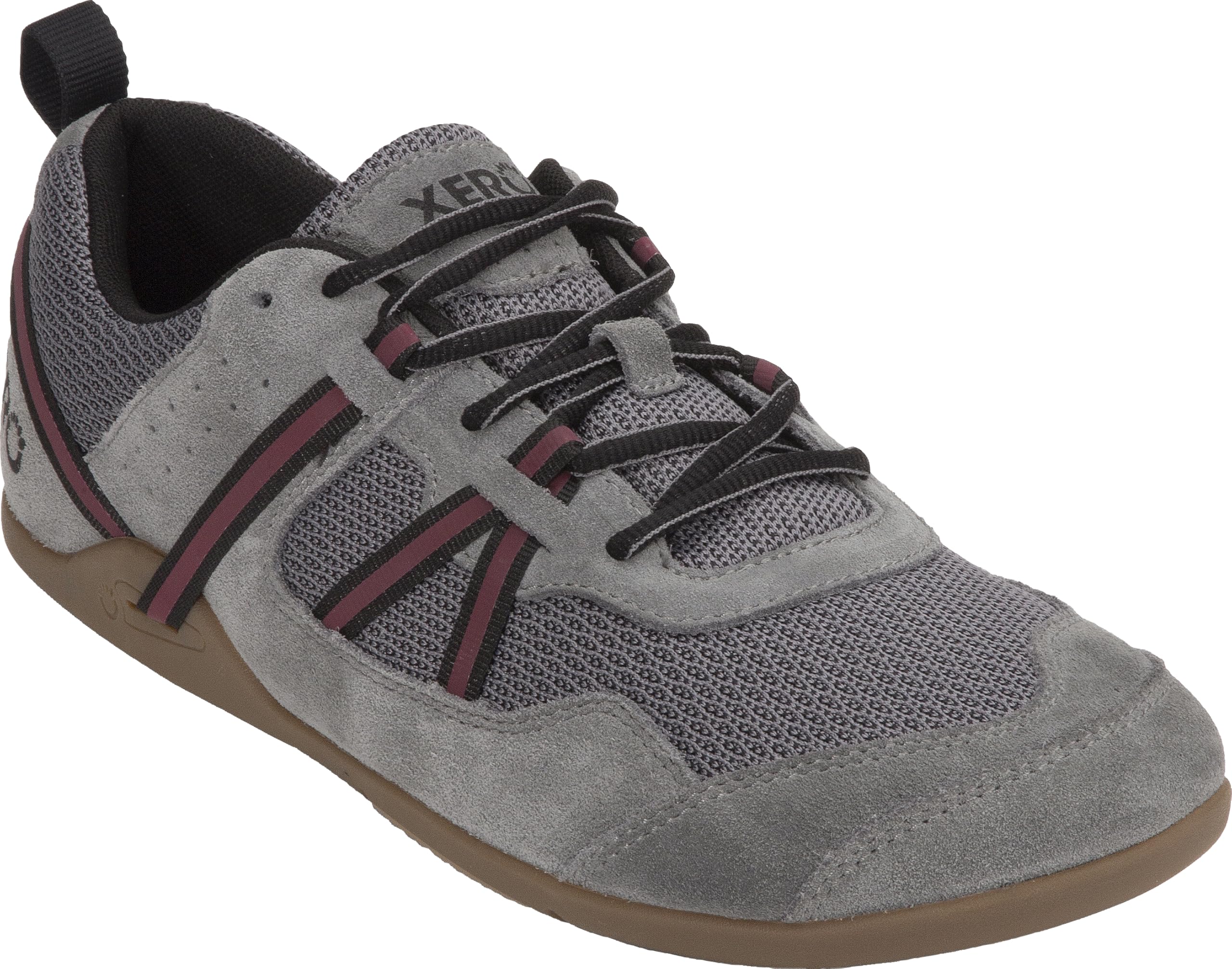
The Xero Prio Suede delivers the most balanced barefoot walking experience at a fair price. Its 5.5mm FeelTrue sole provides enough ground feel to train your foot arches while protecting against sharp debris on sidewalks. The suede upper adds a touch of style that doesn’t scream “minimalist shoe,” making it a viable option for casual office wear or daily errands.
Users report significant improvement in foot and joint comfort after switching from traditional cushioned sneakers, especially those working eight-hour shifts on concrete warehouse floors. The wide toe box allows natural splay without looking clownish — a common complaint with many barefoot models. The huarache-style strap system holds the midfoot securely, though some reviewers wish for more aggressive lace lock options.
Durability is strong with suede holding up well through daily wear. However, the outsole struggles on wet, slick surfaces like vinyl floors with oil residue. Ground feel is excellent, which is fantastic for walking but less ideal for slippery conditions. For daily city walking and standing, this shoe hits the sweet spot between foot health and practicality.
Why it’s great
- Excellent ground feel trains foot muscles naturally
- Suede upper looks more polished than typical barefoot shoes
- Wide toe box accommodates splay without being oversized
Good to know
- Outsole is slippery on wet or oily indoor surfaces
- Huarache straps feel less secure during dynamic movement
2. FLUX FOOTWEAR Adapt Runner
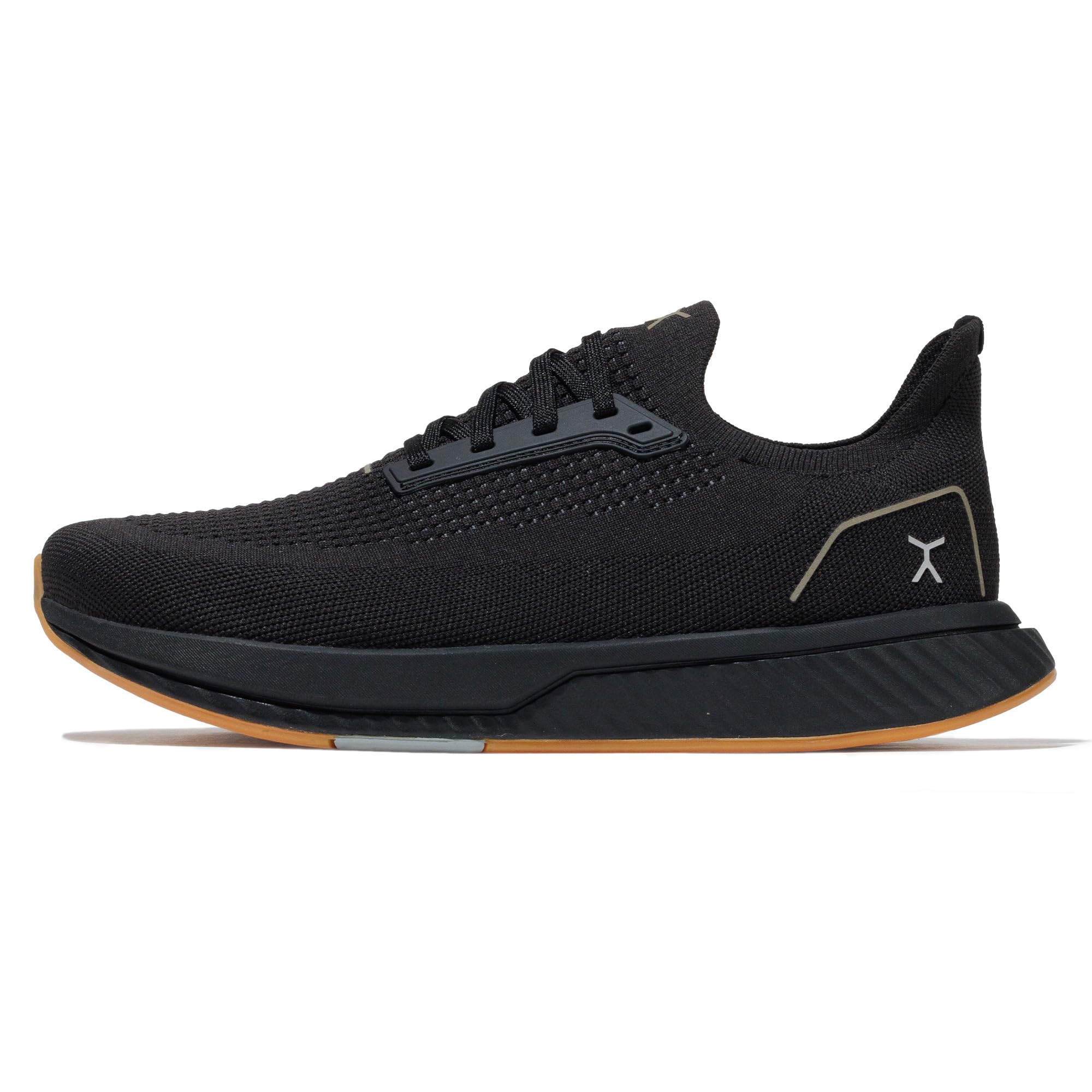
The Flux Adapt Runner is built for users who log serious miles — 15,000 steps a day on hard floors or hours on a tennis court. Its 6mm stack height with a zero-drop platform offers a firm but forgiving base that supports post-surgery knees and flat feet without adding cushioning that mutes proprioception. The wide toe box is genuinely foot-shaped, allowing full lateral splay.
Reviewers consistently praise its durability, with one user reporting a four-year-old pair still in rotation. The upper is stiff out of the box but breaks in nicely after about two weeks of wear. Some users with neuropathy appreciated the spacious toe box but found the ankle collar too tight, with non-adjustable lacing that couldn’t relieve pressure. This is a critical fit consideration if you have high insteps or thick ankles.
For automotive painters, warehouse workers, and tennis players — anyone demanding all-day foot comfort without sacrificing ground feel — the Flux Adapt Runner justifies its premium price through longevity. The sole did show early separation at the heel for one reviewer after heavy use, though most report excellent build quality overall.
Why it’s great
- Exceptional durability for high-mileage daily wear
- Wide toe box accommodates neuropathy and bunions
- Zero drop with 6mm sole provides balanced ground feel
Good to know
- Ankle collar may be too tight for some foot shapes
- Stiff upper requires two-week break-in period
3. ALTRA Men’s Solstice XT 3 Cross Training Shoe

Altra’s Solstice XT 3 is the rare barefoot-adjacent shoe that excels in the gym. Its FootShape toe box gives your toes room to splay during squats and lunges while the zero-drop platform keeps your weight centered for stability. The outsole is designed for indoor surfaces — weight room floors, turf, and bike pedals — not gravel trails, so keep these for gym sessions.
CrossFitters report the shoe holds up well through box jumps, sprints, and rope climbs after two months of four-to-five-day weekly use. The midfoot is slightly narrower than Altra’s Escalante line, which improves lateral stability but may feel restrictive if you have wide midfeet. Sizing runs true for most, though those between sizes report better fit going up half a size.
What makes the Solstice XT 3 stand out is its build quality — after nine months of daily wear, one reviewer reported minimal sole wear and intact stitching. It is not ideal for long-distance running due to limited cushioning, but for walking, weight training, and general gym work, this shoe is among the most durable options available.
Why it’s great
- Excellent stability for weight training and CrossFit
- FootShape toe box allows natural splay under load
- Durable construction holds up months of daily gym use
Good to know
- Midfoot is narrower, may not suit wide midfeet
- Thicker outsole reduces ground feel compared to true barefoot shoes
4. Xero Shoes Women’s Prio Neo Barefoot Training Shoe
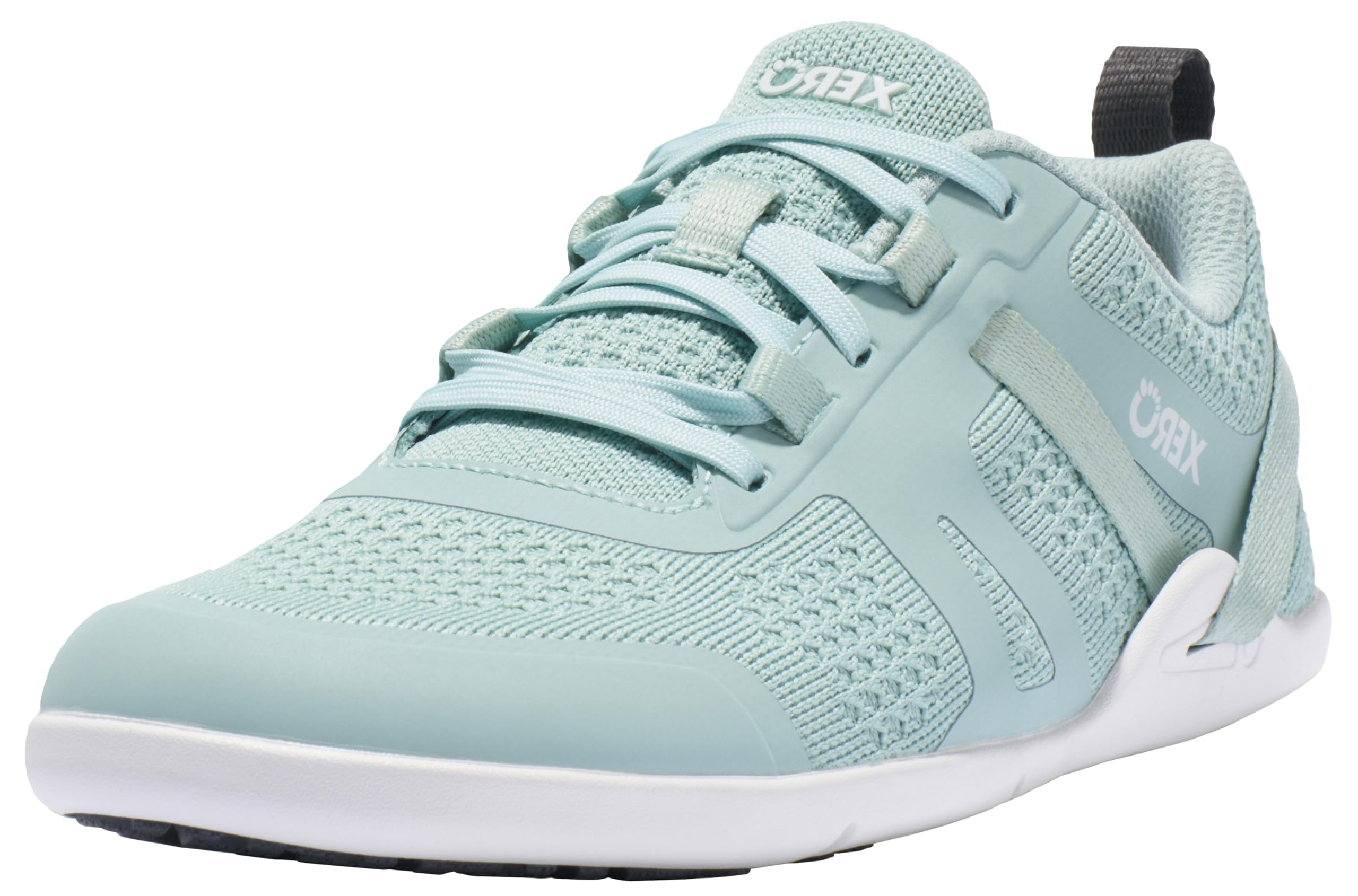
The Prio Neo is Xero’s most accessible entry point for people transitioning from traditional cushioned sneakers. The 5.5mm FeelTrue sole with a removable insole lets you start with some protection and gradually remove it as your foot strength improves. Reviewers coming from Brooks Glycerine sneakers noted an adjustment period with calf and knee pain, which is expected as your gait mechanics reset.
The wide toe box comfortably accommodates Morton’s toe and hammer toes, a common pain point for barefoot newcomers. The stretchy knit upper feels like a slipper with a rubber sole — extremely comfortable for indoor wear and short dog walks. Some users found a hard plastic lace-lock piece dug into the top of their foot while walking, which is a potential fit issue for those with high-volume feet.
Overall, the Prio Neo is a solid transitional shoe that balances ground feel with enough forgiveness to avoid injury during the switch. It runs slightly smaller than marked, so order up if you’re between sizes. The beige color option is a subtle choice that pairs well with most wardrobes.
Why it’s great
- Removable insole allows graduated transition to barefoot
- Stretchy upper feels like a slipper, extremely comfortable
- Wide toe box accommodates Morton’s toe and hammer toes
Good to know
- Plastic lace-lock can dig into top of foot
- Runs small, order up half a size
5. Hike Footwear Theora Pro Barefoot Shoes
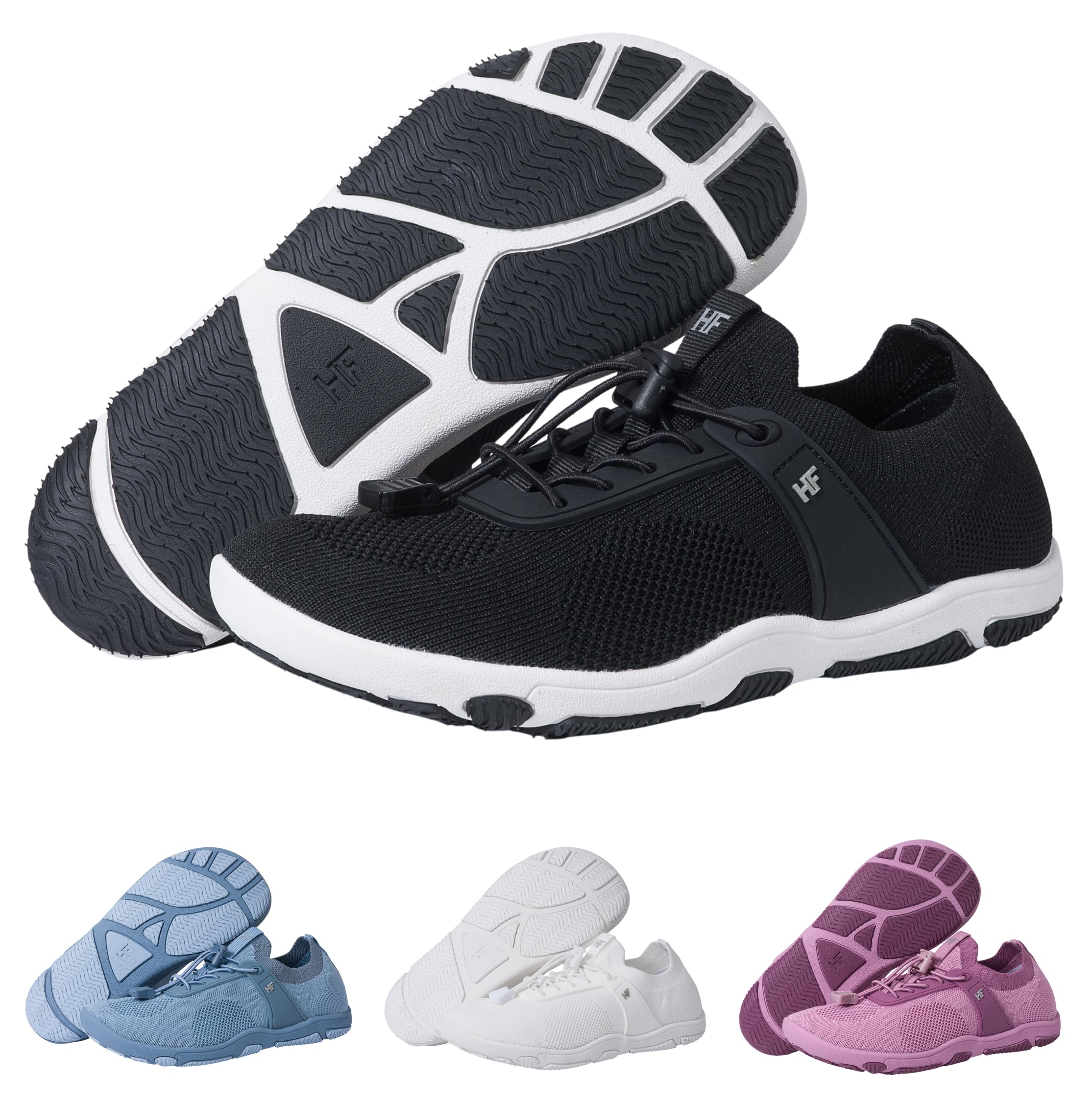
The Hike Theora Pro targets users with arthritic joints, bunions, and age-related balance issues. Its stretchy knit upper conforms to swollen or misshapen feet without creating pressure points, while the wide toe box eliminates toe crowding that exacerbates hammertoes. Multiple senior reviewers reported immediate improvement in walking confidence and balance.
The shoe is notably lightweight, which reduces fatigue during longer walks. However, arch support is minimal — this is intentional for a barefoot design but may surprise users accustomed to orthotic-level support. The knit body holds the foot securely without slipping or flopping, a common issue in unstructured minimalist shoes. For extended periods of standing with little walking, some users found the lack of support tiring.
Sizing runs differently than other Hike models — order one size larger than your usual Hike size. The stretchy fabric accommodates arthritic joints that make lacing difficult, though the trade-off is less structural stability than leather or woven uppers. For seniors or anyone with foot deformities seeking better balance, this is a strong choice.
Why it’s great
- Stretchy knit upper accommodates arthritic and swollen feet
- Lightweight construction reduces walking fatigue
- Secure hold prevents foot slippage inside the shoe
Good to know
- Minimal arch support may tire feet during extended standing
- Sizing varies from other Hike models, order one size up
6. Hike Footwear HF Stride
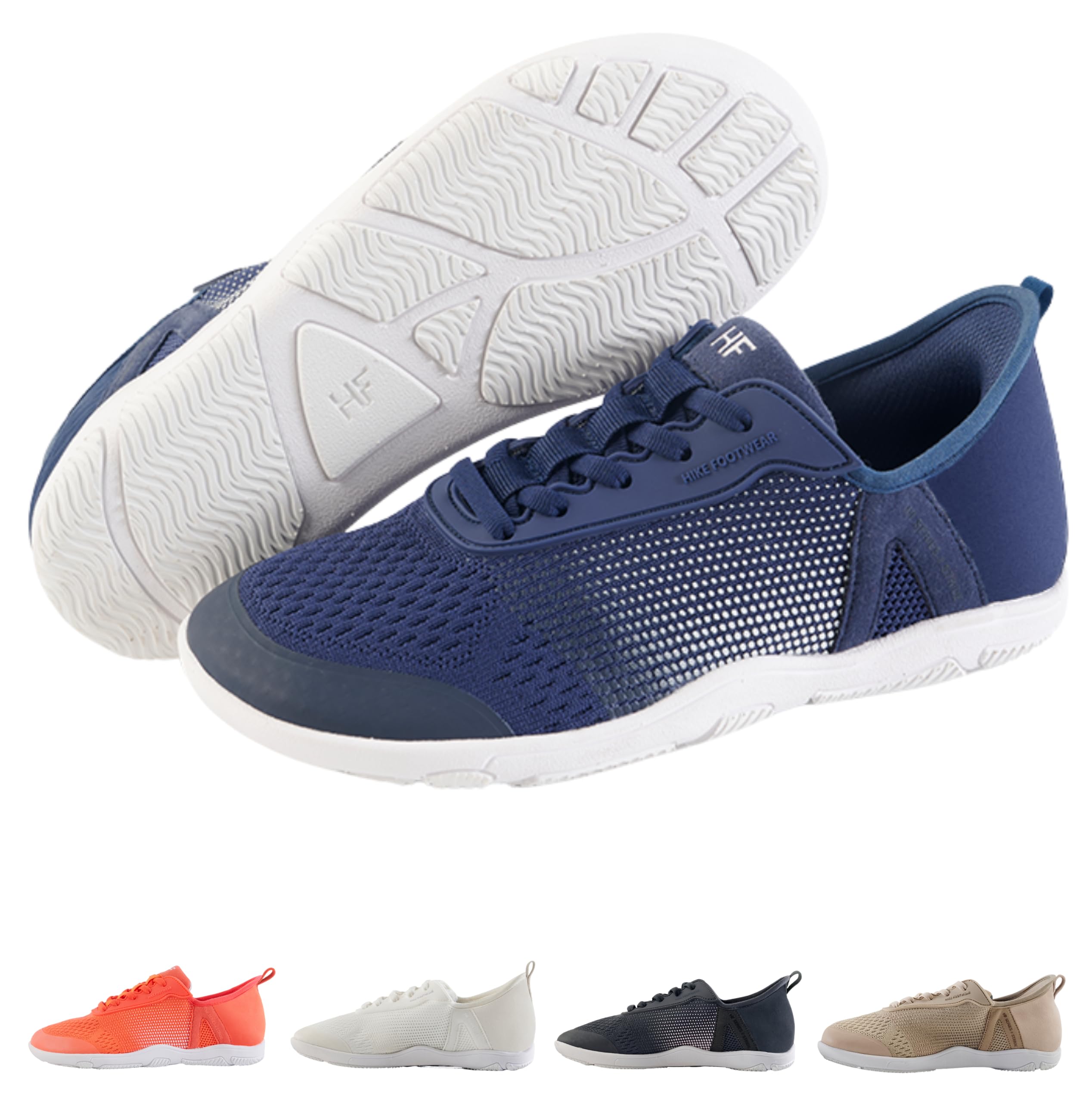
The HF Stride is Hike’s take on a slip-on barefoot shoe designed for effortless daily wear. The “hands-off” ergonomic concept means you can slide in without bending over — a genuine convenience for those with back issues or mobility limitations. The wide toe box and zero-drop platform provide the same barefoot benefits in a more accessible package.
Users report excellent balance improvement, particularly seniors who feel more stable on tile and hardwood floors. The shoe runs slightly large, so wearing socks is recommended for a secure fit. The included standard laces are non-stretch and don’t complement the slip-on design; replacing them with stretch laces significantly improves the experience. One reviewer noted a crooked tongue issue on one shoe that couldn’t be fixed by tighter lacing.
Ground feel is good but not exceptional — the sole is thicker than true minimalist options, which mutes some sensory feedback. For indoor use on smooth surfaces, this is a comfortable, low-effort barefoot shoe. It is less suitable for outdoor trail walking or wet conditions.
Why it’s great
- Slip-on design is ideal for those with limited mobility
- Wide toe box improves balance on indoor surfaces
- Comfortable for all-day indoor wear on tile floors
Good to know
- Standard laces don’t suit slip-on design, replace with stretch
- Some units have crooked tongue that cannot be adjusted
7. NORTIV 8 Men’s Wide Toe Box Trail Running Shoes Whitney
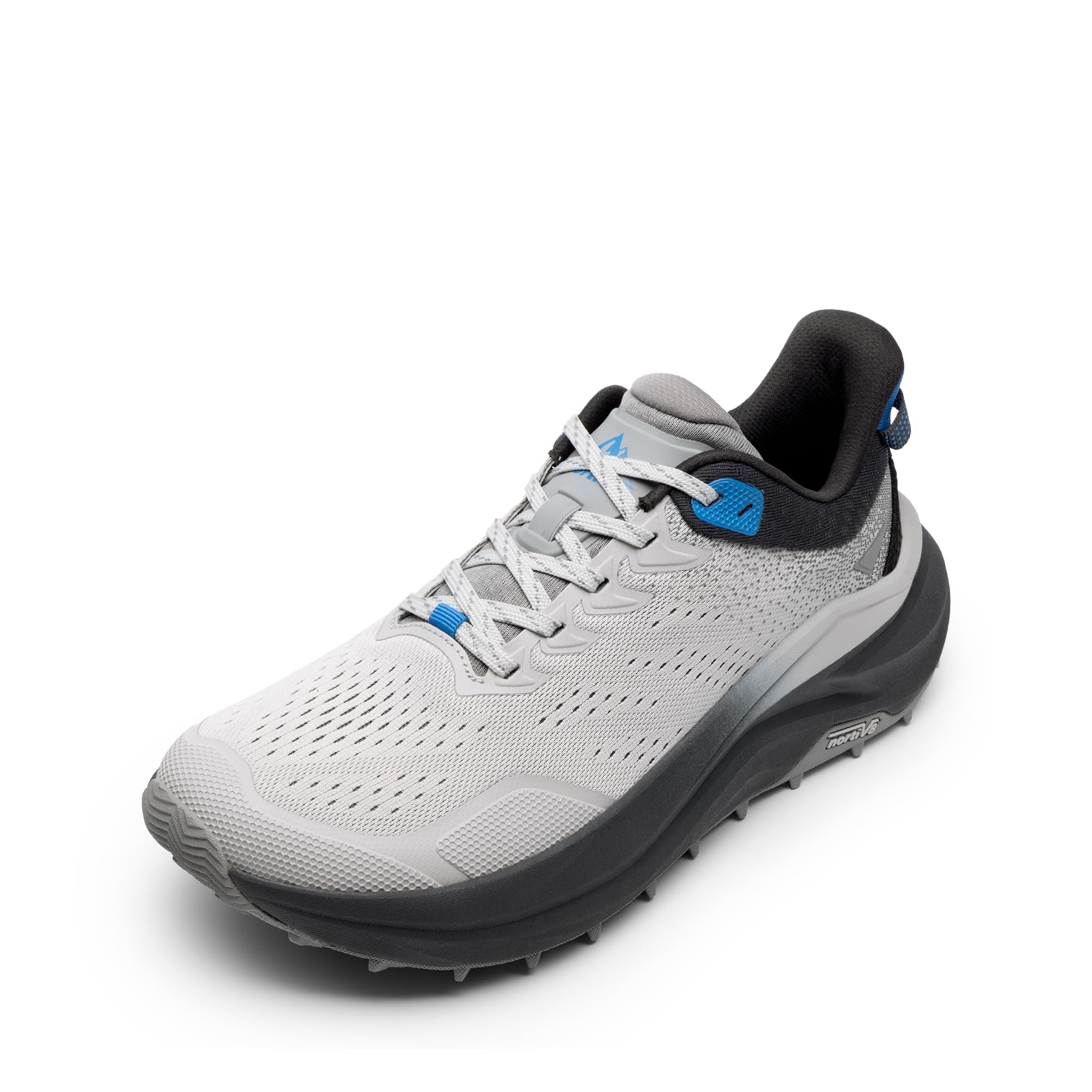
The NORTIV 8 Whitney is a budget-friendly option for those wanting a wide toe box and low drop without the premium price tag. At 5mm drop and 15mm stack height, it sits between a traditional sneaker and a barefoot shoe — not fully minimalist but far more foot-friendly than conventional trail runners. The aggressive outsole lugs provide solid traction on mud, snow, and loose gravel.
Healthcare workers and trail hikers praise its comfort out of the box, with no break-in period needed. The roomy toe box reduces toe friction by roughly 75%, a significant benefit for those with bunions or Morton’s neuroma. After 300-plus technical trail miles, one reviewer reported no structural failures, though long-term durability beyond a year is still unproven given its recent release.
The trade-offs are noticeable: the shoe is heavier than true minimalist models, cushioning is firm but present, and the style leans toward utilitarian. For budget-constrained buyers or those hesitant to commit to a full barefoot shoe, the NORTIV 8 Whitney offers a safe middle ground — enough toe splay and low drop to improve foot health without the shock of a 4mm sole.
Why it’s great
- Affordable entry into wide toe box footwear
- Aggressive lugs provide excellent trail traction
- Zero break-in needed, comfortable out of the box
Good to know
- 5mm drop means it’s not a true zero-drop barefoot shoe
- Heavier than minimalist alternatives
FAQ
How long does it take to transition to barefoot walking shoes?
Can barefoot walking shoes help with plantar fasciitis?
What is the difference between barefoot and minimalist shoes?
Final Thoughts: The Verdict
For most users, the barefoot walking shoes winner is the Xero Prio Suede because it balances ground feel, style, and durability at a fair price. If you want all-day support for high-mileage work days on hard floors, grab the Flux Adapt Runner. And for gym-centric training where stability under load is critical, nothing beats the Altra Solstice XT 3.