
Our readers keep the lights on and the weekend projects moving. As an Amazon Associate, I earn from qualifying purchases.
The moment you see that first red patch on a loved one’s tailbone or heel, the clock starts ticking. Bed sores, or pressure injuries, develop fast and are notoriously difficult to reverse once the skin breaks down. The right barrier cream is non-negotiable — it’s your first and best line of defense against moisture, friction, and the relentless breakdown that keeps caregivers up at night.
I’m Rikta — the co-founder and writer behind FitlyFast. I’ve spent hundreds of hours analyzing dermatological barrier formulations, comparing zinc oxide concentrations, and parsing through caregiver reviews to understand which creams actually prevent staging and which ones just sit on the shelf.
This guide breaks down the essential specs and real-world performance of the best barrier cream for bed sores currently available, giving you the concrete data you need to protect compromised skin and prevent further tissue damage.
How To Choose The Best Barrier Cream For Bed Sores
Selecting a barrier cream isn’t about picking the thickest formula or the most expensive tube. The choice comes down to matching the cream’s physical properties — its viscosity, zinc load, and base ingredients — to the patient’s specific risk factors: moisture exposure level, skin integrity, and the presence of fungal complications.
Zinc Oxide Percentage — The Seal of Protection
Zinc oxide is the active workhorse in virtually all barrier creams. Concentrations between 12% and 20% create a physical film that repels moisture and blocks irritants. Lower percentages (around 10%) work better for daily maintenance on intact skin, while higher concentrations (20%) are reserved for areas constantly exposed to incontinence or wound drainage where the barrier needs to survive multiple changes.
Base Formula: Petrolatum, CHG Compatibility, and Viscosity
The cream’s base determines how well it adheres to compromised skin. Petrolatum-based formulas create the most durable seal but can interfere with wound dressing adhesion. Water-based or silicone-based creams are easier to remove but may need more frequent reapplication. If the patient requires chlorhexidine (CHG) wipes for cleaning, the barrier cream must be CHG-compatible to avoid deactivating the antimicrobial agent.
Antifungal vs. Straight Barrier
Bed sores often occur alongside fungal infections in warm, moist body folds. A pure barrier cream works for prevention, but if you see a bright red rash with satellite spots, an antifungal barrier cream containing miconazole or clotrimazole treats the yeast while simultaneously protecting the skin. Choosing the right type prevents the common mistake of treating a fungal rash with a standard barrier that only seals in the infection.
Quick Comparison
On smaller screens, swipe sideways to see the full table.
| Model | Category | Best For | Key Spec | Amazon |
|---|---|---|---|---|
| Triple Paste Adult | Premium | Stage 1 prevention, sensitive fragile skin | 12.8% non-nano zinc oxide | Amazon |
| Baza Moisture Barrier Antifungal | Premium | Fungal complications on compromised skin | Antifungal + barrier dual-action | Amazon |
| Chamosyn Moisture Barrier | Mid-Range | Early stage bed sore care with Manuka honey | Aloe + Chamomile + Manuka Honey | Amazon |
| Thera Calazinc Body Shield | Mid-Range | Long-lasting weeping control & itch relief | 20% zinc + 3% calamine | Amazon |
| Coloplast Critic-Aid Paste | Mid-Range | Thick paste for eroded or denuded skin | Zinc oxide thick paste formula | Amazon |
| Critic-Aid Clear Ointment | Budget | General moisture barrier maintenance, NICU-approved | 6 oz tube, transparent formula | Amazon |
| TOSOWOONG Zinc Oxide 10 Cream | Budget | Facial barrier repair & spot treatment | 10% non-nano zinc oxide | Amazon |
In‑Depth Reviews
1. Triple Paste Adult Incontinence Rash Treatment
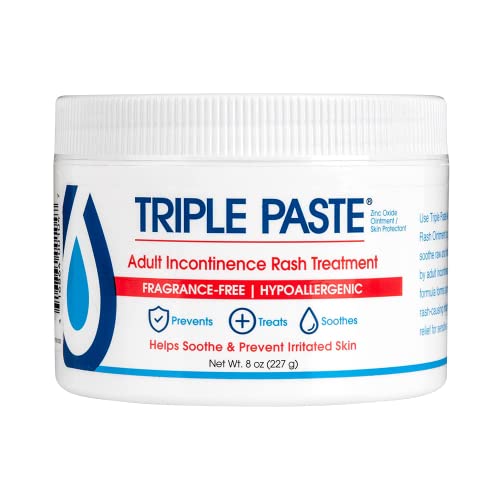
Triple Paste brings its pediatrician-recommended pedigree into adult care with a formula that specifically addresses the needs of stage 1 pressure prevention. The 12.8% non-nano zinc oxide concentration sits in the sweet spot — high enough to create a robust moisture seal against incontinence, but formulated without the gritty texture that makes some pastes difficult to spread over the sacrum or heels. The thick consistency stays in place through position changes and brief cleanup wipes, reducing the reapplication frequency that strains caregiver schedules.
What sets this apart is the absence of common irritants. The dermatologist-tested formula is completely free of fragrances, alcohol, talc, parabens, and phthalates, making it suitable for skin that has already begun to thin or break down. Multiple caregivers report that existing red patches visibly calm within one to two applications, and the cream works equally well as a preventative layer under absorbent briefs or as an overnight treatment for heat-related irritation in body folds.
The trade-off is that some users find the protection slightly less durable against constant liquid exposure compared to 20% zinc pastes. This is a prevention-first formula — it’s exceptional at maintaining intact skin but may not provide enough barrier heft for already denuded areas requiring a wound sealant. For the vast majority of bed-bound patients who need daily protection without chemical overload, this is the safest and most evidence-based choice on the market.
Why it’s great
- Pediatrician-recommended brand adapted for adult skin needs
- Fragrance-free and hypoallergenic for reactive, thinning skin
- Thick consistency stays in place through position changes
Good to know
- Slightly lower zinc concentration than heavy-duty pastes for active wounds
2. Baza Moisture Barrier Antifungal Cream

Baza is the category specialist you call in when a simple barrier isn’t enough and a fungal infection is complicating the picture. The dual-action formula from Coloplast combines a standard moisture barrier base with an antifungal agent (miconazole nitrate), which directly addresses the bright red, satellite-lesion rashes that often accompany bed sore development in warm, moist areas like the gluteal cleft or under pannus folds. This is not a product for general prevention — it’s a targeted intervention for the specific scenario where yeast overgrowth has set in.
The formulation works fast. Caregivers report that raw, weeping skin around ostomy sites and pressure points calms overnight after the first application, and the antifungal component prevents the cyclical worsening that occurs when a pure barrier cream traps moisture and feeds the yeast. The 5-ounce tube size per unit in the two-pack provides enough volume for extended use on a single patient, and Coloplast’s manufacturing consistency ensures batch-to-batch reliability that matters in clinical settings.
This cream is thicker than standard lotions and requires deliberate spreading, which is actually desirable — the viscosity ensures it stays on the applied site rather than migrating to clean areas. The primary limitation is that the antifungal component is specific to Candida and common dermatophytes; if the skin breakdown is purely mechanical (friction and pressure without fungal involvement), a straight barrier cream may be more appropriate. For the mixed-injury patient, this is the precise tool.
Why it’s great
- Treats fungal overgrowth while protecting the skin barrier simultaneously
- Works reported overnight in many raw-skin scenarios
- Hospital-recommended brand with consistent quality control
Good to know
- Not intended as a general daily barrier without confirmed fungal presence
3. Chamosyn Moisture Barrier Ointment

Chamosyn occupies a unique spot in the barrier cream landscape because it adds Manuka honey — a known wound-healing agent — to a standard moisture barrier base. This makes it one of the few products that actively supports tissue repair rather than merely blocking irritants. Hospice nurses frequently recommend this for early-stage bed sores because the honey’s osmotic properties can help debride minor non-viable tissue while the petrolatum base seals the area from external moisture.
The inclusion of aloe vera and chamomile adds a soothing effect that some patients describe as cooling on raw, irritated skin. This is particularly valuable for patients who experience a burning sensation from acidic urine or enzymatic wound drainage. The texture is a middle ground between an ointment and a paste — viscous enough to stay where applied but spreadable enough to cover large areas like the entire sacrum without excessive tugging on fragile skin.
The two-pack configuration at a mid-range price point makes it accessible for long-term care, but keep in mind that the Manuka honey component can crystallize or thicken in cooler temperatures, requiring a brief warm-up before application. Additionally, patients with known honey allergies should avoid this formula entirely. For early intervention on compromised skin that needs gentle repair alongside protection, this is the best category-specific option.
Why it’s great
- Manuka honey promotes tissue repair in addition to barrier protection
- Hospice-nurse recommended for early bed sore intervention
- Soothing aloe and chamomile reduce raw-skin burning sensation
Good to know
- Manuka component may thicken in cold storage, requires warming before use
4. Thera Calazinc Body Shield Barrier Cream
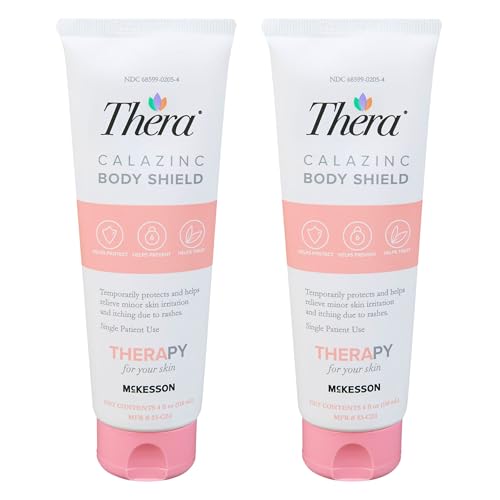
McKesson’s Thera Calazinc formula is engineered for the specific challenge of weeping, exudating skin that characterizes stage 2 pressure injuries. The combination of 20% zinc oxide and 3% calamine creates a dual-action mechanism: zinc provides the long-lasting moisture barrier while calamine exerts a drying effect on oozing areas, helping to control the moisture that worsens maceration. This makes it a superior choice for patients whose bed sores are actively draining or who have developed incontinence-associated dermatitis with wet, cracked skin.
The proprietary vitamin blend with hyaluronic acid is a differentiator — most barrier creams focus purely on occlusion without any attempt to support skin integrity. Hyaluronic acid, when formulated correctly in a petrolatum base, can help retain moisture in the deeper epidermal layers while the zinc and calamine manage the surface environment. This dual-layer approach explains why users report itch relief within minutes on neuropathic skin where plain calamine lotion failed entirely.
The main practical consideration is texture. The heavy cream formulation, while effective, is difficult to fully remove from skin folds and can leave a residue that transfers to clothing or bedding. The snap-lid tube design prevents spills in the care setting, but the thickness means it absorbs slowly on hands and feet — caregivers should wear gloves during application and wait a moment before covering the area with absorbent products.
Why it’s great
- Calamine content actively dries weeping areas while zinc seals the barrier
- Hyaluronic acid supports deeper skin layer integrity
- Provides rapid itch relief for dermatitis and neuropathic irritation
Good to know
- Heavy texture is difficult to remove and may transfer to surfaces
5. Coloplast Critic-Aid Skin Paste

Critic-Aid Skin Paste is the heavy artillery in the barrier cream arsenal. Unlike ointments that spread thin, this is a true paste that builds a thick, durable layer on both intact and eroded skin. The formulation is specifically designed to adhere to denuded surfaces where the epidermis has already sloughed, making it one of the few products that works effectively on stage 2 and early stage 3 pressure injuries where the goal is to protect the exposed dermis from further enzymatic breakdown.
CHG compatibility is a critical and often overlooked feature. Many barrier creams interact with chlorhexidine gluconate wipes, neutralizing their antimicrobial effect. Critic-Aid Paste is explicitly compatible, meaning caregivers can clean the area with CHG wipes — the standard protocol in many hospitals and nursing homes — without compromising the barrier or the disinfectant. This seamless integration into existing protocols is why the brand is standard in many long-term care facilities.
The paste’s thickness comes with a learning curve. It requires deliberate, even application and is not easily removed with standard wipes — you’ll need a gentle cleanser or mineral oil to fully eliminate residue during skin assessments. The 6-ounce tube provides good value for the concentration of active ingredients, but the squeeze tube design can be difficult to control with arthritic hands or when wearing exam gloves. For maximum protection on already-compromised skin, this is the clinical standard.
Why it’s great
- Adheres to eroded and denuded skin where other creams fail
- CHG compatible for seamless clinical protocol integration
- Thick paste provides maximum barrier against liquid exposure
Good to know
- Difficult to remove without specialized cleanser or oil
6. Critic-Aid Clear Moisture Barrier Ointment

Critic-Aid Clear Ointment is the lighter sibling in the Coloplast barrier family, designed for maintenance rather than crisis intervention. The transparent formula is a practical advantage — caregivers can inspect the underlying skin for changes in redness or breakdown without wiping the product off, enabling earlier detection of pressure damage. This makes it an excellent choice for daily use on patients who are immobile but whose skin is still intact, serving as a preventative shield against moisture damage.
The NICU recommendation is telling. Neonatal skin is the most sensitive and fragile human tissue, and the fact that this product is used in intensive care for premature infants speaks volumes about its safety profile. For adult patients with thin, fragile skin due to age, steroid use, or chronic disease, this same gentleness translates directly. The ointment applies easily with minimal friction and does not stain clothing or bedding, reducing the laundry burden in home care settings.
The trade-off is that the lighter formulation is less durable against heavy incontinence or profuse wound drainage. A single tube may last weeks for routine care, but patients with double incontinence or frequent liquid stools will require more frequent reapplication compared to the thicker Critic-Aid Paste. For the budget-conscious caregiver managing prevention rather than active wound treatment, this is the most cost-effective entry point into the Coloplast system.
Why it’s great
- Transparent formula allows skin inspection without removal
- NICU-approved gentleness suitable for fragile adult skin
- Does not stain linens and wipes off easily
Good to know
- Lighter barrier requires more frequent reapplication with heavy incontinence
7. TOSOWOONG Zinc Oxide 10 Cream
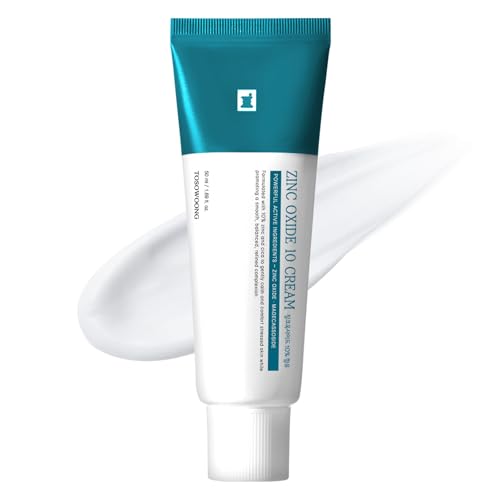
TOSOWOONG Zinc Oxide 10 Cream represents the cosmetic end of the zinc spectrum, formulated with 10% non-nano zinc oxide for barrier repair on facial skin rather than heavy-duty incontinence protection. While the 10% concentration is insufficient for managing bed sores caused by fecal or urinary incontinence, this cream serves a specific niche: preventing pressure damage on the face or ears caused by CPAP masks, oxygen cannulas, or nasal feeding tubes where the skin is thin and constantly under friction from medical devices.
The Korean skincare formulation emphasizes elegance and skin feel, with a spreadable texture that mixes well with lightweight serums or moisturizers. This is important for facial application where a thick white paste would be socially conspicuous and uncomfortable. The non-nano zinc oxide particles are micronized to reduce the white cast, making this one of the few zinc creams that can be worn during the day without looking like a sunscreen application. The small 1.76-ounce tube is travel-friendly and fits easily in a bedside drawer.
This is not a replacement for a medical-grade barrier cream for sacral or heel pressure ulcers. The zinc concentration is simply too low, and the formula lacks the petrolatum-heavy base required to withstand prolonged moisture exposure. It excels as a niche tool — facial barrier protection for device-related pressure and as a spot treatment for acne-prone skin on bed-bound patients who develop blemishes from heat and immobility. For that narrow use case, it’s unmatched.
Why it’s great
- Elegant texture ideal for facial skin under medical devices
- Non-nano zinc reduces white cast for discreet daytime wear
- Versatile as a barrier repair cream and acne spot treatment
Good to know
- 10% zinc insufficient for incontinence-related bed sore prevention
FAQ
Can I use a baby diaper rash cream for adult bed sore prevention?
How often should I reapply barrier cream for an immobile patient?
What is the difference between a barrier cream and a moisture barrier ointment?
Final Thoughts: The Verdict
For most users, the barrier cream for bed sores winner is the Triple Paste Adult Incontinence Rash Treatment because it strikes the ideal balance between robust barrier protection and a clean, fragrance-free formula safe for fragile, reactive skin. If you need antifungal intervention for a confirmed yeast complication, grab the Baza Moisture Barrier Antifungal Cream. And for maximum protection on already-eroded skin where heavy liquid exposure is unavoidable, nothing beats the Coloplast Critic-Aid Skin Paste.