
The difference between a spectacular day on the slopes and a miserable, teeth-chattering cut short by cold is often a single layer of fabric pressed against your skin. A ski base layer isn’t just a t-shirt worn under a jacket—it’s an engineered moisture management system designed to wick sweat away from your body, trap radiant heat, and prevent the chill that sets in the moment you stop moving. Choosing the wrong fabric weight or material can leave you either soaked in sweat or shivering on the chairlift.
I’m Rikta — the co-founder and writer behind FitlyFast. I’ve spent countless hours analyzing the fiber composition, fabric weight in grams per square meter (GSM), and real-world moisture-wicking performance of dozens of thermal tops to compile this guide for skiers who demand more from their first layer.
For this guide, I focused exclusively on the specifications and user-verified performance of merino wool blends and premium synthetics that have proven their mettle in sub-freezing mountain environments. After evaluating fabric density, fit, durability, and temperature regulation across hundreds of reviews, I’ve identified the seven models that belong in every serious skier’s kit. The following analysis will present the best base layer for skiing across different performance profiles and budget tiers.
How To Choose The Best Base Layer For Skiing
Selecting the right base layer is a balance between fabric weight, material composition, and fit. The wrong choice can ruin a day on the mountain, so focus on these three factors to narrow your search.
Understanding Fabric Weight
Fabric weight is the single most important spec. Lightweight (150-175 g/m²) layers are ideal for high-output skiing in mild conditions, as they manage sweat without overheating. Midweight (200-250 g/m²) is the sweet spot for most resort skiing, providing a robust warmth-to-breathability ratio. Heavyweight (300-400+ g/m²) layers are designed for extreme cold or low-activity days, functioning almost like a thin sweater under a shell.
Material: Merino vs. Synthetic Blends
Merino wool is the gold standard for its natural moisture-wicking, temperature regulation, and odor resistance. However, pure merino can be pricier and less durable than synthetic blends. High-quality synthetics (polyester, nylon) dry faster and are more abrasion-resistant, making them a strong choice for high-intensity skiing where sweat management is paramount. A blend of merino and synthetic fibers often offers the best of both worlds.
Fit and Design Features
A base layer must be snug to wick efficiently but never restrictive. Look for flatlock seams to prevent chafing under a backpack or harness. Consider a half-zip or quarter-zip design for quick venting on the fly. Also, pay attention to sleeve length—a base layer that rides up mid-run can create a cold gap that ruins your core temperature stability.
Quick Comparison
On smaller screens, swipe sideways to see the full table.
| Model | Category | Best For | Key Spec | Amazon |
|---|---|---|---|---|
| Smartwool 250 1/4 Zip | Premium Midweight | Versatile resort skiing | 250 g/m² merino | Amazon |
| Smartwool Classic Thermal Crew | Premium Lightweight | High-output skiing | Lightweight merino | Amazon |
| Icebreaker 175 Leggings | Premium Lightweight | Trekking & layering | 175 g/m² merino | Amazon |
| MERIWOOL Heavyweight 400g | Premium Heavyweight | Extreme cold | 400 g/m² merino | Amazon |
| Helly-Hansen LIFA Merino | Mid-Range Hybrid | Winter sports | LIFA + merino | Amazon |
| Merino Wool Base Layer Men (Merino.tech) | Value Merino | Value warmth | 250 g/m² merino | Amazon |
| Merino Wool Base Layer Women (Merino.tech) | Value Merino | Value warmth for women | 250 g/m² merino | Amazon |
In‑Depth Reviews
1. SmartWool Men’s Merino 250 Baselayer 1/4 Zip
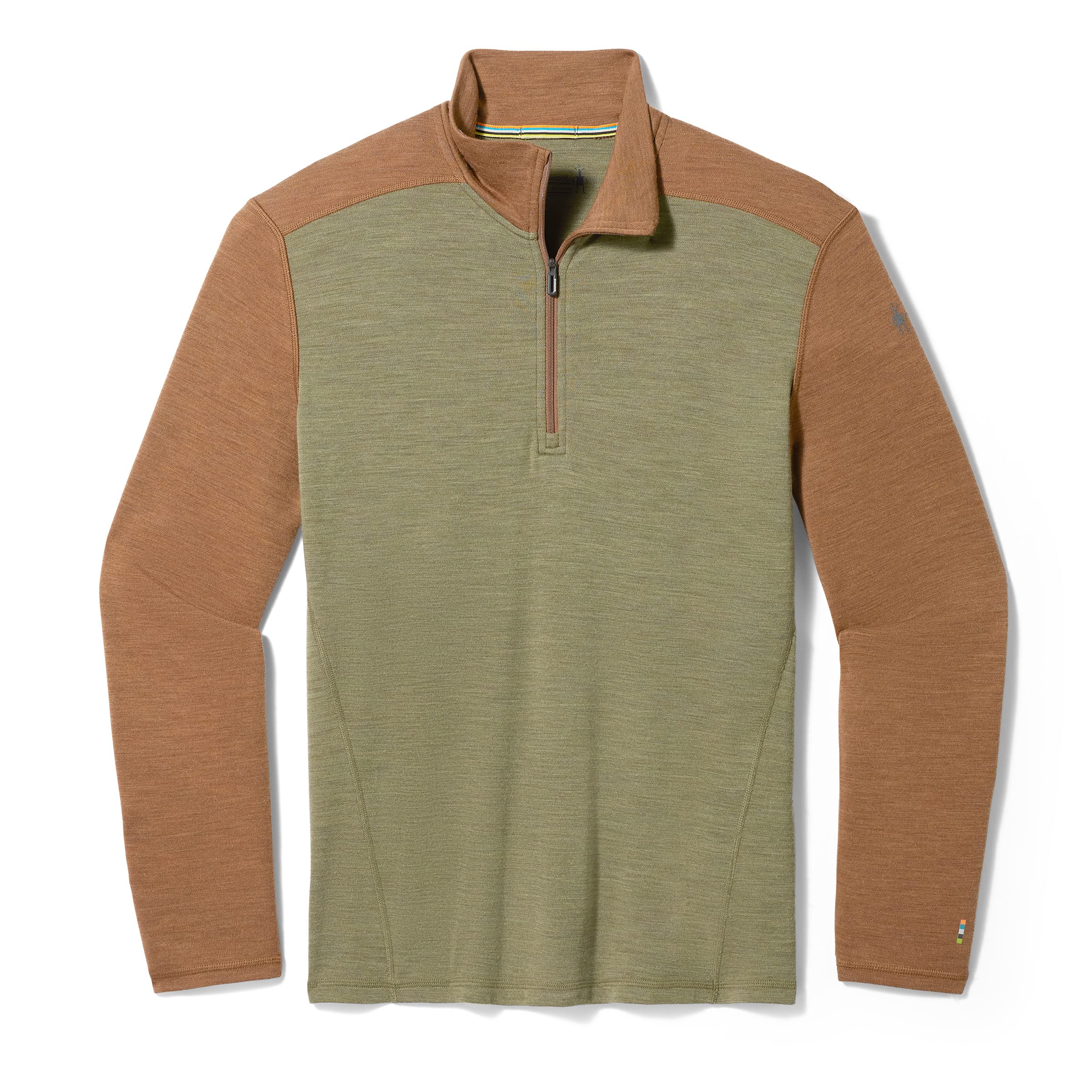
The SmartWool 250 1/4 Zip is the definitive midweight merino base layer that nails the perfect balance of warmth and breathability for resort skiing. Its 250 g/m² fabric provides substantial insulation in sub-freezing lift lines without trapping heat during intense downhill runs, making it a true do-it-all layer. The quarter-zip design is a masterstroke for active venting—unzipping it after a heavy push cools your core instantly without fully removing your shell.
Users consistently praise its soft, non-itchy feel against the skin and its excellent fit, which runs true to size with a slim profile ideal for layering. The long torso cut ensures the shirt stays tucked in, preventing the dreaded cold gap during aggressive skiing. It also demonstrates superior odor resistance over synthetic layers, a crucial benefit for multi-day trips.
While premium-priced, the SmartWool 250 delivers undeniable value. The quarter-zip adds versatility that a standard crew cannot match, allowing for precise temperature control. Its durability is well-documented in reviews, holding up to multiple washes and extended use. For the skier who wants a single base layer that excels in a wide temperature range, this is the gold-standard choice.
Why it’s great
- Exceptional temperature regulation across a wide range
- Quarter-zip allows for active core venting
- Soft, non-itchy fabric with excellent odor resistance
Good to know
- Higher price point in the merino category
- Some users report Vietnamese manufacturing, not USA
2. Smartwool Men’s Classic Thermal Merino Base Layer Crew
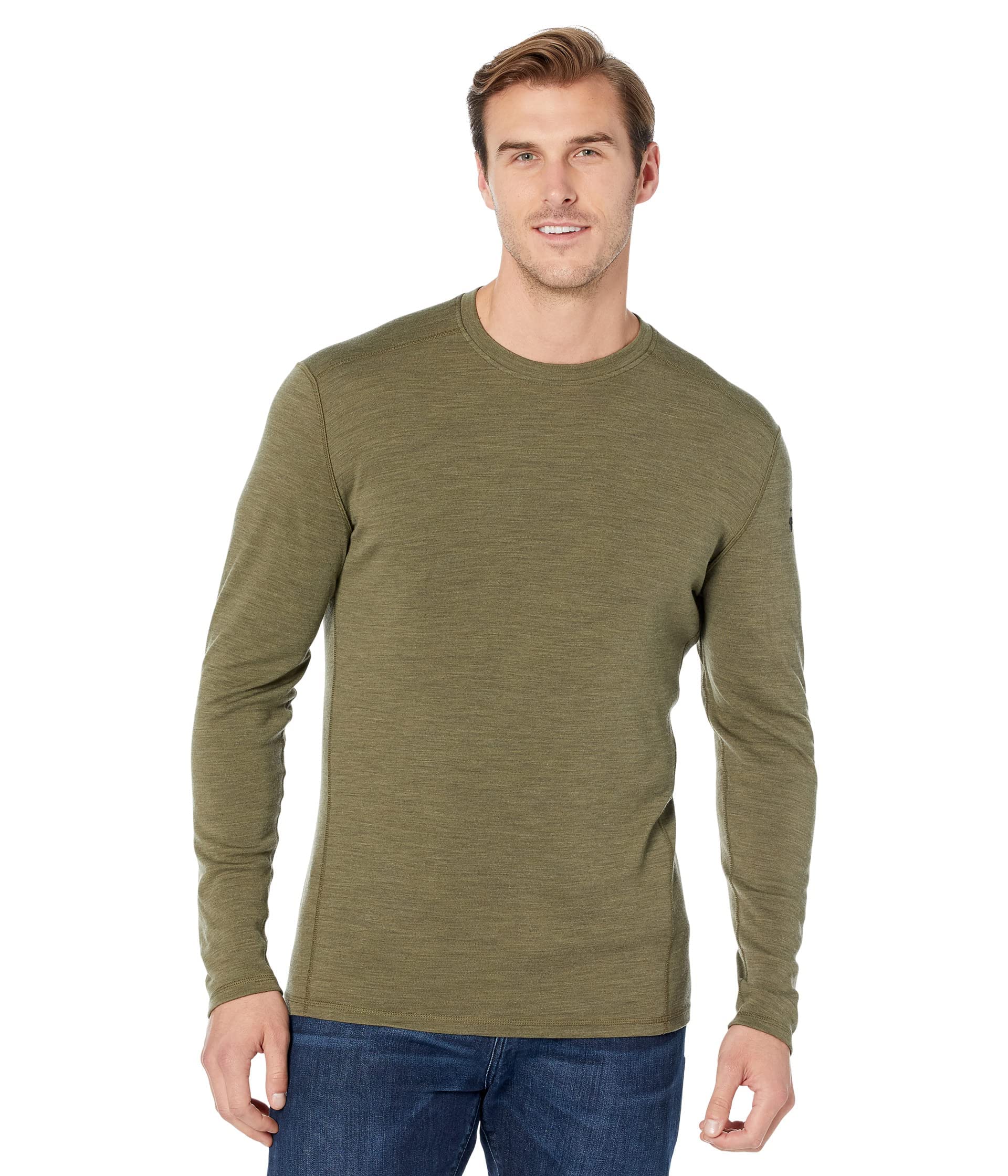
Smartwool’s Classic Thermal Crew is the refined, lightweight companion to the 250 1/4 Zip, designed for high-output skiing where weight and breathability are paramount. This is a layer for the skier who generates significant body heat and needs a fabric that manages moisture aggressively without adding bulk. Its lightweight construction allows it to be worn as a standalone top in milder spring conditions or as the first layer under a more robust shell on colder days.
Reviews highlight its incredible softness and comfortable fit, which runs true to size. It sits close to the skin without being restrictive, which is exactly what you want for maximum moisture transfer. The crew neck design is simpler than a zip, but the overall quality feels premium, with well-constructed seams and a long cut that stays tucked in. Several users mention wearing this shirt daily in cold weather, not just for sports, praising its warmth for the weight.
The trade-off for this luxurious feel and lightweight performance is the premium price tag. It is not as warm as the 250-weight options, so it is best suited for active days or as part of a layering system rather than a standalone winter layer for resort lounging. However, its durability and comfort make it a long-term investment for the serious outdoor enthusiast.
Why it’s great
- Incredibly soft and comfortable fit
- Excellent moisture management for high exertion
- Versatile as a standalone or base layer
Good to know
- Lightweight may not be warm enough for low-activity days
- Premium price for a lightweight layer
3. icebreaker Men’s Standard 175 Everyday Cold Weather Wool Base Layer Leggings

Icebreaker’s 175 leggings are the ultimate lightweight base layer for the lower body, specifically designed for high-output activity. At 175 g/m², these leggings provide a surprising amount of warmth while feeling incredibly thin and airy against the skin, making them perfect for layering under ski pants without creating bunching or restricting movement. The merino fabric offers outstanding breathability, pulling sweat away fast to keep you dry.
Users who take them on winter treks and multi-day backpacking trips consistently praise their temperature regulation and remarkable odor control. Worn under jeans or shell pants, they can keep you comfortable well below freezing when you are active. The fit is slim and athletic, sitting close to the skin as a good base layer should, and the fabric is soft without any itch.
The primary drawback is the entry price for a lightweight layer. For extreme cold days where you are stationary on a chairlift for long periods, a midweight or heavyweight legging would be a better choice. However, for the skier who values mobility and sweat management during hard-charging runs, the Icebreaker 175 leggings are an excellent, high-performance investment.
Why it’s great
- Ultralight warmth with fantastic breathability
- Superior odor resistance over synthetic leggings
- Slim, athletic fit ideal for layering
Good to know
- Lightweight not suited for extreme cold
- Premium pricing for a 175-weight layer
4. MERIWOOL Mens Base Layer 100% Merino Wool Heavyweight 400g Thermal Shirt

The MERIWOOL 400g is not a traditional base layer; it is a heavyweight thermal shirt designed for extreme cold and low-output situations. The 400 g/m² fabric is very thick—closer to a sweater than a standard base layer. This is the layer you wear for long chairlift rides in sub-zero temperatures or for winter sculling in the 30s and low 40s when you need maximum insulation.
Reviewers consistently describe the fabric as soft, substantial, and incredibly warm. A key insight from real-world use is that the sizing runs small; users recommend sizing up to avoid a restrictive fit, especially if it will be your outer layer under a jacket. The odor resistance is excellent, and the warmth is simply unmatched by lighter-weight merino or synthetics.
This shirt demands careful consideration of fit. It is not a high-activity base layer for aggressive skiing—its bulk and warmth will lead to overheating during intense exercise. It is best reserved for the coldest days or for use as an ultrawarm mid-layer under a down jacket. The potential for shrinkage in the wash is also a noted concern, so careful care is required.
Why it’s great
- Maximum warmth available in a merino top
- Extremely soft and luxurious feel
- Excellent for very cold, low-exertion conditions
Good to know
- Runs small, must size up
- Too warm for high-output skiing
- Prone to shrinkage, requires careful washing
5. Helly-Hansen LIFA Merino Midweight Crew Base Layer for Men
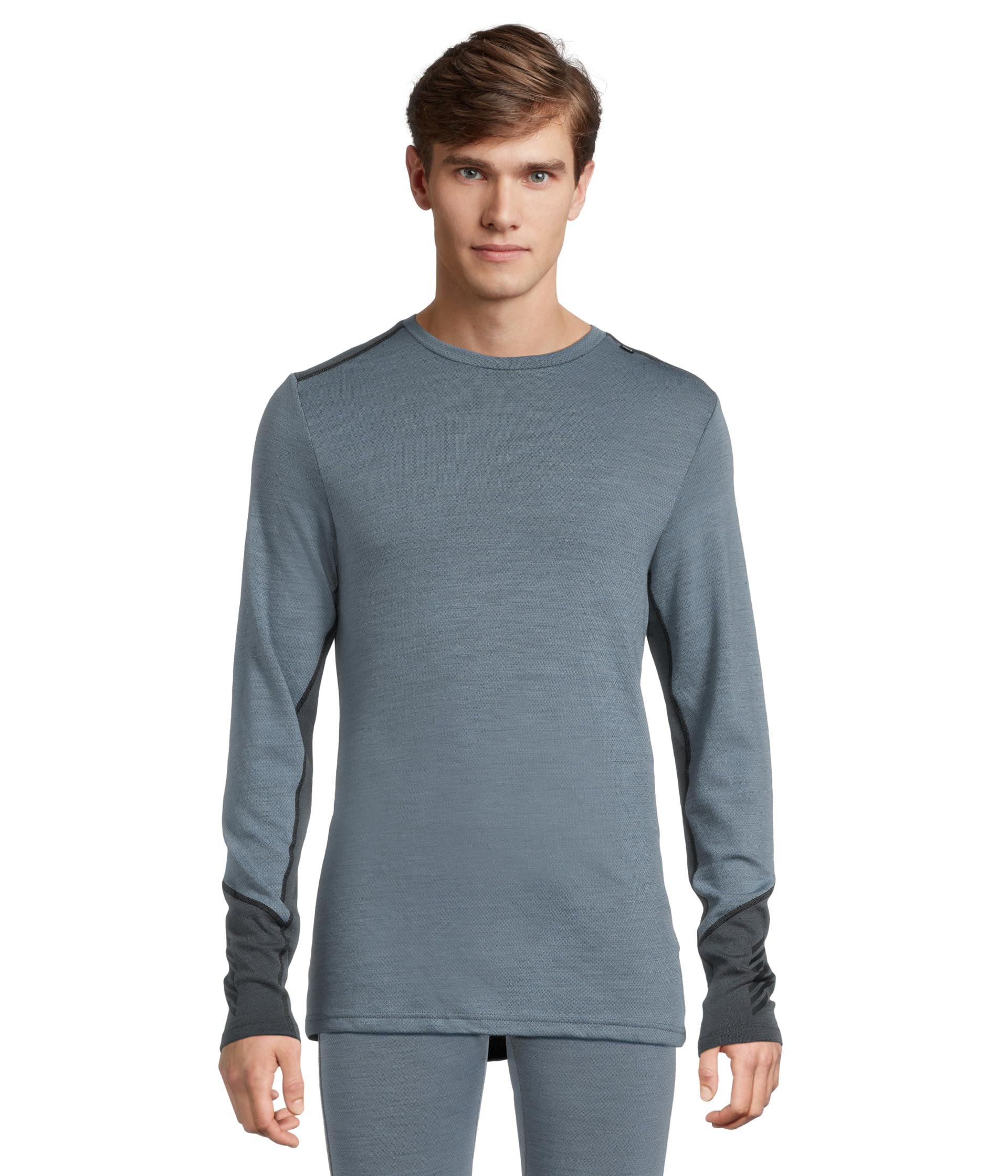
Helly-Hansen’s LIFA Merino combines a synthetic LIFA fiber interior with a merino wool exterior, creating a hybrid layer that excels in moisture management and durability. This is a smart engineering choice: the synthetic layer sits against the skin to actively wick moisture away, while the merino layer provides warmth and odor resistance. It is a midweight design, offering a solid warmth-to-weight ratio ideal for general winter sports.
User feedback is overwhelmingly positive, praising its comfortable fit, excellent thermal regulation, and the trusted quality of the Helly-Hansen brand. It runs true to size and has a great feel, making it a versatile choice for skiing and other cold-weather activities. The blend of materials makes it more durable than pure merino, which is a key consideration for rough wear.
While a top-tier performer, it may not have the same natural softness or odor resistance as a 100% merino layer of the same weight. The hybrid construction is a compromise, but for active skiers who prioritize sweat management and durability above all else, the LIFA Merino is a compelling, mid-range option that punches above its weight.
Why it’s great
- Excellent moisture-wicking from LIFA technology
- Durable construction with synthetic blend
- Great value for a trusted brand
Good to know
- Not as soft as 100% merino layers
- Odor resistance is lower than pure merino
6. Merino Wool Base Layer Mens – 100% Merino Wool Shirts for Men (Merino.tech)
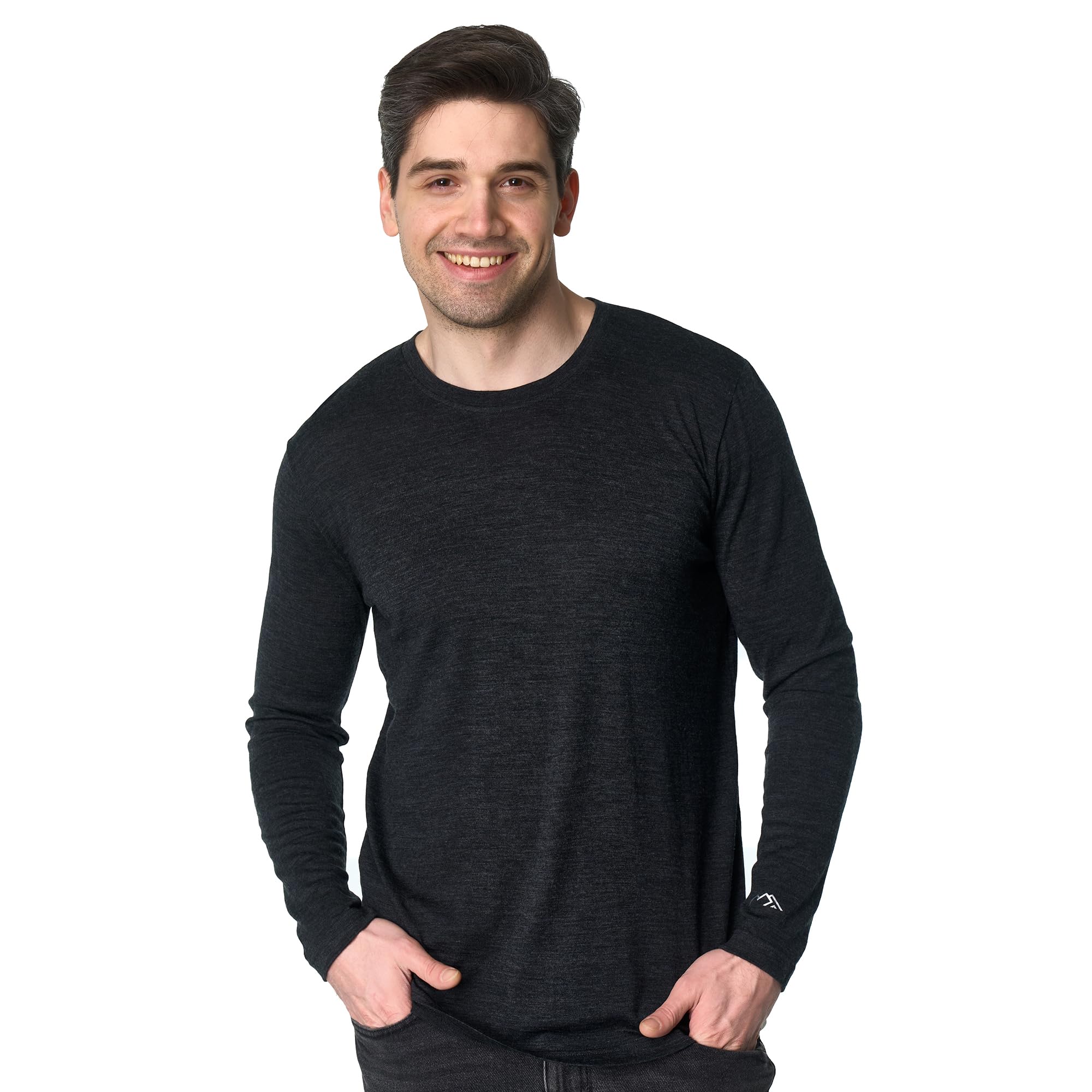
For skiers seeking quality merino performance without the premium price tag, the Merino.tech men’s base layer offers a compelling entry point. This is a 100% merino wool shirt available in Henley or crew neck styles, with a midweight 250 g/m² fabric weight that puts it in the same warmth class as the much pricier SmartWool 250. The construction is well-reviewed, with users praising its soft feel and excellent fit.
Real-world reviews highlight its comfort, non-itchy feel, and surprising durability after repeated washes. It performs well in cold offices and on the slopes, providing ample warmth without bulk. The fit is described as close but not constricting, ideal for layering. It is a strong contender for the skier who wants to switch from synthetics to merino without a significant financial commitment.
The main caveats are fit consistency and color accuracy. Some users find the sleeves slightly short for long arms, and a few note that the color shown online is not an exact match. However, for pure functional value—a 250 g/m² 100% merino top at a budget-friendly price point—this is a very hard model to beat for the price-conscious skier building their first kit.
Why it’s great
- Excellent price for 100% merino wool
- Soft and non-itchy fabric
- Good 250 g/m² weight for warmth
Good to know
- Fit may be short for very long arms
- Color accuracy can be off
7. Merino Wool Base Layer Women – 100% Merino Half Zip Sweater (Merino.tech)

The women’s version of the Merino.tech base layer brings the same value-focused 100% merino wool performance to a half-zip design, a versatile feature often missing in budget-friendly options. This is a heavyweight thermal top, designed to provide serious warmth for skiing in below-freezing conditions. The half-zip allows for critical core temperature control, giving the wearer the ability to dump heat quickly during a steep climb without removing their jacket.
Customer reviews consistently highlight its extreme softness, lack of itch, and effective warmth, with one snowboarder noting it kept them perfectly dry and comfortable in sub-freezing temperatures. The heavyweight fabric provides a substantial feel, and the half-zip adds a layer of functionality that the crew-neck men’s version lacks. It layers well and has a good stretch.
As with the men’s version, sleeve length can be a point of contention for taller women, and some users note that the heavyweight is not a true midweight—it is a warm layer best reserved for colder days. There are also occasional reports of minor pilling. Nevertheless, for the price, this is a fantastic, warm, and comfortable base layer that provides premium-level features for a budget-friendly investment.
Why it’s great
- Excellent value with a functional half-zip design
- Very soft and warm heavyweight merino
- Non-itchy and comfortable against the skin
Good to know
- Sleeves may be short for taller women
- Some reports of pilling after use
FAQ
Can I wear a cotton shirt as a base layer for skiing?
What is the difference between a base layer and a mid layer?
How should I wash my merino wool base layer?
Should I choose a half-zip or a crew neck base layer?
Final Thoughts: The Verdict
For most users, the base layer for skiing winner is the SmartWool 250 1/4 Zip because it delivers the perfect midweight warmth-to-breathability ratio with a highly functional venting design. If you want a premium lightweight layer for high-output days, grab the Smartwool Classic Thermal Crew. And for budget-conscious skiers who still want 100% merino performance, nothing beats the value of the Merino.tech men’s base layer.