
Our readers keep the lights on and the weekend projects moving. As an Amazon Associate, I earn from qualifying purchases.
There is almost no worse feeling on a snowy chairlift than realizing your base layer is damp. Once sweat accumulates next to your skin, the cold sets in fast, and no mid-layer or shell will recover the warmth you’ve lost. The wrong fabric choice—cotton, poor-fit synthetics, or even an overly thin merino—directly defines whether your day ends early or stretches into a full session.
I’m Rikta — the co-founder and writer behind FitlyFast. I’ve spent countless hours combing through customer pain points, technical fabric specs, and field-tested reviews to separate the base layers that actually insulate and wick moisture from the ones that let you down at freezing temperatures on the mountain.
This guide breaks down the essential fabric weights, moisture-management properties, and fit considerations so you can confidently identify the best base layer for snowboarding that keeps you dry, warm, and mobile on every run.
How To Choose The Best Base Layer For Snowboarding
Your snowboarding base layer is the single most important piece of your layering system. It sits against your skin and handles two conflicting demands: keeping you warm during a cold chairlift ride and pulling sweat away when you are carving hard. Choosing the wrong fabric or weight can turn a great powder day into a miserable one.
Fabric type: Merino wool vs. Synthetic blends
Merino wool offers natural temperature regulation and unbeatable odor resistance for multi-day travel, but it dries slower than synthetics. Synthetic blends (polyester, polypropylene) wick moisture faster and are generally more durable, but they tend to trap odor faster. Many mid-range options now combine both materials in a two-layer construction to get the best of each.
Weight classification: Lightweight vs. Midweight vs. Heavyweight
Lightweight (150-200 gsm) suits spring riding or high-exertion days where breathability is critical. Midweight (200-250 gsm) is the all-around sweet spot for most resort conditions. Heavyweight (350-400 gsm) is your go-to for deep winter days or when you run cold, but check that the added thickness still allows free arm and leg movement.
Fit and seam placement
A base layer must be snug without cutting circulation. Flatlock seams reduce chafing under a backpack or straps. Look for articulated knees or gusseted crotches if you spend a lot of time in a squatting stance. Women’s cuts typically offer more torso length and waist shaping, so never assume a unisex fit works for every body type.
Quick Comparison
On smaller screens, swipe sideways to see the full table.
| Model | Category | Best For | Key Spec | Amazon |
|---|---|---|---|---|
| MERIWOOL Men’s Heavyweight 400g | Heavyweight Merino | Deep cold & static use | 400 gsm wool thickness | Amazon |
| Smartwool Men’s Classic Thermal Crew | Midweight Merino | Lift-served shredding | 200-250 gsm merino | Amazon |
| Smartwool Women’s Classic Thermal Bottom | Midweight Merino | Cold-weather comfort | Curved waistband fit | Amazon |
| Helly-Hansen LIFA Active Crew | Synthetic 2-Layer | High-exertion touring | Polyester/Polypropylene | Amazon |
| MEETYOO Fleece-Lined 3-Piece Set | Thermal Set | Budget cold-weather work | 3 tops & 3 bottoms | Amazon |
| Helly Hansen LIFA CreBaselayer Women’s | Lightweight Synthetic | Active layering | LIFA polypropylene | Amazon |
| LAPASA Men’s 100% Merino Bottom | Lightweight Merino | Versatile travel use | 100% merino wool | Amazon |
In‑Depth Reviews
1. MERIWOOL Men’s Base Layer 100% Merino Wool Heavyweight 400g Thermal Pants

This pair is built for riders who freeze easily or face sub-zero chairlift rides. The 400 gsm fabric density is among the heaviest consumer merino available, providing thermal insulation that rivals a light mid-layer. Multiple reviewers confirmed comfort at 16°F with only light jeans over the pants, and the merino is soft enough to wear all day without the itch that cheap wool produces.
The odor resistance is genuine—field reports mention zero stink after multi-day use. The fabric feels thick and durable, with good stitching throughout. That thickness, however, makes it slightly bulky under slim snowboard pants, so check your shell’s leg room before committing to this weight for resort riding.
The main functional drawback is the lack of a waist drawstring. Several users noted that during active hiking the pants gradually slipped down, requiring frequent adjustment. For primarily lift-served riding or stationary use like hunting, this is a non-issue. For tours or splitboarding, a belt or suspenders may be necessary.
Why it’s great
- Exceptional warmth-to-weight ratio for a natural fiber
- Zero itch and no odor after repeated wears
Good to know
- Lacks a waist drawstring—pants can slip during hikes
- Heavyweight profile may feel tight under slim shells
2. Smartwool Men’s Classic Thermal Merino Base Layer Crew
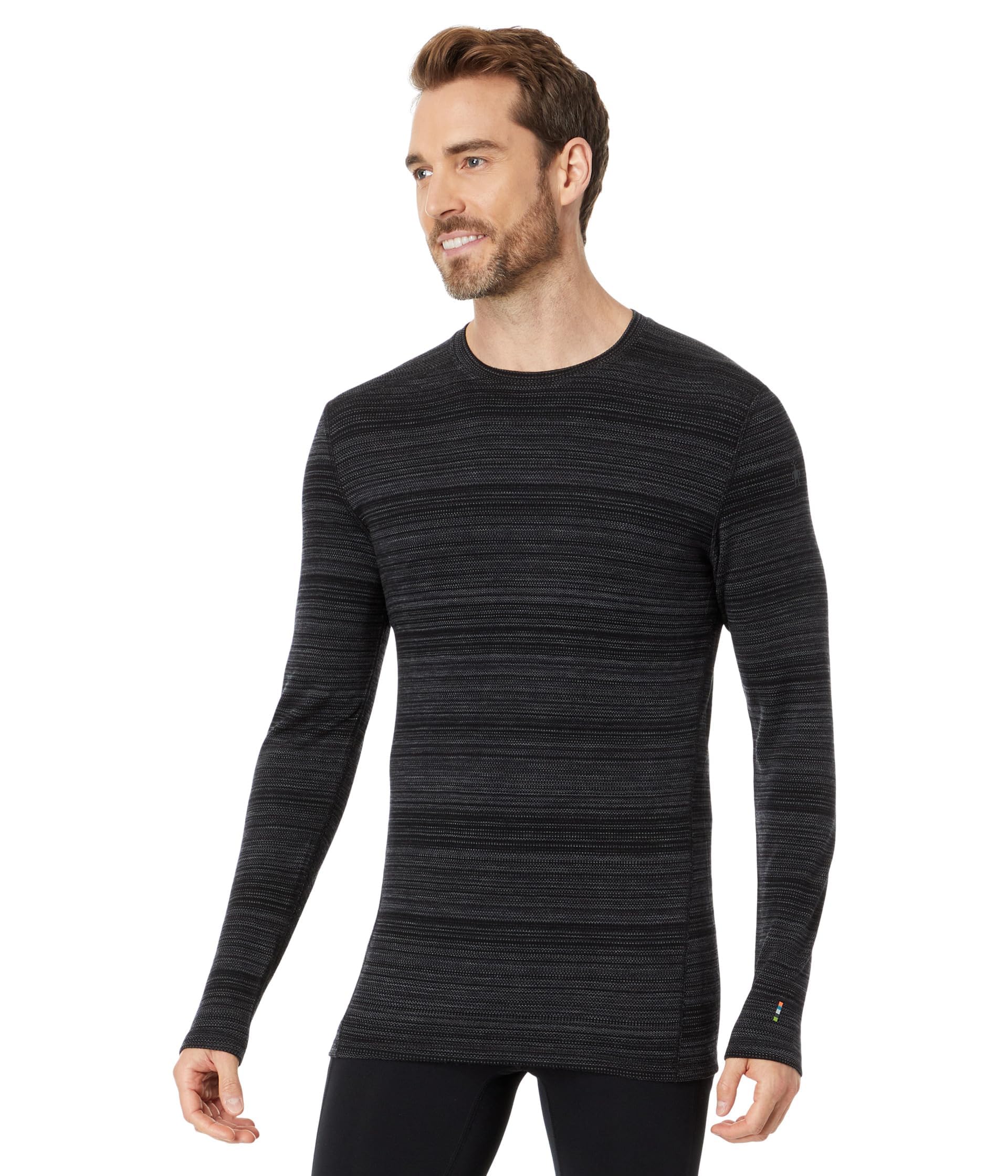
Smartwool’s Classic Thermal line is widely considered the benchmark for midweight merino base layers. The 200–250 gsm fabric hits the sweet spot for most snowboard conditions: warm enough for single-digit mornings, breathable enough for afternoon laps in the sun. The crew neck and long-tail cut ensure the shirt stays tucked under your snow pants even after aggressive carving.
Customer reviews consistently highlight how well this top wears alone as a casual layer without looking like thermal underwear. The odor resistance is exceptional, with one report of five consecutive days of wear without washing and no smell. Flatlock seams reduce chafing, and the merino blend holds its shape after machine washing.
The main consideration is price. This is a premium base layer, and while buyers universally agree it is worth the cost, budget-conscious shoppers may find comparable midweight merino from lesser-known brands. Sizing runs true to standard US sizes, but some users prefer a size up for a looser fit during low-exertion days.
Why it’s great
- Perfect midweight balance for resort and backcountry
- Odor resistant for multi-day trips without washing
Good to know
- Premium pricing is a commitment
- Not as durable as polyester blends under heavy abrasion
3. Smartwool Women’s Classic Thermal Merino Base Layer Bottom

Women-specific base layers often fail by offering a straight unisex cut that gaps at the waist. Smartwool solves this with a contoured waistband that stays put without rolling down, a common complaint among female riders. The brushed elastic waistband provides secure hold without digging in, and the gusseted crotch allows full range of motion for deep squats on the board.
The 100% merino construction delivers warmth that surprised multiple reviewers, with one reporting being comfortable in sub-zero temps skiing. The two-tone color design adds a touch of style if you wear them as leggings around the lodge. The fabric is soft enough to sleep in, and the midweight density layers easily under snow pants without bunching.
Fabric durability is good but not bulletproof—like all merino, it will wear thin over high-friction areas like the inner thigh after extended use. Machine washing on gentle and hang drying extends the life significantly. Sizing is generous for hourglass figures, with XXL accommodating up to size 18 with no bunching or wedging.
Why it’s great
- Contoured waistband stays in place during active sport
- Feels luxurious against skin even for sensitive types
Good to know
- Expected wear at inner thigh over long seasons
- Premium price point for a single bottom layer
4. Helly-Hansen LIFA Active Crew Men’s

Helly Hansen’s LIFA Active Crew uses a two-layer construction: a wicking polypropylene inner layer against your skin and a durable polyester outer layer. This design moves moisture away fast—critical during high-exertion laps or touring—while protecting the inner layer from abrasion from your outer gear. The fabric weight is lightweight, making it an excellent choice for spring riding or high-output days.
The environmental angle is real: the polyester is made from oceanbound recycled materials, reducing reliance on virgin synthetics. Despite being a synthetic, moisture management reviewers praised its effectiveness under demanding conditions like kayaking and cross-country skiing. The fit is regular, but notable feedback indicates it runs small, so ordering a size up is a common recommendation.
The lightweight nature means it is not the warmest on this list. For deep winter resort days below 20°F, you would need a heavier mid-layer over it. The lack of stretch can also feel restrictive on the wrists—a minor gripe but worth noting for those who dislike tight cuffs.
Why it’s great
- Two-layer design wicks sweat without saturating
- Made with recycled oceanbound materials
Good to know
- Runs small—most users need to size up
- Lightweight warmth requires a robust mid-layer in cold
5. Helly Hansen LIFA CreBaselayer for Women

This top uses LIFA polypropylene fibers, which are naturally hydrophobic and do not absorb water. That means it keeps you dry even during intense cardio on the slopes. Women-specific tailoring includes a slim cut with stretch for mobility, and the arm pattern allows full rotation for pole plants and board adjustments. The brushed finish feels comfortable against skin, and the moisture-wicking is immediate.
Users have worn this base layer for multi-day bike tours and spring ski trips, reporting that it stays odor-free far longer than standard polyester. The visual design with contrasting arm stripes means it looks good if you doff your shell. It layers easily under a mid-weight fleece without adding bulk.
The fit runs very slim—several users noted tightness across the chest and under the arms if you are at the upper end of the size range. If your chest measurement is close to the listed maximum, size up. The lightweight insulation means it is best paired with a substantial mid-layer for really cold days.
Why it’s great
- Excellent moisture transport for active days
- Fashionable enough to wear as standalone top
Good to know
- Very slim fit—not ideal for curvier builds
- Lightweight warmth requires layering in deep cold
6. MEETYOO Thermal Underwear for Men – Fleece Lined 3-Piece Set

If you are looking for a value-packed system, this MEETYOO set gives you three complete tops and bottoms for roughly the price of a single premium merino piece. The fabric is fleece-lined, creating a soft interior that traps heat effectively. The external material is durable polyester that handles abrasion from gear and daily use without pilling or fading.
Field reports confirm the warmth—Alaska hockey rink workers and pipe fitter union members working outdoors in extreme cold rated this set highly. The medium weight is not as light as a dedicated snowboarding base layer, but it is surprisingly non-bulky for a fleece-lined garment. The fit runs true for average builds, but the pant length may be short for tall individuals.
Fabric breathability is decent but not on par with merino or LIFA polypropylene. If you tend to sweat heavily during exertion, moisture might stay on the fleece lining longer than you would like. For casual resort days and colder climates, this trade-off is negligible. Simply put, this is a remarkable value for the price, delivering warmth and durability far above its cost tier.
Why it’s great
- Exceptional value: three sets for one-mid price
- Fleece lining provides immediate warmth
Good to know
- Breathability is lower than merino or technical synthetics
- Pant legs may run short for taller riders
7. LAPASA Men’s 100% Merino Wool Bottom Base Layer Thermoflux
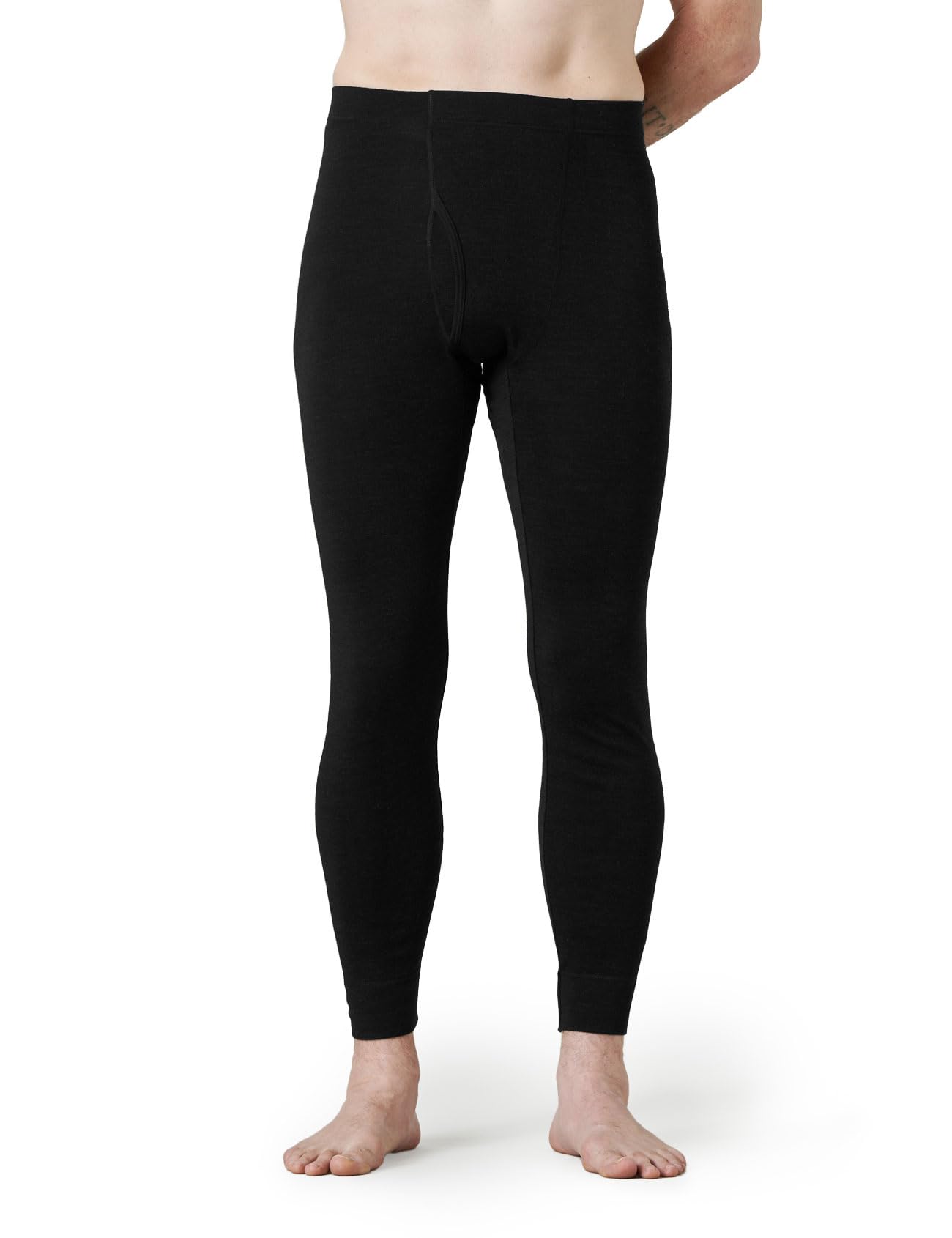
LAPASA delivers a 100% merino wool bottom at roughly half the cost of a Smartwool or Icebreaker equivalent. The material weight sits somewhere between lightweight and midweight, making it versatile for both active riding and casual wear. Users who expected a thicker feel were surprised by the warmth-to-thinness ratio—the merino insulation punches above its visual thickness.
The cut is true to size and comfortable for lounging, with several reviews noting its use as comfortable sleepwear in cold homes. The wool does not itch, even for those with sensitive skin. Odor resistance is excellent, with reports of no stink after multiple days of skiing and hiking.
The main trade-off is longevity and brand durability testing. While the wool feels well-made, it may not hold up to the same number of machine-wash cycles as a premium brand before the fibers begin to weaken. The lack of reinforcement at high-wear points like the knee and seat is noticeable after a full season. For the price, though, this is the most accessible entry point to pure merino for riders on a tighter budget.
Why it’s great
- Affordable entry to 100% merino wool performance
- Impressive warmth relative to fabric thinness
Good to know
- Long-term durability may be lower than premium brands
- No reinforced wear points at knees or seat
FAQ
Can I wear cotton as a base layer for snowboarding?
Should I choose a lightweight or heavyweight base layer for resort riding?
How tight should a snowboarding base layer fit?
Does merino wool really control odor better than synthetics?
How do I care for a merino wool base layer?
Final Thoughts: The Verdict
For most riders, the best base layer for snowboarding winner is the Smartwool Men’s Classic Thermal Crew because it nails the midweight balance, offers proven odor resistance, and fits true across a wide range of body types. If you prioritize maximum warmth for deep winter days, grab the MERIWOOL 400g Heavyweight. And for a synthetic alternative that wicks faster during high-exertion touring, nothing beats the Helly-Hansen LIFA Active Crew.