
Our readers keep the lights on and the weekend projects moving. As an Amazon Associate, I earn from qualifying purchases.
Constipation can turn a healthy diet into a daily struggle. Beans are packed with the soluble and insoluble fiber your gut craves, but the wrong variety or poor preparation can backfire, leaving you more bloated and uncomfortable than before. This guide helps you choose beans that deliver the fiber punch for regularity without the gas.
I’m Rikta — the co-founder and writer behind FitlyFast. I’ve spent countless hours analyzing the nutritional profiles, sourcing standards, and preparation methods that separate effective, gut-friendly beans from those that cause discomfort.
Whether you need a reliable daily source of fiber or a bulk supply for long-term preparedness, this guide points you to the very best beans for constipation available on Amazon today.
How To Choose The Best Beans For Constipation
Not all beans are created equal when it comes to relieving constipation. The key is finding beans with a high soluble fiber content that remain gas-friendly after proper preparation. Here are the core factors to prioritize.
Prioritize Soluble Fiber Content
Soluble fiber absorbs water and forms a gel-like substance that softens stool and helps it move through your digestive tract. Pinto, black, and kidney beans are among the highest in soluble fiber, delivering about 5-6 grams per cooked cup. Navy beans and chickpeas are also excellent choices. Always check the nutrition label for total fiber, and aim for a variety that provides at least 5 grams per serving.
Focus on Purity and Cleaning
Gas and bloating often come from compounds called oligosaccharides. Properly cleaned and quality-sorted beans have fewer damaged or broken pieces, which means less surface area for those compounds to leach out during soaking. Look for beans described as “triple-cleaned” or from specialty growers who test for chemical residues—impurities in low-quality stock can aggravate already sensitive guts.
Consider an Enzyme Helper
If even the cleanest beans still cause discomfort, a digestive enzyme supplement targeting alpha-galactosidase can make a real difference. These enzymes break down the complex sugars in beans before they reach your large intestine, greatly reducing gas. This is a smart backup plan for those with particularly sensitive digestion.
Quick Comparison
On smaller screens, swipe sideways to see the full table.
| Model | Category | Best For | Key Spec | Amazon |
|---|---|---|---|---|
| NATURELO Digestive Enzymes | Supplement | Digesting Beans with Less Gas | 15 Enzyme Blend + Ginger | Amazon |
| FODZYME Home Kit | Supplement | High-FODMAP Digestion | Fructan Hydrolase Formula | Amazon |
| Wheatland Pinto Beans 25lbs | Pinto Beans | Long-Term Fiber Source | 25 Year+ Shelf Life | Amazon |
| CLEAR CREEK Kidney Beans 25lbs | Kidney Beans | Chemical-Free Fiber | Glyphosate Residue Free | Amazon |
| CLEAR CREEK Black Beans 25lbs | Black Beans | Versatile Daily Fiber | Washington State Grown | Amazon |
| Wheatland Black Beans 20lbs | Black Beans | Emergency Fiber Storage | Mylar + Oxygen Absorber | Amazon |
| Heartland Pinto Beans 50lbs | Pinto Beans | Max Bulk for Prep | Triple Cleaned 50 lbs | Amazon |
In‑Depth Reviews
1. NATURELO Digestive Enzymes – Full Spectrum Support

This isn’t a bean itself, but the most effective tool to make any bean work for constipation relief without gas. The blend of 15 enzymes including alpha-galactosidase specifically targets the complex sugars in legumes, breaking them down so your gut doesn’t have to. Adding ginger root further soothes the digestive lining and reduces bloating.
Users report that even problematic foods like kale and bread become digestible, with one review noting a complete resolution of 5-6 years of gastric issues. The vegan-friendly profile and absence of common allergens make it safe for most dietary approaches. A single capsule before a bean-heavy meal is all it takes.
The only drawback is that one user noticed a reduction in ginger root content between batches, potentially affecting potency for some. Also, individuals with IBS should test with a small dose first. Overall, this is the best insurance for bean-based constipation relief for anyone who struggles with digestive discomfort.
Why it’s great
- Broad 15-enzyme blend covers all food groups including beans.
- Ginger root addition actively reduces bloating and promotes motility.
- Effective for post-surgery and age-related digestive decline.
Good to know
- Batch variability in ginger root potency noted by some customers.
- May cause reactions in those with extreme food sensitivities or IBS.
2. FODZYME Home Kit Digestive Enzymes
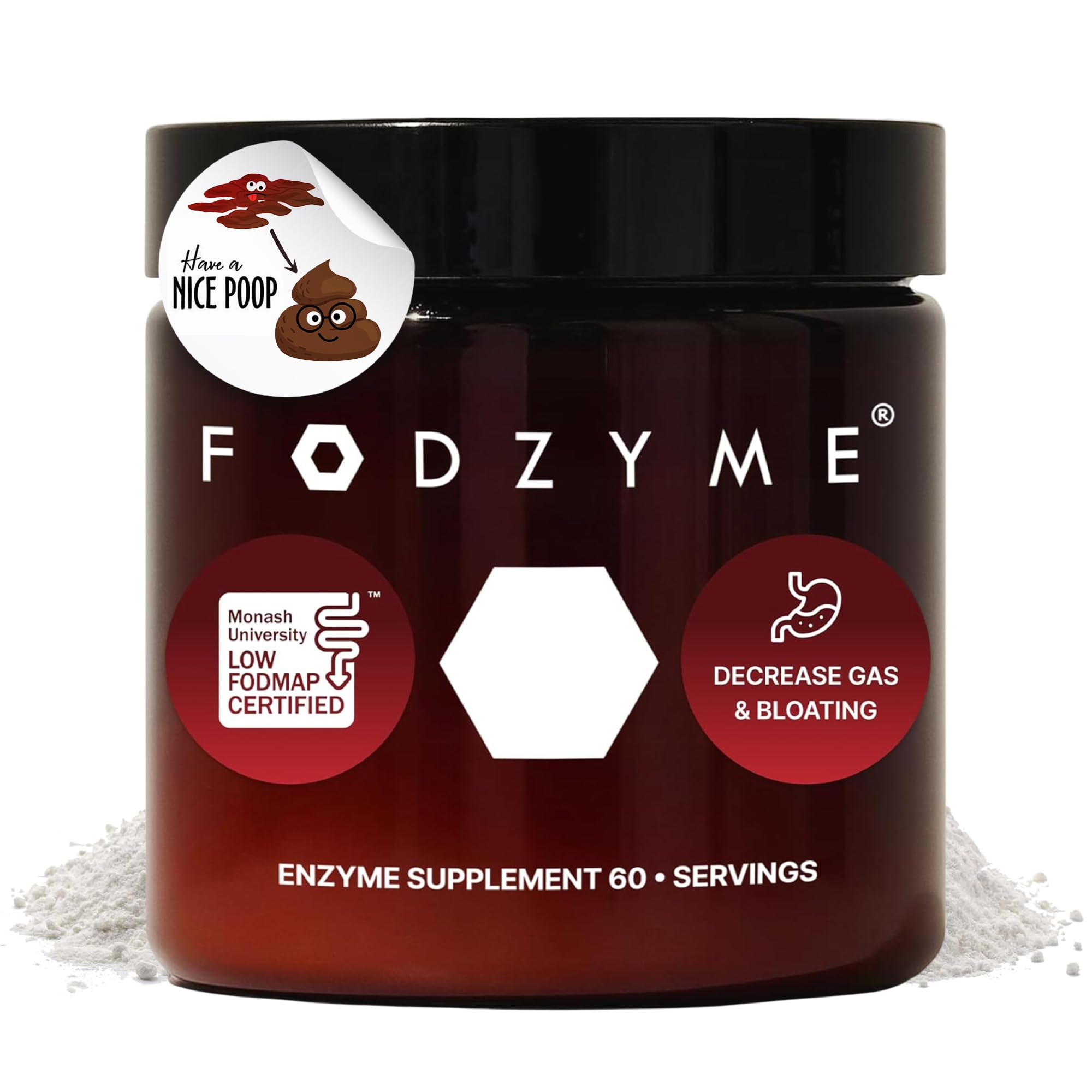
FODZYME is designed specifically for people who react to high-FODMAP foods, a category that includes beans. Its patent-pending fructan hydrolase is one of the few enzymes that breaks down the tough fructans found in beans and legumes into easily digestible sugars. The tasteless powder mixes directly with food, allowing immediate action on the first bite.
Users with IBS who previously avoided beans entirely report being able to eat them without distress. The formula also includes lactase and alpha-galactosidase, making it a complete solution for the most problematic FODMAP groups. One dedicated user has been using it for a year, giving them the confidence to maintain a balanced diet.
The main critique is the price per serving, which some consider high. The powder can also be messy and clumps on liquids, requiring careful application. Additionally, the enzymes denature above 140°F, so it cannot be added to cooking water. Despite this, for those with severe bean-related gas and constipation, this is a game-changer.
Why it’s great
- Targets fructans, a primary gas-causing compound in beans.
- Powder form starts working instantly on contact with food.
- Scientifically validated in peer-reviewed studies for FODMAP digestion.
Good to know
- High cost per serving compared to other enzyme products.
- Powder clumps easily and is a choking hazard if not mixed carefully.
3. Wheatland Pinto Beans • 25lbs

Pinto beans are among the best beans for constipation because of their high soluble fiber content, and this bulk option from Wheatland ensures you have a steady supply for years. Sealed in Mylar with oxygen absorbers, these beans maintain nutritional integrity for over 25 years, making them perfect for long-term preparedness. Each cup provides roughly 15 grams of total fiber when cooked.
Users consistently praise the fresh taste and quality, noting that they cook up tender and creamy after a long soak. The non-GMO verification and chemical testing for 210 common agricultural chemicals provide peace of mind for those with sensitive digestion. The 25-pound bucket is a serious commitment to daily dietary fiber.
The primary trade-off is the bulk size; you need space and a plan to use them. Also, these are raw beans requiring proper soaking and cooking to reduce gas-inducing oligosaccharides. If you are not a regular bean eater, start with smaller portions to allow your gut microbiome to adjust.
Why it’s great
- Exceptional 25+ year shelf life ensures long-term fiber availability.
- Chemical-tested for purity, reducing toxin load on your digestive system.
- High soluble fiber content directly supports stool softening and regularity.
Good to know
- Bulk quantity requires dedicated storage space and a consumption plan.
- Raw beans need proper soaking and cooking to minimize gas production.
4. CLEAR CREEK Kidney Beans • 25lbs
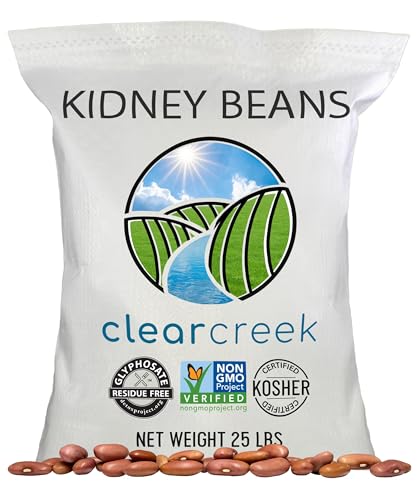
Kidney beans pack a powerful fiber punch, with roughly 11 grams of total fiber per cooked cup, but conventional growing often involves glyphosate as a desiccant. Clear Creek’s Certified Glyphosate Residue Free certification ensures you get the maximum digestive benefit without exposing your gut to an herbicide that can disrupt the microbiome. The beans are sourced from North American farms and tested for purity.
Customers regularly comment on how fresh these beans taste compared to store-bought alternatives, and they cook up tender without the mushiness of older stock. The QR code on the packaging allows you to trace the beans back to the farm, adding a layer of transparency that is rare in the bulk bean market. The 3-year best-by date can be extended for decades with proper airtight storage.
These are not certified organic, which might be a concern for some, but the glyphosate testing is more rigorous than standard organic certification. As with all kidney beans, they must be boiled for at least 10 minutes to neutralize lectins before slow cooking. This is the best choice for fiber seekers who prioritize chemical residue testing.
Why it’s great
- Certified Glyphosate Residue Free protects sensitive digestive systems.
- Traceable farm origin ensures freshness and quality control.
- High total fiber content (11g/cup) promotes significant regularity.
Good to know
- Not certified organic, though glyphosate testing exceeds organic standards.
- Kidney beans require boiling to deactivate lectins before consumption.
5. CLEAR CREEK Black Beans • 25lbs
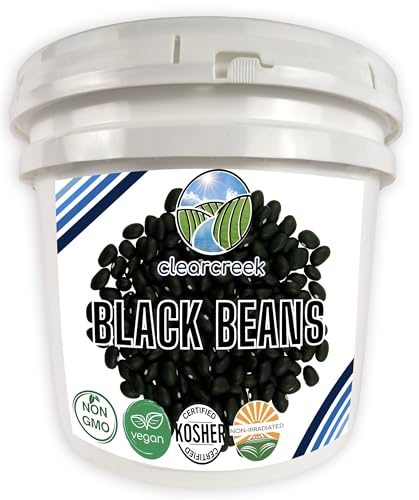
Black beans are a staple for constipation relief, offering a balanced 15 grams of total fiber per cup and a lower glycemic index than other beans. This 25-pound bucket from Clear Creek delivers farm-fresh quality with a taste that users consistently rate as superior to grocery store alternatives. The beans hold their shape beautifully when cooked, providing a satisfying texture that encourages regular consumption.
Customers note that these beans cook up quickly after a standard overnight soak, and they require no special handling beyond a simple pressure cook or stovetop simmer. The non-GMO and kosher certifications make them accessible to a wide range of dietary patterns. Many users buy them as a sustainable, environmentally friendly alternative to canned beans, which often contain added sodium and preservatives.
The packaging is straightforward without the Mylar sealing of the Wheatland options, so you will need to transfer the beans to airtight containers for long-term storage. Also, there is no specific glyphosate testing mentioned, though the beans are grown in Washington state where agricultural practices are generally well-regulated. This is a reliable, high-quality daily fiber source.
Why it’s great
- Consistently praised for superior taste and texture compared to store brands.
- High fiber content with a low glycemic index helps regulate bowel movements.
- Sustainable and economical alternative to canned beans with less sodium.
Good to know
- Packaging is not optimized for ultra-long-term storage without additional sealing.
- No explicit glyphosate-free certification, though sourced from reputable farms.
6. Wheatland Black Beans • 20lbs
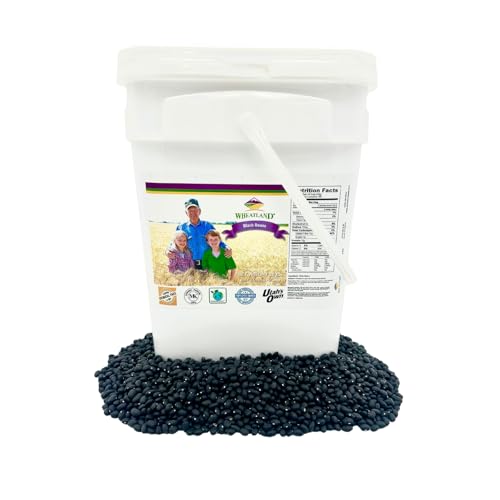
For those who want the constipation-relieving power of black beans stored for an emergency, this 20-pound bucket from Wheatland is pre-sealed in Mylar with oxygen absorbers. The 25-year shelf life means you have a guaranteed fiber source even in disruption. The beans are chemical-free, never irradiated, and non-GMO, preserving their natural digestive benefits.
Users appreciate the time and hassle saved by not having to do their own long-term food prep. The bucket is sturdy and stackable, making it easy to integrate into a pantry. Reviewers note that the beans taste good and are consistent in size and quality, with no broken pieces that could accelerate staleness.
The 20-pound size is slightly less than some competitors, but still plenty for a family. As with all raw beans, you need to plan for proper soaking and cooking routines. This is a reliable option for anyone building a comprehensive emergency food supply that specifically addresses digestive health needs.
Why it’s great
- Pre-sealed in Mylar for 25-year shelf life, no extra work required.
- Chemical-free and never irradiated, preserving natural fiber integrity.
- Sturdy bucket design makes storage and stacking simple.
Good to know
- 20lb size is smaller than the 25lb or 50lb bulk alternatives.
- Raw beans still require typical soaking and cooking procedures for gas reduction.
7. Heartland Pinto Beans • 50lbs

If you need the maximum amount of constipation-fighting pinto beans for the lowest cost per pound, this 50-pound bag from Heartland is the ultimate volume option. Triple cleaning removes debris and broken beans, reducing the surface area for gas-causing compounds. The beans are grown in the USA and pack the same soluble fiber punch as premium brands.
Positive reviews highlight that these beans cook quickly and taste fresh, with one user calling them the best they have ever bought. The batch quality appears consistent, with minimal to no foreign material like rocks or clods. For a family that eats beans daily, this is the most economical way to maintain bowel regularity.
However, there is a notable risk: one customer reported only receiving half their order and had difficulty obtaining a refund. The packaging is a simple bag, not a bucket, so you must provide your own long-term storage containers. Also, because these are not from a specialty grower, there is no glyphosate testing. This is a budget-focused bulk option for users who know their beans.
Why it’s great
- Highest volume (50lbs) at the most budget-friendly cost per pound.
- Triple-cleaned for minimal debris, reducing potential digestive irritants.
- Fresh-tasting beans that cook quickly and maintain good texture.
Good to know
- Customer service has reported issues with partial shipments and refunds.
- No chemical residue testing, and bag packaging requires transfer for long-term storage.
FAQ
What type of bean has the most fiber for constipation?
How long should I soak beans to reduce gas?
Can I take enzyme pills with bean meals for constipation?
Final Thoughts: The Verdict
For most users, the beans for constipation winner is the NATURELO Digestive Enzymes because it turns any bean into a gas-free constipation solution. If you want a pantry-ready fiber source, grab the Wheatland Pinto Beans. And for maximum purity and peace of mind, nothing beats the CLEAR CREEK Kidney Beans with their glyphosate-free certification.