
Our readers keep the lights on and the weekend projects moving. As an Amazon Associate, I earn from qualifying purchases.
Bringing day-old chicks home means setting up a brooder that mimics the warmth and safety of a mother hen—and the single most overlooked factor is the bedding beneath their feet. The wrong material can lead to crop issues, respiratory distress from airborne dust, or slick surfaces that cause leg problems. Choosing a bedding that absorbs moisture, suppresses ammonia, and provides traction is a non-negotiable first step in raising healthy poultry.
I’m Rikta — the co-founder and writer behind FitlyFast. I’ve spent years analyzing small-animal husbandry gear, from incubator specs to ventilation systems, and I break down exactly which brooder beddings hold up under real use.
After sorting through dozens of options based on dust levels, absorbency rates, and chick safety certifications, I’ve narrowed the field to the top contenders for your bedding for chick brooder setup that balances health, cleanup ease, and long-term value.
How To Choose The Best Bedding For Chick Brooder
Brooder bedding is not just a floor covering—it’s the primary interface between a chick and its environment during the fragile first weeks. The wrong choice introduces dust that inflames airways, wet patches that breed bacteria, and slick terrain that causes splayed legs. Prioritize materials that are kiln-dried (to remove volatile oils), have a high surface-area-to-weight ratio for moisture wicking, and possess a texture coarse enough for secure footing but soft enough for natural nesting behavior.
Dust Levels & Respiratory Health
Chick respiratory systems are extraordinarily sensitive. Bedding labeled “dust-free” still releases particulate when shaken or moved; the key metric is how much airborne dust is generated during normal chick activity. Aspen shavings and hemp fibers naturally produce less fines than pine, and paper beddings can generate static dust if over-fluffed. Look for beddings that pass through a fine screen during manufacturing and avoid cedar entirely—its aromatic oils are a known respiratory irritant for poultry.
Absorbency & Ammonia Control
Chick droppings are high in moisture and nitrogen, which rapidly converts to ammonia in warm brooders. The bedding must wick moisture away from the surface and trap it deep in the fiber matrix so chicks are not standing in wet litter. Hemp bedding absorbs several times its weight in liquid, while aspen and pine shavings absorb roughly twice their weight. Paper beddings absorb quickly but release moisture back into the air faster, requiring more frequent full changes to keep ammonia levels low.
Digging & Foraging Enrichment
Healthy chicks instinctively scratch, peck, and dust-bathe. A bedding that compresses into a flat mat prevents these natural behaviors, leading to boredom and feather picking. Loose shavings or fluffy hemp fibers allow chicks to create shallow depressions and sift through material, mimicking the foraging action they would perform under a broody hen. Avoid materials like straw or hay, which can mat down and harbor mold spores in the damp lower layers.
Quick Comparison
On smaller screens, swipe sideways to see the full table.
| Model | Category | Best For | Key Spec | Amazon |
|---|---|---|---|---|
| Eaton Hemp Bedding | Hemp Fiber | Deep Litter Ammonia Control | Absorbs 2x more than wood | Amazon |
| Kaytee Clean & Cozy Paper | Paper Fiber | Ultra-Soft Gentle on Paws | Absorbs up to 6x its weight | Amazon |
| Trendiees Aspen Nesting Pads | Aspen Pad | Nesting Box Cleanliness | 13×13 inch precision pad | Amazon |
| Niteangel Aspen Shavings | Aspen Shaving | Burrow & Tunnel Enrichment | Soft fluffy texture 30L | Amazon |
| SO PHRESH Softwood Shavings | Pine/Fir/Spruce | Value Bulk for Large Brooders | 4 cu. ft. bag 16 lbs | Amazon |
| Wood Smith USA Pine Shavings | Pine Shaving | Small Brooder Quick Refill | 8 Quart hand-packed bag | Amazon |
| HoazHoald Herbal Nesting Mix | Herbal Supplement | Mite Deterrence & Aroma | 35 oz natural herb blend | Amazon |
In‑Depth Reviews
1. Eaton Pet and Pasture Hemp Bedding

Eaton’s hemp bedding is the standout choice for serious brooder management, especially if you practice the deep litter method. The fibers are long and fibrous, creating a springy mat that resists compaction even under constant chick traffic. Customers consistently report zero noticeable ammonia smell even after multiple months, which directly validates the product’s claim of absorbing much more moisture than traditional wood shavings.
From a health perspective, this bedding produces virtually no dust during handling or fluffing. The lack of fines is critical for brooder ventilation systems that recirculate air. Chicks show normal respiratory rates and no sneezing, which is the hallmark of a truly low-particulate material. The earthy, natural smell is pleasant and non-chemical, unlike some kiln-dried softwoods that still carry a faint resin note.
The 28-liter bag size is on the smaller side for a full brooder floor, so you may need multiple bags for a large batch of chicks. However, because the hemp holds its structure and doesn’t break down into dust the way pine does, one bag goes further in terms of usable life before replacement is needed. The compost end-product is also valuable for garden soil enrichment.
Why it’s great
- Ammonia neutralization lasts months with deep litter method
- Near-zero dust protects chick respiratory systems
- Eco-friendly, pesticide-free farming practices
Good to know
- Bag volume is smaller than shavings options for the price
- Shipping can be slower due to bulk fiber weight
2. Kaytee Clean & Cozy Paper Bedding

Kaytee’s paper bedding is a familiar name in small animal care, and it translates well to brooder duty if you prioritize extreme softness and absorbency. The individual fibers are thin and fluffy, creating a cloud-like surface that chicks seem to enjoy scratching through. The 100-liter two-pack provides a massive volume for the money, easily covering the floor of a standard brooder several inches deep.
The absorbency rating is the highest of any bedding in this comparison—each liter can hold six times its weight in moisture. In practice this means wet spots stay localized and are easy to scoop out without replacing the entire bed. The white color also makes it easy to spot soiled areas, which streamlines daily maintenance. However, the paper fibers do not hold burrows or tunnels as well as aspen or hemp, so enrichment potential is lower.
One trade-off is that paper bedding tends to develop a stale odor faster than natural wood or hemp fibers if moisture accumulates in deeper layers. You will likely need to fully change the bedding more frequently to prevent ammonia build-up, especially in a warm, humid brooder environment. The dust rating is genuinely low, but fluffing the compressed bricks can create a brief puff of static fiber dust.
Why it’s great
- Exceptional water holding capacity reduces spot-cleaning frequency
- White color makes soiled areas instantly visible
- Two-pack delivers excellent volume per purchase
Good to know
- Odor control fades faster than hemp or wood shavings
- Poor structural support for tunneling behavior
3. Trendiees Aspen Nesting Pads
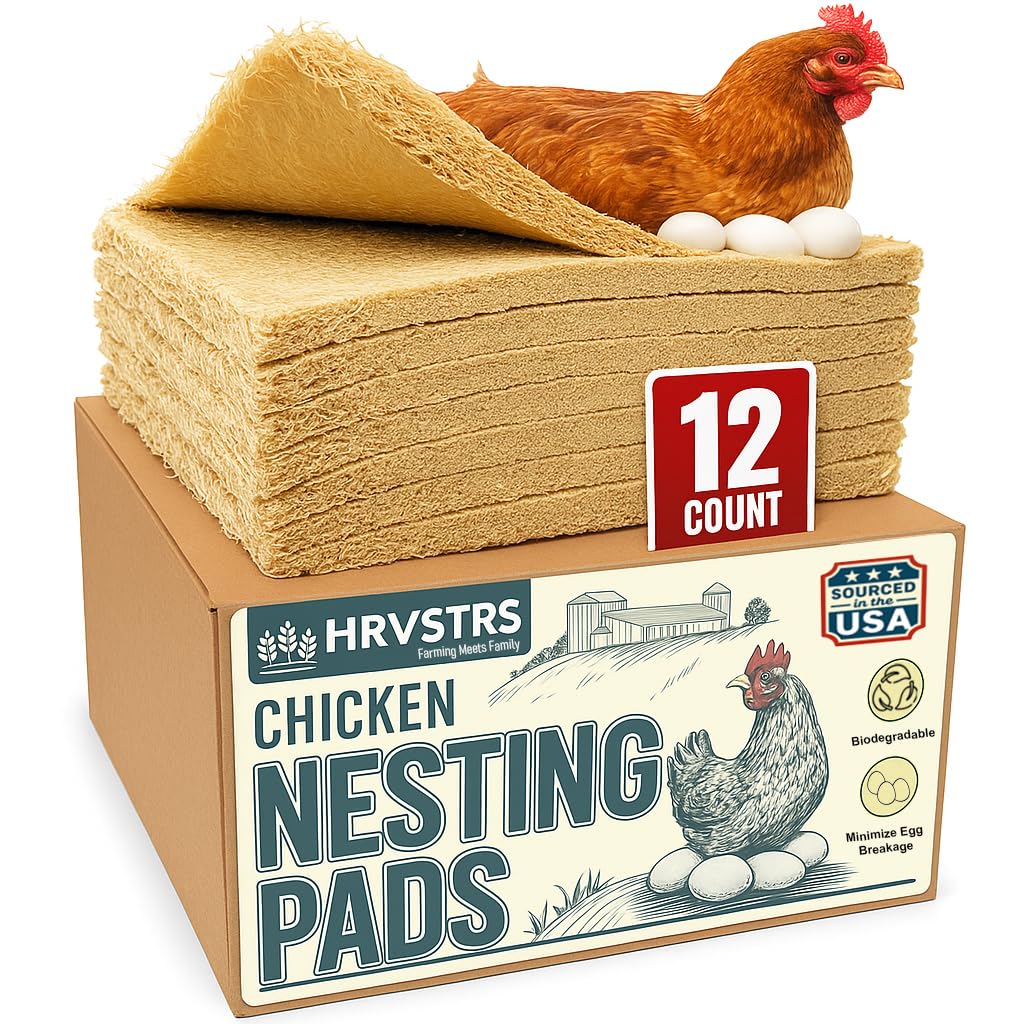
The Trendiees pads are a specialized solution that blends aspen excelsior fibers with a craft paper backing, creating a rigid pad that holds its shape in a nesting box. This design is ideal for layer hens transitioning from brooder to coop, but it works equally well as a cleanable floor section for older chicks. The aspen material is 100% dust-free, and the paper backing prevents loose fibers from migrating through wire floors.
Each pad measures 13 by 13 inches, fitting standard nesting box dimensions exactly. The thick cushion of aspen fibers prevents eggs from rolling and cracking, and the pad can be lifted out in one piece for a quick full swap—no scooping or sifting required. Customers note that shaking the pad outdoors removes most debris, and the remaining top layer can be peeled off to reveal fresh fibers underneath, extending the pad’s usable life significantly.
The main limitation is that these pads are not designed for deep litter applications or large open brooder floors. They work best in defined spaces like nesting boxes or small quarantine brooders. For a full brooder floor, you would need many pads to cover the area, which drives up the overall cost. Still, for targeted use, the convenience of a lift-out pad is hard to beat.
Why it’s great
- Lift-out design reduces cleanup to seconds
- USA-sourced aspen is truly dust-free
- Cushion prevents egg cracks in nesting boxes
Good to know
- Not cost-effective for full brooder floor coverage
- Pads may stick to packing paper out of the box
4. Niteangel Aspen Shavings

Niteangel provides the finest aspen shavings in this lineup, with a texture that feels almost like shredded paper but with the structural integrity of natural wood. The shavings are fluffy and resilient, which means they maintain air pockets for burrowing even after heavy use. Chicks instinctively dig and create shallow depressions in this material, which supports natural foraging and dust-bathing behaviors that are critical for healthy psychological development.
The dust level is exceptionally low—customers using the bedding for hamsters and mice confirm no respiratory issues, and the same holds true for brooder chicks. Odor control is solid for up to three days between spot cleans, which is competitive with premium pine shavings. The 30-liter size is compact for storage but expands nicely when poured loose, giving you about two inches of depth in a standard brooder.
The main drawback is the price per volume compared to bulk pine shavings. This is a premium product marketed primarily toward small pet owners, so the cost per cubic foot is higher than the value-oriented options. For a single batch of chicks, the bag will last, but for continuous large-scale brooder use, you may find more economical alternatives.
Why it’s great
- Fluffiest aspen shavings support deep burrow structures
- Near-zero dust for respiratory-sensitive chicks
- Compact bag expands significantly when poured
Good to know
- Higher cost per cubic foot than bulk pine options
- Bag size is small for large brooders
5. SO PHRESH Softwood Shavings

SO PHRESH brings a straightforward, no-frills softwood shaving blend that works well for large brooders where volume matters most. The 4-cubic-foot bag weighs 16 pounds, giving you enough material to cover a multi-chick setup several inches deep. The blend of spruce, fir, and pine is kiln-dried to remove aromatic oils that could irritate chicks, though the scent is still slightly resinous compared to pure aspen.
The shavings are moderately absorbent, handling daily droppings without becoming soggy if changed on a reasonable schedule. Customers using the product for outdoor cat shelters report excellent warmth retention, which is a nice bonus for brooder heat lamp efficiency. The particle size is consistent, with few large chunks or excessive fines, making for even coverage across the brooder floor.
Some customers note a slight dust cloud when first pouring the bag, but it settles quickly and does not create ongoing airborne particulates. The biggest consideration is that this is a general-purpose small-animal bedding, not specifically optimized for poultry. The softwood blend is safe for chicks, but if you want the absolute lowest possible dust and longest ammonia control, hemp or pure aspen are better choices.
Why it’s great
- Massive 4 cu. ft. bag provides deep coverage
- Kiln-dried process removes volatile irritants
- Consistent particle size for even brooder floors
Good to know
- Initial pour releases a brief dust cloud
- Resin scent is slightly stronger than aspen
6. Wood Smith USA Premium Pine Shavings

Wood Smith USA offers a small-format pine shaving bag that is ideal for top-ups or small temporary brooders. The 8-quart size is hand-packed and compressed, so the actual volume when fluffed is slightly larger than the bag suggests. The pine is kiln-dried and free of chemical additives, making it safe for chicks that may peck at the bedding during exploration.
The shavings are soft and absorbent, with customers reporting good odor control in small enclosures. One reviewer specifically used it in a chick brooder and noted the chicks did fine with the material, requiring infrequent changes. The compact bag size means you don’t have to store a massive bale, which is convenient for urban or small-space setups.
The biggest criticism is the value proposition. The bag is physically small, and some customers expected more material for the price. If you need to cover a large brooder floor, you will need multiple bags, and the cost quickly exceeds buying a bulk bag. This product is best suited as a spot-treatment refill or for a single small brooder session.
Why it’s great
- Compact bag is easy to store and handle
- Kiln-dried with no chemical irritants
- Works well for small brooders and top-ups
Good to know
- Very small bag for the price point
- Not economical for large brooder setups
7. HoazHoald Herbal Nesting Mix
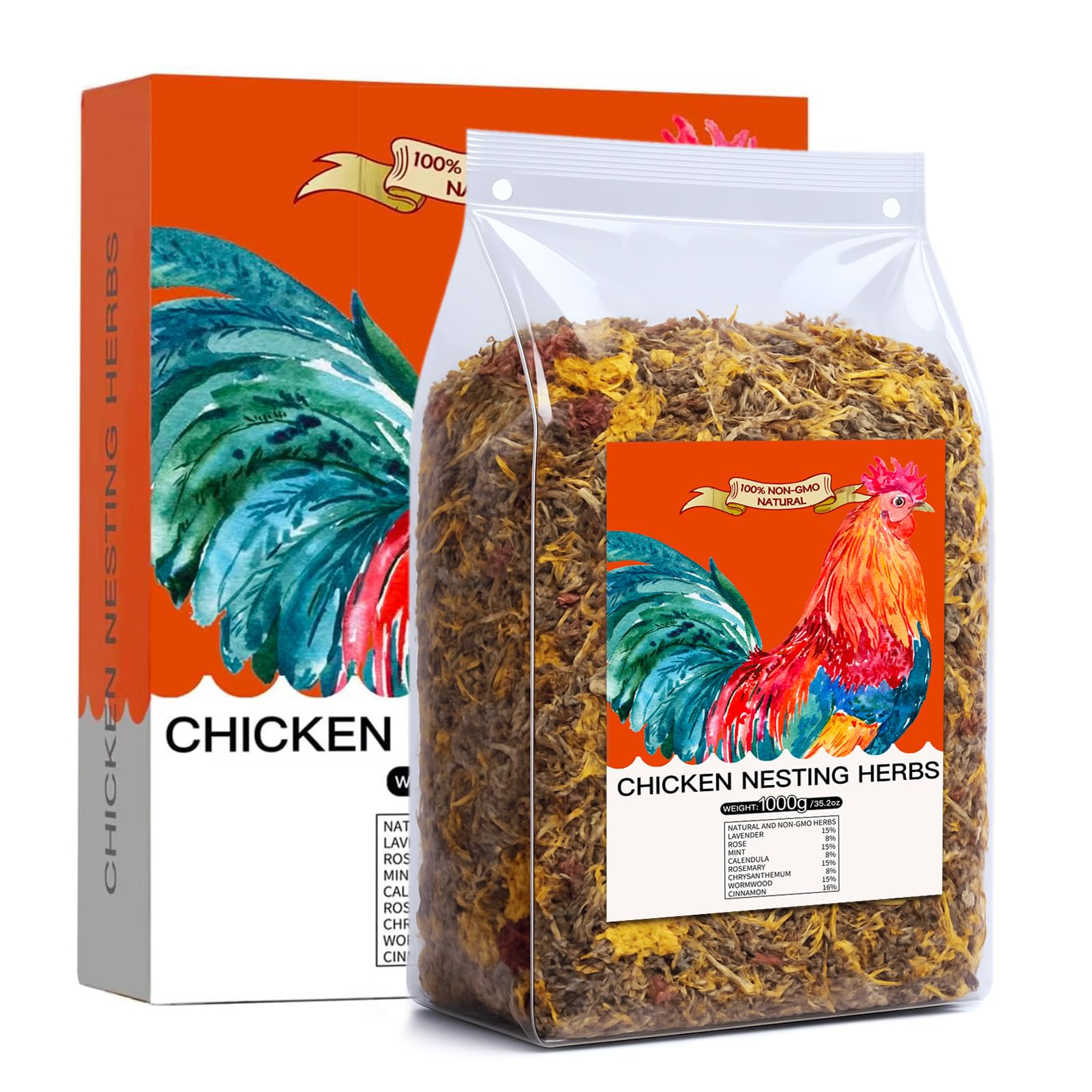
The HoazHoald blend is not a standalone bedding material but a concentrated herbal supplement that you sprinkle over your primary bedding to provide additional benefits. The mixture includes lavender, rose, mint, calendula, rosemary, chrysanthemum, wormwood, and cinnamon—all dried and natural. These herbs serve multiple functions: they deter mites and parasites through natural compounds, freshen the air inside the brooder, and provide a nutritional supplement when chicks peck at them.
Customers consistently mention the pleasant aroma, which masks the musty smell of damp bedding without adding chemical fragrances. The wormwood and calendula are traditionally used in poultry keeping as natural mite repellents, which can reduce the need for chemical treatments in the brooder. The herbs can also be mixed into feed as a vitamin and mineral supplement, adding versatility beyond just bedding use.
The main limitation is that this product is not absorbent and cannot replace your base bedding. It also should not be used as the sole floor covering, as the loose herbs do not provide traction or moisture wicking. Think of it as a finishing layer that enhances the brooder environment rather than a structural bedding element.
Why it’s great
- Natural mite deterrence reduces chemical use
- Pleasant herbal aroma masks bedding odors
- Edible herbs supplement chick nutrition
Good to know
- Must be used over a base bedding layer
- Does not contribute to absorbency or traction
FAQ
Can I use pine shavings straight from the bag in a chick brooder?
How often should I fully change brooder bedding?
Is paper bedding safe for chicks that peck at everything?
Final Thoughts: The Verdict
For most users, the bedding for chick brooder winner is the Eaton Pet and Pasture Hemp Bedding because it delivers unmatched ammonia control with virtually zero dust, making it the safest long-term option for chick respiratory health. If you want extreme softness and the highest absorbency rating for easy spot-cleaning, grab the Kaytee Clean & Cozy Paper Bedding. And for a convenient, lift-out solution that keeps nesting boxes pristine, nothing beats the Trendiees Aspen Nesting Pads.