
Our readers keep the lights on and the weekend projects moving. As an Amazon Associate, I earn from qualifying purchases.
Walking into a stall that smells of ammonia and kicks up a cloud of dust with every hoof step is a losing battle for your horse’s respiratory health and your own patience. The right bedding transforms that daily grind into a clean, dry, low-maintenance environment, but the choice between straw, wood pellets, and hemp shavings involves trade-offs in absorbency, compostability, and dust levels that directly affect your animal’s well-being.
I’m Rikta — the co-founder and writer behind FitlyFast. I’ve spent years analyzing agricultural and equine product categories, cross-referencing manufacturer claims with extensive buyer feedback to separate marketing fluff from real-world performance in stall management.
Whether you prioritize ultra-low dust for a horse with heaves or maximum absorption to stretch time between muck-outs, the right choice starts with understanding what each material actually delivers. This guide cuts through the noise to compare straw, pine pellets, and hemp shavings so you can confidently select the best bedding for horse stalls.
How To Choose The Best Bedding For Horse Stalls
Selecting stall bedding involves more than grabbing the cheapest bale. The material you choose directly impacts your horse’s respiratory health, how often you muck out, the volume of waste to manage, and whether spent bedding can enrich your compost pile. Three primary categories dominate the market: straw, wood pellets, and hemp shavings. Each has a distinct profile for dust, absorbency, and ease of handling.
Dust and Respiratory Health
Horses are obligate nasal breathers with sensitive airways. High-dust bedding — common in poor-quality straw or some kiln-dried shavings — can aggravate conditions like equine asthma or heaves. Look for products explicitly labeled as low-dust or dust-free. Hemp bedding typically scores best here, followed by premium wood pellets, while straw varies widely depending on how it is processed and stored.
Absorbency and Stall Dryness
The bedding’s ability to wick moisture away from the surface and trap ammonia determines how often you need to strip the stall. Straw does not absorb well and relies on layering to stay dry. Wood pellets expand dramatically on contact with liquid, locking urine into the pellet core. Hemp shavings absorb several times their weight in moisture and release it slowly, keeping the top layer dry for extended periods.
Composting and Disposal
Straw decomposes rapidly and is excellent for garden compost. Wood pellets also break down well, though they can be slightly slower in large quantities. Hemp bedding is a top-tier compost ingredient, producing rich, finished soil in months rather than seasons. If you plan to repurpose spent bedding into your garden, avoid materials that contain synthetic additives or chemical deodorizers.
Quick Comparison
On smaller screens, swipe sideways to see the full table.
| Model | Category | Best For | Key Spec | Amazon |
|---|---|---|---|---|
| Stall Dry Absorbent & Deodorizer | Mineral Additive | Ammonia neutralization | Absorbs 125% of its weight | Amazon |
| Aubiose French Hemp Bedding | Hemp Shavings | Ultra-low dust stalls | 44 lb bag, deep litter ready | Amazon |
| Stall Dry Premium Equine Pellets | Pine Pellets | High-moisture control | 35 lbs, kiln-dried pine | Amazon |
| Small Pet Select Pine Pellets | Pine Pellets | Small animal/stall combo | 40 lbs, 99% dust-free | Amazon |
| HealthiStraw FarmStraw Coarse Cut | Wheat Straw | Budget-friendly bulk fill | 3 cu ft expands to 10+ cu ft | Amazon |
| Standlee Chopped Straw | Barley/Wheat Straw | Multi-animal deep fill | 4-inch pieces, 23.8 lbs | Amazon |
| EZ Straw Seeding Mulch | Processed Straw | Grass seeding projects | 1 cu ft per bale, tackifier | Amazon |
In‑Depth Reviews
1. Progressive Planet Stall Dry Absorbent & Deodorizer
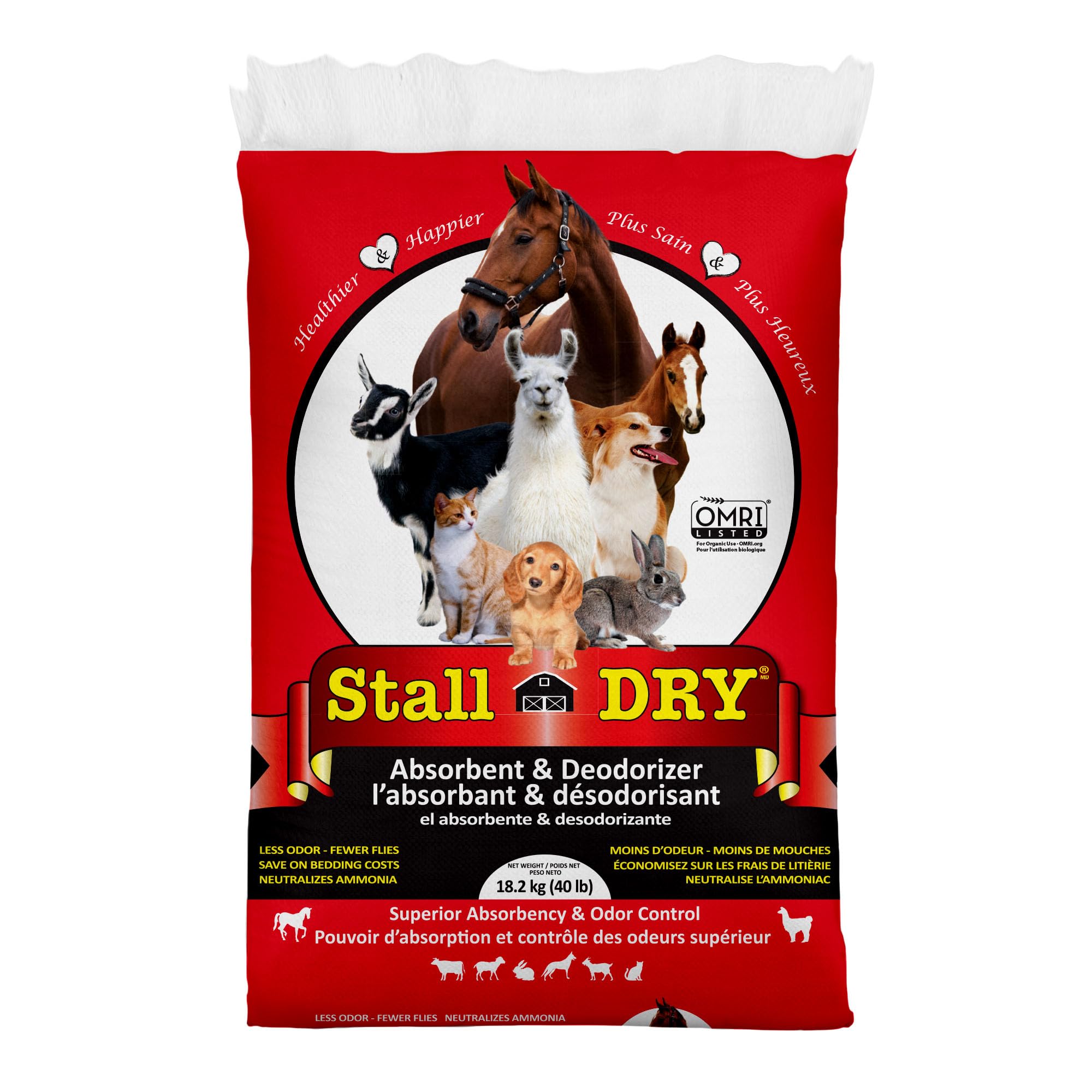
This is not a standalone bedding product — it is a highly concentrated mineral additive designed to complement straw or shavings. Made from food-grade diatomaceous earth and montmorillonite clay, Stall Dry absorbs up to 125 percent of its weight in liquid and locks ammonia gas into the clay matrix, preventing the sharp smell that irritates horses’ lungs. A light dusting on wet spots after daily mucking keeps stalls fresh between deep clean-outs.
Horse owners report that it eliminates urine odors without the caustic effects of hydrated lime, and it dries wet patches rapidly enough to reduce fly activity in warm weather. Because only a small amount is needed per application, a 40-pound bag stretches surprisingly far for a multi-stall barn. The powder is finely milled, so apply gently to avoid airborne dust during spreading.
While it does not replace the bulk absorbency of a deep straw bed, this product is a game-changer for anyone dealing with persistent ammonia buildup in enclosed stalls or trailers. Pair it with your existing bedding for a measurable improvement in air quality and stall dryness without switching materials entirely.
Why it’s great
- Eliminates ammonia odor at the source
- Small amount goes far — economical for barns
- Non-toxic, safe around horses and other livestock
Good to know
- Not a standalone bedding — requires a base layer
- Powder can become airborne if poured aggressively
2. Aubiose French Hemp Bedding
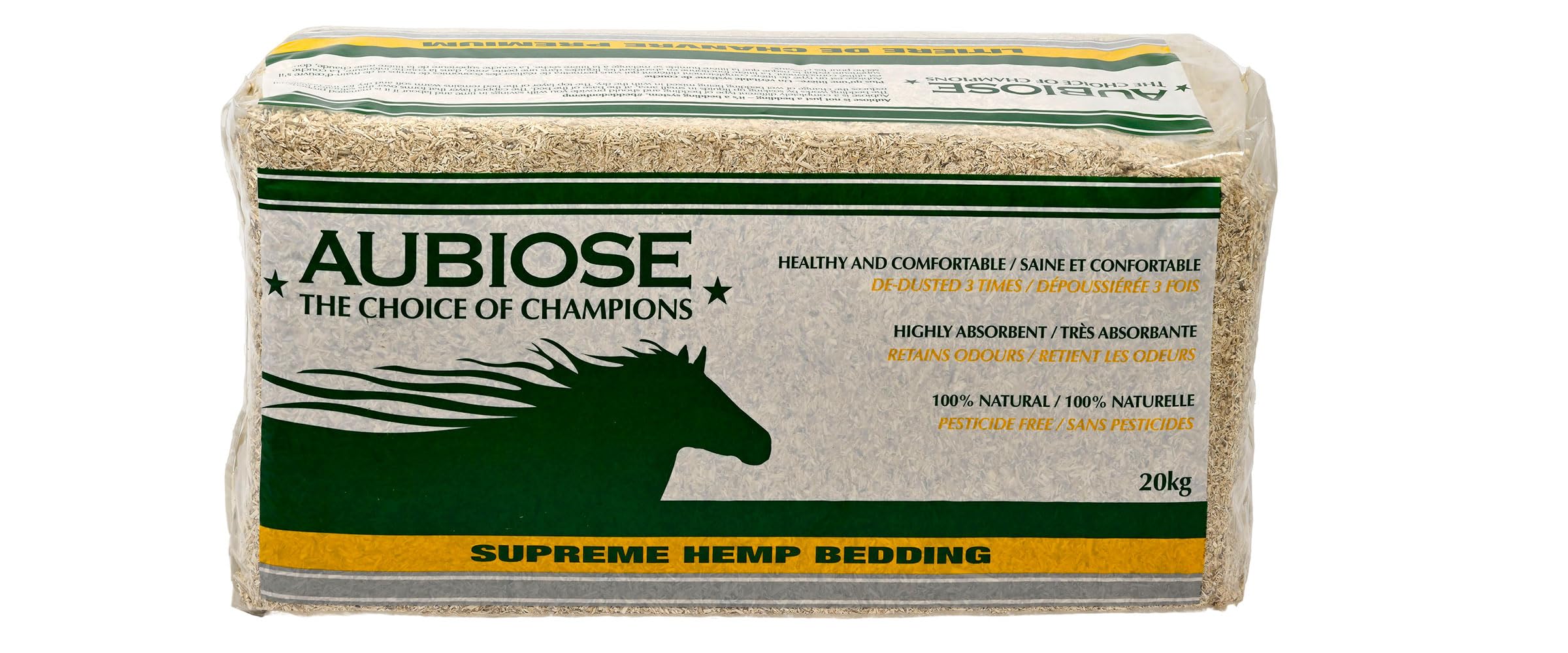
Aubiose sets the standard for low-dust hemp shavings in the equine market. Dust levels are measurably lower than pine, aspen, and even competing hemp brands, making this the top choice for horses with heaves, recurrent airway obstruction, or any respiratory sensitivity. The shavings are soft and fluffy, providing excellent cushioning for stall rest, and the natural hemp fibers wick moisture away from the surface without becoming slimy.
Horse owners consistently report that one bag lasts longer than expected, especially when using the deep litter method — you can layer bedding over time and only perform a full strip once or twice a year. The material decomposes rapidly in the compost pile, producing nutrient-rich soil weeks faster than wood-based alternatives. The upfront cost is higher, but the reduced labor and extended stall life offset the premium for most users.
The 44-pound bag is large and dense, but the shavings are compacted and expand significantly when fluffed. For a standard 12×12 stall, half a bale per week is a common usage rate. The lack of dust also means less irritation for the person mucking out — a real benefit for barn owners managing multiple stalls.
Why it’s great
- Ultra-low dust — ideal for respiratory issues
- Works exceptionally well with deep litter method
- Composts rapidly into rich garden soil
Good to know
- Higher upfront price than pine shavings
- Bag is heavy and may be hard to maneuver
3. Progressive Planet Stall Dry Premium Equine Bedding Pellets
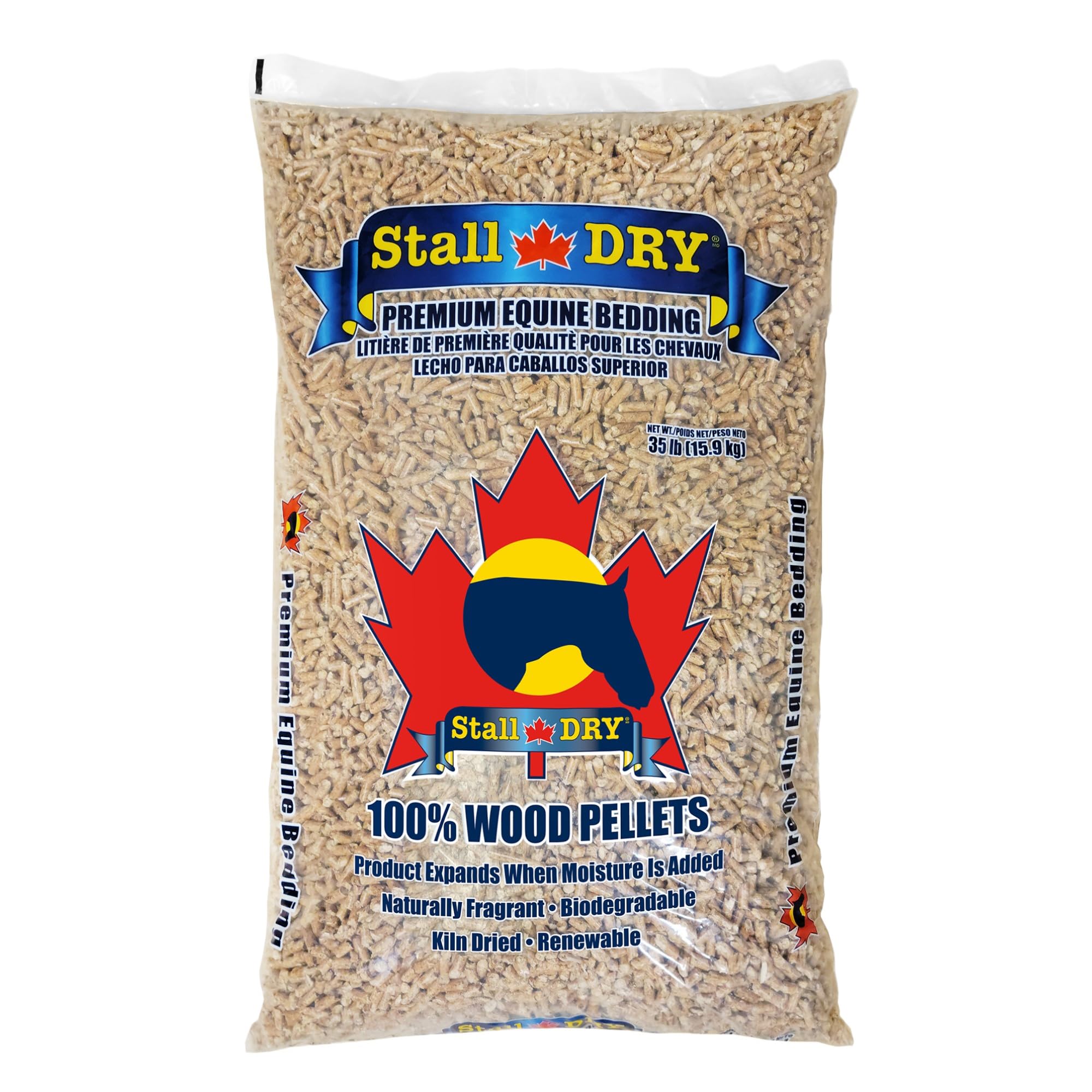
These pine pellets offer a different approach to stall management: they absorb moisture by expanding from small, hard pellets into a soft, sawdust-like material upon contact with liquid. A 35-pound bag of pellets essentially fluffs into a much larger volume of usable bedding, making it efficient for stalls where urine volume is high. The kiln-drying process ensures the pellets are low in moisture before use, so they do not harbor mold or bacteria before they reach your barn.
The natural pine scent provides a pleasant aroma that helps mask odors, but the real mechanism is physical absorption. Urine soaks into the pellet core, keeping the top layer dry and reducing the slippery wet spots common with straw. Because pellets break down into loose particles after expansion, they are easy to sift and remove with a standard manure fork. Stall cleaning frequency can be extended by a day or two compared to straw alone.
Users note that these pellets work well in combination with a top layer of straw for horses that need more cushioning. The pellets alone can feel firm underfoot for horses lying down for long periods, so layering is a practical tweak. Composting the spent pellets is straightforward, and they break down within a single growing season.
Why it’s great
- Expands dramatically to cover more stall area
- Low dust compared to loose shavings
- Natural pine scent suppresses odors
Good to know
- Pellets can feel hard before they absorb moisture
- May need a straw topper for extra softness
4. Small Pet Select Pine Pellet Bedding
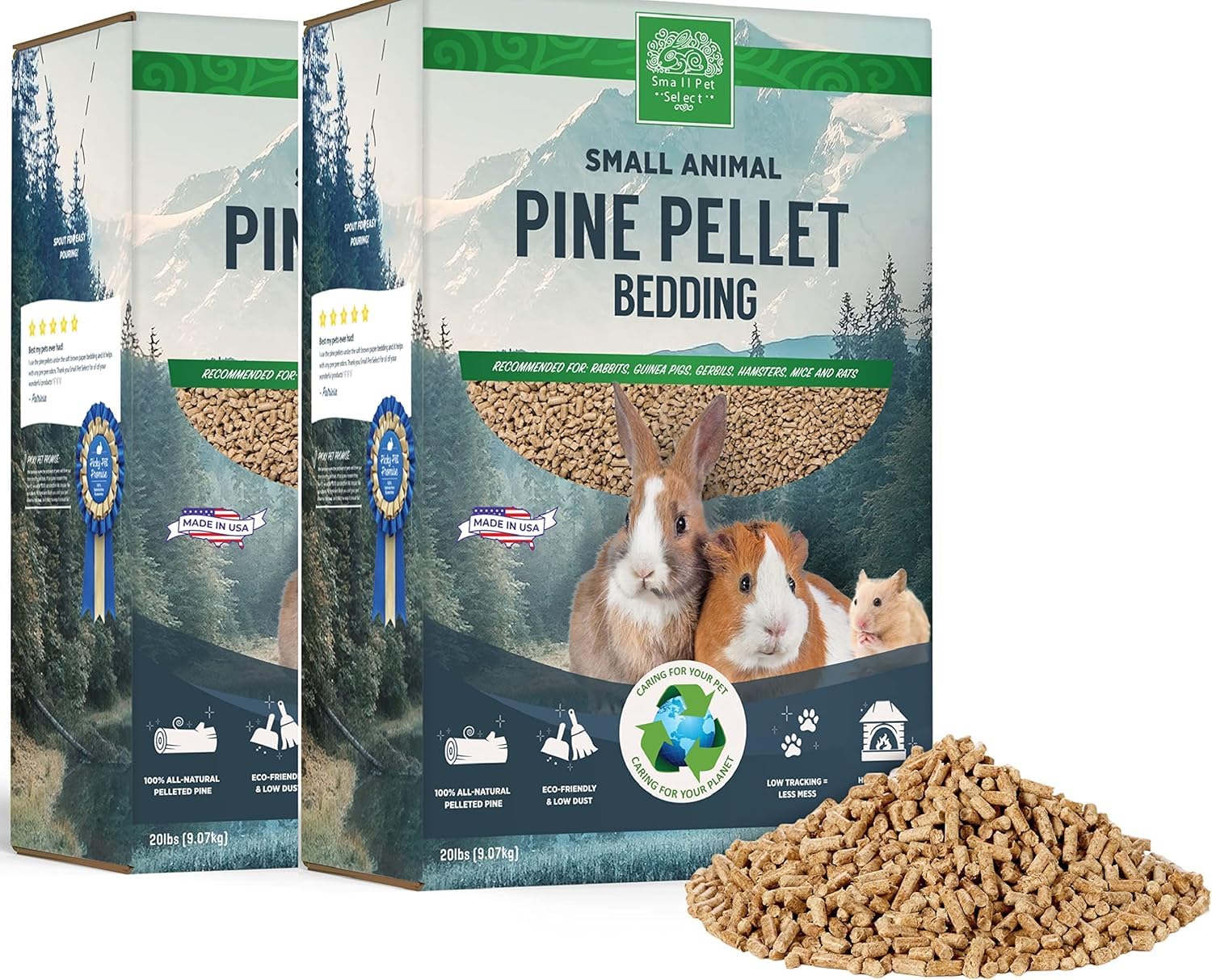
Triple-screened and made from unbleached natural pine, these pellets clock in at 99 percent dust-free — a spec that matters for horses with sensitive airways and for barn workers who spend hours in enclosed spaces. The high-density pellets absorb urine efficiently without sticking to hooves or fur, which is a common complaint with loose shavings that clump around wet areas.
Each 40-pound bag is compressed enough to minimize shipping bulk, but the pellets expand substantially when exposed to moisture. In a horse stall, a thin layer of these pellets under a straw bed creates a moisture barrier that prolongs the life of the top bedding. Users also appreciate that the pellets do not track out of the stall as easily as loose straw, keeping aisleways cleaner.
The product is sustainably sourced from already-downed trees and is fully compostable, aligning with eco-conscious barn management. Because the pellets are designed primarily for small animals, the bag size is manageable for one or two stalls. For larger operations, buying in bulk from local farm supply stores may offer a lower per-pound cost, but the Amazon convenience and consistent quality justify the premium for smaller setups.
Why it’s great
- Nearly dust-free — top tier for air quality
- Expands well to absorb stall moisture
- 100% natural pine, no chemical additives
Good to know
- Bag size better suited for 1-2 stalls
- May be more expensive per pound than bulk local options
5. HealthiStraw FarmStraw Coarse Cut
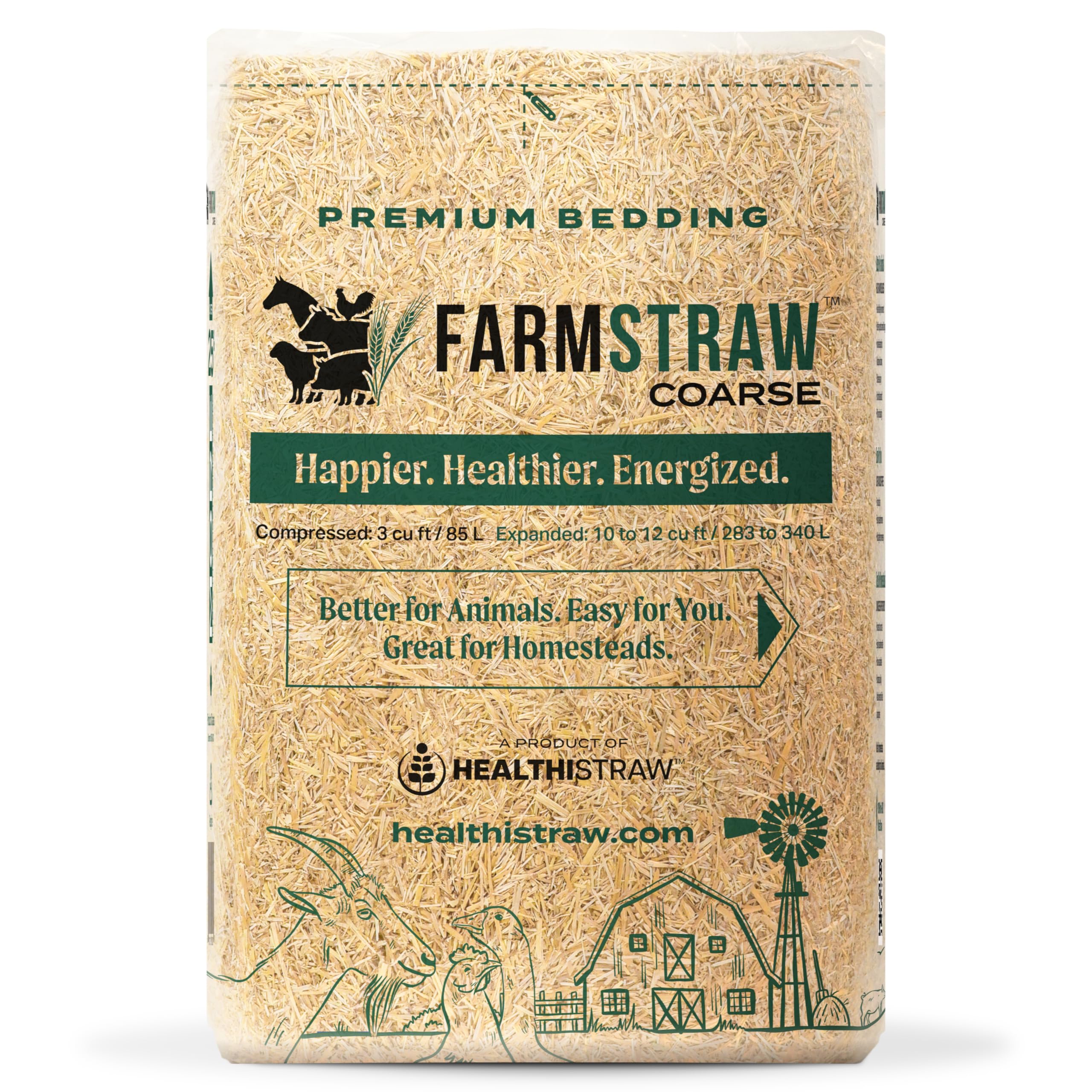
FarmStraw delivers a coarse-cut wheat straw that is thoroughly cleaned and dust-reduced compared to traditional bale straw. The 2-3 inch pieces are split and bent during processing to increase surface area, creating a fluffy, insulative bed that traps air and keeps horses warm in cold weather. The 3-cubic-foot compressed bale expands to over 10 cubic feet after opening, providing ample fill for a standard stall.
The straw is noticeably less dusty than barn-stored bales, thanks to an all-natural, additive-free cleaning process. Moisture wicking is adequate for daily mucking routines, but straw inherently does not absorb as aggressively as pellets or hemp. Users report that layering this straw over a pellet base dramatically improves stall dryness without sacrificing the soft texture horses prefer for lying down.
One of the stronger selling points is its decomposition speed: this straw breaks down about four times faster than wood bedding, making it an excellent candidate for hot composting. Spent bedding turns into garden-ready compost in a fraction of the time, closing the loop between stall waste and soil enrichment. The lightweight bales are also easier to handle and spread than heavy pellet bags.
Why it’s great
- Expands significantly — good coverage per bale
- Low dust for a straw product
- Composts 4x faster than wood shavings
Good to know
- Straw absorbs less than pellets or hemp
- Best used with a pellet base for heavy wet stalls
6. Standlee Hay Company Wheat or Barley Chopped Straw

Standlee’s chopped straw is a workhorse product for barns that house multiple species — it works for horses, goats, sheep, rabbits, and chickens alike. The 4-inch piece length is short enough to minimize waste (horses cannot easily pull it apart and soil only the top layer), yet long enough to provide decent loft for insulation. It is naturally sun-cured and certified noxious weed free, so you will not introduce invasive seeds into your pasture through composted stall waste.
The 23.8-pound compressed bag packs a surprising amount of straw. Users consistently note that it comes tightly compressed and fluffs up significantly when opened. For a horse stall, a single bag provides enough material for a deep bed that can be spot-cleaned for several days before needing a full strip. The straw is clean and dry with a faint, pleasant grassy smell — no musty barn odors that indicate hidden mold.
Because it is heat-treated during processing, seeds are sterilized and will not germinate in your compost pile or garden. This is a practical advantage for anyone who uses spent bedding as mulch. The main trade-off is that straw, regardless of quality, does not match pellet or hemp for moisture absorption, so pairing with an underlayer of wood pellets or a deodorizer like Stall Dry will yield the best results for urine-heavy stalls.
Why it’s great
- Short pieces reduce stall waste significantly
- Noxious weed free and heat-treated seeds
- Clean, dry, and pleasant-smelling
Good to know
- Bag quantity may vary between batches
- Needs a moisture-absorbing layer for wet stalls
7. EZ Straw Seeding Mulch with Tack
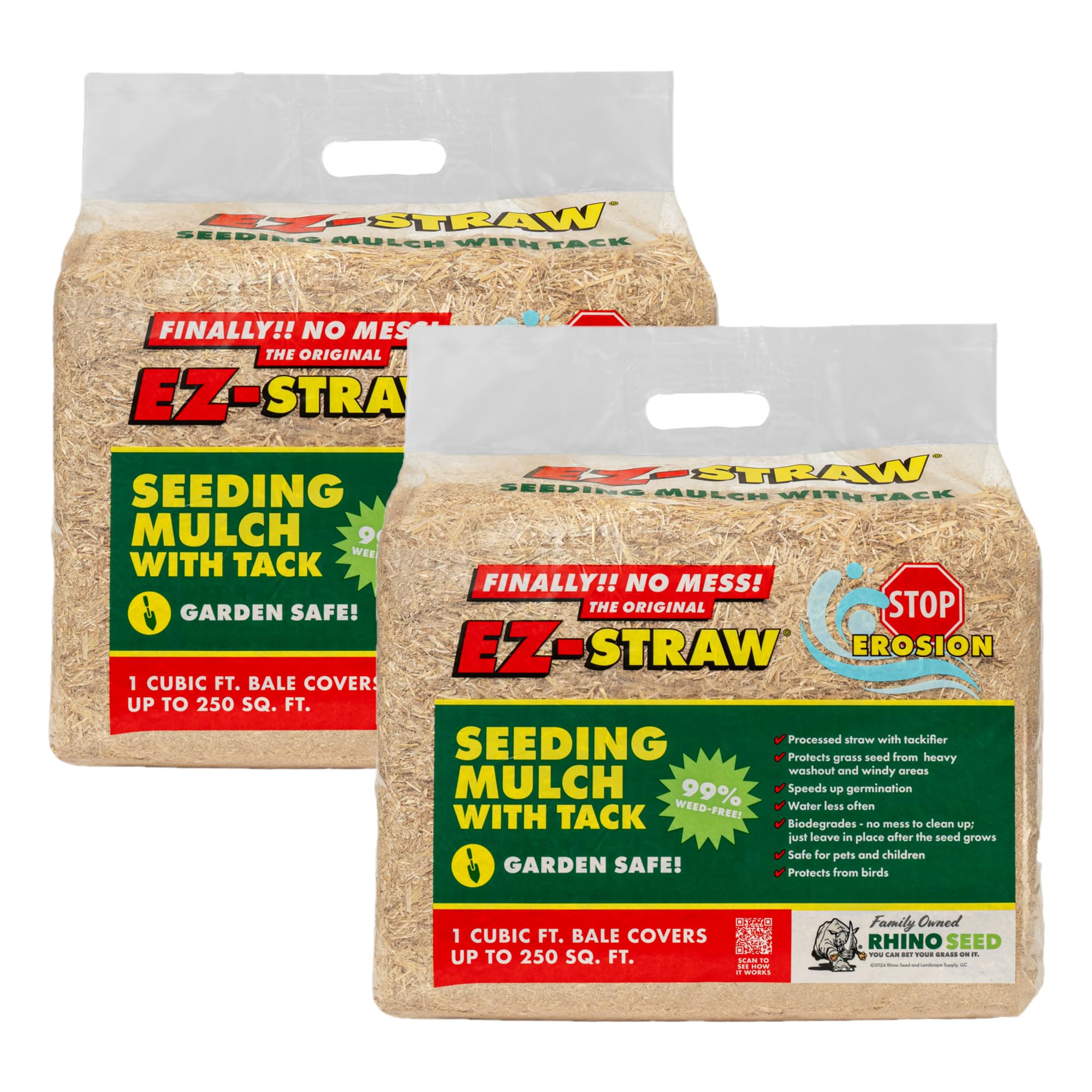
This product is a processed straw with a natural biodegradable tackifier that binds the pieces together once water is applied. While it is designed primarily for grass seeding and erosion control, some barn owners repurpose it for stall bedding when they need a lightweight, bonded layer that stays in place underfoot. The tackifier helps the straw mat together, reducing the amount that gets kicked out of the stall or scattered into aisleways.
The straw is 99 percent weed free and processed into fine, consistent pieces. The tackifying agent activates with water, so if you use this in a stall, be aware that urine contact will trigger the bonding effect. This can create a mat-like surface that is easy to roll up for removal, but may feel less fluffy than loose straw for horses lying down. It works best as a top layer over a more absorbent base.
Given its intended use, this is not the most cost-effective choice for daily stall bedding. The convenience factor shines during temporary setups — for trailering, quarantine stalls, or show barns where you want minimal mess. For permanent stall management, conventional loose straw or pellets will provide better value and comfort.
Why it’s great
- Tackifier reduces scattering and waste
- Easy to remove as a cohesive mat
- 99% weed free for clean composting
Good to know
- Not designed for high-absorbency bedding
- Best suited for temporary or light-use stalls
FAQ
Is straw or wood pellets better for a horse with heaves?
How often should I fully strip a stall using hemp bedding?
Final Thoughts: The Verdict
For most users, the bedding for horse stalls winner is the Aubiose French Hemp Bedding because it delivers exceptional dust control, high moisture absorption, and deep litter capability that drastically cuts stall maintenance labor. If you want the powerful odor-scrubbing effect of a mineral additive, grab the Progressive Planet Stall Dry Absorbent & Deodorizer. And for a budget-friendly bulk straw option that composts rapidly, nothing beats the HealthiStraw FarmStraw Coarse Cut.