
Our readers keep the lights on and the weekend projects moving. As an Amazon Associate, I earn from qualifying purchases.
Starting your first hand plane project only to discover a concave sole, chipped blade, or hours of flattening ahead is a frustrating rite of passage. The real challenge isn’t learning to plane wood—it’s finding a tool that actually works out of the box without demanding expensive sharpening gear and an afternoon of lapping.
I’m Rikta — the co-founder and writer behind FitlyFast. I’ve analyzed the machining tolerances, blade alloys, sole flatness reports, and setup times across dozens of bench and block planes to find the ones that let beginners actually start cutting shavings, not sandpaper.
Whether you’re trimming end grain or smoothing a tabletop, you need a plane that arrives flat, sharp, and adjustable without frustration. This guide cuts through the hype to find the very best beginner hand plane for your workshop.
How To Choose The Best Beginner Hand Plane
A beginner hand plane should reward your first stroke with a thin, even curl, not punish you with hours of prep work. The right tool balances sole flatness, blade quality, adjustability, and mouth control—all without requiring a shop full of sharpening stones to get started.
Sole Flatness: The Non-Negotiable Foundation
A warped or dished sole is the number one beginner killer. If the bottom of the plane isn’t flat, you cannot take a consistent cut across the length of your workpiece. Look for planes where real-world owners report that the sole arrived flat or required minimal work. Ductile iron bodies tend to hold their flatness better than standard grey cast iron in the budget tier.
Blade Steel and Sharpness Out of the Box
O1 tool steel (found on Jorgensen models) offers a strong balance of edge retention and ease of sharpening, while Japanese white steel laminated with soft iron (found on KAKURI and SUIZAN) delivers razor edges that feel sharper but require more careful tuning. For a beginner, a blade that arrives truly sharp enough to shave arm hair means you can start planing immediately instead of spending an hour on a water stone.
Block Plane vs. Bench Plane: Which Body Style Fits Your Work?
Low-angle block planes (like the Jorgensen No.60-1/2 or Faithfull 6012) are compact, work beautifully on end grain, and fit in one hand for trimming and chamfering. Standard bench planes (like the Stanley No.4 or Jorgensen No.4) are larger, heavier, and excel at smoothing long boards and removing material quickly. Beginners who do mostly smaller projects, trim work, or craft woodworking will benefit more from a quality block plane first.
Quick Comparison
On smaller screens, swipe sideways to see the full table.
| Model | Category | Best For | Key Spec | Amazon |
|---|---|---|---|---|
| Jorgensen NO.60-1/2 | Block Plane | Best Overall Value & Readiness | O1 Tool Steel Blade, Ductile Iron | Amazon |
| KAKURI Japanese 60mm | Pull Plane | Large Surface Smoothing | 60mm Laminated Japanese Steel | Amazon |
| SUIZAN Kanna 2″ | Pull Plane | Premium Pull-Plane Experience | 2″ Blade, Japanese Steel | Amazon |
| Jorgensen No.4 10″ | Bench Plane | Smoothing Long Boards | 10″ Ductile Iron, Beech Handle | Amazon |
| KAKURI Replaceable 42mm | Block/Pull Plane | No-Sharpening Convenience | Replaceable High Carbon Steel | Amazon |
| Stanley No.4 12-404 | Bench Plane | Entry-Level Bench Plane | 2″ Cutter, Cast Iron Body | Amazon |
| Faithfull 6012 Block Plane | Block Plane | Budget End-Grain Trimming | 13.5° Low Angle, Cast Iron | Amazon |
In‑Depth Reviews
1. Jorgensen NO.60-1/2 Low Angle Block Plane
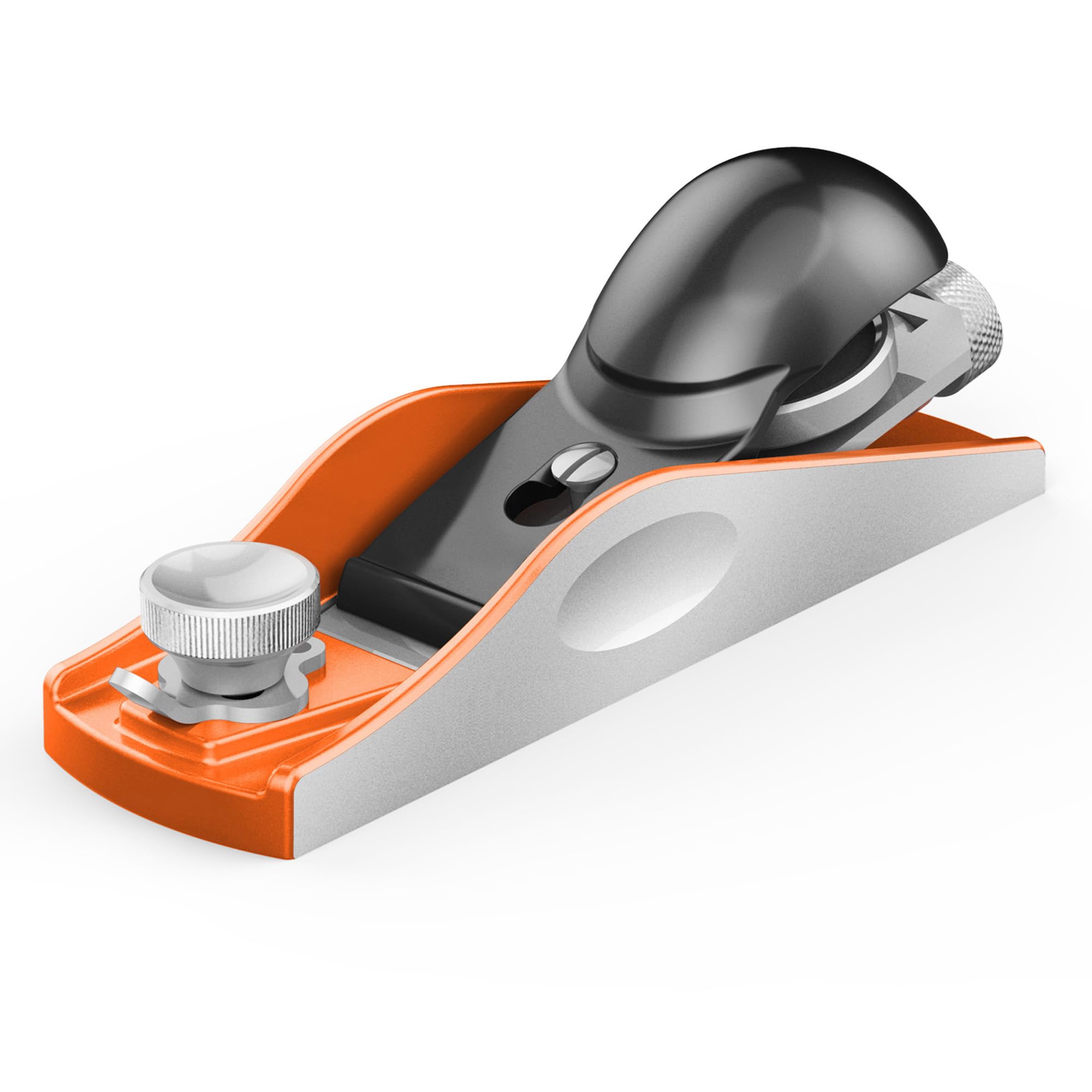
The Jorgensen No.60-1/2 is the closest thing to a cheat code for beginners. Multiple owners confirm the sole arrived flat, the O1 tool steel blade came sharp enough to work with minimal honing, and the ductile iron body provides a heft that soaks up vibration without being unwieldy. The adjustable mouth opens wide for coarse end-grain work and closes down for paper-thin finish shavings—all controlled by a smooth knob that doesn’t fight your adjustments.
Unlike cheaper block planes that require hours of lapping to get the sole true, the Jorgensen’s ductile iron is drop-tested for durability and stays flat under use. The zinc alloy lever cap locks the blade securely without shifting, and the polished bottom glides across the workpiece. For detailed work like dovetail trimming, chamfering, or cleaning up miters, this plane feels like it costs three times its actual price bracket.
Even experienced woodworkers who own Lie-Nielsen planes praised its factory readiness as a travel tool. The included instructions are clear, and the orange powder coat finish is durable without being brittle. For any beginner who wants to open the box and start cutting shavings, this is the safest recommendation.
Why it’s great
- Flat sole and sharp blade out of the box
- O1 tool steel holds an edge longer than budget alloys
- Adjustable mouth suits both end grain and fine smoothing
- Ductile iron body resists warping over time
Good to know
- 1.38-inch cutting width limits wider stock
- Paint can chip at corners if dropped
2. KAKURI Japanese Large Smoothing Plane 60mm

The KAKURI 60mm Kanna represents a different philosophy: pull instead of push, and tune instead of trust. This large Japanese smoothing plane is built for covering wider surfaces in fewer passes, with a 60mm blade width that dwarfs most block planes. The blade is laminated Japanese high carbon steel with a soft iron backing—a traditional construction that delivers a keen edge and makes resharpening easier when the time comes.
Real owners report that the blade arrived with a hollow grind that required some honing, and the white oak body occasionally needed minor chisel work to seat the blade properly. However, those who followed Kakuri’s setup videos found the plane produced glass-smooth finishes on pine, poplar, and birch within minutes of tuning. The pull technique naturally encourages even pressure, reducing the rocking motion that beginners often struggle with on western planes.
The oil-finished body resists moisture-induced warping, and the chipbreaker minimizes tearout on figured grain. At 34.4 ounces, it’s heavy enough to carry momentum through the cut but balanced for two-handed control. This plane is not for someone who wants instant out-of-box perfection, but it rewards the beginner who is willing to learn traditional Japanese tuning with stunning results.
Why it’s great
- Wide 60mm blade covers large surfaces efficiently
- Laminated steel edge stays sharp through tough grain
- Pull technique reduces common beginner wobble
- Oil-finished oak body resists humidity changes
Good to know
- Requires setup time honing blade and fitting body
- Cannot plane hard maple without tearout
3. SUIZAN Kanna Japanese Wood Planer 2″
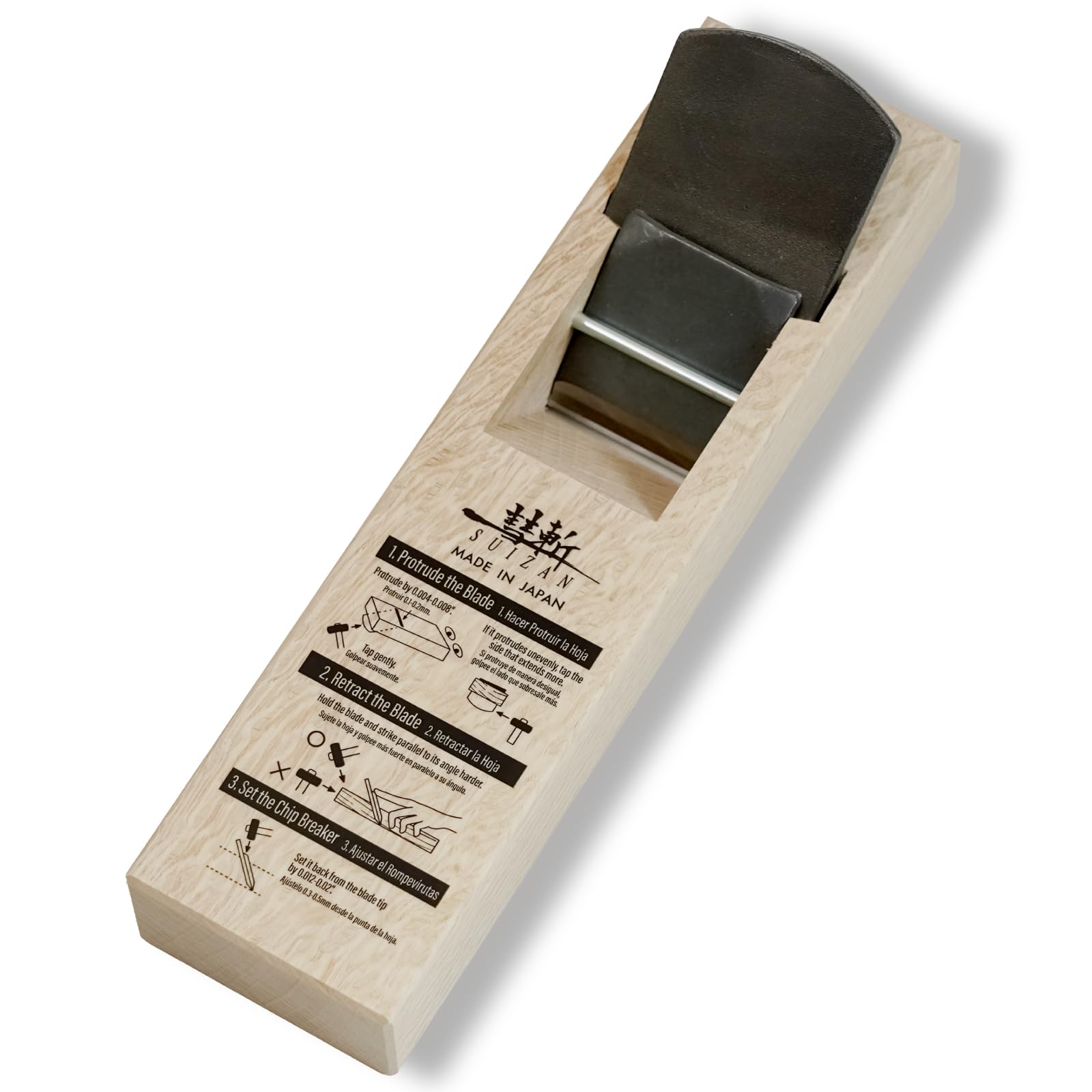
The SUIZAN 2-inch Kanna splits the difference between the smaller replaceable-blade Kakuri and the larger 60mm plane. With a 50mm cutting width and a 9.4-inch body, it’s long enough to ensure flat starts and compact enough for one-handed use. The blade is Japanese high carbon steel, and owners consistently report that it arrived sharp enough to produce paper-thin curls within minutes of unpacking—some even described the finish as better than sanding.
Setup is straightforward: the blade sits against the wooden dai (body) and is adjusted by tapping the back edge with a hammer. This traditional method gives fine control once you get the hang of it, though beginners may initially struggle with the non-threaded adjustment system. A quick 20-minute tune-up with a water stone and some chisel work on the chip breaker squared it up for most users.
The SUIZAN handles red oak and pine with equal ease, and the steel held up well against knots without chipping. At 1.5 pounds, it has a satisfying heft that drives the blade through the cut without excessive hand pressure. For the beginner who wants to experience authentic Japanese joinery and doesn’t mind tapping a block of wood to set depth, the SUIZAN delivers a finish that rivals planes costing much more.
Why it’s great
- Sharp out of the box with minimal tuning needed
- Produces glass-like finish without sanding
- 9.4-inch body length aids flat starts
- Excellent value for Japanese steel performance
Good to know
- Hammer-adjustment system has a learning curve
- Some units had glue residue on the iron
4. Jorgensen No.4 10″ Smoothing Plane

The Jorgensen No.4 is the bench plane answer to the block plane above, bringing the same ductile iron build and O1 tool steel blade in a full-size 10-inch format. This plane is designed for smoothing long boards and removing material quickly—exactly what you need when flattening a panel or jointing an edge. Multiple owners confirm the sole arrived flat, the frog was square, and the chip breaker sat flush against the iron without gaps.
The beechwood handle is polished smooth and fits the palm comfortably, though some users noted the tote screw was slightly loose out of the box—an easy fix with a shim. The adjustable mouth allows transitions from coarse stock removal to fine finishing, and the blade, while needing a quick lapping to polish the factory grind, holds an edge well through extended use. At 4.9 pounds, it’s heavier than a typical No.4, which helps momentum but can fatigue the arm during long sessions.
After a brief tuning session, owners found the Jorgensen No.4 performed on par with planes costing two to three times as much. The thickness of the iron and the tight machining of the frog give it a solid, chatter-free feel on hardwoods. For any beginner ready to step up from a block plane to a full-size smoother, this is the bench plane to buy.
Why it’s great
- Flat sole and square frog out of the box
- O1 tool steel holds edge well with routine honing
- Adjustable mouth for coarse to fine work
- Beechwood handle comfortable for extended use
Good to know
- Heavy for a No.4 at nearly 5 pounds
- Tote screw may need tightening or shimming
5. KAKURI Japanese Hand Plane 42mm Replaceable Blade

The KAKURI 42mm replaceable-blade Kanna solves the single biggest headache for beginners: sharpening. Instead of investing in water stones and spending hours learning to hone a blade, you simply swap in a fresh tip when the edge dulls. The blade is Japanese high carbon steel, and owners confirm it arrived sharp enough to cut end grain on old-growth Douglas fir without tearout right out of the box.
The white oak body is beautifully grained and finished, and the compact 7-inch size makes it ideal for chamfering edges, trimming dovetails, and small craft projects. The pull technique takes a few tries to learn, but the long base helps maintain flatness during the start of the cut. Blade adjustment is done by tapping the back of the body with a hammer, and once set, the plane holds its depth reliably through multiple passes.
Replacement blades cost roughly the same as a cup of coffee each, making this the most cost-effective way to always work with a sharp edge. The main downside is that the replaceable blade design can cause slight chatter on wider surfaces compared to a fixed wedge, but for the intended use case of small trimming and chamfering, it’s a negligible trade-off. For the beginner who wants to focus on technique, not sharpening, this is a smart entry point.
Why it’s great
- No sharpening needed—swap blades in seconds
- Sharp out of the box, cuts end grain cleanly
- Compact size ideal for trim and craft work
- Attractive white oak body with smooth finish
Good to know
- Chatter on wider surfaces with replaceable blade
- Hammer adjustment may be tricky at first
6. Stanley No.4 Hand Planer (12-404)

The Stanley No.4 is the classic entry-level bench plane that every woodworker has either owned or considered. It has a cast iron base, epoxy coating for durability, and a hardened steel cutter that handles basic smoothing tasks. The price point is attractive, and several owners found that with careful tuning—flattening the sole, sharpening the blade, and adjusting the frog—it could cut shavings as well as more expensive planes.
The reality, however, is that many units require significant setup time. Owners report spending hours lapping the sole flat only to find a permanent low spot in the center, and the thin blade dulls faster than O1 or Japanese steel options. The instructions are notoriously poor, and the handle is small for larger hands. The lack of a chip breaker also means more tearout on figured wood compared to planes with a proper cap iron.
If you already own sharpening equipment and enjoy the process of tuning a plane, the Stanley No.4 can be brought up to respectable performance. But for a beginner who wants to start planing immediately without a multi-hour setup session, the additional cost of the Jorgensen No.4 or a quality block plane saves time and frustration. This is a budget-friendly foundation for someone ready to learn the craft of tuning.
Why it’s great
- Classic design with wide availability
- Can perform well with thorough tuning
- Cam-lock iron removal is convenient
Good to know
- Often requires hours of sole flattening
- Blade is thin and dulls quickly
- No chip breaker included
7. Faithfull 6012 Block Plane in Wooden Box
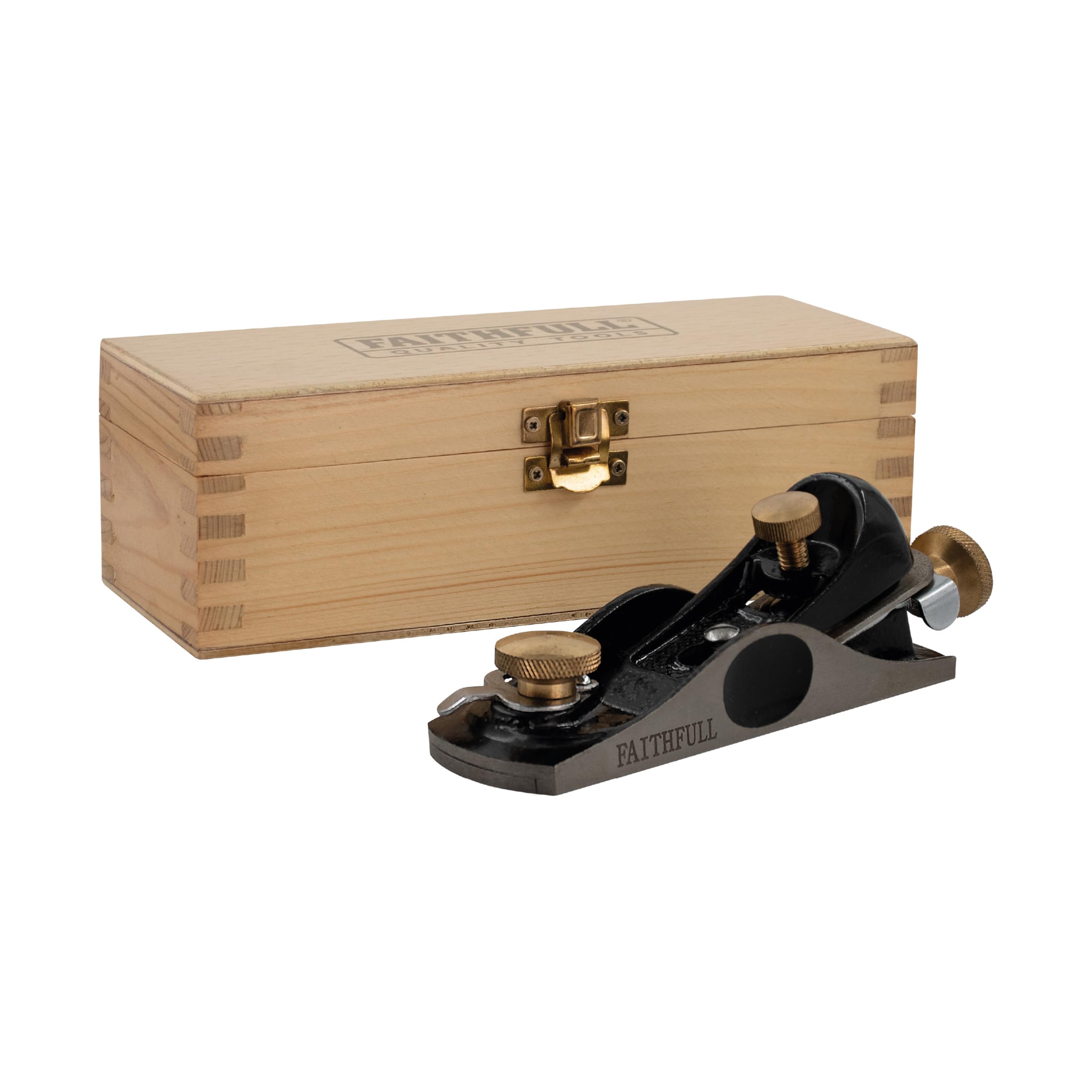
The Faithfull 6012 is the cheapest option in this roundup and comes with a wooden storage box that keeps the plane safe during transport. The 13.5-degree low-angle cutter is ideal for end grain work and trimming laminates, and the adjustable mouth gives you control from coarse to fine passes. At 160mm length, it’s compact enough for one-handed use in tight spaces.
The trade-off for the low price is inconsistency. Some owners received a plane that worked well after a quick hone, with a sole that was flat enough for basic trimming. Others found the sole dished in the center, requiring hours of lapping that still left a permanent low spot. The blade is a thin budget steel that sharpens quickly but doesn’t hold an edge long, and a few units arrived with the blade chipped or the ramp out of square.
If your budget is extremely tight and you’re willing to gamble on quality control, the Faithfull 6012 can serve as a functional block plane for occasional use. The wooden box is genuinely nice for storage. For the small price increase to the Jorgensen No.60-1/2, however, you gain a far more reliable sole, better steel, and a plane that works out of the box with far less frustration.
Why it’s great
- Low angle perfect for end grain work
- Wooden box protects the plane well
- Adjustable mouth for different cuts
- 5-year manufacturer’s guarantee
Good to know
- Inconsistent sole flatness from unit to unit
- Thin blade dulls faster than premium steel
- Some units arrived with chipped blades
FAQ
What does the 13.5-degree low angle on a block plane actually mean for my cuts?
How do I know if my hand plane sole is flat, and what do I do if it’s not?
Final Thoughts: The Verdict
For most users, the best beginner hand plane winner is the Jorgensen No.60-1/2 Block Plane because it combines a flat ductile iron sole, sharp O1 tool steel blade, and adjustable mouth at a price that doesn’t punish your budget. If you want the smooth finish of Japanese pull-plane technique and don’t mind a short tuning session, grab the KAKURI 60mm Kanna. And for the beginner who wants to skip sharpening entirely and focus on technique, nothing beats the convenience of the KAKURI 42mm Replaceable Blade Plane.