
Our readers keep the lights on and the weekend projects moving. As an Amazon Associate, I earn from qualifying purchases.
Nothing ruins a first day on the slopes faster than fogged-up lenses, a poor fit that leaves gaps for cold air, or a frame that doesn’t sit right under your helmet. For a beginner, the right pair of ski goggles has to solve three specific problems: they must stay clear in changing conditions, fit comfortably with any helmet, and offer enough peripheral vision to see the skiers and snowboarders beside you. Every product in this guide was selected to address these exact beginner pain points.
I’m Rikta — the co-founder and writer behind FitlyFast. I’ve spent the last several months analyzing hundreds of ski goggle specifications, comparing lens technologies like VLT (Visible Light Transmission) percentages, anti-fog dual-layer designs, magnetic mounting systems, and frame materials to understand exactly what matters most for someone buying their first pair.
The key to picking the right pair is understanding VLT percentages and how lens interchangeability works. Whether you plan to ski in bright sun, cloudy conditions, or at night, the lens system determines your visibility and safety on the mountain. This guide breaks down the seven best options available today to help you find the ideal pair of beginner ski goggles.
How To Choose The Best Beginner Ski Goggles
Buying your first pair of ski goggles is more technical than it looks. You cannot just pick the cheapest pair or the one with the coolest mirrored finish. Three specs define whether a goggle works for a beginner: the lens system, the frame design, and the anti-fog construction. Overlooking any of these leads to a frustrating day on the mountain where you are constantly wiping lenses or struggling with a poor fit under your helmet.
VLT and Lens Interchangeability
VLT (Visible Light Transmission) measures what percentage of light passes through the lens. A low VLT (5–20%) is designed for bright, sunny days. A high VLT (60–90%) works in overcast or night conditions. Beginner goggles should feature an interchangeable lens system so you can swap lenses to match changing weather conditions. Magnetic systems, like the 20-magnet setup on the Odoland or the N45 magnets on the Wildhorn Roca Pro, make swapping lenses fast and secure. Clip-lock systems offer additional safety for high-impact crashes. Without interchangeability, you will need to buy a second pair for low-light days.
Anti-Fog Construction
Fogging is the most common complaint among new skiers. Dual-layer lenses create a thermal barrier that prevents condensation from forming on the inner surface. Ventilation ports along the top and bottom of the frame allow warm moist air to escape while preventing snow from entering. Beginners should prioritize goggles with a clear anti-fog coating on the inner lens and a two-way venting system. Avoid touching or wiping the inner lens coating, as this degrades the anti-fog treatment over time. Products like the OutdoorMaster PRO and the Dragon NFX2 feature advanced venting and dual-layer designs that significantly reduce fogging in humid or wet snow conditions.
Frame Fit and Helmet Compatibility
A goggle frame must seal against your face without pressure points and fit smoothly under your helmet without gaps. Triple-layer foam padding provides comfort for all-day wear. Adjustable straps with silicone grippers prevent the goggle from slipping. If you wear prescription glasses, you need a specific OTG (over-the-glasses) design that provides extra depth inside the frame. The findway and VANRORA models specifically accommodate readers. Frame size also matters: a large frame offers a wider field of view but may not fit smaller faces. The Wildhorn Roca Pro offers both medium and large frame options to match different face sizes.
Quick Comparison
On smaller screens, swipe sideways to see the full table.
| Model | Category | Best For | Key Spec | Amazon |
|---|---|---|---|---|
| Odoland Magnetic | Full Set | Versatile beginners wanting 2 lenses | 20 magnets, includes case & pouch | Amazon |
| Wildhorn Roca Pro | Premium | Wide FOV and competition-level tech | 185° panoramic field of view | Amazon |
| Dragon NFX2 | High-End | Serious beginners who want premium optics | Swiftlock lens change, Lumalens color tech | Amazon |
| OutdoorMaster PRO | Mid-Range | Budget-conscious all-mountain skiers | Spherical dual-lens, 15 color options | Amazon |
| VANRORA X-Mag | Mid-Range | Entry-level with magnetic simplicity | Side-clip magnetic lock system | Amazon |
| findway OTG | OTG | Skiers who wear prescription glasses | OTG design, N45 magnets + clip lock | Amazon |
| Snowalva | Budget | Cost-effective 2-lens package | 2 UV400 anti-fog magnetic lenses | Amazon |
In‑Depth Reviews
1. Odoland Magnetic Interchangeable Ski Goggles Set
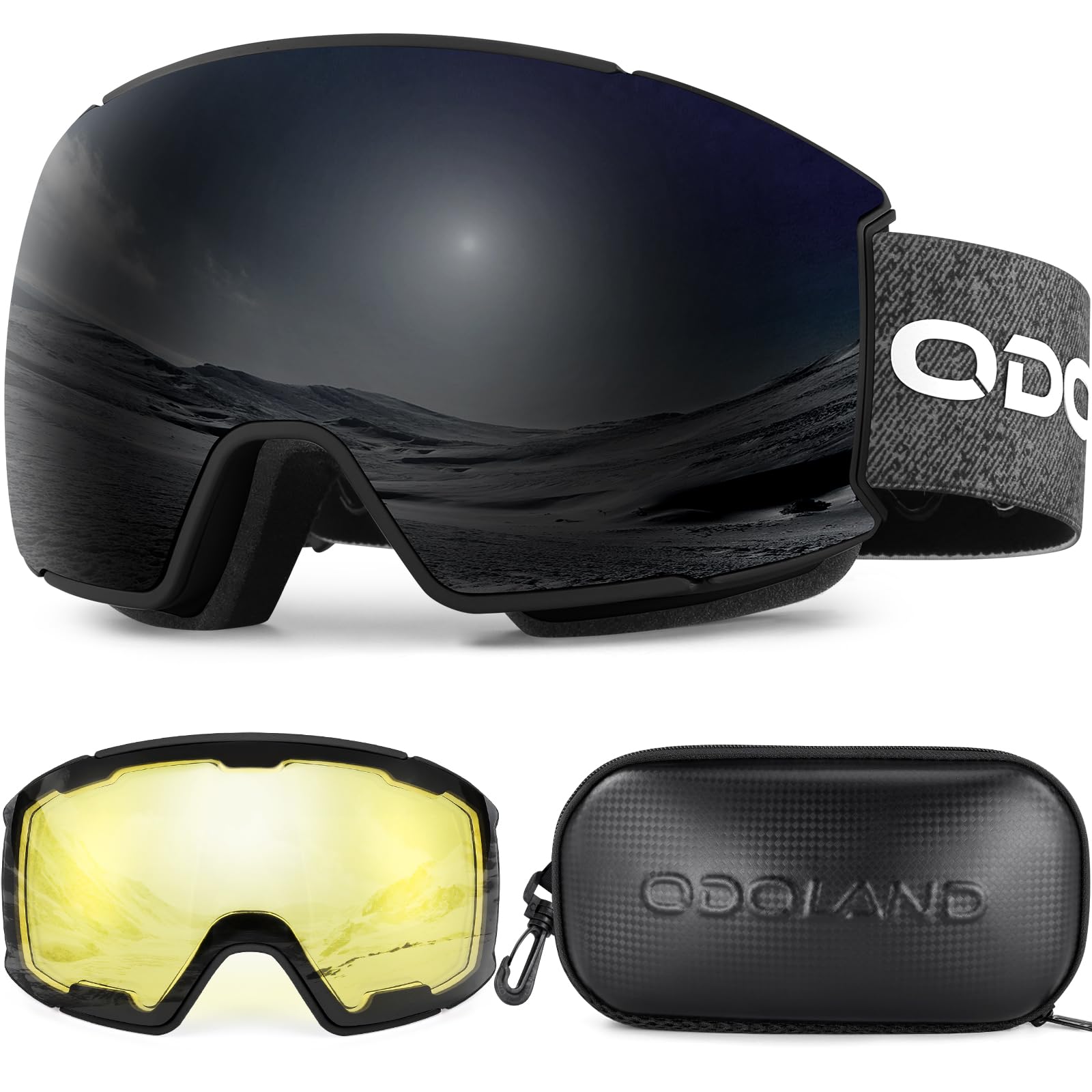
The Odoland set offers the most complete beginner package in this roundup. It comes with two interchangeable lenses (a black lens at 8.8% VLT for bright sun and a bonus lens for lower light), a hard case, and a soft pouch. The magnetic lens system uses 20 magnets, which is twice as many as most competitors, making the swap extremely secure and easy even with gloves on. The spherical dual-layer lens with anti-fog coating and a two-way ventilation system keeps vision clear through long ski sessions.
The TPU frame is durable yet flexible, and the triple-layer high-density foam padding provides all-day comfort without pressure points. At 177 degrees of peripheral vision, you can easily spot skiers approaching from the side. The extra-long adjustable strap fits smoothly over most helmets, and the rimless frame design minimizes weight on your face. Reviewers consistently note that these goggles rarely fog unless the inner film is touched, and many compare the optical clarity favorably to brands like Oakley.
The main trade-off is the black lens at 8.8% VLT, which is best suited for bright sunny days. While the included bonus lens covers lower light, you may eventually want a more targeted VLT percentage for overcast conditions. The yellow-tinted lens in some versions is reported to impair night vision, so stick to the standard day/night combo for the best beginner experience. Overall, this is the most feature-rich and value-packed set for anyone starting out.
Why it’s great
- Includes two lenses, hard case, and pouch for full readiness.
- 20-magnet system makes lens swaps effortless and secure.
- Triple-layer foam with TPU frame offers comfortable all-day wear.
Good to know
- Black lens (8.8% VLT) is designed only for bright sun.
- Yellow tinted lens variant can impair night vision clarity.
2. Wildhorn Roca Pro Ski Goggles
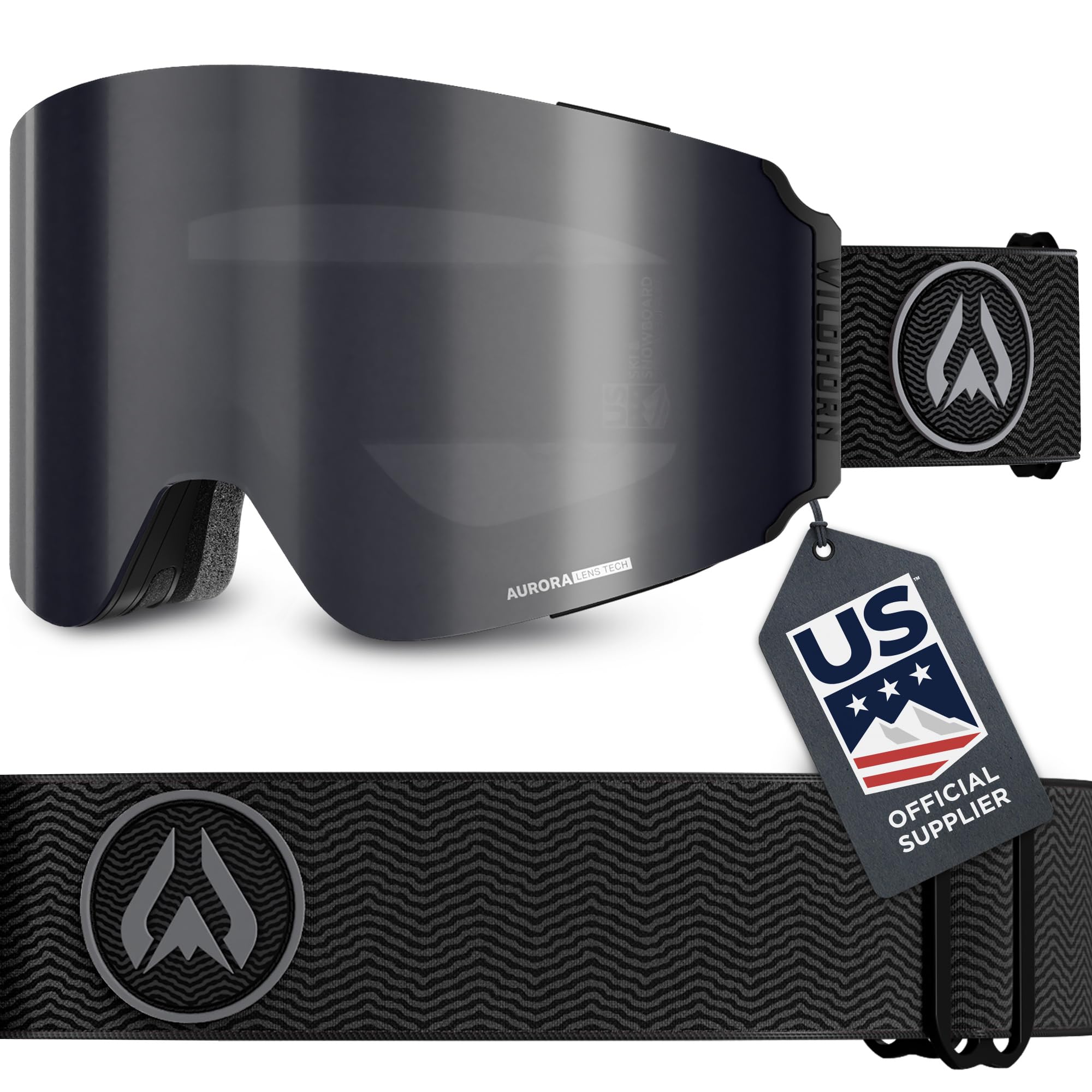
Wildhorn Outfitters serves as the official competition supplier to the U.S. Ski & Snowboard Team, and the Roca Pro brings that level of engineering to a beginner-friendly price point. The defining feature is the ultra-wide panoramic field of view at 185 degrees — that is up to 20% wider than standard goggles, eliminating tunnel vision on crowded slopes. The Aurora lens technology provides scratch-resistant clear coat and dual-lens construction to fight fogging.
The locking magnetic lens system uses eight N45 rare earth magnets for quick swaps, and the fully adjustable elastic strap ensures a secure fit with or without a helmet. Available in both medium and large frame sizes, the Roca Pro accommodates different face shapes. The dual-port air-flow venting system exhausts warm air effectively, and the outer lens provides full UV protection. Reviewers highlight the comfort, the snappy magnetic lock, and the clear undistorted view across all terrain types.
On the downside, some users experienced slower delivery times, and a few received the wrong lens color initially (though Amazon corrected the orders quickly). The large frame option may feel oversized for petite faces, so measure carefully before choosing between medium and large. Despite these minor logistical hiccups, the optics and build quality justify the mid-range investment for a beginner who plans to ski regularly and wants professional-grade peripheral vision.
Why it’s great
- 185-degree field of view is class-leading for slope awareness.
- Aurora lens with scratch-resistant clear coat adds durability.
- Available in medium and large sizes for optimal face fit.
Good to know
- Large frame may feel bulky on smaller or petite faces.
- Occasional shipping and color-mix issues reported by some buyers.
3. Dragon Alliance NFX2 Ski Goggles
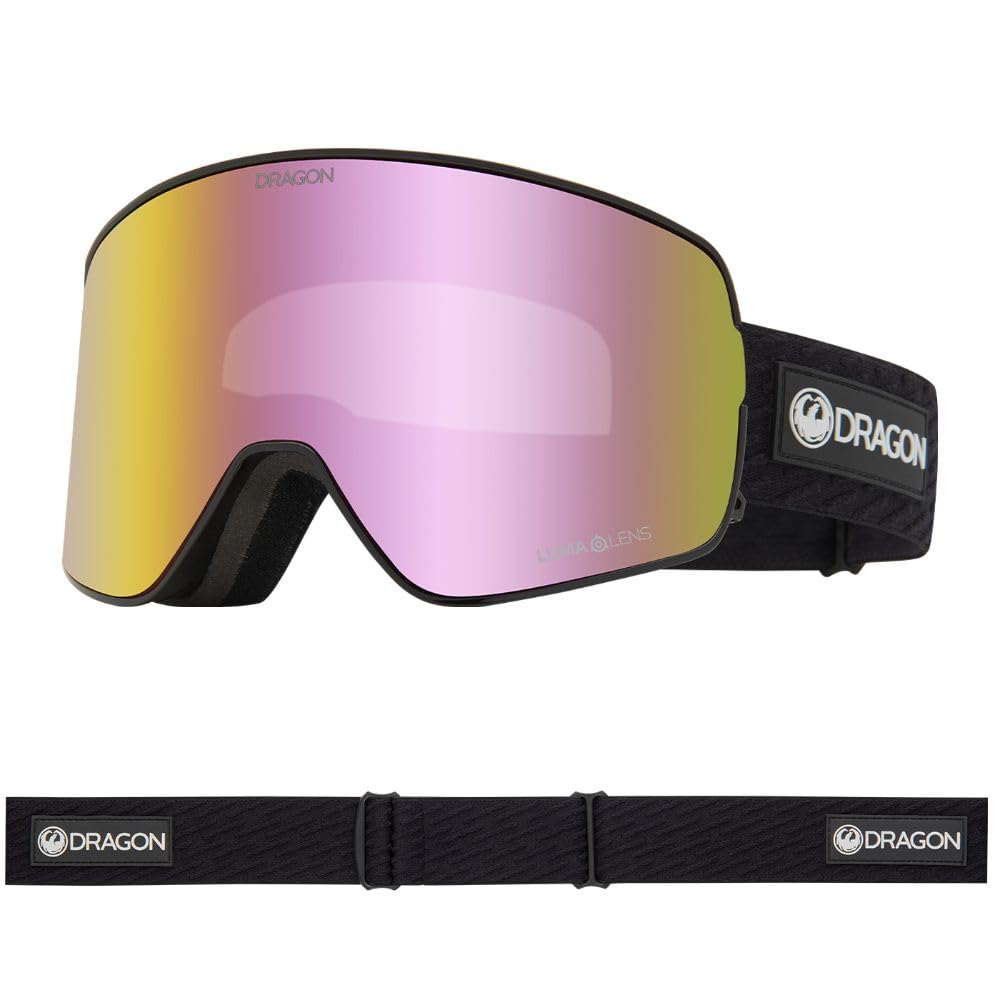
The Dragon NFX2 represents a step up into premium performance for the beginner who wants to invest in a long-term solution. The Swiftlock lens changing system allows you to swap lenses in seconds without magnets — a mechanical locking system that feels more durable over hundreds of changes. The Lumalens Color Optimized technology enhances contrast and depth perception, making it easier to read snow terrain and spot obstacles in flat or shadowed light.
Armored venting channels sit directly above the lens to expel warm air while preventing snow from entering, and the triple-layer foam with fleece lining provides a snug, comfortable seal. The frame is made from acetate and is designed for universal fit with all modern helmets. The NFX2 comes with two lenses: a LumaLens Pink Ion for bright sun and a bonus Midnight lens for low-light and night skiing. Reviewers consistently praise the lack of fogging, the seamless helmet integration, and the crisp, color-enhanced optics that make the ski experience noticeably more enjoyable.
The most common criticism involves the non-magnetic design — some users report small gaps between the frame and lens near the nose area when pressing the goggle against the face, raising concerns about wind ingress and potential fogging. The price point is significantly higher than other options in this guide, making it a splurge for beginners. However, if you know you will ski frequently and want top-tier lens technology from day one, the NFX2 is a one-time purchase that competes with models double its price.
Why it’s great
- Lumalens technology delivers superior contrast and terrain definition.
- Swiftlock mechanical system is more durable than magnetic alternatives.
- Armored venting prevents snow ingress while exhausting moist air.
Good to know
- Non-magnetic design can leave small gaps near the nose bridge.
- Premium price point may be too high for casual first-time skiers.
4. OutdoorMaster Ski Goggles PRO

The OutdoorMaster PRO delivers impressive build quality at a mid-range price point. The spherical dual-layer lens offers excellent peripheral vision and minimal distortion, and the magnetic attachment system uses strong retainers that keep the lens secure even through crashes. Available in over 15 color options, you can choose a mirrored finish that matches your helmet or jacket. The frame uses a TPU construction with comfortable foam padding that seals well against the face without excessive pressure.
Reviewers highlight specific VLT configurations that work well in different conditions. The 38% VLT lens cuts bright snow intensity while maintaining excellent clarity, and the 60% VLT lens performs well in cloudy conditions and under night lights. The anti-fog performance is reliable, with no reports of internal fogging even during high-exertion runs. The goggles are lightweight and provide a true snowboarder look that appeals to style-conscious beginners.
The main complaint is strap length — multiple reviewers note the strap is 2 to 3 inches too short, making it tight when worn over a helmet. This can create pressure points and may cause fit issues for larger heads. The OTG version, while designed for glasses, can feel snug in the nose area for bigger frames. If you have a smaller face or prefer wearing goggles without a helmet, this is less of an issue. The short strap is the one spec that holds this otherwise excellent goggle back from a higher ranking.
Why it’s great
- Spherical dual-lens provides clear, distortion-free vision.
- Strong magnetic retainers keep lens secure through impacts.
- Wide range of color options and VLT percentages available.
Good to know
- Strap is 2–3 inches shorter than standard, tight over helmets.
- OTG version may feel snug for large prescription frames.
5. VANRORA Ski Goggles X-Mag
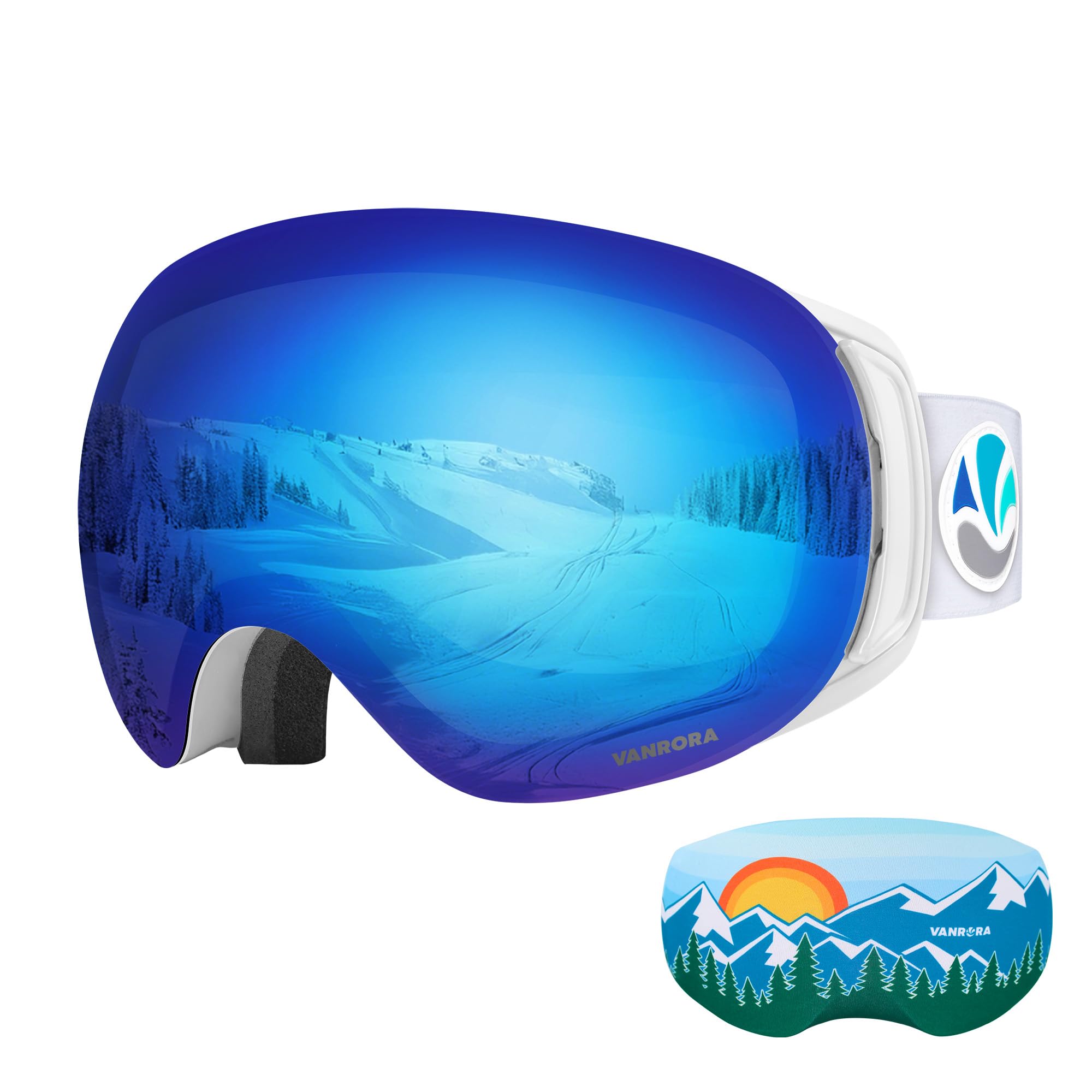
The VANRORA X-Mag combines magnetic lens attachment with side-clip locks, providing a redundant security system that prevents the lens from popping out during hard falls. This hybrid approach is ideal for beginners who may take spills as they learn. The goggle comes with a 10–20% VLT lens suited for sunny to partly cloudy days, and the company sells additional lenses (orange at 59% VLT, clear at 89% VLT, and photochromic at 20–70% VLT) for varied conditions.
The frameless design keeps the weight low and the field of view wide. Reviewers with both small and large faces find the fit comfortable, and the OTG compatibility accommodates most prescription glasses without pulling them off. A 20-year snowboarding veteran tested these and confirmed no fogging, a secure lens fit, and compatibility with and without a helmet. The wide, clear vision rivals more expensive brands at a fraction of the cost.
Several users report that the strap adjustments tend to loosen themselves during use, requiring periodic re-tightening. The lens coating is also susceptible to scratching if not handled carefully, and no storage box is included — just a soft bag. The lens clips can occasionally open upon impact. Despite these minor build issues, the combination of magnetic ease and clip-lock safety makes the X-Mag a strong choice for the price-conscious beginner who values lens security.
Why it’s great
- Hybrid magnetic + clip lock system provides dual security.
- Over-the-glasses design fits most prescription frames.
- Photochromic lens option adjusts automatically to changing light.
Good to know
- Strap adjustment can loosen during active skiing sessions.
- Lens coating is prone to scratches without careful handling.
6. findway Ski Goggles OTG
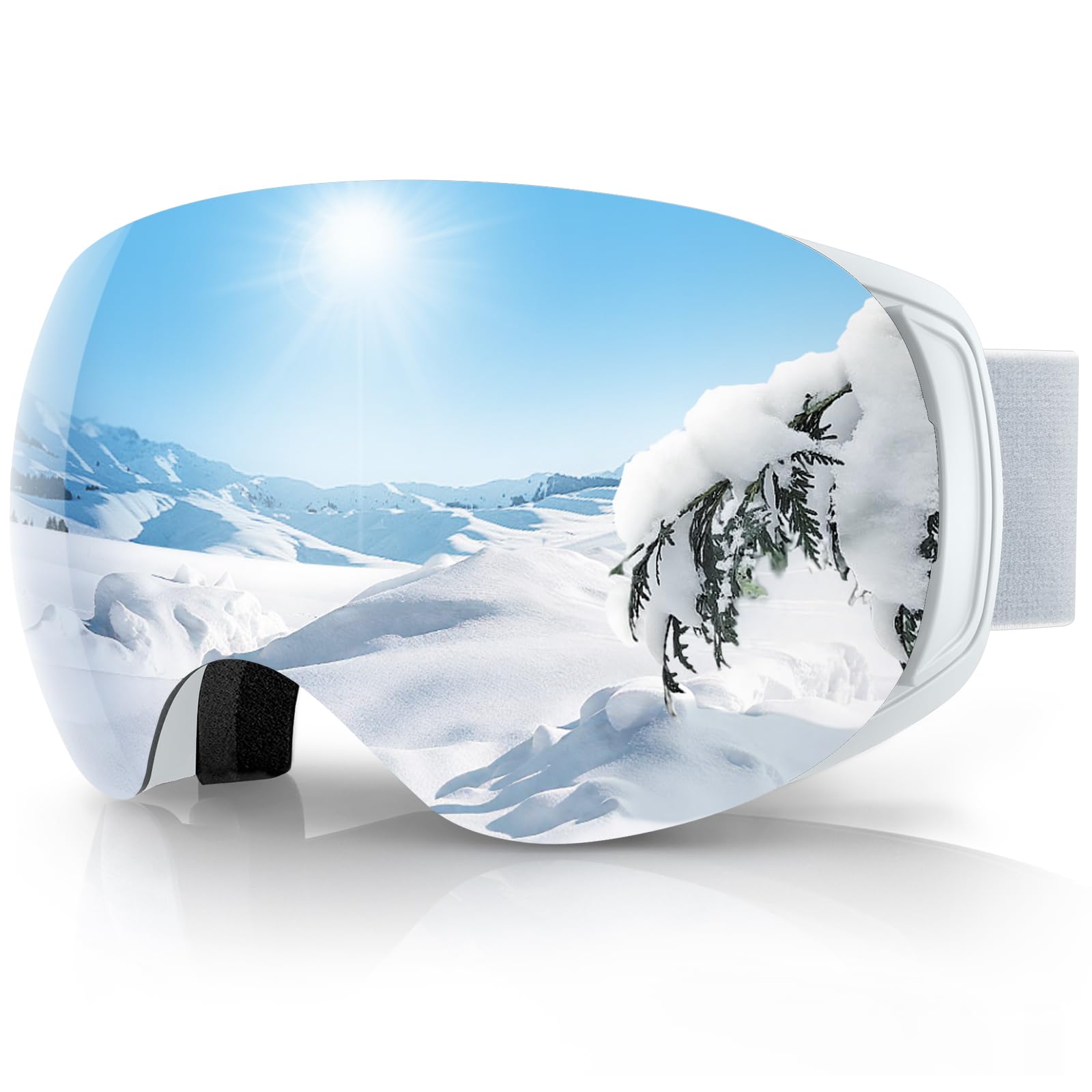
The findway OTG is specifically engineered for skiers who wear prescription glasses. The wide panoramic spherical lens provides enough depth to accommodate most frames without pressing the glasses into your face. The integrated clip-locking system works alongside six N45 magnets to hold the lens in place even during high-impact falls, jumps, and spins. The dual-lens construction creates a thermal barrier that resists fogging significantly better than single-lens designs.
The frame uses a durable thermoplastic urethane polymer that resists deformation, and the triple-layer foam padding is ergonomically shaped to fit various face shapes while the inner flannel layer adds comfort. The two-way venting system exhausts heat to maintain anti-fog performance. The included lens is a silver mirror with 10% VLT, ideal for bright sun. Reviewers note the large size works well for wider faces and the secure lens attachment inspires confidence on the mountain.
The side clips on some units have a tendency to fall off and get lost, which compromises the dual-lock security feature. The 10% VLT lens is only suitable for sunny conditions, so you will need to purchase additional lenses (sold separately) for cloudy or night skiing. The frame is larger than average, which may cause fit issues with smaller helmet sizes or petite faces. If you wear glasses and want a single purchase that solves the OTG problem, this is the best option in this guide.
Why it’s great
- OTG design provides generous space for prescription frames.
- Dual-layer lens and two-way venting resist fog effectively.
- Clip-lock plus magnets ensure lens stays secure in crashes.
Good to know
- Side clips can detach and get lost over time.
- Single lens included (10% VLT) is limited to bright conditions only.
7. Snowalva Ski Goggles
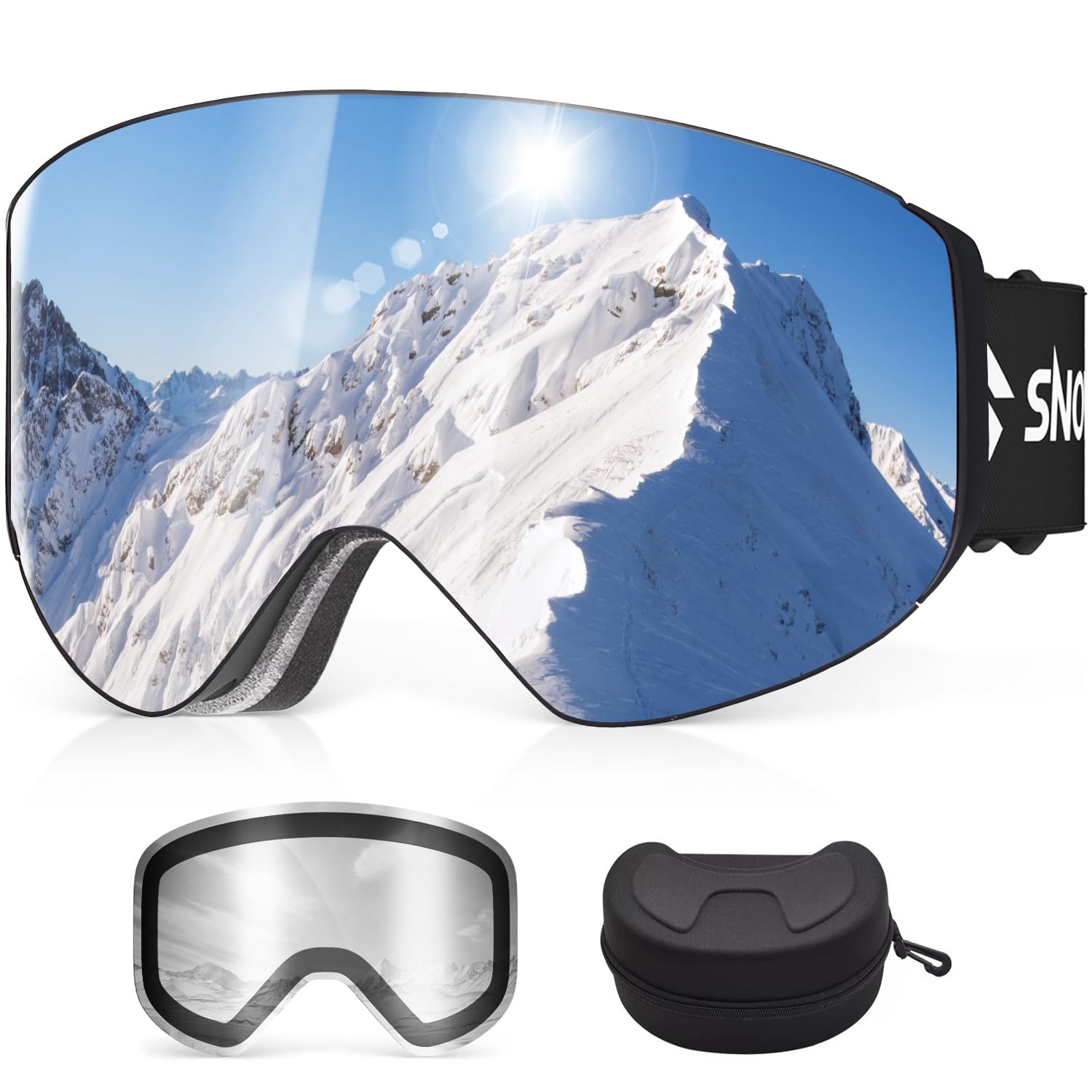
The Snowalva delivers a no-frills solution for the absolute beginner on a tight budget. It includes two UV400 anti-fog magnetic lenses — a clear lens for low visibility and a mirrored lens for bright sun. The magnetic attachment is positive with a satisfying click, and the frame provides good peripheral vision with minimal blind spots. A hard case is included for storage and travel, which is a premium inclusion at this price level.
Reviewers who wear aviator-style glasses confirm that the Snowalva fits comfortably over them, and the goggle integrates well with most helmets. The clear lens offers exceptional clarity for overcast or night skiing, while the silver lens effectively reduces glare in direct sunlight. The swap between lenses is quick enough to do on the chairlift. For a serious skier replacing lost goggles, the Snowalva provides cost-effective performance that meets the basic needs of a day on the mountain.
The trade-offs are visible at this price. The hard case feels flimsy and offers limited impact protection. The mirrored lens performs poorly in shadowed areas, creating dark spots that can hide terrain variation. In humid conditions, some users report minor fogging. The goggle does not include a microfiber pouch for cleaning, and the clear lens can show your own eye reflection, which some find distracting. The Snowalva is adequate for a few ski trips per year but lacks the durability and advanced lens tech for frequent riders.
Why it’s great
- Two lenses included cover both sunny and low-light conditions.
- Magnetic attachment is quick and clicks securely into place.
- Hard case and UV400 protection included at a low entry cost.
Good to know
- Hard case is flimsy and offers limited protection.
- Minor fogging can occur in humid conditions without advanced venting.
FAQ
Can I wear prescription glasses under beginner ski goggles?
What VLT percentage is best for a beginner who skis in variable light?
How do I prevent my ski goggles from fogging up?
Do I need a helmet-compatible goggle as a beginner?
Final Thoughts: The Verdict
For most users, the beginner ski goggles winner is the Odoland Magnetic Interchangeable Set because it offers two lenses, a rock-solid 20-magnet system, and a hard case with pouch — everything a new skier needs in one purchase. If you want a professional-grade field of view, grab the Wildhorn Roca Pro for its class-leading 185-degree panoramic vision. And for the beginner who wears prescription glasses, nothing beats the dedicated OTG design of the findway Ski Goggles.