
Our readers keep the lights on and the weekend projects moving. As an Amazon Associate, I earn from qualifying purchases.
Starting a walking routine should feel rewarding, not punishing. The wrong pair of shoes can turn a simple daily walk into a painful chore, with aching feet, blisters, and shin splints that derail your new habit before it sticks.
I’m Rikta — the co-founder and writer behind FitlyFast. I spend hundreds of hours analyzing the forefoot measurements, midsole density, heel-to-toe drop figures, and outsole rubber compounds that determine whether a shoe supports a beginner or sabotages their first month of consistent walking.
Whether you need arch support for flat feet, a wide toe box for bunions, or maximum heel cushioning for joint comfort, this guide to the best beginner walking shoes breaks down the real-world specs that matter for your first 100 miles.
How To Choose The Best Beginner Walking Shoes
Not every running shoe makes a good walking shoe. Walking loads your feet differently: your heel strikes first, then rolls through the midfoot before pushing off the toes. A shoe built for this gait cycle needs a flexible forefoot, adequate heel cushioning, and a stable platform — without the stiff, rockered soles designed for forward propulsion in running.
Heel-to-Toe Drop: The Forgotten Spec
A shoe’s drop — measured in millimeters from heel to forefoot — shapes where you land. For walking, an 8mm to 10mm drop is ideal for most beginners because it reduces strain on the Achilles tendon while allowing a natural heel-strike. Low-drop shoes (0-4mm) can aggravate calf tightness in new walkers.
Support Type: Neutral or Stability
If your foot arches inward excessively (overpronation), a stability shoe with a medial post or denser foam on the inner side prevents your ankle from rolling inward during the stride. Neutral shoes work best for normal arches and offer maximum cushioning. Beginners with flat feet should prioritize stability models to avoid shin splints and knee pain.
Outsole Grip and Forefoot Flexibility
Walking shoes need rubber with enough traction for pavement and light trail use, but the forefoot must bend easily at the ball of the foot. Bend the shoe in your hands — if it resists bending, your foot will fight it with every step, leading to early fatigue.
Quick Comparison
On smaller screens, swipe sideways to see the full table.
| Model | Category | Best For | Key Spec | Amazon |
|---|---|---|---|---|
| Brooks Revel 8 | Neutral | Lightweight daily walking | 8.7 oz / 8mm drop | Amazon |
| ASICS Gel-Cumulus 27 | Neutral | Maximum heel cushioning | PureGEL + FF BLAST PLUS | Amazon |
| Skechers Hands Free Glide-Step 2.0 | Neutral | Hands-free slip-on comfort | Air-Cooled Goga Mat insole | Amazon |
| New Balance 608 V5 | Stability | All-day standing and walking | ABZORB heel crash pad | Amazon |
| Under Armour Charged+ Assert 11 | Neutral | Budget-friendly cloud-like feel | 10.2 oz / Charged+ midsole | Amazon |
| Skechers Afterburn E’lite | Neutral | Easy on/off with Heel Pillow | Air-Cooled Memory Foam | Amazon |
| Dr. Scholl’s Time Off Win | Neutral | Lightweight travel and casual wear | Platform heel / low profile | Amazon |
In‑Depth Reviews
1. Brooks Men’s Revel 8
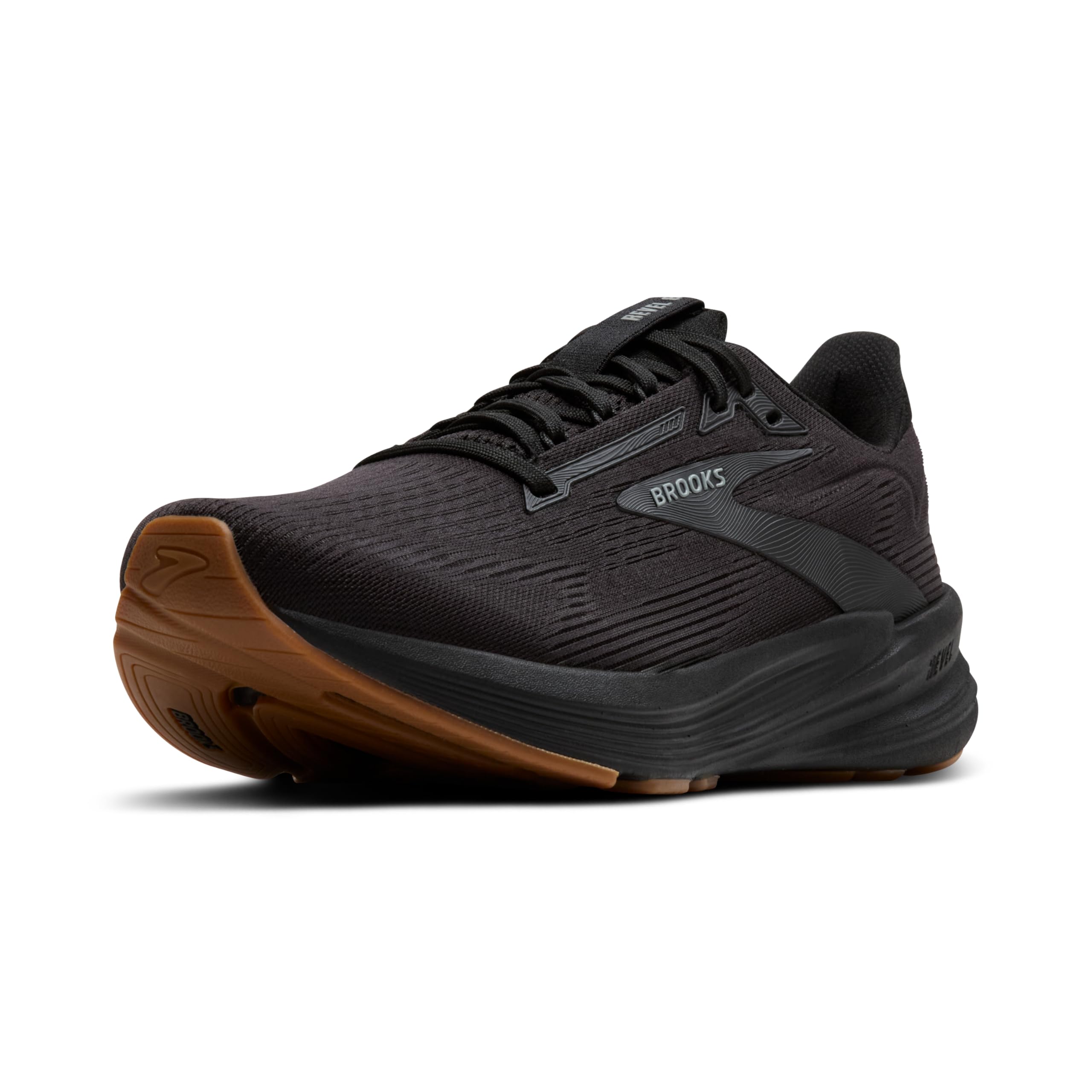
The Brooks Revel 8 strikes the ideal balance for a beginner walker: a featherlight 8.7-ounce build with an 8mm drop that encourages a natural heel-strike without forcing your stride. The standard cushion level is soft enough to absorb pavement impact but firm enough to maintain stability during longer sessions. Multiple users report zero break-in time and true-to-size fit, though several note ordering a full size larger than their usual trainers.
The engineered mesh upper breathes well even during warm-weather walks, and the outsole rubber holds up well on asphalt and treadmill surfaces. At roughly half the weight of many chunky walking shoes, the Revel 8 encourages a lighter, faster shuffle that feels more like effortless movement than heavy plodding.
If you have normal-width feet and prefer a neutral shoe that moves with you rather than supporting you, the Revel 8 is the most versatile entry point into a walking routine. Some users with wide feet or bunions found the fit too snug — consider sizing up if you fall into that category.
Why it’s great
- Extremely lightweight for daily walking
- No break-in period, comfortable out of box
- Good breathability for warm weather
Good to know
- Runs small — order a full size larger
- Narrow fit; not ideal for wide feet
2. ASICS Men’s Gel-Cumulus 27
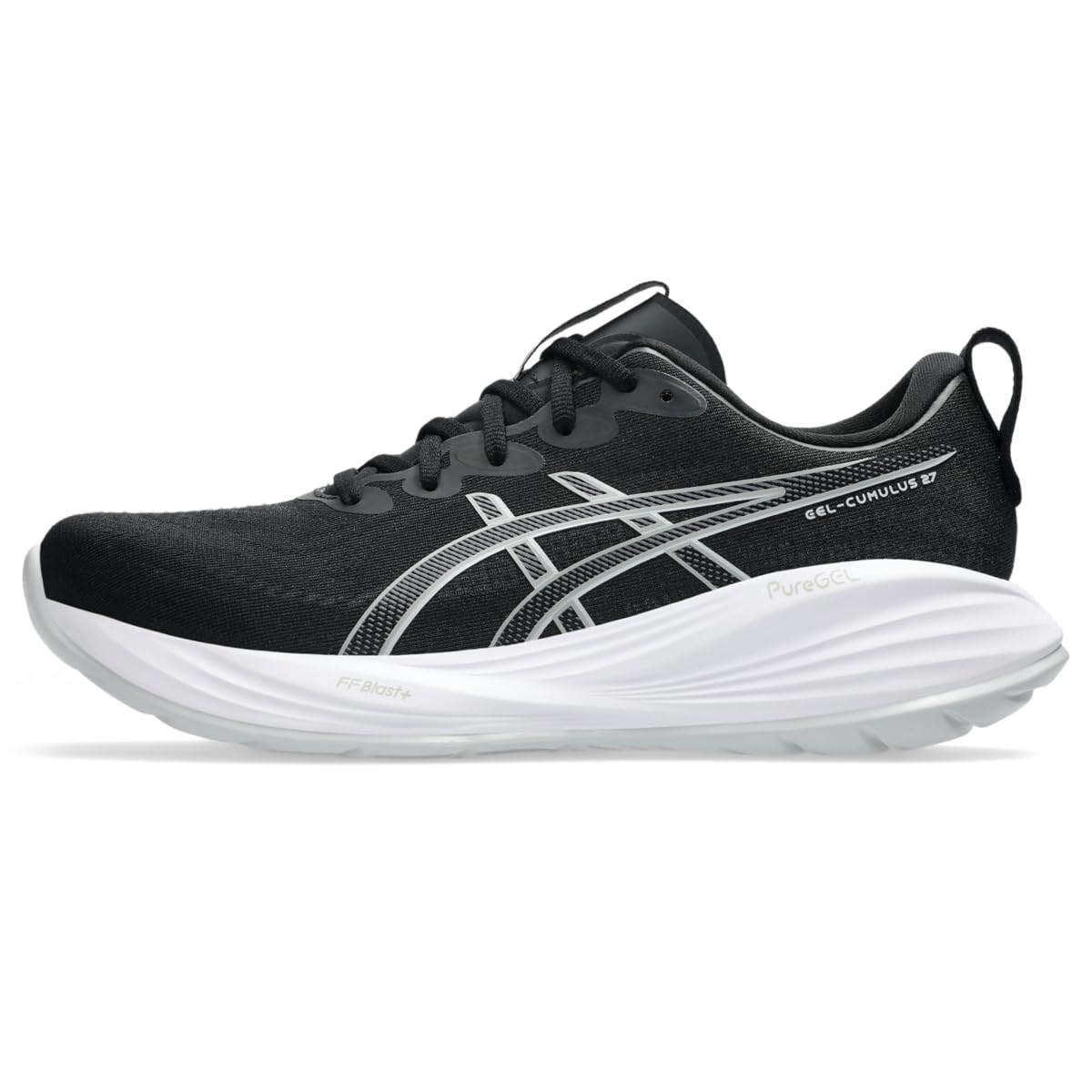
The Gel-Cumulus 27 represents a significant upgrade over earlier models, pairing ASICS’ PureGEL rear-foot technology with FF BLAST PLUS foam for a ride that’s soft without being mushy. Beginners with knee pain or previous joint issues will appreciate the shock absorption: PureGEL disperses impact forces across a wider area than traditional gel pads, reducing stress on the patella and hip flexors during heel-strike.
The midsole geometry has been redesigned with a FluidRide outsole contour that smooths the transition from heel to toe, which feels noticeably less clunky than the rocker soles on some competitors. Users note the toe box is slightly roomier than expected, which prevents toe jamming on longer walks — a common beginner complaint.
At a premium price point, these shoes justify their cost through materials that endure high-mileage use. The upper shows minimal wear after hundreds of miles, and the outsole rubber resists flat-spotting on asphalt. The trade-off is weight — they are heavier than the Revel 8, which some casual walkers may notice on shorter daily loops.
Why it’s great
- Exceptional shock absorption for knees and hips
- Roomy toe box prevents toe jamming
- Durable construction for high mileage
Good to know
- Heavier than neutral everyday trainers
- Price point is premium for beginners
3. Skechers Men’s Hands Free Slip-ins Go Walk Glide-Step 2.0 – Zalor
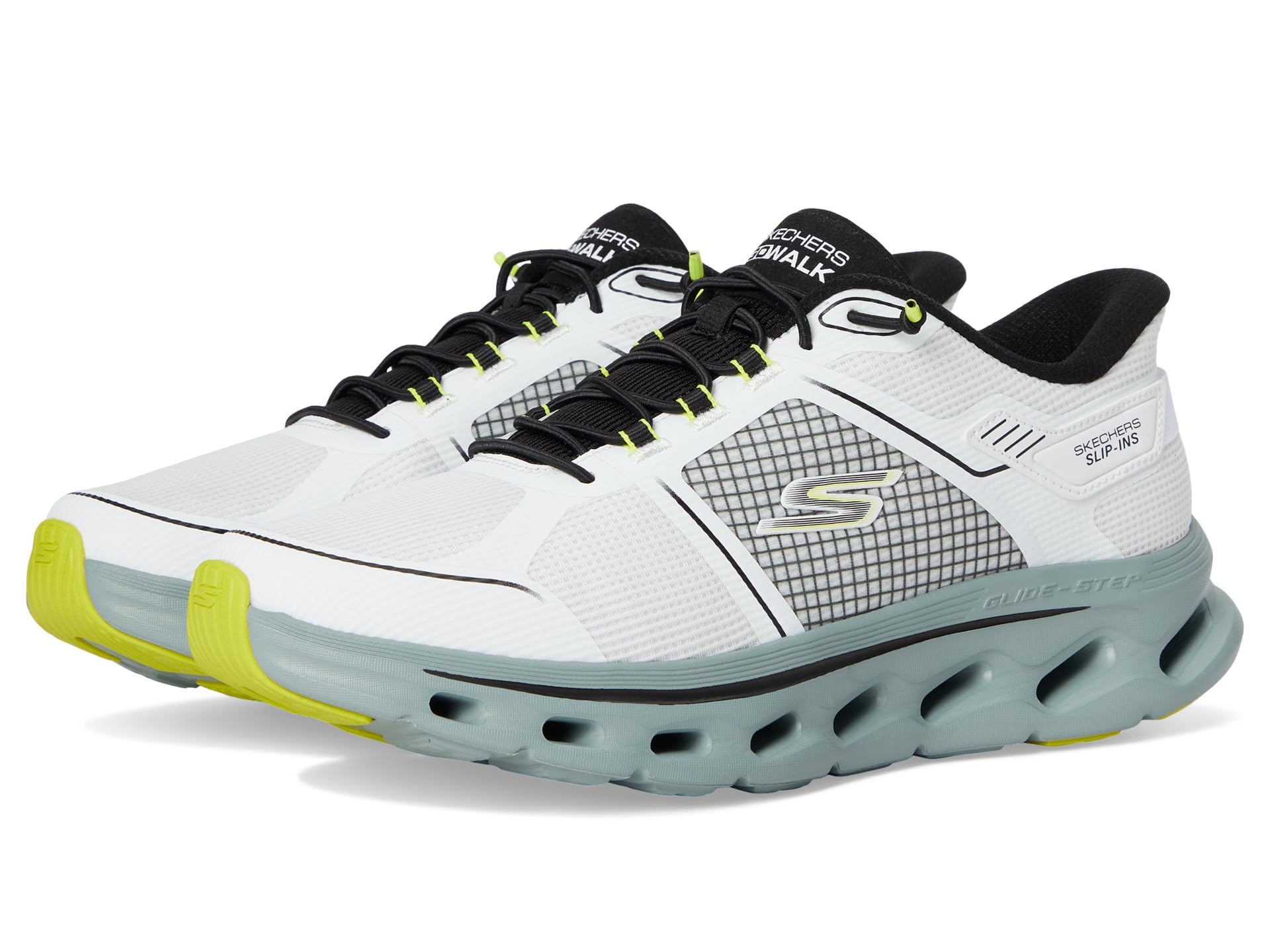
The hands-free slip-in design is a genuine game-changer for beginners who struggle with bending over or dealing with laces due to back pain, post-surgery recovery, or limited mobility. The Glide-Step 2.0 uses an Air-Cooled Goga Mat insole with built-in Arch Fit support, providing exceptional arch contouring that rivals dedicated orthotic insoles. The Heel Pillow technology locks the foot in place without squeezing, preventing the sloppy heel-slip that plagues many slip-on shoes.
One frequent concern with slip-ons is heel lift during brisk walking — the Zalor solves this through a deeper heel cup and padded collar that hugs the calcaneus. The geometric outsole channels provide good traction on wet pavement, though the deep channels can trap small pebbles and acorns. The midsole initially feels stiff but breaks in noticeably after a few miles, softening into a bouncy, responsive ride.
These are not the lightest shoes on this list, but for walkers who prioritize easy on/off and built-in arch support, they offer tremendous convenience without compromising comfort. Available in medium, extra wide, and narrow widths.
Why it’s great
- True hands-free entry, no bending needed
- Excellent built-in arch support for flat feet
- Heel Pillow prevents slipping during walks
Good to know
- Outsole channels trap small debris
- Requires brief break-in period
4. New Balance Men’s 608 V5 Cross Trainer

The New Balance 608 V5 is a proven workhorse for people who spend 8+ hours on their feet — warehouse workers, retail staff, and teachers who also want to walk for fitness. The ABZORB heel crash pad absorbs impact on every landing, while the molded PU insert delivers a level of arch support that rivals prescription orthotics. The suede and mesh upper is notably sturdy: reviewers report these shoes holding their shape and cushioning after a full year of 20,000 daily steps, including squats and kicking tasks.
Unlike softer neutral trainers, the 608 V5 uses a dual-density collar foam and an internal midsole shank for lateral stability. This is ideal for beginners who overpronate or have flat feet, as it resists inward rolling of the ankle during the gait cycle. The relaxed fit last accommodates normal to slightly wide feet without pinching the toes.
The downside is weight and breathability — these are heavier than the Brooks Revel 8, and the suede upper can feel warm on summer walks. But for durability and sheer resilience, the 608 V5 outperforms most walking shoes in its class and justifies its position as a long-term investment for daily walkers.
Why it’s great
- Exceptional durability — lasts a year or more of heavy use
- Strong arch support for flat feet and overpronation
- Stable platform for all-day standing
Good to know
- Heavier and less breathable than mesh trainers
- Suede upper can feel warm in summer
5. Under Armour Men’s Charged+ Assert 11
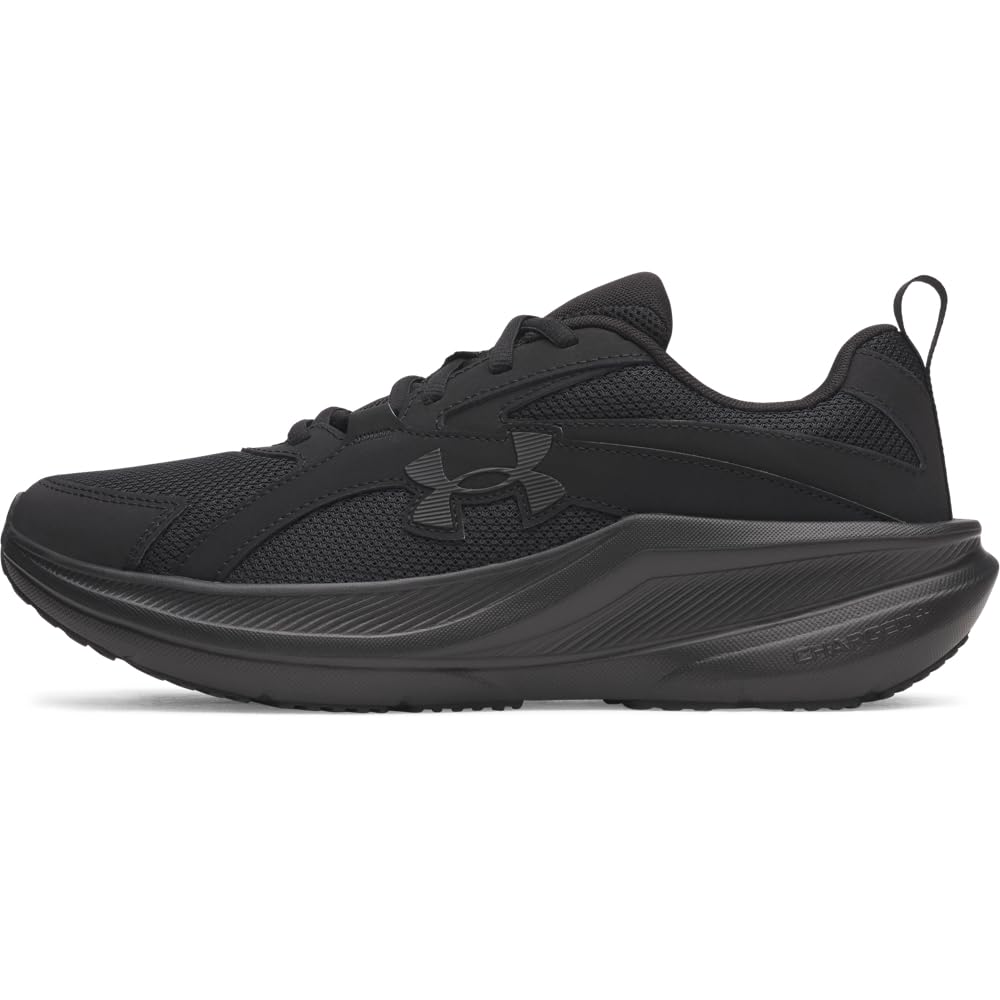
The Charged+ Assert 11 delivers HOKA-level cushioning at roughly a third of the cost, making it the most budget-friendly option in this lineup that doesn’t sacrifice foot protection. The Charged+ midsole foam offers an ultra-soft landing that feels like walking on a cushioned mat, which is ideal for beginners with osteoarthritic knees or those transitioning from complete inactivity. The mesh upper with leather overlays provides midfoot support without restricting flexion, and the outsole flex grooves allow a clean toe-off.
Reviewers consistently praise the value — multiple long-time walkers report buying these as a backup to high-end brands and ending up preferring the under Armour’s cushioned ride. The fit runs somewhat narrow, particularly in the toe box, so wide-footed walkers should consider sizing up or choosing a wide option. The breathable mesh upper is great for warm climates but may not provide sufficient warmth for cold-weather walkers.
For beginners on a strict budget who need maximum softness to manage joint pain, the Charged+ Assert 11 is the best entry-level choice. Just be aware that the ultra-plush foam may feel unstable on uneven terrain, so stick to pavement or treadmill use.
Why it’s great
- Incredible value — cloud-like feel at low cost
- Excellent for osteoarthritic knees and joints
- Breathable mesh for warm weather walking
Good to know
- Narrow fit, not ideal for wide feet
- Plush foam feels unstable on uneven terrain
6. Skechers Afterburn E’lite Grill Hands Free Slip-in

The Skechers Afterburn E’lite combines the hands-free slip-in convenience with a more rugged, styled aesthetic than the athletic-looking Glide-Step. The premium leather and synthetic upper is more durable than mesh, and the Air-Cooled Memory Foam insole molds to the wearer’s foot shape over the first few walks. The Heel Pillow technology is particularly effective here — it cups the heel securely without pressure points, reducing the likelihood of Achilles irritation.
Post-knee surgery patients and older adults with limited mobility will find the hands-free entry transformative: no bending, no fumbling with laces, just step in and go. The outsole has held up well for reviewers who wore these as daily drivers, with no premature wear on the tread blocks after months of use. However, the shoe runs slightly narrow in standard width, and wide-footed users may need to exchange for a wide size.
These are not as plush as the Charged+ Assert 11 — the memory foam is supportive rather than pillowy — but they offer a more stable, structured feel that suits beginners who want a casual sneaker that can handle moderate daily walking without looking overtly athletic.
Why it’s great
- Hands-free slip-in design with secure heel fit
- Durable leather/synthetic upper for daily wear
- Supportive memory foam molds to the foot
Good to know
- Narrow fit in standard width
- Less plush cushioning than budget mesh trainers
7. Dr. Scholl’s Shoes Women’s Time Off Win Sneaker
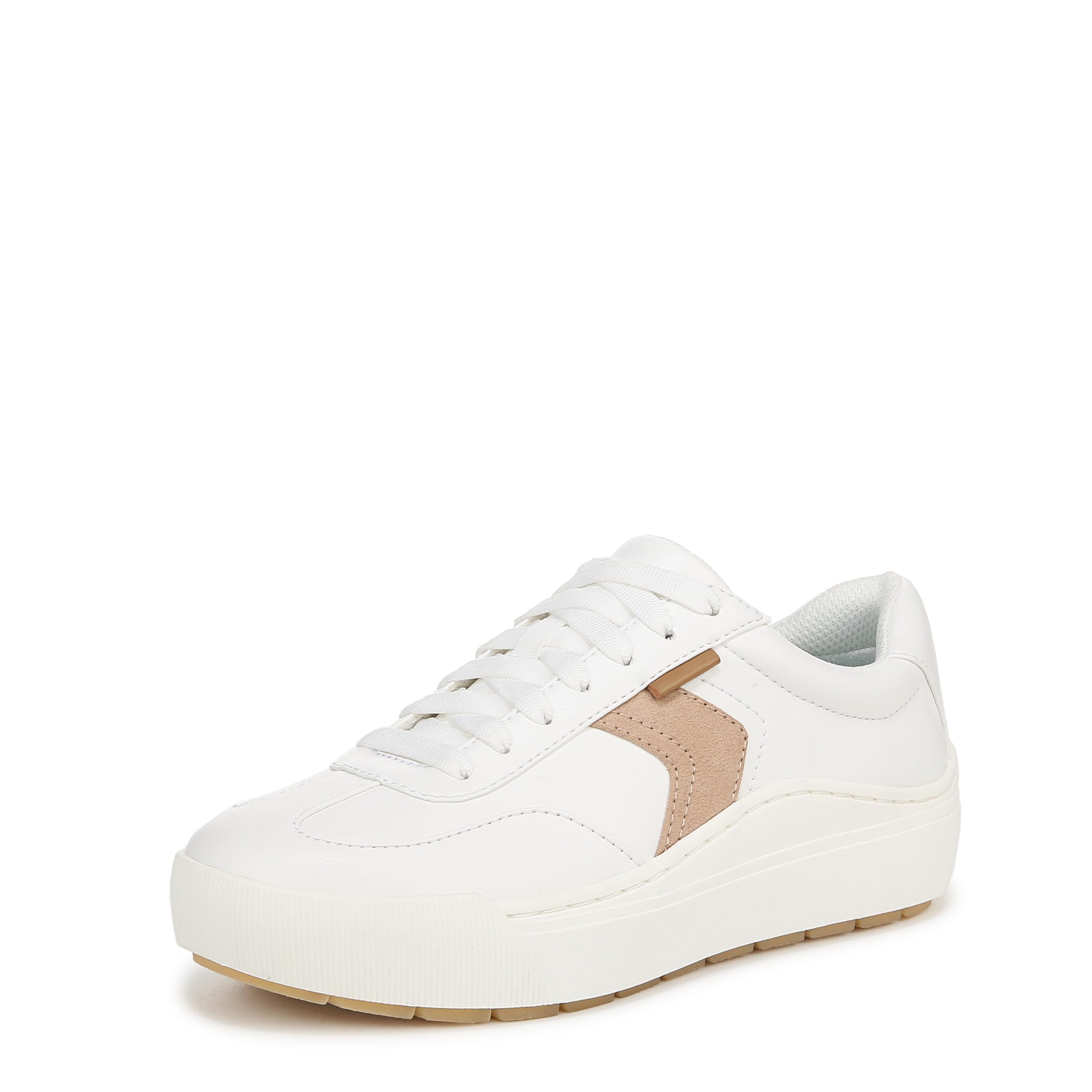
The Dr. Scholl’s Time Off Win sneaker is the most lifestyle-oriented option here, blending a retro platform silhouette with the kind of underfoot support that makes it genuinely walkable for European vacations and daily errands. The low-profile platform heel provides a slight elevation without an aggressive ramp angle, and the sole is crafted from a proprietary foam blend that reviewers describe as comfortable right out of the box — zero break-in time for most wearers.
This model runs a full size small, so ordering 8 for a standard size 7 is mandatory. Users with previous heel injuries report that these shoes offer enough support and cushioning for all-day walking without aggravating old injuries. The lightweight construction means they pack flat in luggage and don’t strain foot muscles during long museum days or city tours.
The outsole rubber is adequate for pavement but lacks the deep lugs or aggressive tread needed for light trails or wet grass. The white color option shows dirt easily. For the beginner walker who wants a shoe that transitions from a morning walk to brunch without looking like gym gear, the Time Off Win delivers style and function in equal measure.
Why it’s great
- Stylish retro design suitable for casual wear
- Comfortable out of box, no break-in needed
- Lightweight and packable for travel
Good to know
- Runs a full size small — size up
- Not suitable for uneven or wet terrain
FAQ
Should a beginner buy running shoes or walking shoes?
How much toe room should a walking shoe have?
When should a beginner replace walking shoes?
Final Thoughts: The Verdict
For most users, the best beginner walking shoes winner is the Brooks Revel 8 because it combines a lightweight build, a natural 8mm drop, and proven customer satisfaction with zero break-in period. If you need maximum joint-friendly cushioning for knee pain, grab the ASICS Gel-Cumulus 27. And for hands-free convenience with built-in arch support, nothing beats the Skechers Glide-Step 2.0 Zalor.