
Our readers keep the lights on and the weekend projects moving. As an Amazon Associate, I earn from qualifying purchases.
North Texas summers punish lawns with scorching heat, erratic rain, and heavy clay soil that bakes hard. A Bermuda grass variety bred for this specific region must tolerate 100°F days, survive winter freezes, and still green up early. Generic seed blends often fail here because they lack the cold tolerance or drought resistance that North Texas demands.
I’m Rikta — the co-founder and writer behind FitlyFast. I’ve spent countless hours analyzing germination rates, soil adaptation data, and user reports across the leading Bermuda seed varieties to identify which blends actually hold up under the unique stress of a North Texas climate.
This guide breaks down the specific heat tolerance, cold hardiness, and traffic resistance specs that matter most for Dallas-Fort Worth lawns so you can confidently choose the right bermuda grass seed for north texas.
How To Choose The Best Bermuda Grass Seed For North Texas
North Texas sits in the transition zone where warm-season Bermuda can struggle with unpredictable winter freezes. Selecting a seed that offers improved cold tolerance and early spring green-up is critical. Beyond that, your local soil conditions — heavy clay, poor drainage, high pH — dictate whether a coated seed with moisture retention or a raw unhulled seed performs best.
Cold Tolerance and Spring Green-Up
Standard common Bermuda goes dormant and browns early in autumn, then stays gray well into late spring. Improved hybrid varieties like Rio or Blackjack II hold green longer in fall and green up weeks earlier in spring, giving you a fuller growing season in the DFW metroplex. Check the product description for “improved cold tolerance” or “early green-up” language.
Coated vs. Uncoated Seed
Coated seeds (like Penkoted or Watergard NP) retain moisture around each seed, which helps germination in dry spells and on hard clay that dries quickly. Uncoated or unhulled seed is cheaper but demands near-constant irrigation for the first two weeks. For North Texas summers with watering restrictions, a coated seed reduces risk.
Traffic Tolerance and Use Case
If you have kids or dogs running across the lawn, prioritize varieties bred for high traffic like Rio or Maya. If you need large-area erosion control or pasture, common Bermuda (Hancock) is more cost-effective. Match the seed’s intended use — lawn, sports field, or pasture — to your specific yard reality.
Quick Comparison
On smaller screens, swipe sideways to see the full table.
| Model | Category | Best For | Key Spec | Amazon |
|---|---|---|---|---|
| The Andersons Rio | Premium | Cold tolerance & early green-up | Watergard NP coated, 2 lbs | Amazon |
| Outsidepride Maya | Premium | Fine-textured, carpet-like lawn | Coated, 5 lbs, GMO Free | Amazon |
| Jonathan Green Blue Panther | Mid-Range | Aggressive growth in partial shade | 4 lbs, covers 1,125 sq ft | Amazon |
| Outsidepride Oasis | Mid-Range | Large-area weed suppression | Hybrid blend, 5 lbs, drought-tolerant | Amazon |
| Pennington Bermudagrass | Mid-Range | Low-maintenance, fewer clippings | Penkoted coated, 5 lbs | Amazon |
| Barenbrug Bermudagrass | Premium | Humid climate & sandy soil | 5 lbs, full sun only | Amazon |
| Hancock Common Bermuda | Budget | Pasture, erosion control, large areas | Unhulled, 5 lbs, 80 oz | Amazon |
In‑Depth Reviews
1. The Andersons Rio Premium Grass Seed
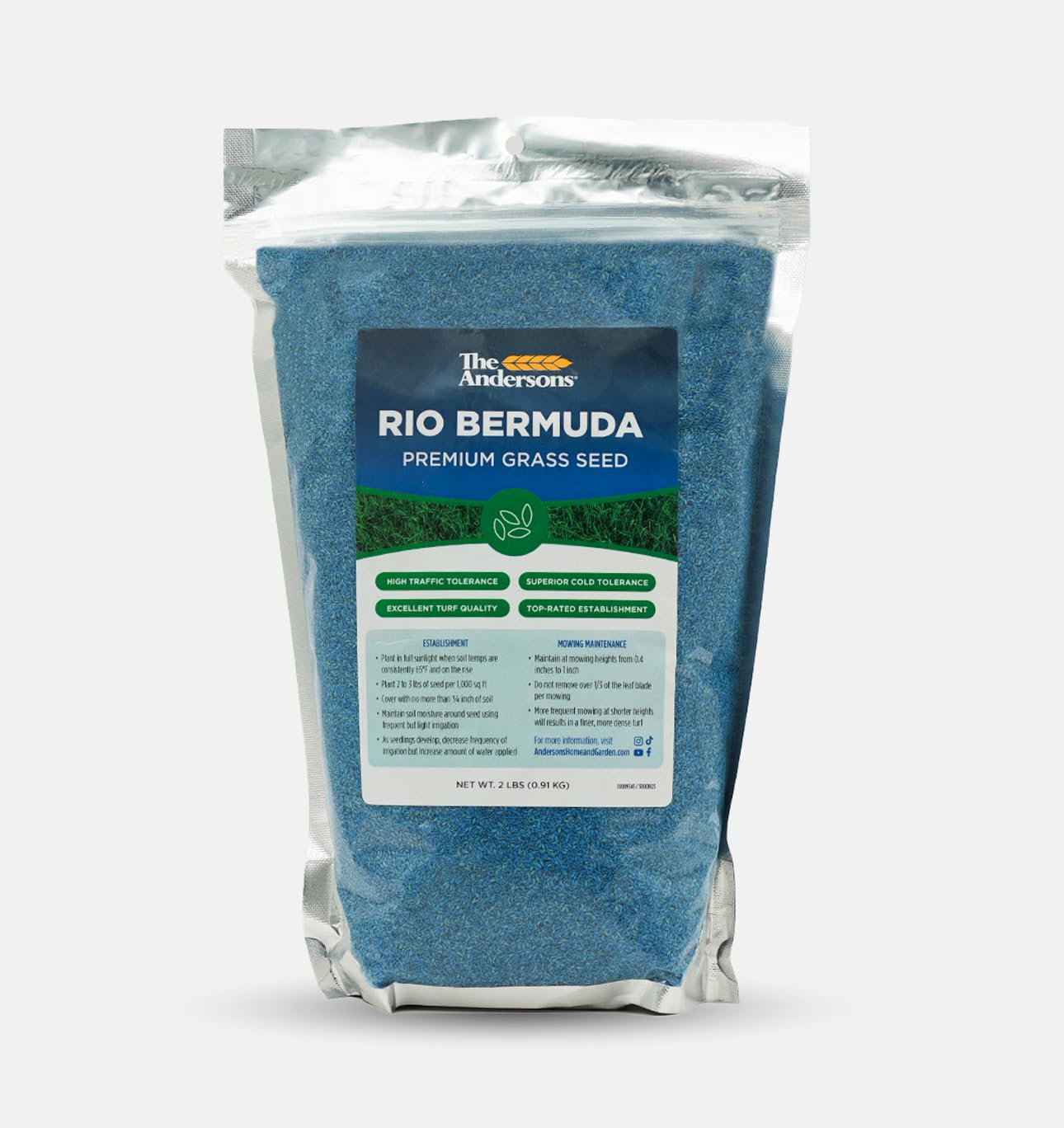
The Andersons Rio is purpose-bred for improved cold and frost tolerance, making it a top-tier pick for North Texas lawns that face late spring freezes and early autumn chills. The Watergard NP coating retains twice the moisture of raw seed, which helps germination on the region’s fast-drying clay soil. Users consistently report dark green, fine-bladed turf that tolerates heavy foot traffic from kids and pets.
This variety greens up earlier in spring than standard common Bermuda, extending your growing season by several weeks. The included Apron XL fungicide treatment protects against damping-off disease during cool, wet germination windows — a real advantage in NTX’s unpredictable spring weather. At 2 pounds, the bag is smaller but the seed density is high, so coverage is adequate for spot repair or smaller lawns.
Some users report germination taking three weeks or more, but the eventual establishment is described as thick and dark. For the North Texas homeowner who wants a premium lawn that survives winter and thrives in summer, this is the most reliable choice in its weight class.
Why it’s great
- Superior cold tolerance for NTX winters
- Watergard NP coating improves moisture retention on clay
- Fungicide-treated to prevent damping-off
Good to know
- Smaller 2 lb bag limits coverage
- Germination can be slow (3+ weeks)
2. Outsidepride Maya (Blackjack II) Bermuda Grass Seed

Blackjack II is a fine-textured hybrid that produces a dense, carpet-like lawn with a dark green color that holds up well under Texas sun. The coated seed design helps retain moisture during the critical first week of germination, and users who prepare their soil properly — tilling 6 inches, testing pH, and keeping the topsoil consistently damp — see sprouts as early as day 7. This variety is mowed at 0.5 to 2 inches for a manicured look.
The GMO-free labeling appeals to organic-leaning homeowners, and the drought tolerance rating is strong for a fine-bladed Bermuda. It handles heat, traffic, and recovers well from wear, making it suitable for home lawns and even sports turf applications. The 5-pound bag gives generous coverage for mid-sized yards.
Negative reviews mostly cite poor germination, but these often correlate with inadequate soil preparation or planting when soil temperatures were below the 65°F minimum. This seed demands attention to detail during establishment, but the payoff is a lush, uniform turf that stands out in the neighborhood.
Why it’s great
- Fine-textured dark green turf for a premium look
- Coated seeds improve moisture retention
- GMO Free and drought tolerant
Good to know
- Requires meticulous soil prep for success
- Some users report poor customer service
3. Jonathan Green Blue Panther Bermudagrass
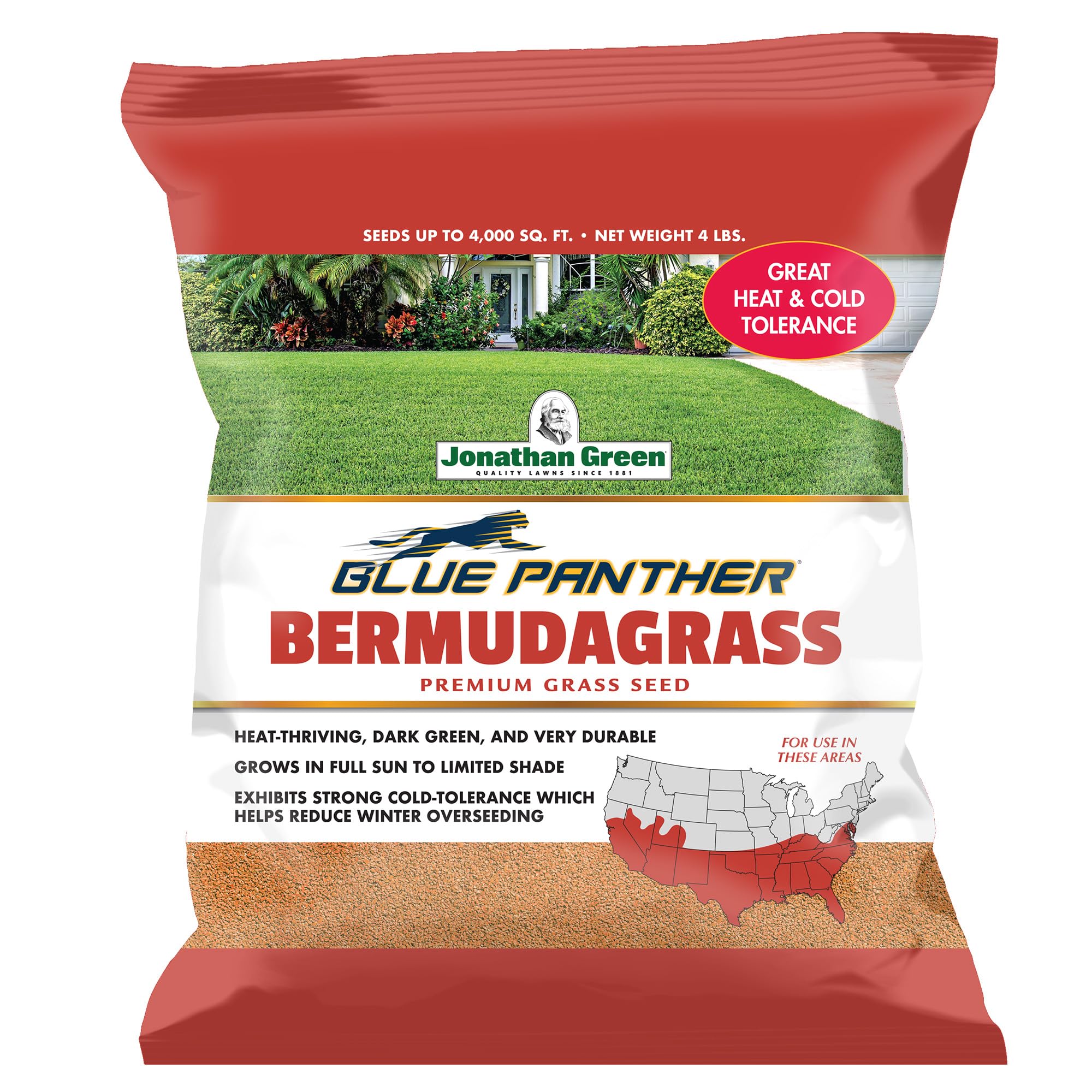
Blue Panther offers aggressive vertical and lateral rooting that quickly fills bare spots, and it tolerates more shade than most Bermuda varieties — a rare trait for this sun-loving grass. The 4-pound bag covers up to 1,125 square feet for new lawns or 2,250 square feet for overseeding, which makes it a strong value for repairing patchy areas without buying bulk. Users who combine it with compost and proper tilling report thick results within three weeks.
The heat and drought tolerance is solid for North Texas, and the variety holds up to heavy traffic from kids and pets. Jonathan Green specifically notes that fall planting is not recommended, which aligns with the optimal late spring window for NTX. The dark green color and fine blade density create a uniform look that blends well with existing Bermuda.
Some customers report zero germination even after a month of proper care, which suggests batch variability or improper soil temperatures at planting. For the price per square foot, Blue Panther is a competitive entry in the mid-range category, especially if your lawn has partial shade areas.
Why it’s great
- Aggressive rooting for fast establishment
- Tolerates more shade than typical Bermuda
- Good value per square foot of coverage
Good to know
- Some batches show poor germination
- Not recommended for fall planting
4. Outsidepride Oasis Bermuda Grass Seed

Oasis is a hybrid blend of three top-performing Bermuda varieties, engineered for rapid establishment and natural weed suppression through aggressive growth. The 5-pound bag is ideal for large-area coverage — new lawns, sports turf, or renovation projects — and it thrives in full sun with low water needs once established. Users in hot climates report sprouting in about 10 days and thick coverage after a few weeks.
The drought and heat resistance make this a strong candidate for North Texas summers where watering restrictions hit. It handles heavy foot traffic well and recovers quickly from wear. The blend’s genetic diversity also provides some insurance against pests or disease that might wipe out a monoculture lawn.
Some users see low germination, particularly in areas with poor soil contact or excessive rainfall that washes seeds away. Mixing with sand and raking lightly improves soil contact. If you are covering a large sunny area and want a resilient lawn, this hybrid blend competes strongly at its price point.
Why it’s great
- Hybrid blend for genetic diversity and resilience
- Fast establishment for large-area coverage
- Excellent drought and heat tolerance
Good to know
- Requires good soil contact to prevent washout
- Some users report very low germination rates
5. Pennington Bermudagrass Grass Seed

Pennington’s Bermudagrass is formulated with a low-growing genetic profile that produces fewer clippings and requires less frequent mowing — a real time-saver for North Texas homeowners. The Penkoted coating technology protects the seed during early growth and improves germination consistency. The 5-pound bag covers substantial area for overseeding or new lawn establishment.
This variety includes improved cold-tolerant varieties, which helps it survive NTX’s occasional hard freezes better than basic common Bermuda. It spreads aggressively through stolons and rhizomes, creating a thick, wear-resistant turf that recovers well from traffic. The deep root system also improves drought tolerance once established.
Some users note the tiny seed size makes multiple seeding passes necessary for even coverage. Annual overseeding helps maintain density. For the homeowner who wants a low-maintenance lawn with less mowing, this is a solid mid-range choice.
Why it’s great
- Low-growing variety reduces mowing frequency
- Penkoted coating improves germination reliability
- Cold-tolerant varieties for NTX winters
Good to know
- Seeds are powder-fine, require multiple passes
- Annual overseeding recommended for density
6. Barenbrug Bermudagrass Grass Seed
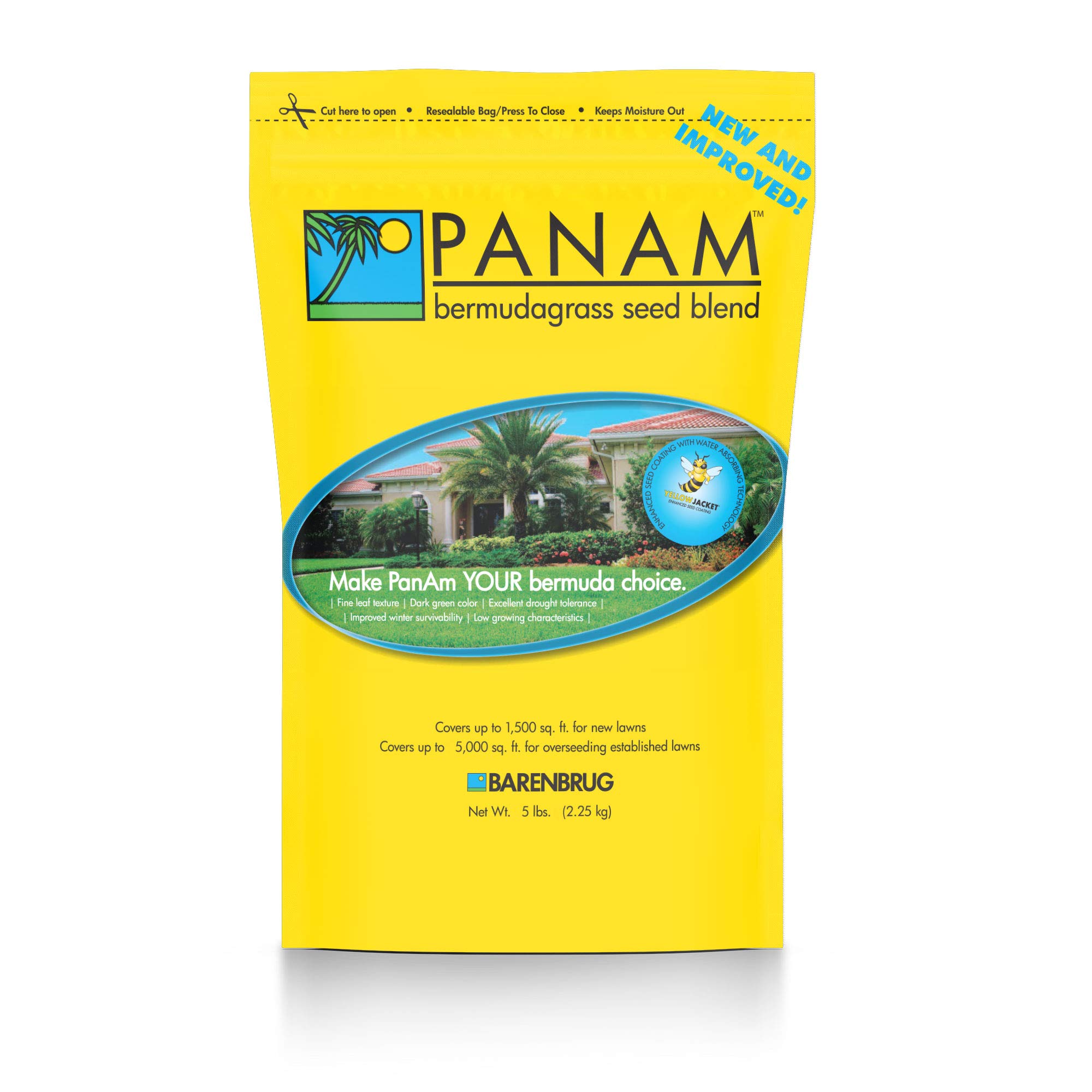
Barenbrug is a professional-grade brand, and this 5-pound bag is formulated specifically for sunny areas and humid climates — a direct match for North Texas summers. The seed is unhulled and performs best when soil temperatures are consistently above 65°F and moisture is carefully managed. Users who soak seeds before planting or keep the soil waterlogged during early germination report sprouting in as little as two days.
This variety is designed for full sun only, so it is not ideal for lawns with significant shade. The sandy soil preference aligns with parts of North Texas that have looser, well-draining soil, but heavy clay may require amending with organic matter. The expected germination window is 14-21 days, with about 75% of users seeing good results within that window.
The primary risk is batch inconsistency — some users report zero germination after multiple attempts, suggesting that seed viability varies by lot. For the premium price, the performance is less predictable than top hybrids like Rio. Buy from a high-turnover retailer to avoid old stock.
Why it’s great
- Formulated for humid southern climates
- Fast sprouting when soil temp and moisture are right
- Professional-grade seed quality
Good to know
- Some batches show poor germination
- Requires full sun and sandy soil for best results
7. Hancock Seed Co. Common Bermuda Grass Seed

Hancock’s Common Bermuda is an unhulled seed designed for large-scale applications: pasture, livestock grazing, erosion control, and cover crop. It is not a hybrid lawn variety, so the turf quality is coarser and less uniform than premium blends. However, for covering large bare areas on a budget, the 5-pound bag offers the lowest cost per pound in this comparison.
The extreme drought and traffic tolerance make it viable for high-wear areas like driveways, paths, or utility strips. It tolerates poor soil conditions better than many hybrids, which is useful for North Texas lots with compacted clay. The recommended planting window — spring and summer when nights are consistently above 65°F — is standard for Bermuda.
The germination rate is the biggest gamble: some users see great results with solid growth, while others report only 15% germination after weeks of care. This inconsistency makes it risky for a homeowner seeking a show-ready lawn. For pasture or erosion control where uniformity is less critical, the low price justifies the gamble.
Why it’s great
- Lowest cost per pound for large-area coverage
- Extreme drought and traffic tolerance
- Works in poor soil and clay conditions
Good to know
- Inconsistent germination rates reported
- Coarser texture than hybrid lawn varieties
FAQ
Can I plant Bermuda grass seed in North Texas during fall?
How much water does new Bermuda seed need in NTX clay soil?
Will coated seed germinate faster than raw seed in Texas heat?
What is the best mowing height for Bermuda in North Texas?
Final Thoughts: The Verdict
For most users, the bermuda grass seed for north texas winner is the The Andersons Rio because its Watergard NP coating and superior cold tolerance directly address the region’s challenging clay soil and unpredictable winter freezes. If you want a fine-textured, carpet-like lawn, grab the Outsidepride Maya. And for large-area coverage on a budget, nothing beats the raw coverage of the Hancock Common Bermuda.