
Our readers keep the lights on and the weekend projects moving. As an Amazon Associate, I earn from qualifying purchases.
Managing GERD doesn’t mean resigning yourself to bland, boring water. The right beverages can soothe your esophagus, neutralize stomach acid, and still deliver real flavor. The wrong ones—even seemingly healthy options like citrus juice or mint tea—can trigger a painful flare-up within minutes. This guide cuts through the marketing noise to identify the drinks that genuinely support an acid-reflux-friendly lifestyle.
I’m Rikta — the co-founder and writer behind FitlyFast. I’ve spent years analyzing the intersection of digestive wellness and consumer goods, parsing hundreds of clinical studies and customer reports to isolate which beverage formulations actually deliver on their low-acid, soothing promises.
Whether you’re replacing your morning coffee or restocking your fridge, finding the right beverages for gerd requires understanding pH levels, ingredient triggers, and third-party certifications that separate genuine relief from clever marketing.
How To Choose The Best Beverages For GERD
Selecting a GERD-friendly drink involves more than just avoiding citrus and caffeine. You need to evaluate pH level, ingredient purity, and how the beverage interacts with the lower esophageal sphincter (LES). A drink that tastes mildly acidic can still irritate a raw esophagus, while certain herbs and minerals actually neutralize acid on contact.
Prioritize pH 5.0 and Above
Stomach acid sits around pH 1.5 to 3.5. Anything you consume below pH 5.0 exacerbates the burn by adding more acid to an already hostile environment. Alkaline waters typically hit pH 8.0–10.0, and certain herbal teas test near neutral. Always check the listed pH or the acidity claim—most GERD-safe beverages explicitly label this spec.
Look for Low-Acid Processing in Coffee
Standard coffee beans are naturally acidic due to chlorogenic acids. Low-acid coffee brands use specific roasting curves, higher-altitude beans, or post-roast steam treatment to reduce those acids without sacrificing flavor. Avoid any coffee that doesn’t explicitly state “low acid” or “stomach-friendly” in its technical specs—generic “smooth” roast claims are not backed by measurable pH data.
Avoid Hidden Triggers in Herbal Blends
Peppermint is widely believed to soothe digestion, but it can relax the LES and worsen reflux for many GERD sufferers. Spearmint, fennel, ginger, and licorice root are generally safer. Also watch for citric acid as a preservative in bottled teas, and added vitamin C (ascorbic acid) in flavored waters—both spike acidity levels.
Quick Comparison
On smaller screens, swipe sideways to see the full table.
| Model | Category | Best For | Key Spec | Amazon |
|---|---|---|---|---|
| Traditional Medicinals Spearmint Tea | Caffeine-Free Tea | Daily soother and hormonal support | pH ~6.5, USDA Organic | Amazon |
| Lucy Jo’s Low Acid Coffee | Medium Dark Roast | GERD-safe morning coffee ritual | pH ~5.8, 100% Organic Arabica | Amazon |
| Yogi Tea Stomach Ease | Digestive Herbal Tea | Post-meal bloating and heartburn | pH ~6.2, Organic & Vegan | Amazon |
| ION Alkaline Water Drops | pH Booster | Alkalizing any tap or bottled water | Raises water to pH 10 | Amazon |
| VitaCup Perfect Low Acid Coffee | Dark Roast Whole Bean | Antioxidant-rich low-acid morning cup | Mycotoxin Free, Fair Trade | Amazon |
| Flow Alkaline Spring Water | Alkaline Spring Water | On-the-go flavored hydration | pH 8.1, Electrolyte-rich | Amazon |
| Lifeboost Swiss Water Decaf | Decaf Coffee | Late-day coffee without acid or caffeine | Mycotoxin Clean, Low Acid | Amazon |
In‑Depth Reviews
1. Traditional Medicinals Organic Spearmint Tea

This spearmint tea hits the GERD sweet spot: naturally caffeine-free, distinctly aromatic without the harshness of peppermint, and backed by real user reports of reduced bloating and heartburn. Each bag is USDA Organic and Non-GMO Verified, and the spearmint is sourced from a collective of organic farmers in Egypt. The flavor is gently sweet and refreshing—no bitterness or acidic bite.
Traditional Medicinals operates the first solar-powered and TRUE Zero Waste certified tea factory in the US, so you’re buying from a B-corp committed to environmental sustainability. The compostable tea bags are another thoughtful touch for daily use. With 48 bags per box, this is a practical, everyday staple.
Users consistently mention how the tea calms their stomach and reduces hormonal breakouts, making it a dual-purpose beverage for those managing both GERD and PCOS-related symptoms. The soft mint profile is much kinder to the esophageal lining than peppermint, which can actually worsen reflux.
Why it’s great
- USDA Organic, Non-GMO, Kosher certified
- Herbalist-formulated for digestive support
- Zero Waste production—compostable bags
Good to know
- Not suitable if you are sensitive to spearmint’s mild estrogenic effects
- Flavor fades if steeped beyond 5–7 minutes
2. VitaCup Perfect Low Acid Coffee Beans

VitaCup’s approach centers on third-party lab testing for purity: every batch is verified free of mycotoxins and heavy metals, then roasted dark to reduce chlorogenic acid content. The result is a smooth, chocolaty cup with caramel and vanilla undertones that doesn’t trigger the gnawing stomach burn conventional coffee causes. The beans are whole Arabica from a single Guatemalan high-altitude farm.
USDA Organic and Fair Trade certified, this is a premium pick for those who need their morning ritual but can’t tolerate standard coffee’s acidity. The dark roast profile naturally has lower acid than lighter roasts, and VitaCup amplifies that with careful processing. It’s compatible with drip brewers, French press, and cold brew systems.
A common user note is that the flavor is milder and less “robust” than some dark roast fans expect—this is a trade-off for the low-acid formulation. Some users report needing more grounds per cup to achieve their preferred strength, which accelerates consumption of the 11-ounce bag.
Why it’s great
- Third-party tested for mycotoxins and pesticides
- Single-origin Guatemalan Arabica for consistent flavor
- Dark roast inherently lowers acidity
Good to know
- Milder flavor may not satisfy dark roast purists
- 11-ounce bag requires careful portioning for daily use
3. Yogi Tea Stomach Ease (4-Pack)
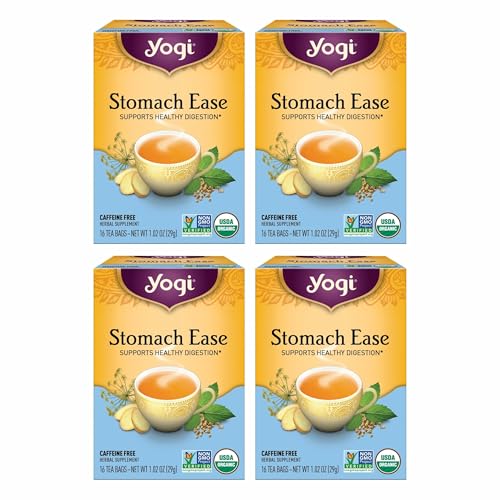
Yogi’s Stomach Ease combines fennel, licorice, ginger, cardamom, coriander, and peppermint in a warm Ayurvedic blend designed specifically for digestive comfort. Despite containing peppermint, the formulation’s licorice and ginger content appears to buffer the LES-relaxing effect for most users—customer reviews overwhelmingly report reduced heartburn and bloating after drinking this tea.
The 4-pack gives you 64 tea bags, making it the most cost-effective option per serving. Each bag is USDA Organic and Non-GMO Verified. Yogi recommends steeping for 7 minutes to fully extract the active compounds, and you can double-bag for a stronger cup. The flavor is mildly sweet from the licorice root, with warm spice notes that are far more complex than a standard mint tea.
Some users note that the licorice flavor is distinctly different from typical American tea palates—it’s earthy and sweet in a way that can take a few cups to get used to. If you have high blood pressure, consult your doctor before regular use, as licorice root can affect blood pressure and potassium levels.
Why it’s great
- Targeted digestive formula with 6 Ayurvedic herbs
- 64 bags per pack at a strong per-cup price
- USDA Organic vegan ingredients
Good to know
- Contains licorice root—not suitable for hypertension patients
- Peppermint may trigger reflux in sensitive individuals
4. ION Alkaline Water Drops
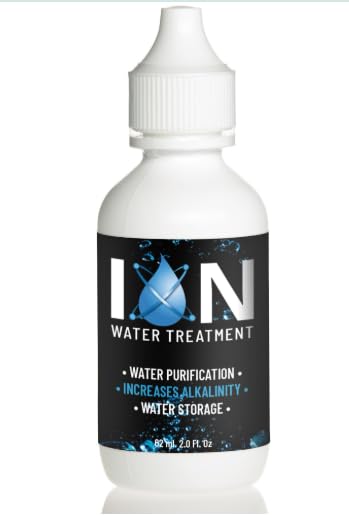
These concentrated alkaline drops use stabilized oxygen molecules to raise the pH of any water up to 10.0, turning tap or bottled water into a high-alkaline beverage that can neutralize stomach acid on contact. The formula uses only sodium chloride as the active ingredient—no artificial additives or questionable minerals. One 30ml bottle treats up to 110 gallons of water, making it exceptionally long-lasting.
Users with interstitial cystitis and GERD both report noticeable symptom relief after switching to alkalized water with these drops. The effect is gentle but perceptible: a slightly smoother taste and reduced burning sensation during and after drinking. For long-term water storage, these drops also keep stored water fresh for 7+ years, an added bonus for emergency preparedness.
The primary drawback is the slightly salty taste at higher concentrations. At 1–2 drops per 8-ounce glass, most users detect no flavor change, but exceeding recommended amounts creates a noticeable minerality. Some GERD sufferers find they need to alkalize every glass to maintain consistent relief, which uses the bottle faster than expected.
Why it’s great
- Raises water pH to 10—well above the acidic danger zone
- Each bottle treats hundreds of gallons
- Minimal ingredient list, no artificial chemicals
Good to know
- Slight salty taste if over-dosed
- Not suitable for children under 12 without pediatrician input
5. Lucy Jo’s Organic Brainstorm Low Acid Coffee

Lucy Jo’s Brainstorm is a standout among low-acid coffees for its full-bodied flavor profile that doesn’t punish your stomach. The medium dark roast uses 100% Certified Organic Arabica beans, roasted in small batches by hand for optimal control over acidity. Customer reviews are emphatic: this is the coffee that “saved my digestion” and allowed people to drink 3–4 cups daily without the familiar burn.
The aroma is sweet toasted almond with no smoky or charred notes—a hallmark of gentle roasting that preserves flavor while reducing chlorogenic acids. It’s ground for drip brewers and works well in French presses. The family-run facility in California takes a hands-on approach, and it shows in the consistency of each batch.
Several users call out the premium price as a sticking point. Low-acid coffee processing is inherently more expensive than standard roasting, and Lucy Jo’s sits in the premium tier. For those who drink only 1–2 cups a day, the cost is manageable, but daily heavy drinkers may find the 11-ounce bag runs out quickly.
Why it’s great
- Rich, balanced flavor without bitterness or acid burn
- Small-batch roasted for consistent quality
- Sweet aroma without smoky or charred notes
Good to know
- Premium pricing reflects small-batch production
- Not third-party tested for mycotoxins like some competitors
6. Flow Alkaline Spring Water (Cucumber Mint)
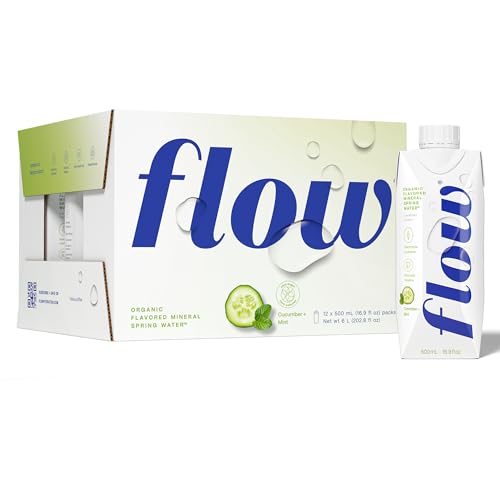
Flow Alkaline Spring Water brings naturally alkaline spring water (pH 8.1) from a Canadian source, infused with organic cucumber and mint essence for a refreshing, zero-calorie beverage. The water contains natural electrolytes—calcium, potassium, magnesium, and bicarbonate—that support hydration while buffering stomach acid. Users with morning heartburn specifically report relief after switching to this water.
The packaging is a major differentiator: Flow uses eco-friendly cartons made with up to 70% renewable materials, with a plant-based cap. The entire pack is 100% recyclable. For those trying to avoid plastic bottles due to BPA concerns or environmental footprint, this is a strong alternative. The flavor is subtle and clean—no added sugars, sweeteners, or preservatives.
Some users have received incorrect flavors in their subscribe-and-save shipments, which suggests a quality control issue in packing. The cucumber mint flavor is the most popular, but the watermelon version is less defined. At 12 bottles per case, the per-bottle cost is higher than standard alkaline waters, but the natural source and packaging justify the premium for many.
Why it’s great
- Naturally alkaline at pH 8.1 from a protected spring
- Eco-friendly packaging with renewable materials
- Subtle, pleasant flavor with no added sugars
Good to know
- Higher per-bottle cost than standard alkaline water
- Occasional flavor/package mix-up in subscription deliveries
7. Lifeboost Swiss Water Decaf Coffee
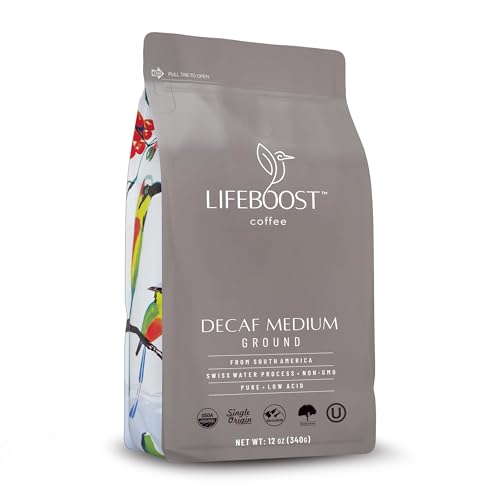
Lifeboost’s decaf employs the Swiss Water Process—a chemical-free method that removes 99.9% of caffeine while preserving the bean’s natural oils and flavor. The beans are single-origin from high-altitude farms in South America, shade-grown and hand-picked. Third-party testing covers mycotoxins, heavy metals, pesticides, and over 400 other toxins, making it one of the most rigorously clean coffee options available.
The low-acid formulation is a direct benefit of the growing conditions and processing: high-altitude beans naturally have lower acidity, and the Swiss Water Process doesn’t strip away the protective oils. The result is a decaf that tastes bold and smooth—many users describe it as indistinguishable from caffeinated coffee. It’s ideal for an afternoon or evening cup when you want the ritual without the caffeine or acid.
Reviews note that the flavor can come across as slightly bitter if you don’t dial in your brew method. Pour-over users initially report a weak extraction until they adjust grind size and water temperature. The price is the highest per ounce in the lineup, reflecting the rigorous testing and premium sourcing. For those who prioritize purity above everything, this is the gold standard.
Why it’s great
- Swiss Water Process—no chemical solvents
- Third-party tested for 400+ contaminants
- Low acid with rich, full-bodied flavor
Good to know
- Premium pricing—highest per-ounce cost
- Brewing method needs adjustment for optimal extraction
FAQ
Is alkaline water actually beneficial for GERD or is it a marketing gimmick?
Can I drink green tea if I have GERD?
Why do some low-acid coffees still cause heartburn?
Is it safe to use alkaline water drops every day?
Final Thoughts: The Verdict
For most users, the beverages for gerd winner is the Traditional Medicinals Organic Spearmint Tea because it delivers the safest GERD profile—caffeine-free, pH-neutral, and zero known triggers—while tasting genuinely refreshing. If you need a coffee replacement that doesn’t wreck your mornings, grab the VitaCup Perfect Low Acid Coffee for its third-party purity testing and smooth chocolaty roast. And for midday or evening hydration, the Flow Alkaline Spring Water offers naturally alkaline pH and electrolyte support in eco-friendly packaging.