
Our readers keep the lights on and the weekend projects moving. As an Amazon Associate, I earn from qualifying purchases.
Most people meditate, stretch, and breathe without ever knowing if it’s actually working. Biofeedback devices change that by turning vague feelings into measurable data—heart rate, brainwaves, muscle tension, and HRV—so you can see, in real time, whether your nervous system is calming down or staying stuck.
I’m Rikta — the co-founder and writer behind FitlyFast. I’ve spent years analyzing how hardware sensors translate physiological signals into actionable feedback, comparing everything from EEG headbands to vagus nerve stimulators to find which devices deliver reliable data without requiring a lab coat.
After sifting through hundreds of user reports and technical specs, I’ve narrowed the field to nine top performers. Whether you want to lower stress, improve sleep, or strengthen mind-body control, these are the best biofeedback devices for home use available today.
How To Choose The Best Biofeedback Devices For Home Use
Not all biofeedback hardware is created equal. Some measure electrical activity from your brain, others detect micro-changes in muscle tension or heart rhythm. The key is matching the sensor modality to what you actually want to train—and confirming the device gives you usable, real-time feedback rather than just a post-session score.
Match the Modality to Your Goal
If you want to improve focus and meditation depth, an EEG headband tracking alpha and theta waves is your tool. For physical relaxation and pain management, look for surface EMG or TENS/EMS units that quantify muscle tension. Vagus nerve stimulators focus on HRV and nervous system shifts, while pelvic floor trainers use pressure sensors for precise Kegel feedback. Buying a device that measures the wrong signal for your need is the most common mistake.
Check Sensor Quality and Feedback Speed
Home biofeedback devices use dry electrodes, optical sensors, or pressure transducers. Dry EEG sensors are convenient but less precise than clinical wet electrodes; look for multiple channels if accuracy matters. The feedback loop must be near-instant—audible tones or visual cues that change within one second of your physiological shift. A device that takes five seconds to update is useless for training.
Evaluate App Ecosystem and Data Export
The device is only half the system. The companion app must store session history, show trends over days and weeks, and let you export raw data if you want to analyze deeper patterns. Subscription-only features are common—confirm which metrics remain free and which require a monthly fee. A device with great hardware but a locked-down app limits your long-term learning.
Quick Comparison
On smaller screens, swipe sideways to see the full table.
| Model | Category | Best For | Key Spec | Amazon |
|---|---|---|---|---|
| Flowtime Meditation Headband | EEG Headband | Meditation & Stress Tracking | EEG (Alpha, Beta, Theta, Gamma) + HR/HRV | Amazon |
| MUSE 2 Headband | EEG Headband | Neurofeedback & Meditation Habit | SmartSense EEG sensors + Bluetooth | Amazon |
| Sensate Relaxation Device | Vagus Nerve Stimulator | Instant Calm & HRV Improvement | Infrasonic resonance vibration (non-invasive) | Amazon |
| Pulsetto Lite V1 | Vagus Nerve Stimulator | Relaxation & Daily Wellness | Rechargeable, app-controlled, 4–10 min sessions | Amazon |
| Therabody SmartGoggles (2nd Gen) | Biometric Eye Mask | Headache Relief & Sleep Prep | Biometric HR sensor + heat & compression massage | Amazon |
| Chirp Halo Wireless Muscle Stimulator | Wireless EMS | Muscle Recovery & Pain Relief | Dual wireless pods, app-guided pad placement | Amazon |
| Perifit Care + Pelvic Floor Exerciser | Pelvic Floor Trainer | Bladder Control & Core Strength | Dual pressure sensor, 5D analysis, game-based app | Amazon |
| Med-Fit 906A 4 Channel TENS EMS | TENS/EMS Unit | Muscle Re-education & Pain Relief | 4 independent channels, 1% intensity resolution | Amazon |
| WITHINGS Body Scan Smart Scale | BIA Body Composition Scale | Full Body Composition & Cardiovascular Trends | BIA + ECG, segmental body composition handle | Amazon |
In‑Depth Reviews
1. Flowtime Biosensing Meditation Headband

The Flowtime headband is a standout because it tracks five brainwave bands—Alpha, Beta, Theta, Gamma, and Delta—plus heart rate and HRV simultaneously. At just 29 grams, it’s barely noticeable during a session, and the 8-hour battery means you can meditate for days before recharging. The minute-by-minute biodata report shows exactly when your brain enters a flow state and when it drifts, giving you feedback granular enough to actually change your technique.
Users report that the real-time audio tones help anchor attention better than any app-based timer. The guided lessons are well-structured for beginners, and veterans can use unguided mode to experiment with different breathing patterns while watching brainwave shifts. The Bluetooth connectivity is reliable as long as your phone is within arm’s reach.
The main drawback is that the app’s deeper analysis features and some lessons require a subscription. A few users experienced occasional connectivity drops mid-session, which breaks the feedback loop. Still, for the combination of EEG breadth, portability, and price, this headband delivers the most complete biofeedback package for home meditation training.
Why it’s great
- Comprehensive EEG coverage (Alpha through Gamma)
- Extremely lightweight and comfortable for long sessions
- Detailed post-session reports with 7-session trend comparison
Good to know
- Premium subscription required for full lesson library
- Connectivity drops reported by some users during use
2. MUSE 2 The Brain Sensing Headband

MUSE 2 is the most researched consumer EEG device on the market, with studies from institutions backing its SmartSense sensors. It tracks brain activity, heart rate, and body movement, then translates that into real-time wind sounds—calm weather when your mind is settled, storm sounds when it wanders. The haptic feedback from the audio gives you an immediate, intuitive sense of your mental state without staring at a screen.
The core feedback and session tracking work out of the box with no subscription needed. Users consistently report that the device helped them rebuild a consistent meditation habit and identify when their “busy mind” was actually heightened awareness. The optional premium subscription adds an AI coach and over 500 guided sessions, which experienced meditators may skip.
Durability has been a concern for some users, with a few reporting sensor failures within months of purchase. Customer support quality varies, especially for Amazon purchases. The EEG sensors require good skin contact—users with thick hair or forehead sweat may need to adjust placement. Still, for data-backed meditation training with the strongest research pedigree, MUSE 2 remains a top contender.
Why it’s great
- Backed by peer-reviewed research and clinical use
- Intuitive real-time audio feedback for meditation
- Works without mandatory subscription
Good to know
- Some quality control reports with sensor failure
- Requires precise forehead placement for accurate readings
3. Sensate Relaxation Device
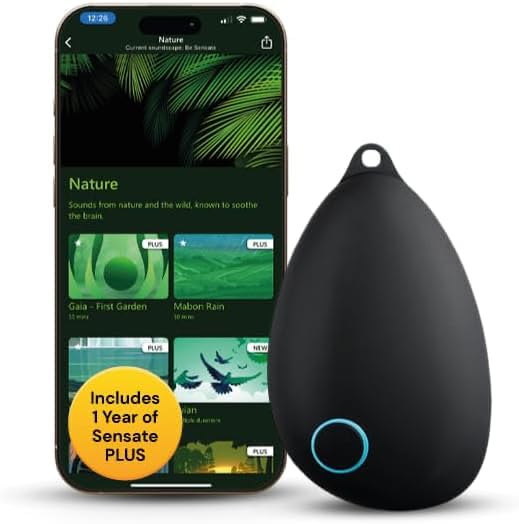
Sensate uses patented infrasonic resonance—gentle vibrations delivered through your sternum—to tone the vagus nerve without electrical stimulation. Users place the pebble-sized device on their chest, put on headphones, and listen to soundscapes that interact with the vibrations. The effect is a rapid drop in heart rate and a shift from sympathetic to parasympathetic nervous system dominance, often within 10 minutes.
Long-term users report consistent improvements in sleep onset and daytime anxiety. The device is lightweight and durable, surviving drops and travel. The app provides well-produced audio tracks of varying lengths, and the 12-month subscription included with the device covers the full library. The tactile sound approach feels more natural than electrical pulses for those who dislike TENS-style stimulation.
The main issue is reliability: several users report the device failing to pair with the app, rendering it non-functional without customer support intervention. The plastic build feels less premium than the price suggests. The bright LED on the power switch can be distracting during use. For those who get a working unit, however, the vagus nerve toning effect is genuinely noticeable and fast-acting.
Why it’s great
- Non-invasive vagus nerve stimulation without electrical pulses
- Rapid heart rate reduction reported in under 10 minutes
- 12-month premium app access included with device
Good to know
- Bluetooth pairing issues reported by some customers
- Build quality feels less premium than the price
4. Pulsetto Lite V1 Wellness Wearable
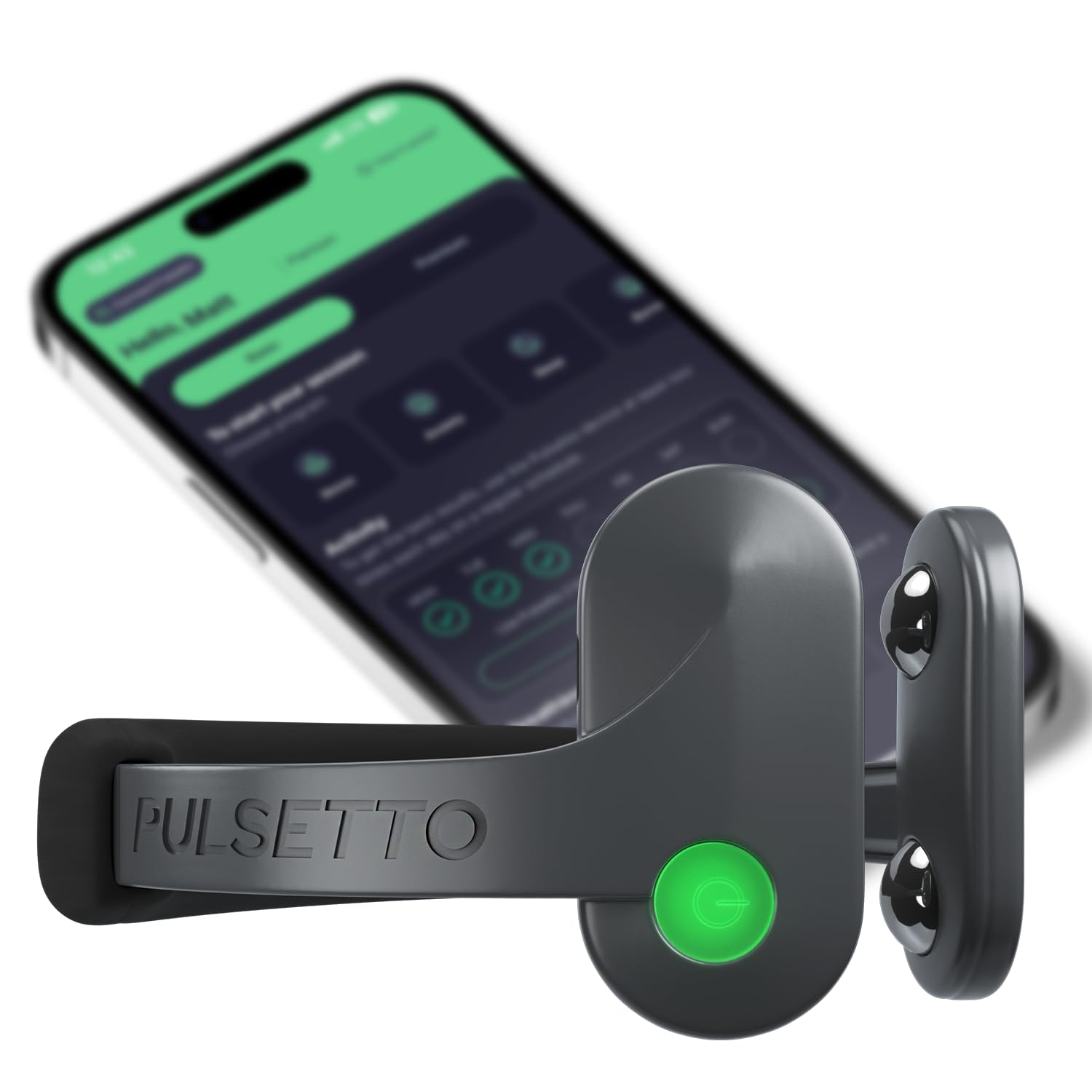
Pulsetto Lite is designed for short, daily vagus nerve stimulation sessions lasting 4–10 minutes. It uses gentle electrical pulses delivered through the neck to promote relaxation, and the companion app lets you customize intensity and track usage over time. The device is comfortable to wear during work breaks or pre-sleep routines, and the battery lasts through multiple days of regular use.
Users who found the device effective report profound calm and reduced anxiety after about two weeks of consistent use. The app is straightforward, with core programs available for free. The form factor is portable enough to toss in a bag for on-the-go stress relief. Several users noted that both they and their partners enjoyed using it, leading to healthy competition for session time.
The primary complaint is that the stimulation can be painful at default intensity levels—some users found even level 1 uncomfortable on the left side. A significant number of users felt no mood or sleep changes after two weeks, suggesting individual response varies widely. The strap durability has been questioned, with at least one report of breakage during normal use. It works well for some, but it’s not universally effective.
Why it’s great
- Quick 4–10 minute sessions fit into busy schedules
- Comfortable ergonomic design for daily wear
- Free core programs with optional premium content
Good to know
- Sensitivity to electrical pulses varies greatly between users
- Some strap durability issues reported
5. Therabody SmartGoggles (2nd Generation)

The SmartGoggles combine heat, compression massage, and vibration targeting the forehead, eyebrows, and temples—all driven by a biometric sensor that reads your heart rate and adjusts the treatment to lower it. The SmartRelax mode automatically modulates intensity as your heart rate drops, creating a closed-loop biofeedback experience that prepares you for sleep in under 15 minutes. The blackout design and contoured cushioning make it genuinely comfortable for napping during use.
Users who suffer from tension headaches or eye strain consistently report that these goggles outperform other sleep aids. The device connects to a phone app for guided meditations and noise cancellation, though most users find the standalone heat-and-massage cycle effective enough without audio. The feeling of being “put to sleep” in under 10 minutes is a recurring theme in reviews.
The build is heavier than a standard sleep mask, which is noticeable during use—though the manufacturer suggests this is fine since you should be lying down. The middle section of the mask doesn’t contact the forehead well for some face shapes, leaving a gap. A few users found the temple massage too loud and uncomfortable, and the price is high for what is functionally a heated mask with vibration motors.
Why it’s great
- Biometric sensor personalizes treatment based on heart rate
- Combines heat, compression, and vibration for multi-modal relief
- Effective at inducing sleep within 10 minutes for most users
Good to know
- Heavier than standard sleep masks; best used lying down
- Forehead contact gap reported for some face shapes
6. Chirp Halo Wireless Muscle Stimulator
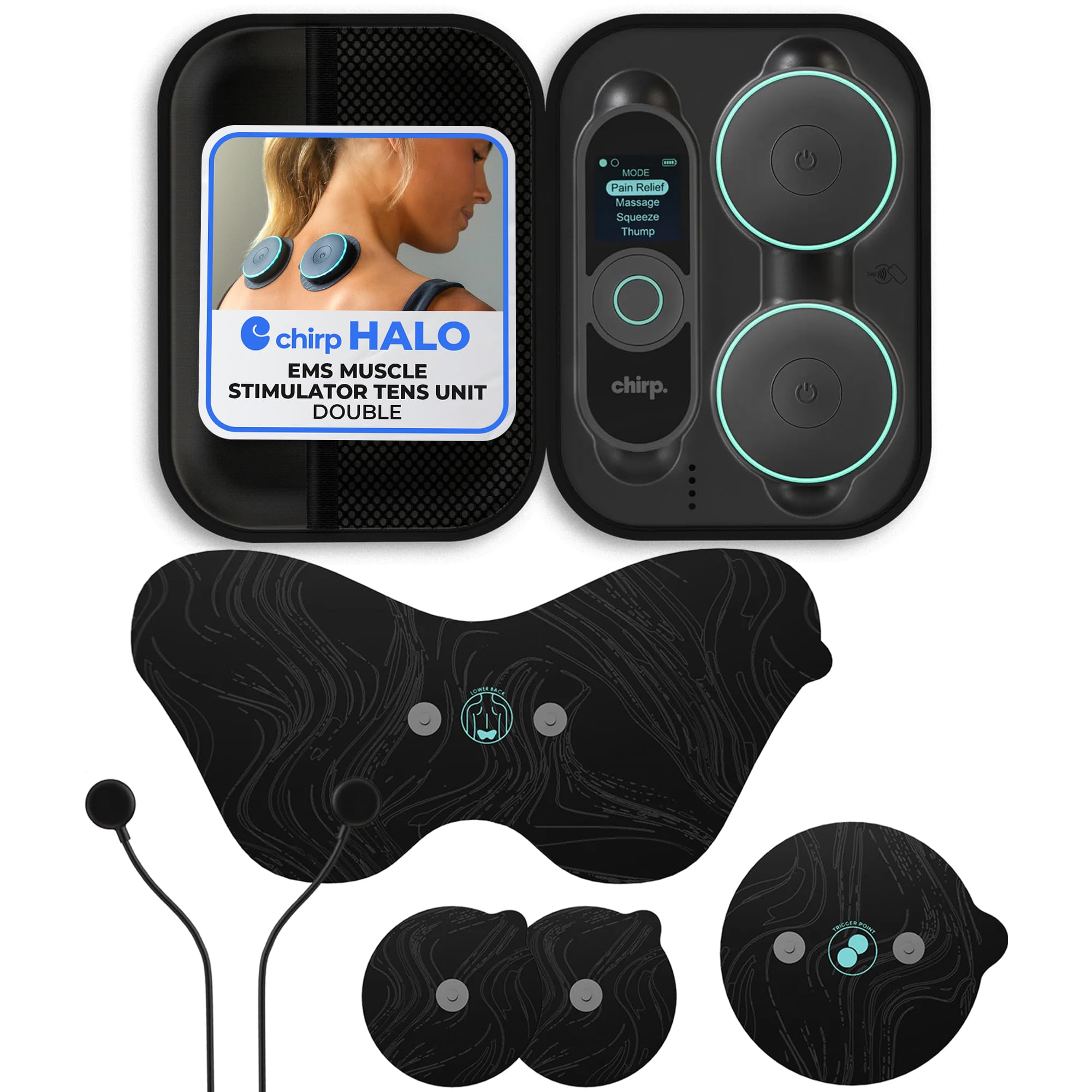
The Chirp Halo ditches the wires found on traditional TENS units in favor of two wireless pods that stick directly to the skin. The companion app shows you exactly where to place the pads based on your reported pain location, then lets you choose from multiple EMS modes and intensity levels. This makes it far more accessible than clinical units that require you to decipher electrode placement diagrams.
Users praise the portability and battery life—5 to 6 sessions per charge, with replacement pads costing under . The stimulation is strong enough for post-workout recovery and pain relief, and the wireless design means you can walk around during a session. The build quality feels premium, and the app interface is intuitive even for first-time EMS users.
The remote control pairing has been a weak point, with some users experiencing finicky sync between the remote and the two pods. A few units arrived with defective remotes that wouldn’t control pod settings properly. At this price, the wireless convenience is a genuine upgrade over corded units, but the remote reliability needs improvement. The app-based pad placement guidance is a standout feature that reduces the guesswork of EMS therapy.
Why it’s great
- Truly wireless dual-pod design for unrestricted movement
- App provides visual pad placement guidance based on pain location
- Quality build and affordable replacement pads
Good to know
- Remote-to-pod pairing can be unreliable
- Some units received with defective remote controls
7. Perifit Care + Pelvic Floor Exerciser
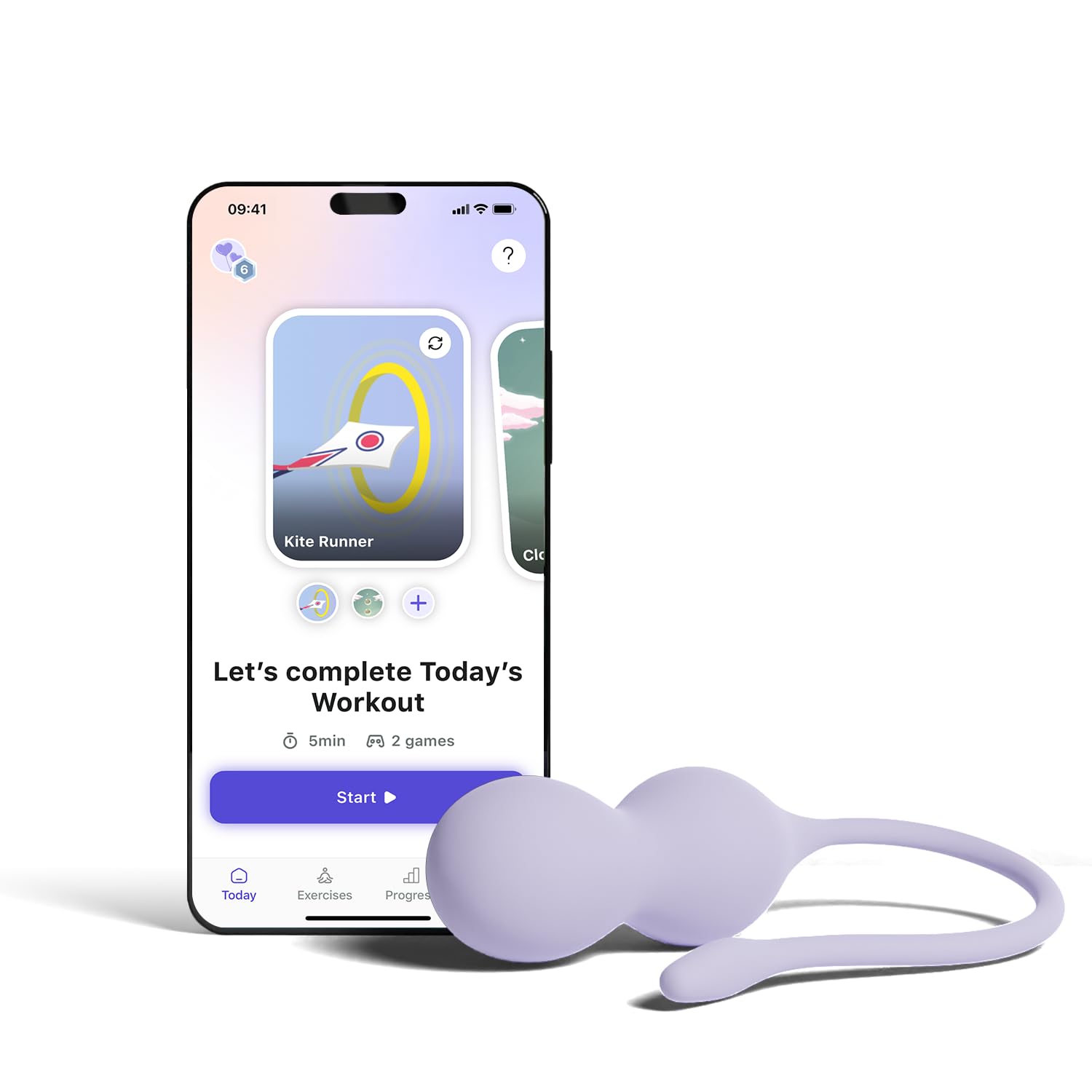
Perifit+ is a connected probe that uses dual pressure sensors to detect whether your Kegel contractions are accurate—a critical feature given that nearly 30% of women perform pelvic floor exercises incorrectly. The device measures strength, endurance, precision, contraction quality, and speed, then feeds that data into game-based exercises that make daily training engaging rather than tedious. The 5D analysis system identifies your specific weaknesses and adapts the programs accordingly.
Users consistently report that the gamification turns a chore into something they actually look forward to. The app guides setup, tracks progress over weeks, and shows real-time force measurements in grams. Pelvic floor therapists have recommended it to patients for home use, and many users saw improvements in urinary urgency within two weeks. The device comes with a 2-year device warranty and a 5-year battery warranty.
The battery is non-rechargeable, which means you’ll need to replace the coin cell batteries after extended use—a minor inconvenience for a device used daily. The price is high compared to basic Kegel weights, but the dual-sensor feedback is genuinely unique among home pelvic floor trainers. It’s HSA/FSA eligible, which offsets the cost for some buyers. The cleaning process is straightforward, but the probe is not fully waterproof.
Why it’s great
- Patented dual pressure sensors detect incorrect contractions
- 5D analysis targets specific pelvic floor weaknesses
- Engaging game-based exercises improve consistency
Good to know
- Non-rechargeable coin cell batteries require occasional replacement
- Not fully waterproof; requires careful cleaning
8. Med-Fit 906A 4 Channel TENS EMS

The Med-Fit 906A is a professional-grade TENS/EMS combo unit with four independent channels supporting up to eight electrodes. It offers 24 clinically approved programs—12 for TENS pain relief and 12 for muscle stimulation—and a full rechargeable battery that lasts over a week with daily use. The extra-large LCD display makes it easy to navigate even for users who aren’t tech-savvy, and the 1% intensity resolution gives you fine control over stimulation.
Users with chronic pain conditions like arthritis, neck tension, and lower back pain report significant relief after consistent use. The EMS side is particularly effective for muscle re-education and rebuilding strength after injury. The unit remembers your last settings, so you don’t have to reprogram it before each session. The build is solid, with a weight of about 276 grams including batteries.
The pin-type lead connectors are difficult to connect with one hand, and the unit body is thick enough that it’s not truly pocketable. The pad adhesive wears out after repeated use and requires damp towel cleaning to extend lifespan. There’s no smartphone connectivity or app—this is a standalone clinical-style unit that puts control in your hands literally. For those who want maximum electrode coverage and independent channel control without paying for wireless features, this remains a strong choice.
Why it’s great
- Four independent channels for comprehensive coverage
- 1% intensity resolution for precise control
- Rechargeable battery lasts 7+ days of daily use
Good to know
- Pin-type leads are hard to connect one-handed
- Unit body is bulky; not truly portable
9. WITHINGS Body Scan Smart Scale

The Withings Body Scan is a full-body composition scanner disguised as a bathroom scale. It measures weight, fat percentage, muscle mass, and water percentage through the feet, then uses a retractable handle to perform segmental analysis—detecting muscle imbalances and fat distribution across your arms, legs, and torso. It also takes electrocardiogram readings to detect atrial fibrillation and assesses arterial stiffness for cardiovascular health monitoring.
Users who commit to daily weigh-ins find the trend data invaluable for tracking how diet and exercise changes affect their body composition. The scale integrates with Apple Health and MyFitnessPal, consolidating data into one ecosystem. The large LCD display is easy to read, and the Wi-Fi syncing works reliably once set up. Several users report that the scale helped them lose significant weight by providing concrete feedback on what worked.
The reliability issues are hard to ignore. Some units fail within a year, and customer support is reportedly difficult to reach. The EKG feature is often inconclusive for users with known heart conditions, and segmental readings may not generate unless you stand in a specific position. The setup is cumbersome, and the scale is heavy at nearly 10 pounds. For the price, you’re paying for clinical-grade metrics, but the execution has gaps that make some users question the value.
Why it’s great
- Segmental body composition analysis pinpoints muscle/fat imbalances
- ECG and arterial stiffness assessment for cardiovascular insights
- Integrates with Apple Health and MyFitnessPal for centralized tracking
Good to know
- Occasional hardware failures reported within first year
- Customer support responsiveness is inconsistent
FAQ
Can consumer EEG headbands really detect accurate brainwave states for meditation training?
How long does it take to see measurable improvements from daily vagus nerve stimulation?
Is using a TENS/EMS device at home safe for daily muscle recovery and pain management?
What does the ECG feature on the Withings Body Scan actually detect, and is it clinically valid?
Final Thoughts: The Verdict
For most users, the best biofeedback devices for home use winner is the Flowtime Biosensing Meditation Headband because it balances comprehensive EEG tracking, heart rate/HRV monitoring, and lightweight comfort at a reasonable investment. If you want meditation training with the strongest research pedigree, grab the MUSE 2 Headband. And for physical biofeedback targeting muscle recovery and pain, nothing beats the electrode coverage of the Med-Fit 906A 4 Channel TENS EMS.