
Our readers keep the lights on and the weekend projects moving. As an Amazon Associate, I earn from qualifying purchases.
Bluebirds don’t crack seeds—they hunt. Unlike finches or sparrows that happily pick at a millet blend, bluebirds are insectivores that need live or dried bugs to stick around your yard. Put out the wrong mix and you’ll attract every other bird but miss the azure flash you were hoping for.
I’m Rikta — the co-founder and writer behind FitlyFast. I’ve spent the last five years analyzing the nutritional profiles, sourcing standards, and feeder behavior patterns tied to specialty bird foods, particularly insect-based offerings for cavity-nesting species.
Whether you’re trying to nurse a molting male back to his brightest plumage or just want the joy of spotting that first pair land on a new feeder, picking the right formula matters more than any feeder placement trick. This guide is built around finding the best bird seed for bluebirds — even though the real answer is rarely seed at all.
How To Choose The Best Bird Seed For Bluebirds
Because bluebirds lack the thick beak to crack hard seeds, the “best bird seed” category for them is really an insect protein category in disguise. The choice comes down to form (live vs dried), calcium content, and the absence of fillers that attract aggressive species.
Protein Source: Mealworms vs Black Soldier Fly Larvae
Bluebirds chase real bugs. Dried mealworms typically deliver 50–53% protein and 25–28% fat, which fuels nesting season energy reliably. Black soldier fly larvae offer 45% protein but boast over 85 times the calcium of mealworms — a critical difference for hens during egg-laying. For bluebirds in spring, calcium-rich larvae support stronger eggshells and healthier chicks.
Form and Moisture Content
Most products are freeze-dried, air-dried, or microwave-dried. Freeze-dried worms retain the highest nutritional profile and a plump texture bluebirds recognize as real food. Microwave-dried versions are crispier but often cheaper per pound. Soaking dried worms in water for 15 minutes before placing them in a tray feeder mimics the high-moisture insects bluebirds naturally eat, improving palatability.
Clean Ingredients and Additive-Free Labels
Many bargain bags contain dust, empty casings, or cheap cereal fillers that bluebirds ignore while starlings and grackles gorge. Look for non-GMO labels and ingredients lists that read “100% dried mealworms” or “pure black soldier fly larvae” with no added soy, corn meal, or artificial preservatives. Premium brands hand-sort to remove empty shells, giving you more usable protein per dollar.
Quick Comparison
On smaller screens, swipe sideways to see the full table.
| Model | Category | Best For | Key Spec | Amazon |
|---|---|---|---|---|
| SANSECT 10 LB Dried Mealworms | Premium Mealworms | High-volume feeding, large flocks | 51.2% protein, 10 lb bag | Amazon |
| C&S Bluebird Nuggets | Specialty Nuggets | No-melt summer feeding, multi-species attraction | No-melt suet blend, 6 x 27 oz | Amazon |
| I LOVE WORMS 5lb Dried Mealworms | High-Protein Mealworms | Pure non-GMO feed, minimal waste | 51% insect protein, 5 lb bag | Amazon |
| Chubby Dried Mealworms 2lb | Mid-Range Mealworms | Bluebird-specific feeding, manageable bag size | 53% protein, 2 lb bag | Amazon |
| TradeKing 1 lb Dried Mealworms | Entry-Level Mealworms | First-time buyers, small feeders, reptiles too | 1 lb resalable bag | Amazon |
| KAYHEN BSFL 5LB | Calcium Rich Larvae | Egg-laying hens, calcium-boost for birds | 85x more calcium than mealworms, 5 lb | Amazon |
| Heath Outdoor Products Suet Cakes 18pk | High-Energy Suet | Cold weather energy, woodpecker attraction | 18 suet cakes, no-melt to 122°F | Amazon |
In‑Depth Reviews
1. SANSECT 10 LB Dried Mealworms
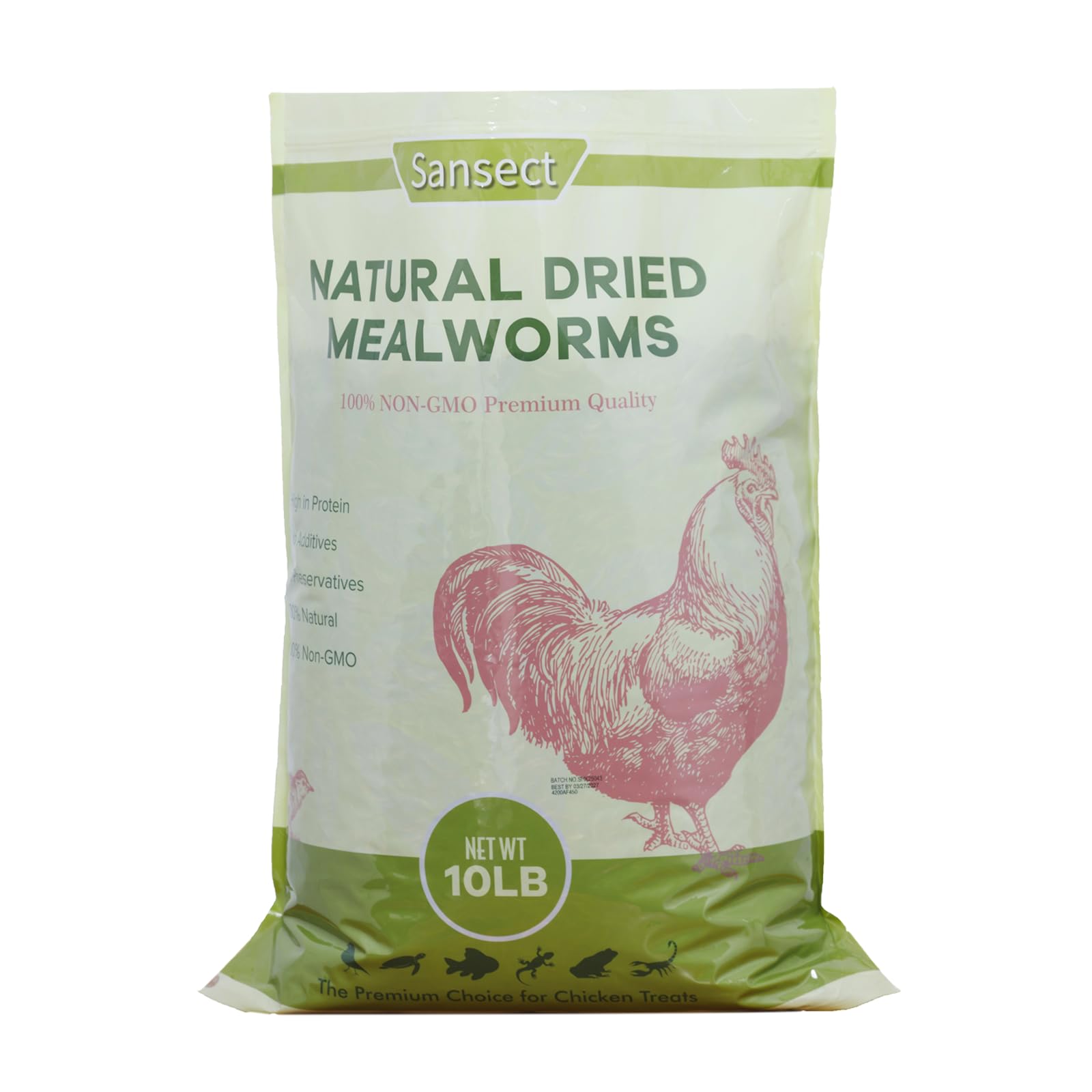
This bag is the volume play for anyone serious about keeping a bluebird family fed through spring and summer. SANSECT pushes protein to 51.2%, which is a full 10 points higher than most black soldier fly larvae on the shelf. The manual sorting process removes empty casings that cheap bags use to pad weight, so every scoop is a plump mealworm, not dust.
Bluebirds in customer yards devoured these within days, and the resealable zip-top bag keeps them fresh even in humid conditions without refrigeration. The feed comes from worms raised on an organic diet of wheat, carrots, and vegetables — no preservatives or additives that might deter picky eaters.
The 10-pound size works best if you have multiple feeders or share with a neighbor. For single-feeder setups, the bag may feel oversized, but the per-pound value is unmatched in this tier, making it a smart mid-range to premium choice for heavy bluebird traffic.
Why it’s great
- Highest protein content among bulk options
- Hand-sorted to remove empty shells and low-quality larvae
- Sustainable, non-GMO sourcing with organic diet
Good to know
- 10-pound bag requires dedicated storage space
- Crunchy texture may need soaking for picky birds
2. C&S No Melt Bluebird Nuggets

Suet melts. That is a problem in July. C&S solved it with a no-melt suet formula blended with roasted peanuts, raisins, corn, and oats formed into soft nuggets that bluebirds can tear apart without effort. The formula holds its shape up to 122°F, so you get zero greasy puddles on your deck feeder even on scorching afternoons.
User reports consistently show that this nugget blend pulls in bluebirds, catbirds, cardinals, and woodpeckers faster than standard suet cakes. The six-pack format at 27 ounces per bag covers multiple feeders for a month or more of daily visits. Northern Vermont buyers noted that even Pileated Woodpeckers preferred these nuggets over every other brand they tested.
The only consistent complaint is the zipper closure that sometimes fails after the first opening. Pouring the nuggets into an airtight jar solves the problem, and the birds don’t care one bit. For year-round feeding without summer melt anxiety, this is the premium choice.
Why it’s great
- No-melt formula tested to 122°F for hot climates
- Attracts bluebirds alongside woodpeckers and cardinals
- Soft nugget form easy for bluebird beaks to break
Good to know
- Resealable bag zipper may fail early
- Contains peanuts (possible allergen concern)
3. I LOVE WORMS 5lb Dried Mealworms
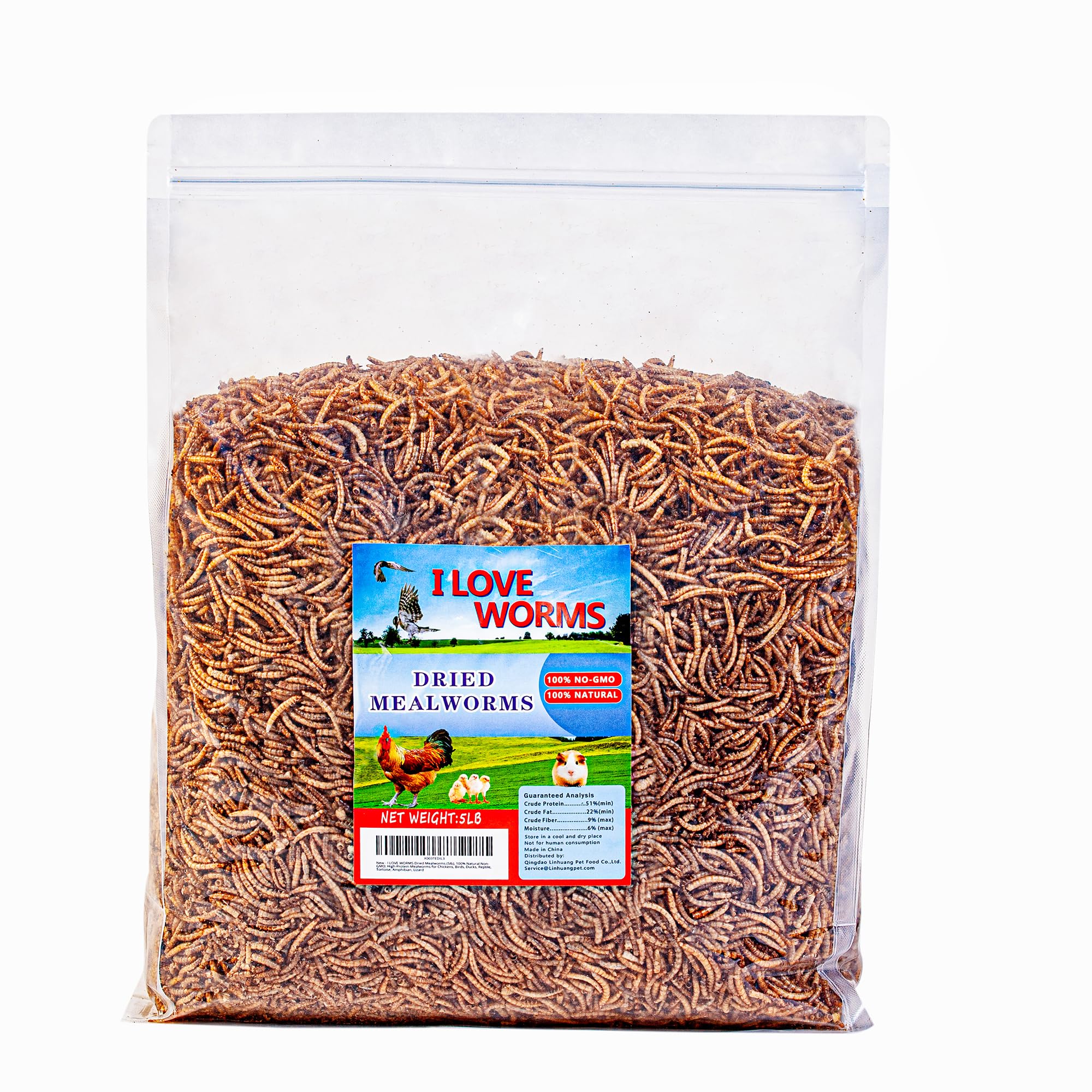
This brand leans into a clean ingredient philosophy — no GMOs, no additives, and a proprietary microwave drying technique that preserves the worm’s internal nutrients better than slow air-drying. The 51% protein content matches SANSECT, but the bag size at 5 pounds hits a sweet spot for small to medium yards that don’t need a huge bin of feed.
Customers report that even picky bluebirds went for these within hours of introduction. The low odor profile is a bonus for anyone storing the bag near a back door or garage, as the microwave drying reduces the musty smell common in cheap mealworms. Buyers also noted that the bag contained very few empty casings, meaning more usable feed per scoop.
The 5-pound format works well for winter storage when you might not refill as often. Pair it with a tray feeder or a specialized bluebird feeder with a small perch, and you should see consistent daily visits from your target species rather than just sparrows and grackles.
Why it’s great
- Microwave drying preserves nutritional quality
- Low odor and minimal empty casings
- Non-GMO and additive-free ingredient list
Good to know
- Slightly higher cost per pound than bulk bags
- Microwave-dried texture is crunchier than freeze-dried
4. Chubby Dried Mealworms 2lb
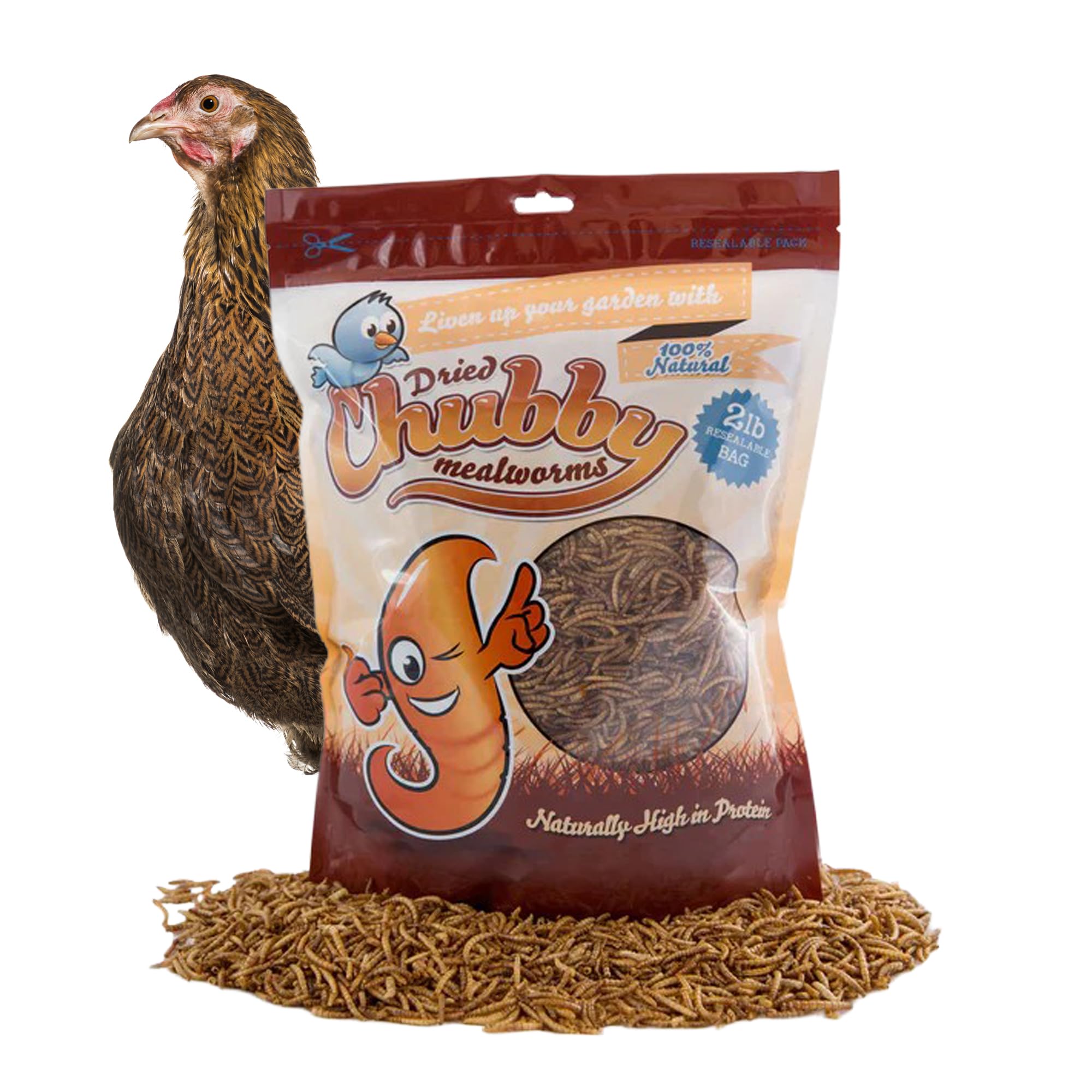
Chubby hits the highest protein percentage in this entire lineup at 53%, paired with 28% essential fat that bluebirds crave during nesting season when they need sustained energy. The 2-pound bag is small enough to fit on a pantry shelf but large enough to last a month of daily feeding for a pair of bluebirds and their fledglings.
Bluebird-specific reviews for this product are overwhelming. Multiple buyers specifically mentioned that their local bluebird pair abandoned other feeders and moved exclusively to the tray where Chubby worms were offered. The worms are plump with very few small fragments, so bluebirds get a satisfying mouthful rather than dust.
The resealable carton packaging is simple but effective. Some users soak the worms for a few minutes before feeding to rehydrate them, mimicking the moisture of live insects. That small step noticeably increased bluebird acceptance among users who initially had hesitant birds.
Why it’s great
- Highest protein percentage at 53%
- Plump worms with minimal dust or broken pieces
- Proven bluebird preference in customer yards
Good to know
- 2-pound bag may need frequent reordering
- Carton packaging less durable than zip-top pouches
5. KAYHEN Dried Black Soldier Fly Larvae 5LB
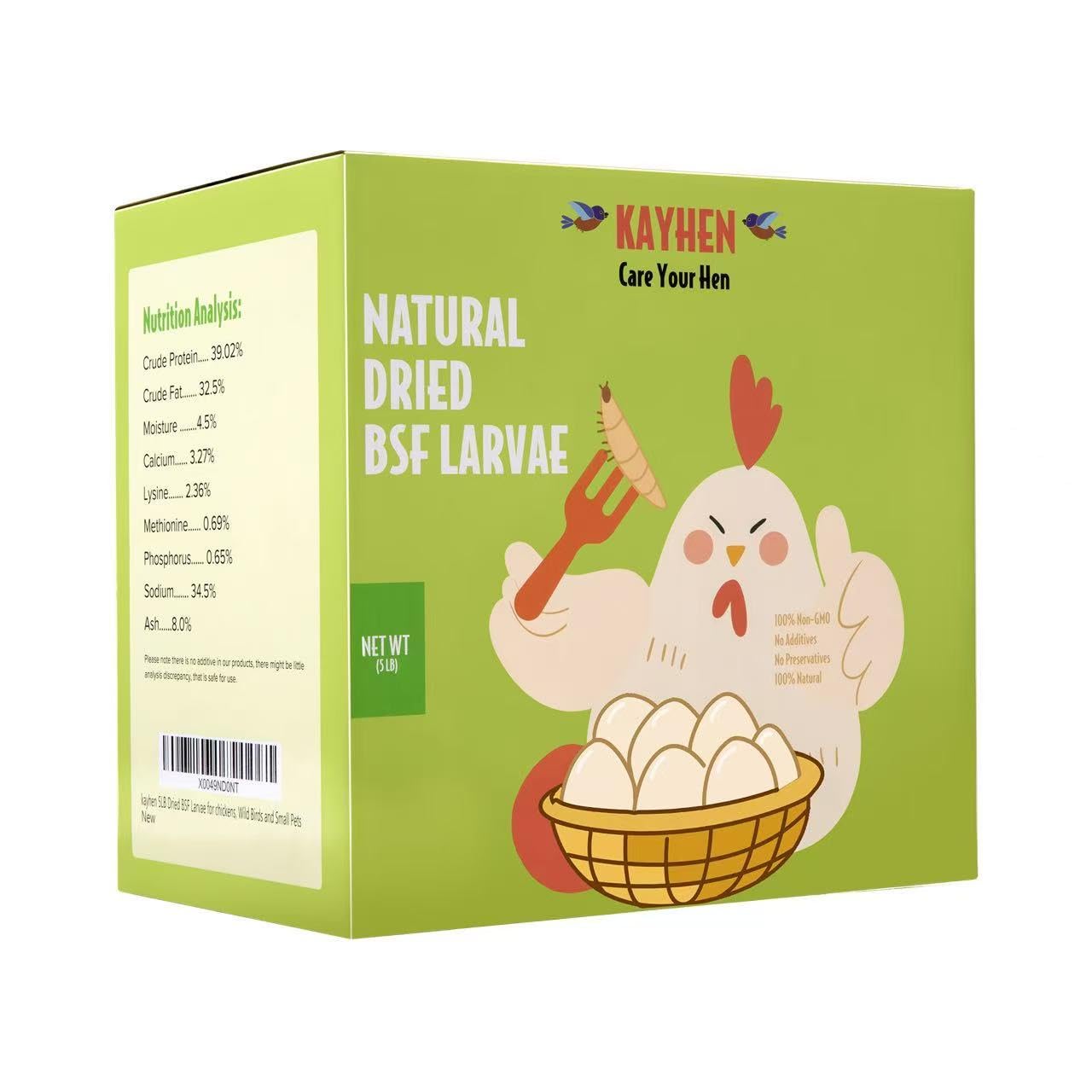
If your goal is supporting breeding bluebird pairs or boosting egg quality in backyard chickens, this BSFL product from KAYHEN stands apart for one metric: calcium. The larvae pack 85 times more calcium than standard mealworms, which is a game-changer for female birds during egg production.
At 45% protein, BSFL is slightly lower in protein than mealworms, but the calcium-to-phosphorus ratio is far superior for bone development in chicks. The 5-pound bag offers great value, and the resealable zip-top bag keeps the larvae crisp. KAYHEN raises the larvae on an organic diet of brans, flour, and leftover produce, ensuring a clean feed chain with no synthetic inputs.
Bluebird fans should note that BSFL are smaller than mealworms and have a darker, harder shell. Some bluebirds take a few days to recognize them as food. Mixing BSFL with dried mealworms in a single feeder helps bridge that hesitation while delivering the calcium benefit.
Why it’s great
- 85x more calcium than dried mealworms
- Environmentally sustainable production
- Great for egg-laying hens and breeding birds
Good to know
- Darker appearance may require gradual introduction
- Lower protein percentage than mealworms
6. TradeKing 1 lb Dried Mealworms

TradeKing is the low-commitment starter bag for anyone unsure if bluebirds will actually visit their feeder. At 1 pound, it’s small enough to test the waters without storing a 10-pound bin that might go stale. The feed is veterinary certified, meaning the production chain is audited for contamination and quality — rare in the sub-premium tier.
Users report that the worms arrived intact with minimal breakage, unlike the powdery dregs found in some grocery store brands. The resealable stand-up bag is practical for countertop storage, and the shelf life is long enough that even slow feeders won’t waste product. The birds in customer yards — bluebirds especially — took to them immediately according to verified reviews.
The tradeoff is the per-pound cost: smaller bags always command a premium. For a pair of bluebirds this size works for 2–3 weeks of daily feeding. It’s a great trial size, but if your yard becomes a bluebird hotspot, you will want to size up to a larger bag quickly.
Why it’s great
- Low-risk 1-pound size for first-time buyers
- Veterinary certified for safety and quality
- Resealable stand-up bag for easy storage
Good to know
- Higher cost per ounce compared to bulk bags
- May need to reorder frequently with active feeders
7. Heath Outdoor Products Suet Cakes 18pk

Suet cakes are not the primary food for bluebirds, but they serve as a critical energy supplement in winter when live insects disappear. Heath’s “Bird’s Blend” suet attracts bluebirds along with chickadees, nuthatches, woodpeckers, and kinglets — meaning your feeder becomes a winter hotspot even when mealworms freeze solid.
The 18-pack comes at a strong per-cake value, and the no-melt formula holds up to 122°F, so you can use the same cakes year-round without switching products. The easy-peel pull tab eliminates the need for scissors, a small but appreciated detail when you are refilling a feeder in cold weather with stiff fingers.
Bluebirds will not live on suet alone, but offering suet alongside dried mealworms gives them a high-fat option during cold snaps when they need extra calories to maintain body temperature. For anyone feeding bluebirds through brutal winters, this 18-pack provides a reliable backup energy source.
Why it’s great
- Excellent cold-weather energy supplement for bluebirds
- 18-pack offers strong per-cake value
- No-melt formulation works in summer heat too
Good to know
- Not a standalone food for bluebirds (needs insects too)
- Contains nuts — check if local bluebirds accept suet
FAQ
Can bluebirds eat black oil sunflower seeds?
How often should I clean a bluebird feeder?
Why are starlings eating all the mealworms I put out for bluebirds?
Final Thoughts: The Verdict
For most users, the best bird seed for bluebirds winner is the SANSECT 10 LB Dried Mealworms because it delivers 51.2% protein in a bulk size that keeps a pair of bluebirds fed for months with minimal waste. If you want a summer-ready option that won’t melt into a mess, grab the C&S No Melt Bluebird Nuggets for their 122°F heat tolerance. And for bluebird hens during nesting season when calcium matters most, nothing beats the KAYHEN Black Soldier Fly Larvae for their 85x calcium advantage over standard mealworms.