
Our readers keep the lights on and the weekend projects moving. As an Amazon Associate, I earn from qualifying purchases.
A sunroom should feel like an open-air retreat, not a greenhouse or a cave. The wrong window treatment turns that space into either a glaring, overheating box or a dark, sealed-off room. The best blinds for sunroom environments balance light control, heat rejection, and privacy without sacrificing the view or the airy feel that makes these rooms special.
I’m Rikta — the founder and writer behind FitlyFast. I analyze window treatment materials, thermal insulation ratings, and UV-blocking technologies to identify products that solve the specific heat-and-glare problem every sunroom owner faces.
After sorting through dozens of options based on blackout efficiency, cell structure, installation method, and ease of use, I found that the right choice depends entirely on how your room catches the sun. This guide focuses on the blinds for sunroom that actually manage solar heat gain while keeping the space bright and livable.
How To Choose The Best Blinds For Sunroom
Sunrooms take a unique beating. Direct, prolonged sunlight means the fabric you choose needs to resist fading, the insulation layer needs to stop heat transfer, and the mounting system must hold steady as internal temperatures fluctuate daily. General‑purpose blinds fail here because they prioritize darkness over temperature management or aesthetics over durability. Focus on three non‑negotiable traits.
Honeycomb vs. Roller: Why Cell Structure Matters
Roller shades offer a clean, minimal look and 100% blackout in a single layer, but they lack the thermal buffer that cellular shades provide. Honeycomb (cellular) blinds trap air inside hexagonal cells, creating a physical barrier between the hot window glass and your room. In a sunroom, this difference translates to a measurable drop in surface temperature near the window. Single‑cell shades already improve energy efficiency by about 30% compared to standard roller shades, and double‑cell variants increase that gap. If your sunroom faces west or south, cellular construction should be your baseline.
Blackout vs. Light Filtering: Match Fabric Opacity to Window Orientation
Many buyers assume that 100% blackout is always better. In a sunroom, that’s often wrong. Rooms that face north or sit under heavy tree cover benefit from light‑filtering shades that soften glare without killing natural brightness. South‑ and west‑facing rooms need full blackout panels with reflective backing to manage solar heat gain during peak hours. A “blackout” label does not guarantee heat rejection — look for thermal coating or a silver‑plated inner layer that physically reflects infrared radiation rather than just absorbing it.
Mounting Method: Inside Mount Fit vs. No‑Drill Solutions
Inside mounting (fitting the blind inside the window frame) looks cleaner and blocks side light gaps better, but it requires at least 2 inches of frame depth and accurate width measurement. Outside mounting covers the entire window opening, which hides gaps but may look bulky. No‑drill options use tension brackets or spring rods and are ideal for renters or tiled sunroom walls where drilling feels risky. However, no‑drill systems typically support less than half the weight of screw‑mounted brackets, so oversized or heavy cellular shades may sag over time.
Quick Comparison
On smaller screens, swipe sideways to see the full table.
| Model | Category | Best For | Key Spec | Amazon |
|---|---|---|---|---|
| Persilux Custom Cellular | Premium Honeycomb | Total light & heat control | 1.5″ single cell; bottom-up only | Amazon |
| LazBlinds No-Drill Cellular | No-Drill Premium | Renter-friendly blackout | Spring‑rod mount; 30‑second install | Amazon |
| Persilux Roller Blackout | Premium Roller | Sleek roller with valance | Free-stop system; frosted valance | Amazon |
| CHICOLOGY Cellular | Mid-Range Honeycomb | Balanced opacity & budget | Single‑cell; trimmable width | Amazon |
| BERISSA Top‑Down Cellular | Versatile Honeycomb | Top‑down/bottom‑up flexibility | Dual‑track; no‑drill tension brackets | Amazon |
| Boolegon No-Drill Cellular | Entry Level Honeycomb | No‑tool first‑time install | 1″ cell; aluminum top rail | Amazon |
| KALYSIE Cordless Roller | Budget Roller | Quick blackout on a budget | 75″ drop; thermal‑coated polyester | Amazon |
In‑Depth Reviews
1. Persilux Custom Size Cellular Shades

This Persilux shade uses a 1.5‑inch single‑cell honeycomb construction made from 100% imported polyester, and the fabric is identical on both sides for a uniform exterior appearance. The bottom‑up cordless mechanism lets you raise the shade from the sill to any position, which means you can keep the top half of a sunroom window uncovered for natural light while blocking glare at eye level. The weighted aluminum bottom rail hangs flat and resists wind movement — a useful trait when sunroom windows are cracked open.
Thermal insulation here is real. The cellular pockets trap air between the glass and the room, and the blackout core reflects most UV radiation rather than absorbing it into the room. So, during a hot afternoon, you will feel a noticeable temperature difference near the window compared to a roller shade. It mounts both inside and outside, and the seller proactively double‑checks custom measurements before shipping — a safeguard that removes the common “off‑by‑half‑inch” headache.
The only operational limitation is that these shades are bottom‑up only. You cannot lower them from the top to let in ceiling light while keeping the lower half covered. For rooms where you want that kind of flexibility, a top‑down/bottom‑up model makes more sense. Cleaning is simple — a quick vacuum pass or a wipe with a paper towel takes care of dust buildup.
Why it’s great
- 1.5″ honeycomb cells create a strong thermal buffer against solar heat gain
- Custom sizing with seller‑verified measurements eliminates fit errors
- Weighted bottom rail stays flat even with windows slightly open
- Cordless design is safe for homes with kids or pets
Good to know
- Bottom‑up only — cannot lower the top while keeping the bottom covered
- Custom orders require patience for shipping and production time
2. LazBlinds No-Drill Cordless Cellular Shades

The LazBlinds system is the fastest install in this list: a spring‑rod tension mechanism that wedges the shade inside the window frame without a single screw or bracket. The manufacturer takes a standard ⅜‑inch deduction on width, so the actual blind size for a 35‑inch wide window is 34⅝ inches — a deliberate tolerance that ensures friction holds it securely. Customers report that the rod can extend roughly 1 inch total, so the shade works on windows up to 35.6 inches wide despite the listed 35‑inch nominal size.
The silver‑plated inner layer inside each honeycomb cell provides true blackout rather than just heavy shading. In South Florida sunrooms with direct exposure and temperatures above 100°F, reviewers noted that these shades noticeably lowered the room temperature within minutes of installation. The no‑drill mount also supports up to 30 kilograms, so the shade stays in place even when the polyester cell structure expands slightly from heat. It mounts only inside the frame, so you must have at least a standard window recess depth.
The no‑drill approach does have a trade‑off: if your window frame has an irregular surface or textured paint, the spring rod may not grip evenly, leading to a slight tilt. Also, because there are no brackets, you cannot use this as an outside mount to cover a larger opening. But for renters or anyone who wants a reversible solution, the install speed and the blackout performance make this a standout.
Why it’s great
- Genuine blackout from silver‑plated honeycomb interior
- No‑tool, no‑drill install that takes under a minute per window
- High weight capacity (30 kg) prevents sagging
- Clear heat‑reduction feedback from real users in hot climates
Good to know
- Inside mount only — not suitable for shallow or uneven frames
- Price is above entry‑level despite the simple mounting hardware
3. Persilux Blackout Roller Shades with Valance

Unlike most roller shades that use a plain metal tube, Persilux adds a square frosted aluminum valance and a fabric‑wrapped bottom rail — details normally found on custom window treatments priced significantly higher. The free‑stop mechanism lets you pause the shade at any height without a cord or chain, so you can dial in exactly how much sunlight enters the room. That level of control is useful in a sunroom where the sun angle shifts dramatically throughout the day.
The thermal‑coated polyester fabric blocks 100% of sunlight and UV rays, and the coating helps reflect solar infrared radiation rather than soaking it into the room. In a west‑facing sunroom, this makes a measurable difference in afternoon cooling demand. The set includes a valance that hides the roller mechanism, giving the window a polished, finished look that does not require curtains. You can mount it inside or outside, and the brackets and instructions are clear enough for a first‑time installer.
That said, some users report moderate light leakage at the edges, especially with inside mounting where the fabric is 0.8 inches narrower than the valance. The gap is standard for roller shades (the fabric must clear the brackets), but if you need light‑tight darkness, a cellular shade with compression fit will outperform this design. The frosted valance also collects dust and requires periodic wiping to keep its matte finish looking clean.
Why it’s great
- Frosted aluminum valance and fabric‑wrapped rail look like a custom installation
- Free‑stop cordless mechanism holds at any height without slipping
- Thermal coating reflects UV and infrared radiation effectively
Good to know
- Side light leakage is unavoidable with inside mount due to bracket clearance
- Valance needs occasional dusting to maintain matte appearance
4. CHICOLOGY Cellular Shades
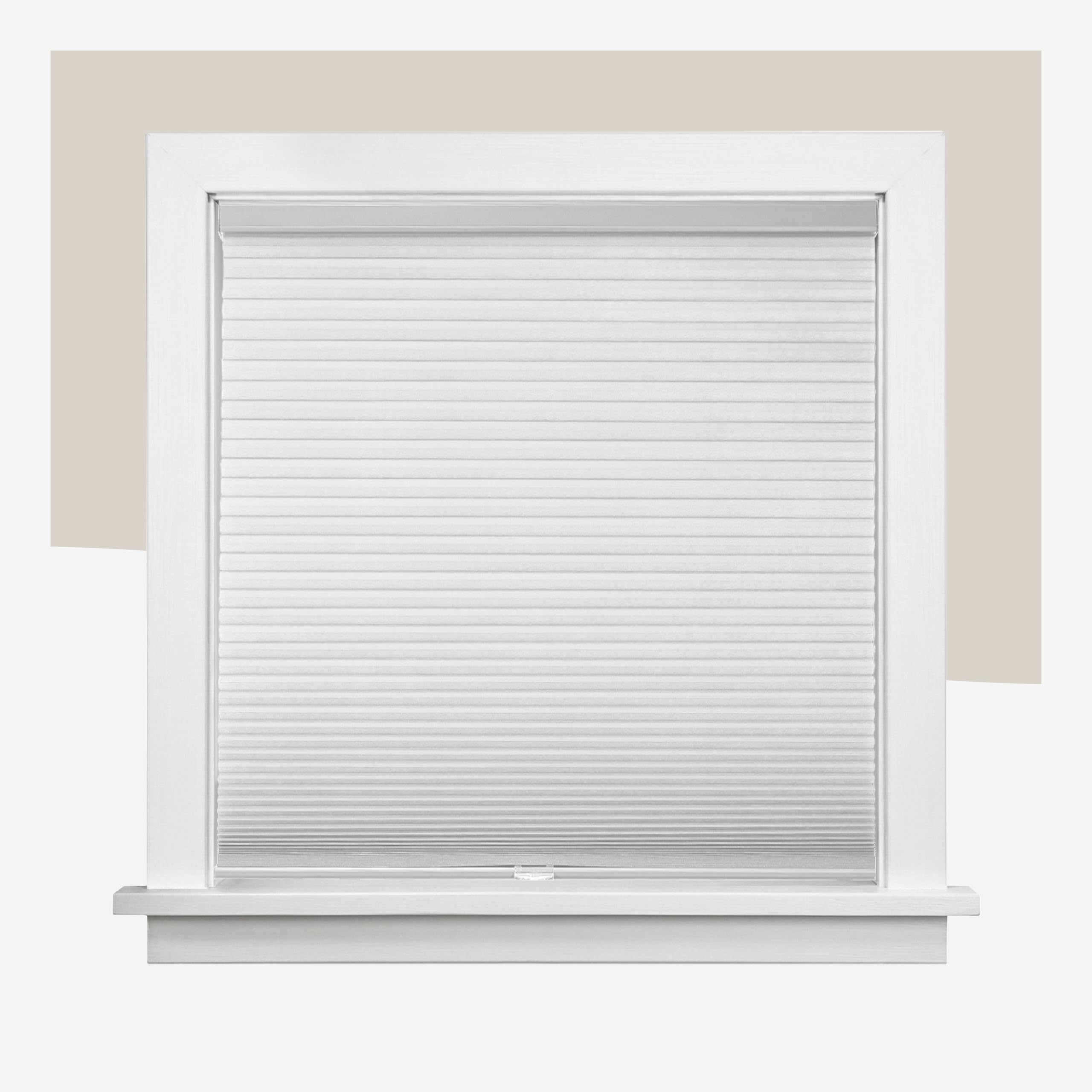
CHICOLOGY’s single‑cell honeycomb shades hit a rare balance: they cost less than most cellular blinds but still block about 90% of light in the blackout variant, and the honeycomb cells create a thermal buffer that plain roller shades cannot match. The 2‑inch profile is slim enough to layer behind curtains without crowding, and the trimmable width means you can tweak the fit slightly if your window measurement is between stock sizes.
The fabric is a polyester blend with a blackout liner that reduces glare and fade damage to furniture — a real concern in sunrooms where UV exposure accelerates fabric degradation. The cordless mechanism uses a lightweight bottom rail that glides with one‑hand pressure, and the overall weight is only about 3 pounds per shade, making it easy to handle during installation. Customers consistently mention that installation takes 10–15 minutes with the included metal brackets and screws.
Be aware that the “blackout” version here is more of a room‑darkening shade than a total light blocker. Users report that about 10% of light filters through the cellular fabric itself, so if you need absolute darkness for a south‑facing media room, you may prefer a double‑cell or silver‑lined alternative. Also, the plastic end caps on the bottom rail can pop off easily — it is a minor nuisance but happens frequently enough to appear in multiple reviews.
Why it’s great
- Single‑cell honeycomb structure reduces heat transfer near the glass
- Trimmable width lets you fine‑tune the fit without ordering custom
- Lightweight and easy to install in about 10 minutes
Good to know
- Blackout variant is room‑darkening, not fully light‑tight
- Plastic end caps on the rail can detach during handling
5. BERISSA Top Down Bottom Up Cellular Shades
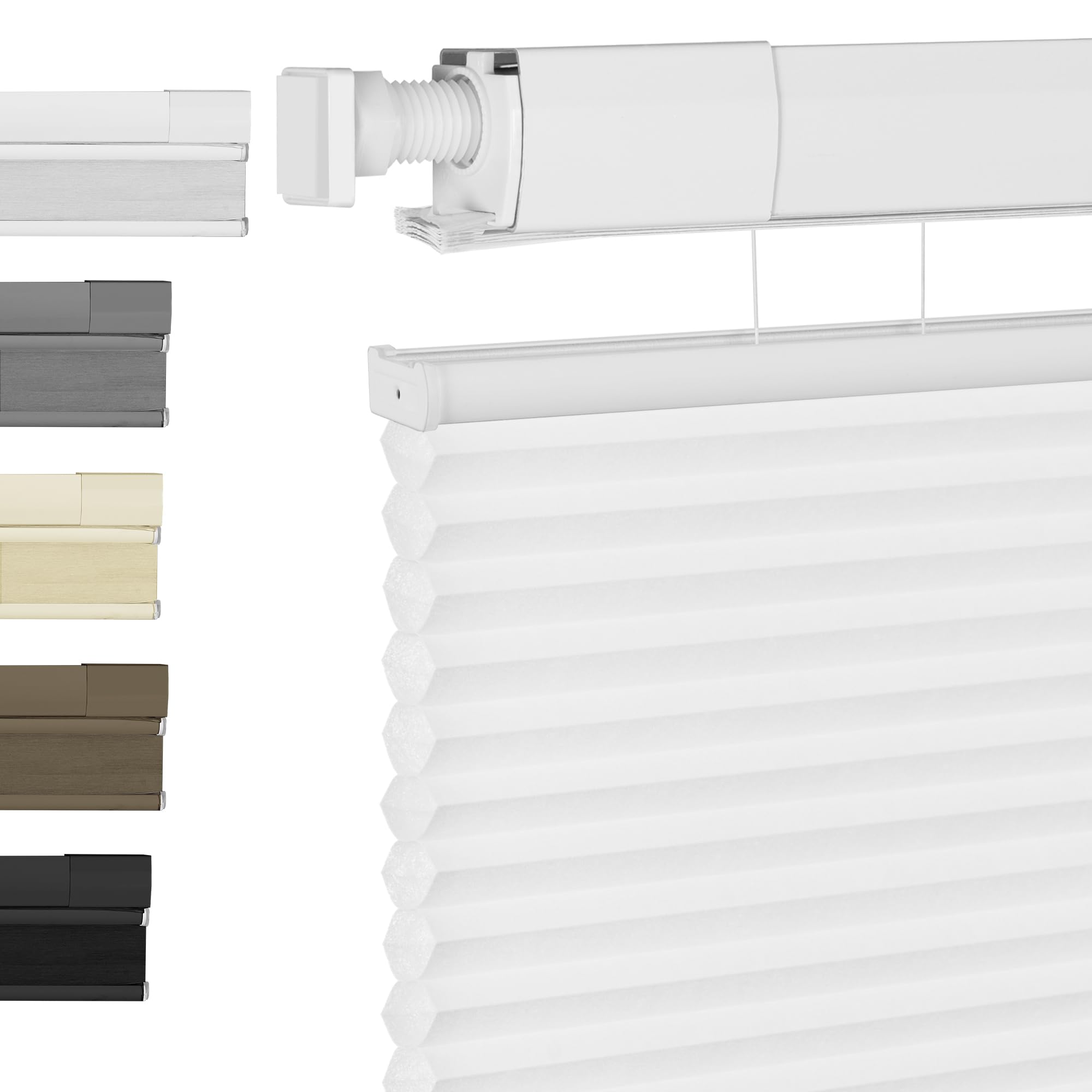
The BERISSA shade uses a dual‑track system that allows top‑down lowering, bottom‑up raising, or both at the same time — a flexibility rarely found at this price point. In a sunroom, top‑down mode is a game‑changer because you can drop the shade from the top to block harsh overhead glare while keeping the lower half open to preserve the view of the yard. The hexagonal honeycomb cells use blackout fabric that blocks 100% of light, and the air‑pocket design reduces heat gain and noise transmission.
The no‑drill tension brackets are mechanically threaded, not adhesive — they anchor to the frame by expanding lateral pressure. That means they work on drywall, tile, wood, metal, concrete, and even glass surfaces without leaving holes. The brackets hold securely for standard window sizes, though extremely wide or heavy shades may require the optional screw‑mount hardware. The material blend is 30% recycled polyester and 50% recycled metal, which lowers the environmental footprint without sacrificing the smooth cordless glide.
One caveat is that the no‑drill brackets can be finicky if your window frame is less than 2 inches deep or has a heavily textured surface. Also, the top‑down/bottom‑up mechanism adds complexity — if the cords inside the dual track get slightly misaligned, the two panels may not move together perfectly. A few users report light leakage around the edges in top‑down mode because the fabric does not pinch the track edges as tightly as a dedicated blackout seal.
Why it’s great
- Top‑down mode lets in ceiling light while preserving ground‑level privacy
- No‑drill mechanical brackets hold without adhesive or permanent damage
- Blackout honeycomb core blocks 100% of direct sunlight
Good to know
- Dual‑track cords can misalign if not handled carefully during install
- Top‑down mode may allow minor light leakage at the edges
6. Boolegon No Drill Cellular Shades

The Boolegon no‑drill cellular shade is built around a 1‑inch hexagonal honeycomb cell structure made from non‑woven fabric with an aluminum alloy top rail. The cell size is slightly smaller than the 1.5‑inch cells used by premium competitors, which means marginally less air‑trapping capacity, but it still provides real insulation and noise reduction. The no‑drill mount uses tension brackets that screw into the frame using included hardware — it is technically “no drill” because you do not need to pre‑drill holes, but you will still turn screws into the bracket anchors.
The white blackout fabric is opaque on both sides, and the color‑coordinated headrail and bottom rail create a seamless look from the front. The cordless mechanism uses a smooth push‑pull operation, and reviewers consistently note that it raises and lowers effortlessly even after months of daily use. For a sunroom, the insulation benefit is modest but real — users in South Florida reported a noticeable temperature drop after installing these shades, with the honeycomb pockets blocking some of the radiative heat from the glass.
The main drawback is the measurement sensitivity. The shade width is 1 inch narrower than the listed size to account for bracket clearance, so you need to order exactly to your frame width and accept a ½‑inch gap on each side. That gap allows some light leakage and heat exchange. Also, the fabric itself is lightweight, so in a drafty sunroom with strong cross‑ventilation, the shade may sway slightly at the bottom.
Why it’s great
- Smooth cordless operation with durable non‑woven polyester fabric
- Aluminum alloy top rail adds rigidity and prevents warping
- Visible heat‑reduction effect reported in high‑temperature climates
Good to know
- 1‑inch cells provide less thermal insulation than larger 1.5‑inch cells
- Lightweight fabric may sway in drafty rooms or open windows
7. KALYSIE Cordless Roller Shades
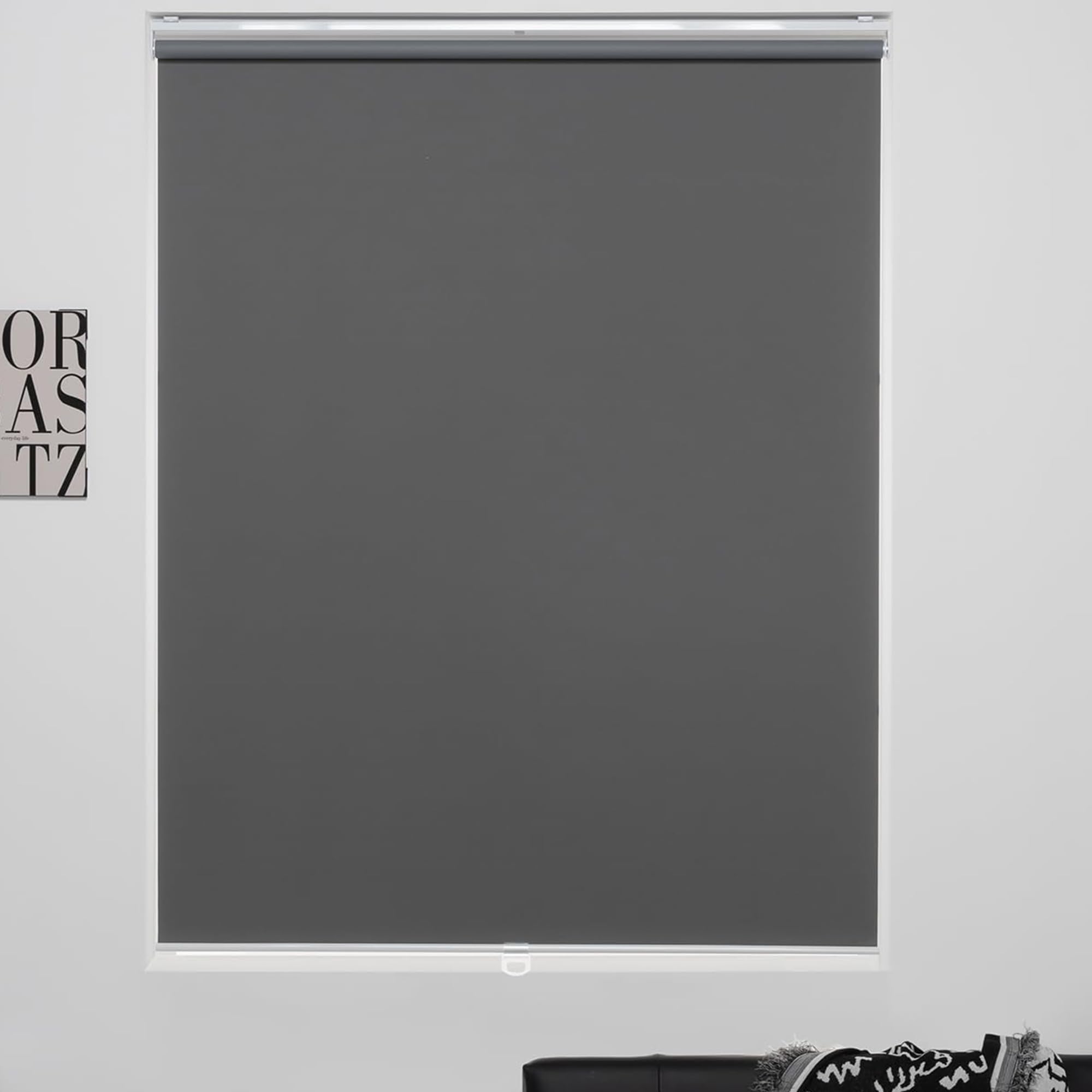
The KALYSIE roller shade strips window treatment down to its essentials: a 100% polyester fabric with a thermal‑insulated coating that blocks all sunlight and UV rays. The cordless spring system lets you pull the shade down to any position, and it stays put without drifting. For a sunroom, the thermal coating helps somewhat with heat rejection, but because the shade is a single fabric layer rather than a cellular construction, it does not create an insulating air gap — heat will still transfer through the fabric into the room.
Installation is straightforward: the package includes metal brackets, screws, stoppers, and a handle. The fabric width is 1 inch narrower than the shade width, so you get a consistent ½‑inch gap on each side when mounting inside the frame. That gap is standard for roller shades, but in a sunroom it means slivers of bright sunlight will bleed around the edges. The 75‑inch maximum drop covers most standard sunroom windows, and the slow‑glide retraction mechanism prevents the shade from snapping up.
The biggest limitation for sunroom use is the lack of an insulating cell structure. The thermal coating reflects some infrared radiation, but the fabric itself will warm up under direct sun and radiate that heat inward. If your sunroom has significant direct afternoon exposure, a honeycomb cellular shade will outperform this roller by a wide margin. For a north‑facing room with indirect light, however, this is a perfectly functional budget‑friendly option.
Why it’s great
- Metal frame and mechanism are more durable than all‑plastic budget alternatives
- Slow‑glide retraction prevents the shade from snapping up
- Simple installation with clear instructions and included hardware
Good to know
- Single‑layer fabric does not create an insulating air pocket like honeycomb shades
- Standard ½‑inch side gaps allow light leakage around the edges
FAQ
Should I choose cellular or roller shades for my sunroom?
How do I measure for an inside mount cellular shade?
Can no‑drill blinds handle the heat in a sunroom?
Final Thoughts: The Verdict
For most users, the blinds for sunroom winner is the Persilux Custom Size Cellular Shades because the 1.5‑inch honeycomb cells, true blackout core, and custom‑sized fit deliver the best heat‑rejection‑to‑price ratio in this group. If you want a no‑tool, renter‑friendly solution that still provides real blackout, grab the LazBlinds No‑Drill Cellular Shades. And for those who need top‑down flexibility to manage overhead glare while keeping a view of the garden, nothing beats the BERISSA Top Down Bottom Up Cellular Shades.