
Our readers keep the lights on and the weekend projects moving. As an Amazon Associate, I earn from qualifying purchases.
The real frustration with most flowering shrubs is the six-week window of glory followed by eleven months of green mush. You want curb appeal that builds from the first thaw through the first frost, not a single photo op in May. The category is full of plants that promise big blooms but deliver sparse, short-lived color—unless you know exactly which genetics and size to order.
I’m Rikta — the co-founder and writer behind FitlyFast. I’ve analyzed hundreds of nursery specimens, pored over grow-zone compatibility charts, and compared bloom-cycle data from the top perennial suppliers to filter out the weak performers from the landscape anchors.
This guide breaks down the seven strongest options available for direct-to-garden delivery, sorted by bloom duration, cold tolerance, and visual payoff. Whether you need a compact rebloomer for a tight bed or a full-sized panicle hydrangea for a focal point, the best blooming shrubs here earn their place through proven performance and year-round structure.
How To Choose The Best Blooming Shrubs
Narrowing down a shrub purchase starts with three hard questions: how much sun does your site actually get, what is your winter low temperature, and do you want color all season or just a spring blast. Mismatch any of these and you will be replacing dead wood by midsummer. Here is the breakdown that matters.
Your USDA Hardiness Zone is Non-Negotiable
A shrub rated for zone 5 will struggle or die in a zone 8 summer. Check the tag for the zone range—every plant in this guide lists its approved range. If you are borderline, choose a shrub rated one zone colder than your location for a safety margin against freak freezes.
Bloom Cycle: Reblooming vs. Once-Blooming Genetics
Standard hydrangeas and lilacs bloom on old wood and give you one show per season. Reblooming varieties like BloomStruck and Bloomerang produce flowers on both old and new wood, extending color from spring straight into fall. If continuous color matters more than a single dramatic flush, reblooming genetics are the better investment.
Container Size and Root Establishment
A #2 container (roughly 2-gallon) gives you a plant that is already one to two years mature, with a root ball that can survive the first season with minimal pampering. Smaller pots save money upfront but require a full year of careful watering before they anchor. The shrubs reviewed here are all #1 to #3 containers, giving you established root systems that transplant reliably.
Quick Comparison
On smaller screens, swipe sideways to see the full table.
| Model | Category | Best For | Key Spec | Amazon |
|---|---|---|---|---|
| Endless Summer BloomStruck | Hydrangea | Reblooming color in shade | Reblooms spring-fall | Amazon |
| Proven Winners Fire Light | Panicle Hydrangea | Full sun to partial shade | Zone 3-9, 4-6 ft | Amazon |
| Bloomerang Dark Purple Lilac | Lilac | Fragrant reblooming lilac | Reblooms spring-frost | Amazon |
| Southern Living Hydrangea Heart Throb | Hydrangea | Compact mature hedge | 36 in H x 36 in W | Amazon |
| Perfect Plants Bridal Wreath Spirea | Spirea | Deer-resistant foundation planting | Zone 4-9, white blooms | Amazon |
| Knockout Double Rose | Rose | Fast-establishing color in beds | Zone 5-11, 4 ft | Amazon |
| Southern Living Obsession Nandina | Nandina | Japanese-inspired foliage color | Zone 6-10, 4 ft | Amazon |
In‑Depth Reviews
1. Endless Summer BloomStruck Hydrangea
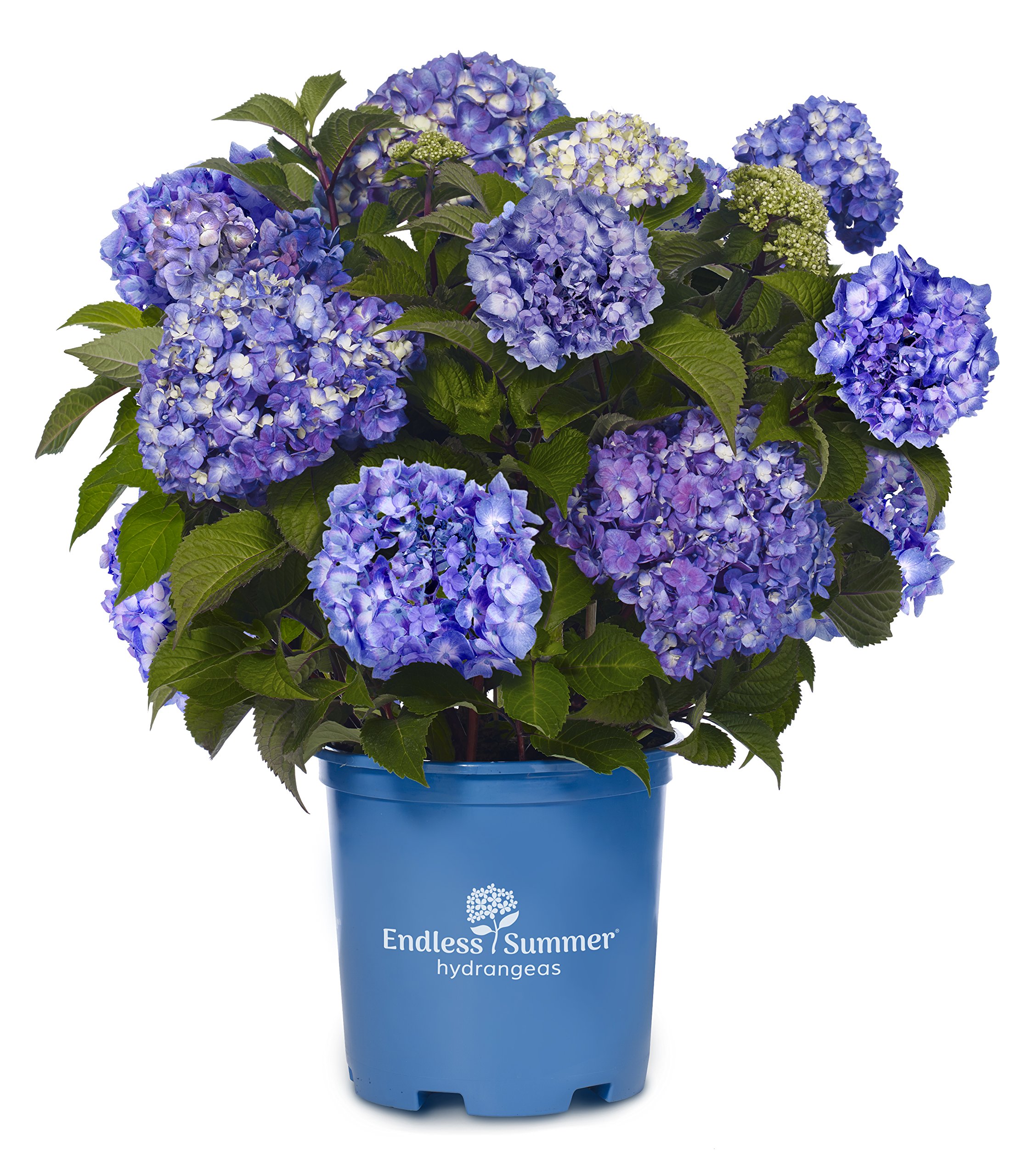
The BloomStruck is the benchmark for reblooming hydrangeas because it flowers on both old and new wood, meaning you get pink-to-violet blooms from late spring straight through the first hard frost. The red stems add structural interest even when the spent blooms fade.
Customer reports confirm these arrive in full leaf with buds already forming, and the 3-4 foot mature height fits neatly into mixed borders without overwhelming smaller perennials. The #2 container size means the root system is already dense enough to transplant with minimal transplant shock.
Aluminum sulfate can shift bloom color toward blue if you prefer a cooler palette. The plant thrives in both part shade and full sun in zones 4-8, making it one of the most adaptable rebloomers available.
Why it’s great
- Reblooms continuously spring through fall
- Pink and violet flowers on red stems for visual depth
- Thrives in both shady and sunny spots
Good to know
- May arrive dormant from late fall through winter
- Flower color is soil pH-dependent
2. Proven Winners Fire Light Panicle Hydrangea
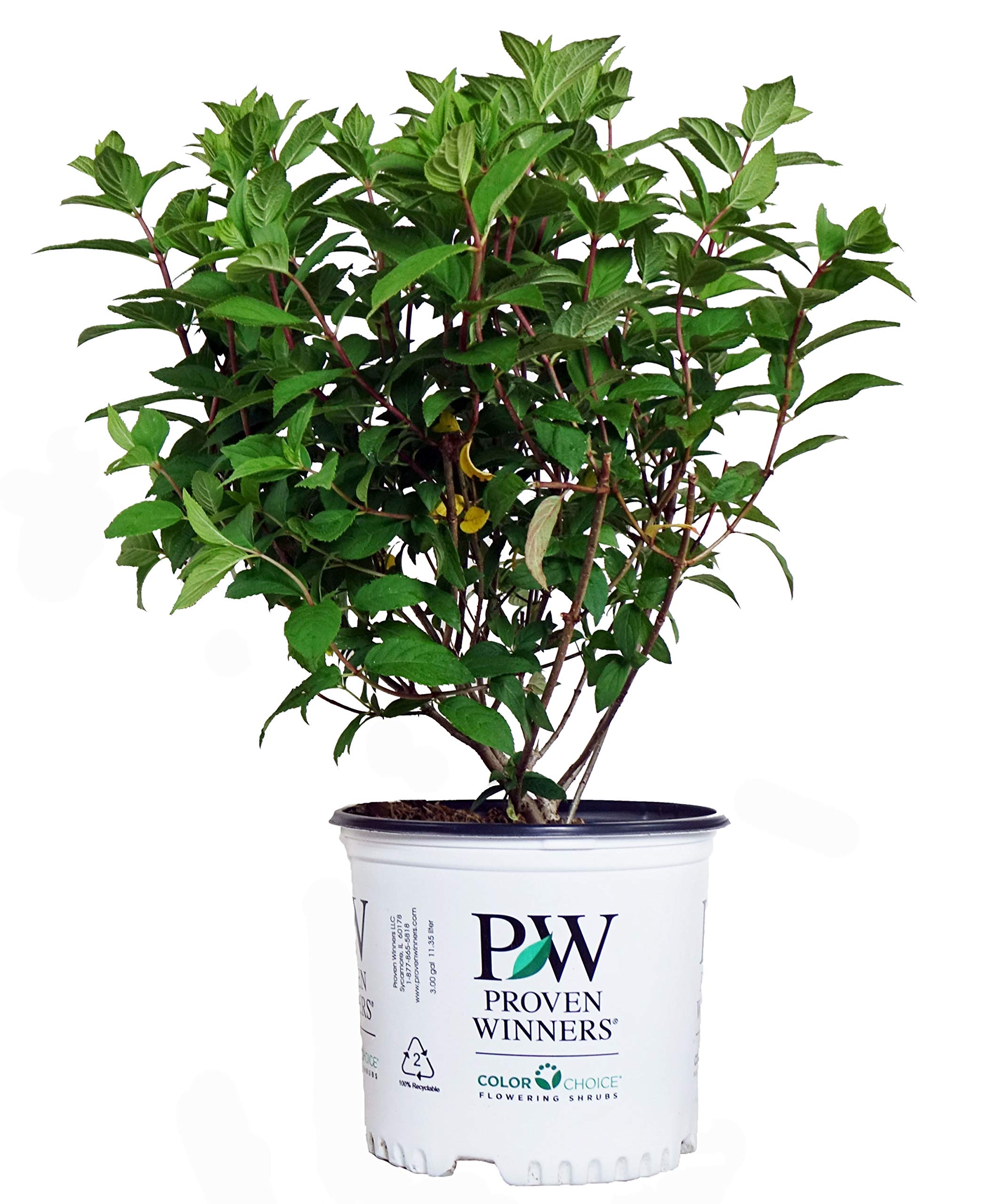
The Fire Light is a panicle hydrangea that puts on a color show without needing acidic soil or careful pH management. Its large conical blooms open pure white in midsummer and transition to deep red as temperatures cool in autumn, giving you a two-stage display from a single plant.
At 4-6 feet tall and wide, it fills a significant landscape gap and tolerates clay soil better than most hydrangeas. The #3 container delivers a mature specimen with a robust root ball that establishes quickly when planted in partial to full sun.
One-year follow-up reports from buyers confirm that with basic fall pruning and fertilizing, these shrubs explode into heavy bloom the next season. The zone 3-9 cold range makes it a rare option for northern gardeners who struggle with standard macrophylla hydrangeas.
Why it’s great
- Large blooms shift from white to deep red as they age
- Widest cold-hardiness range on this list (zone 3-9)
- Handles clay soil with moderate watering
Good to know
- Can be root-bound if shipped mid-season
- May arrive without buds if purchased early spring
3. Proven Winners Bloomerang Dark Purple Lilac

This is the lilac that keeps giving. Traditional lilacs bloom for two weeks in May and then sit idle for eleven months. The Bloomerang Dark Purple flowers in spring, takes a short break, then reblooms from midsummer until the first freeze—all while filling the air with classic lilac fragrance.
Buyers consistently report receiving plants that are already blooming in their nursery pots, with a rounded 4-7 foot mature shape that works as a freestanding specimen or a fragrant hedge. The dark purple flower clusters are dense enough to attract pollinators without overwhelming adjacent plantings.
The #3 container provides a well-established root system that transplants with minimal droop. Winter protection is recommended for the first season in zones 3-4, but the plant is reliably hardy through zone 8.
Why it’s great
- Fragrant reblooming lilac from spring to frost
- Dwarf, rounded shape ideal for small spaces
- Attracts butterflies and bees without being invasive
Good to know
- Requires well-drained soil to avoid root rot
- Needs winter protection in coldest zones
4. Southern Living Hydrangea Heart Throb
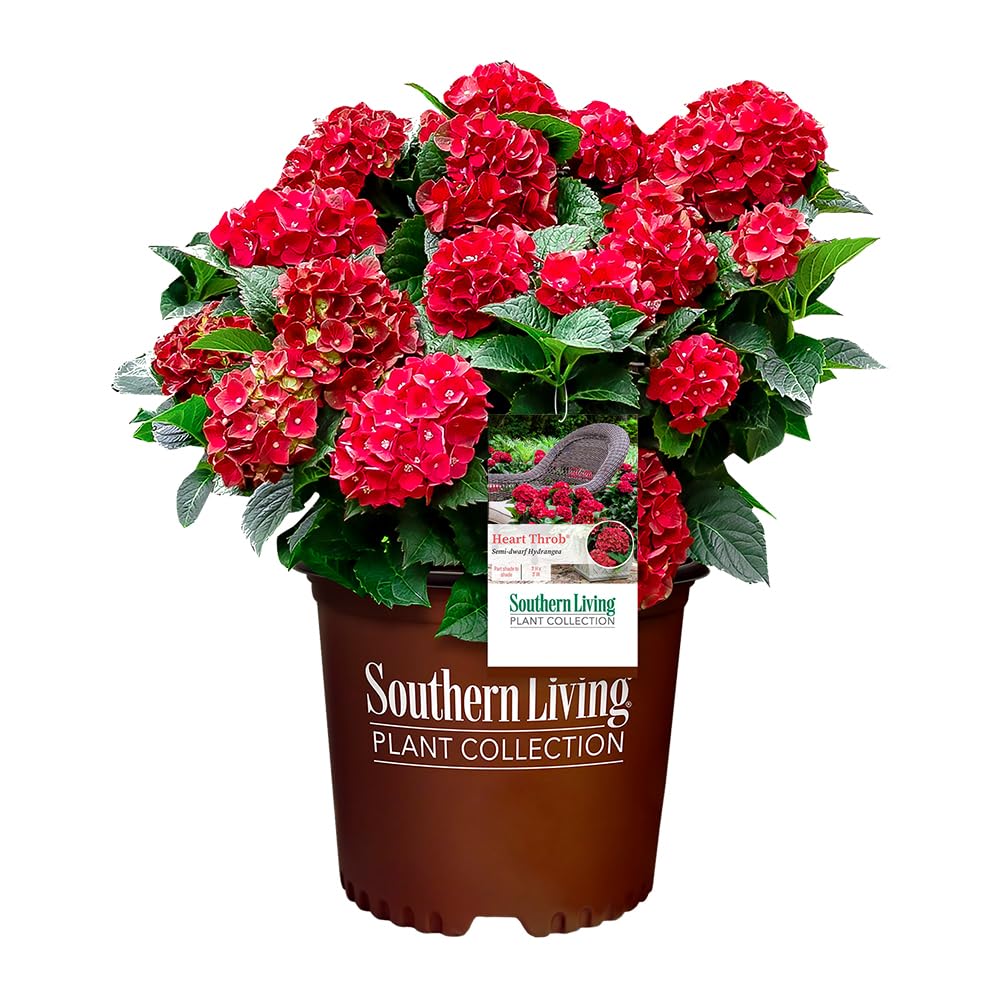
The Heart Throb is a Southern Living exclusive that stays naturally compact at 36 inches tall and wide, making it ideal for foundation plantings, containers, or tight borders where larger hydrangeas would overwhelm. The cherry-red bloom clusters carry a green marbling that adds visual texture not seen in standard mophead varieties.
Customer reviews highlight the excellent packaging and soil moisture retention upon arrival—several buyers noted the plants were in better condition than comparable specimens from local nurseries. The part-shade to shade requirement means it is one of the few heavy bloomers that thrives on the north side of a house or under dappled tree canopy.
USDA zones 5-9 cover most of the continental US, and the low-maintenance habit means you can prune lightly after the spring bloom cycle without sacrificing the summer show. The 2-gallon container gives you a mature plant that won’t need size upgrades for at least two seasons.
Why it’s great
- Compact 36-inch stature fits small spaces perfectly
- Cherry-red blooms with unique green marbling
- Thrives in part shade where other shrubs fade
Good to know
- Flower color may appear pinker than expected in alkaline soil
- Best in zones 5-9—not for extreme cold regions
5. Perfect Plants Bridal Wreath Spirea
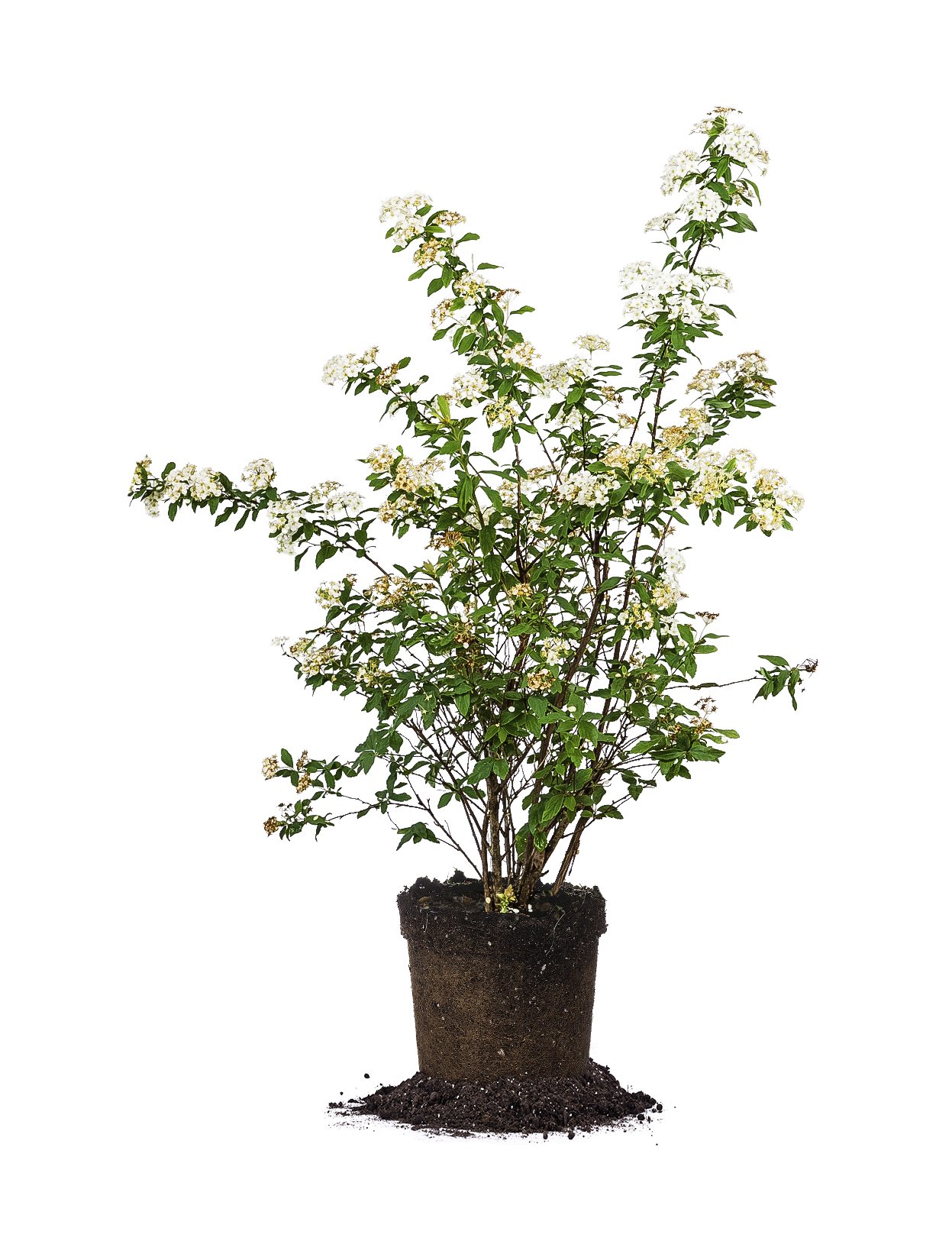
The Bridal Wreath Spirea is the workhorse of the flowering-shrub world: it is deer resistant, pollinator friendly, and produces cascading double white blooms along arching branches every spring. The 1-gallon container is smaller than the other options here, but the root system is well-developed and transplants without drama.
Buyers consistently report that these plants arrive healthy and quickly put on 6-8 inches of growth in their first season. The fall color transition to red and orange provides year-round interest even after the spring bloom fades. Powdery mildew resistance is a strong asset for humid climates.
USDA zones 4-9 cover almost the entire eastern and central US, and the plant tolerates a wide range of soil types as long as drainage is adequate. Light pruning right after the bloom cycle keeps the shape compact and encourages denser regrowth.
Why it’s great
- Deer resistant and pollinator friendly
- Masses of double white blooms on arching branches
- Resists powdery mildew, root rot, and fire blight
Good to know
- 1-gallon pot is smaller; needs a season to size up
- UPS shipping can crush the box—inspect on arrival
6. Knockout Double Rose (2 Gal)

The Knockout Double Rose earns its reputation through raw resilience. It blooms continuously from spring to fall with large, double red flowers on a compact 4-foot frame, and it shrugs off black spot and mildew that would destroy less hardy roses. The 2-gallon size gives you a plant that is essentially a year ahead of the 1-gallon equivalents.
Customer photos show that the flowers can read as deep pink rather than true red depending on soil chemistry and light exposure, but the bloom density is consistently high. Buyers in zone 7 report these shrubs reaching 2 feet with multiple blooms within weeks of planting.
Deciduous habit means it goes dormant over winter, but it leafs out aggressively in early spring. Water twice weekly until the root system establishes, then once a week is sufficient for mature plants.
Why it’s great
- Prolific double blooms from spring through fall
- High disease resistance vs. traditional roses
- 2-gallon size establishes quickly in beds
Good to know
- Flowers may appear pink instead of true red
- Will arrive dormant if ordered mid-fall to mid-spring
7. Southern Living Obsession Nandina

The Obsession Nandina sits in a different lane from the rest of this list—it is a foliage-first shrub that delivers bright red leaf color through all four seasons without producing any blossoms. For gardeners who want a reliable color anchor without deadheading or bloom maintenance, this is a strong foundational choice.
Buyers received their plants in excellent condition with moist soil, and the 2-gallon container provides enough root mass for immediate landscape impact. The 4-foot mature height fits neatly into mixed borders, and the low-maintenance habit means it thrives with only weekly watering after establishment.
USDA zones 6-10 cover the warmer half of the country. The plant is deciduous, so it will drop leaves in winter, but the bare red stems still provide structure. Note that it is a non-flowering variety, so it will not attract bees or offer cut blooms—it is purely a foliage accent.
Why it’s great
- Vibrant red foliage color across all seasons
- Ultra-low maintenance once established
- Thrives in sun to part shade
Good to know
- Does not produce flowers—foliage only
- Delivery packaging can tear, risking soil spillage
FAQ
What does reblooming mean for hydrangeas and lilacs?
Can I change the flower color on my hydrangea?
When is the best time to plant a shipped shrub?
Final Thoughts: The Verdict
For most users, the best blooming shrubs winner is the Endless Summer BloomStruck Hydrangea because it delivers reliable reblooming color from spring through frost across both sunny and shady sites. If you want a large specimen with white-to-red blooms and extreme cold tolerance, grab the Proven Winners Fire Light. And for a fragrant, reblooming lilac that punches above its size, nothing beats the Bloomerang Dark Purple Lilac.