
Our readers keep the lights on and the weekend projects moving. As an Amazon Associate, I earn from qualifying purchases.
Choosing the right blueberry bush for Zone 6 means finding a plant that can handle the region’s cold winters while still producing a strong, sweet harvest come summer. A mismatch between chill hour requirements and your local climate is the fastest path to disappointing yields and stunted growth.
I’m Rikta — the co-founder and writer behind FitlyFast. I spent months cross-referencing nursery stock, USDA hardiness zone maps, and customer harvest reports to identify which blueberry varieties actually perform in the variable spring conditions of Zone 6.
Whether you are planting a backyard patch or filling patio containers, this guide compares seven top-rated options so you can confidently pick the right blueberry bushes for zone 6 and avoid costly replanting mistakes.
How To Choose The Best Blueberry Bushes For Zone 6
Zone 6 spans a wide chill hour range from roughly 800 to 1,500 hours below 45°F. Picking a bush that matches this range is the number one factor that separates a thriving patch from a failed investment. Beyond that, you need to consider bush type, pollination partners, and soil readiness.
Chill Hour Compatibility
Every blueberry variety needs a specific number of cold hours to break dormancy and set fruit. Low-chill Southern Highbush varieties bred for Zone 8-9 often fail to produce in Zone 6 because they break bud too early and get nailed by late frost. Stick to Northern Highbush or Highbush hybrids requiring 800-1,000 chill hours for consistent results.
Bush Type and Mature Size
Northern Highbush varieties stay compact at 4-6 feet, making them ideal for hedgerows and container growing. Rabbiteye bushes can reach 10-15 feet and demand wider spacing. For Zone 6 gardens with limited space, Highbush types deliver a better yield-per-square-foot ratio.
Cross-Pollination Requirements
Blueberries are self-fertile but produce significantly larger berries and heavier crops when paired with a compatible variety. Always plant at least two different cultivars that bloom at the same time. Mixing an early-season with a late-season bloomer leaves one bush with a poor pollinator partner.
Quick Comparison
On smaller screens, swipe sideways to see the full table.
| Model | Category | Best For | Key Spec | Amazon |
|---|---|---|---|---|
| Patriot Highbush | Premium | Cold-hardy Zone 6 backyard patch | #3 container, 4-5 ft mature | Amazon |
| Pink Icing Bushel and Berry | Premium | Ornamental value plus sweet berries | #2 container, 3-4 ft mature | Amazon |
| Blueray Highbush | Mid-Range | Extra-large fruit for fresh eating | Zone 4-7, large firm berry | Amazon |
| Duke Northern Highbush | Mid-Range | Early-season harvest | 48-72 in H x W, Zone 4-7 | Amazon |
| Tifblue Rabbiteye | Mid-Range | Heat-tolerant large yields | 15 ft mature height | Amazon |
| Emerald Southern Highbush 4-Pack | Budget | Starter plants for mass planting | 2.25 in pot, 3-5 in tall | Amazon |
| Rabbiteye 3-Pack | Premium | Drought-tolerant southern zones | 3 gallons, 15 ft mature | Amazon |
In‑Depth Reviews
1. Patriot Highbush Blueberry – #3 Container
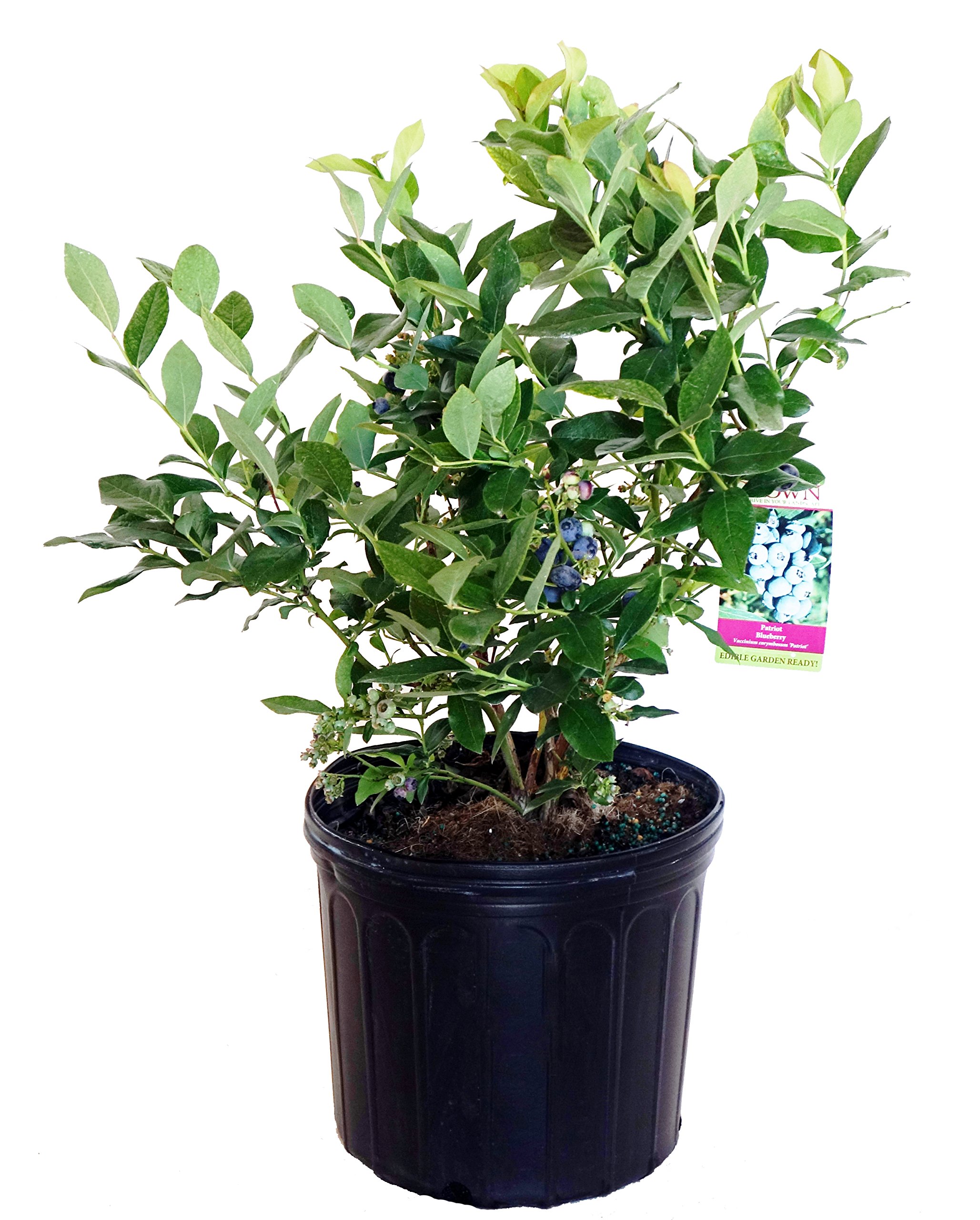
The Patriot Highbush arrives in a substantial #3 container with a fully rooted crown and multiple branching canes, giving it a significant head start over bare-root or tiny plug plants. Its Zone 3-8 hardiness rating makes it one of the safest bets for the variable freeze-thaw cycles typical in Zone 6 gardens.
Buyers report mature bushes reaching 4-5 feet in both height and spread, with pink and white blooms appearing in May before the fruit sets. The 12-pound shipping weight reflects the robust root ball and soil volume that help the plant establish quickly after transplanting.
Customer feedback consistently highlights the excellent packaging that preserves foliage and moisture during transit. The only recurring note is to verify your soil pH upon arrival, as Patriot performs best in acidic conditions between 4.5 and 5.5.
Why it’s great
- Large #3 container speeds establishment
- Zone 3-8 rating handles cold winters
- Consistent positive reviews on packaging and health
Good to know
- Requires soil pH adjustment for alkaline ground
- May arrive dormant without leaves in late fall
2. Pink Icing Bushel and Berry – #2 Container

The Pink Icing variety doubles as an ornamental shrub with pink-toned spring foliage that transitions to a blue-green patina in winter, making it a strong candidate for Zone 6 landscapes where visual interest matters beyond the harvest. The #2 container holds a well-branched plant that buyers describe as immediately showy upon arrival.
Zone 5-10 rating puts it comfortably within Zone 6, and its compact 3-4 foot mature size fits containers or small garden beds without overwhelming the space. The sweet berry yield on this bush is comparable to traditional Highbush types, so you do not sacrifice fruit quality for aesthetics.
Customer reviews emphasize the healthy white flower clusters already present on arrival and the effective packaging that prevents leaf drop during shipping. A few users suggest adding acidifier at planting time if your native soil leans alkaline.
Why it’s great
- Year-round ornamental foliage
- Compact size suits patio containers
- Flower buds present on arrival
Good to know
- Needs acidic soil amendment in alkaline ground
- Premium price tier
3. Blueray Highbush Blueberry – Extra-Large Fruit

The Blueray variety is bred specifically for large, firm berries that hold up well in pies, freezing, and fresh eating, making it a strong practical choice for Zone 6 growers who plan to preserve their harvest. Its Zone 4-7 hardiness bracket aligns perfectly with the colder edge of Zone 6, reducing risk of winter dieback.
Buyers report the plant arriving as a bare-root or potted starter that rebounds quickly after transplanting, with one reviewer noting their bush reached 4 feet tall within a single growing season. The winter blooming period mentioned in the specs indicates this variety requires a solid chill hour count to set fruit.
Customer feedback is overwhelmingly positive about the fruit size and flavor, but a few users noted that some canes arrived damaged or that no planting instructions were included. Pair this with a compatible Highbush like Duke for optimal cross-pollination.
Why it’s great
- Exceptionally large, firm berries
- Zone 4-7 suits colder Zone 6 areas
- Strong regrowth after transplant shock
Good to know
- No planting guide included with some orders
- Appears as a smaller starter than container plants
4. Duke Northern Highbush – 1 Gallon
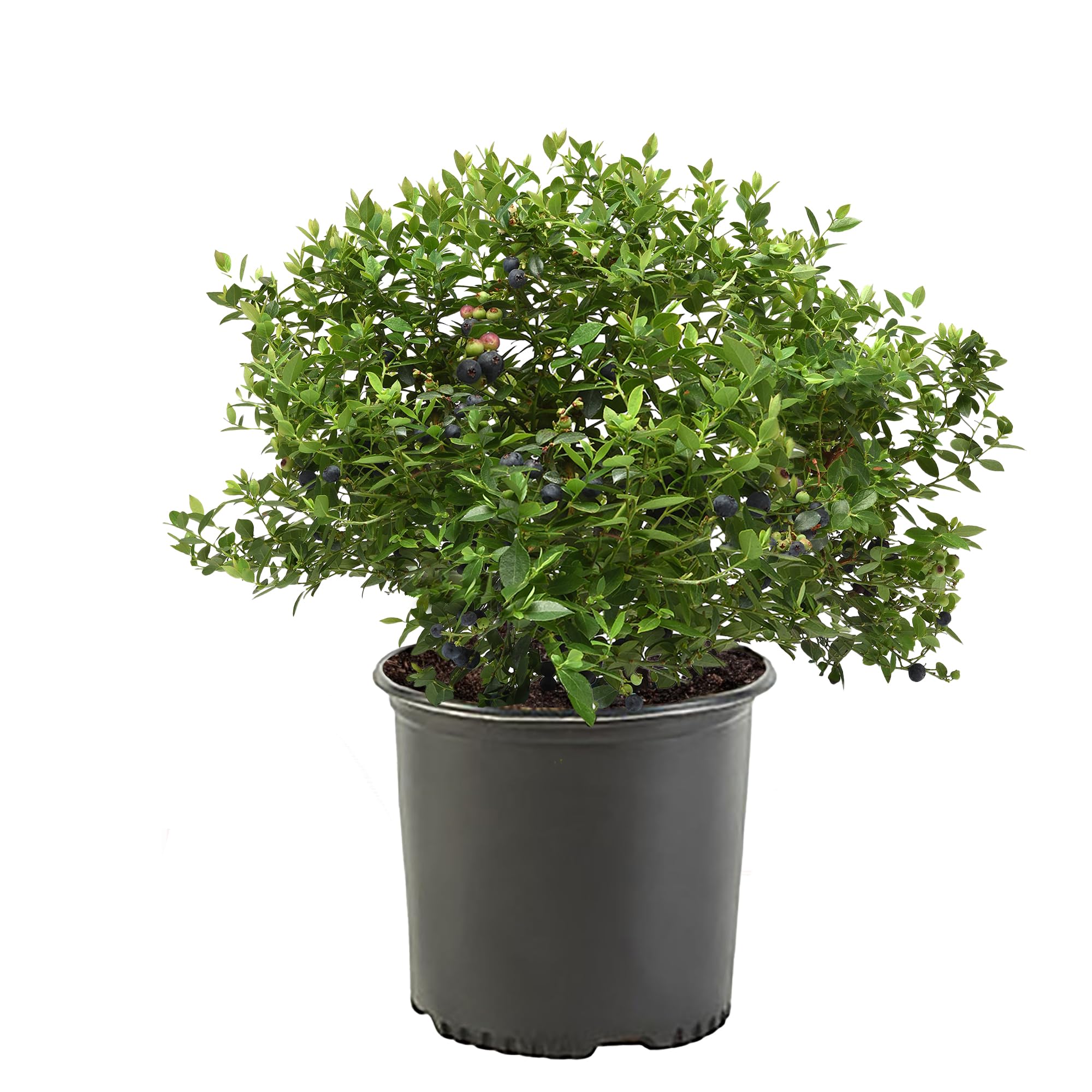
The Duke variety is one of the earliest-ripening Northern Highbush types, making it a strategic choice for Zone 6 gardeners who want to extend their harvest window by planting an early-season alongside a mid-season or late-season variety. At 48-72 inches mature height and width, it stays manageable for hedgerows and container growing.
This 1-gallon plant ships dormant from winter through early spring, which is the ideal planting window for Zone 6. The organic material feature in the specs and the white spring blooms indicate a variety that establishes well when given regular watering and acidic soil conditions.
Customer reviews frequently mention that the plants arrived with flowers already forming, giving buyers a head start on first-year berries. A minority received very small plants, but the vast majority reported healthy green growth and quick establishment after planting.
Why it’s great
- Early-season harvest extends fruit window
- Plants arrive with flower buds visible
- Compact size works in containers
Good to know
- Plant size varies significantly between orders
- Needs cross-pollinator for best yield
5. Tifblue Rabbiteye – 1 Gallon

The Tifblue Rabbiteye is a vigorous grower that reaches up to 15 feet at maturity, making it better suited for Zone 6 properties with ample space rather than small urban lots. Its Zone 3-9 hardiness range is exceptionally broad, but the high chill hour requirement typical of Rabbiteyes must be met for reliable fruiting.
This 1-gallon plant from Perfect Plants arrives in a plastic nursery pot with the root system intact, and many buyers report seeing berries already set on the branches at delivery. The full sun requirement means it needs at least 6-8 hours of direct light to reach its yield potential.
Customer feedback is largely positive regarding the health and size of the plants, with special mention of the company’s responsive customer service when plants arrived with leaf damage. The main trade-off is the 15-foot eventual height, which requires permanent planning.
Why it’s great
- Very broad hardiness zone coverage
- Berries frequently present on arrival
- Strong customer service reputation
Good to know
- 15-foot height needs large space
- May need soil amendment for acidity
6. Rabbiteye Blueberry 3-Pack – 1 Gallon Each

This 3-pack from Perfect Plants ships three different Rabbiteye varieties that are pre-selected for cross-pollination, theoretically providing fruit across the full summer. However, the Zone 7-9 hardiness rating means this pack is better suited for the warmer southern edge of Zone 6 or protected microclimates.
Each bush arrives in a 1-gallon container with an established root system, and buyers consistently praise the packaging quality that keeps the plants moist and intact during transit. The 20-pound total shipping weight indicates substantial soil and root mass across all three bushes.
Customer reviews highlight the impressive size and health of the plants upon arrival, with many noting berries already forming. The primary limitation for Zone 6 buyers is the chill hour mismatch — Rabbiteyes generally need fewer cold hours than Northern Highbush, which can cause early budding in warm winter spells.
Why it’s great
- Three pre-paired bushes for pollination
- Excellent packaging preserves plant health
- Berries often present at delivery
Good to know
- Zone 7-9 limits cold tolerance in northern Zone 6
- Does not ship to California, Arizona, or Washington
7. Emerald Southern Highbush 4-Pack – 2.25 Inch Pots
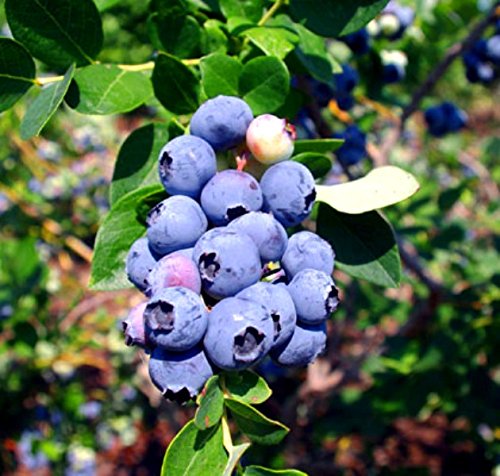
The Emerald Southern Highbush 4-pack offers the lowest entry point for testing multiple plants, but its Zone 8 hardiness rating makes it a risky choice for colder parts of Zone 6. These are tiny 2.25-inch potted starters with 3-5 inch tall plants, so they require careful nurturing and a longer time to reach fruiting size.
The pack includes four individual plants with Hello Organic plant tags, making organization easy if you are trialing different microclimates in your yard. The seller recommends potting up to 4-inch containers before final ground planting, which adds a step compared to gallon-sized bushes.
Customer opinions split sharply: many report healthy roots and good initial growth, but a significant minority experienced complete die-off after a year with no fruit. The Southern Highbush genetics may struggle with Zone 6 chill hour accumulation, particularly in warmer winters.
Why it’s great
- Lowest cost for multiple plants
- Includes four labeled starter bushes
- Good root systems reported by many buyers
Good to know
- Zone 8 rating limits cold reliability in Zone 6
- Small plants need extra care and potting up
- Mixed reviews on long-term survival
FAQ
How many blueberry bushes should I plant in Zone 6 for a good harvest?
Can I grow Rabbiteye blueberries in Zone 6?
When should I plant blueberry bushes in Zone 6?
Final Thoughts: The Verdict
For most users, the blueberry bushes for zone 6 winner is the Patriot Highbush because its #3 container size, Zone 3-8 hardiness, and consistent customer satisfaction make it the safest and most productive choice for cold-winter gardens. If you want ornamental foliage that doubles as a landscape feature, grab the Pink Icing Bushel and Berry. And for early-season fruit to extend your harvest window, nothing beats the Duke Northern Highbush.