
Our readers keep the lights on and the weekend projects moving. As an Amazon Associate, I earn from qualifying purchases.
Picking the right blueberry plant means navigating between rabbit-eye vigor, high-bush habit, and specific chill-hour requirements. A mistake here costs you two growing seasons before you even taste a berry.
I’m Rikta — the founder and writer behind FitlyFast. I’ve spent years analyzing plant stock, root system health reports, and customer success patterns across dozens of nurseries to separate thriving shipments from fungal disappointments.
Whether you are planting in-ground or in containers, this guide to the best blueberry plants focuses on mature root systems, pollination pairings, and hardiness zone fit so you skip the common pitfalls.
How To Choose The Best Blueberry Plants
Blueberries demand acidic soil, consistent moisture, and the right pollination partner to produce a meaningful harvest. The shipping condition and root establishment of the live plant you receive determine whether you spend your first season nursing a sick bush or picking fruit.
Match the Variety to Your Zone and Chill Hours
Northern highbush types need 800 to 1,000 chill hours below 45°F, while southern highbush and rabbiteye varieties require fewer, making them suitable for warmer climates. A plant that does not meet its chilling requirement will produce weak flowers or none at all. Check the USDA hardiness zone rating on the listing — a zone mismatch is the most common reason first-year blueberry plants fail to fruit.
Inspect the Root System and Shipping Method
A container-grown plant with a well-established root ball transplants with less shock than a bare-root option. The best blueberry plants arrive with moist soil, no visible mold on the surface, and leaves that are firm rather than wilted or blackened. Customer reports of fungal issues, moldy packing material, or leaf drop within the first week are red flags that indicate poor nursery hygiene or damage in transit.
Quick Comparison
On smaller screens, swipe sideways to see the full table.
| Model | Category | Best For | Key Spec | Amazon |
|---|---|---|---|---|
| Perfect Plants 3 Pack Rabbiteye | Multi-Variety | Cross-pollination yield | 3 different rabbiteye varieties | Amazon |
| Vaccinium ‘Patriot’ HighBush | Northern Highbush | Cold-hardy zones 3-8 | 3-gallon container size | Amazon |
| Bushel and Berry Pink Icing | Ornamental Highbush | Landscaping + edible fruit | Pink spring foliage, 2-gallon pot | Amazon |
| Perfect Plants Powder Blue 3 Gallon | Rabbiteye | Larger established bush | 3-gallon pot, includes fertilizer | Amazon |
| Powder Blue 1 Gallon | Rabbiteye | Entry-level rabbiteye | 1-gallon container, 6-15 ft mature height | Amazon |
| Tifblue 1 Gallon | Rabbiteye | Budget-friendly rabbiteye | 1-gallon container, 15 ft mature height | Amazon |
| Bonnie Plants Strawberry 4-Pack | Berry Alternative | Quick reward, low investment | 4 strawberry plants, 19.3 oz each | Amazon |
In‑Depth Reviews
1. Perfect Plants 3 Pack Rabbiteye Blueberry Bushes

This three-pack delivers exactly what blueberry growers need most: compatible varieties for cross-pollination. The set includes three different rabbiteye types that bloom concurrently, ensuring fruit production across the summer rather than relying on a single self-fertile bush that may underperform. Customers consistently report the plants arrive heavily budded, with some already carrying berries on delivery day — a strong sign of nursery maturity.
The 1-gallon container size strikes a practical balance between root establishment and shipping weight. Rabbiteye varieties are naturally more heat and drought tolerant than highbush types, making this pack suitable for southern gardeners in zones 7-9. The plants have shown excellent survival rates in ground and in containers, with multiple verified reviews noting they were not root-bound upon unpacking.
One important logistical limitation: this set cannot ship to California, Arizona, or Washington due to state agricultural regulations. The inclusion of three plants also increases the upfront cost compared to buying a single bush, but the pollination synergy justifies the investment for anyone serious about harvest volume.
Why it’s great
- Three cross-pollinating varieties in one order
- Plants arrive with buds and berries already forming
- Heat-tolerant rabbiteye genetics suit southern climates
Good to know
- Does not ship to CA, AZ, or WA
- Higher initial cost than single-plant options
2. Vaccinium corymbosum ‘Patriot’ HighBush Blueberry
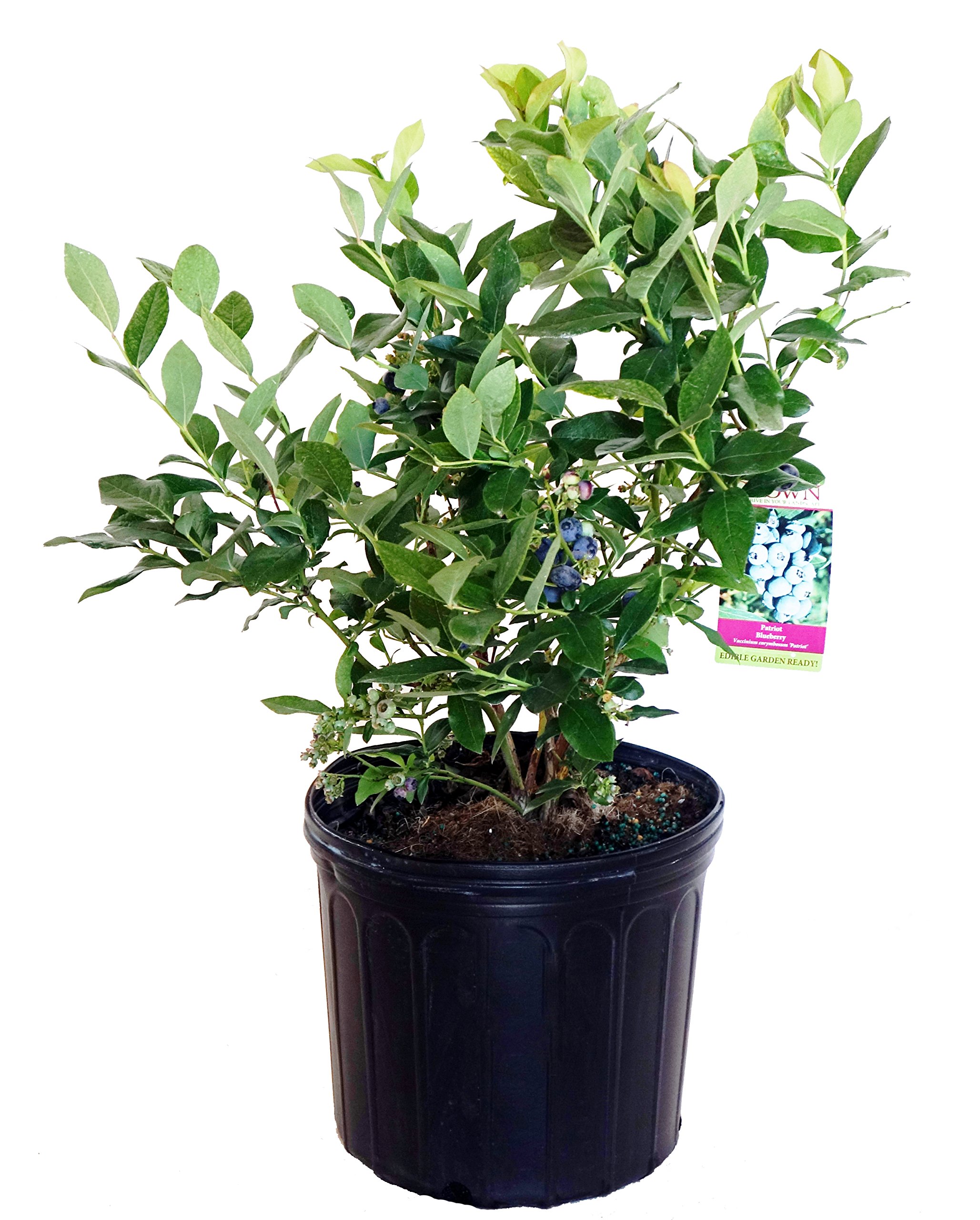
The Patriot highbush is a northern garden staple, thriving in USDA zones 3 through 8 where winter temperatures routinely dip below zero. This 3-gallon container holds a plant that has been growing long enough to develop a substantial root system, giving it a strong head start compared to 1-gallon starters. Customers describe the bush as arriving vibrant and sturdy, with some reporting it was already loaded with white flowers despite the early season.
Mature height sits at 4 to 5 feet, making this a compact option suitable for smaller garden beds or large patio containers. The pink and white blooms appear in May, and the plant is fully rooted in the soil — no bare-root transplant shock to manage. A 4-pound weight suggests the pot is dense with soil and root mass rather than lightweight filler.
The main trade-off is that Patriot is a single northern highbush variety, so for optimal fruit set you will need to plant a second compatible highbush nearby. The listing notes the plant may arrive dormant in late fall through winter, which is normal behavior, not damage. Be ready to test and adjust your soil pH, as several customers noted alkaline soil needed acid amendment after planting.
Why it’s great
- Exceptional cold hardiness down to zone 3
- Mature 3-gallon size for faster establishment
- Compact 4-5 ft height ideal for small spaces
Good to know
- Requires a second variety for cross-pollination
- May arrive dormant during winter months
3. Bushel and Berry Pink Icing Blueberry

Pink Icing is the rare blueberry that earns its keep as both a landscape specimen and a fruit producer. Its spring foliage emerges a vivid pink before settling into deeper blue-green tones in winter, creating year-round visual interest that standard green bushes cannot match. The 2-gallon container provides a well-rooted plant that customers consistently describe as “beautiful and big” upon arrival, with moist soil and no transit damage.
The mature size of 3 to 4 feet tall and 4 to 5 feet wide makes it a natural backdrop or centerpiece in decorative patio pots. It tolerates partial shade better than most blueberries, giving you flexibility in placement. The berries themselves are large and sweet, suitable for fresh eating or baking, and the plant is rated for zones 5 through 10.
The primary consideration is that this is a single ornamental variety. For maximum fruit production, you will need to pair it with another southern highbush type that blooms at the same time. Additionally, the unique pink foliage is the headline feature here, so if your goal is purely production volume rather than aesthetics, a standard green variety may deliver more berries per square foot.
Why it’s great
- Stunning pink spring foliage adds landscape value
- Tolerates partial shade better than other blueberries
- Large sweet berries suitable for eating and baking
Good to know
- Needs a pollination partner for high yield
- Foliage color may fade in full shade
4. Perfect Plants Powder Blue Blueberry 3 Gallon
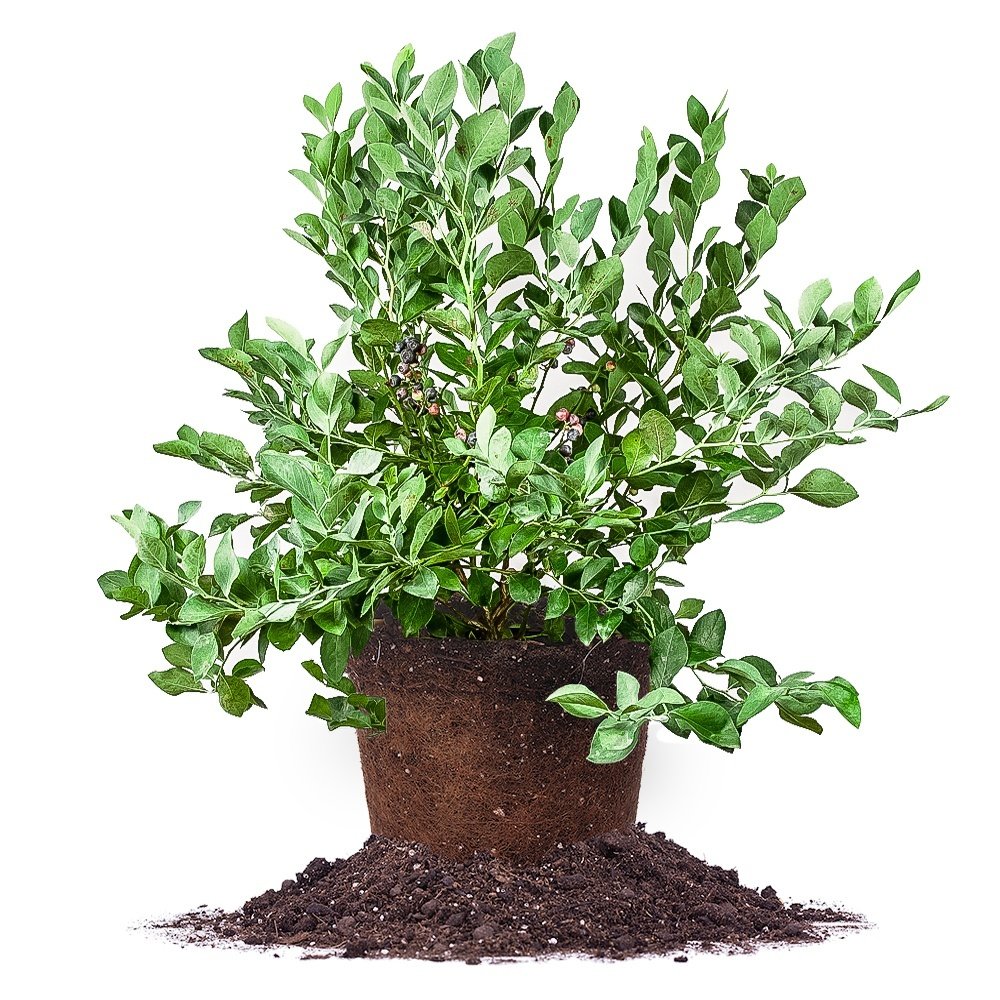
The 3-gallon Powder Blue is a rabbiteye variety that arrives significantly larger than most 1-gallon starters — a key advantage for impatient growers who want a bush that looks established in the ground from day one. The listing includes a special blend fertilizer and a planting guide, which saves you the trouble of sourcing acid-specific plant food separately. Customers frequently mention the plant arrives with leaves and berries already set, indicating strong nursery care.
Powder Blue matures to between 6 and 15 feet tall with an equal spread, so plan accordingly when selecting a site. The rabbiteye genetics make it more tolerant of heat and drought than highbush types, and the fall foliage shifts to yellow and copper tones for added seasonal interest. It pairs well with Premier and Climax varieties for cross-pollination.
The most significant drawback is the shipping restriction: this plant will not ship to Washington, California, or Arizona due to agricultural laws. A smaller number of customers have also reported receiving plants with fungal leaf spots, so inspect the foliage closely upon arrival and isolate from other plants if you see any blackening or mold.
Why it’s great
- Large 3-gallon container for quicker establishment
- Includes specialized blueberry fertilizer
- Heat-tolerant rabbiteye for southern gardens
Good to know
- Cannot ship to WA, CA, or AZ
- Some customers reported leaf spot issues
5. Powder Blue Blueberry 1 Gallon

This 1-gallon Powder Blue offers the same rabbiteye genetics as the larger version at a lower entry point, making it a reasonable choice for gardeners who want to test the variety before committing to a bigger pot. The plant features outward-spreading branches with light-green foliage and white blossoms before berry production, and the fall color transitions to yellow and copper tones. It comes with a small packet of blueberry food to get you started.
The mature height of 6 to 15 feet means this bush will eventually need significant space, but the 1-gallon size gives you time to prepare the planting site properly. Customers who received healthy specimens describe them as “beautiful” and “large” with berries already forming. The listing recommends pairing Powder Blue with Premier and Climax types for cross-pollination.
Quality control is the main concern here. While many customers received thriving plants, a notable number reported fungal disease symptoms, including leaves with spots and moldy packing material. The smaller root system in a 1-gallon pot also makes this plant more vulnerable to transplant shock than a 3-gallon equivalent. Inspect every leaf before planting and consider quarantining the plant for a week if any discoloration is present.
Why it’s great
- Lower cost to trial the Powder Blue variety
- Includes blueberry food for first feeding
- Heat and drought tolerant rabbiteye genetics
Good to know
- Some reports of fungal disease upon arrival
- Smaller 1-gallon size needs careful transplanting
6. Tifblue Blueberry 1 Gallon

Tifblue is a well-known rabbiteye cultivar valued for its consistent production of firm, flavorful berries. The 1-gallon container offers a cost-effective way to add this variety to your garden, and customers who received healthy plants describe them as “tall and healthy” with berries already set. The mature height of 15 feet means this is a long-term investment that will eventually become a substantial shrub.
The plant requires full sun and moderate watering, with a USDA hardiness rating of zone 3 — unusually cold-tolerant for a rabbiteye. This makes Tifblue a rare option for northern gardeners who want rabbiteye genetics without sacrificing winter survival. The listing also includes a small amount of blueberry food with the shipment.
Shipping quality is inconsistent. While many plants arrive in good condition, some customers received specimens with moldy paper packing and blackened leaves caused by excess humidity during transit. The company’s customer service has been responsive in replacing damaged plants, but the variability means you should inspect and photograph the plant immediately upon delivery.
Why it’s great
- Exceptional cold hardiness for a rabbiteye (zone 3)
- Proven cultivar for firm, high-quality berries
- Includes blueberry food with shipment
Good to know
- Shipping quality can be inconsistent
- 15 ft mature height requires generous spacing
7. Bonnie Plants Strawberry Live Plant 4-Pack

This listing is a strawberry plant, not a blueberry, but it earns a place here for gardeners who want a quick berry harvest while their blueberry bushes mature. The 4-pack of 19.3-ounce pots gives you four established starter plants ready to set fruit in the same season, with a mature height of only 8 to 10 inches that fits into small spaces or containers.
Strawberries are perennial in zones 5 through 9 and require much less patience than blueberries — you can expect ripe berries within weeks of planting rather than waiting a full year. The plants have received overwhelmingly positive reviews for arriving healthy, green, and well-hydrated even when shipped to challenging climates like Alaska. The compact size also makes them ideal for sunny patios, porches, and balconies where a blueberry bush would be too large.
The trade-off is that strawberries are not a substitute for blueberries in terms of nutrition profile, flavor, or long-term perennial structure. They also spread by runners and require different soil preparation. Consider this pack as a companion purchase rather than a replacement for your blueberry project — it delivers immediate gratification while your main bushes establish.
Why it’s great
- Fast fruiting — ripe berries in weeks
- Four plants for immediate garden impact
- Excellent shipping reviews for plant condition
Good to know
- Strawberry, not a blueberry plant
- Spreads by runners, needs different care
FAQ
Do I need two blueberry plants to get fruit?
How long does it take for a new blueberry plant to produce fruit?
Can I grow blueberries in a container on my patio?
Final Thoughts: The Verdict
For most users, the best blueberry plants winner is the Perfect Plants 3 Pack Rabbiteye because it solves the cross-pollination puzzle with three compatible varieties in one order, giving you the highest chance of a heavy harvest from the first year. If you want cold hardiness for a northern garden, grab the Vaccinium Patriot HighBush. And for the best combination of ornamental beauty and edible yield, nothing beats the Bushel and Berry Pink Icing.