
Our readers keep the lights on and the weekend projects moving. As an Amazon Associate, I earn from qualifying purchases.
Walk into any gym and watch someone squatting in marshmallow-like running shoes. That spongy heel compresses under load, wobbling the foundation your lift depends on. Bodybuilding shoe design rejects this entirely—rigid soles, flat platforms, and elevated heels transfer every ounce of force directly into the floor rather than absorbing it into foam.
I’m Rikta — the co-founder and writer behind FitlyFast. I’ve spent hundreds of hours cross-referencing heel height measurements, sole rigidity scores, and toe-box width data from verified buyer feedback to separate genuine performance shoes from marketing fluff.
Whether you are chasing a deeper squat or more stable deadlift, finding the right pair of bodybuilding shoes depends on matching your foot shape and lifting goals to the right heel structure and sole density.
How To Choose The Best Bodybuilding Shoes
Bodybuilding shoes differ from general training sneakers in one critical way—they prioritize a stable, non-compressible base over cushioning. The wrong choice leads to energy leak during heavy lifts and increased injury risk. Focus on three structural elements rather than style or brand.
Heel height and material
A raised heel (0.5 to 0.75 inches) shifts your center of mass forward, allowing a more upright torso during squats. Wood or dense plastic heels hold shape under hundreds of pounds, while rubber or foam heels compress and destabilize. Lifters with tight ankles benefit most from higher heels.
Sole rigidity versus flexibility
The midsole should resist bending under the ball of your foot. Squeeze-test the shoe: if it folds easily, the sole lacks the stiffness needed for deadlifts and overhead pressing. Flat-soled designs without heel elevation work well for lifters who prioritize ground feel and deadlift form.
Toe-box width and foot shape
Narrow toe boxes squeeze the metatarsals, reducing balance and causing discomfort during heavy sets. A wider toe box allows natural foot splay, improving stability on uneven loads. Lifters with flat feet or wide forefeet should prioritize models known for a roomy toe area.
Quick Comparison
On smaller screens, swipe sideways to see the full table.
| Model | Category | Best For | Key Spec | Amazon |
|---|---|---|---|---|
| NOBULL Outwork | Flat Sole | Deadlift and stability | Carbon rubber grip sole | Amazon |
| Under Armour TriBase Reign 6 | Training Hybrid | Lifting + cardio mix | Wider toe box than Nano | Amazon |
| Nordic Lifting VENJA | Raised Heel | Squat depth and form | 0.75 in elevated heel | Amazon |
| adidas Powerlift 5 | Raised Heel | Beginner heel-lifting | Narrow toe box fit | Amazon |
| Otomix Warrior | Wide-Fit | Flat feet and wide stance | Runs wide through toe | Amazon |
| Reebok Nano | Cross-Training | All-around gym use | Flexible yet stable sole | Amazon |
| Xero Shoes Prio Neo | Barefoot | Natural foot mechanics | Zero-drop and wide toe box | Amazon |
In‑Depth Reviews
1. NOBULL Outwork
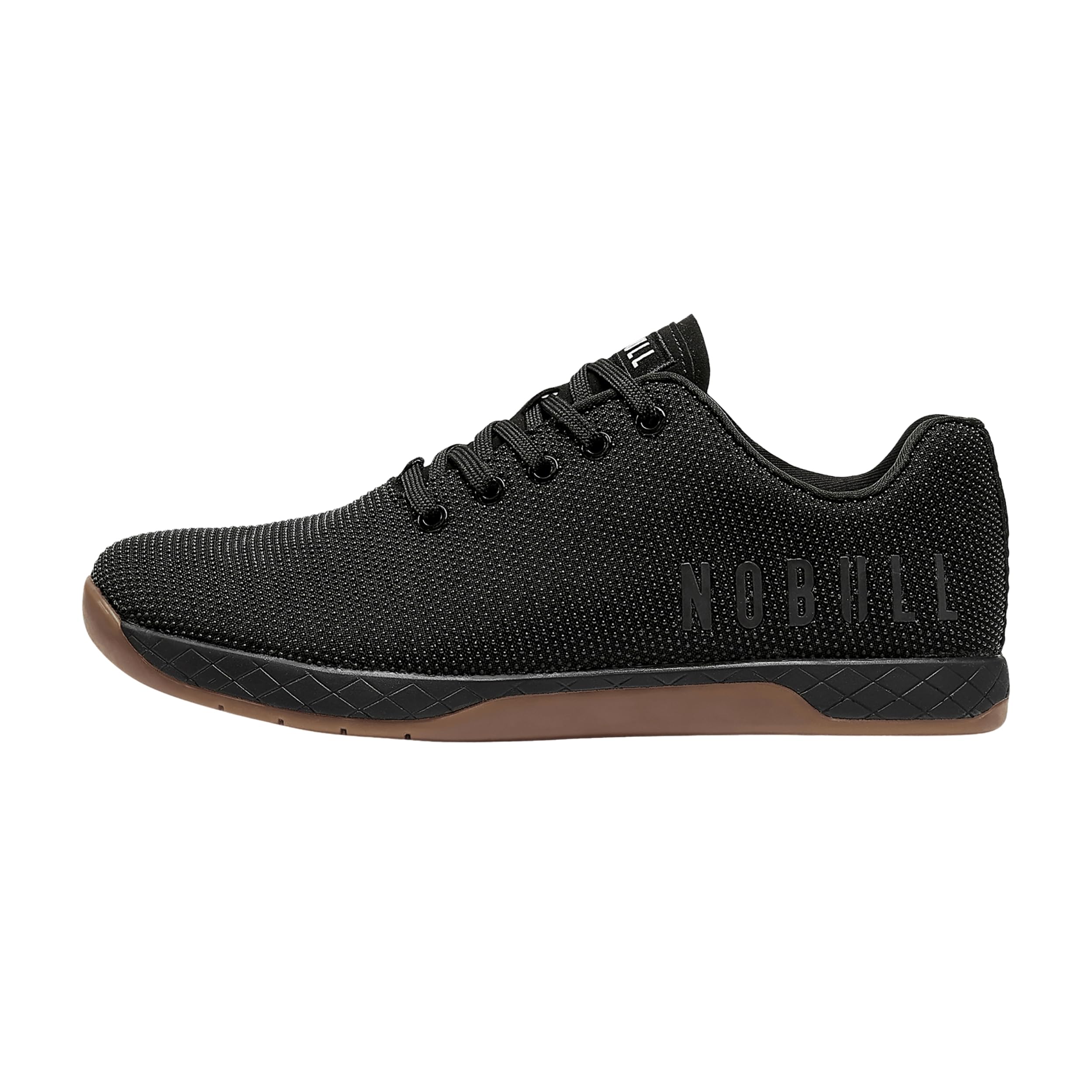
The NOBULL Outwork delivers a zero-compromise flat platform that seasoned powerlifters and bodybuilders demand. Every component—carbon rubber outsole, dense midsole, reinforced stitching—exists to eliminate energy loss between your foot and the floor. Multiple verified buyers report feeling more balanced and grounded during deadlifts and heavy squats, describing the sole as a solid foundation rather than a cushion.
Women in the gym have also praised the Outwork for improving overall balance during strength training, with specific mentions of better mat feel and footing control. The shoe runs slightly small, so ordering half a size up provides the correct fit. The upper material holds shape well after repeated sessions without stretching out prematurely.
For lifters who prioritize deadlift performance or overhead press stability, the Outwork stands out because its flat design keeps the foot in direct contact with the ground. The carbon rubber grip sole provides reliable traction on both rubber gym mats and wooden platforms.
Why it’s great
- Carbon rubber sole grips aggressively on any surface
- Flat platform eliminates sole compression during lifts
- Lightweight build for daily gym rotation
Good to know
- Runs a half size small
- Inner soles are firm and may need inserts
2. Under Armour TriBase Reign 6
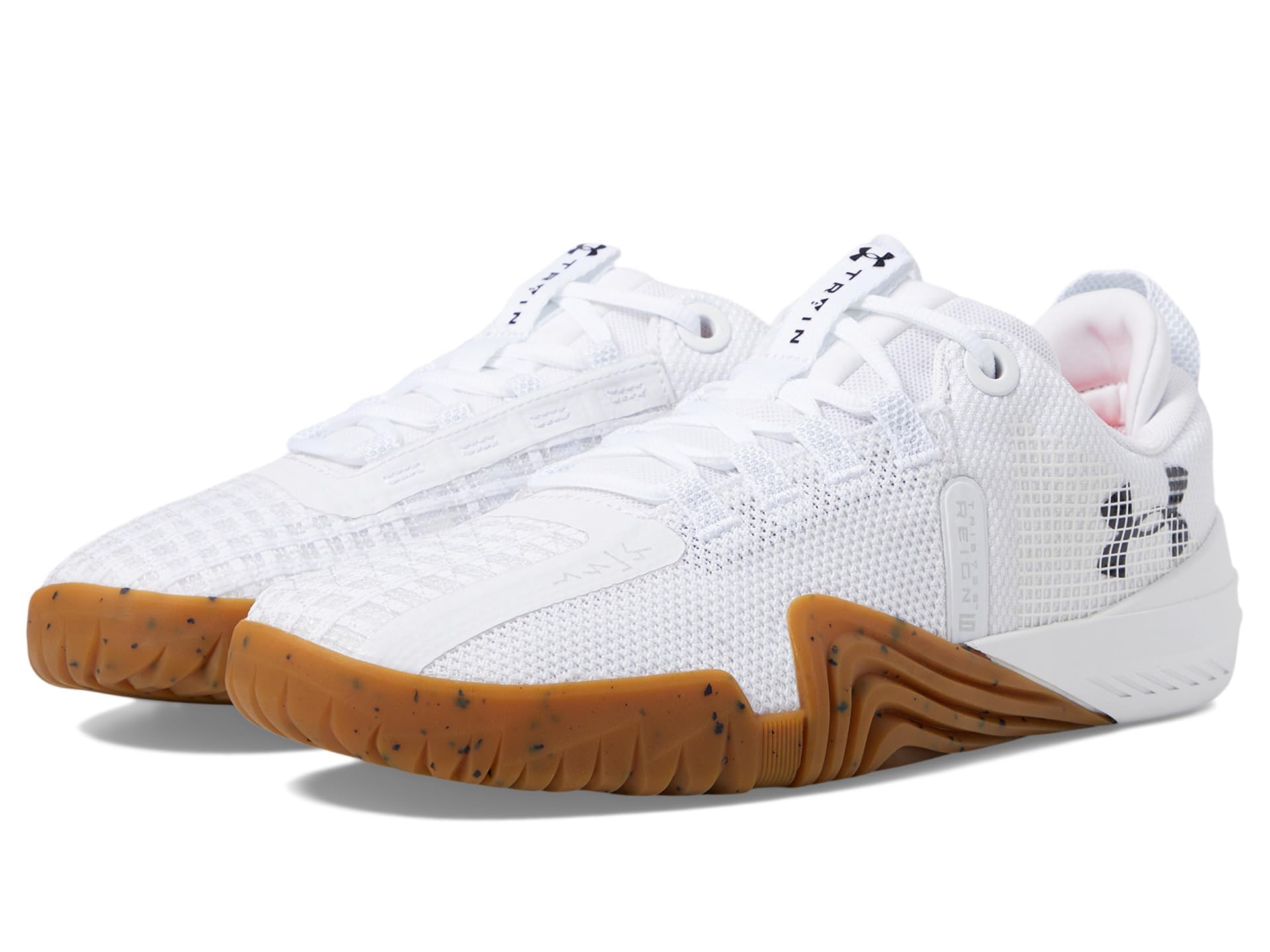
The TriBase Reign 6 earns its spot as a mid-range hybrid that bridges lifting stability with cardio-friendly flexibility. Under Armour widened the toe box compared to previous Reign models and competitors like the Nano, offering flat-footed lifters a secure base without heel slip. Verified reviewers highlight its low arch support as ideal for those whose feet feel cramped in traditional lifting shoes.
This shoe handles incline treadmill walks and short runs up to three miles without sacrificing the sole rigidity needed for squats and deadlifts. The initial stiffness required about five sessions to fully break in, but after that the midsole molds to the foot while maintaining structural support. Buyers with wide feet specifically reported no toe pinching even during heavy lunges.
For lifters who want one pair of shoes for both strength training and conditioning work, the Reign 6 provides a wider fit than Nanos and a less aggressive heel than Metcons. The white colorway looks sharp but demands regular cleaning to keep fresh.
Why it’s great
- Wider toe box accommodates flat feet naturally
- Sturdy sole holds up for squats and short runs
- Less expensive than comparable training shoes
Good to know
- Break-in period of about five sessions
- Light color requires frequent cleaning
3. Nordic Lifting VENJA

The VENJA from Nordic Lifting brings a dedicated weightlifting shoe design at a mid-range price point that competes directly with established names. The 0.75-inch elevated heel helps lifters achieve deeper squats by allowing a more upright torso angle, reducing the mobility demands on tight ankles. Buyers transitioning from regular sneakers reported immediate improvement in squat form and overhead press stability.
Multiple verified reviews note that the toe box provides enough room for natural splay without feeling loose, and the flexible forefoot makes walking around the gym more comfortable than stiffer lifting shoes. At 3.28 pounds per pair, the VENJA feels substantial without being cumbersome. The construction holds up well after months of regular use with no noticeable separation at the sole edges.
For lifters who want their first dedicated squat shoe, the VENJA offers a balanced introduction to raised-heel mechanics without the price tag of premium brands. The moderate heel works for both intermediate lifters refining technique and beginners building their strength base.
Why it’s great
- 0.75-inch heel improves squat depth and posture
- Flexible forefoot for comfortable walking between sets
- Durable construction for consistent gym use
Good to know
- Heel height may feel tall for deadlift sessions
- Not designed for running or HIIT cardio
4. adidas Powerlift 5
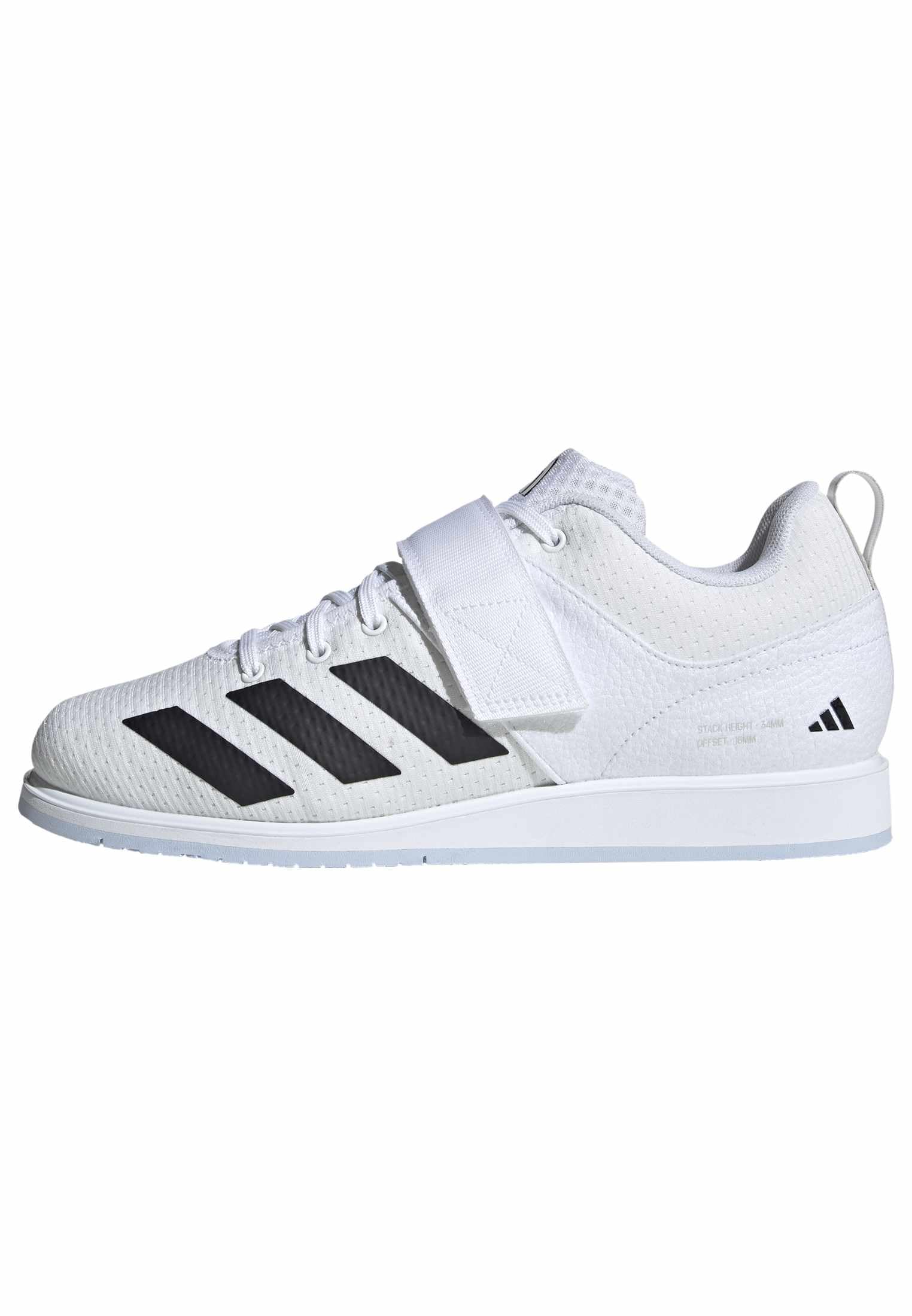
The adidas Powerlift 5 serves as the entry point into raised-heel lifting shoes, offering the same elevated heel concept found in the higher-end Adipower line at a more accessible price. Users report that the heel dramatically improves squat form—knee pain and shoulder strain both resolved within weeks for several verified buyers. The shoe runs narrow through the toe, so those with wider feet should order half a size up for proper fit.
This model works best for lifters curious about heel elevation who want to test the concept without committing to a premium shoe. The materials feel solid but the strap system is simpler than that found on competition-level lifting shoes. The narrow toe box does limit natural foot splay, which some users noted as a downside during longer sessions.
For beginners who experience mobility restrictions during squats, the Powerlift 5 provides a noticeable improvement in depth and alignment. The moderate heel height—lower than full Olympic lifting shoes—makes this a gentle transition from flat trainers.
Why it’s great
- Heel improves squat alignment and glute activation
- Affordable introduction to lifting shoe mechanics
- Durable upper with clean aesthetic
Good to know
- Toe box is narrow—not for wide feet
- Order half size up for proper fit
5. Otomix Warrior

The Otomix Warrior gained a reputation among boxers and bodybuilders alike for its exceptionally wide toe box and flat sole construction. Multiple buyers with flat feet or wide forefeet described it as the most comfortable training shoe they have ever worn, noting that the insole molds to the foot after about two days of break-in. The padded interior provides warmth and shock absorption without reducing stability.
This shoe runs wide from the midfoot through the toes, making it a solid option for lifters who struggle with squeezing into narrow lifting shoes. The flat, zero-drop sole keeps the foot close to the ground, aiding balance during squats and standing presses. Buyers with high insteps and larger foot sizes reported that the Warrior accommodated their anatomy without pinching or pressure points.
For lifters whose wide feet have limited their shoe options, the Otomix Warrior offers a rare combination of generous width and flat stability. The sole molds to the foot over time, creating a custom-like fit that improves with use.
Why it’s great
- Roomy toe box suits wide feet and flat arches
- Flat sole provides direct ground connection
- Insole molds to foot after short break-in
Good to know
- Padded upper may cause foot sweating
- Flat design lacks heel elevation for squats
6. Reebok Nano
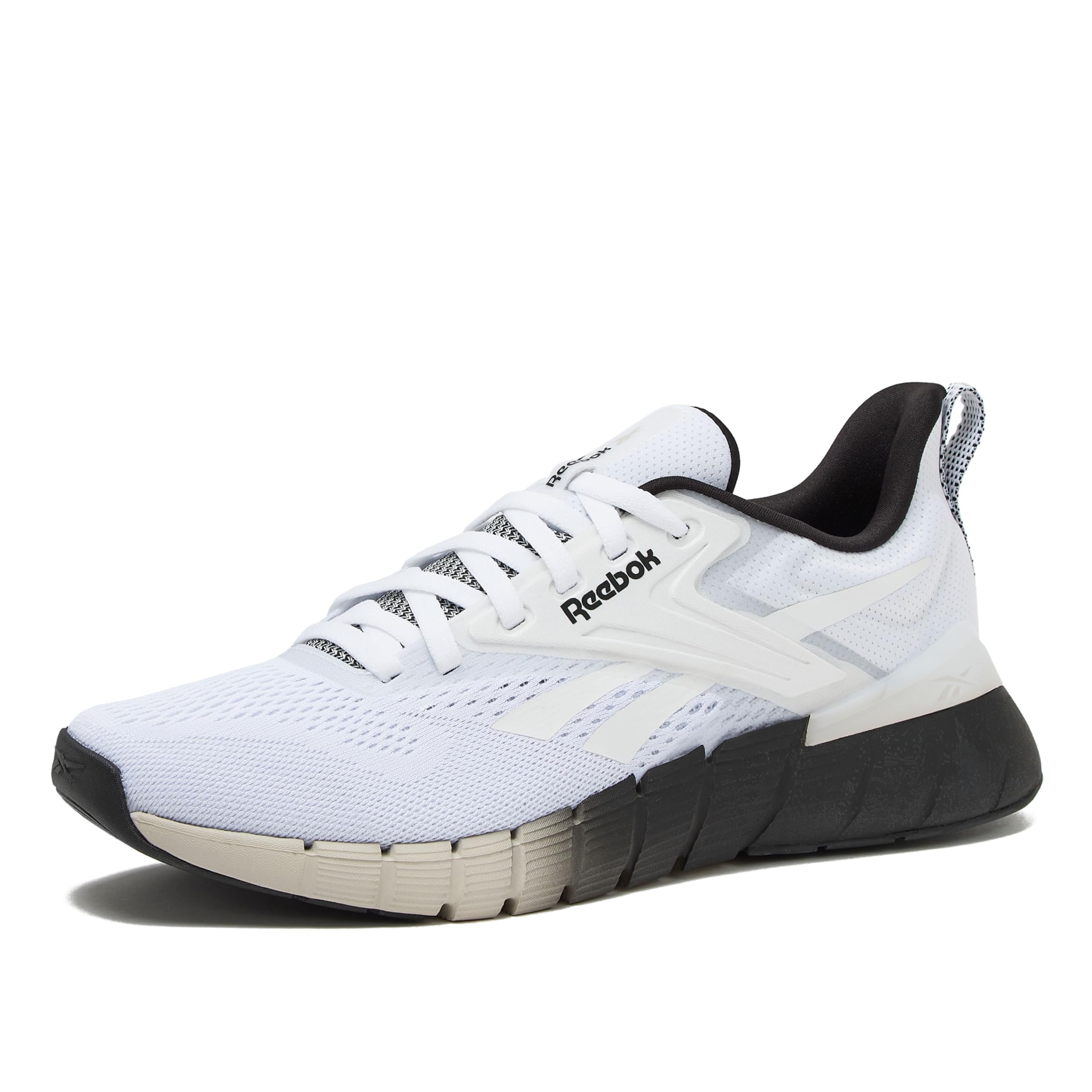
The Reebok Nano remains a staple in CrossFit and general gym training for its balanced blend of flexibility and stability. Verified buyers consistently highlight its excellent performance across HIIT, treadmill work, and moderate weightlifting. The sole offers enough rigidity to prevent wobble during squats while remaining flexible enough for dynamic movements like box jumps and burpees.
This model runs slightly large in length but tight in width, making it suitable for average-width feet. Those with broad forefeet may prefer the TriBase Reign 6 for its roomier toe area. The breathable upper keeps feet cool during long sessions, and the lace system delivers enough security to prevent heel slip during lateral movements.
For lifters building a versatile gym rotation without breaking the bank, the Nano covers most training modalities effectively. It does not match dedicated lifting shoes for pure squat stability, but its all-around capability justifies the price.
Why it’s great
- Flexible sole works for HIIT and lifting
- Breathable upper for long sessions
- Solid grip on various gym surfaces
Good to know
- Tight width may not suit wide feet
- Runs slightly large in length
7. Xero Shoes Prio Neo
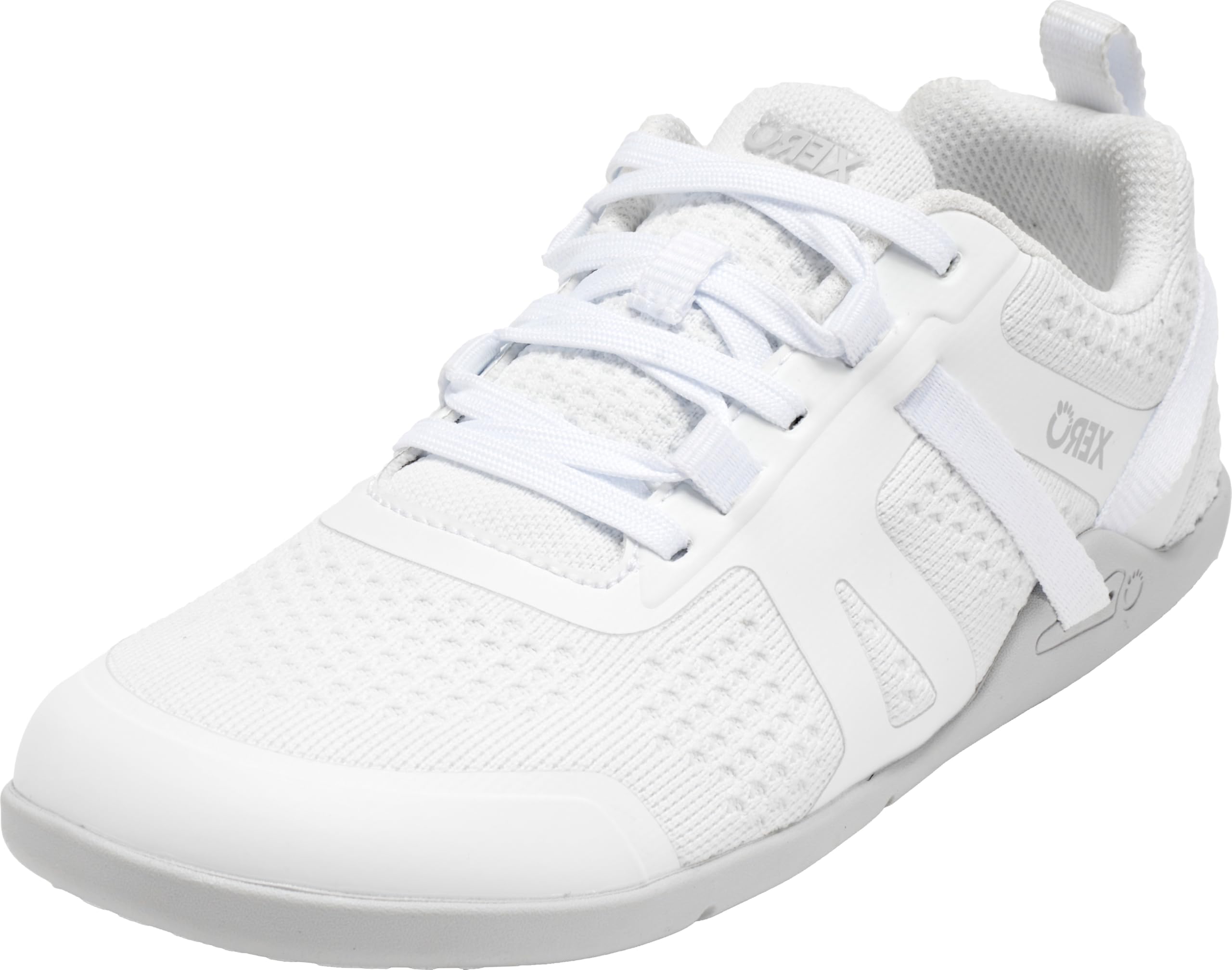
The Xero Shoes Prio Neo represents the minimalist end of the bodybuilding shoe spectrum, with a zero-drop platform and an exceptionally wide toe box that allows the foot to splay naturally. Buyers transitioning from traditional cushioned sneakers report a significant adjustment period—calf soreness and new muscle activation patterns are common during the first two weeks. Several verified users mentioned that their chronic heel strike issues resolved after switching.
The removable insole lets users choose between a true barefoot feel and light cushioning. The shoe measures roughly one to one and a half inches shorter than equivalent-sized traditional shoes, yet still fits with adequate toe room. Users with Morton’s toe and hammer toes reported these as the most comfortable training shoes they have owned due to the unrestricted forefoot space.
For lifters who prioritize natural foot mechanics and believe that minimal sole intervention improves proprioception and strength, the Prio Neo delivers exactly that. The adjustment period requires patience, and the shoelaces are excessively long, but the long-term foot health benefits align with the barefoot training philosophy.
Why it’s great
- Zero-drop platform for natural foot position
- Extra-wide toe box accommodates foot deformities
- Removable insole for customizable feel
Good to know
- Significant adjustment period for new users
- Shoelaces are overly long and may come undone
FAQ
Can I use running shoes for bodybuilding?
Do I need raised-heel shoes for squats?
What heel height is best for beginners?
Are barefoot shoes good for bodybuilding?
Final Thoughts: The Verdict
For most users, the bodybuilding shoes winner is the NOBULL Outwork because its flat, carbon rubber sole delivers unmatched stability for deadlifts and squats without unnecessary cushioning. If you want a hybrid shoe that handles both heavy lifting and cardio, grab the Under Armour TriBase Reign 6. And for those with wide feet who struggle to find accommodating footwear, nothing beats the Otomix Warrior for its generous toe box and flat-sole stability.