
Our readers keep the lights on and the weekend projects moving. As an Amazon Associate, I earn from qualifying purchases.
The moment snow melts through the tongue of your boot, the day is ruined. Wet socks, frozen toes, and a long walk back to the car define the real stakes of winter footwear. Choosing a boot that seals out moisture, traps heat, and grips ice on contact is not a luxury—it is a survival decision for anyone who spends winter on their feet.
I’m Rikta — the co-founder and writer behind FitlyFast. I’ve analyzed hundreds of winter boot specs across insulation density, waterproof membrane construction, and outsole lug patterns to find the models that actually deliver on their promises.
Whether you are shoveling a driveway, hiking a snowy trail, or commuting through city slush, finding a reliable boot for winter means choosing between thermal-reflective linings, removable felt insoles, and rubber shell heights that determine how long your feet stay warm.
How To Choose The Best Boot For Winter
Selecting a winter boot is a trade-off between insulation weight, waterproofing depth, and sole flexibility. Buyers who prioritize looks over membrane construction often end up with damp feet by mid-season. Understanding the three critical levers will prevent that mistake.
Insulation Type and Temperature Rating
Synthetic insulation like 200g or 400g Thinsulate offers consistent warmth without bulk, while removable felt liners allow drying and replacement. Real-world temperature ratings are more reliable than marketing claims—look for models that have been tested by users at single-digit temperatures to confirm the rating holds.
Waterproof Membrane vs. DWR Treatment
A sealed membrane bootie construction (like Columbia’s Omni-Tech or proprietary rubber vulcanization) creates a permanent waterproof barrier. DWR sprays wear off after a few wears. If you encounter slush or standing water daily, choose a boot with a seam-sealed membrane rather than a water-resistant coating.
Outsole Traction on Ice
Rubber compound and lug depth determine grip on frozen surfaces. Omni-Grip rubber and similar cold-weather compounds stay flexible below freezing, while standard rubber hardens and loses traction. Multi-directional lugs with siping (tiny slits) offer noticeable improvement on glare ice compared to flat treads.
Quick Comparison
On smaller screens, swipe sideways to see the full table.
| Model | Category | Best For | Key Spec | Amazon |
|---|---|---|---|---|
| KEEN Revel 4 Mid Polar | Premium | Extreme cold & hike | Waterproof membrane + 400g insulation | Amazon |
| SOREL Women’s Tivoli V Tall | Premium | Fashion & deep snow | Removable felt inner boot | Amazon |
| Columbia Men’s Expeditionist Shield | Mid-Range | Daily commuter warmth | Omni-Heat thermal reflective lining | Amazon |
| Columbia Womens Moritza Shield | Mid-Range | All-day slush & ice | Omni-Grip rubber outsole | Amazon |
| Kamik Men’s Forester | Mid-Range | Farm & wet snow | 100% waterproof rubber shell | Amazon |
| Columbia Women’s Ice Maiden Slip III | Budget | Casual city wear | Slip-on waterproof design | Amazon |
| XPETI Crest Thermo High-Top | Budget | Light hiking & mild cold | All-rubber construction | Amazon |
In‑Depth Reviews
1. KEEN Revel 4 Mid Height Polar Insulated Waterproof
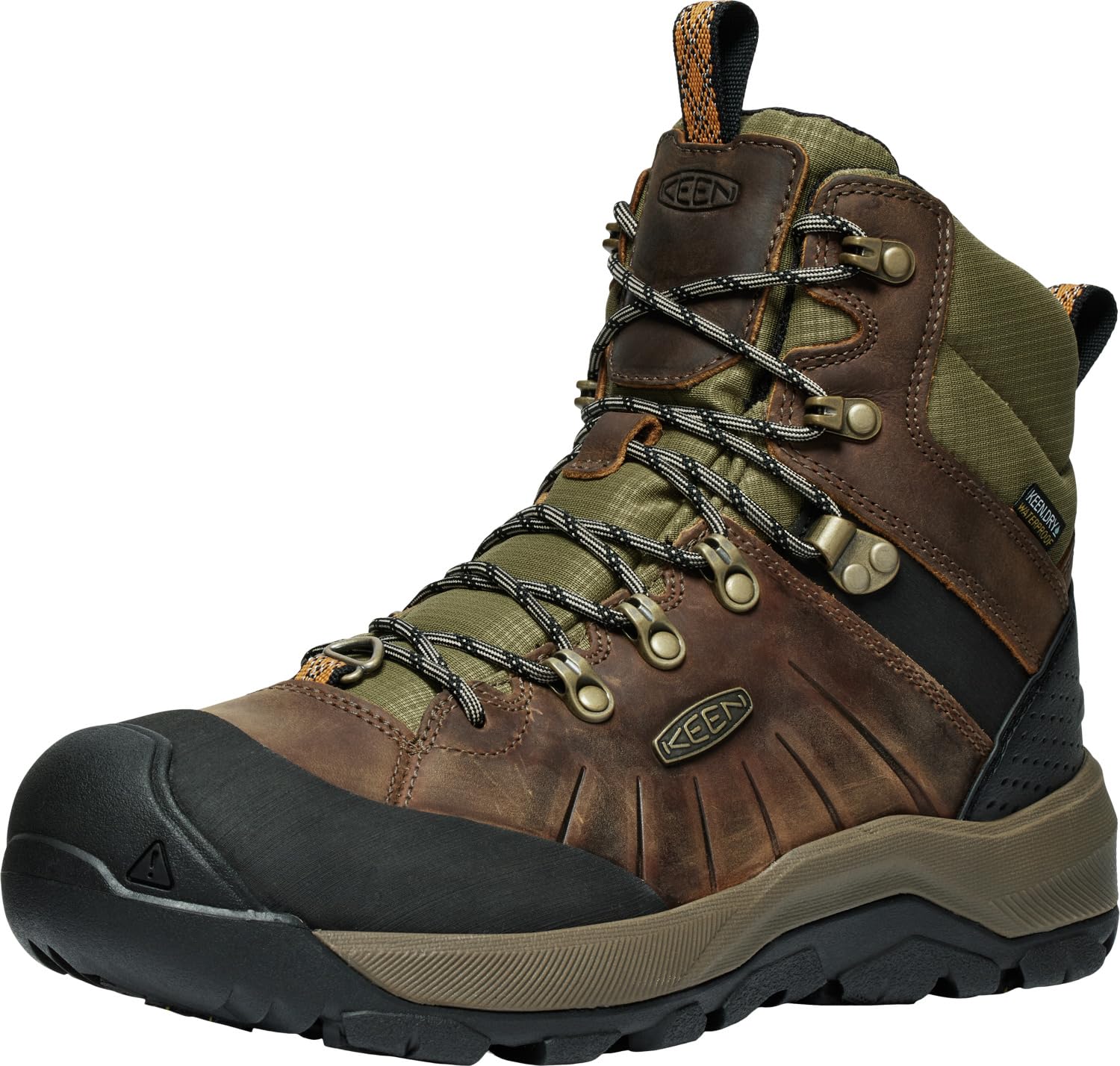
The KEEN Revel 4 Mid Polar delivers the highest warmth-to-weight ratio in this lineup. Its thermal heat shield and 400g insulation kept testers warm climbing a Colorado 14er at -5°F wind chill. The wide toe box accommodates thick wool socks without compressing toes, which is critical for circulation in extreme cold.
Waterproofing comes from a sealed membrane rather than a spray-on treatment, and users report full dryness after hours in deep snow and slush. The speed lace webbing system makes adjustments easy even with gloved hands. Traction is aggressive enough to pair with snowshoes and crampons.
Some users note the boot runs slightly long, but the overall fit is true to size for most. The extra toe room is a deliberate design choice for cold-weather layering, not a sizing error. If your winter involves single-digit temperatures and uneven terrain, this boot justifies its premium position.
Why it’s great
- Subzero warmth tested at -5°F
- Roomy toe box for thick socks
- Snowshoe and crampon compatible
Good to know
- Premium price point requires commitment
- Tread tracks snow indoors
2. SOREL Women’s Tivoli V Tall Waterproof Boot
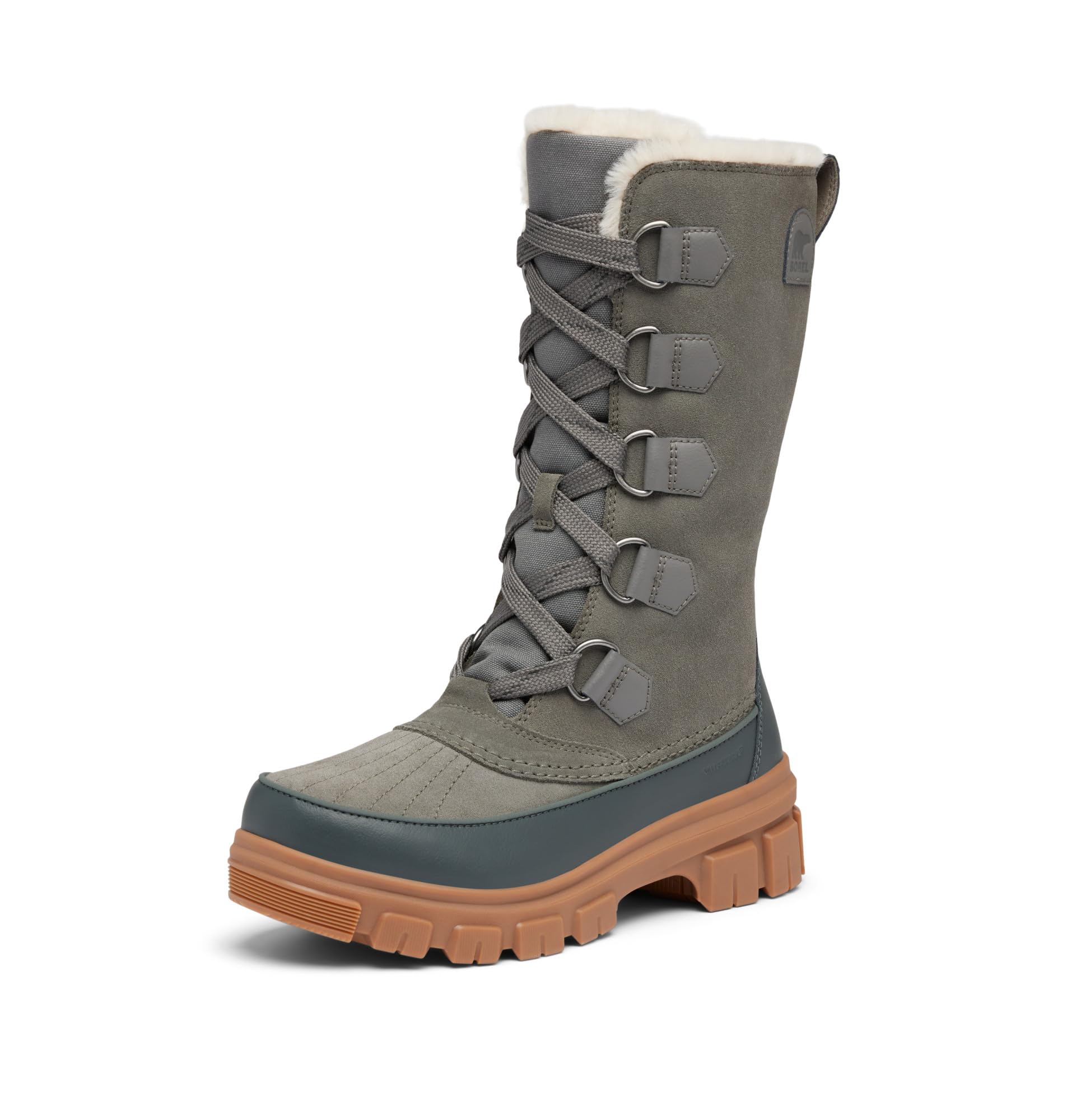
The SOREL Tivoli V Tall merges technical winter protection with refined styling that transitions from trail to urban sidewalk. Its removable felt inner boot provides insulation down to 0°F, and users with poor circulation report adding heated insoles extends comfort further. The tall shaft blocks deep snow from entering.
Waterproof construction holds up to repeated slush and snow exposure, and the thick laces resist freezing in cold weather. Owners praise the durable build that lasts multiple seasons—one reviewer reported over 10 years of use. The boot accommodates custom orthotics without sacrificing fit.
Ankle rub is possible when laces are cinched tight, but loosening the top hooks resolves this. For women who want a boot that looks as good as it performs in snow and mud, the Tivoli V Tall is a top-tier choice. It prioritizes lasting comfort and style over extreme expedition features.
Why it’s great
- Removable felt liner dries overnight
- Tall shaft keeps deep snow out
- Fits orthotics and custom insoles
Good to know
- Needs heated insoles below 0°F
- Ankle rub when laced very tight
3. Columbia Men’s Expeditionist Shield
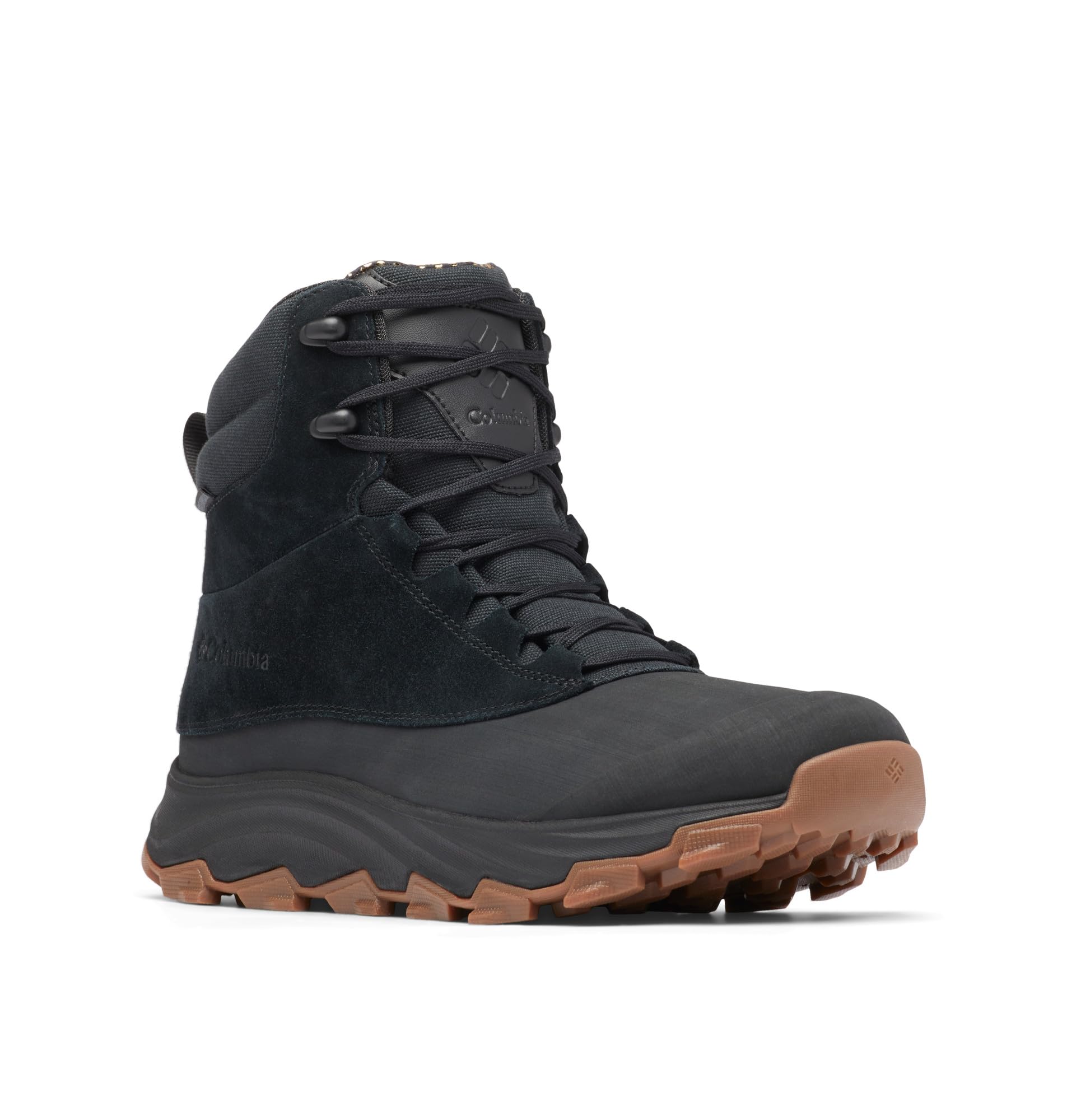
The Columbia Expeditionist Shield packs thermal-reflective Omni-Heat technology into a lightweight package that feels more like a hiking boot than a winter clunker. Users report feet staying warm to 10°F without the bulk of traditional insulated boots. The waterproof-breathable build resists moisture well and dries quickly when wet.
Cold-optimized traction provides solid grip on ice and packed snow, and the mid-height cut offers ankle support without restricting movement. The removable insole is thin, but the overall comfort and ground feel earn high marks from daily wearers. Many buyers wear these as their primary winter shoe.
One notable quirk is the gold trim at the shoe opening, which some find juvenile. The boot runs about half a size small, so sizing up is essential. For the warmth-to-weight ratio and the mid-range price, this is one of the smartest buys for men facing moderate winter conditions.
Why it’s great
- Very lightweight for the warmth
- Dry and comfortable in deep snow
- Dries fast after wet conditions
Good to know
- Runs half size small
- Gold trim may not suit all tastes
4. Columbia Womens Moritza Shield Omni-Heat Insulated Snow Boot

The Moritza Shield is Columbia’s answer to winter boots that deliver exceptional traction without bulk. Users compare the outsole grip to winter tires, describing stable footing on slick ice and packed snow. The thermal-reflective lining and fleece interior keep feet warm during multi-hour shoveling sessions in blizzard conditions.
Waterproof-breathable construction handles rain and slush without soaking through, and the lightweight cushioning prevents fatigue during all-day wear. The reinforced toe and ankle support give a combat-boot feel that resists rolling on uneven terrain. Owners appreciate that no fur or fleece trim catches hay on farms.
Sizing is a common point of discussion—many buyers recommend sizing up half a size to accommodate thick socks. The boot is slightly bulky around the ankle but that is a trade-off for the stability. For women who prioritize grip and warmth in a mid-range package, this boot is a standout performer.
Why it’s great
- Exceptional traction on ice and slush
- Lightweight and comfortable for all day
- Reinforced toe and roll-proof ankle
Good to know
- Runs small for some; size up half
- Bulky ankle area affects fit
5. Kamik Men’s Forester
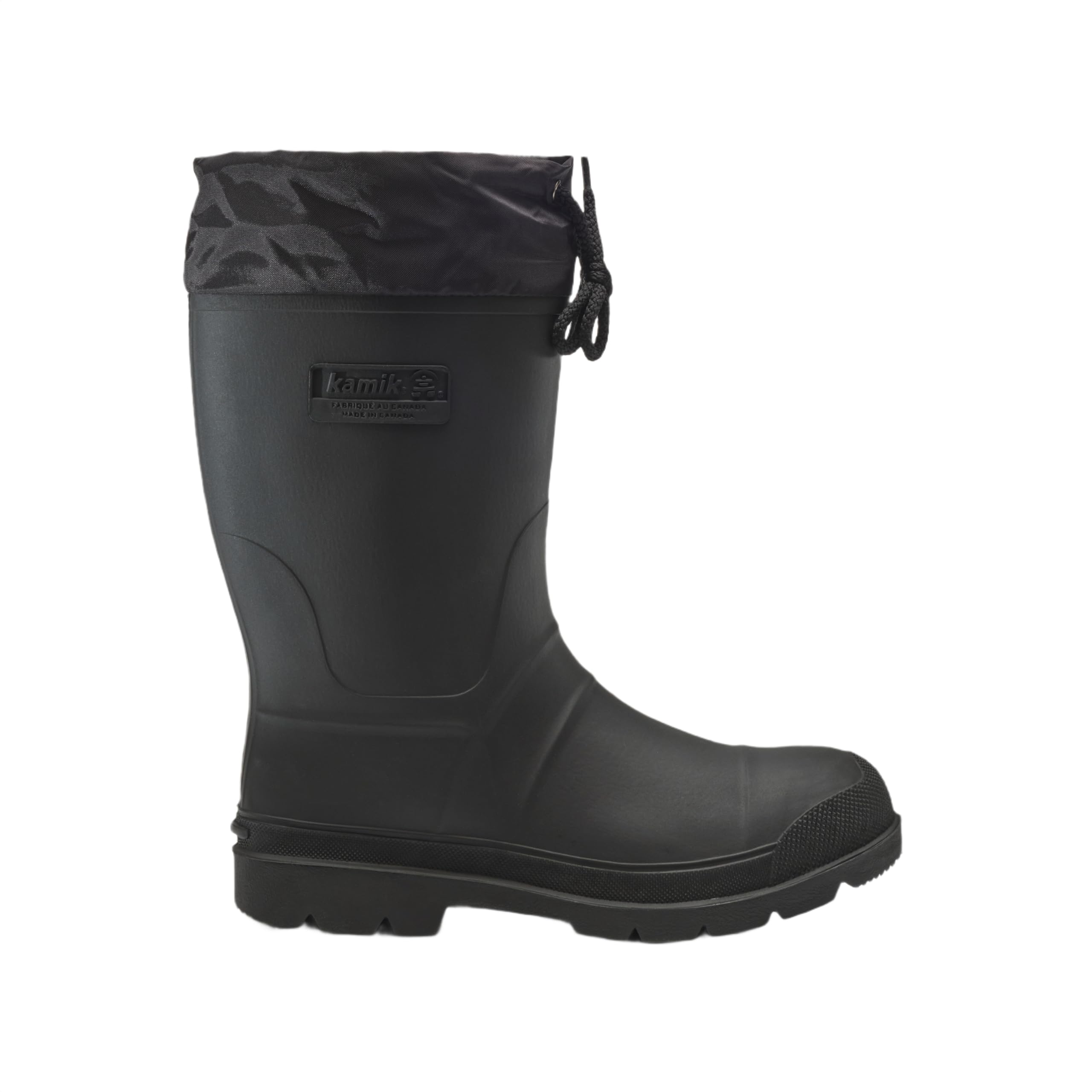
The Kamik Forester is a no-nonsense rubber work boot built for wet snow, farm chores, and shallow water crossings. Its 100% waterproof rubber shell and oil-resistant outsole make it a durable choice for heavy-duty use. The thick removable felt liner provides warmth that holds in negative temperatures, and the cinch-top closure seals out snow and debris.
Wide-footed users appreciate that the boot accommodates EEE widths when sized up one full size. The lug soles offer solid traction on icy grass and mud, and the boot is easy to hose clean after muddy work. Owners report the boot lasting five years or more with regular farm use.
Initial comfort is not the Forester’s strength—some describe a strange fit that requires break-in. The rubber construction is stiff until the liner molds to the foot. This boot is best for buyers who prioritize waterproof durability and warmth over all-day walking comfort, especially in agricultural or outdoor work settings.
Why it’s great
- 100% waterproof rubber shell
- Removable felt liner for easy drying
- Cinch top keeps snow out
Good to know
- Stiff rubber requires break-in
- Not as comfortable for all-day walking
6. Columbia Women’s Ice Maiden Slip III Snow Shoe

The Ice Maiden Slip III offers easy on-off convenience with a waterproof slip-on build that handles wet city streets and light snow. The Omni-Grip outsole provides steady traction on slick surfaces, and the TechLite midsole delivers cushioning that feels closer to a sneaker than a winter boot. Users report feet staying dry through rainstorms and slush.
Warmth is sufficient for moderate winter conditions, though the insulation is lighter than beefier options. The boot is comfortable enough for all-day wear straight out of the box with minimal break-in. Multiple color options make it a versatile choice for casual winter style.
One persistent complaint is the narrow boot mouth, which makes the boot difficult to put on for some users. The toe box is also narrow, limiting thick sock use. A few buyers received returned items sold as new. For budget-conscious shoppers who prioritize ease of entry and dry feet over extreme cold performance, this is a solid entry-level option.
Why it’s great
- Easy slip-on design for quick wear
- Comfortable cushioning like a sneaker
- Waterproof in rain and slush
Good to know
- Narrow boot mouth and toe box
- Risk of receiving used returns as new
7. XPETI Men’s Crest Thermo High-Top Winter Hiking Boots
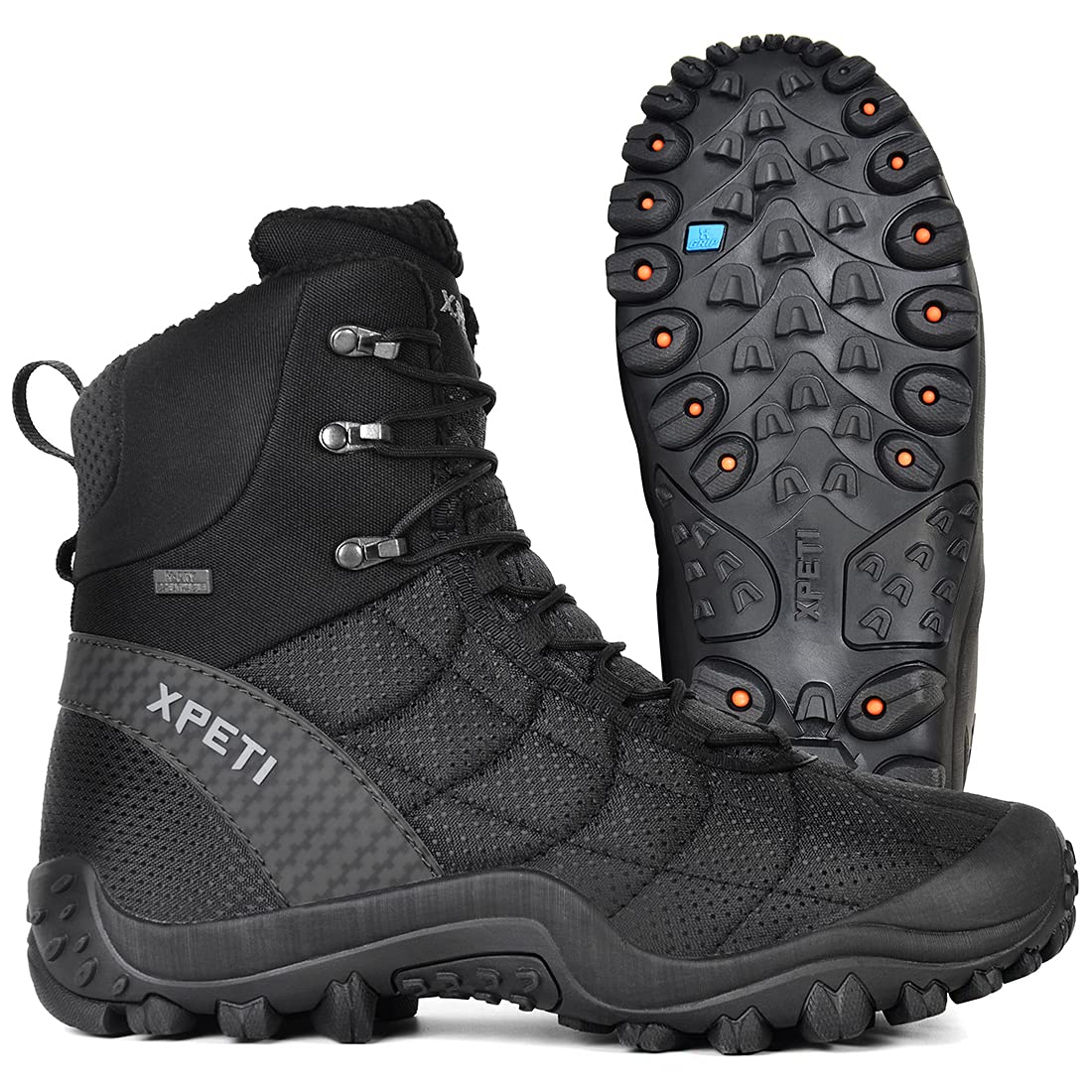
The XPETI Crest Thermo is a lightweight winter hiking boot that prioritizes comfort and ankle support out of the box. The all-rubber construction is flexible and easy to clean, and users report zero break-in time. Traction is reliable on icy grass and muddy trails, making it a capable companion for mild winter hikes.
Warmth holds in temperatures down to around 26°F, though some users found it insufficient for prolonged exposure below freezing—especially when snow melts on the upper and seeps through lace eyelets. The boot fits larger sizes well, accommodating orthotic insoles and thick socks when sized up.
A design quirk places a bottom lace hook that can hit the ankle bone during deep squats. Water resistance is decent for light snow but not fully waterproof for extended slush exposure. For hikers who want a comfortable, affordable boot for mild winter conditions and light trail use, this is a reasonable entry-level choice.
Why it’s great
- Comfortable with no break-in needed
- Excellent ankle support for hiking
- Easy to clean rubber exterior
Good to know
- Not fully waterproof in deep snow
- Lace hook can hit ankle when squatting
FAQ
Should I size up in winter boots for thick socks?
How do I keep my winter boots from smelling after wet use?
Can I wear winter boots for ice fishing or sitting still in cold?
How often should I replace the waterproofing on my winter boots?
Final Thoughts: The Verdict
For most users, the boot for winter winner is the KEEN Revel 4 Mid Polar because it combines subzero warmth, durable waterproofing, and a wide toe box that accommodates thick socks without foot fatigue. If you want stylish cold-weather performance and a removable liner for easy drying, grab the SOREL Tivoli V Tall. And for a lightweight, budget-friendly daily driver that still delivers solid insulation, nothing beats the Columbia Expeditionist Shield.